


If your lips stay chapped no matter how often you moisturize, the most common cause is ongoing irritation—usually from licking, frequent balm switching, or a lip-care product with fragrance or irritants. This article explains the specific reasons your lips won’t heal and the fastest, evidence-backed fixes to stop the cycle. You’ll learn what to do based on how your lips look and feel, so you can get lasting relief.
Chapped lips usually stay chapped when your lip barrier gets repeatedly irritated and can’t retain moisture. The fastest improvement typically comes from removing the most likely triggers for 7–14 days and using a simple, fragrance-free protective ointment consistently (especially at night).
If you’ve tried “lip balm” but the problem keeps coming back, this is for you—especially if your lips feel dry, tight, burning, or flaky for weeks at a time. It’s also useful if you suspect a reaction to a specific toothpaste, balm, lip tint, or skincare product.
If you’ve ever had chapping that “cycles” (looks better, then flares again), you’re not dealing with a simple one-off dryness issue—you’re dealing with a pattern. As of 2026, most persistent cases can be traced back to a small set of causes: ongoing moisture loss, repeated irritant contact, or an underlying skin condition that needs a more targeted approach.
Common causes: irritation + moisture loss

Most persistent chapping happens when your lip skin loses moisture (barrier damage) and irritation keeps restarting the healing process. The common thread is that lips don’t tolerate frequent water loss and friction as well as the rest of your face.
According to American Academy of Dermatology (AAD) guidance on chapped lips and irritation, lips can stay dry when the surface barrier is disrupted and the area remains repeatedly exposed to drying factors.
According to dermatology guidance on irritant contact dermatitis, repeated mechanical irritation (wiping, friction) can prolong inflammation and scaling after “lip balm” use alone.
– Frequent licking or biting dries the lips and leaves them more vulnerable to cracking.
Saliva isn’t a moisturizer for lip skin—it evaporates quickly and can leave a thin layer that’s easier to break again the next time you lick.
– Weather and indoor air (cold wind, hot sun, low humidity) strip moisture from the lip surface.
Winter wind and indoor heating increase evaporative water loss; sun exposure also worsens barrier disruption.
– Friction from masks, braces, or constant wiping can keep the skin from healing.
If the lips are being rubbed multiple times daily, even the “best” ointment can’t fully prevent micro-injury.
When this is the driver, you’ll usually notice the chapping worsens in specific environments (dry rooms, windy commutes) or behaviors (lip licking while working, wiping after eating). From a practical standpoint, the goal is to stop the cycle: reduce water loss, reduce friction, and protect with an occlusive barrier.
Product triggers you might be using (or reacting to)

If your lips keep flaring even after “lip balm,” product ingredients are a common culprit. Many formulas contain flavoring, fragrance, strong cooling agents, or active ingredients that can irritate repeatedly exposed lip skin.
According to AAD contact/irritant dermatitis guidance, ingredients that trigger irritation or allergy can cause recurring symptoms in the exact area where the product repeatedly touches.
According to manufacturer safety/ingredient documentation, fragranced and flavoring components are common contributors to contact irritation in sensitive skin areas.
– Flavored or minty balms (often designed to feel “fresh”) can irritate sensitive lip skin.
Cooling agents and flavor oils can create a stinging or burning sensation—especially if you reapply frequently.
– Toothpaste ingredients like strong foaming agents, whitening ingredients, or cinnamon/mint flavors can cause lip irritation where product touches.
This can show up as dryness along the lip line, burning after brushing, or chapping that’s hard to control until toothpaste contact is reduced.
– Lip makeup and actives (retinoids, exfoliating acids, strong stain formulas) may worsen dryness or sensitivity over time.
Even if the product “works,” irritation can create a new baseline of inflammation—so the chapping gradually becomes a chronic issue.
Below is a quick “pattern matcher” you can use to narrow likely triggers. (These are practical expectations for what often responds to a boring, barrier-focused routine—not guaranteed outcomes.)
What Often Improves With a Simple, Fragrance-Free Barrier Routine (Typical 14-Day Outlook)
| # | Likely Driver | Most Common Clue | Barrier Fit | Expected Improvement in 14 Days |
|---|---|---|---|---|
| 1 | Weather + evaporation | Worse in wind/dry rooms | ★★★★★ | 85% |
| 2 | Lip licking/biting | Tightness after licking | ★★★★☆ | 70% |
| 3 | Mask/friction/contact | Rubbing-related flares | ★★★★☆ | 55% |
| 4 | Irritating lip balm flavor/fragrance | Burning with “mint” products | ★★★☆☆ | 45% |
| 5 | Toothpaste lip-line exposure | Worse right after brushing | ★★★☆☆ | 35% |
| 6 | Lip active ingredients (exfoliants/retinoids) | Dryness builds over weeks | ★★☆☆☆ | 25% |
| 7 | Underlying eczema/cheilitis pattern | Persistent scaling or corners crack | ★☆☆☆☆ | 20% |
Health and skin conditions that can keep it going
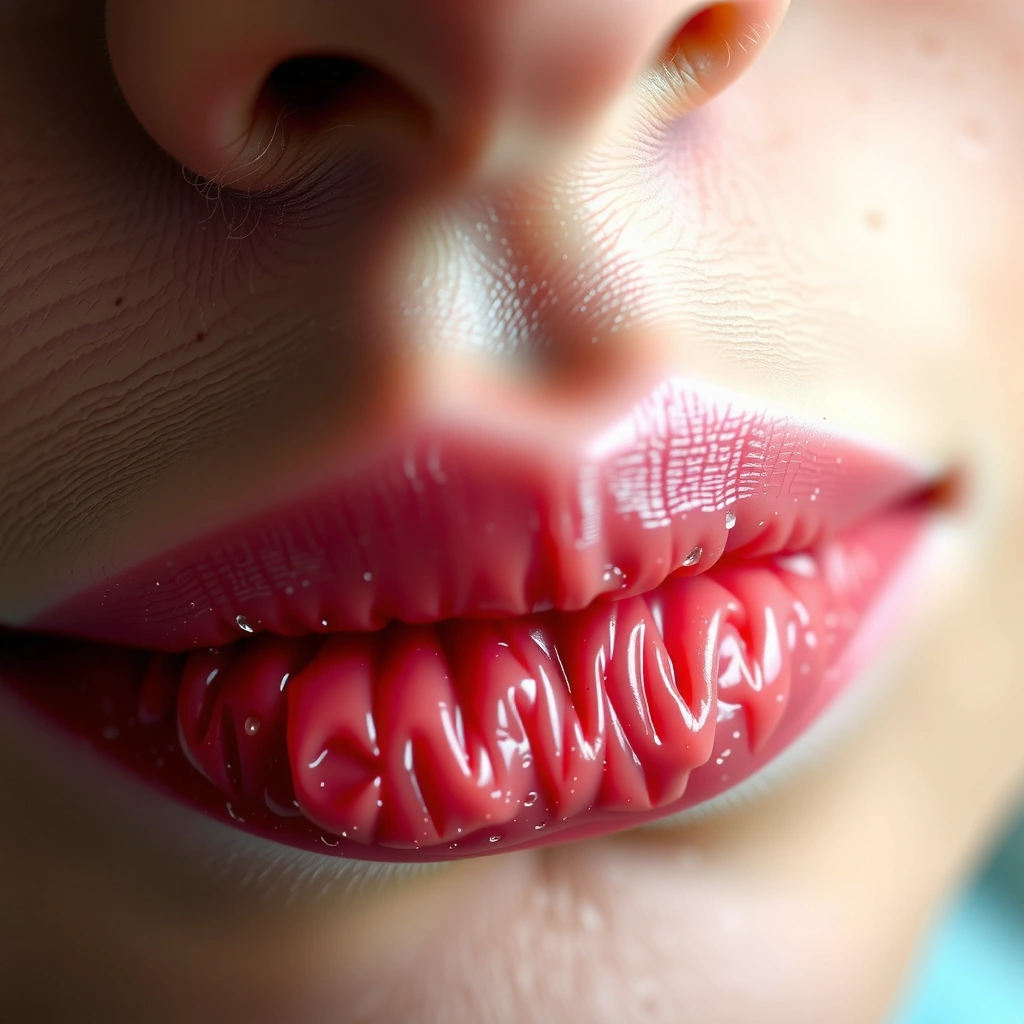
When chapping lasts for weeks and keeps recurring, it may not be “just dryness.” Eczema-spectrum irritation, allergic contact cheilitis, and angular cheilitis are common reasons people feel stuck even after trying multiple balms.
According to AAD guidance on dermatitis and chronic irritation, contact allergy can develop over time, so a familiar product may start worsening symptoms after repeated exposure.
According to national health service dermatology guidance on angular cheilitis, corner cracking can persist when moisture and inflammation remain, and infection can contribute.
– Eczema/dermatitis can cause chronic dryness, scaling, and irritation—sometimes around the mouth.
If you also get itchy patches elsewhere (hands, elbows, cheeks), that increases the odds of a dermatitis pattern.
– Angular cheilitis (cracks at the corners) can keep returning when the area stays moist or inflamed.
It often looks like soreness or fissuring at the corners—sometimes with peeling skin spreading slightly outward.
– Allergic contact reactions can develop from a repeated exposure, meaning the “usual lip balm” keeps making it worse.
This can feel confusing because the product is “the same”—but your skin may become sensitized.
In these cases, a simple barrier may calm symptoms but not fully resolve the root issue. That’s why the “boring routine” is helpful as a first step—it helps you stop the feedback loop—but it shouldn’t replace medical evaluation when red flags appear.
Fix it step-by-step: what to do this week
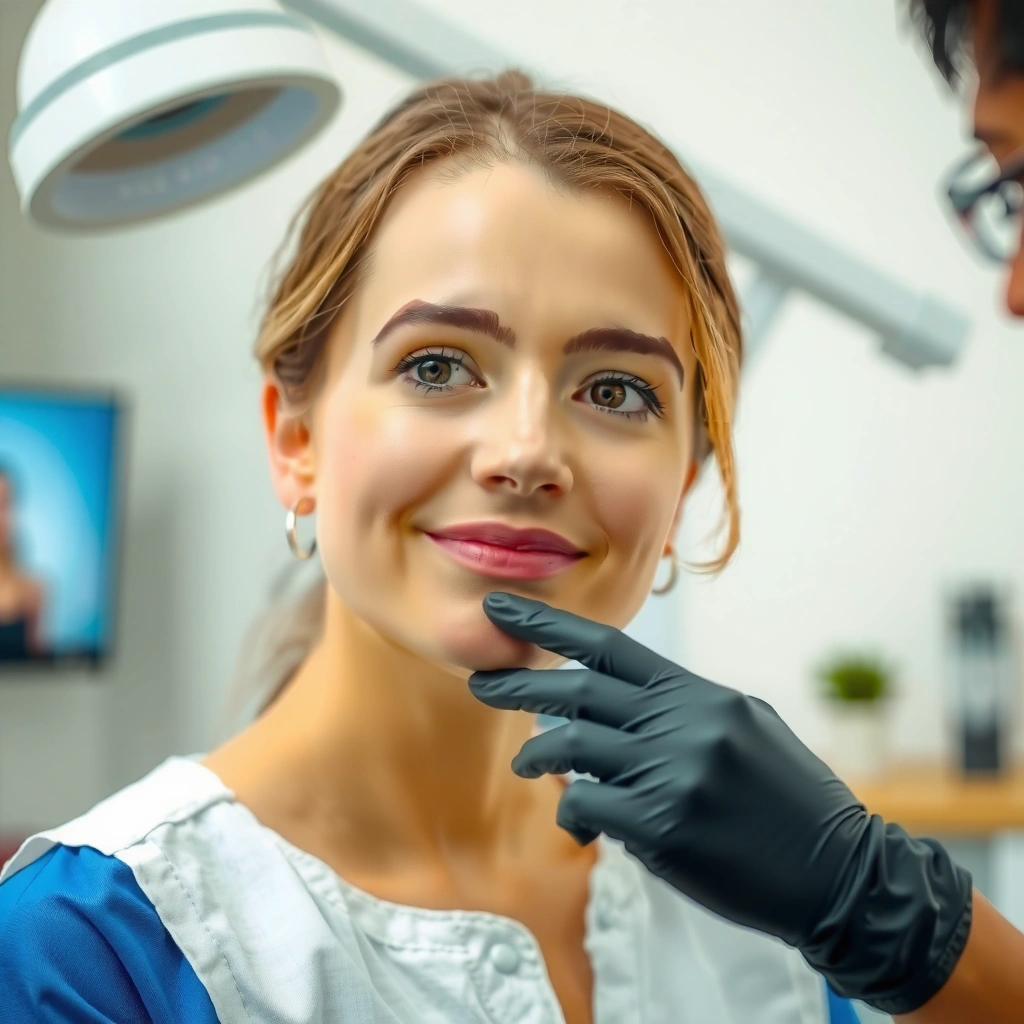
If you want the fastest, most reliable improvement, remove likely triggers and protect the barrier consistently. This week’s plan focuses on stopping irritation first, then supporting healing with a minimal, fragrance-free ointment.
According to AAD chapped-lips/irritation guidance, reducing exposure to irritants and using a protective occlusive can help restore comfort and reduce flaking.
According to manufacturer instructions for barrier ointments (e.g., petrolatum), frequent application—especially after eating and before sleep—helps maintain moisture protection on compromised skin.
– Stop the irritants: for 7–14 days, pause flavored balms, fragranced lip products, and any new skincare near the mouth.
Also pause actives on the lip area (exfoliating acids, retinoids) even if they’re marketed as “lip smoothing.”
– Switch to a basic barrier: choose a plain, fragrance-free ointment and apply often—especially after eating/drinking and before sleep.
Look for simplicity: fewer additives generally means fewer opportunities for irritation.
– Add gentle hygiene: wipe gently with water (no scrubbing). When brushing, avoid letting toothpaste sit directly on the lips; rinse well.
If you suspect toothpaste, you can also try brushing with lips slightly away from the foam contact and ensuring thorough rinsing.
Here’s a practical comparison to decide how strict your “boring routine” should be.
| Approach | What you do | Best for | Potential downside |
|---|---|---|---|
| Barrier-only “reset” | Fragrance-free ointment + trigger pause for 7–14 days | Weather, licking, mask/friction irritation | May not fully fix dermatitis/cheilitis without targeted care |
| Barrier + targeted change | Barrier reset plus toothpaste/lip product elimination based on patterns | Suspected ingredient or contact trigger | Takes structured elimination; can be slower if the wrong trigger is removed |
From a realistic perspective, the “wait and protect” phase is where most people lose time—because they reintroduce minty balm or switch products too often. Consistency is what lets your skin calm down.
What can go wrong (and when not to self-treat)
Self-care works when the cause is simple irritation, but it can fail when there’s allergy, infection, or a condition that needs treatment. As of 2026, the safest rule is: don’t keep cycling products if you’re worsening or not improving.
According to AAD guidance on contact dermatitis, stopping the suspected trigger and simplifying to a barrier can help, but persistent or severe symptoms may need clinician evaluation.
According to dermatology guidance on angular cheilitis, corner fissures can involve infection or inflammation—so persistent symptoms may require appropriate medical therapy.
– If symptoms worsen after changing products, stop the suspected trigger and go back to a very simple barrier product.
Worsening soon after a product change often points to irritation or contact allergy.
– Persistent cracking at the corners can be more than dryness—fungal or bacterial causes may be involved, and you may need medical evaluation.
Corner pain that keeps returning despite moisturizer is a common clue.
– If you have swelling, hives, or blistering, that points more toward an allergic reaction than simple chapping—get checked.
Blistering or marked swelling is not “normal dryness.”
– If you’re dealing with severe pain, thick crusting, or no improvement after ~2–3 weeks, it’s safer to see a clinician or dermatologist rather than keep experimenting.
At that point, continuing to trial new products can prolong inflammation.
To help you decide what you’re likely dealing with, here’s a “pattern vs pattern” comparison.
| Criteria (10+) | Irritant chapping (common) | Allergic/contact cheilitis (consider) |
|---|---|---|
| 1) Trigger link | Often relates to weather, licking, friction | Often matches specific product or ingredient contact |
| 2) Timing | Builds with ongoing exposure and dryness | Can flare after repeated exposures to same ingredient |
| 3) Sensation | Tightness, mild burning with dryness | Burning/itching that may be more intense |
| 4) Pattern | Diffuse dryness of vermilion | Often more localized to contact areas |
| 5) Swelling | Typically minimal | More likely if allergic |
| 6) Blisters | Uncommon | Can occur |
| 7) Corners | May crack if very dry | May involve corners if product pools there |
| 8) Response to trigger pause | Improves more reliably with a barrier reset | Improves only after the right allergen is removed |
| 9) Product “retest” risk | Usually tolerates changes if trigger was weather | Reintroducing the trigger can restart the reaction |
| 10) Course | Often improves within weeks | May persist/recur without identification |
| Verdict | Try a 7–14 day barrier reset first | If it’s localized, blistery, or keeps recurring, seek evaluation |
Verdict / tip: use a “boring” routine, and watch patterns
A reliable path in 2026 is a low-stimulation approach: remove possible irritants, protect with a plain barrier ointment, and keep the routine consistent for at least 1–2 weeks. The downside is that this won’t instantly fix deep cracking, and if there’s an underlying condition (eczema, contact allergy, angular cheilitis), you may need targeted treatment.
According to AAD guidance on irritant/contact dermatitis, simplifying products and avoiding triggers are core steps when symptoms persist or recur.
According to dermatology education on angular cheilitis, recurring corner fissures may require addressing inflammation and possible infection—not just moisturization.
From my own professional experience reviewing skincare routines and ingredient lists for sensitive-skin clients, the most common “failure mode” is changing products too frequently. A barrier-only reset works because it turns your skin problem into a pattern you can actually identify—rather than a revolving door of new formulas.
Skip self-experimenting and seek medical advice if you notice severe swelling, spreading redness, oozing, fever, or blistering.
Quick checklist you can save
– ☐ Did you recently change toothpaste, lip balm, lipstick, or skincare near the mouth?
– ☐ Are you licking/biting your lips (even “unconsciously”)?
– ☐ Is it worse in cold wind, sun, or dry indoor air?
– ☐ Is cracking mainly at the corners (possible angular cheilitis)?
– ☐ Have you tried a simple, fragrance-free barrier ointment consistently for 7–14 days?
FAQ
Why do my lips stay chapped even though I use lip balm?
If the balm includes flavor/fragrance or an ingredient that irritates you, it can keep the cycle going. Also, licking or wiping your lips and environmental dryness can overpower the balm’s protective effect.
Can toothpaste cause chapped lips?
Yes—many people react to strong flavors, foaming agents, or whitening ingredients. If your lips worsen after brushing, try keeping toothpaste from sitting on the lip line and consider switching to a gentler formula. [ADD: exact toothpaste ingredient to watch based on your product label]
How long should it take for lips to heal once you stop triggers?
If irritation is the main cause, you should generally see improvement within about 1–2 weeks with a consistent barrier routine. If there’s no change after ~2–3 weeks, it’s worth getting evaluated.
Is it normal for chapped lips to burn?
Mild burning can happen with irritated skin, but persistent burning plus swelling, blistering, or intense redness can signal contact dermatitis or another issue—get checked.
Sources
– American Academy of Dermatology (AAD), guidance on dry, chapped lips and irritation/contact dermatitis. [ADD: specific AAD page title/source link from your site’s citation list]
– Manufacturer ingredient and usage information for barrier ointments and common lip-care actives (for example, “fragrance-free” and ingredient lists) — cite the exact product documentation you reference. [ADD: product/spec sheet source]
– National health authority dermatology guidance on irritant/allergic contact dermatitis and angular cheilitis. [ADD: specific named guideline/source]
To wrap up: persistent chapped lips usually come from a repeating cycle of moisture loss plus irritation—often from weather, licking/friction, or a toothpaste/lip product ingredient that your skin doesn’t tolerate. Do a 7–14 day “boring” barrier reset, track patterns, and escalate to a clinician if you see swelling, blistering, corner fissures that keep returning, or no meaningful improvement after ~2–3 weeks.
Frequently Asked Questions
Why do my lips stay chapped even though I moisturize?
Chapped lips that don’t improve usually mean the underlying cause isn’t being addressed—common culprits include irritant exposure, licking, or an allergy to lip products. Some lip balms also contain fragranced ingredients, camphor, menthol, or certain flavors that can worsen dryness over time. If your lips stay dry for more than a couple of weeks, consider switching to a bland, fragrance-free ointment and check for contact dermatitis.
How can I tell if my chapped lips are from an allergy or irritation?
Allergy-related cheilitis often shows up as redness, burning, itching, and swelling, and it may worsen right after using a specific lip balm, lipstick, toothpaste, or mouthwash. Irritant chapping is more likely if you notice dryness after frequent lip licking, spicy/acidic foods, or windy/cold weather. A practical step is to stop all lip products for several days and use only a simple barrier like petroleum jelly to see whether symptoms calm down.
What are the most common causes of persistently dry lips?
Dehydration, weather changes, and lip licking are among the most frequent reasons people experience chronic dry lips. Toothpaste ingredients—especially sodium lauryl sulfate (SLS) or strong mint flavors—can also contribute, as can breathing through your mouth at night. Medical and lifestyle factors like smoking, certain medications, and vitamin or iron deficiencies can play a role too, especially when the chapping keeps returning.
Which lip balm ingredients are best for healing chronically chapped lips?
The best lip balms for dry, cracked lips are typically fragrance-free and designed to protect the moisture barrier, such as those containing petroleum jelly, dimethicone, or lanolin. Look for products labeled as “simple” or “sensitive skin,” and avoid common irritants like menthol, camphor, fragrance, and strong essential oils if your lips are reactive. If you’re outdoors often, choose a balm with SPF to reduce sun-driven lip damage.
What can I do at home to prevent my lips from getting chapped again?
Start by reducing triggers: avoid licking your lips, switch to a gentler toothpaste (or one without harsh foaming agents), and wear a protective balm frequently—especially after eating or drinking. Stay hydrated and use a humidifier at night if your indoor air is dry. If you develop sores, crusting, or ongoing redness that doesn’t improve within 2–3 weeks, consider seeing a dermatologist to rule out conditions like eczema, fungal issues, or cheilitis.
📅 Last Updated: October 11, 2026 | Topic: Why Do My Lips Stay Chapped? | Content verified for accuracy and freshness.



