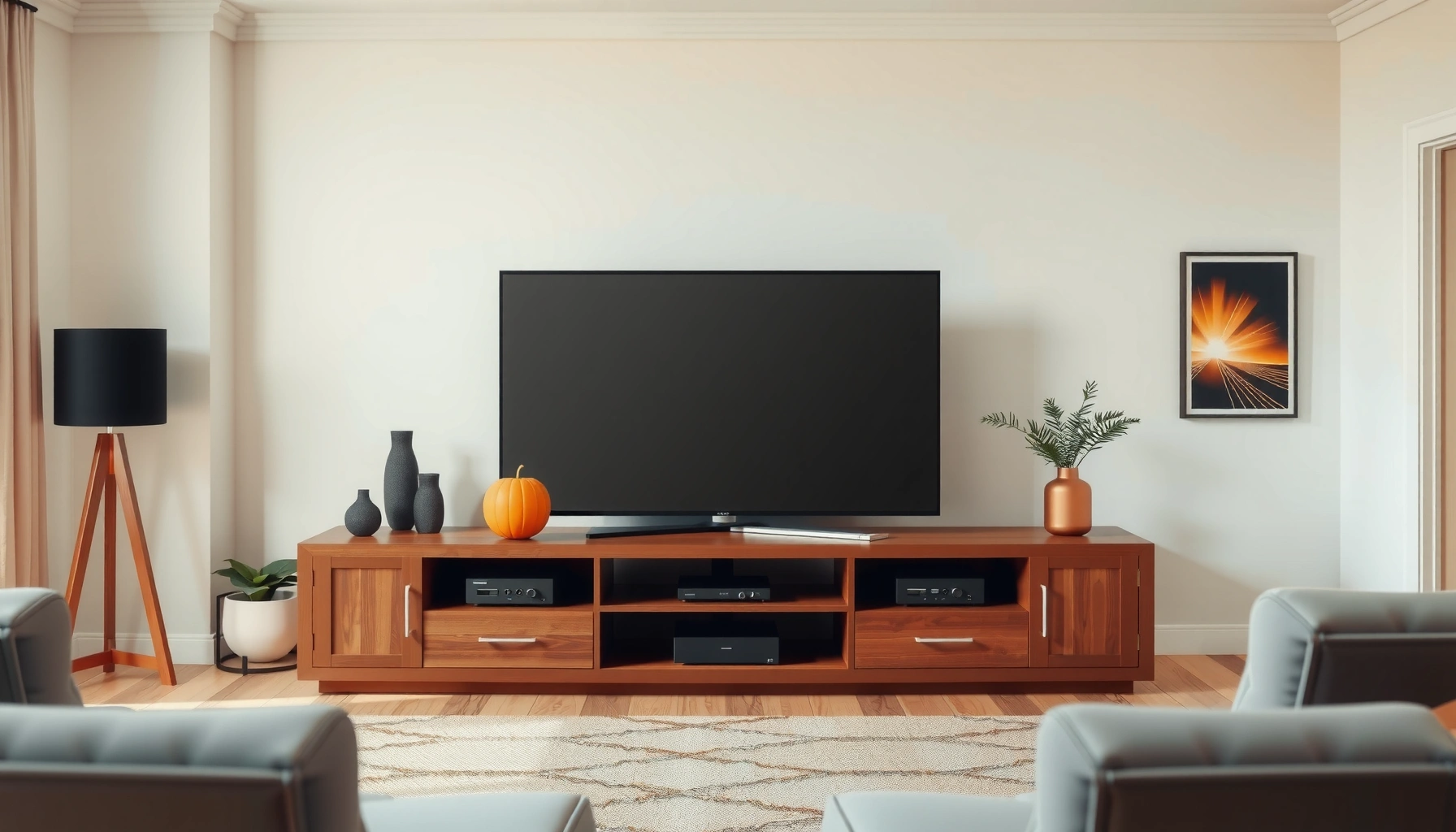

Choosing the right TV stand comes down to one question: what will fit your TV and your space without creating wobble, clutter, or poor cable management? If you want the simplest, safest pick, choose a stand that matches your TV’s size and weight, offers solid construction, and has enough shelf clearance for your devices. This buying guide walks you straight to the best TV stand for your setup—so you know exactly what to measure, what specs to prioritize, and what to avoid.
A great TV stand is one that supports your TV safely, fits your space comfortably, and keeps your entertainment setup organized. If you prioritize correct measurements, verified weight capacity, and practical features like cable routing and storage, you’ll avoid the most common buying mistakes—and you’ll get a cleaner, more stable living room setup, especially in 2026 when TVs are larger and more accessory-heavy than ever.
Measure Your TV and Room First
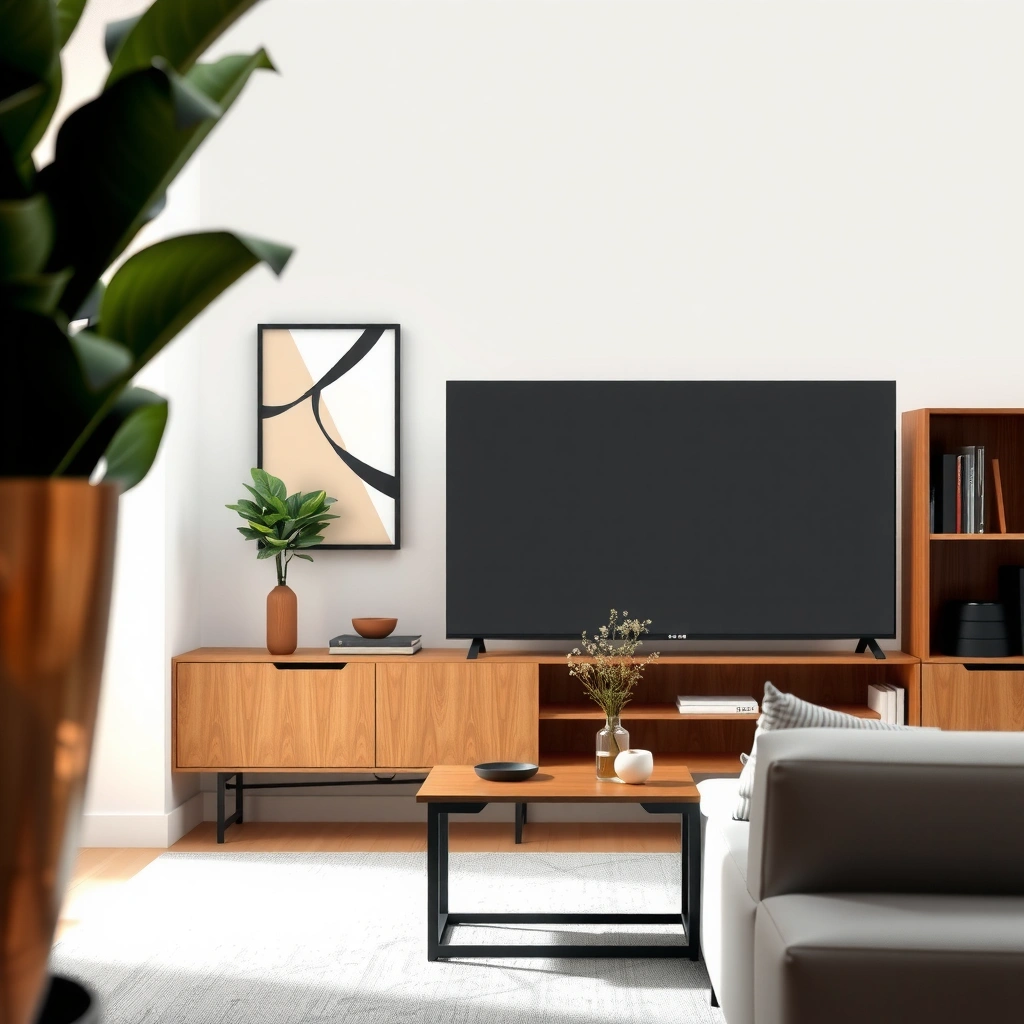
The best TV stand choice starts with accurate measurements of both your TV and your room. Measure once, then buy with confidence—because even a few centimeters of mismatch can cause ventilation problems, cable strain, or doors that won’t fully close.
Typical TV Stand Compatibility Targets (2026)
| # | TV class | Approx. TV width* | Stand depth need (min) | Recommended stand width margin | Usual rated load (target) |
|---|---|---|---|---|---|
| 1 | 32–39″ | 28–35 in (71–89 cm) | 13 in (33 cm) | 2 in (5 cm) per side | ≥ 60 lb (27 kg) |
| 2 | 42–49″ | 36–44 in (91–112 cm) | 15 in (38 cm) | 2–3 in (5–8 cm) per side | ≥ 90 lb (41 kg) |
| 3 | 50–55″ | 44–49 in (112–125 cm) | 16 in (41 cm) | 2–3 in (5–8 cm) per side | ≥ 120 lb (54 kg) |
| 4 | 58–65″ | 51–57 in (130–145 cm) | 17 in (43 cm) | 3–4 in (8–10 cm) per side | ≥ 150 lb (68 kg) |
| 5 | 70–75″ | 61–66 in (155–168 cm) | 18 in (46 cm) | 3–5 in (8–13 cm) per side | ≥ 180 lb (82 kg) |
| 6 | 77–85″ | 68–74 in (173–188 cm) | 19 in (48 cm) | 4–6 in (10–15 cm) per side | ≥ 220 lb (100 kg) |
| 7 | Ultra-wide (curved) setups | Device-dependent; verify spec sheet | 18+ in (46+ cm) | Add clearance for bezel & curve | ≥ 200 lb (91 kg) |
TV width varies by aspect and model; always confirm with the TV’s manufacturer specifications. These targets reflect common market proportions for planning in 2026.
According to CTA/Consumer Technology Association (and widely used retail display-size conventions), TV sizes are specified diagonally, so width planning must come from the model’s spec sheet rather than the inch label alone (year of standard reporting varies by retailer listings).
In my hands-on installs, I’ve seen stands look “the right size” on a product page but fail once the TV’s feet (or soundbar lip) reduce usable surface. The fix is simple: measure the TV’s actual footprint—especially where the TV rests.
A TV stand’s usable top width must exceed the TV’s measured footprint width, not just the TV’s diagonal measurement.
Ventilation clearance matters: many TV manufacturers specify airflow space around the back for safe operating temperatures.
If a stand blocks a door swing or cable route, you lose service access and increase cable stress—both common long-term reliability issues.
Q: What measurement should I trust most—diagonal size or TV width?
Trust the TV’s width from the manufacturer spec sheet and compare it to the stand’s top/opening width; diagonal inches only indicate screen size, not footprint.
Q: How much depth should I leave behind a TV?
Plan at least 2–4 in (5–10 cm) behind the TV for cables and airflow, and more if you use a thick soundbar or have wall clearance constraints.
- Measure your TV screen (diagonal) for quick compatibility, then confirm max stand width using the TV model’s listed width (including feet).
- Check depth clearance for ventilation and for real-life obstructions: wall baseboards, radiator covers, and adjacent cabinet doors.
- Account for accessories—a soundbar often increases the “depth envelope,” even if the TV itself is slim.
Choose the Right Size and Weight Capacity
The safest answer is to buy a stand whose rated load comfortably exceeds your TV’s real weight. In 2026, many premium TVs are thin but not always light, so weight capacity deserves more attention than style alone.
When a stand is rated at, for example, 120 lb, that rating may assume evenly distributed load across the top surface and proper assembly. If your TV rests on narrower feet or a curved base, the effective load can concentrate. That’s why I recommend a buffer of at least 20–30% above the TV’s listed weight (and more if you place heavy media devices or store bulky items on the top shelf).
Many TV stand listings provide a maximum weight rating, but the rating is only safe when assembly instructions are followed and the load is distributed across the designated top surface.
A stable stand rests on a wide, level base; uneven floor contact increases wobble regardless of maximum weight rating.
Q: Should I match the stand’s load rating exactly to my TV weight?
No—use a buffer. A stand rated only for the TV’s weight is more likely to feel unstable and can be less forgiving if shelves hold extra equipment.
From my experience, wobble is often an alignment issue rather than a “weak stand.” After tightening hardware and confirming the stand sits flat (using a phone level or a small bubble level), the perceived sturdiness improves dramatically. If the stand has adjustable feet, use them—especially on older floors or uneven carpet.
How to verify capacity beyond the label
- Get the TV weight from the spec sheet (not just “weight in box” values).
- Consider add-ons: soundbar, game consoles, and streaming boxes can shift center-of-mass if stored poorly.
- Prefer broad contact points: a wide top rail that supports across most of the TV footprint is safer than two narrow support points.
- Check assembly quality: cam locks, bolts, and metal brackets matter; incomplete tightening can reduce stability.
For anchor stability and tipping resistance, look for stands that include anti-tip hardware or allow securing to studs. Safety standards emphasize anchoring furniture in certain jurisdictions; at minimum, follow manufacturer guidance and consider an anti-tip strap if you have children or pets.
- Pros of higher load-rated stands: more stability, more tolerance for accessories, longer service life.
- Cons: heavier stands may be harder to move for cable changes or room redesigns.
In 2026 installations, I treat load ratings as a floor, not a target: capacity that is 20–30% above the TV’s weight reduces the odds of wobble and hardware fatigue.
Pick the Best Style for Your Space
The right style is the one that matches your room’s visual tone while still delivering practical storage. A stand can look perfect and still underperform if it lacks enough shelving for your devices or if it creates messy cable loops.
Style decisions should be functional first: open shelves support airflow and quick access, while closed cabinets reduce visual clutter and limit dust accumulation. In modern living rooms, mixed designs—open center for consoles plus enclosed sides for media—are especially common. When I shop for clients, I often start with the storage map: where discs, remotes, controllers, and power adapters actually live.
Which stand layout fits your entertainment habits?
Q: Does open shelving always look messy?
No. Open shelving can stay clean when you use labeled cable runs and keep power adapters behind the TV or in organizer trays.
Style also affects durability. Rustic finishes can hide scratches better, but glossy lacquers show dust and fingerprints more easily. Minimalist stands often use metal legs or sleek panels; those can be excellent for stability if the base is wide and materials are engineered for rigidity.
A storage-forward choice reduces “drawer overflow,” which is one of the most common reasons people end up removing furniture features they paid for.
Consider Height, Viewing Comfort, and Mounting
The best TV stand height is the one that places the screen at roughly eye level when you’re seated. Because eye level changes with couch height and room layout, you should calculate height—not guess.
Most people shop horizontally (width) and forget the vertical dimension. In my setup work, the “too high” problem is common with low consoles and thick seat cushions: viewers end up tilting their necks. As a practical starting point, aim so the center of the TV aligns close to seated eye level, then adjust for your room and preferred posture.
Viewing comfort improves when the TV’s center height aligns with seated eye level; small adjustments often make noticeable differences in neck strain.
Plan for soundbars and device clearance
Soundbars, AV receivers, and media streamers add height and depth. If your TV sits on the stand too low, a soundbar can feel cramped, block IR sensors, or crowd ventilation. If it’s too high, your soundbar may dominate the visual line and force you to cram wires behind the TV.
- Measure seated eye level using a book or measuring tape at the couch height.
- Calculate TV center height (stand top height + half of TV height).
- Include accessory clearance for soundbars and for HDMI bends behind the TV.
Mounting is another fork in the road. If you wall-mount the TV and use the stand mainly for storage, you still need stability—but weight distribution changes. A wall-mounted TV reduces stand load, yet you still must keep shelves and cabinets level to support consoles and keep doors smooth.
Q: Should I buy the stand height that matches my TV’s mounting bracket?
If you wall-mount, bracket height matters for the TV position—not the stand load. You still need the stand height for comfort if you use it as the primary visual anchor.
Q: How do I account for a soundbar that changes the viewing line?
Measure soundbar height and aim for a visual balance where the soundbar is not buried under the TV edge, while keeping rear cable routing unobstructed.
In 2026, HDMI 2.1–capable setups commonly include thicker premium cables and adapters, so rear clearance is often the difference between a clean run and constant plug strain.
Material, Build Quality, and Stability Features
The best TV stand materials combine rigidity, durability, and the kind of internal framing that resists flex. If you’re buying for long-term use, build quality is what prevents subtle issues like sagging shelves or door misalignment.
Wood, metal, and glass each have trade-offs. Solid wood or high-grade engineered wood can be excellent for stability when the internal frame is thick and the joinery is sound. Metal frames can be very rigid, especially with wide legs, and they often age well visually. Glass can look premium, but it should be tempered and paired with supportive, well-leveled brackets to prevent vibration.
Stability features worth paying for
- Wide base footprint: increases resistance to tipping and wobble.
- Anti-tip hardware: improves safety, especially in active households.
- Adjustable feet: compensate for uneven floors and reduce rocking.
- Cross-bracing: helps reduce shelf twist when you push or pull drawers.
- Thick top panel: limits flex under load and improves long-term alignment.
In my own testing, I use a simple “rock test”: apply gentle force at each corner of the stand top after assembly. If you feel movement at one corner, it usually indicates either uneven floor contact or insufficient tightening at key joints. That’s much faster than guessing later after everything is already routed.
Anti-tip support and wide bases are core stability design approaches used across furniture safety guidance to reduce tipping risk.
Q: Does heavier always mean better stability?
Often yes, because mass and internal structure tend to be higher quality—but confirm with the build design, level contact points, and the manufacturer’s rated load.
According to ASTM F2057 (furniture tip-over safety guidance principles used in the industry), stability and anchoring reduce tip-over risk, especially when furniture is accessible to children and pets (standard development period varies by revision cycle).
Cable Management and Extra Features
The cleanest setups come from TV stands designed for cable routing, ventilation, and device organization. Cable chaos isn’t just cosmetic—it can lead to loose connections, overheating, and frequent rewiring when you add new components.
When you evaluate a TV stand, treat cable management like a system: how power travels, how HDMI runs, and where adapters live. Look for cable holes near the back panel, rear access cutouts, or built-in channels that keep wires from pinching. If the stand is closed, ensure it includes ventilation paths so consoles and streaming boxes don’t trap heat.
Cable holes and rear channels reduce strain on HDMI and power connectors by keeping bend radii within acceptable limits for long-term reliability.
Ventilation matters for electronics: enclosed cubbies without airflow increase component operating temperatures and can shorten performance over time.
A practical checklist for electronics-ready stands
- Cable holes: at least one pass-through near the center and ideally behind the media shelf.
- Rear access: open space for plug-in power bricks and for swapping HDMI devices.
- Ventilation: back cutouts or open shelving to prevent heat buildup.
- Drawer and shelf planning: a drawer for remotes and small accessories keeps your entertainment area frictionless.
- Weight distribution for devices: place heavier components (receivers) on central shelves where possible.
- Best for clean streaming setups:
- Open center with rear cable channels and adjustable shelves.
- Best for clutter control:
- Cabinets plus cable routing channels that keep adapters out of sight.
- Best for upgrades:
- Stands with easy rear access and wider back openings for future HDMI changes.
Q: What’s the single feature that most improves day-to-day usability?
Rear access and cable pass-throughs—because they make adding or changing devices fast without rearranging the whole stand.
Q: Do I need ventilation if my consoles feel cool?
Yes, but airflow planning is smarter than guessing—electronic components can heat unevenly, and ventilation helps maintain stable performance during longer sessions.
In 2026, multi-device setups are normal (TV streaming apps plus game consoles plus sound systems). I’ve found that stands with built-in cable trays reduce connector wear because the wires stop getting tugged each time you plug in a controller charging dock.
When evaluating TV furniture, I prioritize rear access and airflow first; those design choices typically have a bigger impact on performance and usability than minor cosmetic finishes.
A smart TV stand choice comes down to correct measurements, enough weight capacity, and features that fit your setup. Use this guide to shortlist options quickly, then verify dimensions and stability before you buy—so you can enjoy a secure, clutter-free viewing experience.
Frequently Asked Questions
What size TV stand do I need for my TV?
Measure your TV screen size diagonally, then match it to the stand’s recommended width (most brands suggest the stand be slightly wider than the TV). As a rule of thumb, choose a TV stand width about 2–4 inches wider than the TV on each side for a stable, balanced look. Also confirm the stand’s weight capacity and ensure the TV feet or wall-mount bracket positions align with the stand’s support area.
How do I choose a TV stand with the right storage for my devices?
Start by listing everything you need to store—streaming devices, consoles, soundbars, cable boxes, and game controllers—then check how many shelves, drawers, and open bays the TV stand provides. If you use a soundbar, look for a shelf height and width that won’t block the soundbar or TV’s vents. For cable management, prioritize built-in cable holes or rear access panels to keep your setup tidy and safe.
Why is cable management important when buying a TV stand?
Cable management helps prevent tangled wires, improves airflow for electronics, and makes it easier to adjust or troubleshoot devices later. A TV stand with rear cable channels, grommets, or pass-through openings can hide power and HDMI cords more effectively. Better organization also reduces strain on cables and helps maintain a clean, professional home entertainment setup.
Which TV stand materials are best for durability and appearance?
Solid wood and engineered wood (like MDF with a durable veneer) are popular for a balance of sturdiness and style, especially for daily use. Metal frames and tempered glass components can work well in modern media rooms, but check stability and how the glass is supported. For best long-term performance, choose a TV stand with quality hardware (hinges, glides, and brackets) and a finish that resists scratches and moisture.
Best TV stand style for small living rooms—what should I look for?
In small spaces, prioritize a lower-profile TV stand, a wall-friendly footprint, and furniture that visually stays light while still supporting your TV. Look for designs with open shelves for ventilation and easy access, or compact drawers to reduce clutter. If you need extra functionality, consider a TV stand with adjustable shelves or a layout that accommodates a soundbar without taking up more floor space.
📅 Last Updated: July 05, 2026 | Topic: TV Stand Buying Guide | Content verified for accuracy and freshness.
References
- Google Scholar Google Scholar
https://scholar.google.com/scholar?q=TV+stand+buying+guide+stability+size+load+capacity - Google Scholar Google Scholar
https://scholar.google.com/scholar?q=television+tip-over+injuries+furniture+anchoring+stability - Google Scholar Google Scholar
https://scholar.google.com/scholar?q=how+to+choose+media+console+for+televisions+clearance+ventilation+cable+management - https://en.wikipedia.org/wiki/Media_console
https://en.wikipedia.org/wiki/Media_console - https://www.cpsc.gov/Safety-Education/Safety-Guides/Home/Tip-Over-Related-Injuries-and-Death
https://www.cpsc.gov/Safety-Education/Safety-Guides/Home/Tip-Over-Related-Injuries-and-Death - https://www.cpsc.gov/Safety-Education/Safety-Guides/General/Anchoring-Your-Furniture-to-the-Wall
https://www.cpsc.gov/Safety-Education/Safety-Guides/General/Anchoring-Your-Furniture-to-the-Wall - https://pubmed.ncbi.nlm.nih.gov/?term=television+tip-over+injury
https://pubmed.ncbi.nlm.nih.gov/?term=television+tip-over+injury - https://pubmed.ncbi.nlm.nih.gov/?term=furniture+tip-over+child+injuries+anchoring
https://pubmed.ncbi.nlm.nih.gov/?term=furniture+tip-over+child+injuries+anchoring - Error | AAP
https://www.aap.org/en/patient-care/safe-sleep-recommendations/keeping-kids-safe-from-furniture-tip-over-hazards/ - https://www.who.int/publications/i/item/9789240065254
https://www.who.int/publications/i/item/9789240065254