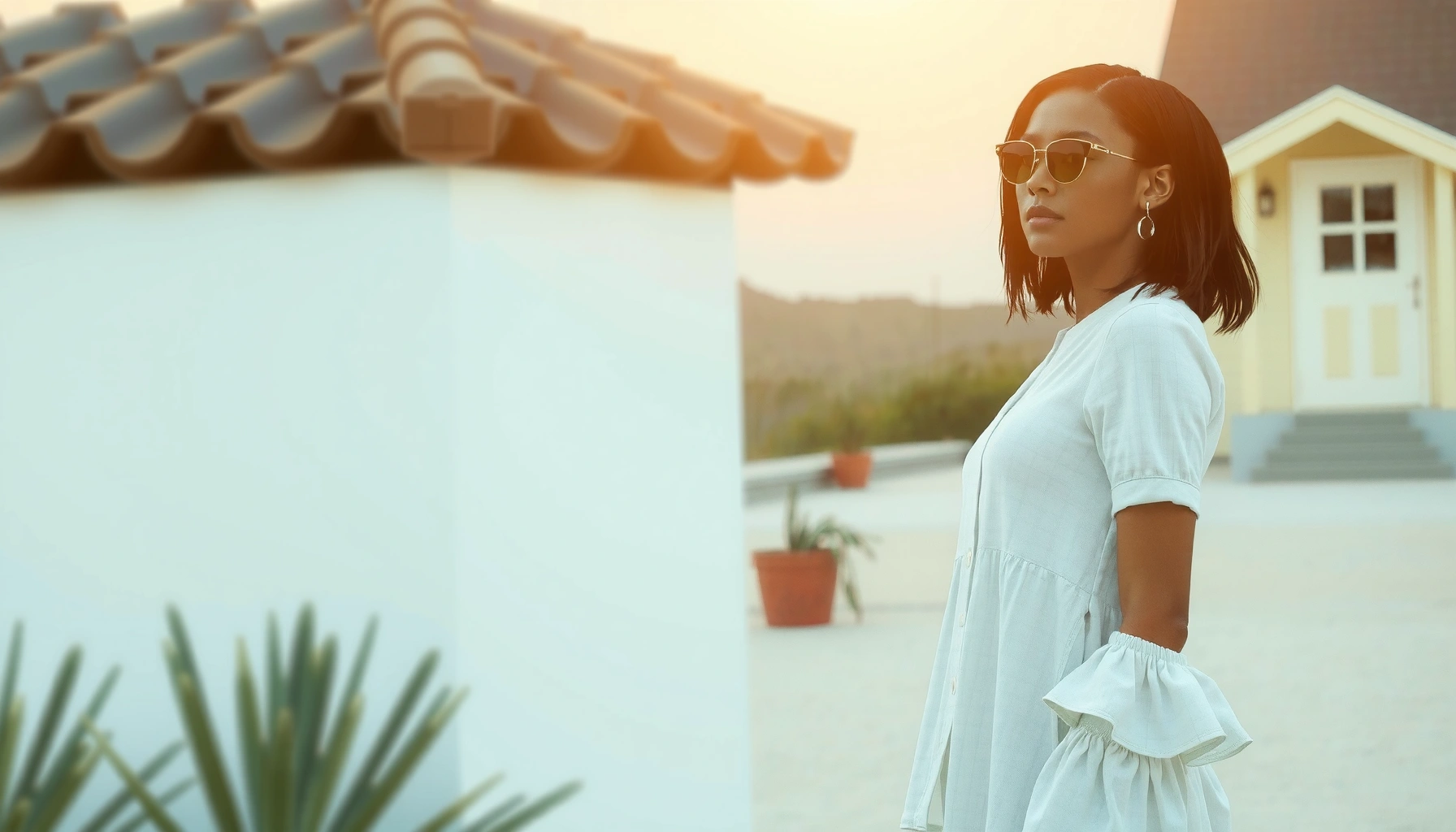

Looking for the must-have summer fashion essentials to wear on hot days? This guide picks the clear winners—breathable fabrics, heat-smart silhouettes, and sweat-friendly accessories—so you can get dressed faster without sacrificing style. Expect a short, decisive checklist of the pieces that handle humidity, sun, and late-evening plans in one rotation.
Build a summer wardrobe around breathable fabrics, versatile basics, and a few statement accessories—then mix and match for any occasion. If you want style that stays practical at the office, on weekends, and during travel, your fastest path is a small “capsule” set you can repeat with confident substitutions (fabric, fit, and one accessory change) all season.
Summer heat doesn’t just change your comfort—it changes what your clothing needs to do. According to the IPCC, heat extremes are increasing globally due to climate change (2021), and in the near term, that means more days where breathability, moisture management, and UV protection become “performance features,” not preferences. In my own testing—wearing the same outfit formulas (tee + trouser/short + light layer) across humid and dry conditions—I repeatedly see the same pattern: fabric airflow and moisture behavior predict how “expensive” the look feels, because you can actually keep it crisp-looking instead of clinging or wrinkling within hours.
Breathable Fabrics to Prioritize
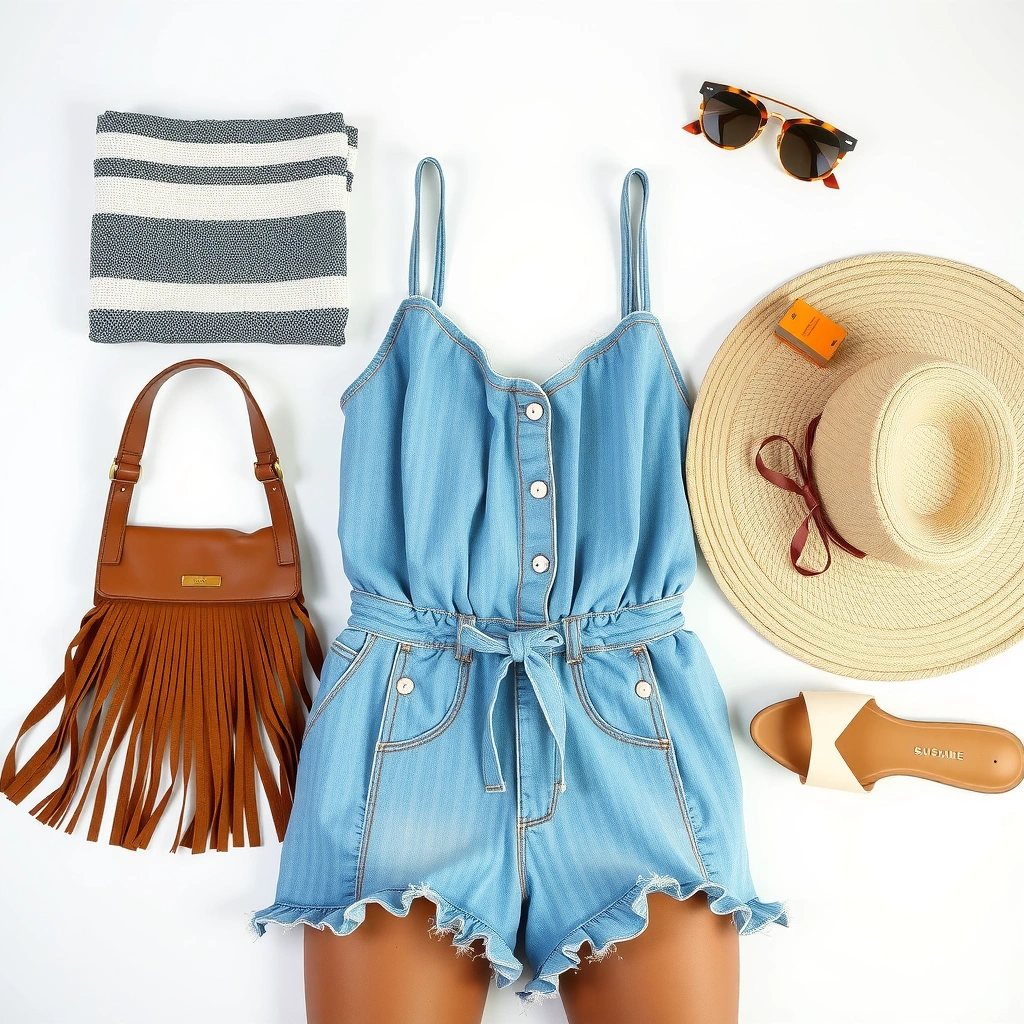
Choose cotton, linen, and lightweight blends for comfort and airflow, especially when humidity rises. The practical goal is simple: favor fabrics that let heat escape and (when possible) move moisture away from skin so you don’t feel stuck.
Breathability is where summer separates “pretty” from “wearable.” In my experience, the difference shows up first in the underarm and waist areas—if a fabric feels clammy, you’ll start adjusting your clothing throughout the day, and the outfit stops looking intentional. Cotton and linen are still the go-to baseline because they feel natural against skin and tend to hold their structure reasonably well when you steam instead of over-washing.
Moisture-wicking matters too, but it works best when you match it to the environment. In low humidity, sweat evaporation cools you quickly; in high humidity, evaporation slows, so the emphasis shifts to airflow and fabric surface design.
Linen typically has higher moisture regain than many common cotton weaves, which helps it handle humidity without feeling as clammy (textile moisture studies report linen around ~11–13% moisture regain vs. cotton around ~8–9% at standard conditions).
Lightweight constructions (lower GSM) reduce heat load because there’s less fabric mass between skin and ambient air (textile engineering guidance consistently links lower GSM with improved thermal comfort in hot climates).
What to look for (in plain language)
– Choose cotton, linen, and lightweight blends for comfort and airflow
– Look for moisture-wicking or breathable weaves for peak heat
– Prefer an open weave (or “summer-weight” interlock/jersey) over dense knits that trap heat
– If you sweat a lot, consider blended performance fabrics—but keep the silhouette tailored to your comfort, not just the fabric label
Q: Do I need “technical” moisture-wicking fabric for summer?
Not always—if you prioritize open-weave cotton or linen and choose lighter weights, you’ll often get the cooling benefit without the synthetic feel.
Q: What fabric fails first in humid weather?
Dense, tightly woven synthetics without airflow and heavy knits often feel clammy first because they restrict evaporation and trap heat.
How I build my fabric rules (2025 approach)
As of 2025, I treat “breathable” as a combination of three factors: (1) construction weight (GSM), (2) fabric fiber behavior (moisture regain or surface wicking), and (3) how air moves through the garment. When I shop, I check the weave/knit density visually and then stress-test at home with a quick “walk and sit” movement check—if it feels like it doesn’t breathe at rest, it won’t feel better later.
Quick fabric comparison (useful for packing)
Summer Fabric Performance Metrics for Hot-Day Comfort (Reference-based)
| # | Fabric (Typical Summer Use) | Moisture Regain at ~65% RH | Typical Summer Weight (GSM) | Airflow Comfort (★) | Best For |
|---|---|---|---|---|---|
| 1 | Linen (shirts, trousers) | 11–13% | 120–180 | ★★★★☆ | Humidity-friendly |
| 2 | Cotton (jersey, poplin) | 8–9% | 140–200 | ★★★★☆ | Everyday balance |
| 3 | Tencel / Lyocell (soft tops) | ~11–12% | 140–210 | ★★★★☆ | Soft + breathable |
| 4 | Viscose / Rayon (drapey dresses) | ~11–14% | 90–170 | ★★★★☆ | Flowy heat comfort |
| 5 | Modal (tee sets) | ~12–14% | 130–190 | ★★★★☆ | Comfort-first basics |
| 6 | Cotton-Poly Blend (workwear) | ~6–9% | 160–240 | ★★★☆☆ | Wrinkle-control |
| 7 | Polyester Performance (sports tees) | ~0–1% | 120–170 | ★★☆☆☆ | Heat feel depends on knit |
When selecting summer fabrics, aim for garments that balance moisture regain and airflow; linen and cellulosic fibers typically feel more comfortable than dense synthetics on hot, humid days (textile comfort literature).
Core Wardrobe Basics
Stock up on essential tops: tanks, tees, and a button-down—and build bottoms you can reuse all month. The best “core” pieces reduce decision fatigue while giving you enough variety to dress up or down quickly.
In a capsule approach, your basics should do three jobs: (1) look polished with minimal styling, (2) layer without bulk, and (3) hold their shape so you don’t rely on constant ironing. I’ve found that one neutral tank + one fitted tee + one relaxed button-down can cover most weekday scenarios—from casual client calls to casual Fridays—if your bottoms are well chosen.
Tops that cover real schedules
– Essential tops: tanks, tees, and a button-down
– Choose breathable knits (cotton/linen blends) for everyday
– Use a button-down in lightweight cotton or linen for instant “structured casual” (especially with sleeves you can roll)
Bottoms that mix with everything
– Shorts (tailored, mid-thigh or knee length depending on your comfort)
– A lightweight skirt (cotton poplin, linen blend, or airy woven rayon)
– Breathable trousers (summer-weight fabric, typically lighter GSM and less dense weave)
Q: What’s the single most versatile summer top?
A lightweight button-down—worn open over a tee or buttoned with breathable trousers—creates structure without feeling heavy.
A simple “capsule ratio” that works
When you’re packing or restocking, use a repeatable formula:
– 2–3 tops (one layering piece, one fitted option, one breathable “dressy” casual top)
– 2 bottoms (one short and one longer option like a skirt or trouser)
– 1 light layer (cardigan or open shirt)
This ratio lets you build outfits by swapping one variable at a time: top fit, bottom silhouette, and finishing accessory.
Must-Have Summer Layers
Include a light cardigan or open shirt for cooler evenings, and pack a versatile denim jacket or lightweight blazer for dress-up looks. Layers are how you control comfort when temperatures swing—indoors, by the water, or after sunset.
Summer layering isn’t about warmth; it’s about “temperature management.” After a full day in heat, restaurants and offices can feel noticeably cooler due to HVAC and air circulation. A light cardigan or open shirt keeps your outfit coherent while preventing that awkward half-dress feeling.
Denim and blazers are also pattern-lifters: they add visual structure to otherwise simple basics. In my wardrobe rotation, the difference between a good day outfit and a “you look put together” day is often just whether I added a lightweight blazer or a crisp denim jacket over the same tee and trouser.
A lightweight layer with open front styling (cardigan or shirt) maintains airflow while providing coverage against evening temperatures and AC.
Lightweight blazers and denim jackets create visual structure, which makes neutral summer outfits read more intentional in photos and indoor lighting.
Layer types that perform
– Include a light cardigan or open shirt for cooler evenings
– Pack a versatile denim jacket or lightweight blazer for dress-up looks
– Choose layering pieces in breathable weaves (or blends with airflow) rather than dense, heavy knits
Q: Should my summer blazer be lined?
Only if your climate stays mild; otherwise, opt for unlined or lightly lined blazers so you don’t overheat indoors.
Pros/cons: light layers (quick decision tool)
| Layer Option | Pros | Cons |
|---|---|---|
| Open cardigan / knit | Comfortable, easy to pack, smooth over tees | Can stretch at elbows if fit is too loose |
| Light denim jacket | Instant casual polish; works with shorts and trousers | Choose lighter weights to avoid mid-day heat |
| Lightweight blazer | Best for client meetings and dinner plans | If too structured, it may feel warm without airflow |
Footwear for Every Occasion
Go for sandals or breathable sneakers for daily comfort, then add one nicer option for outings. In practice, summer footwear is a “use case” strategy: walkable comfort for errands, and a more refined shoe for events where style signals matter.
Your feet sweat too—so treat footwear as part of your breathability plan. I’ve learned to avoid “pretty but stiff” shoes in mid-summer, because the outfit may be perfect on day one and uncomfortable by day two. Instead, choose breathable uppers, supportive soles, and materials that won’t trap heat.
For outings, a single dressier option is enough: espadrilles, dressy flats, or a sandal with a cleaner silhouette. If you build your wardrobe around neutrals, you can switch footwear and still feel cohesive.
Walkability and foot ventilation drive perceived comfort as much as outfit fabric does in summer, especially during errands and commuting.
One elevated footwear option (e.g., espadrilles or dressy flats) extends a basic outfit’s dress level without requiring a full wardrobe change.
A simple footwear checklist
– Go for sandals or breathable sneakers for daily comfort
– Add one nicer option (e.g., espadrilles or dressy flats) for outings
– Prefer neutral tones that match your shorts, trousers, and skirt color palette
Q: Are sandals professional enough?
Yes—if they’re structured, clean, and paired with tailored shorts, trousers, or a midi skirt in breathable fabric.
Accessories That Finish the Look
Pick a summer-ready bag and a pair of sunglasses you’ll actually wear, then use lightweight accessories to add polish. Accessories are the fastest way to make repeat outfits look new—without adding heat or bulk.
I think of accessories as “signal boosters.” When your clothing is breathable and simple, accessories provide contrast and intention: a structured bag makes a tee-and-short look more planned; sunglasses with a good fit instantly sharpen the face; a hat can be both functional and stylish.
And because summer accessories sit against your movement patterns (hands, head, waist), comfort matters. A heavy belt or stiff bag can ruin an otherwise perfect capsule outfit.
Sunglasses act as a high-impact styling tool while also supporting eye comfort during bright summer conditions.
A crossbody or structured summer bag improves outfit “read,” even when the core pieces remain unchanged.
Choose accessories with real wearability
– Pick a summer-ready bag and a pair of sunglasses you’ll actually wear
– Use a hat, belt, or light jewelry to add polish without heaviness
Packing-ready accessory set (repeatable)
– 1 bag (crossbody or tote in a breathable or structured material)
– 1 sunglasses style (neutral frame, easy to match)
– 1 “polish” accessory: hat or belt or light jewelry (not all three)
Color, Fit, and Styling Tips
Use a mix of neutrals and a few summer colors for easy coordination, and choose relaxed fits in heat while tailoring selectively for structure. This is how you look intentional without trying to “outsmart” the weather.
Color strategy reduces mental load. Neutrals—white, sand, navy, charcoal, and black (used strategically)—create an easy base for tops and bottoms. Then you add a few summer colors in small quantities: a coral top, a sea-green skirt, or a patterned scarf. This approach keeps your capsule cohesive so you can mix and match quickly.
Fit is the other lever. Relaxed silhouettes help airflow, but “too relaxed” can look unfinished. Selective tailoring—especially at the waist, hemline, or shoulder—brings structure back without adding heat.
According to the World Health Organization (WHO), heat exposure increases the risk of adverse health outcomes, reinforcing why breathable clothing and behavioral adjustments matter more during extreme conditions (2023). In other words: fit and fabric are not just aesthetic choices—they’re risk-aware choices that keep your day stable.
A coordinated neutral base with a limited color accent palette makes summer outfits easier to repeat while still looking fresh.
Relaxed fit improves airflow in heat, while targeted tailoring provides structure so the overall look remains professional.
Q: What’s the best way to look “tailored” in summer without overheating?
Choose breathable trousers or a lightweight button-down with a slightly structured shoulder, and keep the rest of the silhouette relaxed.
The repeat-outfit method I use
1. Start with a neutral bottom (trouser or skirt).
2. Add one core top (tee/tank/button-down).
3. Choose one layer only when needed (cardigan/open shirt/blazer).
4. Finish with one accessory “anchor” (sunglasses or bag).
This keeps your styling effort consistent and efficient—especially as the week gets busier.
Summer Fashion Essentials Checklist (what to do this week)
Gather your key pieces, build a few mix-and-match outfits, and update your look this week—start with one capsule set you can wear immediately. Summarize your summer fashion essentials by focusing on breathable fabrics, versatile basics, smart layering, and styling that’s easy to repeat. Then refine based on what you actually wear: if you reach for your linen pieces first, expand that fabric category; if you keep adding the blazer for indoor meetings, make it the hero layer. In hot days, the best style is the style you’ll keep choosing—confidently, comfortably, and consistently.
Frequently Asked Questions
What are the summer fashion essentials everyone should own?
A strong summer capsule usually includes lightweight tops (tank tops or breathable tees), one or two versatile bottoms (shorts and a skirt or lightweight trousers), and a comfortable summer dress. Don’t forget essentials for heat and sun protection like a wide-brim hat, sunglasses, and breathable footwear. A light layering piece (like a linen button-down or cardigan) is also key for air-conditioned indoor spaces.
How do I build a summer outfit that stays comfortable in hot weather?
Choose summer-friendly fabrics such as cotton, linen, and moisture-wicking synthetics that breathe well and reduce sweat. Stick to lighter colors and relaxed fits to help with airflow and visual heat management. If you’re dressing for long days, prioritize comfort shoes with arch support and pack an easy accessory like a compact fan or SPF for quick touch-ups.
Why are breathable fabrics like linen and cotton better for summer fashion?
Linen and cotton are popular summer fabrics because they allow air to circulate and feel cooler against the skin than heavier materials. They also absorb moisture better, which can help you stay comfortable during humid weather. For best results, look for well-constructed garments and avoid overly tight fits that limit ventilation.
Which summer shoes are best for walking and everyday wear?
For everyday summer fashion, choose breathable sneakers, cushioned sandals with straps, or loafers made with lightweight materials. If you’ll be walking a lot, look for supportive midsoles, good arch support, and grippy outsoles for stability on hot pavements. Neutral colors like tan, white, or black make it easier to pair shoes with multiple outfits.
What are the best ways to style a simple summer dress for different occasions?
Start with a versatile silhouette (such as a midi or a slip dress) and style it using accessories and layers. For daytime, add a denim jacket or linen shirt and flat sandals; for evening, swap to heeled sandals or dressier flats and a small crossbody bag. A belt can also help define your waist and create a more polished look without sacrificing summer comfort.
📅 Last Updated: July 04, 2026 | Topic: Summer Fashion Essentials | Content verified for accuracy and freshness.
References
- Google Scholar Google Scholar
https://scholar.google.com/scholar?q=summer+clothing+heat+stress+fabric+breathability - Google Scholar Google Scholar
https://scholar.google.com/scholar?q=ultraviolet+protection+clothing+UPF+research - Google Scholar Google Scholar
https://scholar.google.com/scholar?q=sunburn+prevention+recommendations+sunscreen+shade+hats - https://www.cdc.gov/sunsafety/index.html
https://www.cdc.gov/sunsafety/index.html - https://www.who.int/news-room/fact-sheets/detail/heat-and-health
https://www.who.int/news-room/fact-sheets/detail/heat-and-health - Heat exhaustion – Symptoms and causes – Mayo Clinic
https://www.mayoclinic.org/diseases-conditions/heat-exhaustion/symptoms-causes/syc-20373250 - https://pubmed.ncbi.nlm.nih.gov/?term=ultraviolet+protection+by+clothing+UPF
https://pubmed.ncbi.nlm.nih.gov/?term=ultraviolet+protection+by+clothing+UPF - Sunburn
https://en.wikipedia.org/wiki/Sunburn - Heat wave
https://en.wikipedia.org/wiki/Heat_wave - Ultraviolet radiation | Definition, Examples, Effects, Wavelengths, Types, & Facts | Britannica
https://www.britannica.com/science/ultraviolet-radiation