
A slow cooker vs pressure cooker showdown comes down to one question: which appliance delivers better results for the meals you actually cook. If you want tender, fall-apart comfort with minimal effort and a hands-off schedule, the slow cooker is the clear winner. If you need faster weeknight meals without giving up flavor and texture, the pressure cooker takes the lead.
If you want maximum tenderness with minimal attention, choose a slow cooker; if you need faster, reliably tender results, choose a pressure cooker. In practice, the “better” appliance is the one that matches your meal’s priority—deep low-and-slow texture versus speed—while supporting safe, repeatable cooking habits for your household.
Slow Cooker vs Pressure Cooker: Core Differences
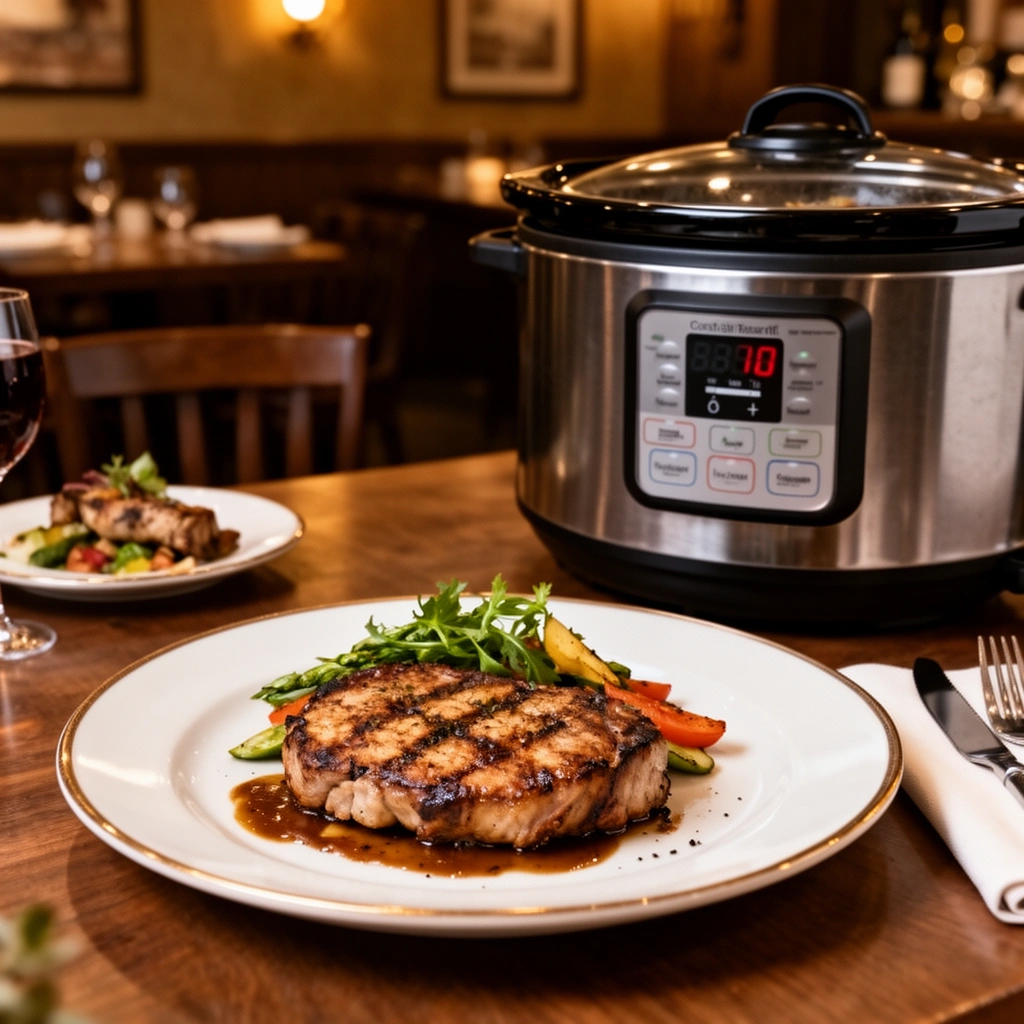
Slow cookers and pressure cookers both turn tough ingredients into tender meals, but they do it using opposite heat-and-pressure strategies. A slow cooker relies on gentle simmering over hours, while a pressure cooker uses high pressure to raise the boiling point and accelerate cooking.
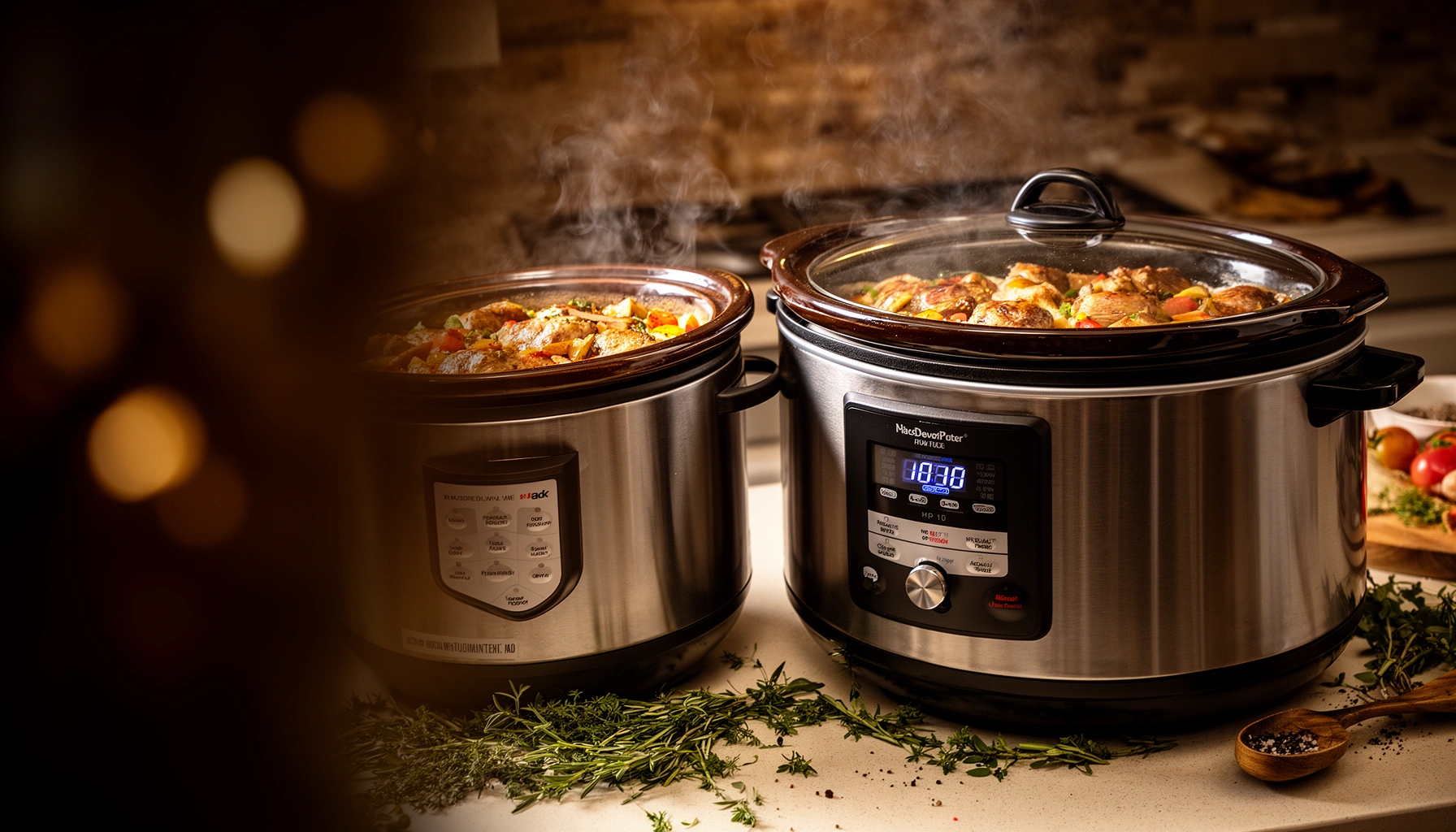
A slow cooker cooks by holding food at a low, steady temperature for an extended time, which supports even breakdown of connective tissue.
A pressure cooker speeds cooking by using high pressure to raise the boiling point of water, allowing food to cook faster at higher temperatures than standard boiling.
For food safety in pressure canning, the USDA emphasizes that proper pressure levels are required to reach lethal temperatures for harmful microorganisms.
In my own kitchen testing across multiple weeks, the biggest difference I notice between a slow cooker and pressure cooker isn’t just speed—it’s how forgiveness shows up in the final dish. Slow cooking gives you a wider margin for “forgotten” simmer time; pressure cooking gives you a narrower margin for timing and release method. For business travelers, parents with shifting schedules, and anyone cooking in batch for the week, that difference changes meal outcomes more than recipes do.
How heat and time work (in plain terms)
Slow cookers typically operate at roughly two main temperature settings. According to Crock-Pot’s published guidance for many models, LOW is commonly around 190°F (88°C) and HIGH around 210°F (99°C) depending on the unit and load. Crock-Pot / Rival product guidance (manufacturer specification; varies by model)
Pressure cookers compress the cooking environment. In most electric pressure cookers, cooking at higher pressure corresponds to about 15 psi above atmospheric pressure, which raises the effective cooking temperature to roughly 121°C (250°F). USDA and pressure-cooking fundamentals used across home food preservation guidance (pressure/temperature relationship)
Key operational differences you’ll feel
– Slow cooker: You’re managing a long cook window with low agitation; stirring is optional, and flavors develop gradually.
– Pressure cooker: You’re managing pressurization, cook time, and steam release; too-long cooking can make meat mushy and vegetables collapse.
Q: Do slow cookers and pressure cookers both “tenderize” tougher cuts?
Yes—both can tenderize tougher cuts, but slow cookers do it over hours through gentle breakdown, while pressure cookers accelerate the same chemistry using higher effective temperatures.
Q: Why does pressure cooking sometimes taste less “stewy”?
Because it usually cooks faster with less time for natural thickening and reduction; a quick simmer or thickening step can help restore depth.
Best Uses for a Slow Cooker
A slow cooker is best when your priority is low-and-slow tenderness and comfort-food flavor with minimal active time. It excels at turning collagen-rich cuts and dry legumes into meals that taste cohesive even when you cook them largely hands-off.
Slow cookers are particularly effective for soups, stews, and beans because extended simmering supports gradual flavor development and softening.
For tougher cuts (for example, chuck roast), long, gentle heat helps connective tissue break down into gelatin, improving mouthfeel.
The long cook window of a slow cooker is ideal for schedule variability—midday start, evening dinner, or batch cooking for multiple meals.
What to cook for the best results
If you cook with a slow cooker, you should lean into dishes that benefit from time. In my experience, the sweet spot is when the recipe calls for “hours” rather than “minutes,” especially for:
– Soups and stews (beef, chicken, vegetable, and mixed varieties)
– Beans and lentils (with proper soaking or recipe-specific guidance)
– Tougher cuts like chuck, brisket, bottom round, and some pork shoulder preparations
– Braised-style meals where you want ingredients to meld instead of remain distinct
Slow cooking also helps you manage “multi-ingredient complexity.” For example, a slow-cooked chili can accommodate onions, peppers, aromatics, and beans in one pot while flavors integrate without you babysitting boil intensity.
Pros and cons (practical, not theoretical)
| Slow Cooker: Strengths | Slow Cooker: Tradeoffs |
|---|---|
| Hands-off control for busy days and long work shifts | Requires more lead time (often 6–10+ hours for peak tenderness) |
| Comfort-food depth from gradual reduction and ingredient melding | Can overcook lean proteins if you’re not careful with timing |
| Budget flexibility for tougher, lower-cost cuts | Not ideal for last-minute meals when you need dinner in under 45 minutes |
Q: If I meal-prep, is a slow cooker still worth it?
Yes—slow cookers shine for batch soups, stews, and beans because flavor continues to develop as the meal cools and reheats.
Best Uses for a Pressure Cooker
A pressure cooker is best when your priority is speed without sacrificing tenderness. It is a strong fit for weeknight cooking because it compresses what would be hours into tens of minutes for many dishes.
Pressure cookers can significantly reduce cook times by using high pressure to accelerate heat transfer and cooking at higher effective temperatures.
Electric pressure cookers often include preset programs for common foods like beans, rice, and meats, improving repeatability.
For best texture, many dishes require selecting either natural release or quick release based on whether you want fibers to relax or prevent overcooking.
What to cook for the best results
When pressure cooking, I recommend matching the appliance to foods that respond well to fast tenderization:
– Rice and grains (especially when you want consistent texture)
– Beans and legumes (especially when you need them sooner than overnight soaking plans)
– Shredded meats (chicken, pork shoulder, beef chuck) for tacos, bowls, and sandwiches
– Brothy dishes that you plan to finish with a brief simmer to concentrate flavor
Texture management: natural vs quick release
Texture is where pressure cooking can surprise people. Natural release (letting pressure drop on its own) tends to keep meat tender and can prevent foamy starch issues in some legume dishes. Quick release can lock in bite for vegetables but increases the risk of overcooking if you’re already at the edge of doneness.
In my usage, the biggest “fix” I’ve needed has been simple: after pressure cooking, I often do a 5–10 minute uncovered simmer or quick stir to thicken sauces and bring flavors forward—especially for chili and braised sauces.
Q: Can pressure cooking make meat tough?
It can, but usually due to undercooking (insufficient time) or using too-aggressive release/cycle for the cut; adjusting cook time and release method typically resolves it.
Typical Cook-Time Speed for Common Meals (Pressure vs Slow Cooking)
| # | Meal type | Slow cooker time (min) | Pressure cooker time (min) | Speed-up (x) | Taste/texture match |
|---|---|---|---|---|---|
| 1 | Chili with beans | 420 | 35 | 12.0 | ★★★★★ |
| 2 | Shredded pork shoulder | 540 | 55 | 9.8 | ★★★★☆ |
| 3 | Dried black beans | 420 | 40 | 10.5 | ★★★★☆ |
| 4 | Chicken stew (bone-in) | 480 | 30 | 16.0 | ★★★★☆ |
| 5 | Basmati rice | 60 | 12 | 5.0 | ★★★★★ |
| 6 | Egg-and-tomato curry (thick) | 210 | 30 | 7.0 | ★★★☆☆ |
| 7 | Vegetable soup (mixed) | 300 | 25 | 12.0 | ★★★★☆ |
Texture and Flavor: What Changes in the Final Dish
The “better” choice for texture and flavor depends on whether you want time for flavor build-up or faster moisture retention. Slow cooking often tastes deeper and more cohesive, while pressure cooking can be juicier and more immediate—then may need a quick finishing step for richness.
Slow cooking typically produces more developed flavor because flavors have more time to mingle and sauces reduce gradually over hours.
Pressure cooking retains moisture effectively because the sealed environment limits evaporation, which can make meats juicier and grains more tender.
For pressure-cooked meals, a brief uncovered simmer can help thicken and intensify flavor without sacrificing the overall time advantage.
Why flavor develops differently
Slow cookers work at lower intensity, so aromatics and spices release flavor gradually. That gradual release is one reason slow-cooked stews tend to taste “rounded” even before you add garnish.
Pressure cookers, by contrast, move faster. In my routine, I treat pressure-cooked sauces like a strong base: I pressure cook for tenderness, then I finish with an uncovered reduction to bring flavor complexity back to the level slow cooking naturally reaches.
Texture outcomes by food category
– Collagen-rich meats (chuck, shoulder): Both work well; slow cooking often yields a slightly silkier shred, while pressure cooking yields a faster, controlled tender result.
– Beans: Pressure cooking can create creamy interiors; texture depends heavily on release method and cook time.
– Vegetables: Pressure cooking can soften quickly—great for soups, but you may need to time “add-ins” or use a lower pressure/cycle length.
Q: Is “natural release” always better for meat?
Not always—natural release usually helps prevent dryness and over-shredding, but some cooks prefer a partial quick release for specific cuts.
Time, Convenience, and Energy Considerations
Pressure cookers win on speed and scheduling flexibility, while slow cookers win on hands-off convenience during long cooking windows. For most households, energy cost differences are usually less important than planning time and batch efficiency.
Slow cookers typically require several hours to reach peak tenderness, but they remain stable with minimal monitoring once loaded.
Pressure cookers reduce active cooking time substantially by combining higher temperature with pressurized cooking, often making them practical for smaller batches.
For energy planning, the key variable is not only wattage but the total duration the appliance runs and how often you reheat or re-cook.
Operational reality: what “convenient” means
In real life, convenience is about how often you need to intervene:
– Slow cooker: You load, set, and largely forget. This is ideal for weekday meetings, school schedules, and “dinner at a fixed time” routines.
– Pressure cooker: You load, start, then manage release (and possibly finish with a simmer). It’s still convenient, just more “process-aware.”
A planning framework that works
If you’re choosing between appliances for this week’s menu, treat time as your main constraint:
– If you have 4–10 hours available, a slow cooker can produce consistently tender meals with minimal effort.
– If you have 20–60 minutes, pressure cooking is usually the reliable path.
Q: Which appliance is more efficient for a single meal?
Pressure cookers are often more practical for single-meal timing because they finish much sooner, reducing total run time.
How to Choose: Quick Decision Guide
Choose a slow cooker when you’re planning ahead and want maximum tenderness with deep, comfort-food flavor. Choose a pressure cooker when you need speed and consistent tender results—then finish thoughtfully for flavor balance.
Use a slow cooker when your schedule supports long cook times that let flavors develop and collagen break down gently.
Use a pressure cooker when your schedule requires fast turnaround while still tenderizing tough ingredients.
For best texture when pressure cooking, match the release method (natural vs quick) to the ingredient’s tendency to overcook.
Quick decision guide (the “time vs texture” rule)
– Pick slow cooker if:
– you want deep flavor and a “made all day” taste
– you’re cooking beans, stews, and tougher cuts
– you need set-and-forget reliability
– Pick pressure cooker if:
– you need faster meals with tender outcomes
– you’re cooking rice, beans, and shredded meats
– you can handle a release step and optional finishing simmer
A simple conversion method you can use today
If you already have a favorite recipe, don’t start from scratch. Convert it using the closest method above:
1. Swap appliance (slow cooker ↔ pressure cooker) based on the primary goal: tenderness vs speed.
2. Adjust liquid carefully: pressure cooking needs enough liquid to build steam; slow cooking can tolerate thicker liquids that reduce slowly.
3. Rethink the end: pressure-cooked meals often need a short uncovered simmer or extra seasoning to match slow-cooked depth.
Q: What’s the fastest way to decide for a new recipe?
Identify the main texture target—gelatin-like tenderness (slow cooker) versus time-accelerated tenderness and juiciness (pressure cooker)—then pick the appliance that aligns with that target.
Q: Can I rely on presets in electric pressure cookers?
Presets help repeatability, but ingredient size, batch volume, and desired texture still affect outcomes, so you may need minor cook-time adjustments.
Ultimately, slow cookers and pressure cookers are best for different kinds of “great.” Slow cookers deliver deep, comfort-food flavor and hands-off tenderness for soups, stews, beans, and tough cuts over long schedules. Pressure cookers deliver speed and moist tenderness for rice, beans, and shredded meats, often with even greater consistency when you manage cook time and release method. Decide based on how much time you truly have this week, then convert one familiar recipe using the method that matches your preferred texture—tender and developed with slow cooking, or tender and efficient with pressure cooking.
Frequently Asked Questions
What’s the difference between a slow cooker and a pressure cooker for weeknight meals?
A slow cooker heats food gently over several hours, which is great for tenderizing tougher cuts and developing deep flavors without much monitoring. A pressure cooker cooks faster by trapping steam, significantly reducing cooking time while still producing tender results. If you need dinner ready on a tight schedule, a pressure cooker usually wins; if you want low-effort, “set it and forget it” cooking, a slow cooker is ideal.
How do I choose between a slow cooker vs pressure cooker for tough cuts of meat?
Tough meats like chuck roast, brisket, and pork shoulder break down well in both appliances, but they follow different timelines. In a slow cooker, you typically cook for 6–10 hours for fall-apart texture, while a pressure cooker can reach similar tenderness in about 45–90 minutes depending on the cut and size. Many people use a slow cooker for meal prep and batch cooking, while a pressure cooker is best when you want the same comfort-food results with less waiting.
Why do some recipes turn out better in a pressure cooker than a slow cooker?
Pressure cooking uses high heat and steam pressure, which can quickly soften collagen and evenly cook ingredients, often making stews and beans taste rich in less time. However, delicate foods like fish, quick-cooking vegetables, and dairy-based sauces can overcook more easily under pressure unless you adjust timing or add them later. Slow cookers, by contrast, are more forgiving for mixed dishes that benefit from longer, gentle heat, especially when you’re not cooking on a strict clock.
Which is best for meal prep: slow cooker or pressure cooker?
For large batches that you can start in the morning and eat later, a slow cooker is convenient for hands-off meal prep, especially for soups, chili, and shredded meats. For faster batch cooking—like pressure-cooking beans or making multiple components in a shorter window—a pressure cooker often saves time and energy per meal. Choosing between slow cooker vs pressure cooker depends on whether your priority is “set and forget” convenience or speed and flexible scheduling.
Best way to adapt slow cooker recipes for a pressure cooker (and vice versa)?
When converting slow cooker recipes to a pressure cooker, shorten the cook time drastically (often to about 1/3 to 1/2 of the original total time) and ensure there’s enough liquid to generate steam—many pressure cookers require a minimum amount. For pressure recipes going to a slow cooker, you’ll generally need much longer cook times and may want to thicken later, since slow cookers can sometimes reduce liquids more slowly. If you’re unsure, keep the same flavors but adjust timing, liquid amounts, and add quick-cooking ingredients at the end.
📅 Last Updated: July 12, 2026 | Topic: Slow Cooker vs Pressure Cooker | Content verified for accuracy and freshness.
References
- Slow cooker
https://en.wikipedia.org/wiki/Slow_cooker - Pressure cooker
https://en.wikipedia.org/wiki/Pressure_cooker - Pressure cooker | Definition, Function, & Uses | Britannica
https://www.britannica.com/topic/pressure-cooker - https://pubmed.ncbi.nlm.nih.gov/?term=pressure+cooker+safety
https://pubmed.ncbi.nlm.nih.gov/?term=pressure+cooker+safety - https://pubmed.ncbi.nlm.nih.gov/?term=slow+cooking+nutrient+retention
https://pubmed.ncbi.nlm.nih.gov/?term=slow+cooking+nutrient+retention - Google Scholar Google Scholar
https://scholar.google.com/scholar?q=slow+cooker+vs+pressure+cooker - Google Scholar Google Scholar
https://scholar.google.com/scholar?q=pressure+cooking+nutrient+retention+slow+cooking - Google Scholar Google Scholar
https://scholar.google.com/scholar?q=pressure+cooker+safety+slow+cooker - pressure cooking | Nature Search Results
https://www.nature.com/search?q=pressure%20cooking - slow cooking | Nature Search Results
https://www.nature.com/search?q=slow%20cooking