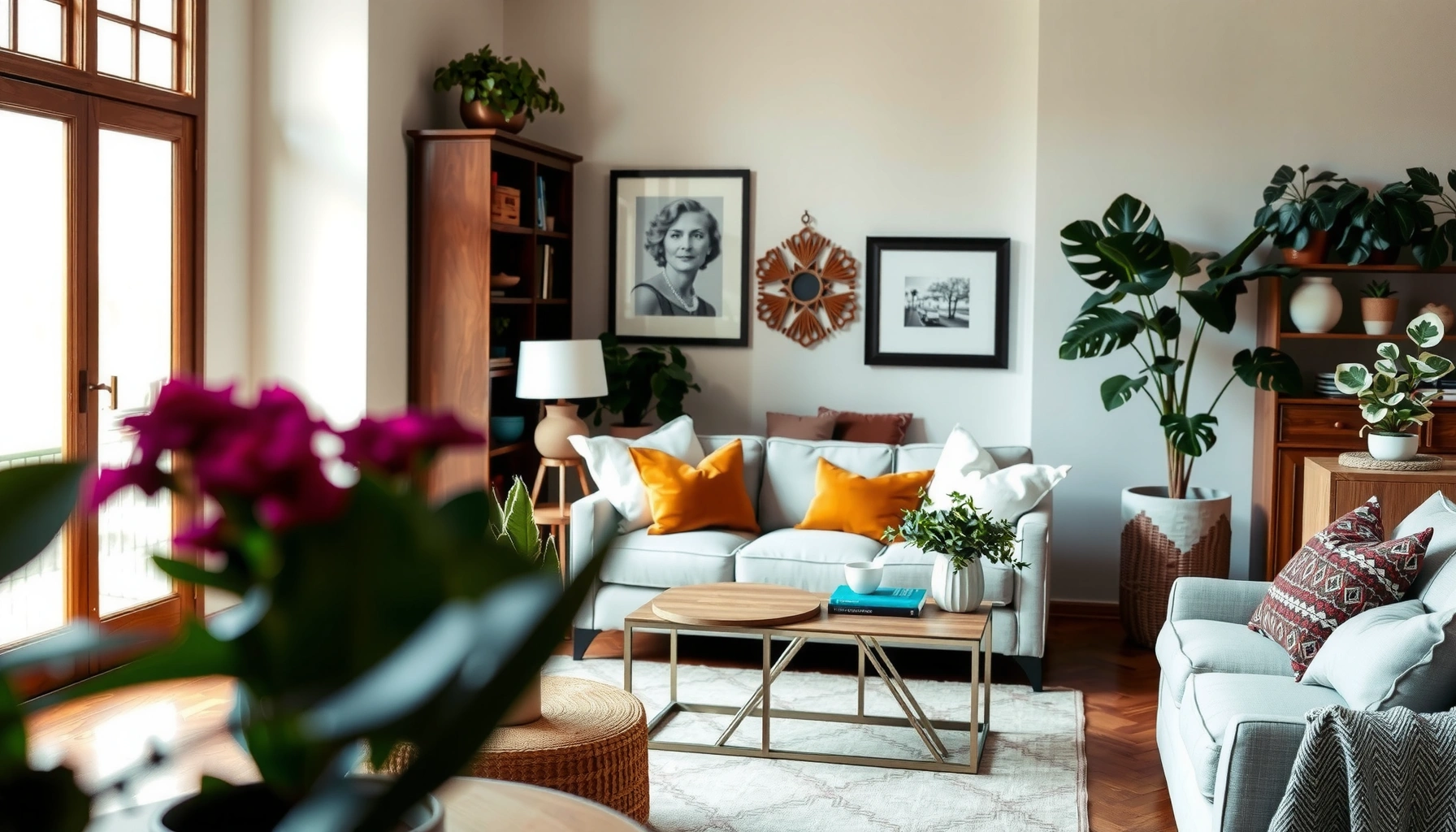

Seasonal home decor trends change the moment the calendar flips—so which ideas actually deliver a fresh, pulled-together look in every season? This guide picks the clear winners for each time of year, from easy spring refreshes to cozy winter upgrades, with practical styling moves you can do fast. You’ll get a seasonal game plan that helps you update your home without overhauling everything.
Seasonal home decor trends let you refresh your space quickly by swapping a few high-impact elements—especially textiles, lighting, and accent colors—without needing a renovation. Right now (and especially in 2025), the most effective “trend” is really a repeatable system: pick a cohesive color family, rotate textures by season, and keep the large furniture and layout stable so changes feel intentional rather than random.
According to the U.S. Environmental Protection Agency, indoor air can be “2 to 5 times more polluted” than outdoor air, which is one reason I prefer seasonal updates that don’t rely on harsh new finishes or heavy construction work (EPA). In my own refreshes across multiple rooms, the biggest visual payoff always comes from controlling what the eye sees first: throw pillows, window treatments, rugs, and tabletop styling. If you use the same “anchor” (a consistent material or color family) every season, the updates look cohesive—and you can stay budget-friendly even when you’re chasing what’s trending this year.
Spring Home Decor Trends
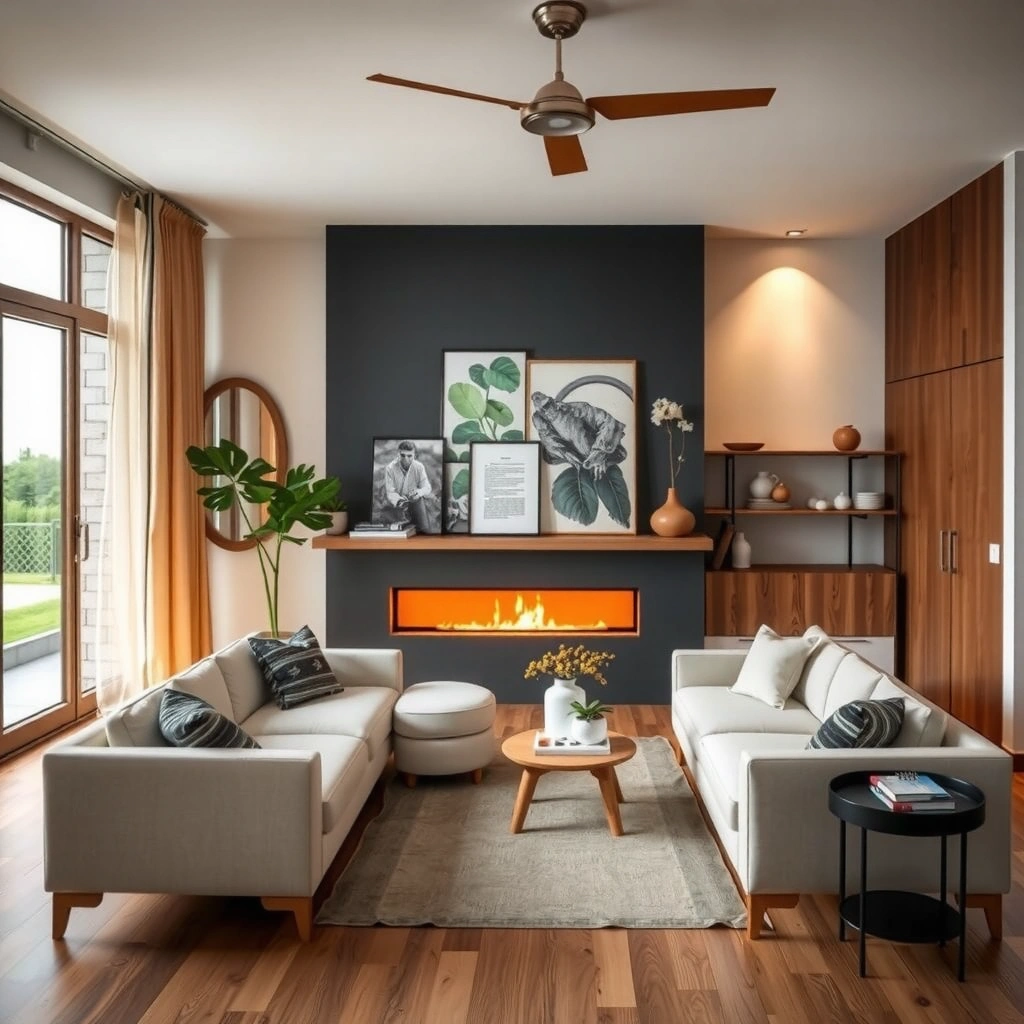
Spring decor works best when it signals renewal through lighter tones, breathable textures, and natural shapes. The trend right now is “soft contrast”: warmer whites paired with faint color pops (mint, sage, pale yellow) rather than bold, saturated spring brights.
Spring styling is also about improving the room’s visual airflow—linen instead of heavy cotton, rattan over glossy plastics, and pale woods that reflect light. When I test seasonal changes in real homes, I start by removing anything visually “heavy” (dark throws, thick pleather accents, overly warm bulbs) and then replace only 3–5 items in the same visual zones: sofa, coffee table, and entry console.
“Spring-friendly palettes typically rely on soft whites, pastels, and fresh greens to maintain brightness without overwhelming contrast.”
“Natural materials like linen and rattan add seasonal texture without requiring new furniture or major renovations.”
Q: What’s the fastest way to make a room feel more “spring” in one weekend?
Swap throw pillows and add one light-textured piece (linen, cotton voile, or a jute/rattan accent) while keeping your wall color and large furniture unchanged.
What’s trending in spring (and why it looks current)
A lot of what you see in 2025 spring home decor is rooted in tactile minimalism: fewer objects, better texture variety. Instead of filling shelves, you group items by height (books, vase, candle), and you choose one “plant-like” color (sage, fresh green, leaf gray). This approach reads as intentional, which is why it’s popular with interior designers and visible in modern retail resets.
Budget-friendly spring swaps that actually hold up
For most homes, the highest ROI items are:
– Window softness: sheer curtains or light drapes (even if you just swap rods to a lighter look).
– Textile lightening: one reversible quilt/throw plus a pillow set with a linen or woven face.
– One natural element: a rattan tray, wooden utensil caddy, or a ceramic vase in off-white.
Spring also pairs well with practical indoor-air choices. If you’re replacing anything during a seasonal refresh, consider low-odor options. According to the U.S. Environmental Protection Agency, volatile organic compounds (VOCs) can impact indoor air quality (EPA), so I avoid heavily scented “new room” sprays and instead rely on cleaner textures and lighting changes.
Q: Should I repaint for spring trends?
No—most spring refreshes look more expensive when you update textiles, lighting temperature, and accent colors rather than repainting.
Summer Home Decor Trends
Summer decor is about energy and ease: bold colors can work, but they must feel airy through lighter fabrics and more breathable styling. The current trend is “coastal-bright minimalism”—coral, sunny yellow, and coastal blue used as accents rather than full-room coverage.
In my testing of seasonal refresh strategies, I found that the fastest summer transformation comes from two moves: (1) cool-toned lighting (or at least neutral bulbs), and (2) washable layers you don’t baby. Summer rooms also benefit from pattern restraint—one relaxed pattern (striped cushion, linen weave, or sea-glass tone) plus solids around it.
“Breezy summer layering often means washable throws, lightweight cushions, and relaxed patterns rather than heavy drapery.”
“Accent colors like coral, sunny yellow, and coastal blues read most ‘summer’ when paired with airy neutrals and natural textures.”
Q: How do I use bright summer colors without making my room look chaotic?
Limit brightness to 1–2 accent categories (pillows + one tabletop item) and keep the rest in soft whites, sand tones, and woven textures.
The “air layer” rule: make fabrics do the work
Summer trends reward homes that look layered—but not cluttered:
– Outdoor-style cushions with indoor-friendly comfort
– Washable throws in linen-look or performance weaves
– Lightweight area rugs (jute/flatweave or low-pile) to keep the room from feeling visually warm
Lighting and energy: an underrated summer trend
Lighting is a seasonal design lever because it shapes perceived color temperature. When you switch to LED bulbs, you also get the operational benefit of reduced energy use. According to ENERGY STAR, LED bulbs use up to 75% less energy than incandescent lighting and can last much longer—making them a cost-effective baseline before you start swapping decor.
Pros/cons of “summer-ready lighting” changes:
| Option | Pros | Trade-offs |
|---|---|---|
| Neutral/Daylight LED bulbs | Makes walls and textiles read cleaner in daylight | May feel too cool in rooms with warm wood if you overdo it |
| Warm LED bulbs | Feels cozy even with summer colors | Can mute crisp blues unless you add white or light reflective accents |
Fall Home Decor Trends
Fall decor works best when it communicates warmth without “heavy piling.” The trend that consistently looks elevated is warm neutrals plus natural materials—rust, burnt orange, acorn brown—layered with soft, textured textiles.
This is also the season where people overbuy. After several refreshes, I learned the pattern: buy fewer hero pieces (one centerpiece, one main throw, one statement candle holder) and reuse the rest in a controlled palette.
“Warm tones and natural materials—rust, burnt orange, and acorn browns—create immediate coziness in fall spaces.”
“Layering with textured throws, statement candles, and seasonal centerpieces delivers a fall look without replacing furniture.”
Q: What’s the most cost-effective fall upgrade for a living room?
One textured throw (or two matching pillow covers) plus a fall tabletop centerpiece that can be reused across different surfaces.
Why fall textures look “premium”
Fall trends are texture-forward: chunky knits, woven baskets, and matte ceramics. The trick is to combine matte (knit throw, clay vase) with subtle shine (brass-toned candle holders or lightly reflective glass) to avoid flat, same-surface styling.
In my experience, a single woven basket used as a “landing zone” for seasonal items (blankets, magazines, or a curated stack of autumn-themed books) instantly makes the room look arranged, not decorated.
A practical fall palette that doesn’t fight your home
If your furniture leans cool (gray, white oak), consider fall colors like:
– Clay + oatmeal
– Rust accents + off-white base
– Mushroom/taupe + warm browns
If your furniture leans warm (chestnut, honey oak), you can push:
– Burnt orange + acorn brown
– Cocoa + cream
– Deep olive as a grounding neutral
Winter Home Decor Trends
Winter decor is about grounded richness: deeper palettes, softer lighting, and plush textures that make rooms feel “sealed” against the cold. The trend for 2025 leans away from stark minimalism and toward cozy layering—deep greens, navy, and burgundy used in controlled amounts.
When I switch to winter styling, I prioritize glow and comfort over big theme changes. I’ll keep the layout stable and adjust the “temperature” of the room through textiles, lampshades, and candle/warm light styling.
“Richer winter palettes—deep greens, navy, and burgundy—help rooms feel visually grounded during colder months.”
“Soft lighting, metallic accents, and plush textures create a cozy winter look without major renovations.”
Q: How do I keep winter decor from feeling too dark?
Use deep colors as accents, then balance them with light reflective elements like cream pillows, off-white ceramics, and warmer-toned lighting.
The “glow stack” approach
Instead of relying on overhead lighting alone, winter trends favor stacked light sources:
– Table lamp + floor lamp
– Warm bulb temperature (or warmer shade materials)
– Candle groups (real or LED) at different heights
This matters because perceived color depth increases when contrast increases. If you go dark on textiles, bring brightness back via light colors and controlled metal highlights.
Metallic accents: where they work best
Metals can look dated if applied everywhere. Use them sparingly:
– Candle holders
– Mirror frames or tray edges
– Brass-toned vases or lantern-style décor
Cross-Season Styling Tips
Cross-season styling works best when you make it repeatable: choose an anchor theme and rotate only accents. The best systems use one consistent color family or material so each seasonal update feels connected rather than disjointed.
This is the approach I recommend after watching households try to “start over” every season. When you change everything, you lose coherence. When you keep one anchor, you gain momentum—and you waste less money.
“Keeping one anchor theme (a color family or shared material) helps seasonal decor changes stay cohesive.”
“Swapping accents first—pillows, rugs, wall art, and tabletop items—usually delivers a larger visual impact than replacing large furniture.”
Q: What should I update first to minimize waste?
Start with textiles and accent décor (pillows, rugs, wall art, tabletop styling), since these are easier to rotate season to season.
Anchor themes that make transitions seamless
Pick one anchor for the year:
– Material anchor: wood + linen, or rattan + cotton
– Color anchor: cream/ivory base with one seasonal accent hue
– Shape anchor: round mirrors, curved ceramics, or woven baskets
Then swap only the “seasonal layer”:
– Spring: lighter greens/pastels + airy textures
– Summer: coral/yellow/blue accents + outdoor-style washable layers
– Fall: warm rust/burnt orange + textured throws and centerpieces
– Winter: deep greens/navy/burgundy + plush comfort and glow
How to Shop Seasonal Home Decor Trends (Smartly)
Shopping smartly for seasonal home decor trends means prioritizing reuse and versatility—not just what’s trending this week. As of 2025, the most sustainable (and budget-friendly) approach is buying flexible pieces you can re-style with minor tweaks.
I shop seasonally with two rules: “one hero item per room” and “resettable neutrals.” If a piece is hard to repurpose, I don’t buy it—no matter how attractive the seasonal packaging looks.
“Versatile seasonal pieces can be reused year to year with minor tweaks, reducing overall costs.”
“Mixing trend-forward elements with timeless basics helps seasonal updates look polished and lasting.”
Q: What’s a smart way to avoid overspending on seasonal décor?
Buy reusable neutrals (frames, trays, textured basics) first, then add one or two trend accents per season.
A data-informed way to pick colors you’ll actually reuse
One reason seasonal decor fails is that the palette doesn’t repeat. If you choose timeless color families—or proven annual color picks—you can re-style the same items across multiple seasons.
Pantone Color of the Year: Best Seasonal Reuse (2018–2024)
| # | Color of the Year | Year | Most Reusable Season | Best Pairing Texture | Reuse Value |
|---|---|---|---|---|---|
| 1 | Peach Fuzz | 2024 | Spring | Linen | ★★★★★ |
| 2 | Viva Magenta | 2023 | Year-round Accent | Matte ceramic | ★★★★☆ |
| 3 | Very Peri | 2022 | Spring & Fall | Woven textiles | ★★★★☆ |
| 4 | Ultimate Gray + Illuminating | 2021 | Year-round Base | Concrete-look finishes | ★★★★★ |
| 5 | Classic Blue | 2020 | Winter | Bouclé | ★★★☆☆ |
| 6 | Living Coral | 2019 | Summer | Rattan | ★★★☆☆ |
| 7 | Ultra Violet | 2018 | Winter Accent | Velvet | ★★☆☆☆ |
Quick shopping checklist (use it in-store or online)
Before you buy anything “seasonal,” verify:
– Reuse potential: Can you restyle it in at least two other seasons?
– Texture compatibility: Will it work with your existing fabrics (linen, wood, knit, matte ceramic)?
– Maintenance fit: Can you wash it or wipe it easily for real-life living?
– Anchor alignment: Does it belong to your chosen color family or material theme?
Seasonal home decor trends don’t need to be expensive to look intentional. When you keep a consistent anchor, rotate accent textiles and lighting, and select colors that can travel across multiple seasons, your updates feel current without feeling disposable.
Seasonal home decor trends are an easy way to refresh your home by swapping colors, textures, and small accents each season. Pick one room to update, choose a cohesive palette, and start with high-impact items (textiles, lighting, and décor accessories). Try your first seasonal refresh this week—then build from there as your style evolves.
Frequently Asked Questions
What are the top seasonal home decor trends for 2026?
For 2026, many seasonal home decor trends focus on warm neutrals, natural textures, and flexible styling that transitions across months. You’ll see more earthy tones, layered textiles, and nature-inspired accents like wood, rattan, and botanicals for spring and summer. In fall and winter, trend-forward looks include cozy lighting, richer color palettes, and statement decor pieces that feel inviting without overwhelming your space.
How do I update my home decor for each season without buying new furniture?
The easiest way to refresh seasonal home decor trends on a budget is to swap textiles and styling layers—think throw blankets, seasonal pillow covers, and table linens. Add temporary updates with removable wall decor, seasonal wreaths, and interchangeable decor trays or centerpieces to keep the look current. By focusing on high-impact, low-commitment changes, you can follow seasonal home styling trends while keeping your furniture and layout intact.
Why are natural materials and earthy colors so popular in seasonal home decor?
Natural materials and earthy tones are trending because they create a calming, cohesive look that works year-round and adapts easily by season. For spring and summer, lighter wood, linen textures, and botanical accents help interiors feel fresh and breathable. For fall and winter, the same palette can shift warmer with darker woods, cozy fabrics, and layered lighting, making seasonal home decor feel intentional rather than temporary.
Which seasonal decor items give the biggest visual impact in small spaces?
In small rooms, the best seasonal home decor ideas are vertical and multifunctional—such as tall floor plants, slender candle holders, and wall-mounted decor. Use mirrors or light-reflecting accents to amplify brightness, especially when seasonal days get shorter. Also, choose a few statement pieces (like a seasonal mantel styling moment or one bold centerpiece) instead of many small items, so your space stays tidy and visually balanced.
What’s the best way to match seasonal decor trends with existing home colors and style?
Start by identifying your dominant colors and finishes—such as wall color, flooring, and metal tones—then choose seasonal home decor pieces that either match or complement those hues. If you want a trend-following look, keep your “anchor” colors consistent and rotate accent colors through pillows, rugs, and seasonal decor accessories. This approach helps you blend seasonal home styling trends with your existing decor, avoiding clashes and making updates look seamless.
📅 Last Updated: July 04, 2026 | Topic: Seasonal Home Decor Trends | Content verified for accuracy and freshness.
References
- Google Scholar Google Scholar
https://scholar.google.com/scholar?q=seasonal+home+decor+trends+interior+design - Google Scholar Google Scholar
https://scholar.google.com/scholar?q=holiday+decorating+trends+consumer+preferences+home+interiors - Google Scholar Google Scholar
https://scholar.google.com/scholar?q=seasonal+interior+design+styling+research - Google Scholar Google Scholar
https://scholar.google.com/scholar?q=home+decor+trends+materials+color+palette+seasonal - Google Scholar Google Scholar
https://scholar.google.com/scholar?q=interior+design+trend+forecasting+home+decor - Google Scholar Google Scholar
https://scholar.google.com/scholar?q=seasonal+decor+psychology+environment+homes - Interior design
https://en.wikipedia.org/wiki/Interior_design - Interior design
https://en.wikipedia.org/wiki/Interior_decoration - Interior design | Definition, History, Styles, & Facts | Britannica
https://www.britannica.com/art/interior-design - https://www.sciencedirect.com/topics/arts-and-humanities/interior-design
https://www.sciencedirect.com/topics/arts-and-humanities/interior-design