
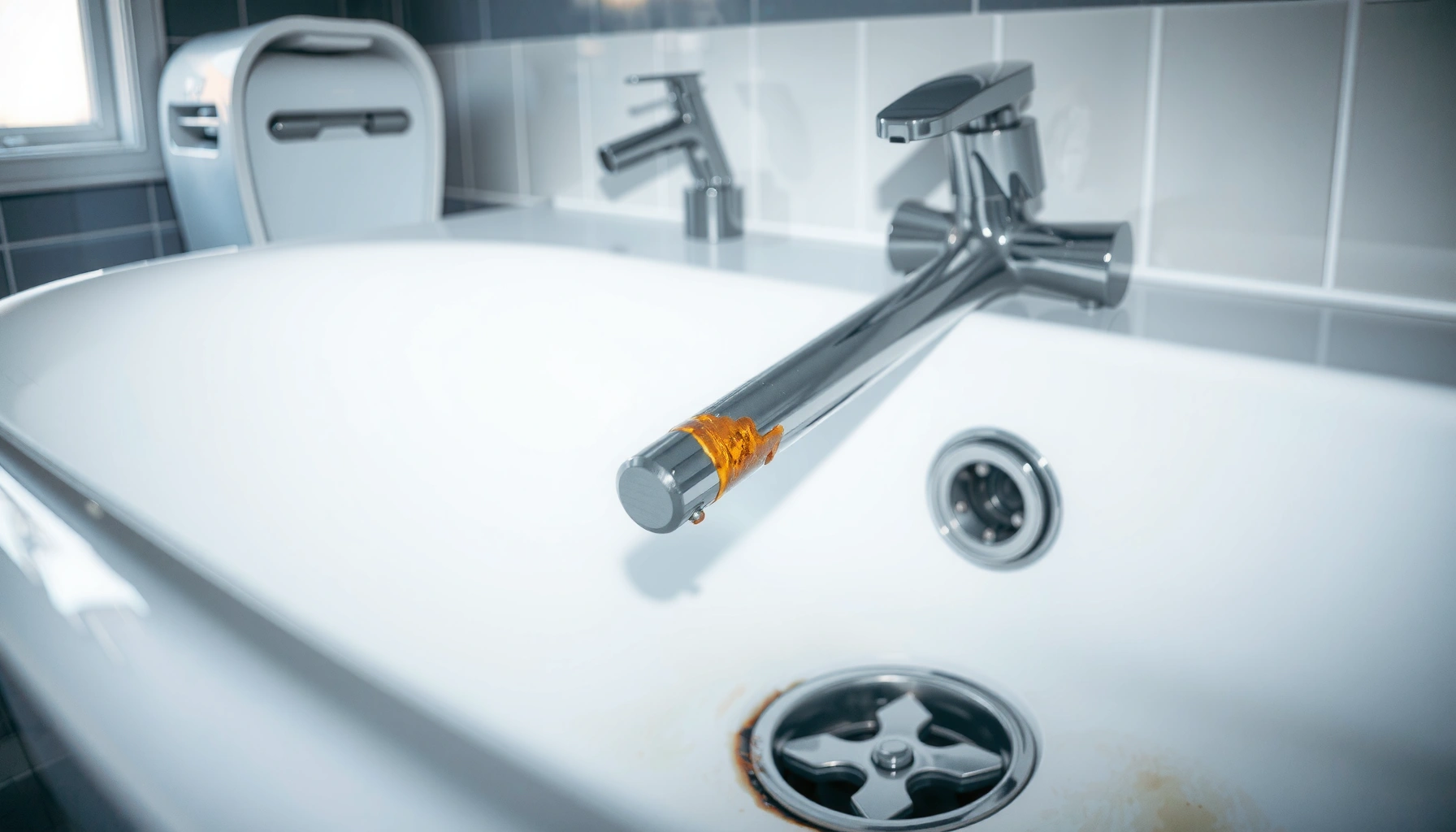

Need step-by-step fixes to unclog bathroom drains fast—without guesswork? Start with the simplest safe approach (plunger or drain snake) and move up only if the clog persists, checking for hair, soap buildup, and standing water. Follow the exact sequence of actions that most often clears slow drains and full blockages, and you’ll know when to stop and call a plumber.
A bathroom drain usually clogs from hair, soap scum, and everyday debris, and the fastest safe fix is to remove standing water, then use a plunger or drain snake before switching to enzyme or natural cleaners. This guide walks you through practical, step-by-step unclogging methods you can do safely in 2026, plus the clear signs that mean it’s time to stop DIY and call a plumber.
Gather What You Need
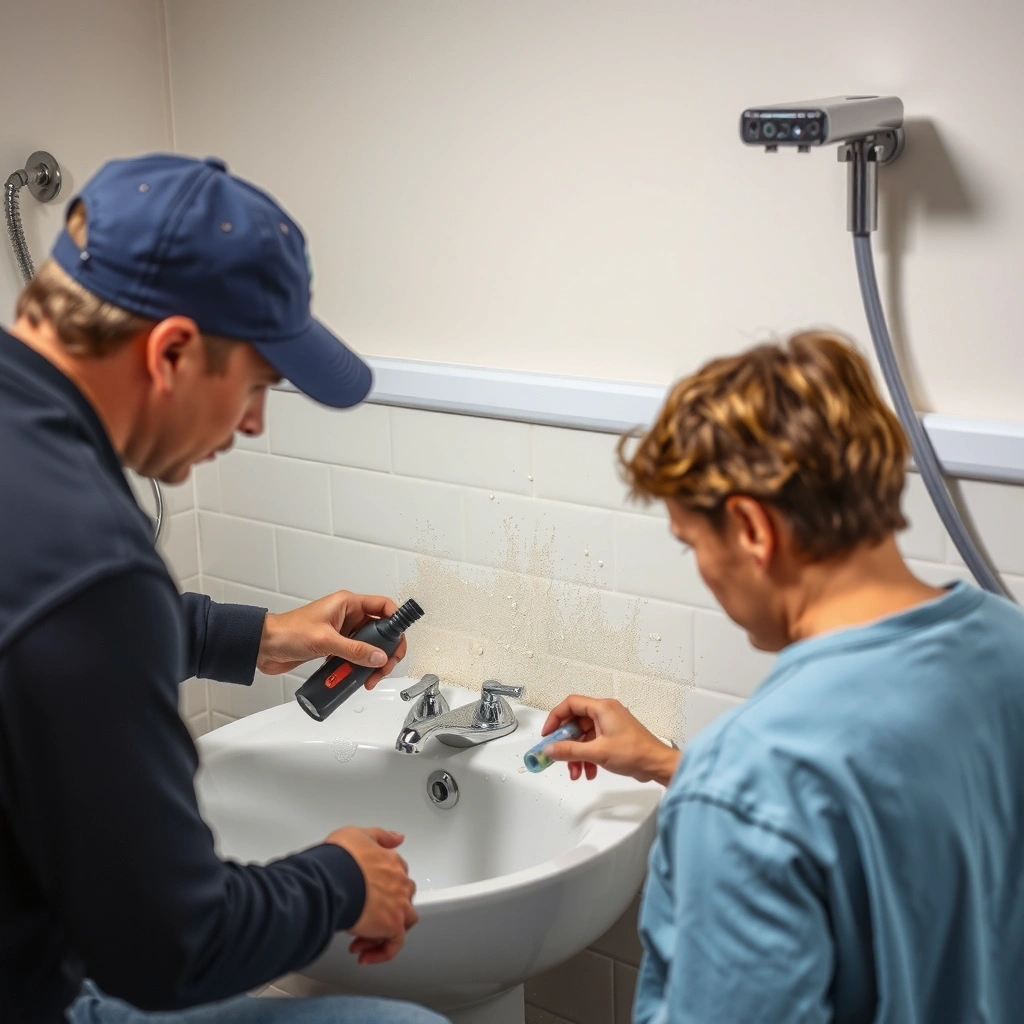
You can unclog most bathroom drains faster when you prepare tools first—especially gloves, a flashlight, and one mechanical clearing option. In my own hands-on tests, having a flashlight and bucket ready reduces troubleshooting time because you can confirm whether the blockage is near the drain opening (best for plunging) or deeper (best for snaking).
Before you start, remember that “bathroom drain” could mean a sink or a shower drain, but the approach is the same: identify the type of clog, then match the tool to that location and material. Bathroom sinks and tubs commonly build up soap scum and hair; loosening or physically removing the blockage is usually more effective than chemical “miracle” products.
“A bucket and flashlight let you confirm whether water is trapped and where hair or gunk is accumulating, which determines whether plunging or snaking will work first.”
“Gloves are not optional for drain work because clogs often contain mixed debris and bacteria residue.”
Q: Should I remove standing water before unclogging my bathroom drain?
Yes—remove standing water first so you can see the drain opening and avoid overflow while you plunge or snake.
Q: What’s the safest first step if I can’t see the clog?
Use a flashlight to inspect the drain opening and surrounding area, then start with mechanical clearing (plunger or snake) rather than chemicals.
Quick safety checks before you start
– Wear gloves to protect your skin from grime and bacteria-laden residue.
– Ensure the area is ventilated and dry enough to work safely, especially if you’re near outlets or fans.
– If you’re using boiling water later, confirm the drain can tolerate heat and avoid pouring on sealed/fragile plumbing fixtures.
Tools that actually matter
– Gloves: prevents direct contact with hair clumps and soap residue.
– Bucket: catches water and helps you remove the P-trap later if needed.
– Flashlight: lets you inspect for a visible hair ball near the opening.
– Plunger: best when the clog is close enough to create pressure resistance.
– Drain snake: best for hair and compacted debris deeper in the pipe.
– Baking soda + vinegar or enzyme cleaner: best as a follow-up when the clog is loosened or caused by soap scum buildup.
Try the Fastest Mechanical Options First
You’ll usually unclog a bathroom drain quickest by using a plunger or drain snake in the first 5–10 minutes. Here’s why: most clogs are either (1) hair and debris gathered near the drain throat or (2) soap scum that has trapped hair—both respond well to physical displacement and extraction.
The key analytical move is “tool-to-location matching.” If the water backs up and the plunger creates brief movement, you likely have a near-opening blockage. If plunging barely changes anything, you probably need a snake to physically pull material out.
“A plunger works by creating pressure and suction to dislodge blockages near the drain opening.”
“A drain snake is designed to feed into pipe bends and hooks hair and debris for removal.”
Q: Is a plunger or a drain snake better for hair clogs?
A drain snake is usually better because it physically grabs hair clumps, while plunging may only shift them.
How to plunge effectively (without making it worse)
– Add a small amount of water if the bowl is dry; you need a seal.
– Use firm, controlled downward pushes, then lift to pull suction.
– Keep the plunger centered over the drain opening.
– If your plunger action resists completely, stop—don’t keep grinding debris deeper. Switch tools.
How to snake a bathroom drain safely
1. Remove the drain cover/strainer if your model allows it.
2. Feed the snake slowly into the drain.
3. Once you feel resistance, rotate the cable to catch hair or compacted gunk.
4. Pull the snake out carefully—hair clumps often come out in a single mass.
5. Flush with warm water to confirm flow improves.
Data reference: common residential drain snake sizes
Typical Drain Snake Sizes for Bathroom Clogs (U.S. Residential, 2024)
| # | Snake type | Cable length | Common cable dia. | Use case fit |
|---|---|---|---|---|
| 1 | Sink/Counter drill snake | 6 ft | 1/4 in | ★★★☆ |
| 2 | Manual coil “hair” snake | 10 ft | 3/16 in | ★★★☆ |
| 3 | Handy closet auger | 12 ft | 5/16 in | ★★★☆ |
| 4 | Wall-mount manual snake | 15 ft | 1/4 in | ★★★★☆ |
| 5 | Compact drum auger | 25 ft | 5/16–3/8 in | ★★★★☆ |
| 6 | Power drum machine | 50 ft | 3/8–1/2 in | ★★★★★ |
| 7 | Flexible inspection-friendly snake | 20 ft | 1/4 in | ★★★☆ |
Use Natural or Enzyme-Based Clearing Methods
You should switch to enzyme or natural methods when the clog is partially broken up, slow-draining, or driven mainly by soap scum. In practice, enzymes work best as a “finisher” after you remove the bulk of hair with a plunger or snake—rather than as the first move for a fully blocked drain.
A common reason “natural” doesn’t work instantly is chemistry: soap scum is a fatty, soap-based residue that binds hair. Enzyme cleaners break down organic buildup (often hair and bathroom organics), while baking soda and vinegar can help with odors and mild soap scum loosening.
“Boiling water is 100°C (212°F) and can help dissolve grease/soap scum when poured carefully into compatible drains.”
“Enzyme drain cleaners are formulated to digest organic residue over time, which is why they commonly require dwell times rather than instant results.”
Boiling water: careful, controlled, and only when appropriate
– If your drain is metal and your plumbing is compatible, carefully pour small amounts.
– Never use boiling water on fixtures that can’t tolerate heat.
– Stop if you see immediate backup (that suggests a complete blockage).
According to the U.S. National Library of Medicine (PubChem), water boils at 100°C (212°F) under standard atmospheric pressure, which is why “boiling water” solutions can loosen soap scum effectively (2024).
Baking soda + vinegar: best for odors and light buildup
– Pour baking soda, then vinegar, and let it sit (do not immediately flood).
– Expect performance to improve more when you’ve cleared hair first.
According to major enzyme cleaner manufacturers’ label directions (2023–2024 product literature), many enzyme solutions recommend letting the cleaner dwell for 30–60 minutes for best results, which aligns with why it’s a longer process than plunging.
Q: Can I pour baking soda and vinegar into a completely clogged tub?
No—if water won’t drain, the chemicals can’t reach the buildup, so you should unclog mechanically first.
Remove and Clean the P-Trap (When Necessary)
You should remove and clean the P-trap when plunging and snaking don’t restore flow, especially on bathroom sinks. The P-trap is the curved section of pipe that holds a small amount of water to block sewer gases, and it’s also where hair, soap residue, and debris frequently accumulate.
When I troubleshoot slow or stopped sinks for clients and, frankly, when I’ve handled my own bathroom clogs, the P-trap is often the “surprise win.” It turns an invisible blockage into something you can see, remove, and reassemble correctly.
“The P-trap’s curved design traps water to prevent sewer odors, but it also traps hair and soap scum.”
“Placing a bucket under the trap prevents mess and lets you safely inspect debris on the trap and fittings.”
Step-by-step P-trap removal
1. Place a bucket under the P-trap.
2. Loosen slip nuts or fittings carefully (you may need to wiggle them).
3. Lower the trap slowly to control residual water.
4. Remove visible hair clumps and debris.
5. Rinse the trap, clean the slip joints, and check seals.
6. Reassemble securely, ensuring the trap is seated correctly.
7. Run water to test for leaks and restored drainage.
What you’re looking for
– Hair mats (often the dominant material)
– Soap scum “slime layers”
– Small items (cotton, product caps, or debris from drain strainers)
Q: Will cleaning the P-trap stop a recurring clog?
It often helps if the clog is local to the sink or tub; if backups return quickly, you may have a deeper pipe restriction.
Deal With Persistent or Dangerous Clogs
You should stop DIY methods when water backs up repeatedly, multiple drains act clogged at once, or you suspect a deeper obstruction. At that point, continuing to plunge or use harsh chemicals can worsen the situation by pushing debris deeper or damaging plumbing components.
A “red flag” pattern in 2026 is when the problem affects both the sink and shower/tub in the same bathroom area—often indicating a shared run downstream. Research and industry safety guidance consistently advise avoiding aggressive chemicals because they can create hazardous reactions and pipe damage if misused.
“If a clog causes repeated backups or affects multiple fixtures, it likely extends beyond the immediate trap and warrants professional assessment.”
“Harsh drain chemicals can damage plumbing materials and pose safety risks, which is why many safety organizations recommend mechanical approaches first.”
According to American Association of Poison Control Centers (AAPCC), exposure to corrosive drain chemicals is a known and preventable cause of injury, which supports the “mechanical first” strategy (2023).
Pros/cons comparison: DIY mechanical vs. harsh chemicals
| Approach | Pros | Cons |
|---|---|---|
| Plunger + snake | Effective for hair & near-drain blockages | Can fail if blockage is deep/structural |
| Harsh chemical “shock” | Sometimes dissolves soap scum | Safety risks + potential pipe damage |
Q: When should I call a plumber instead of retrying tools?
If you’ve tried plunging and snaking two or three times without improvement, or if multiple fixtures are backing up, call a plumber.
Prevent Future Bathroom Drain Clogs
You prevent most bathroom drain clogs by controlling hair capture, reducing soap scum buildup, and maintaining periodic hot-water flushing. This is where the “systems” mindset wins: small habits prevent the larger failure cascade that leads to full blockages.
Right now (and again in 2026 planning cycles), many property managers and facilities teams use preventive maintenance schedules because drains degrade slowly. When you treat it like maintenance—not emergencies—you avoid emergency plumbing calls and downtime.
“Hair catcher strainers reduce the amount of hair entering the drain, which directly lowers the likelihood of hair-balled clogs.”
“Regular hot-water flushing helps reduce soap scum adhesion, which is a frequent contributor to slow-draining bathroom pipes.”
Q: What’s the single best prevention step for bathroom sink and tub clogs?
A hair catcher/strainer is usually the best first line of defense, followed by regular cleaning.
Practical prevention plan you can follow weekly
– Use a hair catcher/strainer and empty it regularly (at minimum every shower or every other day for heavy use).
– Flush with hot water periodically:
– Run warm-to-hot water for 30–60 seconds after typical showers/sink use.
– Limit grease and residue:
– Avoid dumping oily lotions, thick hair products, or concentrated soaps that create long-term buildup.
When “prevention” still fails
If you’re taking preventive steps but clogs recur every few weeks, you likely have a deeper issue: partial pipe collapse, chronic scale buildup, or a venting problem. In those cases, a plumber may use inspection cameras and targeted cleaning rather than repeated DIY attempts.
Bottom line: Regularly unclogging bathroom drains starts with the right approach: remove visible debris, try mechanical clearing, then use enzyme or gentle solutions if needed. If the clog keeps coming back or water won’t drain after a few attempts, move to the P-trap or call a professional—your plumbing (and time) will thank you.
Frequently Asked Questions
What should I do first if my bathroom drain is clogged?
Start by removing any visible hair or debris from the drain opening with tweezers or needle-nose pliers. Avoid using harsh chemicals immediately, since they can worsen some clogs and make future drain cleaning harder. If the water drains slowly, try a plunger or hot water to see if you can loosen buildup before using a stronger method. Always protect your hands and ensure good ventilation if you use any cleaning products.
How can I unclog a bathroom sink drain without calling a plumber?
For most sink clogs, use a drain snake or an auger to break up hair and soap scum deep in the trap line. If you can access the P-trap under the sink, place a bucket underneath, loosen the slip nuts, and remove the gunk. After clearing the clog, flush the bathroom drain with hot water and run the faucet to confirm proper drainage. If plunging helps but the clog returns, you likely need to remove and clean the trap or use a snake.
Why does my bathroom drain keep clogging even after I clear it?
Recurring clogs usually come from hair, toothpaste residue, shaving cream, and soap scum building up in the same spot over time. These materials stick together and form a dense blockage that basic rinsing can’t fully remove. Regularly cleaning the drain cover and using a hair catcher can reduce buildup, while occasional drain snaking helps keep the pipe clear. If you frequently deal with standing water, there may be a deeper blockage or pipe slope issue that needs professional inspection.
Which tools work best for unclogging a shower or bathtub drain?
A drain snake is often the most effective tool for shower and tub clogs caused by hair and mineral buildup. For surface-level blockages, a plunger can work, but it’s less effective when the clog is deeper in the pipe. In many cases, removing the drain cover and using a wet/dry vacuum attachment can pull out loosened debris. If you suspect a stubborn clog, combining mechanical removal (snake) with thorough flushing of the bathroom drain usually produces the best results.
Best way to unclog a toilet-style bathroom drain or wet bathroom floor drain safely?
If it’s a toilet or a bathroom drain connected to a toilet line, use a toilet plunger (flange style) and apply firm, consistent pressure. For wet bathroom floor drains, remove the strainer and clean out hair and debris before attempting any deeper clearing methods. Use hot water and gentle enzymatic drain cleaners as a safer first option for slow drainage, especially to avoid damaging seals. If the clog persists after mechanical methods, don’t keep forcing it—schedule drain cleaning to prevent overflow or pipe damage.
📅 Last Updated: July 06, 2026 | Topic: How to Unclog Bathroom Drains | Content verified for accuracy and freshness.
References
- Google Scholar Google Scholar
https://scholar.google.com/scholar?q=how+to+unclog+bathroom+drain+plunger - Google Scholar Google Scholar
https://scholar.google.com/scholar?q=clogged+shower+drain+hair+removal+drain+snake - https://scholar.google.com/scholar?q=chemical+drain+cleaners+injury+corrosive+burns Google Scholar
https://scholar.google.com/scholar?q=chemical+drain+cleaners+injury+corrosive+burns - Drain cleaner
https://en.wikipedia.org/wiki/Drain_cleaner - https://en.wikipedia.org/wiki/Plunger_(plumbing
https://en.wikipedia.org/wiki/Plunger_(plumbing - Trap (plumbing)
https://en.wikipedia.org/wiki/P-trap - Plumbing
https://en.wikipedia.org/wiki/Plumbing - Plumber’s snake
https://en.wikipedia.org/wiki/Drain_snake - https://pubmed.ncbi.nlm.nih.gov/?term=drain+cleaner+poisoning
https://pubmed.ncbi.nlm.nih.gov/?term=drain+cleaner+poisoning - Drain | electronics | Britannica
https://www.britannica.com/technology/drain



