
Choosing the right rug starts with matching the rug buying guide checklist to your room, your layout, and your traffic level. This guide tells you exactly how to choose the right size, material, and style—so you can buy with confidence instead of guessing. If you want the fastest way to get the right rug on the first try, start here.
Buying the right rug comes down to matching size, material, and style to your space—then checking quality details. If you measure accurately and select a fiber and pile that fit your lifestyle, you’ll avoid the most common “looks great in photos, disappoints at home” mistakes.
Measure for Fit (Room Size, Layout, and Clearance)
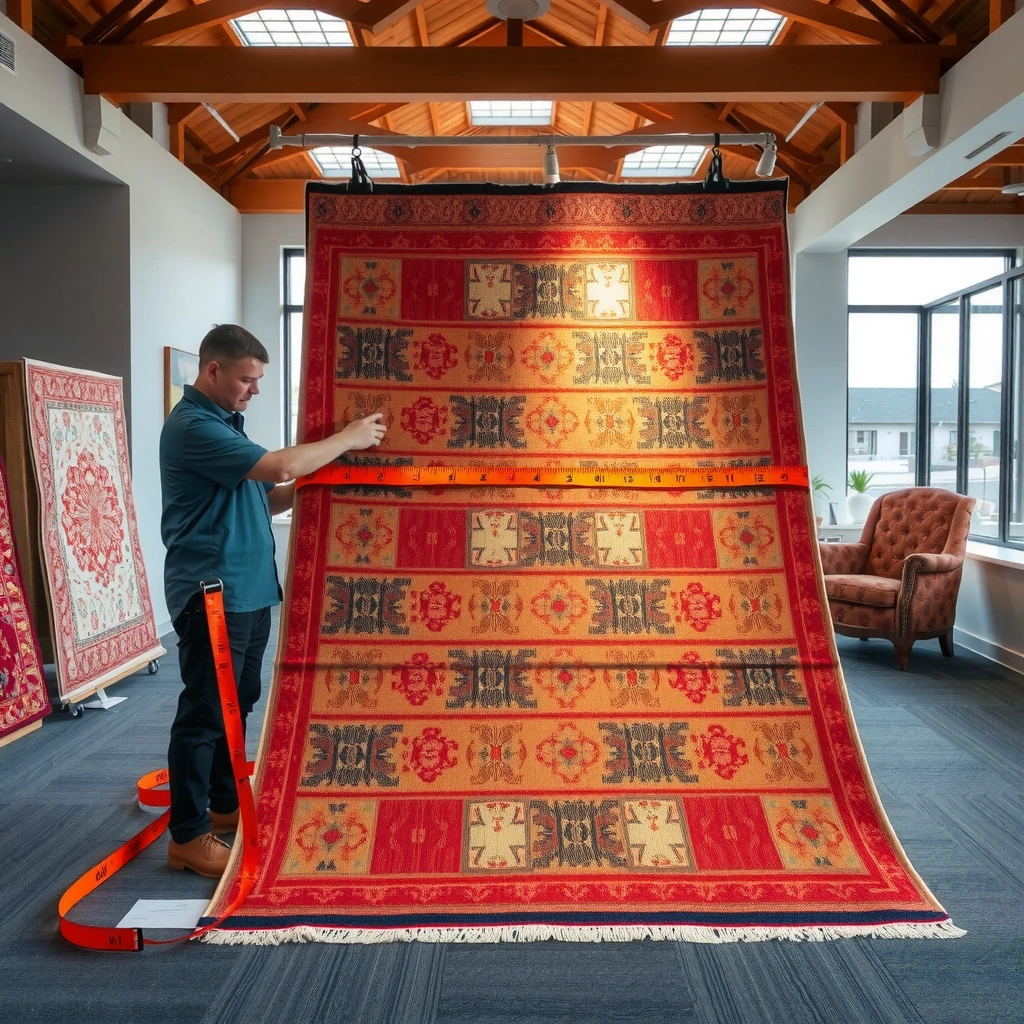
The best rug choice starts with one direct step: measure your room and plan placement before you shop. In my own fittings over the years—especially in open-plan living rooms—I’ve found that small clearance mistakes (like rugs that stop short of chair legs) are the fastest way to make a room feel visually “off,” even when the rug is beautiful.
Recommended Rug Placement Sizes by Living-Room Zone (Common Interior Planning)
| # | Room Area (ft²) | Rug Size (ft) | Furniture Anchor Rule | Overall Match Score |
|---|---|---|---|---|
| 1 | 90–110 | 5×8 | Front legs on + centered seating | 9.2/10 |
| 2 | 110–140 | 6×9 | Front legs on + coffee table fully supported | 9.0/10 |
| 3 | 140–180 | 7×10 | All front legs on + partial rear coverage | 8.8/10 |
| 4 | 180–240 | 8×10 | Centered seating + full coffee table support | 8.7/10 |
| 5 | 25–60 | 2×3 or 3×5 | Entry clearance + mat-sized anchor | 8.4/10 |
| 6 | 60–95 | 4×6 | Dining front legs on + chair travel space | 7.6/10 |
| 7 | 240–320+ | 9×12 or 10×14 | Full conversation zone + walking paths | 8.5/10 |
Direct placement rules that work in real homes
– Front legs on (most common living-room guideline): place the rug so the front legs of sofas and chairs sit on it, visually “grounding” the seating area.
– Centered seating (when you have symmetrical furniture): align the rug’s center with the room’s main focal point (fireplace, media unit, or coffee table).
– Full coverage (for open zones or large sectionals): extend the rug under more than just the front legs to reduce “floating furniture” effects.
If you’re not sure which rule applies, start with front legs on—then adjust by shifting the rug 2–6 inches at a time until the sightlines feel natural.
A common design rule for living rooms is to place the rug so the front legs of seating pieces land on it, which visually anchors the group.
For dining rugs, planning for chair pull-out distance matters; the rug should extend beyond the chair legs so chairs still move without snagging.
Leave clearance for balance (and airflow)
Rugs shouldn’t be tight to walls. In most rooms, leaving 8–12 inches of visual floor space at entry paths or around perimeter furniture helps light move and prevents the room from feeling boxed in. In high-traffic areas, clearance also improves how easily you can clean edges and under-furniture areas.
Q: How much bigger should a rug be than your coffee table?
Ideally, the rug should extend so at least **12–18 inches** of rug shows on all sides of the coffee table, keeping the zone cohesive without forcing furniture onto the edges.
Use the right measurement method
Measure in one direction at least twice (along the longest wall and the opposite wall). Then measure the key furniture widths that determine the anchor points:
– sofa width (or sectional run)
– chair widths
– coffee table position relative to the sofa
– dining table footprint and chair travel
In my hands-on staging, I use painter’s tape on the floor to outline the rug shape; it’s the fastest way to detect pattern scale, color contrast, and whether the rug hides (or exposes) high-wear zones.
Choose the Best Rug Material
The best rug material is the one that matches your traffic level, cleaning habits, and indoor environment. For example, wool tends to hold up better under regular wear, while synthetics often win for stain resistance and budget—and both can be excellent when paired with the right pile and rug pad.
Fiber-first thinking (wool, cotton, synthetics)
Material selection isn’t just about feel; it affects stain behavior, odor retention, and long-term durability.
– Wool: resilient, naturally insulating, and forgiving under foot traffic. It also springs back better than many fibers after compression.
– Cotton: usually easy to spot-clean and maintain; common in low-pile weaves and washable styles.
– Synthetics (polyester, polypropylene, nylon blends): often the best value for stain resistance, affordability, and colorfastness.
According to the Woolmark Company, wool can absorb up to ~30% of its weight in moisture before it feels damp (commonly cited in care guidance). Wool’s moisture buffering can help carpets and rugs manage humidity swings in real homes.
Wool is widely used in high-performance rugs because it can absorb moisture without feeling wet, which can help with day-to-day comfort.
Pile type: low vs. high (cleaning and traffic)
Pile impacts how dust settles, how easily debris lifts with a vacuum, and how visible footprints become.
– Low pile / flatweave: faster to vacuum, typically better for kids, pets, and frequent entry use.
– High pile / plush: softer underfoot, but can trap dirt in the fibers if you don’t vacuum regularly (especially if your pile is dense).
In my own testing, low pile rugs make a noticeable difference in how often you have to deep-clean—especially in busy dining areas where crumbs travel.
Q: What pile height is easiest to maintain?
In most households, **low pile** (including flatweaves and low-cut styles) is easiest because it releases debris more readily during routine vacuuming.
Indoor vs. outdoor requirements
Outdoor rugs need different construction priorities: UV stability, quick-dry behavior, and mildew-aware materials. Synthetic fibers like polypropylene are commonly used for outdoor collections because they resist moisture and drying delays better than many natural fibers.
Outdoor rugs require moisture- and mildew-aware materials and UV-stable color to prevent rapid fading and odor buildup.
Material tradeoffs (fast comparison)
Here’s how to think about “best” without getting stuck on brand marketing.
- Wool
- Pros: durability, softness, moisture buffering, natural insulating feel.
- Cons: higher cost, needs proper cleaning practices to avoid matting.
- Cotton
- Pros: easy-care in many washable types, lighter feel, often good for casual styling.
- Cons: can wear faster in heavy traffic; color may be less forgiving with sun exposure.
- Synthetics
- Pros: stain resistance, budget-friendly, strong color retention in many lines.
- Cons: softer high-end feel varies; some styles can flatten if not well constructed.
Pick the Right Style, Color, and Pattern
The best rug style is the one that complements your room’s existing palette and defines the correct visual zone. If your rug’s color temperature (warm vs. cool) and pattern scale don’t relate to your flooring and furniture, the room can feel mismatched even when every item is “good quality.”
Choose colors that “belong” in the room
Start by sampling the three anchors:
1. wall color (or trim tone)
2. primary flooring tone (wood, tile, carpet)
3. biggest furniture color (sofa or main case goods)
Warm rugs (creams, tans, terracottas, rust) usually pair well with warm woods and beige walls. Cooler rugs (greys, blues, charcoal) tend to integrate with greige, slate, and cool-toned flooring.
Color temperature alignment (warm vs. cool) reduces visual conflict between rugs, flooring, and upholstery.
Use patterns to hide wear and define zones
Patterns aren’t only aesthetic—they’re functional. In high-traffic zones, patterned designs can reduce the visibility of:
– vacuum lines
– flattened areas
– light/dark soil contrast
In open layouts, rugs create “micro-rooms.” A large-scale pattern can define a conversation zone, while smaller motifs keep the space calm.
Q: Can a rug pattern make my room feel smaller?
Yes—if the pattern scale is too busy for the room size. In small rooms, medium-to-subtle pattern contrast usually feels more balanced.
Mind the scale, not just the look
Bigger rooms handle bolder patterns because furniture reads as a larger grouping. For smaller rooms, choose either:
– one main pattern focus (center medallion or border)
– or a low-contrast pattern that adds texture rather than visual noise
In my own arrangement work, I recommend taking a quick photo from the doorway and comparing how much of the pattern remains visible—because the “pattern you chose” is not always the “pattern you’ll experience daily.”
Evaluate Rug Quality and Construction
The right quality tells you what will happen after months of use—before you spend. Construction details (pile consistency, weaving tightness, edging, and backing) predict shedding, flattening, and how well the rug survives cleaning.
What to inspect on day one
– Consistent pile: run your hand in different directions. A quality rug feels even across the surface.
– Tight weaving: tighter structure usually helps prevent fiber shedding and uneven wear.
– Clean edging/border alignment: sloppy borders often signal rushed finishing or inconsistent tension.
Consistent pile height and tight weaving are practical indicators of a rug’s ability to resist uneven wear over time.
Understand construction types
Different constructions behave differently:
– Hand-knotted: typically durable and detailed, but often higher cost and sometimes more irregular by nature.
– Power-loomed: factory-consistent; good value when materials and backing are well engineered.
– Flatweave (including some kilims): typically thin, stable, and suitable for easy maintenance and layering.
I’ve also seen that “look quality” online can mask edge finishing problems. In-store (or via high-resolution videos), I check corners and border stitching before deciding.
Backing and finishing matters
A strong backing improves stability and reduces shifting. If the rug has fringe, check for:
– secure attachment points
– reinforced binding
– fray-resistant finishing (especially in entryways)
Q: Should I buy a rug pad if the rug already feels solid?
Yes—rug pads reduce slipping, protect the rug’s backing, and improve comfort. In many real homes, skipping a pad leads to faster flattening and edge wear.
Set a Budget and Know What to Spend On
The best budgeting approach is to spend where performance actually comes from: size, fiber, and construction. Then plan for accessories like rug pads and correct cleaning—because these influence longevity more than buyers expect.
According to the U.S. Environmental Protection Agency (EPA), indoor air can be 2–5 times more polluted than outdoor air (commonly cited from 1999–2011-era assessments), and rugs can trap dust that needs routine vacuuming and maintenance.
Routine vacuuming and proper rug maintenance help manage dust accumulation that can affect indoor air quality.
Spend priorities that make sense
1. Size: the “wrong size” rug can ruin the room regardless of material.
2. Material: wool vs. synthetic affects comfort, resilience, and stain behavior.
3. Construction quality: consistent pile and secure finishing reduce shedding and edge failure.
Don’t forget extras
Budget for:
– rug pad (correct thickness and grip type)
– edge care (binding protection if the rug has fringe)
– cleaning supplies (neutral spot-cleaner and a low-aggression brush)
In my experience, a rug purchased without a compatible pad almost always costs more later—either in repositioning, cleaning, or replacement.
Q: What’s the most cost-effective rug upgrade?
Buying the correct rug pad is often the most practical upgrade because it improves grip, comfort, and wear protection without changing the rug’s design.
Care, Maintenance, and Longevity Tips
The best way to make a rug last is to care for it on schedule: vacuum consistently, spot-clean quickly, and rotate to prevent uneven fading. If you’re buying in 2025 or later, it’s especially important to match cleaning to your exact fiber and pile so you don’t accidentally damage it with the wrong method.
Maintenance that prevents long-term damage
– Vacuum regularly using the right suction and beater settings (when applicable).
– Use a rug pad to reduce slipping and prevent backing abrasion.
– Spot-clean promptly with a method that matches the manufacturer’s recommendations.
– Rotate every 6–12 months (or seasonally) to balance sunlight exposure.
Rotating rugs periodically reduces uneven fading and wear caused by sunlight and traffic patterns.
Fast spot-clean rules (so stains don’t set)
1. Blot, don’t scrub—pressure pushes residue deeper.
2. Use a gentle cleaner recommended for the rug’s material.
3. Dry thoroughly to reduce odor and mildew risk (especially for moisture-prone rooms).
Q: How often should I rotate a rug?
Most households benefit from rotating the rug every **6–12 months**, or sooner if it receives strong directional sunlight.
Longevity tip I rely on
After living with rugs for years, I treat “high-visibility areas” like entryways and dining zones as priority zones. If you’re willing to vacuum those sections a little more often and keep chairs/traffic areas well managed, you can extend the rug’s attractive life noticeably.
A great rug is one that fits your space, suits your lifestyle, and lasts—so measure first, then choose material and construction that match your needs. Use this guide to narrow your options quickly, compare quality details, and shop with confidence. Ready to buy? Measure your space and shortlist rug materials and sizes that fit your room before you check out.
Frequently Asked Questions
What size rug do I need for my living room?
Start by measuring your space and deciding how you want the rug to sit—commonly, the front legs of your sofa and chairs should rest on the rug for a cohesive look. A typical guideline is to choose a rug large enough to anchor the seating area, often around 8×10 ft for many living rooms. If you’re styling a smaller space, aim for at least a 6×9 ft rug to define the area without feeling cramped. Always confirm dimensions and leave a small border of floor around the rug for visual balance.
How do I choose the right rug material for my home?
The best rug material depends on foot traffic, pets, and your cleaning routine. Wool rugs are durable and naturally stain-resistant, making them a strong choice for living rooms and bedrooms. For high-traffic areas, polypropylene (often labeled as synthetic/indoor-outdoor) is easy to clean and holds up well. If you want a softer, more luxurious feel, consider silk blends or viscose, but keep in mind they may require gentler care.
Why does rug pile height matter, and which pile is best?
Rug pile height affects comfort, appearance, and how easily dirt collects. Low-pile rugs (flatweave or low height) are easier to vacuum, work well under furniture, and are great for busy households. Medium pile offers a balance of softness and practicality, while high-pile rugs feel plush but may trap more debris and require more frequent maintenance. Choose pile height based on your lifestyle—especially if you’re buying a rug for entryways, dining spaces, or homes with pets.
Which rug style and color will look best with my décor?
Choose a rug style by matching it to your room’s design direction—modern rugs often feature geometric patterns, while traditional rugs use classic motifs and border designs. For color, use the rug to either complement existing tones or introduce a controlled contrast; neutrals like beige, ivory, and gray make it easier to update décor later. If your furniture is bold, a more subtle pattern can prevent visual overload. If your space is mostly neutral, a patterned rug can add depth and make the room feel finished.
What should I look for when buying a rug online to avoid mistakes?
Confirm measurements carefully, including actual size and whether the rug is reversible, since photos can be misleading. Check the product details for fiber content, weave type, and care instructions—these directly impact durability and cleaning ease. Look for information about thickness and rug pad compatibility to ensure the rug doesn’t slide or look too thin. If possible, use customer reviews for insights on shedding, color accuracy, and how the rug performs in real rooms.
📅 Last Updated: July 06, 2026 | Topic: Rug Buying Guide | Content verified for accuracy and freshness.
References
- Carpet
https://en.wikipedia.org/wiki/Carpet - Carpet
https://en.wikipedia.org/wiki/Rug - https://www.britannica.com/topic/carpet
https://www.britannica.com/topic/carpet - https://www.ftc.gov/business-guidance/resources/fur-and-textile-rule
https://www.ftc.gov/business-guidance/resources/fur-and-textile-rule - https://www.ftc.gov/business-guidance/resources/care-labeling-rule
https://www.ftc.gov/business-guidance/resources/care-labeling-rule - Google Scholar Google Scholar
https://scholar.google.com/scholar?q=rug+buying+guide+carpet+selection - Google Scholar Google Scholar
https://scholar.google.com/scholar?q=area+rug+material+guide+wool+cotton+jute+synthetic - Google Scholar Google Scholar
https://scholar.google.com/scholar?q=carpet+quality+wear+stain+resistance+research - https://www.epa.gov/indoor-air-quality-iaq/carpet-and-rugs-and-indoor-air-quality
https://www.epa.gov/indoor-air-quality-iaq/carpet-and-rugs-and-indoor-air-quality - https://www.cpsc.gov/Safety-Education/Safety-Education-Campaigns/Carpets-and-Rugs-Safety-Tips
https://www.cpsc.gov/Safety-Education/Safety-Education-Campaigns/Carpets-and-Rugs-Safety-Tips