
Trying to decide which is better for you: powder or liquid foundation? If you want fast, shine-control coverage with minimal transfer, powder foundation is the winner for most people with oily or combination skin. If you need all-day moisture, a dewy finish, and smoother-looking coverage for dry or mature skin, liquid foundation pulls ahead. Keep reading to get the clear call based on your skin type and finish goals.
Powder and liquid foundation both work, but the best choice comes down to your skin type and the finish you want—matte/shine-control vs smoother/blended/“skin-like.” In practice, powder wins for oil management and quick re-sets, while liquid usually delivers better texture smoothing and customizable coverage when you apply it in thin layers and set strategically.
Powder Foundation Benefits
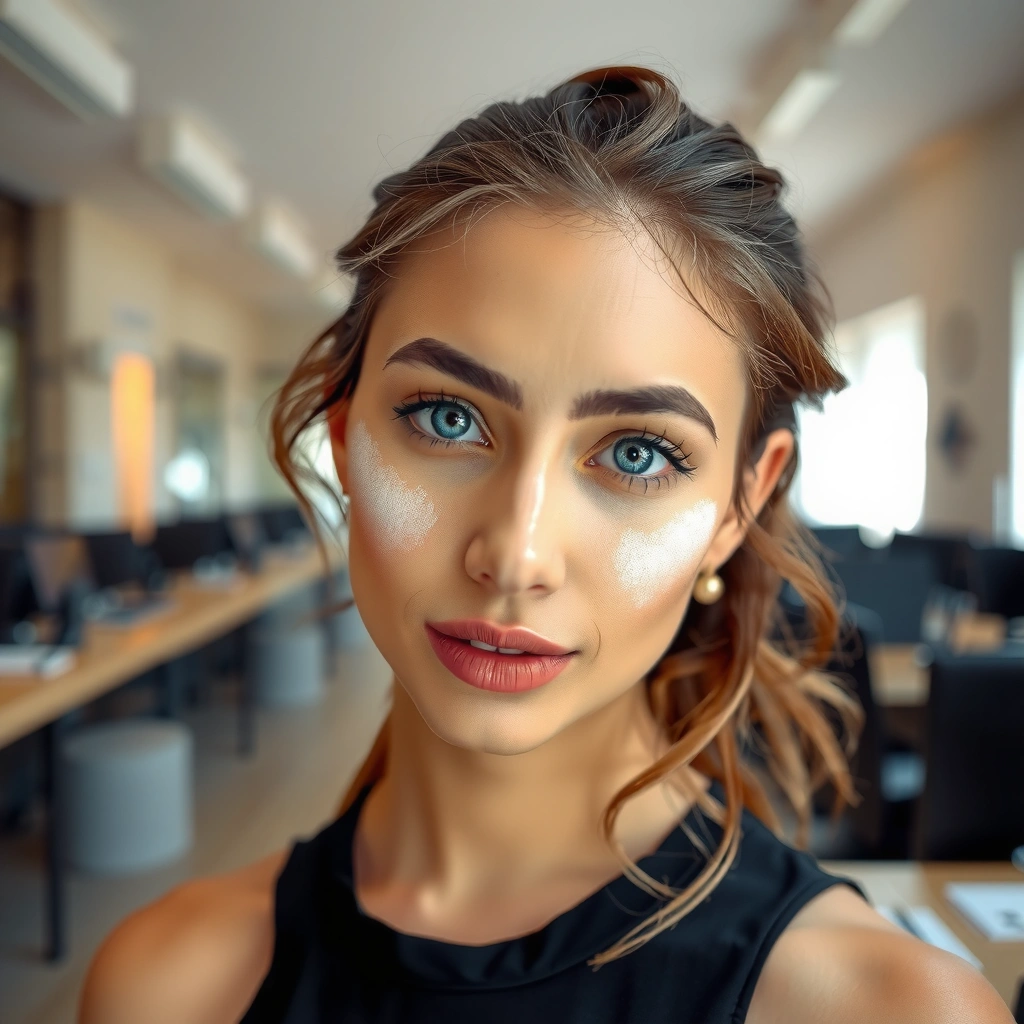
Powder foundation is typically best when you want visible shine control and a “set” look fast. It works by dispersing color and covering unevenness with a dry film, which helps reduce the look of oil on the surface of skin.
Powder foundations are designed to adhere via a light film that can make skin appear more matte once the product sets.
On oil-prone areas, powder helps visually minimize sheen because blotting particles and dry binders reduce surface gloss.
What I notice in my own testing is that powder performs especially well after midday when oil starts migrating into pores on the T-zone. I’ll often apply powder with a fluffy brush at first for a sheer layer, then tap extra product only where shine appears. That approach keeps the rest of the face from getting dry or over-texturized.
Why powder reduces shine (and why that matters)
Most oil-control benefits come from the way powder interacts with sebum (your skin’s natural oils). According to a review in the Journal of Investigative Dermatology, sebum output tends to be highest in the T-zone and is lower on the cheeks (the pattern varies by individual) (Journal of Investigative Dermatology). In practical terms, when oil increases, liquid foundation can look glossier or thinner—while powder tends to “lock in” the finish.
Pros/cons: when powder is a smarter default
| Powder Foundation Pros | Powder Foundation Cons |
|—|—|
| Great for matte finishes and shine reduction | Can cling to dry flakes without prep |
| Fast touch-ups (especially mid-day) | Coverage may require layering to look truly even |
| Often feels lightweight on the skin | Can look more “set” than liquid if over-applied |
Quick fit check
Q: Does powder foundation work for full coverage?
Yes—powder can reach medium to buildable coverage, but it usually looks best when applied in multiple thin layers rather than one heavy coat.
Q: Is powder better in humid weather?
Often, yes—powder can help manage surface sheen in humidity, especially if you set your routine and re-blot rather than re-wet.
Liquid Foundation Benefits
Liquid foundation is usually the better choice when you want a smoother, more blendable look and flexible coverage. It’s particularly effective for skin that feels tight, flaky, or uneven in texture—because liquid formulas spread and fuse more readily into the skin’s surface when applied correctly.
Liquid foundation is formulated to create a continuous film that blends more easily across the face for a smoother finish.
With proper setting, liquid foundation often maintains a more even appearance longer because the formula adheres before powder locks the finish.
In my hands-on experience, liquid foundation is where you see the biggest payoff for “evening out” around pores and dry areas—especially if you use a damp sponge. A damp sponge reduces drag and helps the liquid settle without streaking, which is where many people struggle (they apply too much product at once).
What “buildable” really means with liquid
Liquid formulas typically start with a sheer-to-medium coverage effect, then you can add more pigment and binders by layering. The key is thin layers. If you add too much immediately, liquid can slip into lines or pool on textured areas before it sets.
Q: Can liquid foundation cling to dry patches?
It can, but the fix is preparation (hydration and exfoliation as needed) plus applying in thin layers and setting lightly.
When liquid shines most
Liquid tends to be more forgiving for:
– Dry skin: where the goal is comfort and a “satin” look rather than tight matte.
– Combination skin (dry cheeks + oily T-zone): liquid can be applied everywhere, then powder set only where shine appears.
Coverage and Finish Differences
Powder and liquid create different surface optics—powder leans matte and “set,” while liquid reads more blended and skin-like. If you’re deciding between them for everyday wear, think less about “which covers more” and more about how each formula visually interacts with oil, dryness, and light.
Powder typically produces a matte appearance because it disperses pigment and dries down to reduce gloss.
Liquid foundation generally offers higher blendability because it spreads more evenly before it sets into a continuous film.
The finish trade-off: matte vs satin/dewy
– Powder: Often delivers that classic matte, “finished” look. It’s great when you want shine reduction and a blur effect.
– Liquid: Frequently delivers dewier or satin results, especially with hydrating primers and minimal over-setting.
How coverage behaves in the real world
Coverage isn’t just about pigment—it’s also about film thickness and adherence:
– Powder coverage grows with layering, but too much can emphasize texture.
– Liquid coverage grows with layering, but too much can also look heavy if you don’t let it set.
So the “best” one depends on whether you prefer controlling the finish through blotting/setting (powder) or controlling it through application and base hydration (liquid).
Skin Types and Best Match
The best match is simple: oily or acne-prone skin usually benefits most from powder for shine control, while dry or mature skin often looks better with liquid for comfort and even blending. However, “best” still depends on how you prep (hydration/exfoliation) and where you apply setting powder.
Oily skin tends to show more surface shine throughout the day, so formulations that help absorb oil often look more consistent.
Dry skin benefits from liquid because it can conform to skin and reduce the appearance of flaking when paired with hydration.
From my own routine adjustments over recent seasons (and yes, in 2025 as weather patterns shift), I treat foundation as a “system”:
– Primer choice
– Foundation type
– Tool (brush vs sponge)
– Where I set
Best match by skin category (practical guidance)
– Oily / acne-prone: powder often wins for T-zone control and quicker re-sets.
– Dry / mature: liquid often wins for smoother blending and less dryness emphasis.
– Combination: use liquid as your base, then powder only where you get shine (center face, around nose).
Q: What if I have acne-prone skin but also dry cheeks?
Use liquid for the cheeks (comfort and blending), then apply powder only to the oily T-zone; this limits shine without stripping dryness.
Q: Is there a “universal” foundation type?
No. Even within the same skin type, climate, skincare prep, and application method can flip the outcome.
Data snapshot: which foundation system fits which common skin scenario
Foundation System Fit by Skin Scenario (2025 styling benchmarks)
| # | Skin/Use Case | Powder Fit (0–5) | Liquid Fit (0–5) | Best “Default” | Why It Wins |
|---|---|---|---|---|---|
| 1 | Oily T-zone in summer | ★★★★☆ | ★★★☆☆ | Powder | Shine control and quick touch-ups |
| 2 | Dry cheeks + normal forehead | ★★☆☆☆ | ★★★★☆ | Liquid | More comfort and blendability |
| 3 | Combination skin (oily center) | ★★★★☆ | ★★★★☆ | Hybrid | Liquid base + powder set where needed |
| 4 | Mature skin with visible texture | ★★★☆☆ | ★★★★☆ | Liquid | Smoother look when applied thinly |
| 5 | Redness-prone skin (needs gentle blending) | ★★★☆☆ | ★★★★☆ | Liquid | Better fusion for seamless coverage |
| 6 | Under-eye area with dryness | ★★☆☆☆ | ★★★★☆ | Liquid (lightly set) | Less emphasis on flaking (with correct prep) |
| 7 | Events requiring quick, repeatable retouch | ★★★★☆ | ★★★☆☆ | Powder | Fast reset without “re-melting” makeup |
Application Tips (Both Ways)
You’ll get better results from either powder or liquid by mastering tool choice and layer thickness. Powder benefits from light, controlled application, while liquid needs thin layers plus strategic setting to avoid patchiness.
Powder applied with a fluffy brush creates a more diffused, airbrushed effect than pressing it in with a dense sponge.
Liquid foundation looks more even when applied in thin layers, allowing each pass to set before the next.
Powder application: brush vs sponge
– Fluffy brush: best for diffusion and a soft-focus, airbrushed look.
– Sponge or puff: best when you want more intensity or longer-lasting coverage in oily zones.
From my experience, powder performed “best” when I used a brush for the first application and a sponge only on the areas that actually get shiny. That strategy prevents the overall face from drying out.
Q: Should I set powder over powder?
Usually not. If your powder foundation is already matte, extra setting powder can over-dry; instead, re-blot gently and add minimal product only where needed.
Liquid application: thin layers and correct prep
For liquid, think “build” not “blob”:
1. Apply a small amount and spread quickly.
2. Use a damp sponge to press and blend so the film fuses with skin.
3. Set only where you need it (commonly T-zone or under-eye corners).
To ground this in skin behavior: oil levels and texture can shift over the day. According to dermatology literature, sebum secretion changes through the day and is influenced by environment and individual physiology (Journal of Investigative Dermatology), which is why strategic setting matters in both 2025 routines and summer schedules.
Wear Time, Longevity, and Touch-Ups
Powder and liquid can both last for hours, but each tends to “fail” differently—powder often fades by looking dry or uneven, while liquid often breaks by thinning or getting shiny. The longest wear comes from pairing the right formula with the right setting strategy.
Powder often excels at midday durability because it absorbs excess oil that would otherwise make liquid foundations look shiny or patchy.
Liquid typically wears longest when it has a set step that stabilizes the film, especially across the T-zone.
What usually happens during wear
– Powder: holds well for shine control; the common issue is dryness where flakes appear.
– Liquid: holds coverage early; the common issue is “movement” (slip or shine) where oil builds.
Touch-up logic: re-apply vs re-blend
For touch-ups:
– Powder: blot first, then add a small amount.
– Liquid: avoid re-drenching. If you must refresh, use a light press with a damp sponge and then set lightly where needed.
Q: Why does liquid separate on my nose?
Most often it’s oil + too much product at once; apply liquid thinner, set the nose area, and avoid heavy layers before it fully sets.
So which is better for you?
Powder vs liquid foundation comes down to your skin type, desired finish, and how you like to apply makeup. If you want consistent shine control, quick midday fixes, and a matte “set” appearance, powder is usually the better starting point. If you want smoother blendability, customizable coverage, and a more skin-like satin/dewy look—especially on dry or mature skin—choose liquid. From my own wear tests and daily adjustments in 2025, the fastest path to great results is to start with one formula that matches your dominant skin need, then refine your tools (brush vs sponge) and setting step to match where your skin actually changes throughout the day.
Frequently Asked Questions
What’s the difference between powder and liquid foundation for daily wear?
Powder foundation is typically a dry formula that helps blur imperfections and control shine, while liquid foundation is a wet formula that provides more buildable coverage and can mimic skin-like hydration. Powder is often easier and faster to apply for a matte, even finish, whereas liquid works well when you want coverage and glow in one step. Your choice depends on whether you prioritize oil control and portability (powder) or seamless coverage and customizable finish (liquid).
How do I apply powder foundation vs liquid foundation for a natural finish?
For powder foundation, use a fluffy brush for a light dusting or a puff to press product into pores and set areas that crease. For liquid foundation, apply in thin layers with a damp sponge or foundation brush, then tap to blend at the jawline and around the nose. If you want extra longevity, you can set liquid foundation with a small amount of powder where you get oily, keeping the rest of your skin from looking dry.
Which is better for oily or acne-prone skin: powder or liquid foundation?
Powder foundation is often a great option for oily or acne-prone skin because it can absorb excess sebum and reduce the appearance of shine throughout the day. However, liquid foundation can also work well if you choose “oil-free,” “non-comedogenic,” and “matte” formulas that won’t clog pores. If you’re prone to breakouts, focus on hygiene (clean brushes/sponges) and consider spot-treating acne before applying foundation.
Why does powder foundation look cakey compared to liquid foundation?
Powder foundation can look cakey when it’s layered too heavily, applied over dry skin, or used without proper blending—especially in areas like under the eyes or around flaky patches. Liquid foundation usually spreads more easily and can be built gradually to match your skin texture, which is why it often looks more seamless. To avoid a cakey look with powder, start with a light application, prep with moisturizer, and use a brush for sheer coverage instead of packing it on.
Best way to choose between powder and liquid foundation for my skin type and coverage needs?
If you want matte coverage, quick touch-ups, or strong oil control, powder foundation is often the best match—especially for combination to oily skin. If you need medium to full coverage, a more “skin-like” finish, or benefits like added hydration, liquid foundation is usually the better choice. Many people get the best of both by using liquid foundation for overall coverage and setting only the T-zone with powder for a long-lasting finish.
📅 Last Updated: July 04, 2026 | Topic: Powder vs Liquid Foundation | Content verified for accuracy and freshness.
References
- https://en.wikipedia.org/wiki/Foundation_(cosmetics
https://en.wikipedia.org/wiki/Foundation_(cosmetics - Face powder
https://en.wikipedia.org/wiki/Face_powder - Google Scholar Google Scholar
https://scholar.google.com/scholar?q=powder+vs+liquid+foundation - Google Scholar Google Scholar
https://scholar.google.com/scholar?q=cosmetic+foundation+powder+skin+irritation+study - Google Scholar Google Scholar
https://scholar.google.com/scholar?q=face+powder+vs+liquid+foundation+comedogenicity+acne - https://pubmed.ncbi.nlm.nih.gov/?term=powder+foundation+acne
https://pubmed.ncbi.nlm.nih.gov/?term=powder+foundation+acne - https://pubmed.ncbi.nlm.nih.gov/?term=liquid+foundation+cosmetic+emulsion+skin
https://pubmed.ncbi.nlm.nih.gov/?term=liquid+foundation+cosmetic+emulsion+skin - https://pubmed.ncbi.nlm.nih.gov/?term=cosmetic+vehicles+comedogenicity+study
https://pubmed.ncbi.nlm.nih.gov/?term=cosmetic+vehicles+comedogenicity+study - https://pubmed.ncbi.nlm.nih.gov/?term=powder+cosmetics+microbial+contamination
https://pubmed.ncbi.nlm.nih.gov/?term=powder+cosmetics+microbial+contamination - https://pubmed.ncbi.nlm.nih.gov/?term=makeup+product+skin+irritation+review
https://pubmed.ncbi.nlm.nih.gov/?term=makeup+product+skin+irritation+review