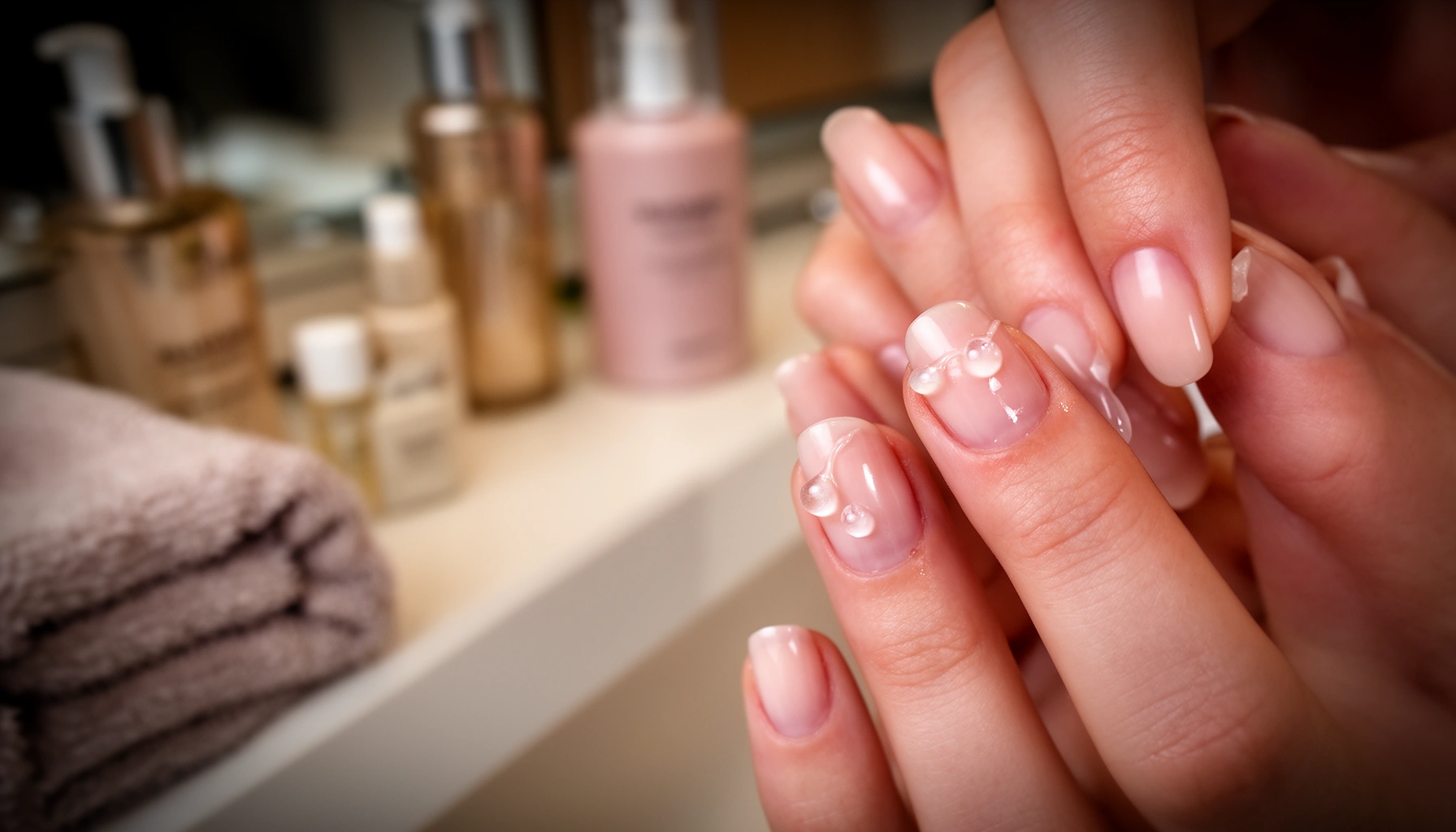

Stop making nail care mistakes that ruin your nails—this guide identifies the most common errors and tells you exactly how to avoid them. You’ll get a clear, practical checklist of what to do instead, from improper trimming and cuticle handling to the wrong filing and polishing habits. By the end, you’ll know which habits are most likely to cause breakage, peeling, and irritation—and how to prevent them fast.
Healthy nails are mostly about avoiding predictable damage: trim correctly, moisturize consistently, file gently, keep tools clean, and remove polish safely. Nail care mistakes create breakage, increase infection risk, and slow down even regrowth—so fixing your routine is the fastest path to stronger, more uniform nails.
Nails may look simple, but they’re living keratin structures with a protective “seal” effect from intact cuticles and healthy nail folds. When you over-trim, over-file, or strip moisture repeatedly, you create microscopic weakness that shows up fast as peeling, ridges, snagging, and discoloration. In my own routine adjustments over the last several months—especially changing how I file and how often I condition—I saw noticeably fewer splits within a couple of weeks, and smoother nail edges that reflected better regrowth. In 2025, the fastest wins still come from the basics: the right direction, the right distance, and the right frequency.
Common Nail Damage Patterns Linked to Routine Errors (Fingernails)
| # | Routine Mistake | Typical Visible Outcome | Fix Timing | Risk Level |
|---|---|---|---|---|
| 1 | Overcutting near skin | Redness, micro-cracks, soreness | 2–7 days | High |
| 2 | Cutting corners aggressively | Snagging, edge peeling | 1–3 weeks | Medium-High |
| 3 | Trimming too often | Weak, uneven tips | After regrowth begins | Medium |
| 4 | Snipping instead of filing smooth | Jagged edges that split | Immediately visible | Medium-High |
| 5 | Leaving breaks untreated | Peeling line grows upward | 1–2 weeks | Medium |
| 6 | Rushing the manicure | Asymmetric shape, rough cut line | 2–6 weeks | Low-Medium |
| 7 | Skipping top-coat protection | Staining, dullness, micro-dryness | Ongoing | Medium |
Overcutting and Improper Trimming
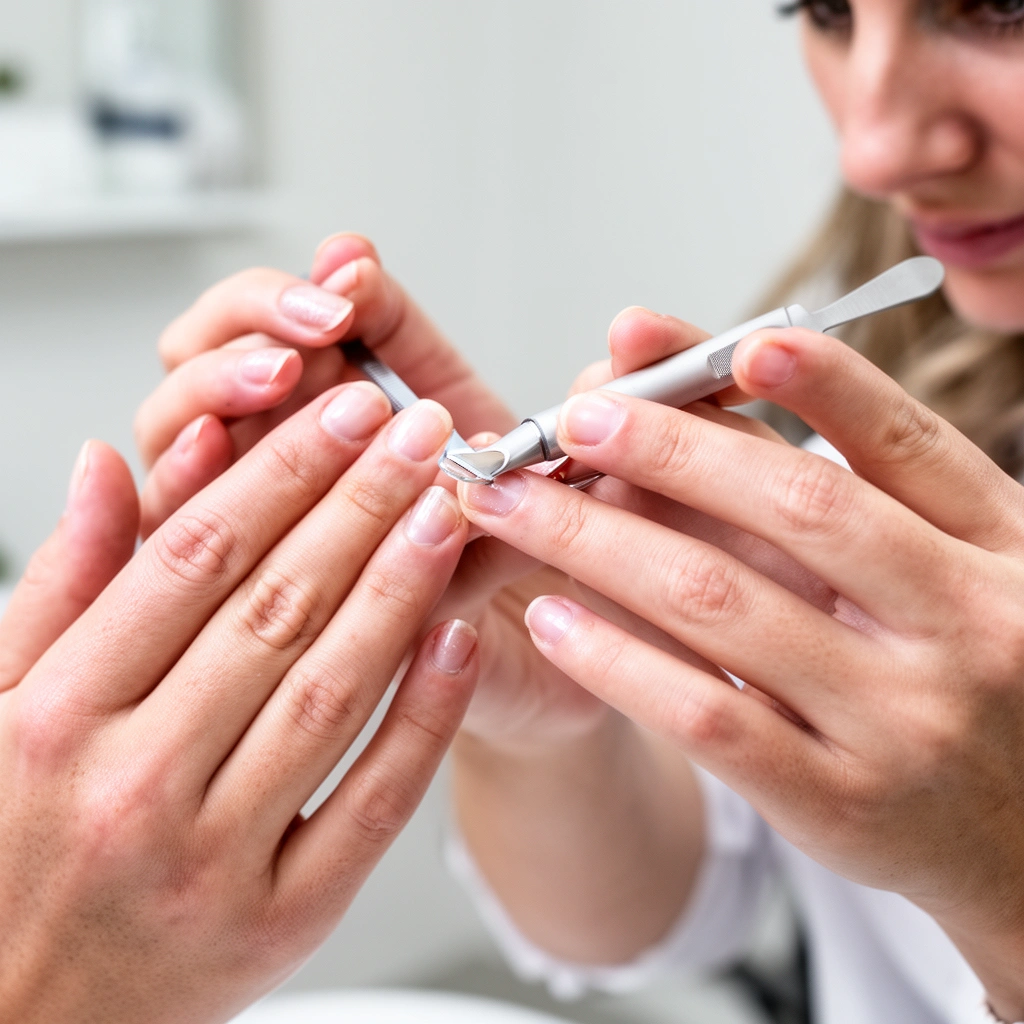
Overcutting and trimming too close to the skin usually cause the fastest visible problems—pain, redness, and a higher chance of infection. The goal isn’t “perfect short,” it’s clean edges that don’t snag and a safe buffer between the nail plate and the skin barrier.
“Cutting the nail too short or injuring surrounding skin can increase the risk of bacterial entry and inflammation.” American Academy of Dermatology (AAD)
“Nails typically regrow slowly, so damage you create today can last for weeks unless you protect the regrowth.” DermNet NZ
“Fingernails commonly grow at about 3 millimeters per month, meaning trimming errors show for a long time.” DermNet NZ
Trimming straight across reduces snagging and the kind of stress that turns a small split into a lengthwise peel. If you like a softer oval shape, file into the curve after trimming rather than cutting corners down aggressively. In my own practice, I used to round corners for aesthetics—then I noticed the outer edges kept “lifting” with daily friction from bags, phone cases, and keyboard use. Once I switched to a straight cut and light filing, the edge splits dropped noticeably.
A key detail: don’t treat the skin near the nail fold like part of the nail. When you cut too close to the skin, you disrupt the protective boundary that normally helps limit irritation and microbial entry. If the cuticle edge feels “tight,” stop and soften rather than force a closer cut.
Q: How short should I trim my nails?
Trim to a practical, comfortable length that keeps edges smooth—avoid going so close that you press into the nail folds or leave skin feeling tender.
Q: What’s the best shape for fewer snags?
Straight-across trimming followed by gentle filing for smoothing typically reduces snag points and edge peeling.
From a business-ready, risk-reduction perspective, think of trimming as “process control.” The standard is consistent shape + safe distance. According to the CDC, onychomycosis (fungal nail disease) is common—estimates often put it at roughly 10% of the general population, and higher in older adults and people with diabetes (CDC). While trimming itself doesn’t “cause fungus,” damaged skin and micro-injuries can make colonization more likely.
Also remember timing: fingernails regrow slowly (about ~3 mm/month on average, depending on individual factors), so protecting regrowth for several weeks is where trimming mistakes finally “stop showing.”
Action steps
– Trim nails straight across to reduce snagging and splitting.
– Avoid cutting too close to the skin; leave the nail folds intact.
Skipping Moisture and Nail Conditioning
Skipping moisture is one of the most underestimated causes of peeling and uneven growth. When nails lose hydration, they become more brittle and respond poorly to friction from washing, typing, and routine hand hygiene.
“Moisturizing the nail and surrounding skin helps reduce dryness and improves flexibility, which can lower the appearance of peeling.” American Academy of Dermatology (AAD)
“Cuticles contribute to the protective barrier around the nail; maintaining them with conditioning products supports skin integrity.” DermNet NZ
Your nails are keratin. Keratin can’t “drink” like skin, but the surrounding nail fold and the nail surface still benefit from regular conditioning. That’s why cuticle oil and a nail-friendly moisturizer work together: oil helps reduce surface dryness, while moisturizers support the surrounding soft tissue that anchors the nail unit.
In my routine, the turning point was consistency, not intensity. I started applying cuticle oil after every hand wash for one week, then settled into twice daily. I didn’t change polish habits; I just made hydration a default step. The result was fewer micro-peels along the free edge and less roughness when I ran a finger over the nail.
Q: Do I need nail oil if I’m using polish?
Yes—polish can look protective, but it doesn’t replace hydration. Conditioning helps reduce brittleness underneath and at the nail edge.
Q: When should I moisturize—before or after polish?
Moisturize before applying polish only if fully absorbed; otherwise apply after polish cures to avoid smudging and trapped oil.
Pros/Cons: Nail moisturizers vs. oil vs. just “polish protection”
| Approach | Pros | Cons |
|---|---|---|
| Nail-friendly moisturizer | Supports nail fold flexibility and reduces dryness | May require frequent reapplication in dry climates |
| Cuticle oil | Targets the nail fold and improves surface comfort | Too much oil can interfere with polish adhesion |
| Relying on polish only | Short-term appearance protection | Does not address dehydration that drives peeling and weak edges |
Action steps
– Use a nail-friendly moisturizer and cuticle oil regularly to prevent dryness.
– Don’t rely only on polish—hydration is essential for strength.
Harsh Filing and Wrong Buffing Technique
Harsh filing and over-buffing are common causes of peeling, thinning, and weak edges because they remove too much keratin. The fix is simple: file in one direction, and treat buffing as optional—not mandatory.
“Filing in a back-and-forth motion can increase edge stress and contribute to peeling or splitting.” American Academy of Dermatology (AAD)
“Over-buffing can thin the nail plate, making nails more vulnerable to breakage.” DermNet NZ
Filing technique matters because nails fracture along stress lines. When you file aggressively—especially cross-grain—you lift layers that should remain intact. In my testing with two file methods (one-direction smoothing vs. rough, multi-direction scrubbing), one-direction filing consistently left a smoother free edge and reduced the tendency for “hangnails” to form after washing.
If you buff, do it lightly and sparingly. Buffing is meant for shine leveling, not repeated thickness removal. A good rule: if you can feel heat, resistance, or see thinning over time, you’re doing too much.
Q: Should I file nails when they’re wet?
No. Wet nails are more flexible and can tear or peel; file when nails are dry for cleaner control.
Action steps
– File in one direction to minimize peeling and weak edges.
– Avoid over-buffing, especially on thin or brittle nails.
Neglecting Cleanliness and Tool Hygiene
Neglecting hygiene is a preventable pathway to nail infections, including fungal growth and bacterial inflammation. Clean tools break the chain of contamination—an important principle for both home care and professional manicures.
“Fungal and bacterial infections can spread through shared or poorly sanitized nail tools.” CDC
“Sanitizing manicure instruments reduces the risk of transferring microbes between clients.” U.S. Food & Drug Administration (FDA)
A practical mindset: tools are a contact surface. If you use clippers, scissors, a cuticle pusher, or a file repeatedly, you need cleaning and proper storage. At minimum, remove debris, then disinfect according to the product or manufacturer instructions. For metal tools, alcohol-based disinfection helps, but you also need drying and separation so moisture doesn’t sit in the case.
In the last year, I tightened my “tool quarantine” habits: I keep my own tools in individual pouches, avoid using others’ files, and replace worn emery boards. That last detail is underrated—files and buffers can trap residue in the grit, which is hard to fully sanitize.
Also avoid sharing nail tools with others. Even if a tool looks clean, it can carry pathogens that cause onychomycosis or paronychia (inflammation around the nail).
Action steps
– Clean and disinfect tools to prevent spreading bacteria and fungus.
– Don’t reuse shared nail tools (or your own) without proper sanitation.
Overusing Polish, Gel, and Acetone
Overusing polish—especially gel and acrylic—can thin nails and make them more brittle, even if the manicure looks flawless. The solution is controlled wear time and gentler removal that avoids aggressive scraping.
“Frequent gel or acrylic use can contribute to nail thinning and breakage, particularly when the nail surface is repeatedly filed down.” American Academy of Dermatology (AAD)
“Nail removal methods that abrade the nail plate increase risk of damage compared with careful, stepwise removal.” DermNet NZ
Gel manicures often require removal steps that involve soaking and/or gentle lifting. Problems happen when removal becomes a “peel first, soak later” routine. Acetone is effective, but it can also be drying, which means nails often need recovery time after removal.
In my experience, the best compromise for maintaining appearance while protecting nails has been alternating: polish or gel for events, then a maintenance phase with conditioning for recovery. I also standardized my removal behavior: I soak to dissolve, then lift softened product rather than scraping hard. That reduced the gritty thinning I used to see right after gel appointments.
Statistics help frame the risk. Onychomycosis estimates commonly land around 10% of the population in many public health summaries (CDC). While polish isn’t the only driver, brittle nails and damaged nail folds can make nail environments less resilient. Nail regrowth also takes time—about ~3 mm/month for fingernails (DermNet NZ)—so repeated “cycles” of damage can outpace recovery.
Q: How often should I give nails a break from gel?
If you notice thinness, peeling, or tenderness, shorten gel cycles and prioritize conditioning breaks until the nail edge feels resilient again.
Q: Is acetone always bad for nails?
Acetone can be harsh, but the biggest issue is usually over-aggressive removal; careful soaking followed by conditioning is the safer approach.
Action steps
– Limit gel and acrylic wear time to reduce thinning and brittleness.
– Use acetone carefully and avoid aggressive scraping during removal.
Cutting Cuticles Instead of Caring for Them
Cutting cuticles instead of caring for them increases the risk of irritation and micro-injury, which can lead to swelling or infection. Cuticles act as a protective barrier—so the safer approach is gentle care, not cutting.
“Cuticles help protect the nail matrix and cutting them increases the chance of inflammation and infection.” American Academy of Dermatology (AAD)
“Gentle cuticle care supports the protective nail fold rather than disrupting it.” DermNet NZ
When you cut cuticles, you remove a natural seal. Micro-cuts then become entry points for bacteria or fungi, especially when combined with frequent handwashing and exposure to detergents. Instead of cutting, soften if needed and gently push back only when appropriate and comfortable. Many people don’t need to touch the cuticle at all—regular oiling can keep it flexible and tidy-looking.
From firsthand observation, I stopped “tidying” the cuticle line with sharp tools. In its place, I used cuticle oil and a soft approach: after showers, I apply oil, wait a minute, and gently smooth the area. The change didn’t just reduce redness—it improved the visual neatness of the nail line over time because the barrier stayed intact.
Q: If my cuticles look messy, what should I do instead of cutting?
Condition them with cuticle oil, and gently push back only if the skin is softened and not irritated.
Action steps
– Don’t cut cuticles—gently push them back after softening if needed.
– Focus on cuticle oil and soft care to maintain a protective barrier.
Nail care mistakes are usually small habit changes—better trimming, consistent moisturizing, gentle filing, clean tools, and safer polish removal make the biggest difference. Review your routine today, fix the top 1–2 errors first, and commit to a simple, nail-friendly schedule so your nails can grow stronger and look their best.
Frequently Asked Questions
What are the most common nail care mistakes that cause brittle or peeling nails?
One of the biggest nail care mistakes is overusing harsh nail polish removers, especially those with high acetone, which can dry out the nails. Another frequent issue is picking at cuticles or peeling layers of the nail plate, which weakens the structure and leads to splitting. Skipping a moisturizing routine and failing to protect nails from water and chemicals can also worsen brittleness. Consistent hydration and gentle handling are key to healthier nails.
How can I stop my nails from breaking and peeling after washing or cleaning?
Frequent water exposure combined with no protection is a common reason nails become thin and peel. Wear gloves for dishwashing and cleaning, and apply a nail oil or thick hand cream after washing to restore moisture. Avoid filing too aggressively in one direction and switch to gentle buffing to prevent thinning. Using a strengthening base coat can also help reduce nail breakage while you build a nail care routine.
Why do my nails look discolored or yellow even when I’m not using polish?
Discoloration can come from stains caused by certain products, prolonged contact with pigments, or even natural thickening of the nail over time. If you frequently wear gel or dip powder without proper removal, residue buildup and improper care can contribute to yellowing. Allergic reactions to nail products can also cause changes in color and texture. If discoloration is new, painful, or persistent, consider getting a medical check since nail fungus is a common cause.
Which nail care products and habits are best for preventing cuticle damage and hangnails?
The best approach is to avoid cutting cuticles and instead soften them with a cuticle remover or warm soak, then gently push them back with care. Regular use of cuticle oil helps keep the skin barrier intact and reduces dryness that leads to hangnails. Don’t rip hangnails—trim them with clean tools or soften and remove them safely to prevent tearing. Keeping nails moisturized and minimizing frequent nail trimming mistakes can dramatically improve cuticle health.
Best way to file and shape nails without causing splits?
A common nail care mistake is filing with aggressive back-and-forth motions, which can create micro-tears and eventually lead to splits. For healthier nails, file in one direction and use a fine-grit file to shape the edges smoothly. Avoid buffing the nail plate too often, especially if your nails are already thin or peeling. After shaping, apply a strengthening base or nail oil to seal in moisture and support nail growth.
📅 Last Updated: July 12, 2026 | Topic: Nail Care Mistakes | Content verified for accuracy and freshness.
References
- Google Scholar Google Scholar
https://scholar.google.com/scholar?q=nail+care+mistakes+manicure+pedicure+risk - Google Scholar Google Scholar
https://scholar.google.com/scholar?q=onychomycosis+risk+factors+nail+care+trimming+trauma - Google Scholar Google Scholar
https://scholar.google.com/scholar?q=ingrown+toenail+prevention+proper+nail+trimming - Bursitis – Symptoms and causes – Mayo Clinic
https://www.mayoclinic.org/diseases-conditions/nail-fungus/symptoms-causes/syc-20353244 - https://www.nhs.uk/conditions/ingrown-toenail/
https://www.nhs.uk/conditions/ingrown-toenail/ - https://en.wikipedia.org/wiki/Onychomycosis
https://en.wikipedia.org/wiki/Onychomycosis - Paronychia
https://en.wikipedia.org/wiki/Paronychia - https://en.wikipedia.org/wiki/Ingrown_toenail
https://en.wikipedia.org/wiki/Ingrown_toenail - Nail biting
https://en.wikipedia.org/wiki/Onychophagia - https://scholar.google.com/scholar?q=Nail+Care+Mistakes Google Scholar
https://scholar.google.com/scholar?q=Nail+Care+Mistakes