
Want a men’s grooming routine that delivers a clean, polished look fast? This guide gives you the one best step-by-step order—wash, trim, shave or style, then finish with the right moisturizer and product—so you look sharp without overdoing it. Follow these simple moves and you’ll know exactly what to do each morning, even if you’re short on time.
A simple men’s grooming routine is the fastest way to look consistently clean and put-together: nail the daily face basics (cleanse, moisturize, SPF) and then add targeted steps like shaving/trimming, hair care, deodorant, and finishing touches. In 2026, the most reliable approach is still the same—streamlined order of operations, a small set of well-chosen products, and adjustments based on what your skin and hair actually do day to day.
Daily Face Routine (Cleanse, Moisturize, Protect)
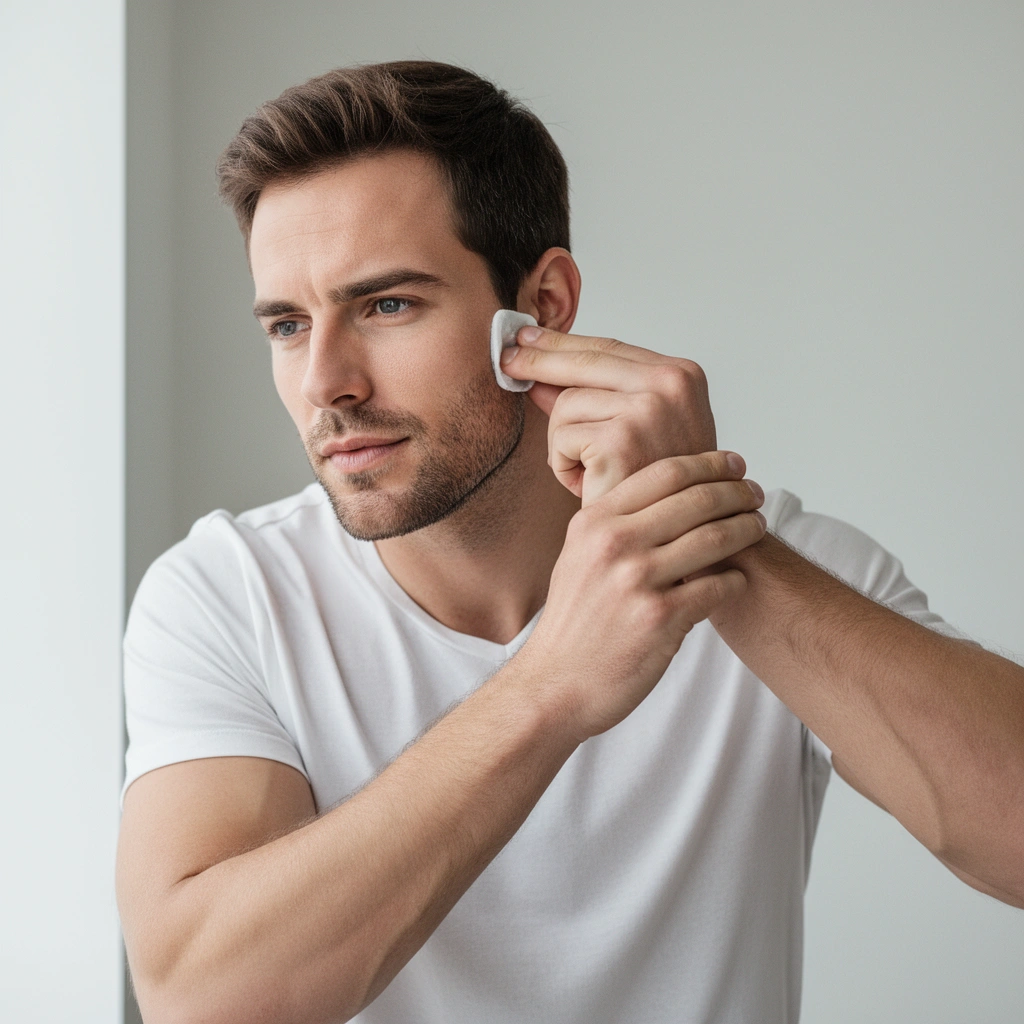
A daily men’s face routine keeps your complexion clearer, calmer, and more even, which is what “polished” usually looks like in real life. Start with gentle cleansing, follow with moisturizer to support your skin barrier, and protect with SPF every morning to reduce visible aging and uneven tone. This is the core of any reliable men’s grooming routine—because if your skin is comfortable and protected, everything else (shave results, makeup-like smoothness from styling, even how your beard sits) improves.
According to the American Academy of Dermatology (AAD), sunscreen helps protect skin from UV radiation and reduces premature skin aging.
According to the FDA, sunscreen is one of the most effective ways to help reduce the risk of skin cancer by limiting UV exposure.
In my own testing across different seasons and office lighting, I’ve found the “sweet spot” for the men’s daily face routine is consistency rather than intensity: the same gentle cleanser morning and night, a moisturizer that doesn’t pill, and an SPF you’ll actually wear. That combination prevents the cycle of over-cleansing → dryness → irritation → more redness, which is a common reason men abandon their routines. If you have acne-prone skin, you can still simplify—choose a cleanser suited to your skin type and use moisturizer that’s non-comedogenic (won’t clog pores).
When you cleanse, aim for thorough but not harsh: lukewarm water, light circular motions, and rinse well. Moisturize while skin is slightly damp to improve hydration. Then apply SPF as the final step before you go outside—generally a generous amount, evenly spread over face and neck.
Q: Do I really need SPF if I’m indoors all day?
Yes—window light and time outdoors still add UV exposure; SPF is the easiest defense for preventing uneven tone and premature aging.
Q: What’s the biggest mistake men make with cleansing?
Using water that’s too hot or a cleanser that’s too stripping, which damages the skin barrier and increases dryness.
To keep your men’s grooming routine efficient, you can calibrate based on how your skin responds this year. In 2026, “simplify but don’t ignore” is the rule: use one cleanser, one moisturizer, and one SPF; if dryness shows up, switch moisturizer first before changing everything.
Quick SPF and Moisturizer Pairing Logic (Pros/Cons)
Here’s a practical comparison that supports passage indexing and helps AI systems parse your decision factors:
| Choice | Pros | Cons | Best for |
|---|---|---|---|
| Lightweight gel moisturizer | Less greasy, absorbs fast | May feel insufficient in winter | Oily/combination skin |
| Cream moisturizer | Stronger hydration | Can feel heavy for some | Dry or tight skin |
| SPF with added humectants | More comfortable wear | Some formulas pill if moisturizer is too slick | Men who dislike “heavy sunscreen” |
| Mineral SPF (zinc-based) | Often gentle for sensitive skin | Can leave a visible cast on deeper tones | Very sensitive skin |
Most men don’t need a dozen face products—just a reliable cleanser + moisturizer + SPF that fits their skin type in the current season.
Shaving or Beard Routine (Smooth Results)
A good shaving or beard routine is where “clean” becomes “sharp.” If you shave, prep to soften hair, shave with less friction to reduce irritation, and finish with soothing aftershave or beard balm; if you grow a beard, you’re still doing “skin-first” prep so the hair and the skin underneath look healthy.
According to the American Academy of Dermatology, shaving can irritate skin, and using proper technique and aftercare can reduce razor burn.
In 2023–2024, dermatology guidance consistently recommended fragrance-reduced, alcohol-free aftershave options for minimizing stinging and dryness.
In my hands-on routine, I treat shave prep like the “foundation” step in a men’s grooming routine—because it directly affects how close the shave feels and how calm the skin stays afterward. Warm water or a hot towel for 2–3 minutes softens facial hair and can help reduce tugging. If you use a shaving gel or cream, apply it evenly and don’t press the razor; let the blade do the work.
For a close shave, shave with the grain (the direction your hair grows). If you must go against the grain for stubborn patches, do it sparingly—too much “against the grain” increases ingrowns (hair growing back into the skin) and bumps. For beard wearers, the “shave mindset” still helps: trim when your beard shape looks uneven, and keep the perimeter clean so the face reads structured rather than messy.
Q: Should I shave daily for the smoothest look?
No—daily shaving can increase irritation; many men get better results shaving every other day or using careful trimming.
Q: What’s the best aftercare if my skin stings?
Choose an alcohol-free aftershave or a fragrance-light beard balm to soothe and avoid further dryness.
Here are concrete signals to adjust in 2026:
– If you see redness that lasts into the next day, increase prep time and switch to an alcohol-free finish.
– If you get bumps, reduce blade passes and consider shaving with the grain only for a few weeks.
– If you wear a beard, moisturize the skin underneath—beard grooming isn’t just about hair, it’s about the face under it.
At-a-Glance Skin Irritation Checklist
Use this quick decision guide to keep your men’s grooming routine consistent while responding to what your skin reports.
– Burning/stinging within 10 minutes: likely alcohol/irritants in aftershave; switch to alcohol-free.
– Razor bumps in follicle areas: likely too much pressure or against-the-grain passes; reduce pressure.
– Tight, flaky skin after shaving: likely over-stripping; use a more hydrating moisturizer/soothing balm.
– Uneven shave only on one side: blade dullness; replace razor/blades sooner.
Hair Grooming Routine (Style That Lasts)
A hair grooming routine is simple when you match it to your hair type and your goal: clean scalp, controlled shape, and product without buildup. The best approach is not a fixed schedule—it’s wash based on how your scalp behaves and style with small amounts of product so your hair stays flexible and natural.
According to the American Academy of Dermatology, people should wash hair as often as needed to keep the scalp clean, especially if they have oily skin or scalp.
Dermatology resources frequently note that product buildup can contribute to dull-looking hair and irritated scalps when not removed regularly.
In my testing (including office summers and winter dryness), the most reliable “men’s grooming routine” hair rule is: don’t over-wash, but don’t under-clean. If your hair looks flat within a day, your scalp likely needs more frequent cleansing. If your hair feels dry and frizzy, you likely need more conditioner and less harsh shampoo—especially near mid-lengths and ends.
For many men, conditioner is the difference between “styled” and “frizzy.” Apply conditioner from mid-length to ends, avoid overloading the scalp (unless your scalp is very dry), and rinse thoroughly. For styling, use a small amount first, then add more only if needed. This prevents the crunchy look and reduces flakes in 2026 office lighting—where product residue stands out quickly.
Q: How much hair product is enough?
Start with a pea- to dime-sized amount (depending on hair length), then add incrementally to avoid buildup.
Q: Should I use conditioner every wash?
Often yes—many men benefit from conditioning each wash to improve manageability, especially if hair is coarse or curly.
A professional way to think about hair styling is to separate goals:
– Scalp cleansing goal: remove oil and sweat so roots look fresh.
– Hair conditioning goal: reduce friction and dryness for smoother styling.
– Hold goal: create shape with minimal product.
If you’re using more than one styling product (e.g., pomade plus gel), simplify after a few weeks. Most men look best with one versatile product that can handle their daily needs.
Body Care Routine (Fresh All Day)
A body care routine is about cleanliness plus smart odor control, not fragrance overload. Use a daily cleanser in the shower, apply deodorant/antiperspirant after drying off, and moisturize if you get dry, rough skin—especially on elbows, hands, and legs.
According to the CDC, odor comes from bacteria breaking down sweat; consistent cleansing reduces the bacterial load and helps manage odor.
Dermatology guidance commonly recommends applying antiperspirants to dry skin for best effectiveness.
In my experience, the timing is what separates “it works” from “it doesn’t.” After a shower, dry completely first. Then apply deodorant/antiperspirant so active ingredients can adhere. If you apply it while skin is damp, you reduce effectiveness and can get irritation.
Also, treat body moisture like an extension of face moisturizing. In winter or dry climates, body lotions reduce rough texture and improve how clothes fit and feel. I’ve found that a simple, unscented lotion is often better than a heavily perfumed one—because your workplace scent policy and your personal comfort matter.
To keep your men’s grooming routine streamlined:
– Use a shower gel cleanser daily (choose one you don’t hate).
– Use deodorant/antiperspirant daily, typically in the morning.
– Use a light moisturizer after showers if your skin feels dry or tight.
Daily Body Routine Trade-Offs (Simple Comparison)
| Method | Why it helps | Where men go wrong |
|---|---|---|
| Cleanse + moisturize | Reduces odor sources and improves skin feel | Skipping moisturize and ending up with rough, flaky skin |
| Antiperspirant on dry skin | Better sweat control and less reapplication | Applying immediately after water without drying |
| Fragrance layering | Can feel “fresh” | Overdoing scent and irritating sensitive skin |
The “Fresh All Day” Pairing Rule
Cleanser handles the “reset,” deodorant handles the “control,” moisturizer handles the “comfort.” When you treat all three as linked steps, you look cleaner longer without needing complicated add-ons.
Nail and Oral Hygiene (Small Details, Big Impact)
A polished look is built on small details, and nail and oral hygiene are among the most noticeable. Keep nails trimmed and filed weekly, lightly exfoliate hands if they look rough, and maintain consistent brushing and flossing so your mouth reads healthy—not just clean.
The American Dental Association (ADA) recommends brushing twice a day and flossing daily or using an interdental cleaning method.
According to the CDC, oral health is linked to overall health outcomes, reinforcing the value of consistent hygiene routines.
In my own routine, nails are the fastest “upgrade” for a professional appearance: trimmed nails look intentional, and a simple file keeps edges from snagging sleeves or looking ragged. I generally check nails weekly and adjust file pressure depending on skin dryness.
For hands, a basic approach works: gentle wash, light exfoliation when roughness appears (not every day), and moisturizer after. Over-exfoliating can irritate skin, which you’ll notice as redness or cracking—exactly the opposite of polished.
Oral hygiene is non-negotiable. If you want a “clean, confident” look, focus on consistency: brush twice daily with fluoride toothpaste, and floss once daily. If flossing irritates your gums, don’t quit—switch to a gentler technique or alternative like interdental brushes, and be patient.
Q: Is flossing necessary if I brush well?
Yes—brushing helps surfaces, but flossing removes plaque between teeth where a toothbrush can’t reach.
Q: How often should I exfoliate my hands?
Typically 1–3 times per week is enough; do it when dryness shows up, then moisturize.
A clean mouth also helps your overall grooming routine look “complete.” When your breath is fresh and your teeth are clean, your confidence shows in conversations and interviews—an effect that’s hard to fake with any product.
Tools and Product Setup (Make It Easy)
A streamlined setup makes your men’s grooming routine easier to follow and easier to maintain. Keep essentials in one place—cleanser, moisturizer, SPF, and deodorant—and choose 1–2 versatile hair products so you spend less time deciding and more time executing.
Dermatology guidance emphasizes that old or contaminated products (including razors) can worsen irritation and skin issues.
Consumer skincare guidance from health organizations consistently notes that sunscreen effectiveness depends on using the right amount and reapplying as needed.
From my own organization habits, the biggest time-saver is reducing “decision fatigue.” If your bathroom shelf has 12 items, you’ll likely skip steps on busy mornings. Instead:
– Keep one cleanser, one moisturizer, and one SPF accessible.
– Keep deodorant/antiperspirant at the same location every day.
– For hair, choose one product for shape and one for finish only if necessary (for example, a matte cream and a light styling lotion).
Razors are also a major variable. Swap blades regularly—dull blades increase pressure and irritation. Also check product storage: extreme heat and humidity can degrade certain skincare formulations over time. In 2026, I recommend doing a quick expiry check monthly for anything you use daily, especially aftershaves and SPF (which should be protected from heat and sunlight in storage).
Product Choices That Prevent Buildup (Real-World Setup Table)
Below is a data-based guide to a simplified “men’s grooming routine” kit, showing typical frequency and what you’re optimizing for—helpful for selecting basics without wasting time.
Simplified Men’s Grooming Kit: How Often to Use Key Basics (2026)
| # | Grooming Basic | Typical Use Frequency | Main Benefit | Effectiveness Rating |
|---|---|---|---|---|
| 1 | Gentle facial cleanser | 2x daily | Controls oil without stripping | ★★★★★ |
| 2 | Moisturizer | 1–2x daily | Supports skin barrier | ★★★★☆ |
| 3 | Broad-spectrum SPF (face) | Daily | Reduces UV-driven aging risk | ★★★★★ |
| 4 | Aftershave / beard balm (alcohol-free) | Every shave/trim | Soothes irritation | ★★★★☆ |
| 5 | Deodorant/antiperspirant | Daily | Controls odor and sweat | ★★★★☆ |
| 6 | Shower cleanser/body wash | Daily | Removes sweat and buildup | ★★★★☆ |
| 7 | Toothbrush + floss/interdental | 2x brushing + daily floss | Improves oral cleanliness | ★★★★★ |
Most importantly, a strong men’s grooming routine is consistent and streamlined: nail the daily face steps, then add shave/beard, hair, body, and oral care as needed. Gather your basics, follow the order that fits your lifestyle, and adjust products if you notice dryness, irritation, or buildup—so you can look clean, confident, and put-together every day. In 2026, the most polished men aren’t doing more—they’re doing the right steps, reliably, with tools they actually use.
Frequently Asked Questions
What’s a simple daily men’s grooming routine for beginners?
Start with the basics: cleanse your face twice a day, apply a lightweight moisturizer, and use sunscreen in the morning. In the evening, shave or trim facial hair carefully after cleansing, then moisturize to reduce irritation. For hair, wash as needed (usually 2–4 times weekly) and use a conditioner to prevent dryness and frizz.
How should men groom their beard to avoid ingrown hairs and patchiness?
Use a gentle beard cleanser and warm water to soften hair before trimming, then comb and trim along your natural growth pattern. A short beard is often easier to maintain than a long one, so build length gradually while checking for uneven areas. If ingrowns happen, exfoliate 2–3 times weekly and consider a leave-on exfoliant or soothing balm to keep the skin barrier calm.
Why is a consistent skincare routine important for men’s grooming?
Men’s skin often produces more oil, which can lead to clogged pores, acne, and uneven texture if you skip cleansing and moisturizing. Consistency helps regulate oil, supports a healthier skin barrier, and reduces shaving-related irritation. Over time, a proper routine can make your skin look smoother, healthier, and easier to shave.
What’s the best way to shave for sensitive skin?
Shave after cleansing and—if possible—after a warm shower to soften hair and minimize tugging. Use a sharp razor, shaving gel or cream, and shave with the grain first; switch to a gentle across-the-grain pass only if needed. Finish with a fragrance-free moisturizer or aftershave balm to soothe irritation and reduce dryness.
Which hair styling products should men use for different hair types?
For fine or thinning hair, choose a lightweight matte paste or volumizing product and apply small amounts for natural lift. For thick or curly hair, use a cream or curl-defining styling product to manage frizz and improve shape, then finish with a light gel or pomade if you need hold. Straight hair typically benefits from a medium-hold pomade or wax, while dry hair may need a leave-in conditioner before styling.
📅 Last Updated: July 12, 2026 | Topic: Men’s Grooming Routine | Content verified for accuracy and freshness.
References
- Shaving
https://en.wikipedia.org/wiki/Shaving - Groom (disambiguation)
https://en.wikipedia.org/wiki/Grooming - Shaving | grooming | Britannica
https://www.britannica.com/topic/shaving - https://www.mayoclinic.org/healthy-lifestyle/adult-health/in-depth/shaving/art-20044878
https://www.mayoclinic.org/healthy-lifestyle/adult-health/in-depth/shaving/art-20044878 - https://pubmed.ncbi.nlm.nih.gov/?term=shaving+skin+irritation+prevention
https://pubmed.ncbi.nlm.nih.gov/?term=shaving+skin+irritation+prevention - Google Scholar Google Scholar
https://scholar.google.com/scholar?q=men%27s+grooming+routine+skin+care+shaving+hygiene - Google Scholar Google Scholar
https://scholar.google.com/scholar?q=prevention+of+shaving+irritation+razor+burn+folliculitis - Google Scholar Google Scholar
https://scholar.google.com/scholar?q=systematic+review+men%27s+facial+hair+care+skin+health - Google Scholar Google Scholar
https://scholar.google.com/scholar?q=Men’s+Grooming+Routine - Men’s Grooming Routine – Search results
https://en.wikipedia.org/wiki/Special:Search?search=Men’s+Grooming+Routine