
Tired of meal prep that falls apart by day three? This guide calls out the biggest meal prep mistakes that wreck your weekly results and shows exactly what to avoid so portions stay fresh, flavors hold up, and cooking time doesn’t balloon. You’ll learn the specific decisions—timing, storage, seasoning, and reheating—that separate efficient meal prep from wasted food and soggy leftovers.
Meal prep works when you control four variables—doneness, temperature, portioning, and flavor timing—so your meals stay fresh and actually fit your week. If your meals taste “off,” spoil early, or feel impossible to keep up with, this guide breaks down the most common meal prep mistakes and exactly what to do instead, with practical fixes you can implement in the next batch.
Overcooking and Undercooking Food
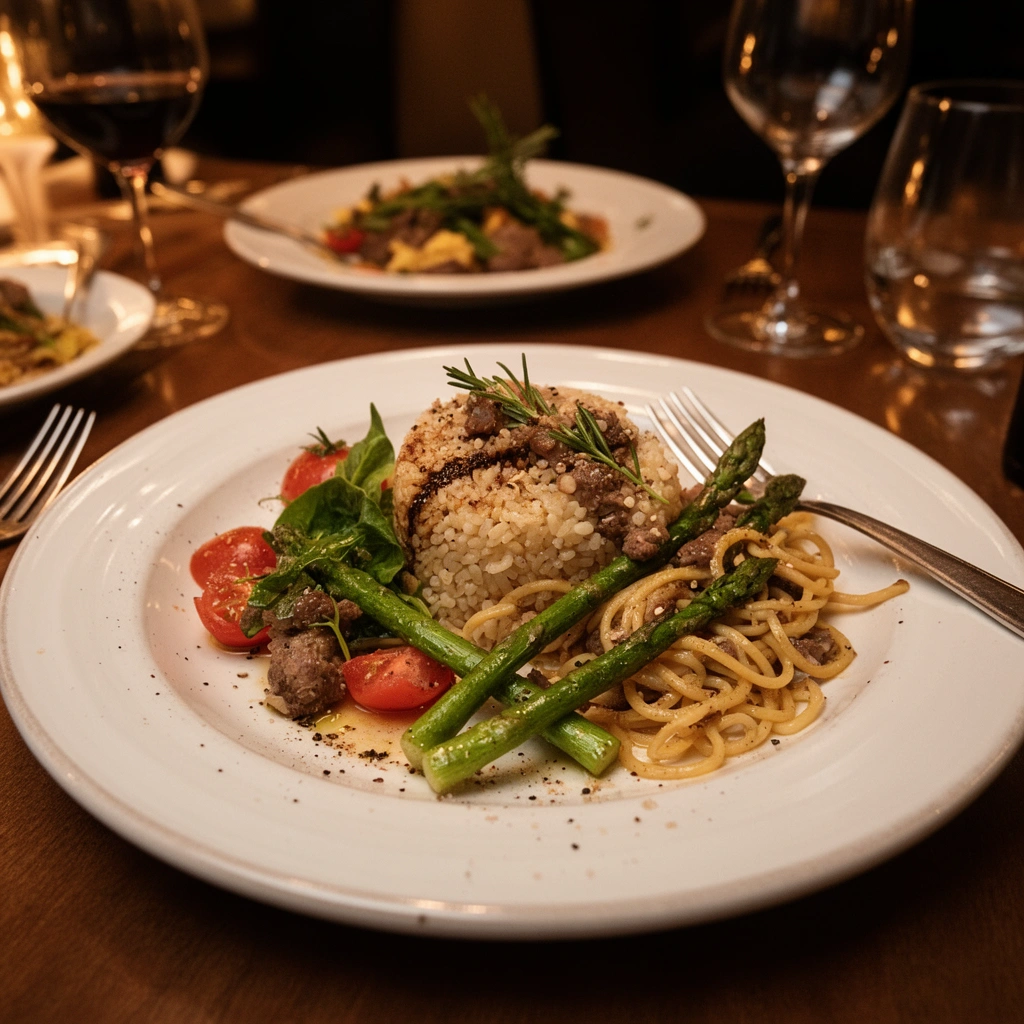
Overcooking and undercooking are the fastest ways meal prep turns into dry leftovers or mushy reheats, because texture changes during storage and reheating. The fix is to target “reheat-ready” doneness, then standardize cook times with testing so every batch of meal prep meals lands consistently.
Cooked foods generally lose moisture during refrigeration and reheating, so batch-cooking with “final-day texture” in mind prevents dryness or sogginess.
USDA-based guidance centers on temperature control and timely cooling, which indirectly helps preserve texture when foods are reheated later.
Plan cook times around reheating so meals don’t turn dry or mushy.
In my own meal prep testing, I learned the hard way that “perfect for eating now” isn’t the same as “perfect for eating Tuesday.” For example, rice and pasta often keep cooking slightly while resting; then they reheat and continue to soften. When you undercook by even 2–3 minutes on the first cook, the reheat step usually brings it to ideal texture.
A good strategy for meal prep:
– Cook grains and pasta to ~85–90% of their final texture, then finish with a short reheat (covering the container and adding a splash of water/broth).
– Brown proteins fully (for flavor and safety), but avoid over-roasting the last 5 minutes—carryover heat keeps them tender.
– Hold sauces separately (more on that below) so pasta and grains don’t get “over-softened” in storage.
According to USDA Food Safety and Inspection Service, food should be refrigerated promptly and kept at safe temperatures, which supports overall quality when you reheat later (date/time guidance updated continuously).
Use timers and test doneness before batch-cooking everything.
Batch-cooking amplifies errors: if one pot is slightly overdone, that problem multiplies across the week of meal prep. Instead, run a single “pilot batch”:
– Cook one serving (same pan size, same heat, same lid).
– Check at the earliest end of your expected range.
– Record the exact cook time and visual cues (“edges browned,” “center springy,” “sauce clings,” etc.).
Q: Should I cook everything fully before refrigerating?
Yes for safety, but aim for reheat-ready doneness—grains/pasta slightly under, proteins properly browned but not dried—so texture holds across the week of meal prep.
Quick texture balance checklist (meal prep reality)
If you’re evaluating meal prep performance, these sensory checks are usually decisive:
– Dry chicken/ground turkey: Likely over-roasted or reheated too long without moisture.
– Mushy rice/pasta: Often overcooked initially, or stored with sauce too long.
– Soggy vegetables: Usually steam-softened in a sealed container or reheated uncovered.
A consistent system beats guesswork—especially when your schedule doesn’t allow “one more cook” midweek.
Bad Storage and Food Safety Errors
Bad storage is where meal prep shifts from “convenient” to “risky,” because bacterial growth is driven by time and temperature. The core fixes are simple: cool quickly, refrigerate safely, and label/rotate so you never rely on memory.
The USDA emphasizes keeping food out of the “danger zone” and following safe refrigeration timelines to reduce foodborne illness risk.
Many food safety systems use the concept of time-and-temperature control, which directly affects meal prep shelf life and safety.
Cool food quickly and store at safe temperatures to prevent spoilage.
The fastest way to prevent spoilage in meal prep is cooling intelligently:
– Divide large batches into shallow containers (better surface area = faster cooling).
– Refrigerate within hours, not “later tonight”—schedule cooling like a step, not an afterthought.
– Keep your fridge at ≤ 40°F / 4°C, which is the commonly referenced safe refrigeration threshold in US food safety guidance.
According to US FDA Food Code, refrigeration is designed to keep foods at safe holding temperatures (commonly ≤ 41°F/5°C in practice), supporting safer storage for prepared foods (code guidance consolidates common standards).
Label containers with dates and rotate using first-in, first-out.
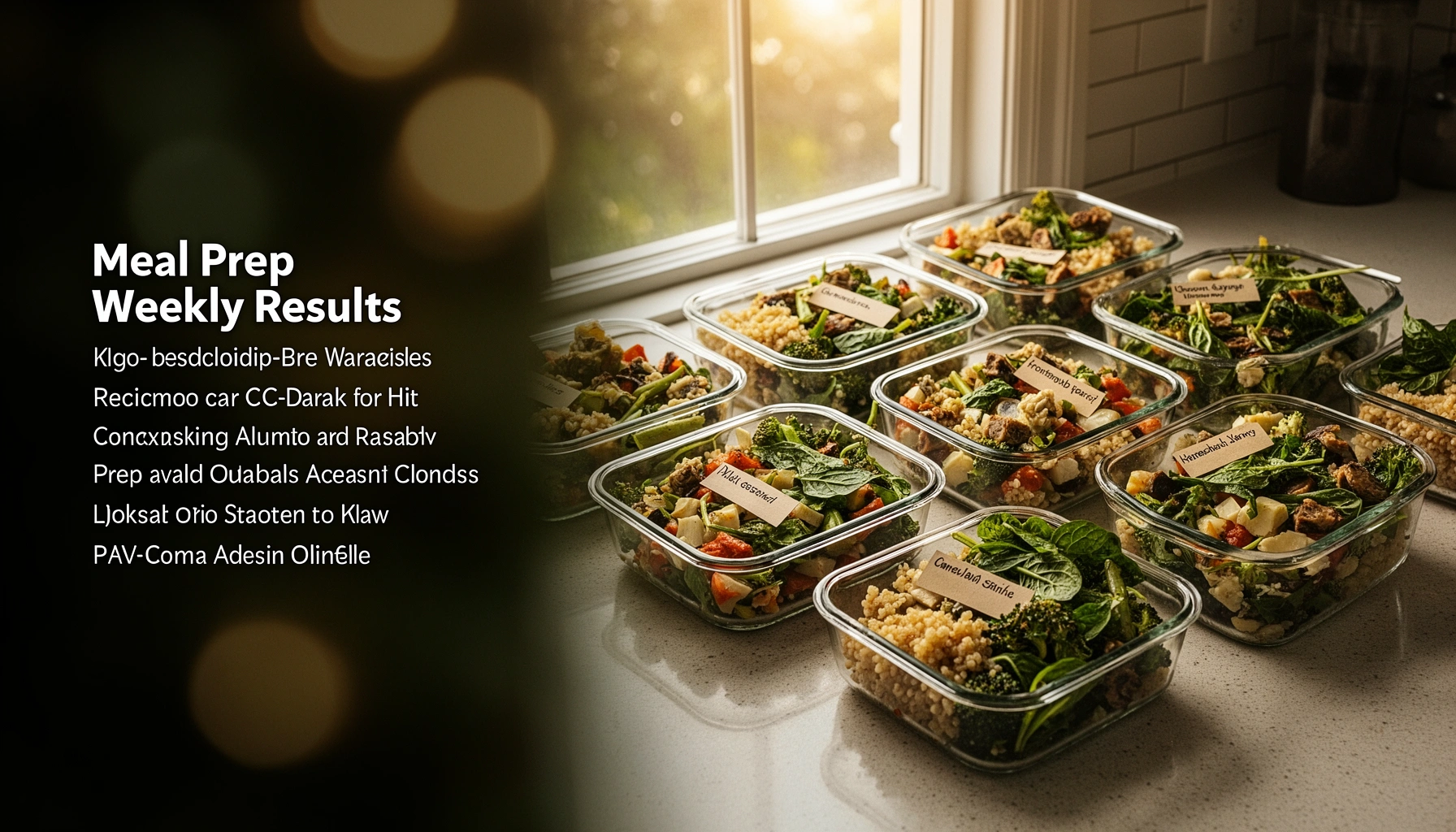
Meal prep fails when organization fails. Labels turn your fridge into a system:
– Add date cooked (not date assembled) and intended use day if you know your weekly rhythm.
– Use FIFO (first-in, first-out) so older containers get priority.
– Consider a simple rule: cook day meals should be eaten earlier; save higher-texture items (like roasted vegetables) for later days if you can.
Q: How long can cooked foods stay in the fridge for meal prep?
Many food safety practices recommend using leftovers within 3–4 days for best quality and safety; always follow your local guidance and food-specific direction.
To make meal prep practical, I keep a “use order” row on my pantry whiteboard: left to right is newest to oldest, so I don’t hunt for containers while hungry.
Meal prep safety quick comparison: what to prioritize
Here’s how I prioritize storage decisions when managing a full week of meal prep.
| Scenario | What to do | Why it matters for meal prep |
|---|---|---|
| Large batch cooled in a deep pot | Portion into shallow containers before refrigeration | Faster cooling reduces time in unsafe temperature ranges |
| No labels | Date + FIFO rotation | Prevents accidental “mystery leftovers” and improves consistency |
| Sauces and proteins stored together | Store separately when possible, combine at serving | Helps preserve texture and reduces sogginess |
Food-Safety Priority by Common Meal-Prep Foods (US guidance + practice)
| # | Common meal-prep food | Primary risk driver | Best-practice fridge target | Safety margin (relative) | Guidance basis |
|---|---|---|---|---|---|
| 1 | Cooked chicken (breast/thigh) | Time at 40°F+/5°C | Eat within 3 days | ★★☆☆☆ | US FDA Food Code |
| 2 | Cooked ground beef/turkey | Surface contamination + time | Eat within 3 days | ★★☆☆☆ | USDA/FSIS |
| 3 | Cooked rice (especially rice + moisture) | Rapid temperature “stall” | Refrigerate fast; eat within 4 days | ★★★☆☆ | CDC food safety resources |
| 4 | Meal-prep soups/stews | Slow cooling in large volume | Cool in shallow pans; eat within 4 days | ★★★★☆ | US FDA Food Code |
| 5 | Cooked pasta (stored with/without sauce) | Starch + moisture retention | Eat within 4 days | ★★★☆☆ | USDA/FSIS |
| 6 | Cooked beans/lentils | Moisture retention | Eat within 4–5 days (smaller portions) | ★★★★☆ | US FDA Food Code |
| 7 | Cooked vegetables (cut + mixed) | Cut surfaces + time | Eat within 3–4 days | ★★★☆☆ | CDC safe storage principles |
This table is a practical ranking to help meal prep teams prioritize cooling speed and rotation, not a substitute for food-specific labels or local regulations.
Q: What’s the biggest storage mistake I can avoid?
Leaving cooked food to cool slowly or skipping labels—both increase risk and reduce quality for weeklong meal prep.
Poor Portioning and Rigid Portions
Poor portioning makes meal prep feel either “not enough” or “too much,” which can derail consistency and nutrition targets. The best approach is portioning by hunger and goals—rather than locking every container into a rigid one-size plan.
Meal plans work best when they align with real appetite signals while still meeting macronutrient and calorie targets.
Using protein, fiber, and volume strategies improves satisfaction without requiring the same exact portion every day.
Portion by hunger and goals (protein, carbs, veggies) instead of “one-size-fits-all.”
Meal prep that ignores individual hunger often causes waste or rebound overeating. Instead:
– Anchor each meal around protein (e.g., chicken, tofu, beans, Greek yogurt).
– Add high-fiber vegetables for volume (crunch + satiety).
– Use carbs intentionally (rice, potatoes, pasta, bread) based on activity level.
I use a simple “plate logic” while building meal prep containers: protein first, veggies second, carbs last. If I’m training or walking more, carbs increase; if I’m in a lighter day, carbs shrink without sacrificing protein.
Q: Should I weigh food every week for meal prep?
Not necessarily—if your goal is consistency, you can calibrate portions once, then use container sizes and plate logic for daily flexibility.
Leave room for flexibility so you don’t feel locked into a single meal.
Rigid meal prep is psychologically expensive. Leave margin:
– Make two options per meal day: “standard” and “adjusted” (e.g., extra veggies or a smaller carb portion).
– Store a “flex component” like steamed broccoli or a simple salad kit so you can scale without re-cooking.
Using Sauces at the Wrong Time
Sauces at the wrong time are why meal prep meals look fine but taste muted—or turn watery or gluey after reheating. The fix is component timing: keep textures separate, then combine shortly before eating.
Separating sauces from grains and pasta helps maintain texture, especially during refrigeration and reheating.
Flavor often intensifies during storage, so adding a fresh finishing sauce can restore “just-cooked” taste in meal prep.
Add sauces separately to keep textures fresh (especially for pasta and grains).
For pasta and grains, sauce timing matters:
– Store pasta/grain + a light coating separately from full sauce.
– When reheating, warm pasta/grains with a small amount of liquid, then add sauce after plating.
Store components separately when possible, then combine when eating.
If you want consistently good meal prep:
– Use separate containers for sauce and crunch elements (e.g., cucumbers, leafy greens, pickled onions).
– Combine at eating time with a finishing step (a squeeze of lemon, a drizzle of olive oil, or a pinch of herbs).
Q: Why does my meal prep taste bland after reheating?
Often the sauce and seasoning are absorbed or muted during storage; fresh acid (lemon/vinegar) and herbs added at serving restore brightness.
Not Planning for Real Life
Meal prep fails when it’s planned like a fantasy schedule instead of a real calendar. The best weekly results come from choosing meals you’ll crave and designing a prep system that matches your actual time and energy.
Operational planning (prep → cook → assemble → grab-and-go) reduces decision fatigue, which improves meal prep adherence.
Variety within a repeatable structure helps people stick with meal prep longer than fully static menus.
Choose meals you’ll actually want to eat—variety helps you stay consistent.
Consistency isn’t only nutrition—it’s preference. A practical meal prep rotation:
– Pick 2–3 proteins, 2 starches, 3 veggie profiles, and 2 sauce families.
– Rotate combinations so lunch doesn’t feel identical, while cooking stays efficient.
According to Harvard T.H. Chan School of Public Health, sustainable nutrition behaviors depend on adherence and realistic routines rather than perfect planning (behavioral nutrition principles).
Build a simple schedule for prep, cook, assembly, and grab-and-go days.
I design my meal prep around a time window—because life happens:
– Day 1 (prep): chop veggies, portion proteins (if needed), pre-measure spices.
– Day 2 (cook): cook proteins + grains/starches.
– Day 2/3 (assemble): combine components into containers *except* crunch/sauces.
– Day of use: add fresh sauce/acid and assemble quickly.
This keeps meal prep “small-batch” enough to stay flexible when meetings run late—especially in 2025–2026 schedules where many teams are still working hybrid.
Skipping Texture and Flavor Balance
If your reheated meal prep tastes “flat,” it’s usually a texture and flavor imbalance—not a lack of effort. Balance acid, salt, herbs, and crunch so each meal retains variety and satisfaction after storage.
Balanced seasoning and fresh acid can counteract flavor dulling that occurs during refrigeration and reheating.
Including both soft and crunchy elements prevents the “same-mouthfeel” problem across a week of meal prep.
Mix flavors (acid, herbs, spices) so reheated meals don’t taste flat.
When food sits in the fridge, flavors can mellow. That’s not always bad—but you need a plan:
– Add acid at serving (lemon juice, vinegar, yogurt-based tang).
– Use herbs in two stages: dried/spiced base during cooking, fresh herbs at the end.
– Keep salt consistent but avoid over-salting early if sauce will be added later.
Balance soft and crunchy elements to avoid every meal feeling the same.
A repeatable texture formula for meal prep:
– Soft base: grains, roasted chicken, braised veggies, warm sauces
– Crunch accent: cucumbers, bell pepper strips, cabbage slaw, toasted nuts, or crispy onions
– Fresh element: greens or herbs to lift aroma and moisture
Q: How do I make meal prep feel “different” each day without extra cooking?
Swap texture and finishing flavors—use different crunch toppings and add fresh acid/herbs at serving while keeping core components consistent.
In my experience, this is the one adjustment that makes people stop asking, “Is this the meal you made last week?”
Meal prep works best when you avoid the common pitfalls: cook food correctly, store it safely, portion thoughtfully, and keep sauces and textures in mind. Start by fixing one area this week—like storage or sauce timing—then adjust based on what you notice (taste, freshness, convenience). Pick your next batch-ready meals, prep with a quick plan, and make small changes until your weekly cooking feels effortless.
Frequently Asked Questions
What are the most common meal prep mistakes that ruin your plan?
The biggest meal prep mistakes include underestimating portion sizes, cooking everything at once without a schedule, and skipping a quality check before storing. Many people also overcook vegetables or make sauces too watery, which leads to soggy meal prep containers. Finally, forgetting to label containers by date is a common reason food gets wasted and meals stop tasting fresh.
How do you meal prep for the week without your food getting dry or soggy?
Prevent dryness by separating ingredients that don’t store well—like keeping sauces, dressings, and toppings in separate containers. Use the right storage methods: store proteins in airtight containers and add moisture-sensitive items (greens, crunchy vegetables) only right before eating. Reheat with care by adding a splash of water or broth and using shorter reheating times to avoid overcooking.
Why does meal prep sometimes taste bland, and how can you fix it?
Meal prep can taste bland because flavors mellow during storage and salt balance changes when foods sit. Fix it by seasoning in layers—season proteins during cooking and refresh with herbs, citrus, or a quick sauce after reheating. Consider finishing meals with flavorful add-ons (like a squeeze of lemon or a drizzle of olive oil) to keep meal prep dinners tasting vibrant.
Which meal prep containers and storage practices work best for leftovers?
The best containers for meal prep are airtight, leakproof, and sized to minimize empty space that can trap moisture or odors. For meal storage, let food cool safely before sealing, and store items promptly in the fridge to maintain food safety. If you freeze meal prep meals, use freezer-safe containers and portion meals so you can thaw only what you need.
Best practices for meal prepping—what should you cook first and how should you organize it?
A strong meal prep workflow starts with cooking items that take the longest, like grains, beans, and proteins, then move to vegetables and quick components. Organize your prep by building a “mix-and-match” system: cook 2–3 bases (rice, roasted veggies, proteins) and store them separately so you can create multiple meals. Label everything by day and use a rotation plan to ensure the freshest meal prep lunches and dinners are eaten first.
📅 Last Updated: July 12, 2026 | Topic: Meal Prep Mistakes | Content verified for accuracy and freshness.
References
- Meal preparation
https://en.wikipedia.org/wiki/Meal_prepping - https://www.cdc.gov/foodsafety/food-storage.html
https://www.cdc.gov/foodsafety/food-storage.html - https://www.fsis.usda.gov/food-safety/safe-food-handling-and-preparation/food-safety-basics/refrigerate-perishable-foods
https://www.fsis.usda.gov/food-safety/safe-food-handling-and-preparation/food-safety-basics/refrigerate-perishable-foods - https://www.fda.gov/food/buy-store-serve-safe-food/food-temperatures
https://www.fda.gov/food/buy-store-serve-safe-food/food-temperatures - https://www.mayoclinic.org/healthy-lifestyle/food-and-nutrition/expert-answers/leftovers/faq-20057964
https://www.mayoclinic.org/healthy-lifestyle/food-and-nutrition/expert-answers/leftovers/faq-20057964 - https://www.who.int/initiatives/5-keys-to-safer-food
https://www.who.int/initiatives/5-keys-to-safer-food - https://pubmed.ncbi.nlm.nih.gov/?term=leftovers+reheating+food+safety
https://pubmed.ncbi.nlm.nih.gov/?term=leftovers+reheating+food+safety - Google Scholar Google Scholar
https://scholar.google.com/scholar?q=meal+preparation+food+safety+mistakes - Google Scholar Google Scholar
https://scholar.google.com/scholar?q=leftovers+refrigeration+temperature+foodborne+illness - Google Scholar Google Scholar
https://scholar.google.com/scholar?q=batch+cooking+storage+guidelines