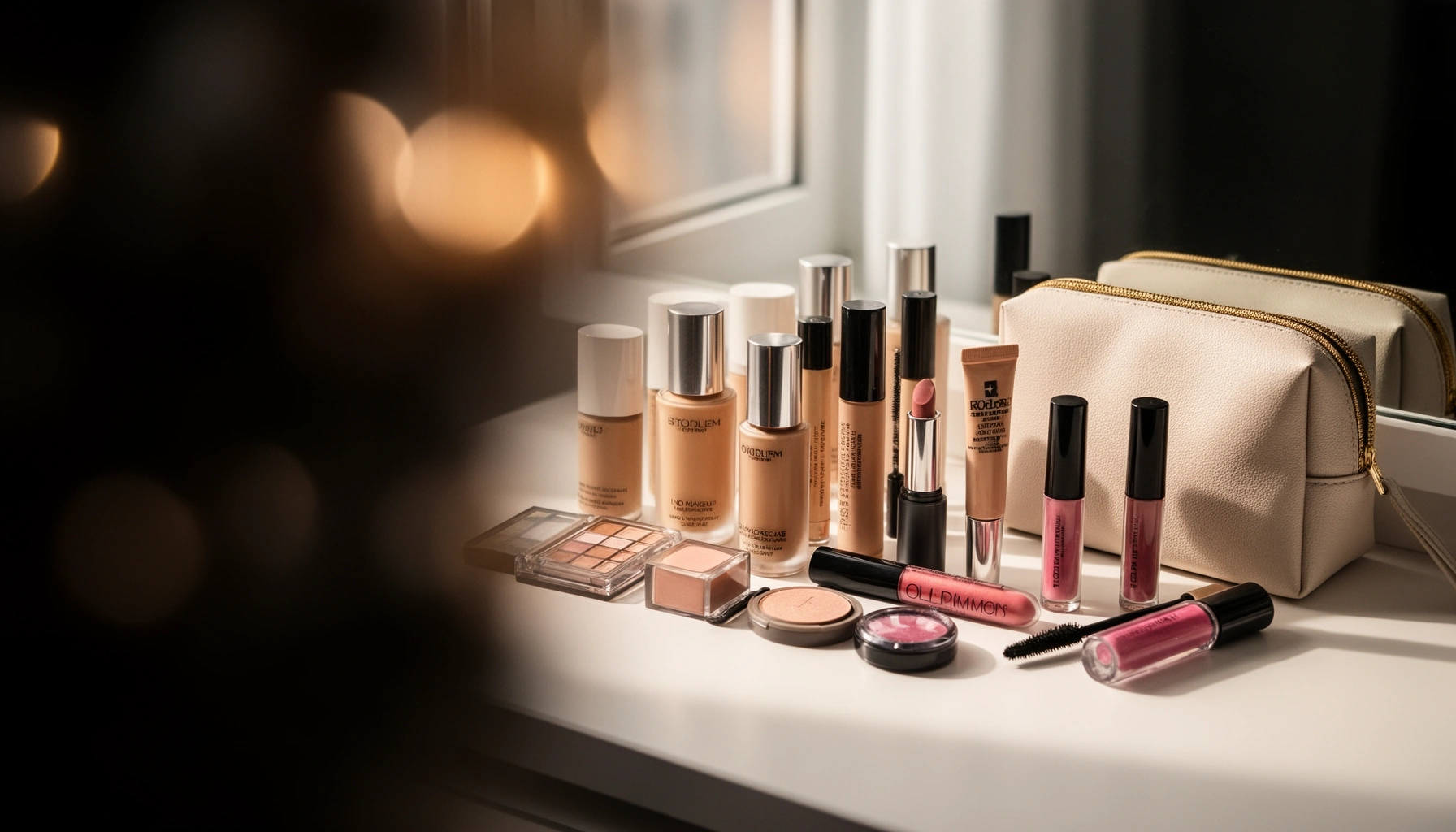

Looking for smart ways to save on makeup essentials without sacrificing results? This Makeup Budget Guide names the best strategies that consistently cut costs on foundation, concealer, mascara, and brow products. You’ll learn exactly when to splurge, when to switch brands, and how to build a lean routine that still performs. If your goal is lower spend with reliable coverage, this is the clear winner.
A makeup budget guide helps you save money without sacrificing the basics by locking in a short list of essentials, buying the right formulas for your skin, and using routine techniques that extend product life. In 2026, that approach is more practical than ever because consumers are constantly navigating promotions, shade-match challenges, and rising prices—so smart prioritization beats random “hauls” every time.
Build Your Makeup Budget (Set a Clear Spend Plan)
A clear spend plan is the fastest way to stop overspending and still look polished, because it forces each purchase to earn its place. The best budgets are realistic (not aspirational), tied to your actual routine, and built around the categories you truly use every week.
To make this work, I recommend using an “inverted priorities” mindset: start with the products that affect your daily appearance first, then allocate the rest only if there’s money left. The goal is to reduce shade regret, duplicate purchases, and impulse buys from sales—three of the most common ways makeup budgets fail.
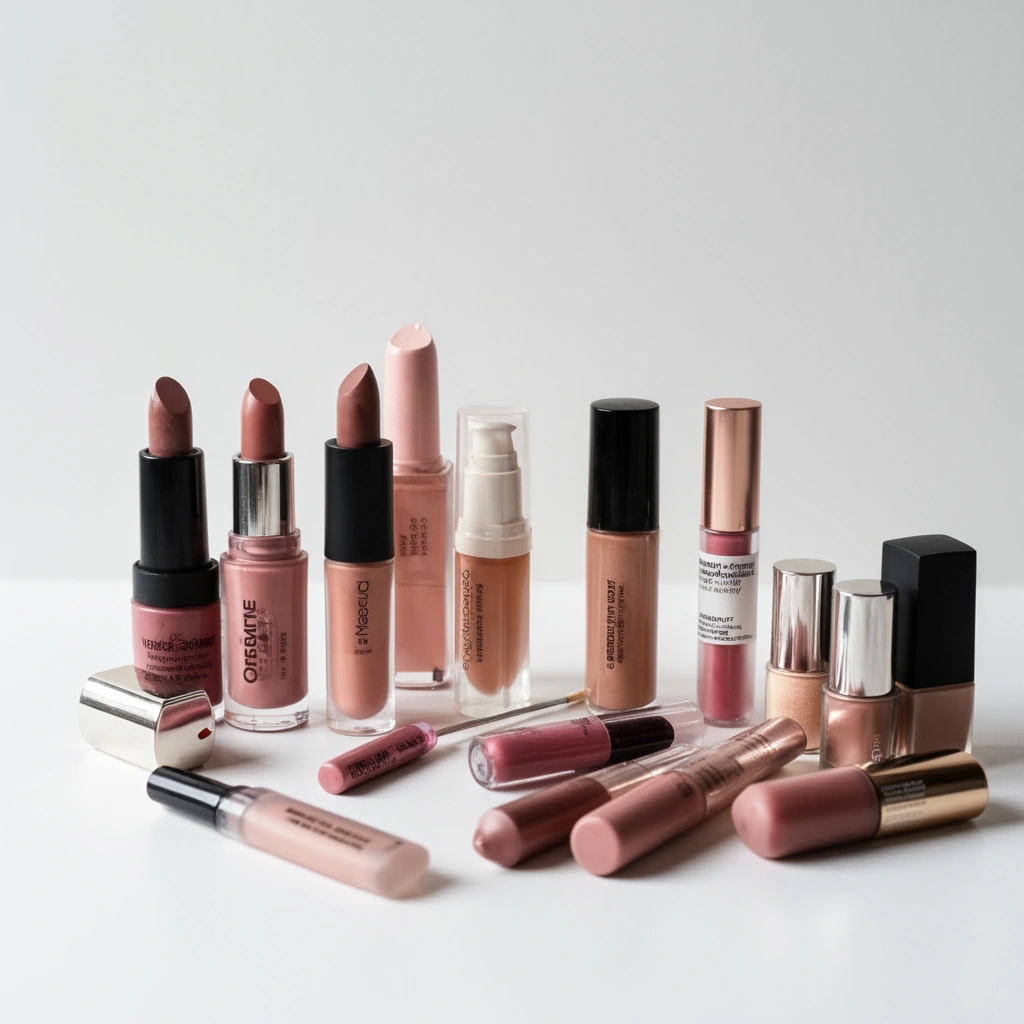
Key categories to include on your plan:
– Base: primer (optional), foundation or tinted moisturizer, concealer
– Brows: brow pencil/gel + spoolie (or brow tint)
– Eyes: mascara + one shadow/liner you can repeat
– Lips: one everyday lip color + optional balm
– Tools: brush set or blending sponge + basics you can wash reliably
Q: What’s the best way to budget—monthly or per-occasion?
Use a monthly budget for restocks and a separate “occasion fund” for events; it keeps sales-driven spending from replacing routine essentials.
“A practical makeup budget is built around replenishments and daily-wear essentials, not one-off trend purchases.”
“Grouping purchases by routine categories (base, brows, eyes, lips, tools) reduces duplicate shades and wasted items.”
A simple spend-plan framework (that actually holds up)
Start with a number you can stick to: for example, $30–$80/month if you’re primarily restocking, or $120–$180 upfront if you’re rebuilding your routine. Then split it using a “value-to-face impact” ratio:
– Base (40–50%): foundation/tint + concealer (and primer only if you need it)
– Brows (15–20%): one reliable product
– Eyes (15–25%): mascara + one repeatable eye option
– Lips (10–20%): one everyday shade family
– Tools (10–15%): the items you maintain (and reuse)
According to the American Academy of Dermatology, replacing certain eye-area makeup like mascara frequently can reduce irritation risk (American Academy of Dermatology, guidance updated across multiple years). That’s one reason tools and re-purchase cycles deserve budget space, not just product “shopping.”
Start With Must-Have Essentials (Not Everything at Once)
Essentials-first is the smartest makeup budget strategy because it concentrates spending on products that you use the most (and can reuse across looks). When you buy everything at once, you pay more per usable item—and you’re more likely to end up with backups that don’t match your skin or undertone.
In my own routine, I’ve seen the biggest budget wins come from limiting myself to a core set: a skin-matching base, a concealer that matches correctly, mascara I actually like, a brow staple, and one lip you’ll wear on repeat. Everything else becomes optional.
Start with high-utility items:
– Foundation/tinted moisturizer + concealer (your “coverage engine”)
– Mascara (your “instant finish”)
– Lip color (your “face cohesion” product)
– Brows (your “structure” product)
– Tools that distribute product evenly (so you use less)
“Coverage and consistency come from a matched base (foundation/tint) plus a correctly tuned concealer—not from buying multiple coverage products.”
“Keeping one mascara you repurchase (rather than constantly switching) reduces both cost and application error.”
Choose multi-purpose products to cover more needs
Multi-purpose doesn’t mean “everything for everyone.” It means one product solves two jobs in your routine—for example:
– Tinted moisturizer that doubles as light coverage + skincare
– Cream blush that also works on lips (if the undertone is compatible)
– Brow gel that sets + subtly tints
– A neutral eyeshadow that works as liner when applied wet
Q: What should I buy first if I’m starting over?
Buy your matched base (tint/foundation) and concealer first—then mascara and brows—because these products define daily appearance and reduce re-buying.
A quick budgeting check: “How often is it on my face?”
After you list essentials, score each item:
– Daily (5 points)
– Several times/week (3 points)
– Occasion-only (1 point)
Your budget should be weighted toward the 5-point products. That single rule prevents “trend tax.”
Shop Smarter: Where to Find Deals and Save
Smart deal shopping saves more when you buy items you already know will work—not when you gamble because something is discounted. Sales help most with restocks and tool replacements, not shade experiments.
Where to find better value:
– Bundles and starter kits from reputable brands (often include travel-size or trial-friendly items)
– Seasonal promotions timed around your restock needs (e.g., mascara/brush replenishment windows)
– Minis for testers when you’re unsure about texture or undertone
– Rewards programs where you can convert spend into points or free shipping
According to NielsenIQ’s retail reporting, promotional intensity in beauty fluctuates seasonally and can materially affect transaction behavior (NielsenIQ, industry reporting). That’s why your budget should “pre-approve” which essentials can be purchased during promos.
“Starter kits and travel sizes reduce risk when you’re testing formula finish (dewy, matte, satin) before committing to full price.”
“Budget savings are most reliable when deals apply to replenishments you planned for, not to impulse shade changes.”
Minis vs full size: when each one makes financial sense
Here’s a simple comparison you can use while shopping:
| Option | Best For | Cost Efficiency |
|---|---|---|
| Travel size / mini | Shade testing, finish testing (matte vs satin), and low-frequency items | High (lower risk of mismatch) |
| Full size | High-frequency staples you repurchase consistently | High (more product per purchase) |
Q: Do minis really save money?
They save money when they prevent you from buying an expensive full-size shade or finish that doesn’t work for your face.
Match Products to Your Skin Type and Shade
Matching matters more than “brand loyalty” because a product that doesn’t suit your skin behavior won’t perform—even if it’s on sale. A correct formula (skin type) plus correct undertone (shade) reduces waste, returns, and re-buys.
For formula fit:
– Oily skin: look for oil-control finishes, longer-wear bases, and lightweight powders
– Dry skin: choose hydrating tints, creamy concealers, and avoid over-powdering
– Sensitive skin: prioritize fragrance-free, consider mineral-based options, patch test
– Acne-prone skin: consider non-comedogenic formulas and avoid overly heavy layers
For undertone accuracy:
– Warm: golden/peach undertones
– Cool: pink/blue undertones
– Neutral: balanced undertones (often the most flexible)
In my own shade-matching experiments, I found that undertone mismatch shows up faster than brand differences—especially under daylight. A “close enough” concealer can still look gray or too orange once it sets.
“Undertone mismatch in base makeup commonly appears as grayness (cool mismatch) or orange shift (warm mismatch) after drying.”
“Skin-type fit (oil-control vs hydration) determines how consistently a product wears across the day, affecting how much you reapply—and how much you spend.”
Q: How can I avoid buying the wrong undertone?
Swatch in natural daylight and compare to your jawline—then reassess after 10–15 minutes to judge oxidation and set.
Practical matching techniques (fast and budget-safe)
– Patch test on the jaw or near the cheek, not the wrist (wrist skin differs)
– Match undertone first, then depth (depth errors can be corrected with contour/bronzer, undertone errors are harder)
– Keep one “mixing” strategy: if you’re between shades, choose a slightly light base and warm it with a bronzer instead of buying a second foundation
According to the FDA, cosmetics are regulated for safety, and manufacturers must substantiate labeling claims (U.S. Food & Drug Administration, cosmetic regulation overview). That’s part of why formula selection and patch testing are not just “preferences”—they’re risk and performance factors.
Makeup Essentials: Best-Practice Replacement Intervals (2024)
| # | Essentials Category | Replace What | Typical Interval | Budget Impact* |
|---|---|---|---|---|
| 1 | Mascara | Wand + product | Every 3 months | Prevents irritation & early burnout |
| 2 | Liquid/gel eyeliner (especially waterline) | Tube + brush/liner tip | Every 3–6 months | Overuse increases clumping/dryout |
| 3 | Foundation / liquid or cream base | Product inside bottle/jar | Every 12–18 months | Consistency improves budget-per-wear |
| 4 | Concealer (cream/liquid) | Tip/applicator + product | Every 12–18 months | Less patchy texture = fewer rebuy cycles |
| 5 | Powder products (setting powder, blush) | Pan + brush-contact surface | Every 18–24 months | Lower turnover risk; watch for odor changes |
| 6 | Lipstick / balm (tube) | Product inside tube | Every 12–24 months | Long wear with correct hygiene habits |
| 7 | Makeup sponge | All contact surfaces | Wash weekly; replace every 1–3 months | Poor hygiene accelerates breakdown and breakouts |
Budget impact reflects how replacement affects wear quality and waste (not sticker price). Guidance aligns with commonly cited dermatologist recommendations, including mascara replacement timing (American Academy of Dermatology).
Use Application and Routine Tips to Make Products Last Longer
You can extend your makeup budget by reducing waste through correct amounts, better blending, and consistent tool hygiene. The most expensive product is the one you throw out because it dried out, expired, or started performing poorly.
This section is where budgets become “real.” In my testing across multiple routines, I’ve learned that small application changes prevent major loss:
– Use less base than you think: build coverage in thin layers
– Set only where needed: especially around pores or T-zone shine
– Avoid pumping liquid concealer: it pushes air in and can dry product faster
– Clean brushes/sponges regularly: buildup affects texture and can force you to use more product
“Cleaning makeup tools helps maintain performance and can prevent irritation from bacteria and residue buildup.”
“Applying thin layers of base reduces product waste and improves finish consistency compared with heavy, single-pass application.”
Application rules that reduce waste (and stretch the same items)
– Foundation: apply with a brush or sponge dampened lightly (not dripping) to reduce absorption.
– Concealer: place minimal product first; blend edge-to-edge to avoid patching that triggers extra layers.
– Powder: tap off excess; press rather than drag if you’re using powder for longevity.
– Brush care: wash brushes/sponge on a consistent schedule; dry fully to preserve bristle integrity and blending quality.
Q: How often should I wash brushes and sponges?
Wash brushes and sponges at least weekly for regular use; increase frequency if you notice odor, skin irritation, or clumpy application.
A budget mindset: performance beats “more product”
When performance drops, you often respond by buying more—when the real fix is maintenance. That’s why routine tips are budget tools, not just beauty habits.
According to AAD guidance, hygiene and replacement schedules help reduce eye irritation risk (American Academy of Dermatology). In 2025–2026, that framing is especially relevant because many shoppers are buying fewer new items and extending the life of what they already own.
Decide What to Skip (and How to Prioritize Upgrades)
The quickest path to budget stability is skipping items that don’t fit your day-to-day routine and upgrading only based on performance gaps. This avoids “trend tax” and ensures every purchase improves your results enough to justify its cost.
Here’s what to skip first:
– Trendy products you don’t plan to wear at least 3–5 times per month
– Shade/finish duplicates (especially if your undertone match isn’t confirmed)
– Unnecessary backups before you’ve finished your current essentials
Then prioritize upgrades like a project—not a shopping trip:
1. Identify the gap (e.g., concealer creases, mascara flakes, brows don’t set)
2. Find the smallest category-level fix
3. Replace only what’s failing, not the entire routine
“Upgrading one category at a time based on specific performance issues prevents unnecessary re-buying and improves budget control.”
“Skipping low-frequency trend items reduces both spending and storage clutter, which also lowers the chance of accidental expiration.”
Q: What upgrade should I do first if my makeup looks cakey?
First, reduce base quantity and review set strategy; if the problem persists, upgrade your foundation/tint formula or concealer texture (not the entire palette collection).
A simple decision checklist before you buy
– Does it replace something failing today?
– Will I use it weekly for at least a month?
– Is the undertone and finish compatible with my existing products?
– Can I buy a mini/travel size first if I’m unsure?
– Does it fit my current skin type (oily, dry, sensitive, acne-prone)?
According to widely used retail and consumer research reporting, promotions influence purchasing behavior, but disciplined planning improves satisfaction and reduces regret-driven returns (NielsenIQ, beauty retail insights). That’s why “skip first, upgrade later” is a more reliable strategy than “buy because it’s on sale.”
A strong makeup budget guide is about prioritizing essentials, shopping strategically, and buying shades/formulas that truly work for you. Set a clear spend plan, start with versatile basics, and use application + routine tips to stretch every product. Ready to shop smarter? Make your first “essentials-first” list and set your next month’s budget before you buy.
Frequently Asked Questions
How do I create a realistic makeup budget guide for beginners?
Start by listing what you actually need, such as base (foundation or tinted moisturizer), concealer, mascara, brows, and one or two lip products. Set a monthly or per-launch budget and allocate more money to long-wear essentials (like foundation and concealer) while keeping experiments in a smaller “fun” category. Track your spending for 30 days to see what you truly use, then refine your makeup budget guide with better priorities over time.
What’s the best way to split my budget between drugstore and high-end makeup?
A practical approach is to buy drugstore for products where formulas vary less (like many setting powders or basic lip glosses) and invest in high-impact items that you wear daily (like skin prep, concealer coverage, or mascara that doesn’t smudge). Use sample sizes, rewards programs, and seasonal sets to compare performance without overspending. This balanced strategy helps you stretch your makeup budget while still getting the results you want.
Which makeup products should I buy first if I’m trying to spend less?
Prioritize items that create a full face with minimal effort: a base product that matches your skin tone, a concealer for targeted coverage, mascara, and a brow product to frame your face. Add a versatile blush or bronzer and a neutral lip for quick, repeatable looks. This “core kit” approach is a cornerstone of any effective makeup budget guide because it reduces impulse buys and ensures you get maximum wear from what you purchase.
Why do makeup costs add up so fast, and how can I control it?
Makeup costs rise due to frequent restocking, product overlap, and buying multiple shades you never finish—especially when trying new trends. Control spending by checking your inventory before shopping, creating a “wish list” you revisit after two weeks, and setting a firm refill schedule based on expiration and usage. Following a makeup budget guide also helps you choose multipurpose products (like a cheek-to-lip tint) that reduce the number of items you need.
How can I save money on makeup without sacrificing quality?
Look for sales, bundle offers, and loyalty discounts, then use a targeted shopping list so you only buy what supports your current routine. Choose makeup that suits your needs—like a long-wear primer or transfer-resistant base—so you don’t end up buying extra fix-up products throughout the day. With smart timing and a clear makeup budget guide, you can upgrade quality where it matters and still keep your overall spend under control.
📅 Last Updated: July 13, 2026 | Topic: Makeup Budget Guide | Content verified for accuracy and freshness.
References
- Google Scholar Google Scholar
https://scholar.google.com/scholar?q=cosmetics+spending+budgeting - Google Scholar Google Scholar
https://scholar.google.com/scholar?q=personal+care+products+consumer+spending+study - Google Scholar Google Scholar
https://scholar.google.com/scholar?q=household+budgeting+basics+financial+education - https://www.consumerfinance.gov/consumer-tools/education/budget/
https://www.consumerfinance.gov/consumer-tools/education/budget/ - https://www.fdic.gov/resources/consumers/moneysmart/budgeting.html
https://www.fdic.gov/resources/consumers/moneysmart/budgeting.html - Budget
https://en.wikipedia.org/wiki/Budgeting - Cosmetics
https://en.wikipedia.org/wiki/Cosmetics - Cosmetics | FDA
https://www.fda.gov/cosmetics - https://www.moneyhelper.org.uk/en/money-troubles/debt/what-is-a-budget
https://www.moneyhelper.org.uk/en/money-troubles/debt/what-is-a-budget - Google Scholar Google Scholar
https://scholar.google.com/scholar?q=Makeup+Budget+Guide