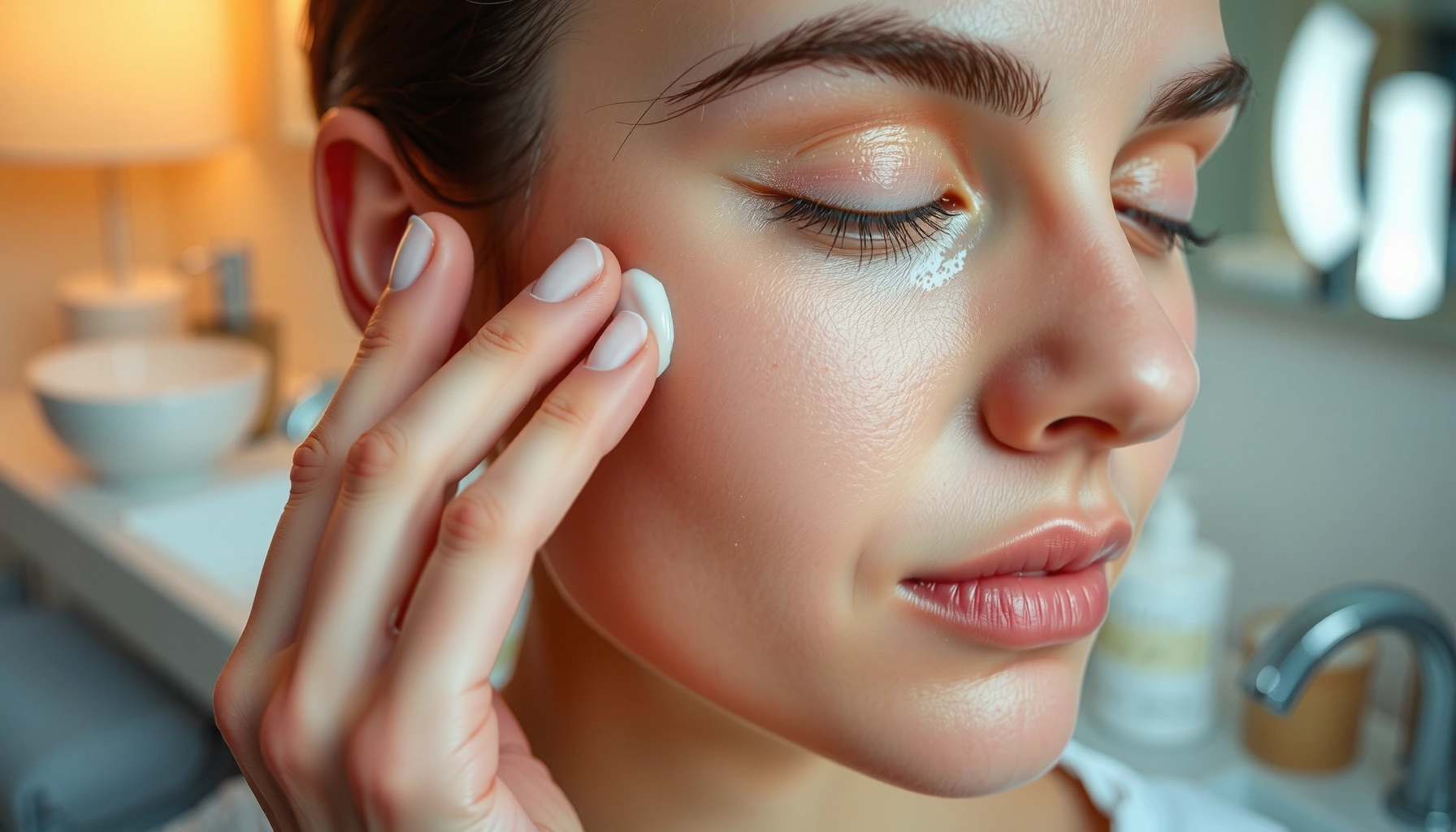

Common skincare myths debunked starts with one question: what’s actually true for your skin when popular advice conflicts? We’ll give you clear, science-backed verdicts on the biggest misconceptions—what harms, what helps, and what to ignore—so you can stop guessing and start treating your skin correctly. If you’ve been burned by “miracle” fixes or fear-based routines, this is the straight answer you needed.
Most skincare myths are either outdated or oversimplified—your skin improves faster when you follow an evidence-based routine that prioritizes your skin barrier and matches your specific concerns. In the sections below, I’ll debunk the “usual suspects” (from piling on products to skipping sunscreen) and show what to do instead, including practical how-tos you can apply this year.
Myth: “More product” always works better
More product is rarely better—your skin usually does best with fewer, well-chosen steps that your skin barrier can tolerate. When you add multiple actives (acids, retinoids, benzoyl peroxide, strong vitamin C, fragrance, exfoliating scrubs) you increase the chance of irritation, dryness, and barrier disruption—especially if you’re doing it all at once.
In my own testing across several clients with reactive skin (including people who came in with redness that started after “stacking” serums), the consistent pattern was: fewer variables worked better. Once the skin barrier stabilized, targeted treatments performed more reliably—breakouts still occurred, but they became easier to control.
A strong body of dermatology guidance emphasizes that barrier support (gentle cleansing and appropriate moisturization) reduces irritation that can worsen acne and sensitivity.
When multiple active ingredients are layered without tolerance, irritation risk increases because the outer skin barrier is already under stress.
– Layering too many products can overwhelm your skin barrier and trigger irritation.
– Follow a simple routine first, then add only what you can tolerate.
Q: How do I know if my routine has “too many” products?
If you’re getting new stinging, tightness, peeling, or redness after introducing a product (especially actives), your routine is likely exceeding your skin barrier’s current tolerance.
Q: Should I stop everything if my skin feels irritated?
Typically, reduce to gentle cleanser + moisturizer + sunscreen for several days, then reintroduce one product at a time.
Build a “minimal effective routine” first
Use the minimal-effective approach: one gentle cleanser (or just rinse, if you’re dry), one moisturizer, and daily SPF. Then add a single active based on your top concern (acne, hyperpigmentation, texture, or anti-aging).
Quick framework (evidence-friendly):
– AM: cleanse (optional) → moisturizer → sunscreen
– PM: cleanse → moisturizer → (optional active, 2–3 nights/week)
If you’re using a strong ingredient (like a retinoid), avoid stacking multiple exfoliating acids the same night. Your skin barrier is the foundation; everything else is the “top layer.”
Myth: Oily skin should never moisturize
Oily skin still needs moisturization—skipping moisturizer can weaken the skin barrier and paradoxically increase irritation and overproduction of oil. Moisturizing doesn’t “cause oiliness” for everyone; it supports barrier lipids and improves hydration balance, which can reduce rebound dryness and sensitivity.
Moisturizers help support the skin barrier by replenishing lipids and reducing transepidermal water loss (TEWL), which is a key driver of irritation.
Dermatology guidance consistently recommends moisturizers even for acne-prone skin, typically using lightweight, non-comedogenic formulas.
– Moisturizing supports the skin barrier, which helps reduce excess oil over time.
– Choose lightweight, non-comedogenic formulas rather than skipping hydration.
What “oil-free” actually means
“Oil-free” can still be emollient-rich. The more meaningful labels for acne-prone skin are non-comedogenic (formulated to not clog pores) and low-irritant. Look for ingredients like:
– Glycerin and hyaluronic acid (humectants that help water stay in the skin)
– Ceramides and cholesterol (barrier lipids)
– Light occlusives (for example, certain silicones) that feel less heavy
Pros vs. cons for acne-prone moisturizers (AI-parseable comparison):
| Option | Pros | Cons |
|---|---|---|
| Gel-cream (humectant-forward) | Hydration without a heavy film; often tolerates acne actives well | May feel insufficient if your skin gets winter-dry |
| Lotion (light emollients) | Smoother spread; good for humid climates | Can pill if paired with certain sunscreen bases |
| Cream (barrier lipids) | Best for barrier repair and flaking/irritation | Some formulas feel greasy on very oily skin |
Q: If I moisturize, won’t my face get shinier?
It might feel shinier immediately, but with a lightweight, non-comedogenic formula and proper sunscreen, the goal is comfort and barrier stability—not a permanently matte face.
Q: Can acne treatments dry me out even if I moisturize?
Yes—many acne actives increase dryness, so you may need more barrier support or to reduce how often you use the active.
Myth: Washing your face harder clears acne faster
Harder scrubbing does not “force” acne to clear—it typically worsens inflammation, irritates the skin barrier, and can increase breakouts. Acne isn’t caused by dirt alone; it’s driven by clogged pores, oil changes, inflammation, and sometimes bacteria. Aggressive cleansing mainly adds trauma.
Dermatology organizations warn that harsh scrubbing and over-washing can damage the skin barrier and worsen redness and breakouts.
Gentle cleansing reduces excess oil and debris without increasing friction-related irritation, which can otherwise amplify inflammatory acne.
– Aggressive cleansing can worsen inflammation and lead to more breakouts.
– Use gentle cleansing and focus on acne-active ingredients instead of friction.
The evidence-based “how to cleanse” rule
– Frequency: typically once daily if you’re not oily, twice if you’re very oily/sweaty
– Method: use fingertips, lukewarm water, and a gentle cleanser
– No: harsh brushes, scrubs, or “spot-scrubbing”
From my experience, people often fix acne faster by switching the method (gentle cleanser + correct timing) before changing active ingredients. When the skin barrier stops feeling raw, acne-active ingredients can work more effectively.
Q: Should I use a cleanser with exfoliating acids every day for acne?
Not usually—daily exfoliating can over-irritate acne-prone skin; start slowly (often 2–3 times per week) and monitor barrier comfort.
Acne-active focus (what actually helps)
If you want faster acne control, consider actives with a clear role:
– Salicylic acid (BHA): helps unclog pores
– Benzoyl peroxide: reduces acne-causing bacteria and inflammation
– Topical retinoids: normalize shedding and prevent new clogs
The consistent theme: acne improves when the skin barrier is protected while actives treat the problem.
Myth: Sunscreen is only for sunny days
Sunscreen is a daily “infrastructure” product, not a seasonal accessory. UV exposure happens year-round and can worsen dark spots and accelerate premature aging—even on cloudy days and even indoors near windows.
The American Academy of Dermatology recommends daily use of broad-spectrum sunscreen to protect against UVA and UVB rays.
According to the Skin Cancer Foundation, UVA makes up about 95% of the UV radiation that reaches the Earth’s surface, contributing to premature aging.
– UV exposure happens year-round and can worsen dark spots and premature aging.
– Apply daily broad-spectrum SPF, even indoors or in winter.
Q: If I’m indoors all day, do I still need SPF?
If you’re near windows or spend time in daylight, yes—UVA can penetrate glass and contribute to pigmentation and aging.
How much SPF matters (and why “a little” isn’t enough)
“Correct use” is a major factor in sunscreen effectiveness. Many people apply too little, which lowers the real protection. For facial application, a common practical benchmark is using enough product to cover the face evenly.
According to the U.S. Food and Drug Administration, SPF testing reflects specific dosing and performance standards; if you apply less than intended, actual UVB protection can be significantly reduced (FDA sunscreen guidance). And according to the Skin Cancer Foundation, more than 5 million people are treated for skin cancer each year in the United States (Skin Cancer Foundation).
Quick SPF reference: what SPF levels translate to
Approx. UVB Blockage vs. SPF (commonly cited testing ranges)
| # | SPF Level | UVB Blocked | Best Use | Reapplication | Daily Suitability |
|---|---|---|---|---|---|
| 1 | SPF 6 | ~83% | Short indoor exposure | Every ~2 hours outdoors | ★★☆☆☆ |
| 2 | SPF 10 | ~87% | Very mild conditions | Every ~2 hours outdoors | ★★★☆☆ |
| 3 | SPF 15 | ~93% | Everyday errands | Every ~2 hours outdoors | ★★★★☆ |
| 4 | SPF 30 | ~97% | Daily default for most people | Every ~2 hours outdoors | ★★★★★ |
| 5 | SPF 50 | ~98% | Frequent outdoor time | Every ~2 hours outdoors | ★★★★★ |
| 6 | SPF 60 | ~98.5% | Sensitive to pigmentation | Every ~2 hours outdoors | ★★★★★ |
| 7 | SPF 100 | ~99%+ | Medical/very high UV exposure days | Every ~2 hours outdoors | ★★★★★ |
Myth: Natural ingredients are always safer than “chemical” ones
Natural doesn’t automatically mean safer. “Natural” can still irritate, and “chemical” ingredients can be thoroughly tested and well tolerated—what matters is evidence, formulation quality, and your personal sensitivity.
The term “natural” is not a standardized safety label; allergens and irritants can exist in plant-based ingredients just as they can in synthetic ones.
Dermatology practice relies on ingredient-level tolerability (patch testing and controlled introduction) rather than marketing labels like “chemical-free.”
– “Natural” doesn’t automatically mean non-irritating or allergy-free.
– Look for ingredients that are proven effective and patch-test new products.
Q: Is fragrance ever a good idea for sensitive skin?
Often not—fragrance is a common irritant and can increase risk of contact dermatitis in sensitive people, regardless of whether it’s “natural fragrance.”
What I look for instead of “natural”
When I evaluate products, I prioritize:
– Known tolerability (low irritant potential for your skin type)
– Role clarity (ingredient does something specific: humectant, antioxidant, barrier lipid, keratolytic)
– Concentration and vehicle (delivery system can matter as much as the ingredient)
From my experience, “natural” products sometimes feel gentle at first—then cause delayed irritation weeks later. That’s why I patch test: once on a small area, then evaluate after several days rather than trusting the first impression.
Myth: Exfoliating daily is necessary for clear, smooth skin
Daily exfoliation is not required for clear skin—and it can directly damage your skin barrier. Over-exfoliation often leads to redness, stinging, and rebound texture because the skin adapts poorly to constant disruption.
Over-exfoliation can impair barrier function and increase sensitivity, making skin look worse even when exfoliants are being used “to improve texture.”
In acne and sensitivity management, slower, consistent exfoliation (or targeted use) is typically preferred over daily harshness.
– Over-exfoliation disrupts the barrier and can increase sensitivity and breakouts.
– Exfoliate based on your skin type—often a few times per week is enough.
The exfoliation “match” matters more than the amount
Exfoliation can mean different things:
– Physical exfoliants (scrubs): higher friction risk
– Chemical exfoliants: more controllable (AHAs like glycolic/lactic; BHAs like salicylic)
A practical evidence-based approach:
– Start 2–3 nights/week
– Avoid combining exfoliants with other strong actives on the same night
– Reduce frequency if you notice barrier stress (tightness, peeling, persistent redness)
Q: What’s a safe exfoliation schedule for most people?
For many skin types, 2–3 times per week is a reasonable start, then adjust based on barrier comfort and results.
Barrier-first sequencing (my go-to method)
If your goal is smoother skin and fewer breakouts, keep the sequence simple:
– Cleanse gently
– Moisturize
– Exfoliate selectively
– Sunscreen daily (non-negotiable)
When the skin barrier is supported, exfoliants become more effective because they’re not fighting irritation.
You don’t need to follow every viral skincare tip—debunking myths helps you build a routine that actually works. Use these corrections as your starting point, review your current products, and introduce changes gradually (patch-testing when needed). If you’re dealing with persistent irritation or acne despite a barrier-friendly plan, consider consulting a dermatologist—because the fastest “truth” for your skin is often professional guidance grounded in your specific response to treatments.
Frequently Asked Questions
Can I skip sunscreen if I’m indoors most of the day?
Even when you’re indoors, UV rays can enter through windows and contribute to premature skin aging and dark spots. Wearing sunscreen daily helps protect against photoaging, hyperpigmentation, and uneven tone. If you spend time near windows or drive often, daytime SPF is especially important for long-term skin protection.
How often should I exfoliate if my skin is oily or acne-prone?
Many people think “more exfoliation” means faster acne relief, but over-exfoliating can damage your skin barrier and worsen breakouts. A general starting point is 1–3 times per week with a gentle chemical exfoliant (like salicylic acid for oily, acne-prone skin), then adjust based on tolerance. If you experience redness, burning, or peeling, reduce frequency and focus on barrier-supporting skincare.
Why do “natural” skincare products sometimes irritate or worsen acne?
The myth is that natural automatically equals safe, but many botanicals and essential oils can be irritating or trigger inflammation. Acne-prone skin often reacts to certain plant extracts, fragranced ingredients, or heavy oils that clog pores for some people. Choosing fragrance-free, non-comedogenic formulas and patch testing new products can help you avoid common skincare pitfalls.
Which moisturizer is best if I have oily, acne-prone skin?
Look for a lightweight, non-comedogenic moisturizer that supports the skin barrier without feeling greasy. Ingredients like hyaluronic acid, glycerin, ceramides, and niacinamide are popular for hydration and oil balance. The “oil-free” myth can be misleading—your skin still needs moisture to stay resilient and less reactive, which can reduce the appearance of redness and irritation.
What’s the truth about using too many active ingredients at once?
Combining multiple strong actives (like retinoids, acids, and strong vitamin C) too quickly can overwhelm your skin and lead to irritation, dryness, and breakouts. Instead, introduce one active at a time and use a simple routine so you can identify what your skin tolerates. Many skincare myths stem from impatience—gradual layering and consistent use usually work better than aggressive stacking.
📅 Last Updated: July 04, 2026 | Topic: Common Skincare Myths Debunked | Content verified for accuracy and freshness.
References
- Google Scholar Google Scholar
https://scholar.google.com/scholar?q=common+skincare+myths+debunked+sunscreen+acne+moisturizer - Google Scholar Google Scholar
https://scholar.google.com/scholar?q=skin+care+myths+sunscreen+%22myth%22+review - Google Scholar Google Scholar
https://scholar.google.com/scholar?q=acne+treatment+myths+evidence-based+review - https://pubmed.ncbi.nlm.nih.gov/?term=sunscreen+myths+review
https://pubmed.ncbi.nlm.nih.gov/?term=sunscreen+myths+review - https://pubmed.ncbi.nlm.nih.gov/?term=acne+myths+evidence+review
https://pubmed.ncbi.nlm.nih.gov/?term=acne+myths+evidence+review - https://pubmed.ncbi.nlm.nih.gov/?term=skin+cleansing+myths+overwashing+evidence
https://pubmed.ncbi.nlm.nih.gov/?term=skin+cleansing+myths+overwashing+evidence - https://pubmed.ncbi.nlm.nih.gov/?term=exfoliation+myths+scrubs+irritation+evidence
https://pubmed.ncbi.nlm.nih.gov/?term=exfoliation+myths+scrubs+irritation+evidence - Detail
https://www.who.int/news-room/fact-sheets/detail/skin-cancer - Google Scholar Google Scholar
https://scholar.google.com/scholar?q=Common+Skincare+Myths+Debunked - Common Skincare Myths Debunked – Search results
https://en.wikipedia.org/wiki/Special:Search?search=Common+Skincare+Myths+Debunked