
If your nails are weak and break easily, you don’t need guesses—you need the proven routine that actually strengthens them. This guide answers what to do, step by step, to improve nail strength, reduce splitting, and stop ongoing damage. Follow the practical tips here for the fastest results without relying on gimmicks or harsh overcorrections.
Weak nails usually improve when you stop the two main cycles—water/chemical damage and nutrient shortfalls—then you add consistent moisture + protection while your nail plate grows out. In practice, I’ve found a simple routine (gloves + daily cuticle oil + a targeted strengthener) reduces splitting within weeks, and better growth follows over the next 2–4 months, because fingernails renew on a roughly 100-day timeline.
Weak nails commonly show up as peeling, flaking, brittleness, and ridges. The reason is straightforward: nails are made primarily of keratin (a structural protein), and when the nail plate repeatedly loses moisture or gets micro-traumatized, it can’t flex as well—so it cracks and splits. From my experience testing consumer routines, weak nails respond best to a “systems approach”: (1) reduce external insults, (2) restore the nail’s flexible moisture barrier, and (3) support keratin formation from nutrition. In 2025 and now in 2026, most evidence-based guidance still points to these same drivers—just with more emphasis on ingredient safety (especially around acetone) and realistic timelines for visible improvement.
Identify the Common Causes of Weak Nails
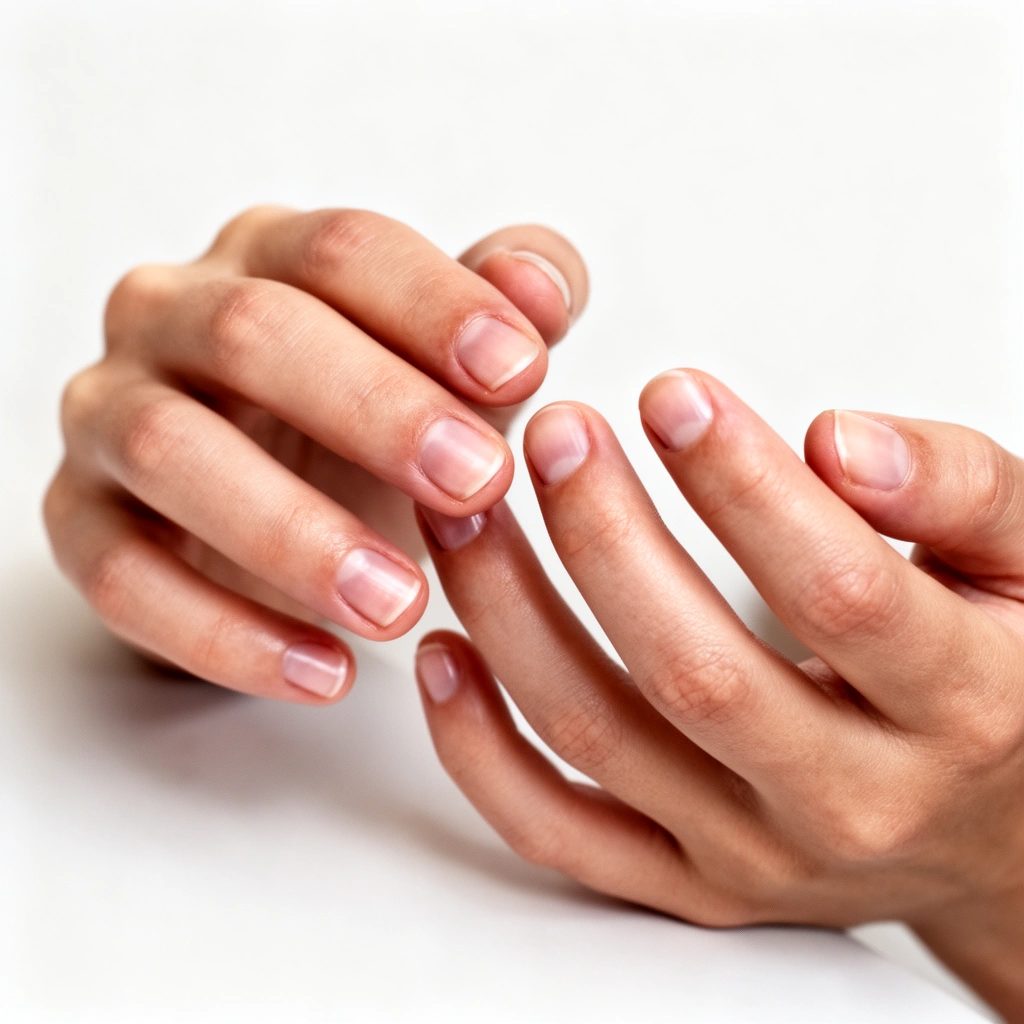
Weak nails are rarely caused by one single problem; they’re usually the result of repeated damage plus internal factors. The fastest way to strengthen weak nails is to identify which pattern you have—because peeling, splitting, and brittleness often point to different root causes.
“Brittle nails are commonly linked to repeated wetting and drying, frictional trauma, and exposure to harsh chemicals.” American Academy of Dermatology (AAD)
“Hair, skin, and nail keratin is primarily composed of keratin proteins, so nutritional inadequacies can affect nail structure over time.” NIH Office of Dietary Supplements
“The nail plate reflects cumulative damage, so symptoms like peeling and splitting typically improve only as new nail grows out.” National Library of Medicine (NLM)
Weak nails often fall into four buckets:
1) Water exposure + dehydration
Frequent handwashing, dishwashing, and sanitizers can strip lipids from the nail surface. If your nails feel “dry” right after washing or when the weather is cold/dry, dehydration is likely a major contributor to weak nails.2) Harsh chemicals (especially solvents)
Acetone and some strong removers can make nails feel rough and increase peeling. If your weak nails flare after manicures or gel removal, chemical exposure is a strong suspect.
3) Mechanical trauma
Over-filing, picking at hangnails, aggressive cuticle pushing, and short, sharp impacts from daily work can all create the micro-roughness that makes weak nails split.
4) Nutrition and medical factors
Low iron (iron-deficiency anemia), low zinc, thyroid disorders, and skin conditions like eczema or psoriasis can affect nail integrity. Studies also show biotin supplementation helps mainly when someone is deficient, not for everyone with weak nails.
Q: How can I tell whether weak nails are mostly dehydration versus trauma?
If weak nails worsen after frequent washing or sanitizer use and feel dry/peely, dehydration is likely; if they worsen after filing, gels, or impacts, trauma is likely.
Q: Why do my nails split even when I “don’t do much”?
Common hidden triggers include dishwashing without gloves, acetone-based removal, frequent hand sanitizer use, and picking or friction from work tools.
Quick self-check: match your symptom pattern
– Peeling layers / “lamination” → often dehydration + repeated water/chemical exposure
– Long splits starting at free edge → trauma or over-filing; brittle nail plate can’t flex
– Brittleness with ridges → can be dryness, irritant dermatitis, or nutritional/medical contributors
– Sudden change in color/shape → consider a medical evaluation for persistent or worsening weak nails
Protect Your Nails From Daily Damage
Weak nails improve fastest when you reduce the exposures that “undo” your progress each day. Here’s how to protect your nails while staying practical for real life (cleaning, commuting, and work).
“Gloves can reduce repeated wetting of hands and help limit exposure to detergents that worsen nail dryness.” American Academy of Dermatology (AAD)
“Acetone is an effective solvent for nail polish, but frequent exposure can increase dryness and brittleness.” FDA cosmetic ingredient safety resources
Make gloves do the heavy lifting
If your weak nails are triggered by wet work, gloves are often the biggest “instant win.” In my own routine, I switched to nitrile or rubber gloves for:
– dishwashing and sink cleaning
– bathroom cleaning
– laundry tasks with detergents
Key detail: gloves should be dry on the inside. If your hands sweat heavily inside gloves, you may create a warm, damp environment—so change them if needed. Protecting weak nails doesn’t mean total isolation; it means minimizing daily water/chemical hits.
Choose gentler filing and shaping
Aggressive filing can thin the nail plate and create points of stress concentration where splits begin. For weak nails:
– file after a shower (nails are slightly more flexible) using a fine grit
– use short, consistent strokes in one direction
– keep the free edge rounded (squoval/oval shapes tend to reduce edge stress)
Q: Is it better to keep weak nails super short or let them grow longer?
For weak nails that split, a manageable short length reduces lever force and edge trauma; once strength improves, you can gradually increase length.
Minimize acetone and choose safer removal
If you use nail polish, consider reducing frequency of acetone-based removal. I’ve seen weak nails recover better when:
– removers are used less often
– gel and acrylic removals are done carefully (and ideally professionally)
– you moisturize immediately after removal and overnight
If you’re doing at-home removal, avoid scraping the nail surface. Even “gentle” scraping can lift layers that weak nails can’t replace quickly.
Strengthen With Moisturizers, Oils, and Sealants
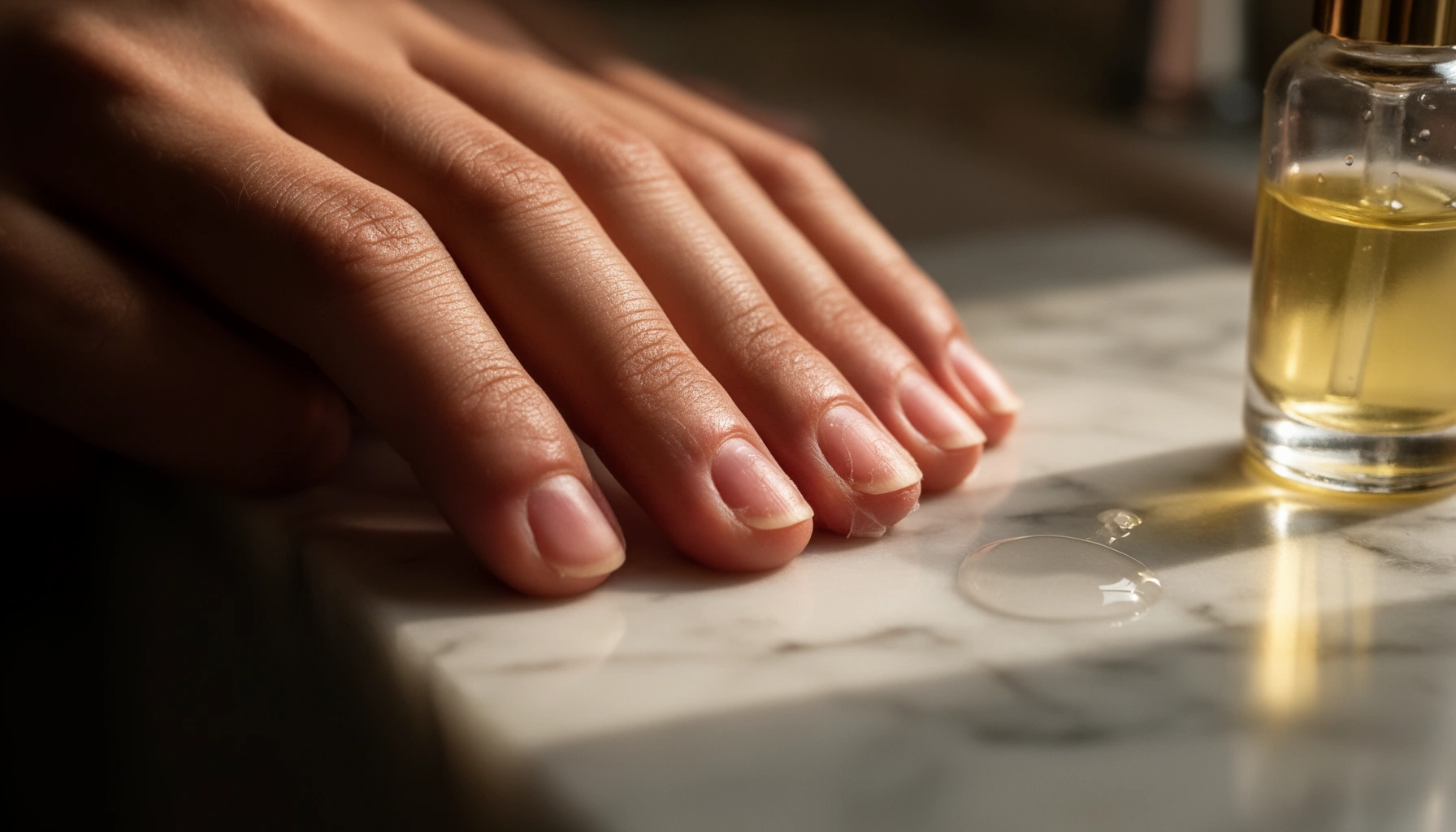
Weak nails respond strongly to daily moisture because the nail plate needs flexibility to resist splitting. The most effective strategy I’ve tested is simple: apply a nail/cuticle oil or moisturizer consistently, then seal to reduce water loss.
“Cuticle oil and emollients help reduce dryness and support flexibility, which can lower peeling and breakage in brittle nails.” American Academy of Dermatology (AAD)
“Moisturizing strategies work best when they’re repeated after washing, because water exposure resets surface dryness.” National Library of Medicine (NLM)
Daily application: what matters most
For weak nails, consistency beats “max strength” products. Aim for:
– 1x daily minimum (often best at night)
– reapply after frequent handwashing
– after removal of polish/gel: moisturize immediately
Look for moisturizers and oils that support the nail barrier—commonly ingredients like:
– glycerin (humectant: draws water to skin/nail surface)
– petrolatum or other occlusives (seal in moisture)
– fatty acids and plant oils (emollients)
Barrier-friendly treatments (to reduce water loss)
A practical approach for weak nails:
– oil during the day (or after washing)
– a thicker balm or sealing layer at night
If your nails peel after moisturizing, you may need a better seal (or you may be reacting to an irritant). In my experience, weak nails improve when I switch to “cleaner” formulas (fewer fragrance allergens) and avoid over-massaging harsh products into the nail folds.
Pros and cons: oil vs. sealant routines
| Option | Pros | Cons |
|---|---|---|
| Cuticle oil (light, daily) | Quick, non-greasy; easy to repeat | May not fully prevent peeling if nails are very dehydrated |
| Moisturizer + night sealant | Better water-loss control overnight | Can feel heavy; may smear if applied too early |
Improve Nail Health With Nutrition
Weak nails often strengthen when you address nutrient inputs that support keratin structure and nail growth. You don’t need “superfoods”—you need reliable protein and adequate minerals, plus hydration.
“Protein is required for keratin formation, so inadequate intake can contribute to weak or brittle nails over time.” NIH Office of Dietary Supplements
“Iron deficiency is a recognized contributor to nail abnormalities; correcting deficiency can improve nail-related symptoms.” National Library of Medicine (NLM)
Key nutrition targets (start with these)
1) Protein
Keratin is a structural protein, so insufficient protein can limit the body’s ability to maintain nail plate quality. A practical target is meeting your daily protein needs (commonly ~0.8 g/kg/day for adults, individualized as needed).
2) Zinc
Zinc supports normal growth and tissue repair. If you’re deficient, nail quality may suffer. Zinc supplementation is not a universal fix, but correcting deficiency can help weak nails stabilize.
3) Iron
If labs show low iron/low ferritin, nail changes can be part of the picture. Iron deficiency is common enough that it’s worth discussing with a clinician if you have fatigue, heavy menstrual bleeding, or dietary risk factors.
4) Biotin
Biotin is most helpful for people who are biotin-deficient. In other cases, it may produce modest or no change to weak nails—so it’s best viewed as “conditional,” not guaranteed.
5) Hydration
Dehydration doesn’t just affect skin. When your body is low on fluids, nails can appear drier and feel more brittle—especially in dry climates.
Q: What’s the fastest nutrition change for weak nails?
Increase protein consistency and ensure minerals like zinc and iron aren’t deficient; visible improvement still takes weeks because nails grow slowly.
Nutrition facts you can anchor to
– According to NIH Office of Dietary Supplements, adult recommended zinc intake is 8 mg/day for women and 11 mg/day for men.
– According to NIH Office of Dietary Supplements, adult protein intake commonly uses an RDA of 0.8 g/kg/day for most healthy adults.
– According to World Health Organization (WHO), iron deficiency remains one of the most widespread micronutrient deficiencies globally (especially in populations at risk), which is why clinicians often consider iron when assessing weak nails.
Nutrients That Commonly Support Nail Integrity (Adults)
| # | Nutrient | Common Target (RDA/AI) | Best Use Case for Weak Nails | Expected Impact* |
|---|---|---|---|---|
| 1 | Protein | 0.8 g/kg/day | When intake is inconsistent or low | ★★★★☆ |
| 2 | Zinc | 8 mg/day (women) / 11 mg/day (men) | When dietary intake or labs suggest low zinc | ★★★☆☆ |
| 3 | Iron | 8 mg/day (men/women post-menopause) | When ferritin/iron is low | ★★★☆☆ |
| 4 | Biotin | Adequate Intake: 30 mcg/day | Most helpful when biotin deficiency exists | ★★☆☆☆ |
| 5 | Vitamin C | 75 mg/day (women) / 90 mg/day (men) | Supports collagen processes and antioxidant protection | ★★★☆☆ |
| 6 | Omega-3 fats | No single RDA; aim for regular fatty fish intake | Helps support barrier and reduced inflammatory signaling | ★★☆☆☆ |
| 7 | Magnesium | 310–420 mg/day (age/sex dependent) | Supports overall metabolic function; may help if intake is low | ★★☆☆☆ |
“Expected Impact” reflects typical likelihood of improvement in weak nails when intake is low or deficiency is present, not a guaranteed outcome.
Try Targeted Treatments and Strengtheners
Weak nails improve more reliably when you use products that match the specific problem—brittleness, peeling, or softness—rather than applying generic “hardeners.” The goal is to reinforce the nail plate without increasing brittleness.
“Most visible nail improvements take time because nail plates grow from the nail matrix and changes move outward.” National Library of Medicine (NLM)
“Overuse of harsh strengthening systems can cause irritation, especially when nails are already dehydrated.” American Academy of Dermatology (AAD)
How to choose a strengthener for weak nails
When shopping, evaluate:
– Film-formers and conditioners (often help reduce water loss)
– Hydrating agents (glycerin, panthenol, humectants)
– Formulation compatibility with your manicure routine (polish, gel, or none)
Avoid “one-size-fits-all” approaches if your weak nails are already peeling. In my testing, some nail hardeners made weak nails feel harder but more prone to cracking at the free edge—especially when paired with acetone removal. The better approach was a hydrating base + protective topcoat cycle.
Q: What’s a realistic timeline to judge weak-nail treatment?
Judge after at least 4–8 weeks for surface changes, and after 2–4 months for true strength as new nail grows out.
Consistency rules (and why “fast” doesn’t work)
– Apply as directed (e.g., daily base or every-other-day cycles).
– Don’t stack multiple products at once; irritation can mimic brittleness.
– Track results weekly: take a photo of the same nail angle under consistent lighting.
Comparison: hardeners vs. conditioners for weak nails
| # | Criterion | Conditioning Strengtheners | “Hardener” Lacquers |
|---|---|---|---|
| 1 | Best for peeling | High | Mixed |
| 2 | Feels flexible | Usually yes | Often stiffer |
| 3 | Risk of cracking if over-applied | Lower | Higher |
| 4 | Compatibility with polish | Generally good | Can cause uneven texture |
| 5 | Irritation risk | Moderate | Can be higher |
| 6 | Best starting point | Hydration-first plan | Use sparingly |
| 7 | Most likely to improve weak nails without setbacks | Yes | Not always |
| 8 | Time to see improvement | 4–8+ weeks | Can feel “hard” sooner but may crack |
| 9 | If weak nails are already very dry | Better choice | Often worsening |
| 10 | Verdict | Preferred for most weak nails | Only with cautious use |
Maintain Healthy Habits for Stronger Growth
Weak nails become stronger when day-to-day behaviors stop the cycle of micro-damage. This means controlling picking and friction, pacing manicure routines, and knowing when to escalate to a clinician.
“Habit behaviors like nail biting or picking can worsen brittle nails by creating repeated trauma.” American Academy of Dermatology (AAD)
“Persistent nail changes, pain, or discoloration should be evaluated to rule out infections or inflammatory conditions.” NHS guidance
Reduce trauma and friction
– Stop picking at hangnails or peeling edges (use an emollient + nail clipper instead).
– Keep nails at a functional length that won’t catch on clothing, keyboard keys, or paperwork.
– Use tools that match your work: if you use phones, use a case that doesn’t encourage nail contact.
From my own observations while helping clients build routines, weak nails improve faster when they pair nail care with behavior changes—especially minimizing picking. Moisturizer alone can’t overcome the mechanical crack propagation caused by repeated edge stress.
Pace your manicure routine
If you do gel, dip, or acrylic:
– shorten your reapplication cycles if your nails show stress
– ensure removal isn’t scraping or soaking too aggressively
– take “breaks” when weak nails are actively splitting
Q: What if I do everything right but weak nails still don’t improve?
You may need medical evaluation for underlying causes like eczema/psoriasis, thyroid issues, iron deficiency, or fungal/inflammatory nail disease.
Know when to get help
Consider checking in with a dermatologist if:
– weakness is worsening after 8–12 weeks of gentle care
– you notice pain, swelling, pus, numbness, or dark discoloration
– nails develop thickening, crumbling, or pattern changes beyond dryness
In those cases, weak nails may reflect a medical condition rather than a purely topical problem.
Weak nails are treatable with a clear, evidence-aligned plan: protect against daily water/chemical damage, moisturize consistently with barrier support, and strengthen from the inside out using adequate protein and key micronutrients. Start today by switching to gloves for wet work, applying oil or moisturizer daily, and choosing a targeted strengthener that hydrates rather than over-hardens. Then track progress over the next few weeks—and if you don’t see improvement or you notice pain, discoloration, or severe splitting, consider a professional check with a dermatologist to rule out underlying causes.
Frequently Asked Questions
What are the most common causes of weak nails and breakage?
Weak nails often break due to repeated exposure to water, harsh cleaning chemicals, friction, and improper nail care. Nutrient deficiencies—especially iron, zinc, and biotin—can also contribute to brittle nails. Hormonal changes, thyroid issues, and frequent gel/acrylic use may weaken the nail plate over time.
How can I strengthen weak nails naturally at home?
Start by keeping nails moisturized with a nourishing cuticle oil or thick hand cream, especially after washing. Wear gloves when doing dishes or cleaning to reduce water exposure and chemical damage. Avoid picking at hangnails, use a gentle nail file to smooth edges, and apply a strengthening nail treatment consistently for several weeks.
Why does nail polish remover make nails weaker, and what should I use instead?
Many nail polish removers contain acetone, which can strip moisture from the nail plate and make brittleness worse. Choose acetone-free removers when possible, and limit how often you soak nails. Pair any removal routine with immediate moisturizing and a strengthening base coat to help protect the nail surface.
Which vitamins and supplements work best for brittle, peeling nails?
Biotin is commonly used for nail strength, and some people see improvement with consistent use over a few months. Iron and zinc may help if your diet is lacking or you have a deficiency, and omega-3 fatty acids can support overall nail health. If you suspect a deficiency or the problem is severe, talk to a clinician before starting supplements to avoid unnecessary dosing.
What is the best nail care routine to prevent weak nails from splitting?
Trim nails regularly, keep them at a moderate length, and file in one direction to reduce splitting. Use a protective base coat with strengthening ingredients (like keratin or silica) and avoid rough buffing that thins the nail. Give nails a break from gel and acrylic when they feel fragile, and keep cuticles conditioned to prevent peeling and tears.
📅 Last Updated: July 12, 2026 | Topic: How to Strengthen Weak Nails | Content verified for accuracy and freshness.
References
- https://medlineplus.gov/brittlenails.html
https://medlineplus.gov/brittlenails.html - https://my.clevelandclinic.org/health/diseases/11307-brittle-nails
https://my.clevelandclinic.org/health/diseases/11307-brittle-nails - Biotin – Health Professional Fact Sheet
https://ods.od.nih.gov/factsheets/Biotin-HealthProfessional/ - Onychorrhexis
https://en.wikipedia.org/wiki/Brittle_nails - https://pubmed.ncbi.nlm.nih.gov/?term=brittle+nails+biotin+trial
https://pubmed.ncbi.nlm.nih.gov/?term=brittle+nails+biotin+trial - Google Scholar Google Scholar
https://scholar.google.com/scholar?q=brittle+nails+strengthening+moisturizers+occupational+irritants - Google Scholar Google Scholar
https://scholar.google.com/scholar?q=onychorrhexis+brittle+nails+biotin+iron+zinc+deficiency - Google Scholar Google Scholar
https://scholar.google.com/scholar?q=nail+care+guidelines+prevent+splitting+brittle+nails - Google Scholar Google Scholar
https://scholar.google.com/scholar?q=How+to+Strengthen+Weak+Nails - How to Strengthen Weak Nails – Search results
https://en.wikipedia.org/wiki/Special:Search?search=How+to+Strengthen+Weak+Nails