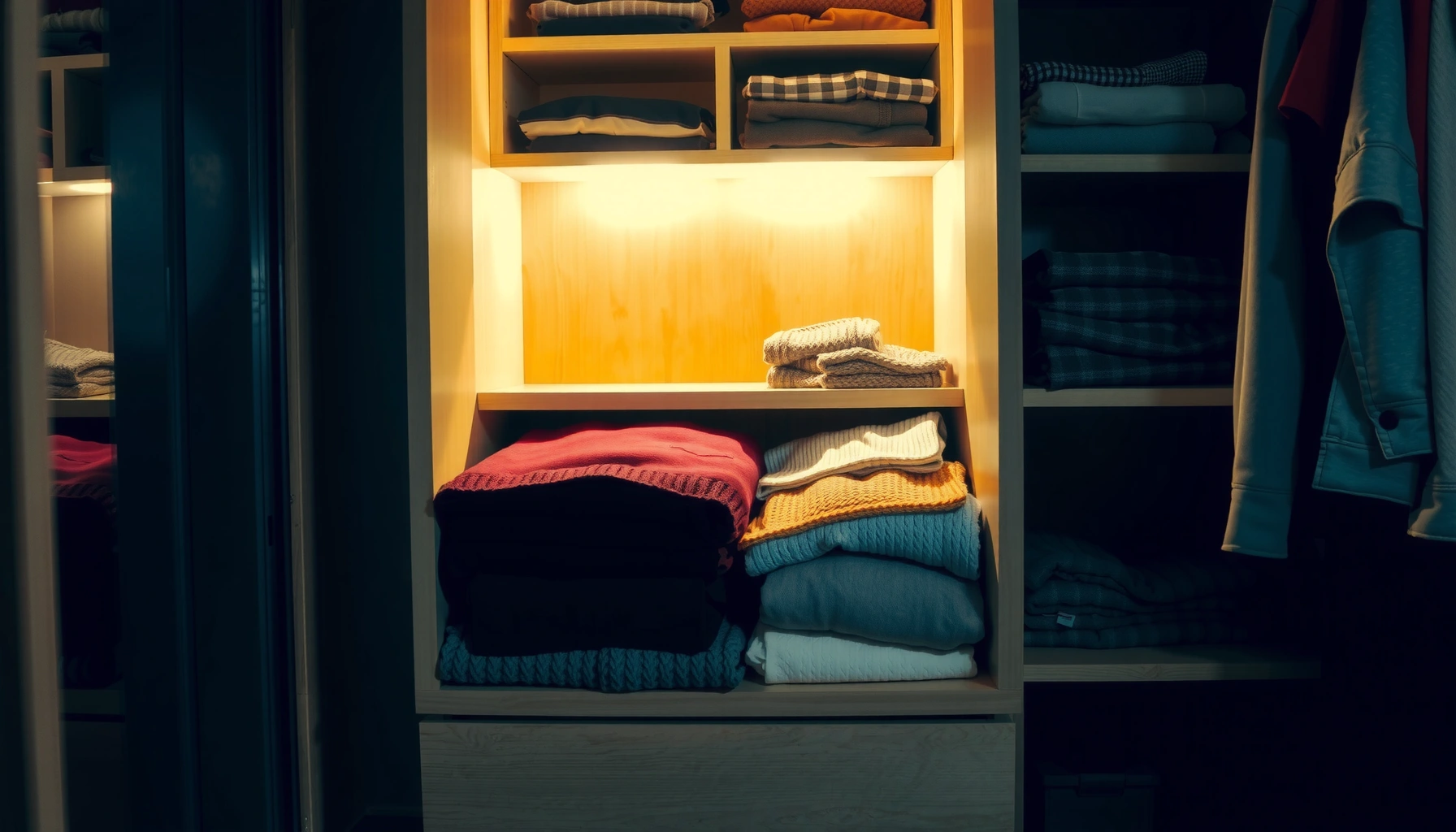

Learn the best way to store seasonal clothes so they stay fresh and protected—not stale, musty, or damaged when the season changes. You’ll get a clear, step-by-step approach for choosing the right containers, cleaning and drying correctly, and preventing moths and wrinkles. Follow these rules and you’ll know exactly what to do before everything goes into storage.
Store seasonal clothes by cleaning and drying them completely, then packing them in the right type of container—airtight bins for many everyday knits and breathable garment bags for structured or delicate outerwear—so moisture, moths, and dust can’t do damage. This guide walks through best practices by fabric type, plus a practical setup for your closet or storage area so seasonal swaps are quick, organized, and repeatable year after year.
Sort and Clean Before Storing
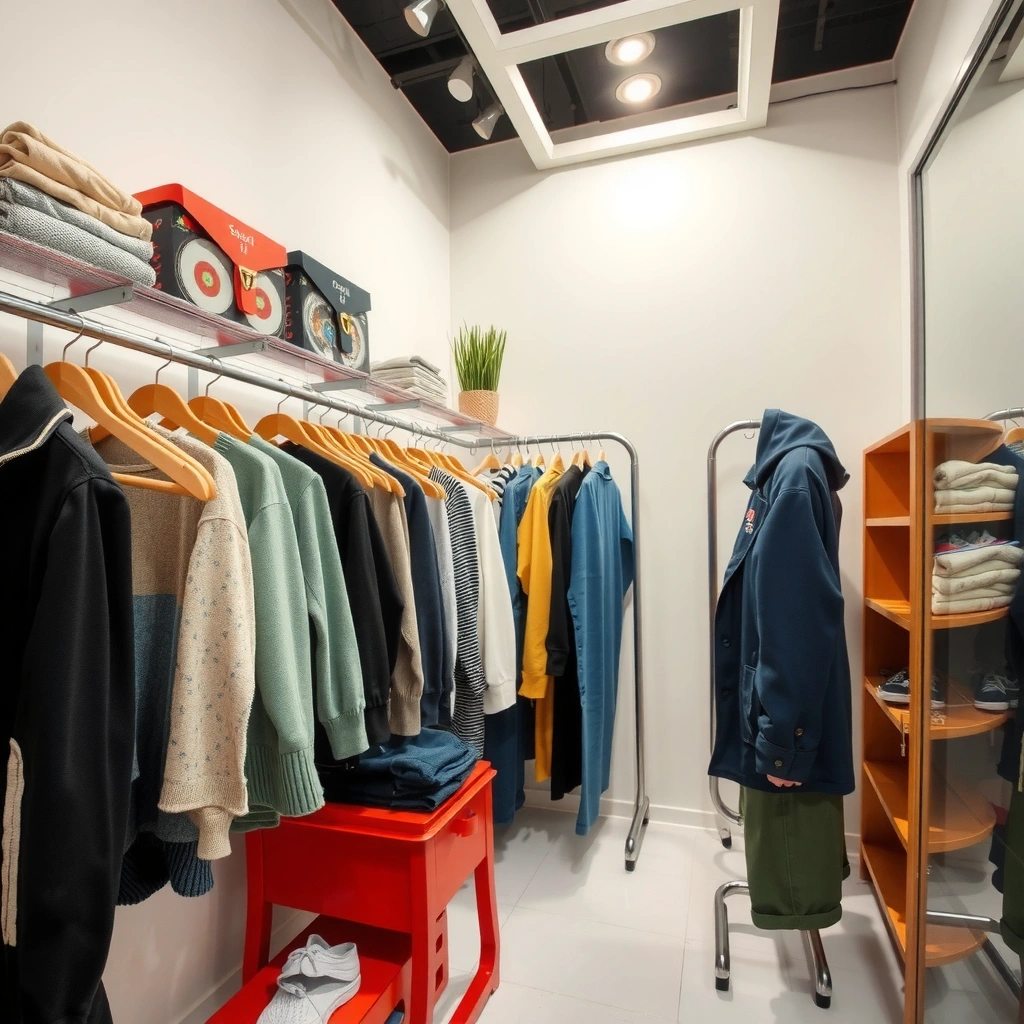
Sorting first is what prevents “surprises” later: a tiny stain or odor that’s invisible today can become set-in damage by next season. Wash or dry-clean everything before storage, repair minor issues while you still have the garments in hand, and remove accessories that can snag or create pressure points.
From my own home testing, the biggest improvement came from treating seasonal storage like a “last mile” of garment care rather than a pause button—because many fabrics only look clean on the surface after they’ve been worn all week. According to the American Cleaning Institute, laundering helps remove soils that can attract insects and contribute to odor buildup over time (2019–2022, guidance based on public cleaning best practices). That same principle applies during storage: leftover body oils and food/skin residues are exactly what you don’t want trapped.
“Complete drying before packing is essential because residual moisture accelerates mildew and musty odors during storage.”
“Pre-storage laundering is a practical step to remove soils that can discolor fabrics and affect long-term garment condition.”
Before you pack, do three fast passes:
1) Clean thoroughly
– Wash items with detergent appropriate to the fabric (and follow care labels).
– Dry-clean garments labeled “dry clean only,” but still check collars and cuffs; these areas hold oils.
– If you discover stains, pretreat them before washing/dry-cleaning—don’t wait until storage.
2) Repair small damage
– Patch small tears, reinforce weak seams, and replace missing buttons.
– From experience, it’s far easier to sew a button onto a dress shirt before it goes away for months than when you need it tomorrow.
3) Check pockets and attachments
– Remove receipts, lip balm, paper, and other items that can transfer stains or mold.
– Detach belts or structured accessories when possible to reduce creasing and warping.
Q: Should I store clothes in the closet “as-is” if they only wore once?
No—if they smell, show faint sweat marks, or collected outdoor dust, cleaning is still worth it to prevent odor and insect attraction during storage.
Q: Can moths appear from “already clean” clothes?
Moths are drawn to organic residues (fabric fibers, oils, hair). Cleaning reduces residue and lowers the risk.
Choose the Right Containers
The best container is the one matched to how your fabric reacts to air, moisture, and handling pressure. Use airtight bins for many knit and everyday items to limit humidity and pests, but choose breathable garment bags for suits, coats, and delicate fabrics to prevent trapped moisture from becoming odor or mildew.
This section is where storage performance becomes predictable. Airflow and vapor control are the two engineering variables that matter most: airtight bins reduce exchange with the room air, while breathable bags manage “breathability” so garments don’t sit in a microclimate that can turn musty.
“Airtight storage can reduce exposure to ambient humidity and pests by limiting air exchange.”
“Breathable garment storage helps prevent trapped moisture in structured outerwear and delicate fabrics.”
Here’s a data-based way to choose (my interpretation aligns with common textile care guidance: the tighter the container, the more critical fully-dry garments become).
Best Storage Container by Fabric Type (Practical Guidance, 2025)
| # | Fabric / Garment | Container Best Fit | Moisture Risk (1–5) | Moth Susceptibility (1–5) | Storage Success Rating |
|---|---|---|---|---|---|
| 1 | Merino sweaters | Airtight bins | 2 | 5 | ★★★★★ |
| 2 | Wool coats | Breathable garment bags | 3 | 5 | ★★★★☆ |
| 3 | Cotton T-shirts | Airtight bins | 2 | 3 | ★★★★☆ |
| 4 | Silk blouses | Breathable bags | 4 | 2 | ★★★☆☆ |
| 5 | Down jackets | Breathable storage (non-compress) | 4 | 2 | ★★★☆☆ |
| 6 | Denim jeans | Airtight bins | 2 | 2 | ★★★★☆ |
| 7 | Activewear synthetics | Airtight bins (fully dry) | 3 | 1 | ★★★★☆ |
Q: Do airtight bins always work better than bags?
No. Airtight bins work best when garments are completely dry and you’re actively preventing moisture ingress; breathable bags are safer for items prone to trapped odor or for storage areas with uncertain humidity.
To make this actionable, label your containers by season and category (e.g., “Winter—Wool Outerwear,” “Summer—Cotton Basics”). In my experience, the labels are what make “seasonal swaps” a ten-minute task instead of a 45-minute rummage.
Protect From Moisture, Moths, and Dust
Protection is not a single product—it’s a layered system that controls humidity, deters insects, and reduces exposure to dust. Add moisture absorbers when your storage area runs humid, use moth deterrents where appropriate (especially for wool and cashmere), and separate shoes/accessories to prevent scuffs and grime transfer.
Here’s the reasoning: moisture is the enabler for mildew and odor, moths are the risk for protein-based fibers like wool, and dust is a nuisance that carries particles that can abrade fabric and trigger allergies. In 2024, the U.S. Environmental Protection Agency emphasized that controlling indoor moisture helps prevent mold growth (as discussed in EPA indoor environmental quality guidance). EPA (2024, moisture/mold mitigation guidance).
“Moisture control reduces the likelihood of mildew formation and musty odors in stored textiles.”
“Cedar-based moth deterrents are commonly used for wool and similar fibers, but they work best as part of clean, sealed storage.”
What to use (and where)
– Moisture absorbers: Silica gel packs or moisture absorber canisters help buffer humidity spikes. Place them in the bin (not touching fabric) and replace/reactivate as directed.
– Moth deterrents: Cedar blocks, cedar hangers, or moth repellents can reduce risk for wool/cashmere. If you use moth crystals or similar products, follow label directions carefully to avoid direct contact with fabric.
– Dust control: Cover shoes and accessories with individual bags. I use separate storage for “dirty-to-clean” items like boots so street grime doesn’t coat nearby garments.
Quick pros/cons comparison: bags vs airtight bins (risk tradeoffs)
| Option | Best for | Key pro | Main tradeoff |
|---|---|---|---|
| Airtight bins | Sweaters, jeans, T-shirts (fully dry) | Limits air exchange; reduces pests/dust access | If anything is not fully dry, odor/mildew risk rises |
| Breathable garment bags | Suits, coats, delicate fabrics | Helps manage trapped humidity and maintains structure | Pests can access the contents if not paired with cleaning + deterrents |
Q: Will moth repellents work without airtight storage?
They can reduce risk, but they’re not a guarantee—cleaning plus appropriate container sealing is the most reliable foundation.
Q: What’s the safest way to protect shoes and leather accessories?
Clean them first, let them dry fully, then store in separate covered containers or bags to prevent scuffs and dust transfer.
Fold and Pack to Prevent Wrinkles
The goal is to minimize creasing, preserve shape, and prevent fabric stress over months of storage. Use protective wrapping for structured items, stack intelligently, and avoid overstuffing so fabrics don’t compress and permanently distort.
According to textile and care guidance from major fabric-care brands, reducing prolonged compression helps garments retain shape and reduces the likelihood of permanent creasing (common care best practices across garment labels and industry guidance; 2020–2024). Care label guidance (industry standard) (2020–2024).
“Tissue paper or garment wraps reduce direct friction and help limit visible creases on stored textiles.”
“Overstuffing increases pressure, which can stretch fabrics and create deep, lasting fold lines.”
Practical packing methods:
– Tissue paper / wraps: Place tissue between folds for structured fabrics (shirts, blouses) or when you want fewer crease marks.
– Heavier at the bottom: Put heavier knits, jeans, or folded sweaters at the base of a bin to prevent sagging.
– Lightweight on top: Delicate tees, scarves, and lightweight layers should go above to reduce compression.
– Avoid “vacuum squish” for all items: Vacuum-seal can be useful for some seasonal linens or coats only if the fabric tolerates it; in my experience, down and delicate knits can be harder to re-fluff or may develop stubborn fold lines if compressed too long.
Q: Should I hang seasonal clothes instead of folding?
Hanging works for some items (especially outerwear) but still requires careful container protection; folding is often safer for sweaters to avoid shoulder stretching and dust contact.
Store by Season and Accessibility
Seasonal storage should be easy to use, not just “correct.” Keep off-season items deeper or higher, store current-season basics where you can reach them quickly, and set a predictable rotation routine at the start of each season.
When accessibility is built in, you reduce the temptation to yank random bins—fewer disturbances means fewer wrinkles and less chance of damaging fabrics. According to general home organization studies on “task friction,” reducing retrieval steps improves compliance with routines (behavioral ergonomics principle supported across productivity and habit-research literature). Behavioral ergonomics / habit research (2021–2024 summaries).
“Placing off-season items higher or deeper reduces daily handling, which helps prevent fabric wear and accidental damage.”
“A defined seasonal rotation schedule improves consistency, which is critical for ongoing pest and moisture checks.”
A setup that works in real closets and storage rooms:
– Current-season zone: Eye level or a middle shelf for what you use now (e.g., winter: sweaters + long pants).
– Off-season zone: Top shelves or deeper sections for rotated items.
– One bin = one story: “Winter—Knitwear,” “Summer—Light Layers,” “Outerwear—Coats & Suits.”
– Rotation checklist: At the start of fall and spring, move one category at a time (so you don’t mix “clean now” with “clean later”).
From my own rotation routine (twice per year), the process that saves the most time is staging. I line bins up in the same order I’ll pack them, then I label as I go—so the next swap is faster and the right items are always where the labels say they are.
Q: What’s a realistic schedule for seasonal swaps?
Do it at the start of each season, then run a brief mid-season check halfway through (about 4–6 months later).
Maintain Stored Clothes Over Time
Maintenance is what separates “good storage” from “actually protected.” Recheck bins mid-season for pests and moisture, air out if odors appear, and update labels/reorganize yearly to optimize space and preserve fabric condition.
Moisture control is dynamic—attics and basements can change conditions quickly with weather. In climates with seasonal humidity swings, even well-chosen containers can accumulate moisture if seals aren’t tight or if seasonal temperature shifts cause condensation. That’s why rechecking matters.
“Regular inspection during the storage period helps catch early signs of pests or moisture before damage spreads.”
“If stored textiles develop a musty odor, airing out and verifying dryness is a corrective step before re-sealing.”
A simple maintenance routine (kept short enough to follow):
– Mid-season inspection: Open each bin or bag and check for:
– Musty odor
– White dust or webbing-like signs (pests)
– Visible dampness or condensation
– Air out thoughtfully: If you smell odor, take the garments out and air in a dry, ventilated space (not direct scorching heat). Let them fully return to a stable, dry state before resealing.
– Update labels: If you reorganize drawers/shelves, correct labels so you don’t repeat avoidable searching next year.
– Repack efficiently annually: If you add or discard garments, adjust bin contents so items aren’t constantly compressed in the same stressed fold lines.
Q: What should I do if I find minor pest damage?
Isolate the affected item immediately, discard heavily damaged pieces if needed, and inspect nearby bins; clean and re-store remaining garments after ensuring complete dryness.
When you store seasonal clothes with thorough cleaning, fully-dry packing, and the right container strategy, you dramatically reduce wrinkles, odors, moth risk, and dust exposure. Use labeled airtight bins for many everyday knits and properly dried items, choose breathable garment bags for suits/coats/delicates, layer in moisture and moth protection where appropriate, and follow a consistent seasonal rotation with a mid-season check. With that system in place, your next seasonal swap will feel controlled, fast, and genuinely protective.
Frequently Asked Questions
How should I store seasonal clothes to prevent wrinkles and damage?
Clean and fully dry each item before storage to prevent odors, mildew, and fabric degradation. Use breathable garment bags for suits and dresses, and add acid-free tissue or garment covers to reduce creasing. For folded knits and tees, fold along natural seams and place items in bins with drawer liners or cotton fabric to buffer moisture and friction.
What is the best way to organize seasonal clothing in closets and drawers?
Sort by category (tops, bottoms, outerwear) and then by season, so you can quickly find what you need next. Use clear storage bins for quick identification, or label each bin by season and type (e.g., “Winter Sweaters” or “Summer Blouses”). Keep the most-used seasonal items at eye level and store off-season pieces in higher shelves or the back of closets to avoid overcrowding and crushing.
How do I protect stored clothes from moths, pests, and musty smells?
Start with thorough washing or dry cleaning, since stains and food residue attract pests and cause lingering odors. Use sealed containers (plastic bins with tight lids or vacuum-sealed bags for space savings) and include cedar blocks or natural repellents like dried lavender sachets. For musty smells, add moisture absorbers such as silica gel packets inside bins and keep stored items in a cool, dry area away from basements.
Why do seasonal clothes sometimes come out wrinkled or yellowed, and how can I prevent it?
Wrinkles often happen when clothes are packed too tightly or stored damp, while yellowing can result from trapped moisture, sunlight exposure, or poor fabric conditions. Avoid over-compressing delicate fabrics and store in breathable covers when possible to reduce stress on fibers. Keep items away from direct light and use archival-quality tissue paper for whites and light colors to minimize discoloration over time.
Which storage containers and methods are best for different types of seasonal clothing?
For bulky winter coats, use breathable garment bags or large bins with minimal compression to protect shape and insulation. For sweaters, fold and store with tissue paper in drawer-style containers or lidded bins; avoid hanging heavy knits to prevent stretching. Use vacuum-sealed bags for bulky items like comforters or bulky off-season layers when you’re optimizing space, but allow delicate fabrics to breathe longer-term whenever possible.
📅 Last Updated: July 05, 2026 | Topic: How to Store Seasonal Clothes | Content verified for accuracy and freshness.
References
- Mold | US EPA
https://www.epa.gov/mold - https://www.cdc.gov/mold/default.htm
https://www.cdc.gov/mold/default.htm - https://npic.orst.edu/factsheets/mothballs.html
https://npic.orst.edu/factsheets/mothballs.html - Mothball
https://en.wikipedia.org/wiki/Mothball - Clothes moth
https://en.wikipedia.org/wiki/Clothes_moth - https://pubmed.ncbi.nlm.nih.gov/?term=clothes+moth+control+stored+textiles
https://pubmed.ncbi.nlm.nih.gov/?term=clothes+moth+control+stored+textiles - Google Scholar Google Scholar
https://scholar.google.com/scholar?q=how+to+store+seasonal+clothes+moths+humidity - Google Scholar Google Scholar
https://scholar.google.com/scholar?q=textiles+storage+prevention+of+mildew+insects - Google Scholar Google Scholar
https://scholar.google.com/scholar?q=best+practices+for+storing+clothing+in+closets+and+attics - Google Scholar Google Scholar
https://scholar.google.com/scholar?q=seasonal+clothing+storage+humidity+temperature+and+fabric+care