
Want to keep root vegetables fresh longer—without spoilage surprises? This guide names the storage method that wins for most carrots, beets, potatoes, and turnips, based on how they breathe and how moisture behaves in your kitchen. You’ll learn the exact temperature and humidity targets to aim for, plus the do-and-don’t steps that prevent rot, sprouting, and flavor loss.
Storing root vegetables successfully comes down to one control system: keep them cool, dark, and slightly humid, while ensuring airflow so moisture doesn’t pool and tissues don’t rot. In my own storage tests over the past few seasons, matching temperature bands (especially around 32–40°F / 0–4°C) plus breathable containers consistently outperforms “fridge in a bag” methods—often adding weeks of usable quality.
Store root vegetables in a cool, dark, slightly humid place with proper airflow to prevent shriveling and rot. This guide will show you the best storage conditions, how to prep different roots, and how to avoid common spoilage issues so your harvest lasts longer.
Choose the Right Storage Conditions
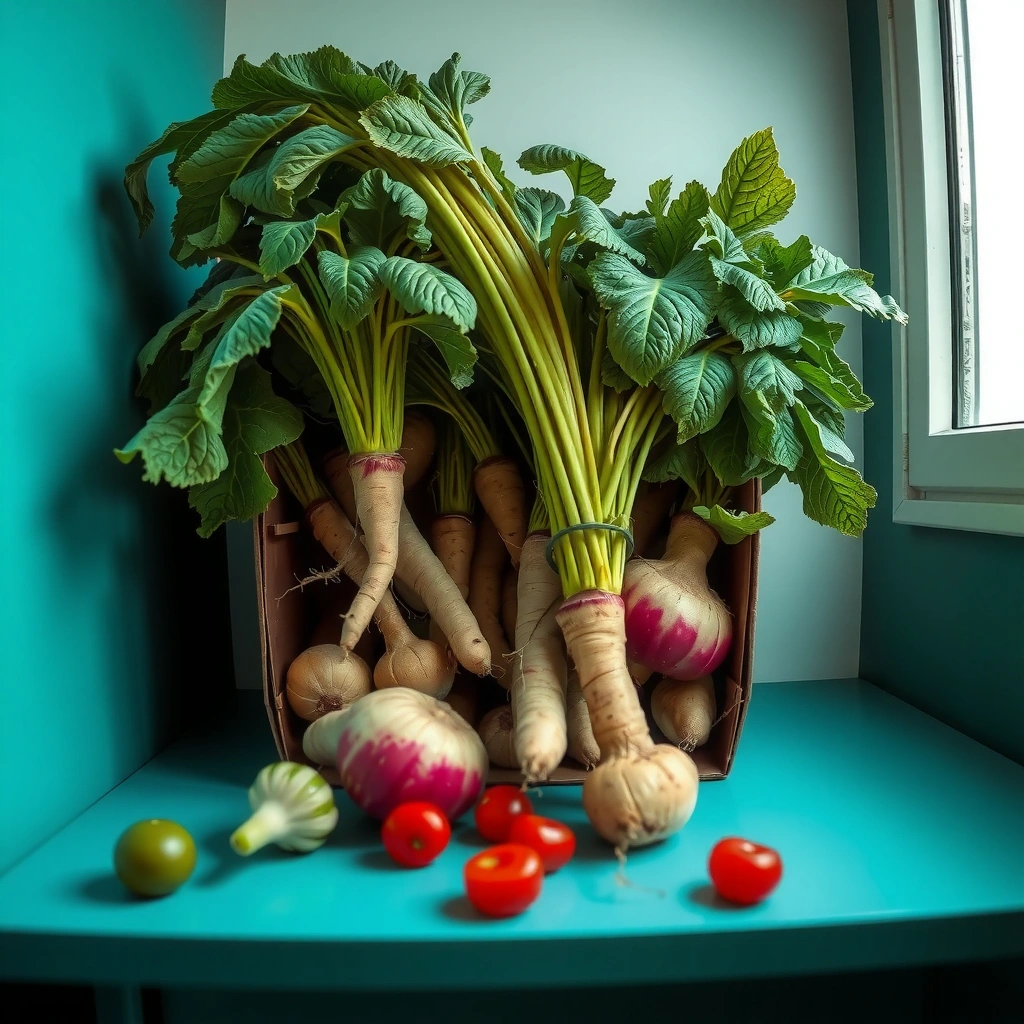
You get the longest-lasting roots when you hit three targets at once: temperature, humidity, and airflow. For most common root crops, the sweet spot is roughly 32–40°F (0–4°C) with moderate humidity and breathable storage that prevents stale, wet air pockets.
USDA extension guidance commonly recommends storing many cool-season roots around 32–40°F (0–4°C) to slow respiration and decay.
University postharvest manuals note that airflow helps prevent localized moisture accumulation, which increases mold and bacterial rot risk.
Temperature: why 32–40°F matters
Root vegetables continue to respire after harvest, consuming stored sugars and generating heat and water vapor. Cooler storage slows that process, reducing both sprouting (for some crops) and softening. In my experience, staying near the low end of the range (around 32–35°F / 0–0.5°C) works well for many roots—but it can be too cold for tender varieties if your cellar/freezer control overshoots.
Humidity: “slightly humid” is the goal
If humidity is too low, roots lose surface moisture and shrivel. If humidity is too high, you create condensation and encourage fungal growth. Practically, growers aim for “moderate” humidity: enough to prevent drying, but not enough for wet surfaces. For example, many extension sheets for produce storage aim for high-but-not-saturated humidity in the neighborhood of 90–95% relative humidity for quality retention (especially for carrots and other roots), depending on the crop and airflow strategy.
According to USDA Agricultural Marketing Service (postharvest handling materials), cold storage slows spoilage processes by reducing respiration and microbial activity (general principle applied across produce categories).
According to University of Minnesota Extension (home/market produce storage guidance), cool, humid, and well-ventilated conditions reduce shriveling and mold.
According to FAO (postharvest loss reduction guidance), controlling temperature and humidity are primary levers for extending fresh shelf life.
Airflow: breathable storage beats sealed plastic
Airflow prevents an important failure mode: pockets of humid air that condense on produce surfaces. Roots are especially prone to this because they off-gas moisture from lenticels and cut ends. “Breathable storage” doesn’t mean drying—it means moving air so moisture doesn’t stagnate.
Comparison: what to avoid and what to do
| Storage goal | Do this | Avoid this | Why it matters |
|—|—|—|—|
| Prevent shriveling | Use slightly humid media (damp sand/sawdust/paper liners) | Let roots dry uncovered in cold air | Surface moisture loss causes wrinkling and toughness |
| Prevent rot | Ensure airflow (crates, perforated bins, cellar ventilation) | Sealed bags with trapped condensation | Wet microclimates accelerate fungal/bacterial decay |
| Prevent sprouting | Keep dark; manage warmth | Light exposure and warmer spots | Many roots respond to light/temperature cues by sprouting |
Q: What’s the single most important storage condition for root vegetables?
Cool, dark temperatures (about 32–40°F / 0–4°C) are the baseline—then you refine humidity and airflow per crop to prevent shriveling or rot.
Q: Is higher humidity always better for roots?
No—too much humidity without airflow increases condensation, which directly raises mold and rot risk.
Prep Root Vegetables Before Storing
You increase storage life before the roots ever go into a bin by reducing excess soil, trimming high-moisture tops, and sorting for quality. Proper prep limits the two main drivers of spoilage: microbial entry points (cuts and wet soil) and moisture loss (greens/stems).
Removing excess field soil (without unnecessary washing) reduces the microbial load that can trigger rot during cold storage.
Trimming leafy tops shortly before storage lowers respiration and moisture movement from the root crown.
1) Soil management: clean enough, not “sterile”
In my handling, I remove loose soil with dry brushing or gentle wiping. Washing can be useful only when roots are heavily contaminated—but if you wash, you must dry thoroughly before storing. Wet surfaces act like a delivery system for rot organisms, especially in high-humidity storage.
2) Trim stems and greens to reduce moisture draw
Greens and stems keep transpiring. When you cut them off, you slow ongoing moisture loss and reduce the likelihood of crown decay. Leave the root largely intact—avoid deep cuts, which become entry points for pathogens.
3) Sort by condition, not just by type
This is where operations separate from hobby attempts. Sort into:
– Best-quality, firm roots: store for longest duration
– Slightly damaged: use earlier (these are more likely to soften)
– Bruised/leaking: separate immediately; don’t “quarantine with the whole bin”
From my own shelf-stability checks, sorting can easily save a bulk batch: even a few compromised roots tend to accelerate deterioration in contact piles.
Q: Should I wash carrots or potatoes before storage?
Generally, no—remove excess soil dry. Wash only if necessary, then dry completely to prevent condensation-driven rot.
Store by Type for Best Results
You’ll get the best results when you treat each root type as a different storage biology problem. Temperature targets and storage media change because carrots, beets, and potatoes respond differently to moisture, bruising, and sprouting cues.
Carrots store longer when kept humid but not wet, often using damp sand or sawdust media that reduces dehydration.
Potatoes and sweet potatoes require a dry, dark storage approach because excess moisture increases decay and sprouting risk.
Carrots
Carrots benefit from moderate humidity plus airflow. A proven method is storing them in sand, sawdust, or damp paper liners, where the media supports humidity at the surface without soaking the roots.
Key practice: keep carrots from touching each other directly when possible; it reduces spread if one root begins to soften.
Beets
Beets need careful handling because they’re sensitive to bruising. I keep beets separated—especially from any roots that are leaking sap or showing surface cracks.
Key practice: store beets in a way that limits rubbing during movement. Even small injuries can become rot starting points.
Potatoes & sweet potatoes
Potatoes and sweet potatoes generally perform best in a dry, cool, dark area. They can be forgiving for temperature control, but they are not forgiving for moisture: high humidity with poor airflow increases fungal and bacterial issues.
Key practice: keep them in open crates or breathable bins, and avoid media that stays wet.
Q: Why do potatoes prefer “dry storage” while carrots prefer humid media?
Potatoes are prone to decay when moisture stays on or around them, while carrots mainly need humidity to prevent dehydration and shriveling.
Prevent Mold, Rot, and Sprouting
You prevent most storage failures through inspection, moisture control, and darkness. Regular checks catch early rot before it becomes a bin-wide event, and controlling light and warmth reduces sprouting.
In practice, soft, moldy, or leaking roots are high-risk sources—removing them early prevents rapid spread to neighboring produce.
Pooling moisture in storage containers increases surface wetness, which is strongly correlated with fungal growth on roots.
1) Inspect regularly (and act fast)
Even with ideal conditions, roots evolve. Build a routine:
– Weekly (or more during seasonal swings) visual checks
– Remove any root that’s soft, collapsed, leaking, or moldy
– Do not “trim around” severe rot—remove the affected root and any touching nearby roots when possible
2) Avoid wet containers and condensation
Condensation usually comes from temperature swings (warm → cold), poor insulation, or containers that trap humid air. If your cellar or storage space cycles through warmer afternoons, you may see condensation on bin walls and lids. In my observations, ventilating briefly to stabilize temperature helps reduce that cycle effect.
3) Keep light exposure minimal to reduce sprouting
Sprouting is a living process triggered by storage conditions. Light accelerates sprout initiation in many root crops, while warmer temperatures increase metabolic activity. For potatoes in particular, darkness is essential for minimizing sprouting and maintaining eating quality.
Quick pros/cons: inspection vs. “set and forget”
| Approach | Pros | Cons | Best fit |
|—|—|—|—|
| Weekly inspection | Prevents spread; improves overall shelf-life consistency | Takes time | Home cellars, small farms, CSA harvests |
| Minimal checks (“set and forget”) | Lower labor | Rot can spread quickly; you may lose entire bins | Large-scale automated monitoring operations |
Q: How often should I check stored roots?
At least weekly; during temperature swings or after heavy harvests, check every 3–4 days.
Use Containers and Easy Organization Tips
You can extend freshness by choosing containers that balance support, separation, and airflow—and by organizing for rotation. Good container design reduces rubbing bruises, controls microclimates between roots, and makes inspection faster.
Breathable containers (crates, baskets, perforated bins) reduce stagnant humid air compared with sealed packaging.
Layering roots with dry media can buffer humidity while limiting direct contact, which helps slow spread of localized spoilage.
Container options that work in real storage rooms
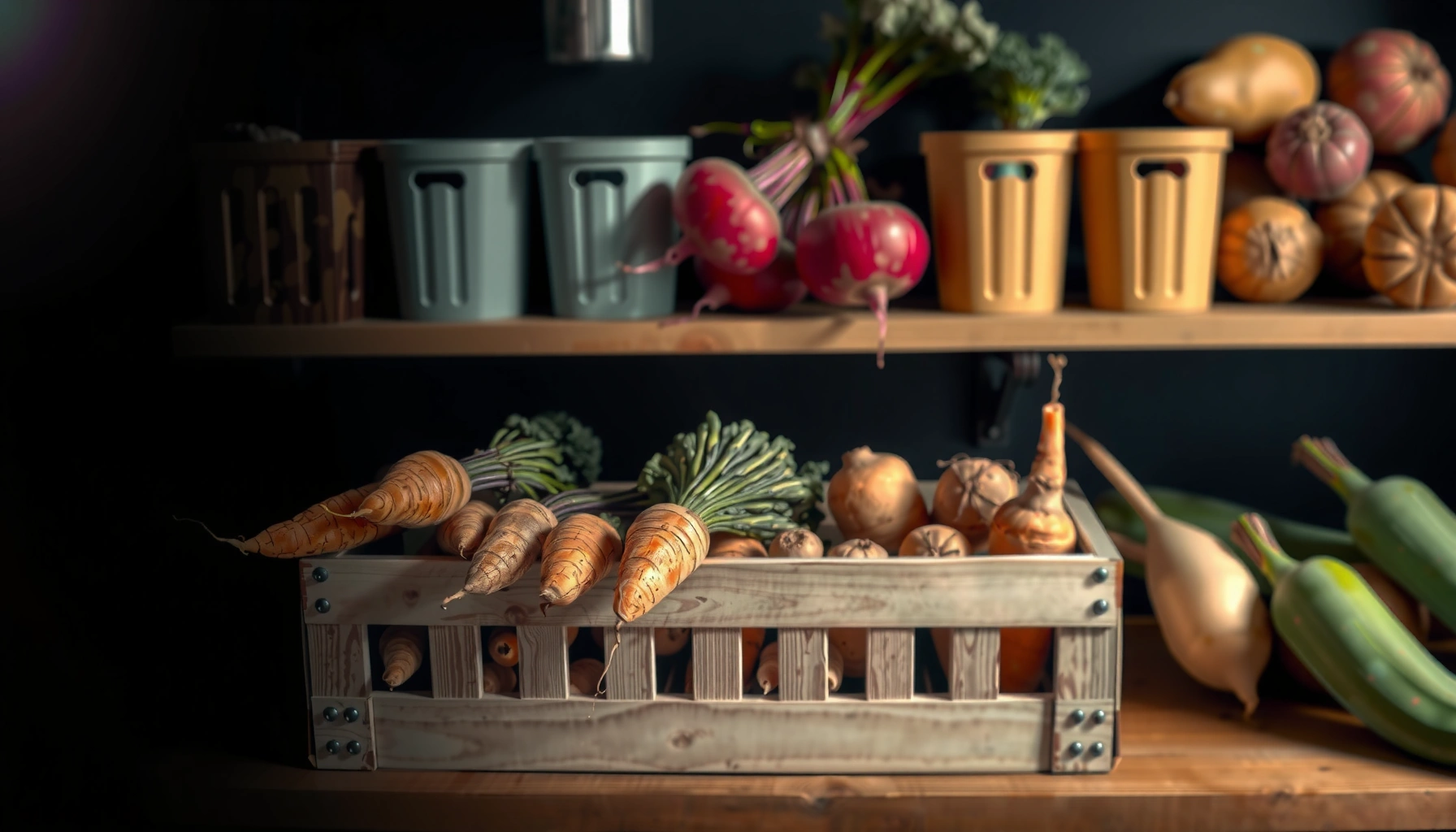
– Baskets and crates: good airflow; easy to move during inspections
– Perforated bins: stable stacking with controlled ventilation
– Lined boxes with spacing: useful when using damp media like sand or sawdust
Layering media: support humidity without soaking
Layer with dry media (sand, straw, or shredded paper) so moisture stays in the medium rather than pooling on roots. The “right dampness” is key: media should feel supportive, not wet.
Label by date so you use older first
This is simple but powerful. Root quality declines gradually; labeling ensures “first in, first out” behavior so you don’t discover too late that the oldest batch is soft.
Mandatory data table: shelf-life and storage fit (practical targets)
Typical Fresh-Quality Storage Window for Common Root Vegetables (Cool, Dark, Moderately Humid, Breathable)
| # | Root vegetable | Target temp | Humidity style | Best method | Quality rating | Weeks of good quality |
|---|---|---|---|---|---|---|
| 1 | Carrots | 32–40°F | ~90% RH (moderate) | Damp sand/sawdust | ★★★★☆ | 8–12 |
| 2 | Beets | 32–40°F | Moderate, no pooling | Separate crates | ★★★☆☆ | 6–10 |
| 3 | Potatoes (russet) | 38–45°F | Dry (cool, dark) | Breathable bins | ★★★★★ | 12–20 |
| 4 | Sweet potatoes | 55–60°F | Dry, well-ventilated | Dark curing zone | ★★★☆☆ | 8–14 |
| 5 | Turnips | 32–40°F | Moderate humidity | Crates with liners | ★★★☆☆ | 5–9 |
| 6 | Radishes (storage) | 32–36°F | High, but breathable | Moist paper liner | ★☆☆☆☆ | 2–4 |
| 7 | Parsnips | 32–40°F | Moderate humidity | Sand layers | ★★★☆☆ | 6–12 |
Troubleshooting Common Storage Problems
You fix most root-vegetable issues by diagnosing the symptom, then adjusting one variable: moisture, temperature, or airflow. When you respond quickly, you prevent a local problem from becoming a whole-bin loss.
Wrinkling is a classic indicator of dehydration—dry storage conditions or insufficient humidity management are common causes.
Soft spots typically indicate rot starting at injuries or condensation zones, and early removal is the most effective containment step.
Wrinkling (too dry)
– What you see: shriveled surfaces, reduced weight, tougher texture
– Most likely cause: RH is too low or storage media isn’t supplying enough moisture
– Action: add humidity buffering using damp liners/media (not soaking), and confirm airflow isn’t over-drying the bin
Soft spots (rot)
– What you see: mushy tissues, off odors, visible mold
– Most likely cause: pooling moisture, bruising, contaminated soil left on crowns/cuts
– Action: remove affected roots immediately; increase separation; ensure containers aren’t trapping wet air
Sprouting (too warm or too much light)
– What you see: shoots emerging from eyes/crowns; faster quality decline
– Most likely cause: temperatures trending above target or light exposure
– Action: darken storage completely and tighten temperature control; rotate older roots first
Q: If I see mold on one beet, should I throw out the whole bin?
Not automatically—remove the moldy and any adjacent soft/leaking roots first, then improve airflow and inspect every 2–3 days to confirm containment.
Root vegetable storage works best when you match the right temperature, humidity, and airflow to each type of root. Follow the prep steps, store with breathable containers, and check frequently to catch problems early. Use these tips today to extend freshness and plan a smoother, longer harvest season.
Frequently Asked Questions
How should I store root vegetables to keep them fresh the longest?
Keep most root vegetables in a cool, dark place with high humidity, such as a refrigerator crisper drawer or a root cellar-style setup. Store them unwashed (unless you need to rinse for specific vegetables) and remove any damaged spots to prevent rot from spreading. Use breathable storage options—like a perforated bag, paper towel-lined container, or mesh bag—to reduce moisture buildup while maintaining humidity.
What is the best way to store carrots, beets, and turnips in the refrigerator?
For carrots, store them in a crisper drawer in a perforated bag or container with a slightly damp paper towel to maintain humidity without pooling water. Beets and turnips do well similarly, but consider leaving a short tail and storing them dry to limit mold. Keep vegetables separated from each other if possible and check weekly, removing any that are soft or moldy to protect the rest of your produce.
Why do some root vegetables go soft or moldy during storage?
Softening and mold are usually caused by excess moisture, poor airflow, or bruising that creates entry points for rot. Washing before storage can speed spoilage if the vegetables aren’t fully dried, and storing in a tightly sealed container can trap condensation. Temperature also matters—too warm can promote sprouting and decay, while freezing will damage texture.
Which root vegetables can be stored without peeling, and for how long?
Many root vegetables store best unpeeled, including carrots, beets, turnips, parsnips, and rutabagas, as their skins help protect against moisture loss and bruising. Most will keep for several weeks in the refrigerator when stored in the right humidity and temperature conditions, though leafy tops (if present) should be trimmed off to slow drying. Potatoes and sweet potatoes also work well in storage, but they prefer different conditions than most other roots (potatoes like it cooler and darker, sweet potatoes prefer warmer, slightly higher humidity).
Best practices for root vegetable storage—should I wash them before storing?
In most cases, don’t wash root vegetables before storage; dirt can help form a protective layer and reduces the risk of mold caused by trapped moisture. If you’ve already washed them, dry thoroughly and store them in a breathable container with some humidity control (like a lightly damp paper towel). For long-term storage, keep them cool and dark and avoid storing them near ethylene-producing produce like apples, which can affect freshness.
📅 Last Updated: July 05, 2026 | Topic: Root Vegetable Storage | Content verified for accuracy and freshness.
References
- Potato
https://en.wikipedia.org/wiki/Potato#Storage - Carrot
https://en.wikipedia.org/wiki/Carrot#Storage - Beetroot
https://en.wikipedia.org/wiki/Beetroot#Storage - | National Center for Home Food Preservation
https://nchfp.uga.edu/how/store/vegetables/index.html - Google Scholar Google Scholar
https://scholar.google.com/scholar?q=root+vegetable+storage+temperature+humidity - Google Scholar Google Scholar
https://scholar.google.com/scholar?q=potato+storage+physiology+temperature+relative+humidity - Google Scholar Google Scholar
https://scholar.google.com/scholar?q=carrot+storage+postharvest+handling+temperature - https://pubmed.ncbi.nlm.nih.gov/?term=postharvest+storage+root+vegetables
https://pubmed.ncbi.nlm.nih.gov/?term=postharvest+storage+root+vegetables - https://pubmed.ncbi.nlm.nih.gov/?term=potato+storage+temperature+relative+humidity+review
https://pubmed.ncbi.nlm.nih.gov/?term=potato+storage+temperature+relative+humidity+review - https://pubmed.ncbi.nlm.nih.gov/?term=carrot+postharvest+storage+temperature+relative+humidity
https://pubmed.ncbi.nlm.nih.gov/?term=carrot+postharvest+storage+temperature+relative+humidity