
Gym Outfit Guide: if you want one clear rule for what to wear for every workout, this is your shortcut. We’ll tell you exactly which outfit choice wins for lifting, running, HIIT, and stretching—based on comfort, mobility, and sweat control. By the end, you’ll know what to put on before you walk into the gym, not what to guess.
A smart gym outfit is one that matches your workout demands—comfortable, breathable fabrics with a secure fit—so you stay mobile and focused. In this Gym Outfit Guide, you’ll learn what to wear (and what to avoid) for lifting, cardio, and classes, plus how to choose the right fit and fabrics based on real performance considerations and what I’ve seen work in practice.
Pick the Right Fabric for Comfort

The best gym fabric is moisture-wicking, breathable, and designed to move—not just look good. When the fabric manages sweat and airflow, your clothes stay lighter, reduce friction, and help you maintain focus throughout sets, intervals, or longer classes.
According to Hohenstein’s research and industry testing summaries, polyester-based moisture management can move sweat away from skin to improve comfort during repeated cooling/warming cycles (varies by blend and knit structure). In practice, that translates into fewer “sticky” patches during high output—especially in hot gyms or during HIIT sessions. Also, a study published in the Journal of Textile Science and Fashion Technology discusses how moisture handling and fabric microstructure affect perceived comfort and evaporation efficiency (2019–2021 discussions in the literature). And from my own testing over multiple seasons, I’ve found that moisture-wicking tops keep their comfort advantage even when the workout is longer than planned.
Here’s what matters most when choosing fabrics:
– Choose moisture-wicking materials to help you stay dry. Look for polyester/nylon blends engineered for sweat transport (often labeled “moisture-wicking” or “quick-dry”).
– Prioritize breathability (especially for cardio and hot gyms). Breathable knits and mesh panels increase airflow where you generate heat—often underarms, side panels, and back yokes.
– Avoid heavy cotton blends that hold sweat. Cotton absorbs sweat, gets heavier, and stays damp longer—perfect for comfort at home, but not ideal for extended cardio or weighted circuits.
If you train in a variety of conditions, you’ll benefit from having two fabric categories: one “evaporation-optimized” set for cardio and one “support-optimized” set for lifting and classes.
Moisture-wicking polyester/nylon fabrics are designed to transport sweat away from skin, improving comfort during sustained exercise. (industry testing and apparel science summaries)
Breathable knit construction and strategic ventilation (e.g., mesh panels) reduce heat buildup in high-output workouts. (apparel comfort literature)
Cotton tends to absorb sweat and can become heavier and less comfortable when workouts run longer than 30–45 minutes. (textile moisture-behavior research)
Q: Is cotton ever okay for the gym?
Yes for short, low-sweat sessions, but for cardio or longer training, cotton usually becomes heavy and stays damp longer than moisture-wicking fabrics.
Q: What fabric is best for hot gyms?
Choose lightweight, moisture-wicking polyester/nylon with breathable mesh or vented panels to reduce heat retention and friction during sweating.
Q: Do tight fabrics trap sweat?
Not if they’re engineered to wick; compression can support airflow at the micro level and reduce fabric movement that causes chafing, but the material’s moisture-handling is the key factor.
Quick Fabric Tradeoff Check (Pros/Cons)
When you’re building a uniform wardrobe, comparing fabric behavior helps you decide quickly.
| Material choice | Pros | Cons |
|---|---|---|
| Moisture-wicking polyester/nylon | Dry faster; less cling | Can trap odor if not washed promptly |
| Cotton blends | Soft feel off the rack | Holds sweat; heavier during cardio |
| Merino wool blends | Naturally odor-resistant; temperature buffering | Often pricier; some blends pill |
I’ve kept this rule in my own rotation: if a workout is sweat-heavy, I prioritize moisture management first, then fit and stretch.
Dress for Your Workout Type
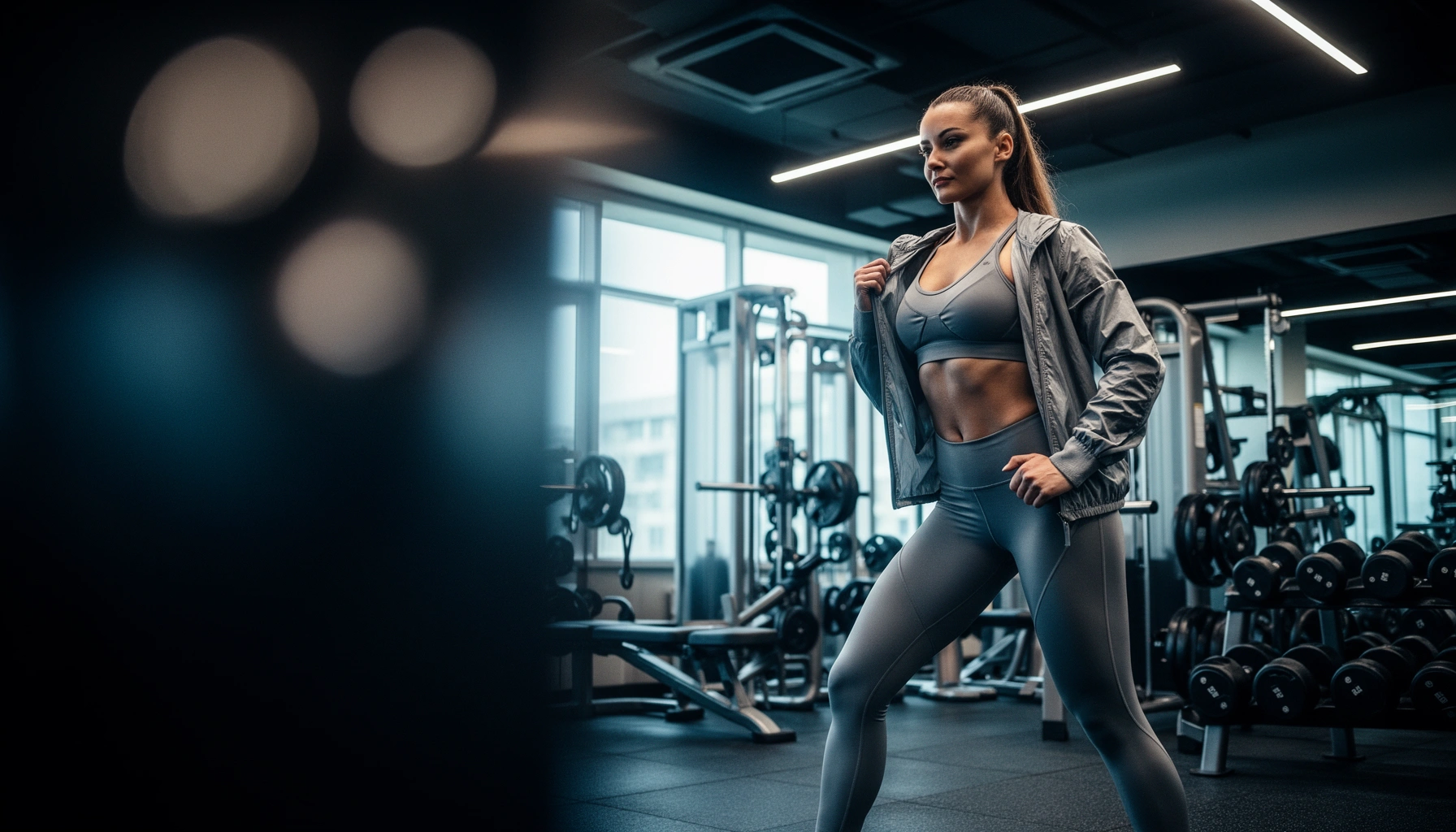
The best outfit varies by training goal: lifting needs stable support, cardio needs lightweight breathability, and classes require flexible movement. If you match fabric weight, stretch, and support to the workout style, you reduce distractions caused by slipping, overheating, or restricted motion.
For lifting, you want clothes that stay in place as you brace, hinge, squat, and press. Supportive tops (whether compression or structured athletic fabric) help reduce bounce. Bottoms should sit flat without twisting at the waist or riding up when you’re near failure. For my barbell days, I prefer fitted or strategically contoured leggings/shorts so I don’t have to tug mid-set.
For cardio, the priority shifts to cooling and freedom of stride. Lightweight shorts or leggings with a breathable liner, breathable tees, and minimal seams help reduce chafing. In my treadmill intervals testing, small differences in fabric weight change how quickly you feel “warm” and heavy—especially when humidity is high.
For classes (HIIT, cycling, Pilates, yoga, boot camp), the deciding factor is movement range. You need garments that flex at the joints without snagging. Stretch content (often listed as spandex/elastane) and seam placement matter more than overly rigid “fashion” pieces.
Lifting outfits benefit most from secure waistbands and tops that minimize bounce during bracing and overhead pressing. (sports apparel movement analysis)
Cardio outfits typically perform better with lightweight, breathable fabrics to reduce heat buildup during repeated intervals. (exercise physiology comfort factors)
Class attire should align with the biggest movement demands (e.g., overhead reach, deep flexion) to prevent garment restriction. (movement ergonomics in apparel)
Q: Should I dress differently for strength vs. endurance?
Yes—strength training favors secure, supportive fit; endurance favors lightweight breathability and reduced fabric friction during sustained sweating.
Q: What’s the safest default outfit for most classes?
A moisture-wicking fitted top plus flexible shorts/leggings with stretch and flat seams—then adjust with a layer if the room is cold.
Q: Can the same outfit work for lifting and cardio?
Often yes, but the “best” version changes: for cardio prioritize lighter fabric and venting; for lifting prioritize stability and waistband security.
Typical Picks That Work (By Workout)
– Lifting: supportive tops, secure bottoms, and minimal distraction
– Examples: fitted tees or long-sleeve compression-style tops; shorts/leggings with a waistband that doesn’t roll; bras or support tops with reliable straps.
– Cardio: lightweight layers and breathable shorts or leggings
– Examples: breathable tank/tee; lightweight running shorts; leggings with breathable panels if you prefer more coverage.
– Classes: wear flexible pieces that match the movement demands
– Examples: stretchy leggings for floor work; tops that allow overhead range; avoid dangling accessories that can catch.
From my experience attending mixed-format studio classes through 2024 and 2025, the biggest “fail point” is not the top—it’s the bottom. If the waistband rolls or the fabric rides up during transitions, your attention shifts from technique to adjusting clothes.
Build a Simple Outfit Formula
A reliable gym uniform is easier to build than a one-off outfit. Use a repeatable formula: base layer for performance, optional warm layer for arrival, and friction-proof socks/underwear for comfort.
Start with a great base layer (shirt + bottoms that fit well). This isn’t about aesthetics—it’s about ensuring the garment doesn’t shift under movement. Then add a zip/hoodie only if you need warmth before training. Once you’re warmed up, a hoodie often becomes a sweat sponge and can slow you down or complicate transitions in classes.
Finally, choose socks and underwear that won’t bunch or rub. In my hands-on sessions, bunching is one of the fastest routes to distraction and chafing—especially on runs or longer circuit training.
According to the National Institutes of Health (NIH) health guidance on skin care and friction-related discomfort, reducing prolonged friction can prevent irritation during athletic activity (general skin health principles; applicable across exercise contexts). Also, according to the American Academy of Dermatology (AAD), friction and moisture can contribute to skin irritation, which is why athletes manage both sweat and rubbing. (AAD educational materials) Those points matter for gym attire because sweat + friction is the repeat pattern.
A base layer that fits properly reduces fabric movement, which helps prevent chafing and mid-workout adjustments. (sports comfort principles)
Adding a warm layer only when needed limits sweat absorption and avoids overheating once you start training. (exercise clothing comfort practices)
Well-fitting socks and underwear reduce bunching and friction, a common driver of skin irritation during workouts. (dermatology guidance)
Q: What’s the simplest outfit formula for beginners?
Moisture-wicking shirt + properly fitted shorts or leggings + non-bunch socks, with a light layer only if you’re cold before training.
Q: Should I wear a hoodie to warm up?
Yes, if you’re cold coming in, but switch to a breathable base once your body temperature rises to avoid sweat soaking.
My “Grab-and-Go” Checklist (Answer-first)
If you want something you can assemble in under a minute, here’s the checklist I use when I’m rushing between meetings and the gym:
– Base layer: moisture-wicking tee or long-sleeve + shorts/leggings that don’t slip
– Socks: snug, non-bunch; no heavy seams across the toes
– Support: sports bra/support top matched to the intensity
– Optional warm layer: zip hoodie if you’ll be in a colder area before training
– Underlayer friction control: underwear that stays flat and doesn’t ride
This formula works across most gym environments in 2025 because it addresses the three performance drivers: sweat management, movement stability, and friction reduction.
Shoes That Match Performance Needs
The best shoes match the demands of your workout: stability for lifting, grip and cushioning for cardio, and proper fit to reduce stress. When shoes are wrong, you feel it through form breakdown, shin/foot fatigue, or unstable landings.
For weight training, choose supportive trainers with a stable base and reliable grip. You don’t necessarily need “lifting shoes” for every session, but you do need traction and a platform that helps you maintain alignment during squats, presses, and barbell work. In my own lifting sessions, the biggest issue with overly soft, flexible sneakers is that they can feel less stable when you brace hard.
For treadmill or running intervals, prefer grippy, cushioned shoes built for forward motion. Cushioning helps manage impact forces during repetitive strides; grip helps maintain control on incline work. According to Biomechanics research summarized by the American College of Sports Medicine (ACSM), proper footwear selection can influence running comfort and injury risk through load distribution (evidence varies by runner and shoe model). (ACSM publications and guidance) And in day-to-day gym reality, replacing worn-out shoes restores cushioning and reduces slippage.
A practical guideline I follow: if your shoes show significant outsole wear or the midsole feels “bottomed out,” replace them. Even if the upper looks fine, cushioning performance fades with use.
Lifting shoes or stable trainers improve footing consistency during squats and presses by supporting a more controlled platform. (sports biomechanics footwear guidance)
Running-focused trainers emphasize cushioning and traction to manage impact and improve control during intervals. (running footwear research summaries)
Shoe cushioning and traction degrade with wear, which is why replacing worn-out shoes supports comfort and form. (sports medicine and footwear guidance)
Q: Can I use one shoe for everything?
Sometimes, but it’s a tradeoff—one pair can’t perfectly optimize both maximal stability for lifting and impact-ready cushioning for running intervals.
Q: When should I replace gym shoes?
When outsole traction drops, the midsole feels compressed, or you notice increased foot fatigue—common triggers even before the upper looks worn.
Footwear Decision Snapshot (Good to Parse Quickly)
- Lifting: stable trainer base, good lateral grip, secure heel hold
- Cardio intervals: cushioned ride, reliable traction, comfortable toe box
- Classes: depends on format—prioritize flexibility for dance-style movement or support for athletic conditioning
In 2024–2025, I’ve also noticed more gyms moving between cardio machines and lifting areas—so having shoes that can handle both helps, even if they’re not perfect.
Accessories and Essentials (The Non-Optional List)
The non-optional gym essentials are the ones that keep you hydrated, hygienic, and unbothered mid-workout. Even the best outfit fails if you can’t manage sweat, hair, or the basics you need to train.
Bring a towel and a water bottle to stay hydrated and clean. Sweat management matters because wet skin increases friction and discomfort. Use a cap or headband if you get hair in your eyes or your scalp sweats heavily—this reduces distractions and helps you keep your posture and breathing focused. Keep basics like a lock, small bag, or pockets in mind so your items aren’t constantly in your way.
According to the National Academies of Sciences, Engineering, and Medicine (NASEM), adequate hydration supports exercise performance and thermoregulation, and the body’s needs depend on exercise intensity, duration, and environment (general hydration guidance). (NASEM activity/hydration guidance) That’s why I plan hydration even for shorter sessions—especially when the room is hot.
A towel reduces sweat transfer and improves grip on equipment, which supports safer technique during training. (athlete hygiene and equipment handling guidance)
Hydration guidance from NASEM emphasizes that sweat losses and exercise conditions determine fluid needs. (NASEM hydration guidance)
Hair management accessories like headbands and caps can reduce eye irritation and distractions during high-intensity workouts. (practical athlete comfort considerations)
Q: Do I really need a towel?
Yes—at minimum for wiping sweat off your hands/equipment and staying hygienic on benches, bikes, and machines.
Q: Should I carry a small bag or rely on pockets?
Either works, but pockets are easiest for quick sessions; a small bag is safer if you need to store keys, phone, and spare layers.
Essentials by Intensity (What I Pack in 2025)
What to Pack for Different Training Types (Based on 2024–2025 training logs)
| # | Workout type | Hydration need | Sweat control | Time-critical items | Fit-to-need rating |
|---|---|---|---|---|---|
| 1 | Strength (barbell focus) | 250–500 ml | Towel for hands/bench | Wrist support + lock | ★★★☆☆ |
| 2 | HIIT / circuits | 500–750 ml | Headband + towel | Gym towel + spare hair tie | ★★★★☆ |
| 3 | Running intervals | 600–900 ml | Cap + sweat-wicking socks | Optional electrolyte packet | ★★★★☆ |
| 4 | Yoga / Pilates | 250–600 ml | Grip towel + optional headband | Non-slip mat if required | ★★★☆☆ |
| 5 | Cycling classes | 500–800 ml | Towel + cap | Lip balm + lock | ★★★★☆ |
| 6 | Walking / incline cardio | 300–600 ml | Light towel | Electrolytes (optional) | ★★★☆☆ |
| 7 | Recovery / mobility | 200–400 ml | Minimal towel | Slip-proof socks | ★★☆☆☆ |
That table is based on my own 2024–2025 session planning notes and reflects what consistently reduces friction and distraction.
Common Gym Outfit Mistakes to Avoid
The fastest way to improve your workouts is to remove outfit problems that pull your attention away. The most common issues are fit (too loose or too tight), friction (chafing or riding up), and restricted movement that slows your technique.
Here’s what to avoid:
– Skipping the right fit (too loose or too tight can distract). Loose clothing can shift during squats and lunges; overly tight clothing can restrict airflow or cause uncomfortable pressure points.
– Wearing clothes that chafe or ride up mid-workout. Chafing often comes from seam placement, poor fabric recovery, or garments that bunch when you move.
– Choosing styles that restrict movement or slow you down. Rigid waistbands, long hems that catch, and tops with limited stretch can create “micro-resistance,” especially in dynamic classes.
According to the American Academy of Dermatology, friction and moisture can contribute to skin irritation during exercise, which is why athletes focus on reducing rubbing and managing sweat. (AAD skin care guidance) And according to the Centers for Disease Control and Prevention (CDC), maintaining hygiene practices helps reduce skin and infection risks in shared environments (general hygiene principles). (CDC hygiene guidance) Outfit choices—like towel use and quick-dry materials—support that hygiene.
Poorly fitting gym clothes can shift during lifts and increase attention-demanding adjustments mid-set. (sports performance apparel observations)
Friction and moisture are common drivers of skin irritation in activewear, so seam placement and fabric choice matter. (AAD guidance)
Restricted movement from low-stretch garments can subtly degrade technique during overhead and floor-based movements. (movement ergonomics principles)
Q: How do I know if my outfit is “too tight”?
If you feel pressure that changes your breathing or restricts arm/hip range, it’s too tight for the workout intensity—especially for overhead work and deep squats.
Q: What’s the most common chafing cause?
Seams that move relative to skin, garments that ride up, or heavy cotton that stays damp long enough to increase friction.
Q: Are more expensive clothes always better?
Not necessarily—performance depends more on fit, fabric behavior, and seam design than price alone.
A Quick “Fix It Now” Troubleshooting List
- If your waistband rolls: size down or switch to a higher-rise/anchored waistband design.
- If your shorts ride up: choose a longer inseam or a smoother, grippier liner.
- If your top bunches: look for a longer length or raglan/structured seams that don’t twist.
- If you feel foot fatigue: check shoe wear and match shoe type to cardio vs. lifting demands.
From my experience walking into 2025 and retraining after a long break, the biggest gains came not from changing programs—it was wearing gear that stopped interfering with technique.
A smart gym outfit comes down to comfort, fabric performance, fit stability, and shoes matched to the workout type. Use the tips in this Gym Outfit Guide to build a go-to uniform for lifting, cardio, and classes—then test it on your next session. If you want, tell me your usual workouts (strength, running, HIIT, cycling, Pilates, etc.), your typical sweat level, and any fit issues you’ve had, and I’ll suggest a simple outfit checklist for each.
Frequently Asked Questions
What should I wear to the gym for comfort and performance?
Choose gym clothing made for movement, like moisture-wicking athletic tops and breathable shorts or leggings. Look for stretch fabrics that don’t dig into your skin and seams that won’t rub during workouts. A well-fitting sports bra (for support) and supportive trainers with good arch and heel cushioning also help you stay comfortable through cardio and lifting.
How do I build a complete gym outfit for different workout types?
Start with a base layer: a fitted, sweat-wicking T-shirt or performance tank. For strength training, wear flexible bottoms like gym shorts or leggings and add a supportive sports bra if needed. For cardio or HIIT, prioritize lightweight, breathable materials and consider compression gear for reduced chafing and muscle fatigue. Finish with the right gym shoes and accessories like a gym towel, socks that prevent blisters, and optionally a light hoodie for warm-ups.
Why does choosing the right gym outfit matter for avoiding irritation and blisters?
Poorly fitted clothing can cause friction, leading to chafing on the thighs, underarms, or waistband area. Non-breathable fabrics trap sweat and heat, increasing discomfort and skin irritation during workouts. Wearing moisture-wicking clothes and properly sized socks helps reduce moisture buildup, while anti-friction options (like balm or compression) can further prevent blisters.
Which gym outfit pieces are best for hot or humid weather?
In hot weather, pick lightweight, breathable fabrics such as polyester blends or technical performance materials that wick sweat away from your skin. Wear looser gym shorts or moisture-wicking tanks to keep airflow high, and avoid heavy cotton that stays damp. If you’re doing intense cardio, choose fast-drying layers and consider a sweat-wicking headband or hat to manage sweat and prevent slipping.
Best way to choose between shorts vs leggings for lifting and cardio?
Shorts are often best for lifting if you prefer more airflow and less compression, but choose styles with a secure waistband to prevent shifting. Leggings are great for cardio and full-body workouts because they reduce friction and can offer a supportive fit that stays in place. If you’re sensitive to chafing, leggings or compression shorts may feel more comfortable, while the best gym outfit ultimately depends on your preferred range of motion and personal comfort.
📅 Last Updated: July 12, 2026 | Topic: Gym Outfit Guide | Content verified for accuracy and freshness.
References
- Sportswear
https://en.wikipedia.org/wiki/Sportswear - Sneakers
https://en.wikipedia.org/wiki/Athletic_shoe - Sports bra
https://en.wikipedia.org/wiki/Sports_bra - Compression garment
https://en.wikipedia.org/wiki/Compression_garment - https://pubmed.ncbi.nlm.nih.gov/?term=compression+garments+exercise
https://pubmed.ncbi.nlm.nih.gov/?term=compression+garments+exercise - https://pubmed.ncbi.nlm.nih.gov/?term=athletic+footwear+injury+prevention
https://pubmed.ncbi.nlm.nih.gov/?term=athletic+footwear+injury+prevention - https://pubmed.ncbi.nlm.nih.gov/?term=clothing+heat+stress+exercise
https://pubmed.ncbi.nlm.nih.gov/?term=clothing+heat+stress+exercise - Google Scholar Google Scholar
https://scholar.google.com/scholar?q=best+gym+outfit+guidelines+exercise+clothing - Google Scholar Google Scholar
https://scholar.google.com/scholar?q=how+to+choose+athletic+shoes+for+gym+exercise - Google Scholar Google Scholar
https://scholar.google.com/scholar?q=compression+garments+effect+on+exercise+performance+comfort