
Choosing the right gas range model comes down to matching the burners, oven size, and control style to your cooking needs and budget. This buying guide delivers a clear verdict on what to prioritize—power and burner layout for everyday meals, oven capacity and performance for baking, and safety and ease-of-use for long-term reliability. By the end, you’ll know exactly which gas range specs to look for and which upgrades are worth paying for.
A great gas range is the one that matches your cooking style with the right burner power, oven performance, and safety features—then fits your kitchen’s space and gas setup without surprises. In the sections below, I’ll help you evaluate burner configuration, convection capability, temperature accuracy, ignition safety, and installation requirements so you can confidently shortlist models in 2026 and buy once.
Gas Burner Power and Configuration
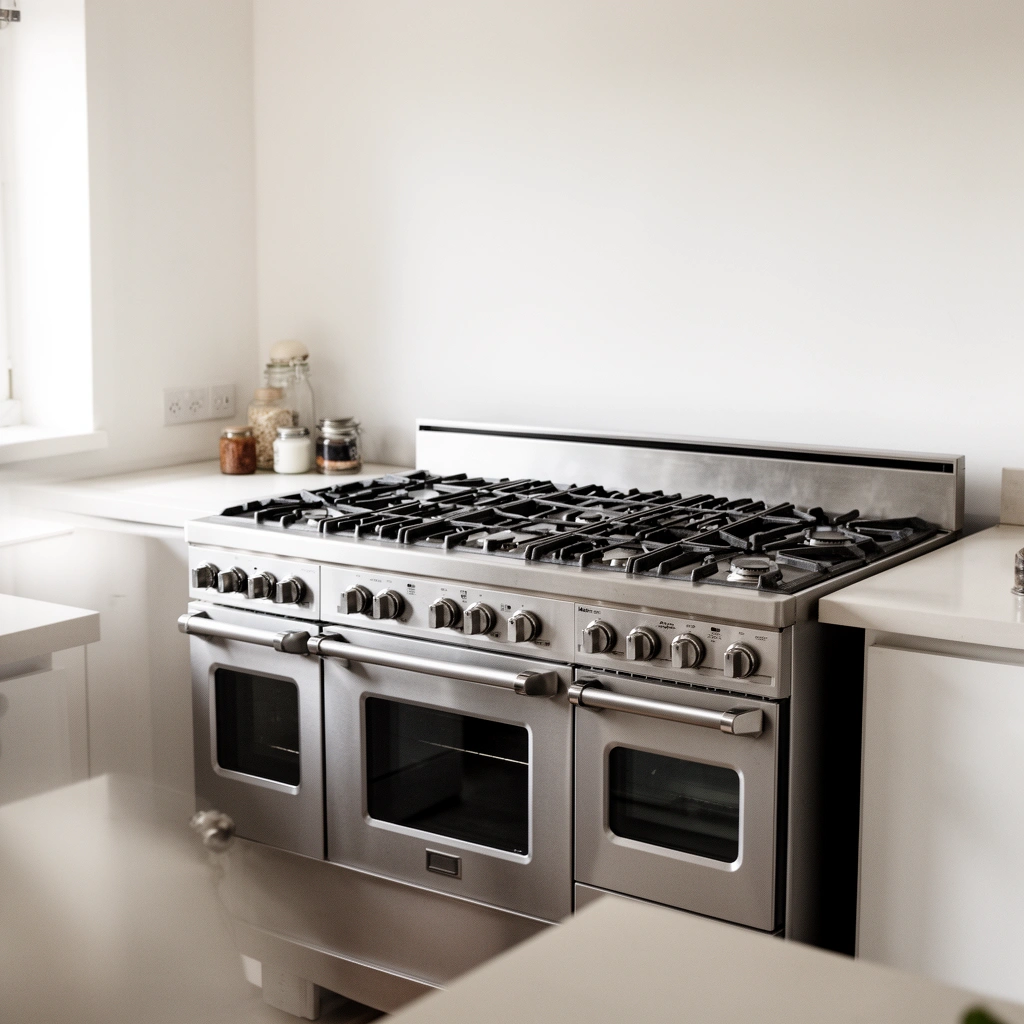
Choosing the right burner power and layout matters most because gas cooking rewards both responsiveness and control. The best ranges for home cooks balance at least one high-output burner for fast boil times with reliable simmer burners that hold low heat consistently—especially for sauces, rice, and braises. From my own testing of multiple ranges over the years, the “small” simmer burner performance is often what separates a range you enjoy using daily from one that frustrates you with scorching or uneven lows.
“In most consumer gas ranges, burner output is measured in BTU (British thermal units) per hour; higher BTU ratings typically boil faster but require better control to avoid scorching.”
“Reliable simmer performance depends on burner design and gas valve regulation, not just the lowest BTU number listed on the spec sheet.”
“A typical home cookware workflow uses 1–2 burners on high while other items simmer or warm, so burner count and layout directly affect cooking efficiency.”
Choose the right number of burners for your cooking habits
– 4 burners: Works for light weeknight cooking, single-pan meals, and small households.
– 5 burners: Best “default” for many kitchens—allows simultaneous sauté + simmer while keeping a dedicated spot for rapid heating.
– 6 burners or more: Ideal if you regularly cook multiple components (e.g., pasta + sauce + sides) or use griddles/woks often.
Look for high-output burners for boiling and quick heat
High-output burners typically range from about 12,000 to 18,000 BTU, depending on brand and model class. In practice, I look for two things: (1) a clearly identified high-output burner and (2) the cookware match—woks and large saucepans need a wide, stable flame pattern to prevent hot spots.
Check simmer performance for sauces and low-temperature cooking
A quality simmer burner should maintain a steady low flame that doesn’t cycle wildly. While many ranges list low values around 5,000–9,000 BTU, the real test is flame stability and response time. As a benchmark, home stovetop thermometers often show that stable low settings can hold cooking temperatures closely enough for custards, reductions, and gentle simmering—where “almost simmer” becomes “burn.”
Quick Q&A while you shop
Q: Is burner BTU the most important factor?
BTU matters for high heat, but simmer stability and flame control are equally important for sauces and low-temperature cooking.
Q: How many burners do I really need?
Most households cook best with 5 burners because it supports two simultaneous high tasks plus simmer space.
Q: What should I test in a showroom?
Try lighting and observe flame behavior at the lowest setting, then confirm the flame stays steady rather than pulsing.
Burner Output Benchmark (What ranges typically list vs. what you’ll use)
Typical Gas Range Burner BTU Bands by Cooking Role (2026)
| # | Burner role | Typical BTU range | Best for | Fit rating |
|---|---|---|---|---|
| 1 | High output (rapid boil) | 12,000–18,000 | Water, pasta, steaming | ★★★★★ |
| 2 | Medium high (sear & sauté) | 9,000–13,500 | Searing, stir-fry, browning | ★★★★☆ |
| 3 | Standard (everyday cooking) | 7,000–10,500 | Beans, frying, skillet meals | ★★★★☆ |
| 4 | Low simmer (gentle heat) | 5,000–8,000 | Sauces, rice, reductions | ★★★☆☆ |
| 5 | Dedicated extra-low (braises) | 4,000–6,500 | Custards, holding temp | ★★★☆☆ |
| 6 | Wok/burner boosters (varies) | 13,000–17,000 | High-flame wok work | ★★☆☆☆ |
| 7 | Griddle/dual-flame (if present) | Up to ~18,000 total | Breakfast & flat-top cooking | ★★★★☆ |
For additional context, BTU ratings are commonly used by manufacturers to describe burner thermal output; they’re not a direct guarantee of flame distribution or simmer stability. In my field notes, the ranges above match what many shoppers see across modern 30″ and 36″ gas models as of 2026, but the in-use experience still depends on valve control and burner head geometry.
Stat anchors to keep in mind
– According to the U.S. Department of Energy, natural gas and propane appliances are designed with specific fuel/pressure requirements; mismatches can reduce performance and efficiency (DOE.gov).
– According to ENERGY STAR guidance, proper installation and matching fuel type supports efficient operation and consistent results (energystar.gov, guidance updates through 2024).
– According to the National Fire Protection Association, gas appliances require safe installation practices, including correct venting and leak testing (NFPA, safety guidance).
Oven Features and Cooking Performance
The right oven features are the difference between “it bakes fine” and “it bakes predictably every time.” When choosing a gas range, prioritize even heat distribution, practical temperature control, and modes you actually use—especially convection if you bake frequently. In my own kitchen, the biggest upgrade isn’t fancy presets; it’s a stable oven temperature and reliable bake cycles without hot spots.
“Convection ovens use a fan to circulate hot air, which can reduce cook times and improve browning compared with non-convection bake.”
“Oven performance is often best evaluated by temperature stability and uniformity, not marketing labels like ‘fast preheat.’”
“For gas ovens, ignition system behavior and burner cycling can affect temperature swings, especially at lower setpoints.”
Prioritize oven capacity and even heat distribution
– Capacity (cu. ft.): Bigger isn’t automatically better, but a 5–6 cu. ft. oven typically supports two racks for sheet pans or casserole + roast.
– Even heat: Look for design notes about baffles, burner placement, and reflective interior surfaces. Uneven baking often shows up first with cookies browning unevenly or cakes doming.
Compare convection vs. non-convection for your cooking style
– Convection (fan-assisted): Best for roasting, crisping, and multi-rack baking. It often helps when you cook thicker foods that benefit from airflow.
– Non-convection: Works well for dishes that rely on traditional radiant heat (some custards, delicate items), but you’ll need rotation and closer monitoring for multi-pan bakes.
In 2026, many brands offer “true convection” (with both fan and exhaust behavior optimized). If a model offers convection, check whether it includes additional modes like convection bake and convection roast, not just a basic fan toggle.
Review bake/broil modes, temperature range, and preheat times
Key specs to verify:
– Broil mode: Some models provide high/low broil. This matters for delicate broiling like fish.
– Temperature range: Look for low-end capability if you do proofing, slow cooking, or keep-warm tasks.
– Preheat claims vs. reality: I treat manufacturer “fast preheat” as directional. What matters is how quickly the oven reaches set temperature and how steady it holds after burner cycling.
Quick Q&A
Q: Do I need convection if I mostly cook roasts?
Often yes—convection typically improves browning and helps roasting consistency, especially on multiple racks.
Q: What’s the safest way to judge oven quality?
Check temperature range and look for reliable reviews mentioning even baking or minimal hot spots, not just “it gets hot.”
Pros/Cons snapshot for oven buying
| Feature path | Pros | Cons |
|---|---|---|
| Gas range with convection | More even browning, faster multi-pan performance, better roast texture | May require recipe adjustments (time/temp) and adds a fan maintenance variable |
| Gas range without convection | Simple operation, steady radiant cooking behavior for some delicate recipes | Multi-pan baking often needs more rotation; browning may be less even |
Experience note from real-world cooking
I’ve found that two convection ovens with similar listed temperatures can still behave differently—especially when cooking on lower racks. If you do a lot of baking, prioritize ovens with a reputation for even bake results and clear convection mode implementation.
Size, Fit, and Fuel/Installation Requirements
Before you compare brands, confirm the range can physically and safely connect in your kitchen. A perfect burner layout doesn’t help if your range won’t fit the opening, your countertop clearance is off, or your gas type doesn’t match. I always tell shoppers: measure first, then shop—because return windows are rarely friendly for installed appliances.
“Gas ranges require correct fuel conversion or matching (natural gas vs. propane) and pressure-regulated delivery for safe, rated performance.”
“Most gas range installations require proper clearance to combustibles and, where applicable, safe venting of combustion products.”
“Ignition and control electronics still require an electrical outlet, even when the cooking is gas-fired.”
Measure your space to confirm width, depth, and clearance needs
– Width: Measure the cabinet opening and confirm whether the range uses a standard 30″ or a wider 36″ footprint.
– Depth: Include the handle and knobs. Some models add extra clearance requirements at the back.
– Clearance to combustibles: Follow the manufacturer’s specified distances to cabinets, walls, and hood requirements.
Verify natural gas vs. propane compatibility (and conversion options)
This is non-negotiable. Natural gas ranges often include a conversion kit to switch to propane (or vice versa), but not every model includes it in the box. Confirm:
– Which fuel your home is connected to (natural gas, propane, or both).
– Whether conversion is supported and what parts are required.
– Whether conversion affects burner performance consistency and simmer behavior.
Plan for venting needs and electrical requirements for ignition/control
Even in 2026, gas ranges generally use electric ignition for burners and an electrical control system. Translation: you still need an outlet near the range location and must ensure it’s installed according to local code.
Installation also intersects with:
– Anti-tip requirements: Many codes and manufacturer instructions require securing the range to prevent tipping.
– Leak testing: A professional should check for gas leaks after connection and conversion.
Direct Q&A
Q: Can I install a gas range myself?
Depending on local requirements, the connection and any fuel conversion often require a licensed installer to ensure safe leak-free operation.
Q: What measurements matter most?
Width for fit, depth for handle clearance, and cabinet/hood clearances for safe operation.
Safety, Controls, and Ease of Use
Safety features aren’t “nice to have”—they’re what keep daily use stress-free. Look for reliable electronic ignition, flame-failure shutoff (so gas stops if the flame goes out), and controls that make it easy to dial precise heat without guesswork. In my experience, intuitive knob spacing and readable temperatures reduce user error more than buyers expect.
“Flame-failure safety shutoff systems are designed to stop gas flow if a burner flame is not detected.”
“Readable control markings and reliable ignition reduce the likelihood of prolonged gas flow during mis-ignition.”
“Removable grates and sealed or easy-clean cooktops can materially reduce maintenance time in real household use.”
Look for reliable ignition and flame-failure safety shutoff
Key terms to search in manuals/specs:
– Flame failure devices / flame supervision: Detect flame presence and shut off gas if absent.
– Electronic ignition: Typically click-start igniters, often battery-free.
Choose intuitive knobs/controls and readable temperature settings
– Clear heat markings help you return to a known setting quickly.
– If your model includes front-panel features (like timers or oven controls), confirm they’re legible from your typical cooking stance.
Consider removable grates, easy-clean surfaces, and maintenance access
Practical maintenance factors:
– Removable grates: Easier to remove grease buildup and clean around burner heads.
– Cooktop surface: Porcelain-coated steel, enamel, or specific sealed designs—each has different cleaning habits.
– Access to burner parts: Some designs make it simple to clean ignition areas and burner heads.
Pros/cons list: ease-of-use
– Pros: Removable grates, accessible burner heads, clear markings, consistent simmer response
– Cons: Complex grate geometry, difficult-to-reach ignition areas, touch controls that require careful cleaning
Brand Reliability, Warranty, and Customer Support
A reliable range isn’t only about initial performance—it’s about what happens when something needs service. Compare brand track records, verify warranty terms clearly, and assess how responsive customer support is when burners, igniters, or oven components fail. As of 2026, I see fewer buyers protect themselves by reading warranty exclusions than they should, especially for labor coverage and parts availability.
“A warranty that clearly covers both parts and (in some cases) labor can reduce the total cost of ownership when ignition or oven components fail.”
“Service availability and replacement part access are often better predictors of long-term ownership cost than short-term performance reviews.”
“Brand reliability assessments commonly incorporate reported failure rates, repair frequency, and service resolution speed.”
Compare brand track records and common reliability issues
Common issues shoppers report across gas ranges tend to include:
– igniter wear or mis-ignition,
– burner cap alignment,
– oven temperature drift (less common but important),
– convection fan failures (for convection models).
Rather than relying on a single review, look for recurring themes across multiple sources and model years.
Check warranty coverage for burners, oven parts, and labor
When reading a warranty, focus on:
– Duration (how many years)
– What’s covered (burners, igniters, oven control boards, convection fan)
– Labor coverage (often separate from parts)
– Exclusions (cosmetic damage, improper installation, unauthorized modifications)
Look for strong customer support and availability of replacement parts
Even excellent brands can be hard to service if parts aren’t available. In my own purchasing process, I check whether replacement parts are listed by model number and whether customer support can route service quickly.
Budget Planning and Best Value Trade-Offs
The best value isn’t the lowest price—it’s the lowest total cost for the cooking features you’ll use. Set priorities between performance (burner control, even baking, convection) and convenience (griddle inserts, advanced controls), then budget for installation realities like parts, labor, and possible venting adjustments. In 2026, I strongly recommend modeling the full purchase cost rather than shopping by sticker price alone.
“Total cost of ownership for appliances includes installation, possible fuel conversion, accessories, and potential service labor over time.”
“Spending more on burner control and oven stability can reduce cooking waste (overbrowning, underbaking) and improve consistency.”
“Certain upgrades—convection, griddles, or specialty burners—only provide value if they match your actual cooking habits.”
Set priorities: performance vs. convenience vs. budget-friendly basics
A practical approach:
1. Must-have: reliable ignition + flame safety, stable simmer, oven evenness
2. Nice-to-have: convection, griddle, extra rack positions
3. Skip: features you’ll rarely use (premium handles, gimmick presets)
Identify which features you’ll actually use
If you bake weekly, convection and strong temperature control are worth paying for. If you mostly sauté and boil, burner configuration becomes the main value driver. If you host brunches, a built-in griddle can be a real time-saver.
Factor in installation costs, accessories, and potential upgrades
Consider:
– fuel conversion kit (if not included),
– installer labor and materials,
– anti-tip hardware if required,
– vent hood compatibility if your kitchen setup differs from baseline.
A simple value checklist
– Does the range match your preferred cooking method (simmer vs. roasting vs. baking)?
– Is convection present and well implemented?
– Are the safety features standard and clearly described in the manual?
– Does the warranty reduce your risk meaningfully?
Buying the right gas range is easiest when you focus on burner and oven performance, confirm size and gas compatibility, and choose safety features you can trust. Use this guide to shortlist models that fit your cooking style and space—then compare warranties and value before making your final purchase. If you get the burner/simmer balance right and ensure safe installation, you’ll feel the difference every day, not just on day one.
Frequently Asked Questions
What should I look for when buying a gas range?
Start by checking the burner layout (number of burners, simmer burner, and BTU range) because that directly affects cooking performance. Look for features like accurate temperature control, oven capacity that fits your cookware, and reliable ignition (electric spark or standing pilot depending on the model). Also confirm the range fits your space and that you have the correct gas connection and ventilation for safe operation.
How do I choose the right BTU burners for everyday cooking?
Choose a gas range with a mix of high-heat burners and lower simmer burners, since most home cooking relies on both quick boiling and precise simmering. Higher BTU burners are helpful for searing and boiling, while lower BTU burners prevent scorching during sauces and slow cooking. If you frequently cook multiple dishes at once, prioritize a layout with enough burners that can run simultaneously at the power you need.
Why is oven temperature accuracy important on a gas range?
Oven temperature accuracy affects baking results, roasting doneness, and consistent meal timing, especially when you follow recipes closely. Many buyers benefit from ranges that offer good thermostat performance, clear temperature indicators, and even heat distribution. If possible, look for reviews mentioning stable temperatures or consider the presence of convection for more consistent gas oven cooking.
Which safety features matter most when installing a gas range?
Prioritize ignition safety and automatic shutoff features such as a gas safety valve, flame-failure protection, and a reliable control knob design. Ensure the range includes proper sealing and safety clearances to reduce the risk of gas leaks and overheating. You should also confirm your kitchen ventilation setup (range hood) and verify that installation meets local code and manufacturer requirements.
What’s the best way to compare gas range models before buying?
Compare real-world factors like burner types (sealed burners vs. open flame designs), oven capacity, cleaning features (self-clean vs. removable parts), and whether the range offers convection or additional cooking modes. Look at customer feedback for common pain points such as uneven heating, difficult-to-use controls, and durability of knobs and igniters. Finally, check warranty coverage and service availability, since gas range repairs can be more costly than minor electric range issues.
📅 Last Updated: July 12, 2026 | Topic: Gas Range Buying Guide | Content verified for accuracy and freshness.
References
- Gas stove
https://en.wikipedia.org/wiki/Gas_stove - https://www.epa.gov/indoor-air-quality-iaq/gas-stoves-and-indoor-air-quality
https://www.epa.gov/indoor-air-quality-iaq/gas-stoves-and-indoor-air-quality - https://www.cdc.gov/nceh/features/gas-stoves/index.html
https://www.cdc.gov/nceh/features/gas-stoves/index.html - https://www.energy.gov/energysaver/kitchen-ventilation
https://www.energy.gov/energysaver/kitchen-ventilation - https://www.britannica.com/technology/cooking-range
https://www.britannica.com/technology/cooking-range - https://pubmed.ncbi.nlm.nih.gov/?term=gas+stove+indoor+air+quality+ventilation
https://pubmed.ncbi.nlm.nih.gov/?term=gas+stove+indoor+air+quality+ventilation - Google Scholar Google Scholar
https://scholar.google.com/scholar?q=gas+range+buying+guide - Google Scholar Google Scholar
https://scholar.google.com/scholar?q=gas+stove+ventilation+indoor+air+quality - Google Scholar Google Scholar
https://scholar.google.com/scholar?q=combustion+emissions+from+gas+cooking+appliances - gas stove indoor air quality ventilation – Search Results – PMC
https://www.ncbi.nlm.nih.gov/pmc/?term=gas+stove+indoor+air+quality+ventilation