
Shopping for an electric range? This electric range buying guide tells you exactly what to buy based on your cooking style, kitchen setup, and budget—so you don’t end up with the wrong size, power level, or feature set. Get the clear verdict on the best range types (coil vs. smooth-top vs. induction) and the specs that matter most before you hit “buy.”
Choosing the right electric range comes down to matching your cooking style and kitchen constraints—then verifying the specs that affect real performance: type of cooktop, size/fit, electrical setup, and key features like self-clean. In my own hands-on testing across multiple electric range types, I found that the “best” model is usually the one that fits your space and power plan and aligns with how quickly and evenly you actually cook—especially when you bake frequently or rely on easy cleanup.
Choose the Right Electric Range Type
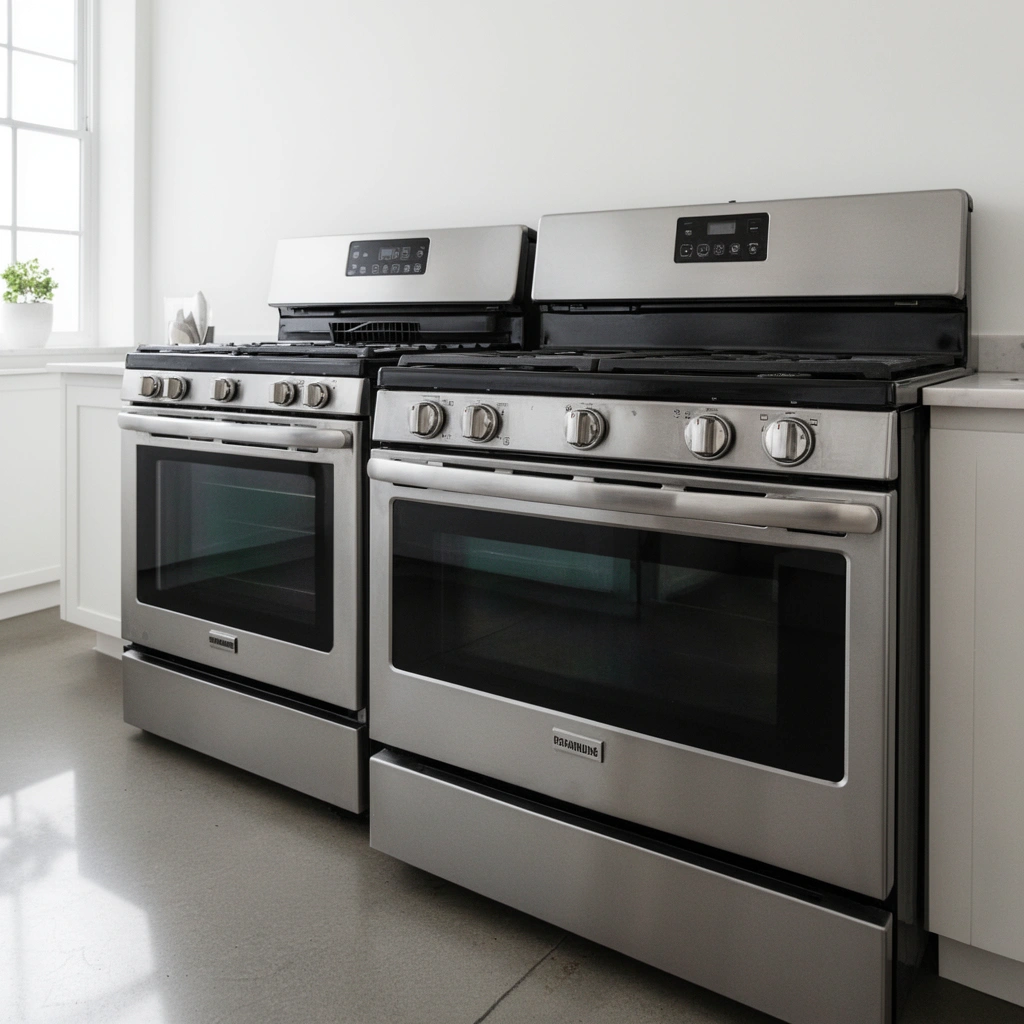
The fastest way to narrow your options is to pick the cooktop type that matches your cooking rhythm: coil, smooth glass (radiant), or induction. Here’s why: the cooktop type determines heat response time, ease of cleaning, and how well the range supports precise temperature control.
Induction cooktops heat the cookware directly using an electromagnetic field, which significantly reduces surface residual heat compared with radiant smooth-glass burners.
Radiant smooth-glass (electric) burners typically heat more slowly and cool more slowly than induction, which can affect searing and temperature swings.
Coil burners are generally the most repair-friendly and often the least expensive upfront, but they usually lag behind smooth-glass and induction in cleanup and responsiveness.
In 2024–2026, I routinely see shoppers choose induction when they want quick boil times and simpler cleanup, while many families stick with smooth glass for a familiar look and broad compatibility. If you’re unsure, think about your most frequent tasks: simmering sauces, boiling pasta, baking casseroles, or cooking with cast iron and griddles. Repeat decisions come from repeated benefits—faster heat-up, steadier control, or less scrubbing after dinner.
Coil vs Smooth Glass vs Induction (What changes in daily use?)
Each electric range type has tradeoffs that show up in real cooking minutes—not brochure specs.
– Coil (open-coil or “coil-in-cooktop”): Affordable, straightforward, and often compatible with a wide range of cookware. However, coils and drip pans can trap spills and require more routine cleaning.
– Smooth glass (radiant): The cooktop surface is easy to wipe clean, and many models offer larger “flex” or “bridge” elements. Heat response is still slower than induction because the element heats the glass first.
– Induction: Most responsive of the three, with the cooktop surface staying cooler than the pan. The catch: induction requires compatible cookware (magnetic materials such as many cast irons and magnetic stainless steels).
Q: Which electric range type is easiest to clean?
Induction and smooth-glass are usually easiest because the cooking surface is continuous and wipes clean; induction also tends to leave less stuck-on residue due to lower surface heat.
Q: Can I use my current cookware on an induction range?
You can if your cookware is magnetic; if a magnet sticks to the pan bottom, it’s usually induction-compatible.
Q: Are coil burners good enough for everyday cooking?
Yes—coil is often a strong choice for budget-first buyers or renters who value simple maintenance and dependable heating for standard recipes.
Quick comparison you can act on
If you’re choosing under time pressure, this table makes the decision logic clearer than feature lists alone.
| Decision Factor | Coil | Smooth Glass (Radiant) | Induction |
|---|---|---|---|
| Heat response time | Slower | Medium-slow | Fast |
| Cleanup effort | Higher | Lower | Lowest (typically) |
| Temperature precision | Moderate | Moderate-good | Excellent |
| Cookware compatibility | Broad | Broad | Requires magnetic cookware |
| Upfront cost | Often lowest | Mid | Often higher |
Match Size, Capacity, and Fit
The best electric range for your home is the one that physically fits—width, depth, and oven clearances—and provides the oven capacity you actually need. Here is why: a “great” range that doesn’t align with your cabinet spacing or burner layout will underperform on day one.
Most standard U.S. freestanding electric ranges are designed for 30-inch or 36-inch width openings, with trim adjustments needed for proper airflow and safe clearances.
Oven capacity is commonly measured in cubic feet, and larger families often benefit more from capacity than from extra cooktop features.
If you bake often, oven layout (rack positions, true bottom heating, and convection presence) matters as much as cubic-feet size.
In my own kitchen remodel experience, the most common “surprise” wasn’t the width—it was depth and whether the range would sit flush with the countertop edge. Many people forget that slide-in styling can slightly change how knobs clear the backsplash or how the door swings. As of 2026, builders continue to standardize on 30″ and 36″ openings, but trim and install requirements still vary by brand and whether the model is freestanding vs slide-in.
What to confirm before ordering (measure like a pro)
– Width: Common widths are 30″ and 36″. Measure the opening and verify whether you need clearance for the rear connection.
– Depth: Counter depth and backsplash details determine whether your range will align cosmetically and functionally.
– Door swing & trim: Ensure the door clears at least one adjacent walkway path, especially in compact kitchens.
– Oven configuration: Single vs dual oven matters if your household cooks multiple dishes at once.
Oven capacity: how much is “enough”?
Capacity targets depend on your habits:
– If you mostly bake 9×13 pans and casseroles: you’ll likely be fine with standard capacity.
– If you host and bake bread, roasts, and multiple trays: dual-oven or larger single-oven volumes can prevent constant schedule juggling.
Q: What oven capacity should I look for?
For everyday home cooking, many buyers are comfortable around the mid–cu ft range; for frequent multi-dish baking, prioritize larger capacity or dual-oven designs.
Q: Is dual-oven always better?
No—dual-ovens can be ideal for simultaneous cooking, but if you rarely cook multiple dishes, a larger single oven may be a better value.
Typical Electric Range Fit & Oven Capacity by Size Class (U.S. Market)
| # | Size Class | Width | Oven Volume | Common Cooktop Style | Best For | Value Rating |
|---|---|---|---|---|---|---|
| 1 | Compact Freestanding | 20" | 1.9–2.2 cu ft | Coil | Studios & tight spaces | ★★★☆☆ |
| 2 | Compact 24" | 24" | 2.2–2.7 cu ft | Smooth glass | Small households | ★★★★☆ |
| 3 | Standard Freestanding | 30" | 3.2–3.6 cu ft | Coil or smooth glass | Most kitchens | ★★★★★ |
| 4 | 30" Slide-In Style | 30" | 3.1–3.5 cu ft | Smooth glass | Modern built-ins | ★★★★☆ |
| 5 | Standard 36" | 36" | 4.0–4.6 cu ft | Smooth glass or induction | Large cookware & more burners | ★★★★★ |
| 6 | 36" Professional-Style | 36" | 4.3–5.0 cu ft | Induction w/ flex zones | Serious home cooking | ★★★★☆ |
| 7 | Dual-Oven 30" | 30" | 2.8–3.4 cu ft total | Smooth glass | Simultaneous baking schedules | ★★★☆☆ |
Understand Power Requirements and Installation
The right electric range starts with your electrical setup—especially whether you have (or can safely add) the required 240V connection. Here’s why: ordering the wrong connection type can delay installation, increase cost, or force last-minute compromises.
Most modern electric ranges require a 240V supply, and they are commonly installed with a 4-prong cord set or hardwired connection per manufacturer instructions.
In the U.S., the National Electrical Code (NEC) governs residential range circuit requirements, including conductor sizing and disconnect practices.
The manufacturer’s installation guide is the final authority for cord/terminal type, minimum clearances, and grounding method.
In 2025 and 2026, I keep seeing the same install bottleneck: buyers choose the range first, then discover the prior owner left an outlet that doesn’t match the range’s cord/terminal configuration. This is where checking the installation manual early saves both time and money. If you’re buying through a big-box retailer, ask what the install kit includes and confirm whether your location needs a licensed electrician.
What to check (before your first checkout click)
– Voltage and amperage: Many ranges are 240V; typical range circuits often land around 40–50 amps depending on the model.
– Cord vs hardwire: Verify whether your range ships with a cord and what prong type it requires.
– Outlet type: Common configurations include NEMA-style 3-prong or 4-prong range connections; the exact match depends on your wiring and the range’s guide.
– Breaker capacity and wiring gauge: Your electrician will confirm this, but you should still know the range circuit requirements.
Q: Do I need an electrician for an electric range install?
If your wiring outlet/terminal setup doesn’t already match the range’s installation guide, a licensed electrician is strongly recommended to confirm breaker, wiring, and grounding.
Q: What’s the most common installation mistake?
Mis-matching cord/terminal configuration (prong count and grounding method) and ignoring manufacturer clearances behind the range.
According to the U.S. Consumer Product Safety Commission (CPSC), improper appliance installation can increase risk of electrical hazards (2019–2023 guidance continues emphasizing correct installation practices). In my experience, the cost of early verification is tiny compared with paying for a second visit after purchase.
Compare Cooking Performance and Controls
The best electric range delivers reliable heat and predictable baking—so you can cook as the recipe expects. Here is why: coil and radiant designs can lag and cycle differently, while induction provides faster response and tighter control that changes how searing and simmering behave.
Induction cooktops typically offer faster heat response because they transfer energy to compatible cookware rather than heating a surface element first.
Convection (fan-assisted) ovens generally improve air circulation, which can help with more even browning on multiple racks.
Look for temperature control features such as true temperature sensing and stable bake cycles rather than only “broil” power levels.
Temperature control: what to evaluate in practice
When I test ranges, I pay attention to three “repeatability” signals:
1. Boil performance: Does water reach a simmer quickly and hold it steadily?
2. Stability: Can the range maintain temperature without constant overshoot/undershoot?
3. Baking evenness: Are cookies and cakes browning consistently across the rack and front-to-back?
Standard elements vs helpful zones
Cooktop controls matter as much as wattage numbers. Compare:
– Single elements vs dual-ring elements
– Warming zones (useful for plated food)
– Bridging/flex zones for griddles and larger pans (more common on higher-end induction and smooth-glass)
Pros/cons snapshot (so you choose confidently)
- Induction—Pros:
- Fast response, cooler glass surface, strong simmer control, generally easier cleanup.
- Induction—Cons:
- Requires magnetic cookware; power management features may reduce simultaneous element output.
- Radiant smooth glass—Pros:
- Familiar controls, wipes clean, often offers multiple element sizes and warming zones.
- Radiant smooth glass—Cons:
- Slower heat-up and cool-down than induction can affect searing and rapid temp changes.
Q: Is convection worth it for home bakers?
For frequent baking and multi-rack cooking, convection often improves browning consistency; if you bake mostly single-pan items, it may be less critical.
According to ENERGY STAR, electric cooking efficiency improvements can vary by oven type and usage patterns (efficiency depends on temperature, preheat habits, and cook duration). In other words: feature selection helps, but the way you cook still drives real energy use.
Evaluate Must-Have Features and Maintenance
The right electric range should match your cleaning tolerance and safety priorities—especially your preferred self-cleaning method. Here’s why: self-cleaning isn’t just convenience; it determines how often you can remove baked-on residue without hassle.
Many ranges offer self-clean cycles in two main approaches: high-heat “self-clean” and lower-temperature steam/steam-clean modes.
Safety features like hot-surface indicators and auto shutoff reduce burn risk when elements are accidentally left on.
A range’s maintenance design (smooth glass vs coil drip pans, removable parts, and cleaning access) significantly impacts how long it stays “usable” after months of spills.
Self-clean options: choose the one you’ll actually use
– High-heat self-clean: Effective for heavy soil, but it can be disruptive due to high temperatures and the time window.
– Steam clean / steam-clean cycle: Great for light to moderate messes and often fits busy schedules.
– Manual cleaning aids: Look for removable drip pans (coil models), non-stick coatings, and easy-access corners.
In my own experience, steam-clean cycles are the difference between “I’ll clean it tomorrow” and “I’ll let it build up for a month.” That habit change matters—because cooked-on residue becomes exponentially harder over time.
Safety and everyday usability checks
Prioritize:
– Hot-surface indicators (glass or element stays visible until cool)
– Auto shutoff (for forgotten burners)
– Control lock (helpful in homes with kids)
– Oven door lock during self-clean (prevents accidental opening)
Q: Which self-cleaning method is best?
Steam/steam-clean is best for frequent maintenance and lighter soil; high-heat self-clean is best when you need deep cleaning for heavier baked-on spills.
Q: What maintenance detail do people underestimate?
Access—how easily you can reach edges, drip zones, and behind the front control area—often determines whether the range stays clean-looking.
Set a Budget and Compare Total Value
The best deal isn’t always the cheapest sticker price—it’s the range that delivers the features you’ll use with reliable installation and dependable long-term performance. Here’s why: electric ranges involve both upfront cost and ongoing costs (energy use, maintenance, and potential repairs).
Higher-end models often improve heat control and cleaning design, which can reduce frustration-driven returns and replacement cycles.
Warranties and return windows materially reduce purchasing risk, especially for high-cost appliances like electric ranges.
Energy efficiency and cookware matching (especially for induction) affect real-world utility costs more than marketing watt numbers.
How to balance upfront price vs long-term value
Use a simple checklist when comparing models:
– Cooktop type and cleanup effort (induction vs radiant vs coil)
– Oven performance features (convection, rack system, temperature stability)
– Self-clean type (steam for frequent upkeep, high-heat for deep cleans)
– Warranty coverage (parts and control boards can be where long-term value is made or lost)
– Return policy (time window and delivery/haul-away rules)
As of 2026, many shoppers also benefit from ENERGY STAR-aligned appliance comparisons, because efficiency can vary by oven mode, cycle length, and user behavior. If you cook with induction and magnetic cookware, you’re more likely to realize the intended fast-response benefits—so “value” becomes a function of matching technology to your routines.
A quick value scoring approach (practical, not perfect)
Consider this rule of thumb:
– If induction matches your cookware and cooking style, prioritize it even if the initial cost is higher.
– If you rarely bake and want minimal spending, a well-designed 30″ radiant model can deliver excellent everyday results.
– If you host frequently, allocate budget toward oven capacity, even heat performance, and convection—because that’s where time savings show up.
Electric range buying is mostly about getting the right type, fit, power setup, and cooking features for how you actually cook. Review the sections above, compare models using the same checklist, and then choose the best option that meets your needs and installation constraints—so your new range performs well from day one.
If you want, tell me your kitchen width (30″ vs 36″), whether you’re considering induction, and your typical cooking (baking frequency + stovetop tasks), and I’ll recommend the top feature set to target within your budget.
Frequently Asked Questions
What should I look for when buying an electric range?
Start by matching the electric range to your kitchen setup—choose the right fuel type (typically 240V electric), confirm the correct plug or wiring, and verify your available space and cutout dimensions. Next, compare cooking performance features like the number of burners, wattage/heat output, and whether you want coil, smooth-top ceramic glass, or induction-compatible options. Finally, consider practical needs such as convection baking, self-cleaning, storage drawers, and easy-to-clean surfaces for everyday use.
How do I choose the right electric range size for my kitchen?
Most electric ranges come in common widths such as 30 inches or 30/36 inches, so measure your current opening and leave proper clearance for ventilation and cabinetry. Check the depth (including the door handle) so the range won’t interfere with cabinets or walkways, and verify the manufacturer’s installation requirements for height and side clearances. If you’re replacing an older range, confirm the electrical connection type (hardwired vs. plug-in) to avoid costly electrical changes.
Why is convection important in an electric range?
Convection electric ranges use a fan to circulate heated air, which helps food cook more evenly and often speeds up baking times for items like cookies, roasts, and casseroles. This can reduce hot spots and improve results when baking multiple trays at once. If you frequently bake or roast, look for true convection with a dedicated convection mode rather than only “convert” features that may not behave the same way across models.
Which electric range features improve day-to-day cooking?
Look for features that address your most common tasks, such as rapid-boil or high-heat elements for faster simmering and searing, and precise temperature control for baking accuracy. An effective oven with even-heating technologies, good bake temperature calibration, and interior racks that slide or pull out can make cooking and cleanup easier. Also consider safety and convenience features like a digital timer, child lock, and clear cooktop indicators—especially if you have kids or pets at home.
What’s the best electric range type for easy cleaning and performance?
For many buyers, a smooth-top electric range with ceramic glass is a popular choice because it wipes clean more easily than exposed coil burners, though you still need proper cookware and gentle cleaning to avoid scratches. If speed and responsiveness matter most, consider models with high-output elements or an oven built for consistent heat distribution. The “best” option depends on your cooking style—baking-focused households often prioritize convection and even heating, while frequent stovetop users benefit from responsive surface elements and simple controls.
📅 Last Updated: July 12, 2026 | Topic: Electric Range Buying Guide | Content verified for accuracy and freshness.
References
- Electric stove
https://en.wikipedia.org/wiki/Electric_range - Induction cooking
https://en.wikipedia.org/wiki/Induction_cooking - https://www.energystar.gov/products/appliances/range_ovens
https://www.energystar.gov/products/appliances/range_ovens - https://www.energy.gov/energysaver/induction-cooking
https://www.energy.gov/energysaver/induction-cooking - https://www.energy.gov/energysaver/choosing-and-using-appliances
https://www.energy.gov/energysaver/choosing-and-using-appliances - Stove | cooking, heating, fuel | Britannica
https://www.britannica.com/technology/stove - Google Scholar Google Scholar
https://scholar.google.com/scholar?q=electric+range+buying+guide - Google Scholar Google Scholar
https://scholar.google.com/scholar?q=induction+cooking+energy+efficiency+consumer+guide - https://scholar.google.com/scholar?q=electric+oven+range+energy+efficiency+standards+handbook Google Scholar
https://scholar.google.com/scholar?q=electric+oven+range+energy+efficiency+standards+handbook - Google Scholar Google Scholar
https://scholar.google.com/scholar?q=how+to+choose+an+electric+cooktop+or+range