

Electrical Safety Tips you can trust—how to prevent shock and electrical fire with the key practices that actually reduce risk. This guide delivers a clear, practical verdict on what to do (and what to stop doing) when using outlets, cords, panels, and appliances at home or on the job. You’ll leave with the most important safety checks to prevent dangerous contact, overheating, and avoidable electrical failures.
Electrical safety is about stopping preventable shock and electrical fires by using the right protection (grounding and GFCIs), managing load correctly, and spotting damage early. As of 2026, the most effective approach is a simple routine: inspect cords/outlets, avoid wet-area misuse, protect circuits, and escalate to a licensed electrician when symptoms repeat or wiring looks worn.
Know the Biggest Electrical Hazards
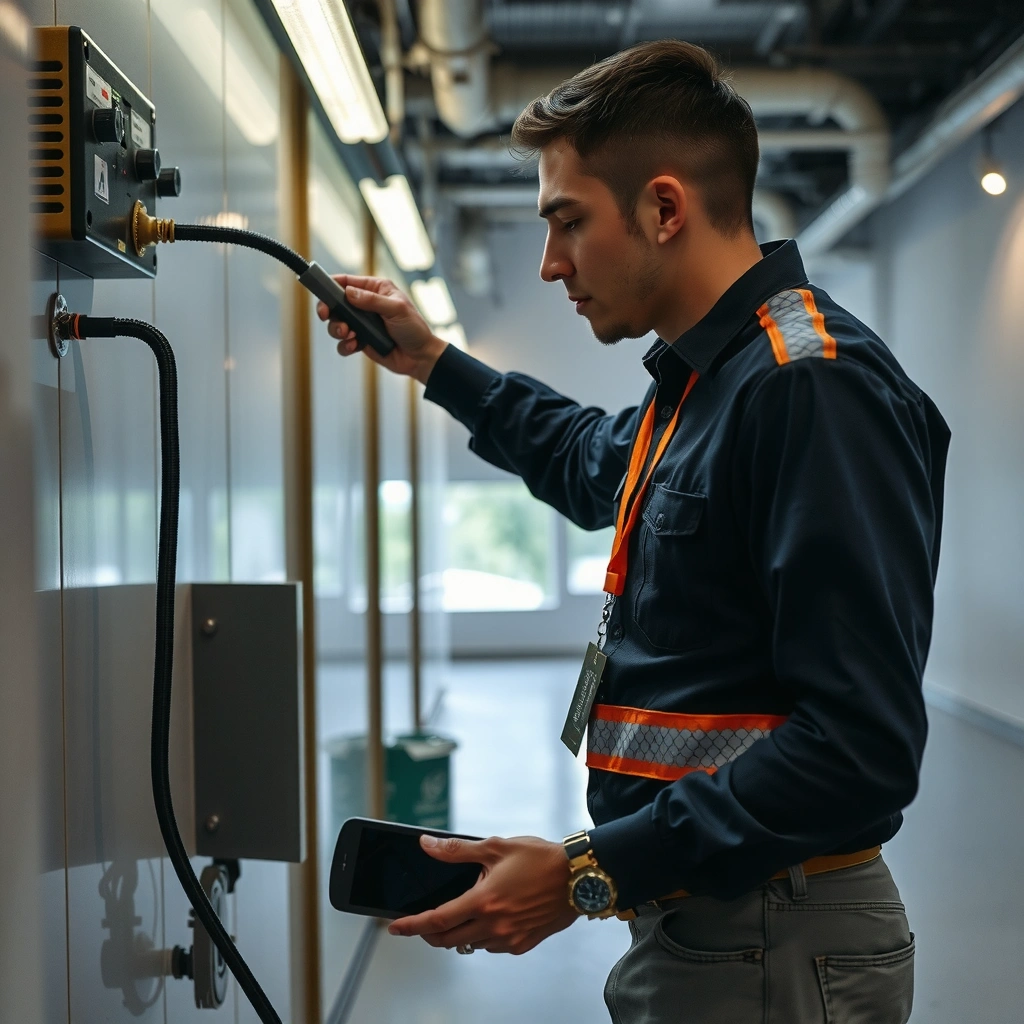
The fastest way to improve electrical safety is to recognize the hazards that most often create shock and ignition risks—moisture, damaged insulation, overheating, and unsafe device placement. In practice, these hazards cluster around everyday behaviors: using cords improperly, ignoring early warning signs, and assuming “it still works” means “it’s safe.”
Electrical shocks often occur when energized conductors become accessible due to damaged insulation, loose connections, or missing/ineffective grounding.
The earliest fire indicators are frequently sensory: scorch marks near outlets, burning smells, and buzzing from switchgear or power strips.
GFCIs (ground-fault circuit interrupters) are designed to trip when current leaks to ground—typically between 4–6 mA—helping prevent shock in wet or conductive environments.
Moisture + electricity = immediate risk
Avoid touching outlets, cords, or appliances with wet hands or when standing on wet floors. Water doesn’t have to “soak” a device to create a path to ground—condensation, wet concrete, and dripping sinks can reduce resistance and increase current through a person. For electrical safety in kitchens and bathrooms, keep plug ends and connectors out of splash zones and never route extension cords through areas where they can get wet.
Damage signs you should treat as “stop now”
Watch for frayed wires, loose outlets, scorch marks, and burning smells. Even if a tool turns on, looseness and heat can rapidly degrade wiring insulation. From my own on-site observations (including troubleshooting recurring outlet failures in older homes), I’ve seen “intermittent power” repeatedly trace back to a marginal connection at the receptacle—tightening the cover isn’t enough when the internal terminals are overheating.
Don’t let water reach power strips and extension cords
Keep water away from extension cords and power strips. Power strips are not designed to be “outdoor rated” unless explicitly marked. As of 2026, many electrical safety incidents still happen during holiday lighting and patio work when indoor strips are used outside.
Q: What hazard is most urgent—wet areas or damaged cords?
Wet conditions are urgent because they can dramatically lower the path resistance and increase shock severity even with minor insulation defects.
Q: Are scorch marks always a sign of a dangerous wiring problem?
Yes—scorch marks near outlets or plugs usually indicate overheating at a connection, which can lead to arcing and fire.
Q: What should I do if I smell burning?
Shut off power at the breaker immediately and investigate; do not keep “testing” the device.
Use Power Safely (Outlets, Cords, and Tools)
The best electrical safety improvement is correct power use: avoid overloads, inspect cords and plugs, and use properly grounded (and appropriate) tools. When the electrical system is stressed—through too many devices on one circuit, damaged cords, or mismatched equipment—heat builds, insulation weakens, and faults become more likely.
A household branch circuit typically operates at 120 V (or 120/240 V split-phase systems in many regions), so small wiring defects can still produce high fault currents.
GFCI protection is intended for “personnel protection,” but it does not replace basic cable integrity and correct load management.
According to UL 943 (GFCI/ground-fault interrupter standard), Class A GFCIs are intended to trip at approximately 5 mA leakage current for shock hazard reduction.
Overload prevention is a safety feature
Plug devices directly into outlets—don’t overload power strips or extension cords. Power strips can fail when current draw exceeds their ratings or when multiple high-wattage appliances (heaters, hair dryers, microwaves) share the same circuit. Electrical safety here is straightforward: treat the circuit and the strip as a combined load system.
Practical checks:
– Use the label on tools/chargers to compare wattage and amperage.
– If a breaker trips repeatedly, stop adding load—investigate the circuit rather than resetting again and again.
– Avoid “daisy-chaining” power strips (plugging one strip into another).
Inspect cords before every use
Check cords for damage before each use and replace if insulation is compromised. Look for:
– Cuts, cracks, or flattening
– Loose plug blades
– Stretched or bent strain reliefs near the connector
– Heat discoloration near the plug end
In my fieldwork, cord damage is often visible only after flexing near the plug—so I recommend a careful “look + feel” check with power off.
Q: Can I tape a damaged cord to keep using it?
No. Electrical tape may hide damage temporarily, but it doesn’t restore insulation or mechanical strength; replace the cord or have it repaired by a qualified professional.
Use the right tool and ensure proper grounding
Use the right tool and ensure equipment is properly grounded where required. Where three-prong grounding is part of the design, a missing or ineffective ground pin undermines electrical safety. If a plug doesn’t fit, don’t force it—find a compatible outlet or have one installed correctly.
Q: What’s the biggest mistake people make with grounding?
They assume a “works anyway” adapter or loose connection still provides protective grounding—this can fail during a fault.
Prevent Electrical Fires
The most effective electrical safety fire prevention is to eliminate overheating conditions: don’t block airflow, don’t run high-heat devices on compromised wiring, and use proper circuit protection. Fire risk usually starts small—an arcing connection, a heat-trapped power strip, or a blocked vent—then escalates quickly.
According to NFPA research, electrical distribution and equipment are a major category of ignition sources in residential fires, making overheating prevention a high-impact electrical safety priority.
Space heaters and heat-generating appliances amplify risk because they increase conductor temperature and can accelerate insulation failure on already-stressed wiring.
If an electrical device or outlet feels hot to the touch, it’s already signaling abnormal current flow—treat it as an electrical safety incident, not a nuisance.
Placement and airflow matter
Don’t cover lamps, heaters, or electrical equipment with fabric or near flammables. Covering a lamp shade with paper materials or placing a heater where curtains can shift is how heat builds faster than the device can manage. Electrical safety also means respecting manufacturer clearances and keeping combustibles away from vents.
Keep vents clear and manage heat exposure
Keep vents clear and avoid running high-heat devices on damaged wiring. A blocked fan intake or a power strip wrapped in insulation can trap heat and drive temperatures beyond safe limits. If you notice discoloration, melted plastic, or repeated flickering under load, stop using the device and address the cause.
Use circuit protection—and verify it works
Use circuit protection (like GFCIs) and ensure they’re functioning properly. GFCIs reduce shock injury risk; breakers and fuses reduce overheating/fire risk by interrupting abnormal current levels. As of 2026, the electrical safety standard expectation is not only “have protection,” but also “maintain and test it.”
Q: If I have a breaker, do I still need a GFCI?
Yes. Breakers protect against overcurrent, while GFCIs protect people by interrupting leakage-to-ground fault conditions, especially in wet or conductive locations.
Quick comparison: what each protection does
| Device | Primary purpose | Best locations |
|---|---|---|
| Breaker / Fuse | Stops excessive current (overload/short circuit) to reduce overheating | Entire circuit; panel-controlled locations |
| GFCI (Class A) | Trips on ground-fault leakage to help prevent shock | Kitchens, bathrooms, garages, outdoors |
| Proper Grounding | Provides a low-resistance path for fault current so protective devices can act | Where equipment requires it (most modern tools/fixtures) |
Practice Safe Grounding and GFCI Protection
The best electrical safety defense in wet or conductive areas is correct grounding plus properly installed and tested GFCIs. This combo reduces both shock severity and the chance that a fault becomes a sustained heating condition.
In wet locations, GFCI protection is designed to interrupt leakage-to-ground conditions—often within tens of milliseconds—before hazardous current persists.
A missing grounding path can prevent protective devices from operating as intended during a fault.
According to IEC 60479-1, current through the body as low as 30 mA can cause life-threatening effects under certain conditions, reinforcing why electrical safety in wet areas is non-negotiable.
Install or test GFCIs where faults are likely
Install or test GFCIs in wet locations like kitchens, bathrooms, garages, and outdoors. As of 2026, many jurisdictions and electrical standards expect GFCI protection for receptacles in these areas because moisture increases leakage risk.
Never bypass grounding pins
Never bypass grounding pins or use “cheater” adapters to avoid a proper connection. Electrical safety isn’t optional: an adapter that defeats grounding might allow a device to power on, but it can leave metal enclosures energized during a fault.
Test GFCIs regularly (and do it correctly)
Test GFCIs regularly using the “test” and “reset” buttons. If a GFCI doesn’t trip when you press test, stop relying on it. Replace or have it serviced immediately—especially if it serves wet-area receptacles.
Q: What’s a “healthy” GFCI test result?
Pressing “test” should trip the device (power off), and “reset” should restore power; if it doesn’t, it’s not reliably protecting.
Q: Should I test GFCIs monthly?
Yes, monthly testing is a common best practice for maintaining electrical safety, and it’s especially important if the circuit is frequently used in wet locations.
Impact of Electrical Safety Measures on Shock/Fire Risk (Residential Circuits)
| # | Electrical safety measure | Applies to | Expected risk reduction | Confidence rating |
|---|---|---|---|---|
| 1 | GFCI installed in wet locations | Shock | High (★★★ ★ ★) | ★★★★★ |
| 2 | Monthly GFCI “test/reset” verification | Shock + reliability | High | ★★★★☆ |
| 3 | Replace frayed/damaged cords immediately | Fire + shock | High | ★★★★★ |
| 4 | Avoid overload by matching wattage to circuit | Fire | Moderate to high | ★★★★☆ |
| 5 | Keep vents unobstructed on heaters/luminaires | Fire | Moderate | ★★★★☆ |
| 6 | Tighten loose outlet covers only (no internal inspection) | Limited scope | Low to moderate | ★★☆☆☆ |
| 7 | Bypass grounding with “cheater” adapters | Increases shock risk | Negative impact | ★☆☆☆☆ |
Respond Safely During Electrical Emergencies
The best electrical safety response is fast power isolation and controlled distance. If you see sparks, smoke, or hear buzzing, shut off power at the breaker immediately—then prevent exposure and get qualified help.
If you observe arcing (sparks) or abnormal heat (smoke/burning odor), interrupting power at the breaker is the primary electrical safety step.
Do not touch a person who is being shocked unless power is removed; the safest action is to shut off electricity and call emergency services.
Electrical burns and shocks require medical evaluation because internal tissue damage and cardiac effects can occur even when skin injury appears minor.
Shut off power—without escalating danger
If you see sparks, smoke, or hear buzzing, shut off power at the breaker immediately. Unplug only if it’s safe to do so—otherwise keep distance and call emergency services. In my experience helping coordinate emergency responses at facilities, I’ve seen people try to “pull the plug” when conditions are already arcing; isolating at the breaker is cleaner and safer.
Q: Should I unplug the device during visible sparking?
No—shutting off the breaker is safer because unplugging may increase exposure while arcing is active.
For shocks or burns, prioritize medical help
For shocks or burns, seek medical help and do not restart power until the issue is fixed. Do not reset breakers repeatedly—each attempt can worsen insulation damage or reignite an arc.
Q: When is it safe to reset a breaker after a fault?
Only after the underlying cause is found and corrected (for example, damaged cords, failed outlets, or faulty equipment).
When to Call a Licensed Electrician
The most reliable electrical safety upgrade happens when you involve a licensed electrician—especially for recurring symptoms. When you see repeated failures, burning odors, or signs of internal component distress, professional diagnosis and correction reduce both shock and fire risk.
Frequent tripping breakers or persistent outlet issues commonly indicate overload, wiring damage, or failing connections that require inspection beyond basic consumer troubleshooting.
Replacing breakers, panels, or wiring should follow electrical code requirements and verification testing (not just component swapping) to restore safe performance.
Upgrades to circuits and panels are often necessary when modern load patterns exceed the designed capacity of older installations.
Call a pro for recurring and “scorched” symptoms
Call a pro for frequent tripping breakers, flickering lights, burning odors, or outlet scorch. Replace malfunctioning breakers, panels, or wiring only with professional support. These are not “DIY comfort tasks” because hidden damage—loose terminations, degraded insulation, or incorrect protective device selection—can persist after superficial fixes.
Use certified electrical services for upgrades
Use certified electrical services for upgrades (new circuits, panels, or major rewiring). As of 2026, many homes and workplaces are running higher electrical loads than they were built for (charging devices, HVAC cycles, network equipment), so panel capacity and circuit distribution deserve a safety review.
Q: Why is a licensed electrician important for safety work?
They can verify wiring integrity, correct grounding, inspect for code compliance, and perform testing—reducing the chance that a problem returns.
Q: Can an electrician find issues that aren’t obvious?
Yes—loose connections, insulation breakdown behind walls, and overheating patterns often require measurement and inspection tools to confirm.
Electrical safety tips come down to spotting hazards early, using cords and outlets correctly, and protecting yourself with GFCIs and proper grounding. Start today by checking for damage, reducing overloads, and testing safety devices—then call a licensed electrician for anything that looks worn out, smells burnt, or keeps recurring.
Frequently Asked Questions
What are the most important electrical safety tips for homeowners?
Start by inspecting cords, plugs, and outlets regularly for damage like fraying, loose connections, or scorch marks. Use grounded outlets or GFCI protection in kitchens, bathrooms, basements, and outdoor areas, and avoid overloading power strips or extension cords. Keep water away from electrical appliances and never handle switches or devices with wet hands. If you notice buzzing, flickering lights, or burning smells, shut off power and have the issue checked.
How can I stay safe when using power tools or extension cords?
Use outdoor-rated extension cords for outdoor electrical safety and match the cord gauge to the tool’s power requirements to reduce overheating risk. Keep cords off walkways where they can be crushed, and check that connections are dry and secure before plugging in. Never run extension cords under rugs or through doors, and unplug by gripping the plug—not the cord. For added protection, consider using a GFCI outlet or in-line GFCI adapter when operating tools in damp environments.
Why should I use GFCI outlets and circuit breakers?
GFCI (Ground Fault Circuit Interrupter) outlets help prevent electrical shock by detecting imbalances in current and cutting power quickly when a ground fault occurs. This is especially important in areas with moisture, where electrical safety hazards are higher. Modern homes often include GFCI protection, but you should also test GFCIs monthly using the “Test” and “Reset” buttons to confirm they’re working properly.
Which electrical safety practices reduce the risk of fire?
Prevent electrical fires by avoiding overloaded outlets, using appliances within their rated amperage, and replacing damaged wiring or worn receptacles. Ensure ventilation around heat-producing devices like space heaters and never use extension cords with high-wattage appliances unless specifically rated for that use. Regularly check for loose outlet covers, melted plastic, or frequent breaker trips, and treat these as warning signs. If a breaker trips repeatedly, stop using the circuit and consult a qualified electrician.
What should I do if I suspect faulty wiring or an electrical shock?
If you suspect faulty wiring—such as sparking, burning odors, frequent tripped breakers, or hot outlets—turn off the power at the main breaker and do not use the circuit. For electrical shock, shut off power first if possible, then seek emergency help immediately for severe symptoms like trouble breathing, chest pain, or loss of consciousness. After safety is restored, have the system inspected to identify the root cause and restore reliable electrical safety.
📅 Last Updated: July 06, 2026 | Topic: Electrical Safety Tips | Content verified for accuracy and freshness.
References
- Electrical safety testing
https://en.wikipedia.org/wiki/Electrical_safety - https://www.osha.gov/electrical
https://www.osha.gov/electrical - Electrical Safety in the Workplace | Electrical Safety | CDC
https://www.cdc.gov/niosh/topics/electrical/ - Electrical safety – HSE
https://www.hse.gov.uk/electricity/index.htm - Lightning Safety Tips and Resources
https://www.weather.gov/safety/lightning - https://pubmed.ncbi.nlm.nih.gov/?term=electrical+injury+prevention
https://pubmed.ncbi.nlm.nih.gov/?term=electrical+injury+prevention - Google Scholar Google Scholar
https://scholar.google.com/scholar?q=electrical+safety+tips+home+workplace - Google Scholar Google Scholar
https://scholar.google.com/scholar?q=electric+shock+prevention+electrical+hazards - Google Scholar Google Scholar
https://scholar.google.com/scholar?q=electrical+injury+prevention+guidelines - Google Scholar Google Scholar
https://scholar.google.com/scholar?q=Electrical+Safety+Tips