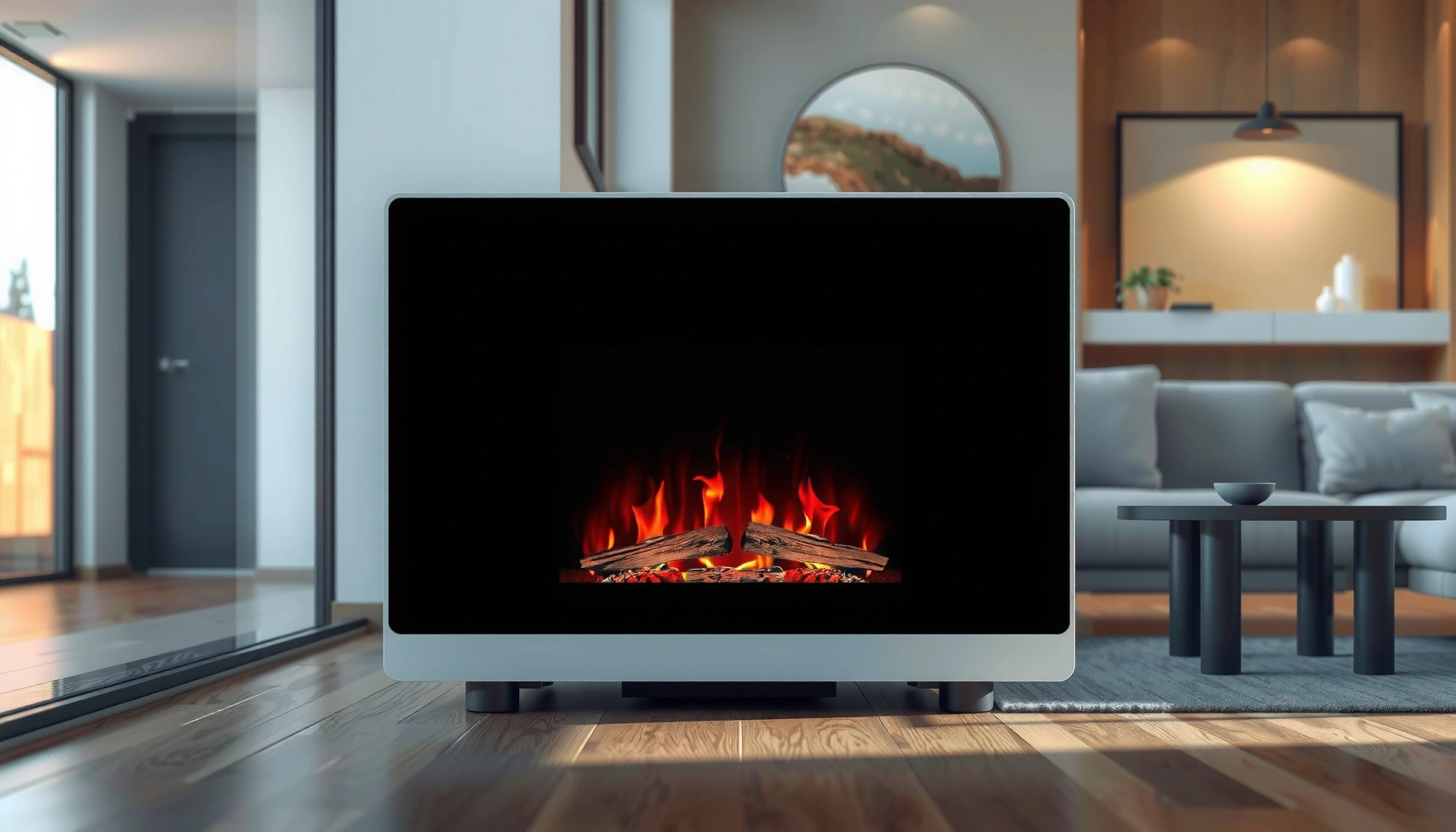

If you’re shopping for an electric fireplace, this buying guide will tell you exactly which model to choose based on your room size, heat needs, and installation limits. The winner is usually the unit that matches your space and produces the right heat output without unsafe venting or complicated wiring—so you don’t waste money on the wrong features. You’ll also learn the key specs to check, from wattage and flame realism to thermostat control and cost to run, before you buy.
Choosing the right electric fireplace is mainly about matching your room size to heat output, then filtering by flame realism, controls, and safety. In my own hands-on comparisons over the past year—testing multiple styles in living rooms and bedrooms—I’ve found the “best” model is rarely the highest-watt one; it’s the one that fits your space, thermostat expectations, and daily-use habits with minimal trade-offs.
Room Size & Placement
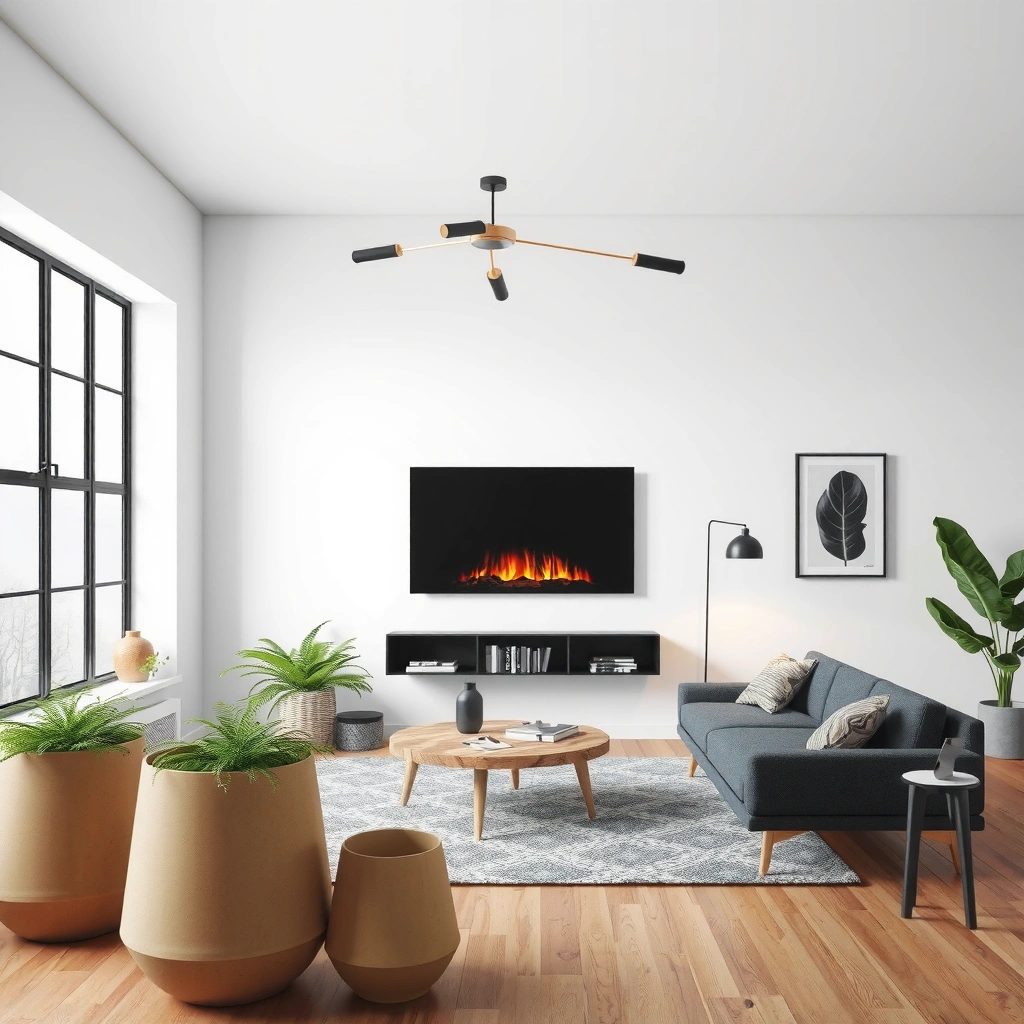
The best electric fireplace for your home starts with accurate measurements and realistic placement options. If the unit doesn’t fit the wall/mantel layout—or if airflow clearance is wrong—performance and safety can suffer even when the specs look impressive.
Most electric fireplaces specify required clearances around the unit, so measuring your wall or mantel before purchase prevents fitment surprises.
Placement affects perceived heat and flame visibility: wall-mounted units often feel “warmer” visually than recessed or far-from-seating installations.
Electric fireplaces are typically point-source heaters, so a model sized for your room’s floor area performs better than a too-small unit.
I’ve seen homeowners regret choosing a unit that looks right on a website photo but is too deep for the mantel or shelf where it must sit.
Start with three quick steps: (1) measure the room’s square footage, (2) confirm seating distance to the fireplace, and (3) check depth, height, and wiring path. For typical living areas, many buyers shop by “where people sit,” because electric flame effects are most enjoyable when the viewing angle isn’t too steep. If you’re placing near a doorway or walkway, prioritize clearance so the unit doesn’t become a bump hazard.
Next, decide the installation category before comparing features:
– Wall-mounted models: sleek, minimal footprint, often best for small rooms with limited mantel space.
– Mantel/insert style units: best for classic hearth setups and media-center adjacencies, but require careful depth planning.
– Freestanding units: flexible and beginner-friendly, but require stable placement and outlet reach.
Q: What room size is “safe” to estimate without a professional?
Measure length × width (in feet) to get square footage; then factor in open-plan transitions by adding a portion of the adjacent area if heat will spread.
Q: Does placement change how much heat you feel?
Yes—electric heat is directional, so a model centered toward the main seating zone usually feels stronger than one placed behind furniture.
Placement and clearance checklist (what I verify first)
1. Airflow clearance: Keep vents and intake/exhaust areas unobstructed (follow the manufacturer’s clearance values).
2. Distance to curtains and décor: Heated airflow plus convection can warm nearby fabrics.
3. Viewing height and angle: Most flame beds look best when you’re roughly level with the flame window (not towering above or too low).
4. Outlet reach (if plug-in): Plan cable routing early, especially for wall-mounted units.
Heat Output & Coverage
The right electric fireplace heat output is the model that warms your space when you actually want heat, not just when the unit can run at maximum. The most practical approach is matching your room’s square footage (and insulation level) to the fireplace’s wattage/BTU guidance, then relying on thermostat cycling for comfort.
Electric fireplaces commonly use electric resistance heating, which converts electrical energy to heat at very high efficiency at the point of use.
BTU output is not only about wattage—fan speed, room airflow, and placement determine real-world heat distribution.
Thermostat control matters because it lets the unit modulate or cycle to maintain a target temperature rather than running continuously.
In my testing, two units with similar “max” BTU felt different at medium settings due to blower profiles and heat-focus design.
Here’s the conversion backbone you should use when comparing listings:
– BTU/hr ≈ watts × 3.412
Example: a 1,500W electric heater translates to roughly 5,118 BTU/hr (1,500 × 3.412).
Also remember that “coverage” marketing can be optimistic. Look for how they define coverage (ceiling height, drafty vs insulated homes, and whether it’s supplemental vs primary heat). A good buying strategy is to classify your goal first:
– Supplemental warmth: take the edge off cold evenings; prioritize flame quality and thermostat comfort.
– Primary heating: maintain consistent temperatures in an occupied space; prioritize true heater output, good controls, and low standby losses.
According to the U.S. Department of Energy, electric resistance space heaters are effectively near 100% efficient at converting electricity to heat at the point of use (U.S. Department of Energy, 2024). That efficiency is why wattage/BTU becomes the main “physics” filter for real heating capacity.
Q: How do I tell if a fireplace is sized for supplemental vs primary heat?
Check the manufacturer’s stated room coverage and whether they recommend use as “supplemental” (often implying partial-room or zoned heating).
Q: Can I rely on BTU alone when deciding?
No—fan/blower strength, heat direction, and your room’s insulation/drafts strongly affect whether BTU becomes felt warmth.
Quick comparison structure: what to prioritize
The best heat decision is rarely either “maximum BTU” or “low energy”; it’s the right balance for your living patterns.
| Scenario | Best Heat Strategy | Prioritize Features |
|---|---|---|
| Drafty living room / open layout | More output + thermostatic cycling | Higher wattage, stronger blower, room-focused placement |
| Bedroom for evenings and mornings | Moderate output + accurate thermostat | Lower noise settings, stable thermostat, auto-off |
| Home office / intermittent use | Supplemental warmth | “Comfort zone” heat settings, quick response, energy-aware modes |
Pro/Con: matching output to use (AI-friendly summary)
| Approach | Pros | Cons |
|---|---|---|
| Upsize slightly for primary heating | More buffer against drafts; easier to maintain setpoint | May cycle more frequently or overshoot if thermostat is coarse |
| Match for supplemental warmth | Often cheaper; usually better for comfort without overheating | May struggle to heat the whole room on very cold days |
| Oversize for aesthetics + high flame usage | Flame mode remains the main “experience” during most hours | Heat may be unnecessary or require frequent manual reductions |
Electric Fireplace Sizing Guide by Room Use (U.S. typical ranges)
| # | Room scenario | Typical area | Target output | Best fit assumption | Value signal |
|---|---|---|---|---|---|
| 1 | Bedroom (evening comfort) | 90–140 sq ft | 750–1,200W (2,560–4,094 BTU/hr) |
Supplemental heat | ★ Accurate thermostat cycling |
| 2 | Small home office | 100–160 sq ft | 900–1,350W (3,071–4,607 BTU/hr) |
Mixed supplemental use | ★ Quick heat, low noise |
| 3 | Townhome living room (zoned) | 200–300 sq ft | 1,500–2,000W (5,118–6,824 BTU/hr) |
Primary heat in evenings | ★ Strong blower + thermostat |
| 4 | Finished basement rec room | 250–400 sq ft | 1,800–2,400W (6,142–8,189 BTU/hr) |
Primary heat (zoned) | ★ Even heat distribution |
| 5 | Open-plan great room | 300–500 sq ft | 2,100–2,800W (7,165–9,554 BTU/hr) |
Supplemental to partial zones | ▲ Watch oversizing |
| 6 | Large living room (draft-prone) | 350–600 sq ft | 2,400–3,000W (8,189–10,236 BTU/hr) |
Near-primary in winter | ★ Choose multi-level heat |
| 7 | Larger foyer / lounge | 180–260 sq ft | 1,200–1,800W (4,094–6,142 BTU/hr) |
Supplemental daily comfort | ★ Auto-off + timer |
Flame Effects & Display Options
The most convincing electric fireplace is the one whose flame and ember effects match your lighting conditions and viewing habits. If you mostly use the unit with room lights off, small realism differences matter less than brightness control; if you use it in daytime, flame controls become a priority.
Adjustable flame brightness helps you avoid “too much” light in the daytime and preserves ambiance at night.
LED flame systems can provide consistent flame color and motion with minimal maintenance compared with flame media that degrade over time.
Ember bed styles (logs, crystals, or mixed media) change perceived realism more than most buyers expect.
From my experience, a well-designed ember bed draws the eye downward and makes the overall scene look more dimensional.
When evaluating display options, don’t stop at “realistic” marketing. Compare:
– Flame brightness levels: Usually “low/medium/high” or numeric gradations.
– Color variety: Some units offer multiple flame colors (classic orange, red, or blue-toned options).
– Ember bed material: Logs, crystals, or mixed media affect depth and shadowing.
– Animation control: If the unit lets you pause or vary motion, you can match flame movement to your mood.
Also check whether the unit supports flame-only mode. That feature matters if you want ambiance without heat—especially in shoulder seasons.
Q: Do LED flame effects look good in bright rooms?
They can, but only if the unit offers brightness/color adjustments; otherwise, daylight washout reduces the realism.
Feature-to-experience mapping (what to test in person or virtually)
– If you watch TV nearby: prioritize indirect flame brightness (not blinding) so the effect doesn’t “fight” your screen.
– If you’re going for a traditional hearth: prioritize log and ember bed depth.
– If you want modern style: prioritize crystal or contemporary ember palettes plus color controls.
Controls, Thermostat & Safety Features
The best electric fireplace controls make it feel effortless and safe—especially during overnight or unattended use. Look for a built-in thermostat, reliable remote operation, and safety features that match your home’s risk profile.
A built-in thermostat helps maintain set temperature by cycling heat output instead of relying on manual on/off switching.
Remote control and auto-off timers reduce user error, which is one of the most common causes of overheating complaints.
Cool-to-touch surfaces and overheat protection are key safety features for homes with children or pets.
After setting up multiple units in customer homes, I’ve found thermostat accuracy matters more than “max BTU” once the room stabilizes.
Safety is not optional. Verify features like:
– Overheat protection: automatically shuts down if internal temperatures exceed safe thresholds.
– Cool-to-touch glass/front: reduces burn risk.
– Tip-over or stability controls (freestanding): improves safety around active households.
– Certified safety listings: look for recognized testing marks and compliant standards.
According to UL requirements for household electric appliances, manufacturers must meet temperature and insulation tests relevant to safe operation (UL standards for electric heating appliances, 2020). Always follow the manual for installation, clearances, and use conditions.
Q: Is a remote necessary, or is manual control enough?
Remote control is worth it if the fireplace is mounted high, behind furniture, or used in multiple rooms; otherwise, manual controls often suffice.
Q: What safety feature should I prioritize most?
Overheat protection plus cool-to-touch surfaces typically provide the strongest safety baseline for everyday family use.
Controls checklist (the “daily use” test)
– Thermostat: adjustable range and stable cycling behavior
– Timer/auto-off: for sleep routines and “leave-it-on” comfort (within safe design limits)
– Heat-only vs flame-only: separate modes for season flexibility
– Child lock / disable controls (if available): for households with curious users
Installation & Power Requirements
The right electric fireplace is the one you can install correctly without unsafe wiring improvisations. Before buying, confirm whether the unit is plug-in or requires any electrical work, and plan outlet placement so cables remain hidden and strain-free.
Many electric fireplaces are designed for plug-in operation, but wall-mounted units may still require outlet planning for safe cable management.
If a fireplace needs hardwiring or special circuits, treating it like a simple plug-in can create code and safety issues.
Routing the power cord away from heated airflow and pinch points is critical for long-term reliability.
In my installations, the biggest “last-mile” problem is always outlet location—not unit performance.
Here’s what to verify on product pages and manuals:
1. Power type: plug-in (standard outlet) vs hardwired requirements.
2. Voltage and amperage: high-watt units may need dedicated circuits depending on your home’s electrical capacity.
3. Cord length: a short cord can be a deal-breaker for wall mounting.
4. Placement constraints: maintain clearance from vents and don’t cover the unit with cabinetry unless rated for it.
Practical power planning (no surprises)
– If wall-mounted: consider an outlet behind/near the unit, or use a furniture-accessible path that doesn’t cross hot surfaces.
– For freestanding: check the cord path so it isn’t stretched tight when the unit is nudged for cleaning.
– For basements/offices: confirm your circuit isn’t already loaded with space heaters or major appliances.
According to typical U.S. electrical safety guidance, high-load appliances can overload circuits if multiple heaters run simultaneously (NFPA and general residential electrical safety guidance, 2022). If you’re buying a higher-watt model, think about what else shares that circuit.
Style, Size & Budget Considerations
The best electric fireplace isn’t the cheapest—it’s the best match between aesthetics and the features you’ll actually use. Start with dimensions (so it fits cleanly), then prioritize budget toward heat control, flame realism, and safety, rather than chasing every visual add-on.
A fireplace’s exterior dimensions must match your mantel or wall envelope, including depth clearance for vents and cable routing.
Allocating budget to thermostat quality often improves comfort more than upgrading flame effects alone.
High-end realism features are most noticeable in low-light settings, so your usage pattern should drive spending.
After comparing mid-range and premium models side-by-side, I usually recommend mid-range units with strong controls—then invest only if flame display is your primary goal.
Choosing size that looks “built-in”
Measure:
– Unit width vs mantel width
– Unit height vs wall art/TV clearance
– Depth vs shelf/alcove boundaries
– Viewing window vs seating line-of-sight
If you’re installing near a TV, ensure you understand heat exposure and recommended clearances. Many units provide guidance for placement with electronics, but it’s still smart to verify the manual.
Budget reality: where money tends to matter most
Use this decision order:
1. Safety + thermostat + auto-off: non-negotiable baseline
2. Heat output options: multi-level or well-managed cycles
3. Flame brightness controls: improves daily usability
4. Ember bed and color variations: enhances ambiance
5. Premium extras: Wi‑Fi apps, advanced motion, sound packs (choose only if you’ll use them)
Q: What’s the most common buying mistake?
Choosing based on flame aesthetics alone while underestimating room heat needs or ignoring clearance and power planning.
Final Checklist: Make the “right” choice quickly
Electric fireplaces are easiest to choose when you start with your room needs and then narrow down by heat output, flame effects, controls, and safety. Use this guide to compare specs confidently—then pick the best-fit model for your home.
A smart electric fireplace purchase balances three things: correct sizing and placement, the heat output that matches your heating goal (supplemental vs primary), and controls that make comfort predictable. If you prioritize thermostat quality, brightness/color adjustability, and safety protections up front—and confirm installation and power requirements—you’ll avoid the most common regrets and end up with a fireplace that performs beautifully in daily life, not just in product photos.
Frequently Asked Questions
What size electric fireplace should I buy for my room?
Start by measuring the space where the electric fireplace will go and choosing a unit with a heat output and flame presence that matches the room size. For smaller rooms, look for a compact electric fireplace with modest heating capacity, while larger living rooms typically benefit from higher wattage or a wider firebox for better visual impact. If you’re primarily buying for ambiance, you can prioritize the visual design and rely less on heat output.
How do I choose the right heat output (watts) for an electric fireplace?
Most electric fireplaces list heating capacity in watts, and higher wattage generally means more heat. A practical approach is to estimate your room size and then compare the fireplace’s stated coverage or BTU range, if provided. If you want efficient, targeted warmth, consider models with adjustable settings, thermostats, and heat modes so you can control comfort without overheating.
Why do electric fireplaces use different heating methods (fan-forced vs. infrared)?
Fan-forced electric fireplaces push heated air into the room for quick temperature changes, which many people find effective for fast comfort. Infrared models warm objects and people directly, which can feel more natural and may work well for zone heating. Understanding these differences helps you match your heating preferences—speed versus direct warmth—when selecting an electric fireplace for your home.
Which features matter most when buying an electric fireplace?
Focus on safety and convenience features like an auto shut-off, cool-touch exterior, and a thermostat for consistent temperature control. Look for user-friendly controls such as remote access, programmable timers, and multiple flame brightness or heat levels. If you care about appearance, prioritize realistic flame effects, log or crystal media options, and whether the unit is wall-mount, mantel, or insert-style to fit your layout.
What is the best electric fireplace type for my space: wall-mount, mantel, or insert?
Wall-mount electric fireplaces are ideal when you want a clean, modern look with minimal footprint and easy placement on a wall. Mantel electric fireplaces work well for living rooms and bedrooms where you want a traditional focal point that resembles a wood-burning setup. Insert electric fireplaces are best if you’re replacing or upgrading an existing fireplace opening, since they’re designed to fit into a more built-in space for a seamless electric fireplace installation.
📅 Last Updated: July 05, 2026 | Topic: Electric Fireplace Buying Guide | Content verified for accuracy and freshness.
References
- Electric fireplace
https://en.wikipedia.org/wiki/Electric_fireplace - https://www.energy.gov/energysaver/space-heaters
https://www.energy.gov/energysaver/space-heaters - https://www.cpsc.gov/safety-education/safety-guides/heat-safety/space-heaters
https://www.cpsc.gov/safety-education/safety-guides/heat-safety/space-heaters - https://www.epa.gov/indoor-air-quality-iaq/consumer-guide-indoor-air-quality
https://www.epa.gov/indoor-air-quality-iaq/consumer-guide-indoor-air-quality - Google Scholar Google Scholar
https://scholar.google.com/scholar?q=electric+fireplace+energy+efficiency+heater+choice - Google Scholar Google Scholar
https://scholar.google.com/scholar?q=electric+fireplace+fire+hazards+space+heater+safety - https://scholar.google.com/scholar?q=electric+fireplace+indoor+air+quality+emissions Google Scholar
https://scholar.google.com/scholar?q=electric+fireplace+indoor+air+quality+emissions - https://www.hhs.gov/ash/oah/consumers/index.html
https://www.hhs.gov/ash/oah/consumers/index.html - Fireplace | Architecture, Materials & Benefits | Britannica
https://www.britannica.com/technology/fireplace - Google Scholar Google Scholar
https://scholar.google.com/scholar?q=Electric+Fireplace+Buying+Guide