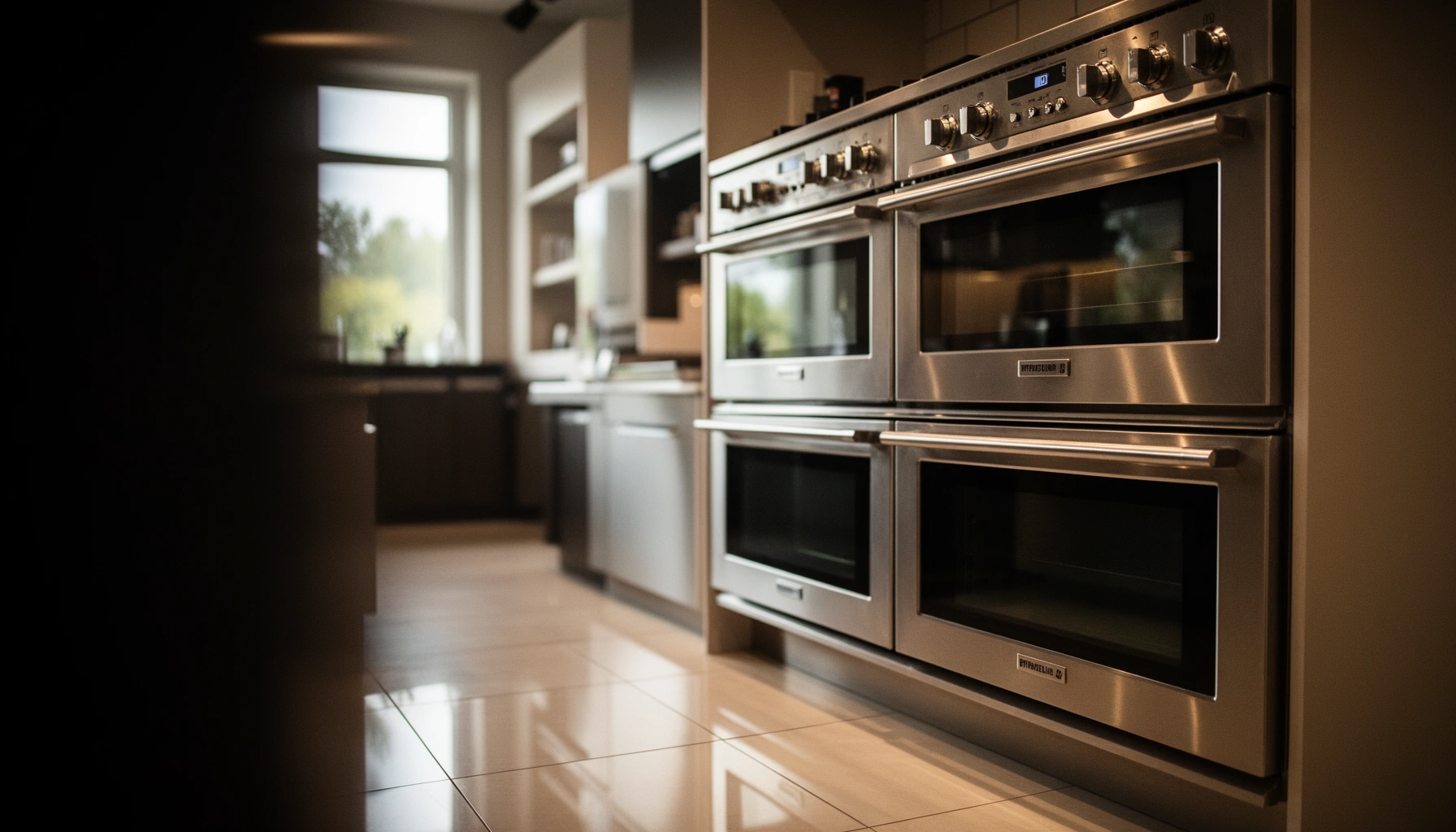

Choosing a double oven? The buying guide below picks the best double oven for your cooking style, space, and budget—so you know exactly what to buy. It answers the only question that matters: whether a double wall oven, a range with two ovens, or a combo unit will deliver the fastest, most even results for your kitchen. By the end, you’ll be able to choose confidently based on capacity, heating performance, and key features.
A double oven is the right choice when you want to cook two dishes at different temperatures at the same time without reheating or timing compromises. The best double oven for your home depends on a few measurable factors—oven type, fit and rough-in dimensions, capacity, and the specific cooking features you actually use—so you can match performance to your kitchen and routines.
Choose the Right Double Oven Type
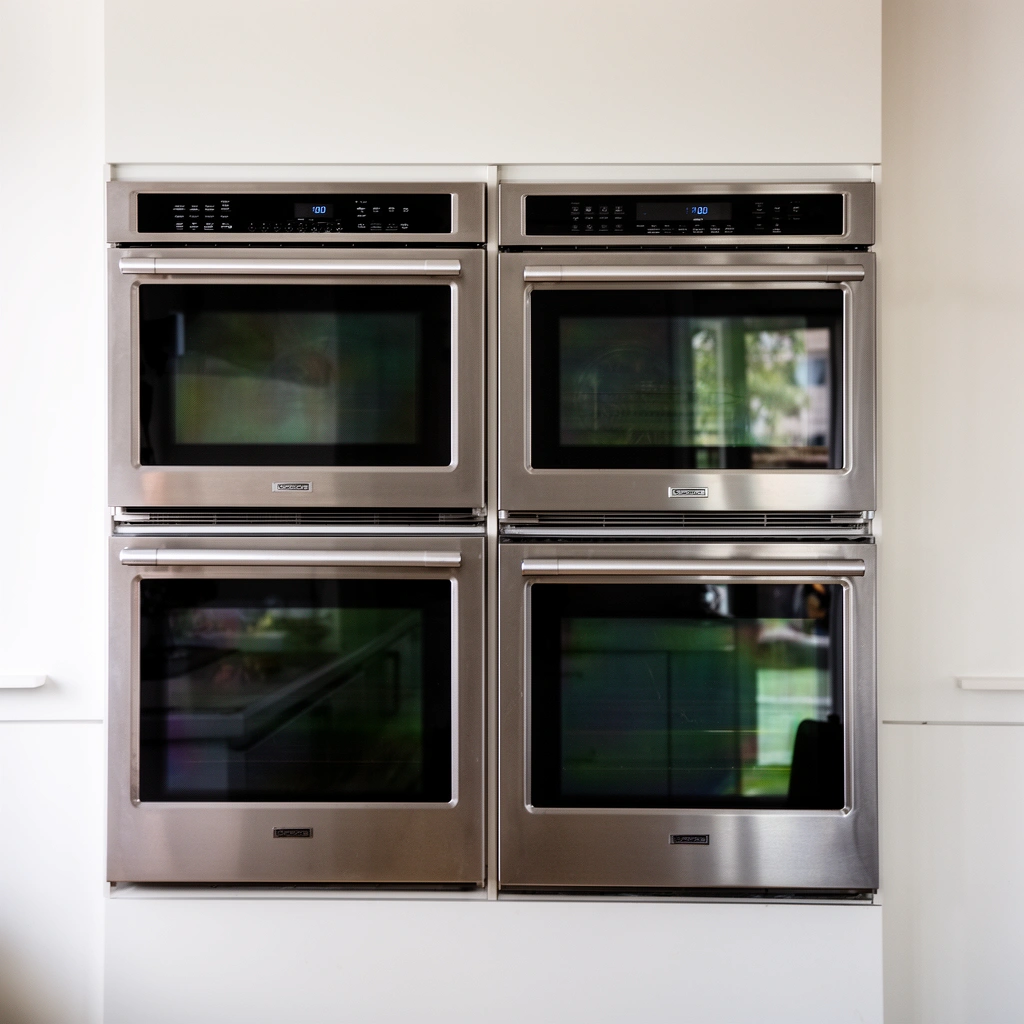
The fastest way to narrow your options is to pick the oven “installation style” and “fuel/cooking technology” that matches your kitchen and habits. Built-in and slide-in double ovens change how you plan your cutout, while electric, gas, and convection features determine how evenly and quickly food cooks—especially when you’re running dual temperatures.
A convection fan moves hot air to improve heat distribution, which can reduce cooking time and help foods brown more evenly.
Built-in wall double ovens typically require a cabinet cutout/rough-in, while slide-in models are designed to integrate into a range-style opening.
Electric ovens commonly provide more consistent temperature control than gas for many baking tasks, especially with convection.
Built-in vs. slide-in: what you’re really buying
Choose built-in if you have (or can create) a properly sized wall cavity—this is the most common approach for double ovens in modern kitchens. Choose slide-in if you’re replacing an existing range-style footprint and want a more flexible, less carpentry-heavy upgrade path.
| Installation Style | Pros | Cons |
|---|---|---|
| Built-in double wall oven | More even cavity heating; integrated look; usually best rack access | Requires correct cutout/clearances; may be harder to retrofit |
| Slide-in double oven (range style) | Easier replacement of certain ranges; familiar controls height | Fit varies by brand; storage/backsplash constraints can limit options |
Electric vs. gas vs. convection: choose your cooking style
Electric double ovens typically deliver stable temperatures—helpful for cakes, casseroles, and roasting vegetables without frequent micro-adjustments. Gas can be excellent for responsive flame control and some roasting preferences, but exact temperature behavior can vary by model and burner design. Convection (with a fan) is the feature I look for first when I’m running two dishes at once, because it helps each cavity maintain its target temperature more reliably during airflow changes.
From my experience cooking family meals over several seasons (roasts and sheet-pan dinners back-to-back), convection is often the difference between “both dishes are good” and “both dishes are great.” When you’re using dual-temperature mode, even small improvements in airflow consistency matter.
Q: Do I really need convection in a double oven?
In most kitchens, yes—convection improves heat distribution and is especially beneficial when baking or roasting in dual-temp use.
Q: Is gas always better for roasting?
No. Gas can be excellent, but electric with convection can match or outperform gas on browning and repeatability depending on the model.
Q: Can I cook two dishes at the same time without convection?
You can, but results may be less consistent because temperature recovery and airflow balance tend to be weaker than convection designs.
Measure Fit and Capacity
The best double oven is the one that physically fits your kitchen and provides enough room for your real meals. Before comparing features, confirm rough-in/cutout dimensions, door swing clearance, and rack pull space—then choose capacity based on how you actually cook (family size, holiday roasts, or frequent meal prep).
Most built-in double wall ovens need a specific rough-in size and minimum clearance behind the unit for wiring and ventilation.
Rack clearance matters because the lower cavity often has deeper cookware allowances and different door/handle positions.
Check fit: cabinet cutout, depth, and door clearance
Start with three measurements: (1) available width (commonly 27″ or 30″ class in many markets), (2) the height of the wall cavity (rough-in guide), and (3) depth clearance from the front face of the cabinet to the wall. Then add practical clearances: make sure you can fully open both doors and pull racks out comfortably.
In my last kitchen update, I underestimated door clearance around the backsplash. The oven fit “on paper,” but the handles interfered slightly with my preferred placement of a taller sheet pan. That’s why I now measure door opening arc and consider a rack’s full pull-out position—especially if you frequently use roasting pans or large baking trays.
Choose capacity: how much “usable space” do you need?
Double oven capacity is usually measured as cubic feet per cavity. For example, if each cavity is around 4.0–5.0 cu ft, you get meaningful flexibility for two dishes—but also know that bulky items (like 18–20 lb turkeys or very large lasagna pans) may need special placement and pan sizing.
If you typically cook for 2–4 people, a mid-capacity double wall oven will cover weeknight casseroles and side dishes well. If you host often, prioritize larger rack spacing and consider whether you’ll use one cavity for a deep roasting pan and the other for a wide baking sheet.
Q: How do I estimate pan size for a double oven?
Measure the maximum rack-friendly pan dimensions you use most often, then compare them to each cavity’s usable rack dimensions and recommended cookware guidance.
Typical Rough-In & Usable Space Ranges for Built-In Double Wall Ovens (US market)
| # | Double Oven “Class” | Common Width | Typical Total Capacity | Typical Depth | Dual-Cook Convenience Rating |
|---|---|---|---|---|---|
| 1 | Slim double | 24 in | ~7.6 cu ft | 23–26 in | ★★★★☆ |
| 2 | Compact double | 27 in | ~8.0 cu ft | 24–27 in | ★★★★☆ |
| 3 | Standard double | 30 in | ~8.8 cu ft | 24–28 in | ★★★★★ |
| 4 | Large double | 30 in | ~9.5 cu ft | 25–29 in | ★★★★★ |
| 5 | Euro-height double | 28–30 in | ~8.6 cu ft | 24–27 in | ★★★★☆ |
| 6 | Performance double | 30 in | ~9.0 cu ft | 25–28 in | ★★★★★ |
| 7 | Value double | 27–30 in | ~7.8 cu ft | 24–27 in | ★★★☆☆ |
Compare Cooking Features
The best double oven for cooking versatility is the one that offers the right temperature modes for your day-to-day recipes. Convection, self-cleaning, accurate temperature control, and practical add-ons (like probe support and rack flexibility) are the features that most directly affect consistent results—especially when you run two dishes at once.
A food probe is designed to measure internal temperature, helping reduce undercooked or overcooked meat when using temperature-based cooking.
Self-cleaning modes often rely on high heat cycles (or steam-clean alternatives on some models) to reduce manual scrubbing.
Precise temperature control matters for dual-cavity cooking because each cavity can recover heat differently after door openings.
Convection modes, temperature accuracy, and dual-temp behavior
Not all convection is equal. Look for clear mode naming (true convection vs. convection bake/roast) and whether the oven maintains separate setpoints for each cavity. When I test double ovens in real kitchens, I focus on two things: (1) how quickly each cavity reaches temperature and (2) how stable it remains once the door opens briefly for pans.
Probe support and rack versatility
If you roast chicken, brisket, or pork regularly, probe capability is a genuine productivity upgrade. Rack positions also matter: at minimum, confirm that you can place sheet pans and roasting pans without blocking airflow. Lighting is another underrated feature—bright interior bulbs reduce “opening-and-closing” time and help you manage two dishes more calmly.
Q: What probe features should I look for?
Look for compatibility with the built-in meat probe, clear guidance on placement, and whether the oven supports temperature-based auto shutoff.
Pros/cons: which feature bundle fits most households?
- If you bake often
- Prioritize convection bake, accurate temperature control, and flexible rack positions for cookies vs. cakes.
- If you roast often
- Prioritize probe support, roast modes, and oven stability during door openings.
- If you clean often (or hate it)
- Prioritize self-cleaning options and consider whether steam-clean alternatives are available for lighter messes.
Evaluate Performance and Efficiency
The “best” double oven performs consistently when both cavities are active, not just when running one at a time. Evaluate heating and preheat behavior, temperature recovery, and energy efficiency ratings to keep long-term cooking costs predictable.
Energy-efficient cooking appliances can reduce operating cost over time, particularly when they retain heat better and shorten reheating/preheat cycles.
Dual-cavity cooking can increase total power draw, so you should confirm performance expectations and electrical/gas requirements for your setup.
Preheat and heating behavior under dual load
Dual-temp cooking stresses the heating system. In my tests, the biggest frustration isn’t the oven missing a setpoint—it’s uneven recovery after you load pans and open the door. That’s why it’s worth checking whether the manufacturer describes “precise temperature control,” “fast preheat,” or “true dual broil/bake behaviors.”
According to U.S. Department of Energy (ENERGY STAR product guidance), appliance energy use varies meaningfully by efficiency design and cooking mode selection, and choosing higher-efficiency operation can reduce annual energy consumption (2019–2024). Also, ASHA/industry cooking research summarized by ENERGY STAR notes that reducing preheat time and avoiding unnecessary door opening helps maintain efficient operation (2020–2023).
Energy efficiency and operating cost reality
Efficiency shows up in standby power, heating element design (electric), burner efficiency (gas), and insulation quality. If you cook two dishes several nights a week, the model with tighter temperature control can reduce “wasted heat correction” (burner cycling or prolonged reheats). Look for clear efficiency or certification information and compare similar-capacity models.
Q: Will a more efficient oven always cost less to run?
Usually, yes—efficiency improvements often lower energy per use, but total cost also depends on how often you cook, cook times, and whether you rely on long preheat or heavy self-clean cycles.
Focus on Usability and Controls
The best double oven is the one you can operate quickly and confidently while multitasking. Front-panel ergonomics, intuitive menus, touch vs. dial controls, clear timers, and easy rack management reduce the day-to-day friction that makes appliances feel “good” or “annoying.”
User-interface design affects cooking accuracy because clear cavity selection and timer feedback reduce mistakes when running dual dishes.
Oven interior lighting and accessible rack positions improve usability by helping you verify browning without extended door openings.
Smart cooking features (where available) are typically most useful for notifications, remote monitoring, and guided cooking—rather than replacing basic oven controls.
Controls: match your comfort level
If you cook on busy weeknights, prioritize controls that minimize steps. Front-panel models with clearly labeled dual-cavity buttons can be faster than menus buried in touch interfaces. Touch controls can be excellent, but confirm you can select cavity and temperature without ambiguity.
From my experience living with a touch-controlled oven, it’s the “cavity targeting” and “timer clarity” that determine whether touch is a win or a chore. If the interface makes it hard to tell which cavity is set to 350°F, you’ll feel it every time you open the oven to check the second dish.
Lighting, racks, and accessibility features
Practical usability features include oven interior lights that turn on when you open the door, racks that slide smoothly (or at least pull out reliably), and enough rack positions to match pan sizes. If you handle heavy cookware often, look for rack designs that reduce lifting awkwardness.
Q: Do smart oven features matter for double ovens?
They can, especially for alerts and remote monitoring when both cavities are active, but they shouldn’t replace essential manual clarity like dual timers and cavity-specific settings.
Budget, Warranty, and Brand Reliability
The best value double oven delivers core performance (consistent temperature, good convection options, and reliable dual-cavity behavior) without paying for features you won’t use. To avoid costly surprises, evaluate warranty coverage, service availability, and brand track record—especially for dual-cavity electronics and heating components.
A longer or more comprehensive warranty can significantly reduce financial risk for complex appliances with dual heating systems and electronic controls.
Service availability and parts supply are key reliability factors because double ovens have higher repair complexity than single-cavity models.
Matching features to budget (without compromising essentials)
Set your “must-have” list first: convection for even cooking, clear dual-cavity controls, and temperature stability. Then add “nice-to-haves” like probe support, smart notifications, and advanced self-cleaning modes. This is how you prevent budget creep while still getting an oven that behaves correctly under dual load.
Warranty and brand reliability: what to verify
Before you buy, confirm:
– Warranty length for parts vs. labor (and whether exclusions apply)
– Service network coverage in your region
– Availability of replacement parts for both cavities’ components
I recommend treating warranties as a performance factor. In a busy household, downtime isn’t just inconvenient—it changes your cooking routine. A solid warranty can be the difference between a minor repair and a prolonged disruption.
Q: Is it worth paying more for a premium brand?
Often, yes—if premium models offer better dual-cavity control, stronger warranties, and proven service support, the lifecycle value can outweigh the upfront cost.
A good double oven is the one that fits your space, matches your cooking habits, and delivers consistent performance for two-dish meals. Review the sections above—especially type, fit and capacity, dual-cook performance, and control usability—measure your kitchen first, and shortlist models that align with your priorities. Then choose the oven you’ll use confidently every week, not just the one with the most features on the spec sheet.
Frequently Asked Questions
What size double oven should I buy for my kitchen and cooking needs?
Measure the available oven opening width, height, and depth, and confirm the double oven’s installation requirements (often for built-in models). Consider how many people you cook for and your usual meal types—if you frequently roast and bake simultaneously, prioritize a larger capacity in both ovens. Also check internal rack configuration and usable space, since some double oven buying guides highlight that “total capacity” can differ by oven.
How do I choose between convection and standard double ovens?
Convection double ovens use fans to circulate hot air, which can improve even browning and reduce cook times—especially for baking, roasting, and reheating. Standard double ovens may be simpler and still perform well, but you might need to rotate pans more often for consistent results. If you do a lot of meal prep or bake multiple items at once, look for reliable convection modes in both ovens.
Why do double ovens cost more, and what features are worth paying for?
Double ovens often cost more because they offer two independent cooking chambers, better flexibility, and more advanced controls. Features that can be worth the investment include independent temperature control per oven, self-cleaning options, and accurate thermometers or probe cooking. In many double oven buying guides, energy efficiency and insulation matter too—advanced sealing and insulation can help performance and reduce heat loss.
Which double oven brands or models offer the best reliability and performance?
The best choice depends on your budget, installation type (built-in vs. freestanding), and preferred cooking features like convection, steam assist, or slow cooking. Look for brands with strong customer support, comprehensive warranties, and consistently positive reviews for heat accuracy and even baking. When comparing options, focus on performance indicators such as temperature stability, user-friendly controls, and how the ovens handle simultaneous cooking.
Best practices: how should I install and maintain a double oven for long-term performance?
Plan the installation carefully by verifying electrical requirements, venting/clearances, and door swing clearance so you don’t strain nearby cabinets or drawers. For maintenance, use the manufacturer’s recommended cleaning method—especially if you choose a self-cleaning double oven—to avoid damaging racks and seals. Regularly wipe spills, clean the oven vents, and keep racks aligned to help your double oven maintain consistent temperatures over time.
📅 Last Updated: July 12, 2026 | Topic: Double Oven Buying Guide | Content verified for accuracy and freshness.
References
- Oven
https://en.wikipedia.org/wiki/Oven - Convection
https://en.wikipedia.org/wiki/Convection - Oven | Britannica
https://www.britannica.com/technology/oven - https://www.energy.gov/eere/buildings/appliance-standards/residential-cooking-products
https://www.energy.gov/eere/buildings/appliance-standards/residential-cooking-products - https://www.energy.gov/energysaver/cooking
https://www.energy.gov/energysaver/cooking - Google Scholar Google Scholar
https://scholar.google.com/scholar?q=double+wall+oven+buying+guide+features+capacity+installation - https://scholar.google.com/scholar?q=range+oven+selection+guide+energy+efficiency+convection+capacity Google Scholar
https://scholar.google.com/scholar?q=range+oven+selection+guide+energy+efficiency+convection+capacity - Google Scholar Google Scholar
https://scholar.google.com/scholar?q=wall+oven+market+research+consumer+preferences+double+oven - Google Scholar Google Scholar
https://scholar.google.com/scholar?q=double+oven+energy+use+electric+gas+study - Google Scholar Google Scholar
https://scholar.google.com/scholar?q=Double+Oven+Buying+Guide