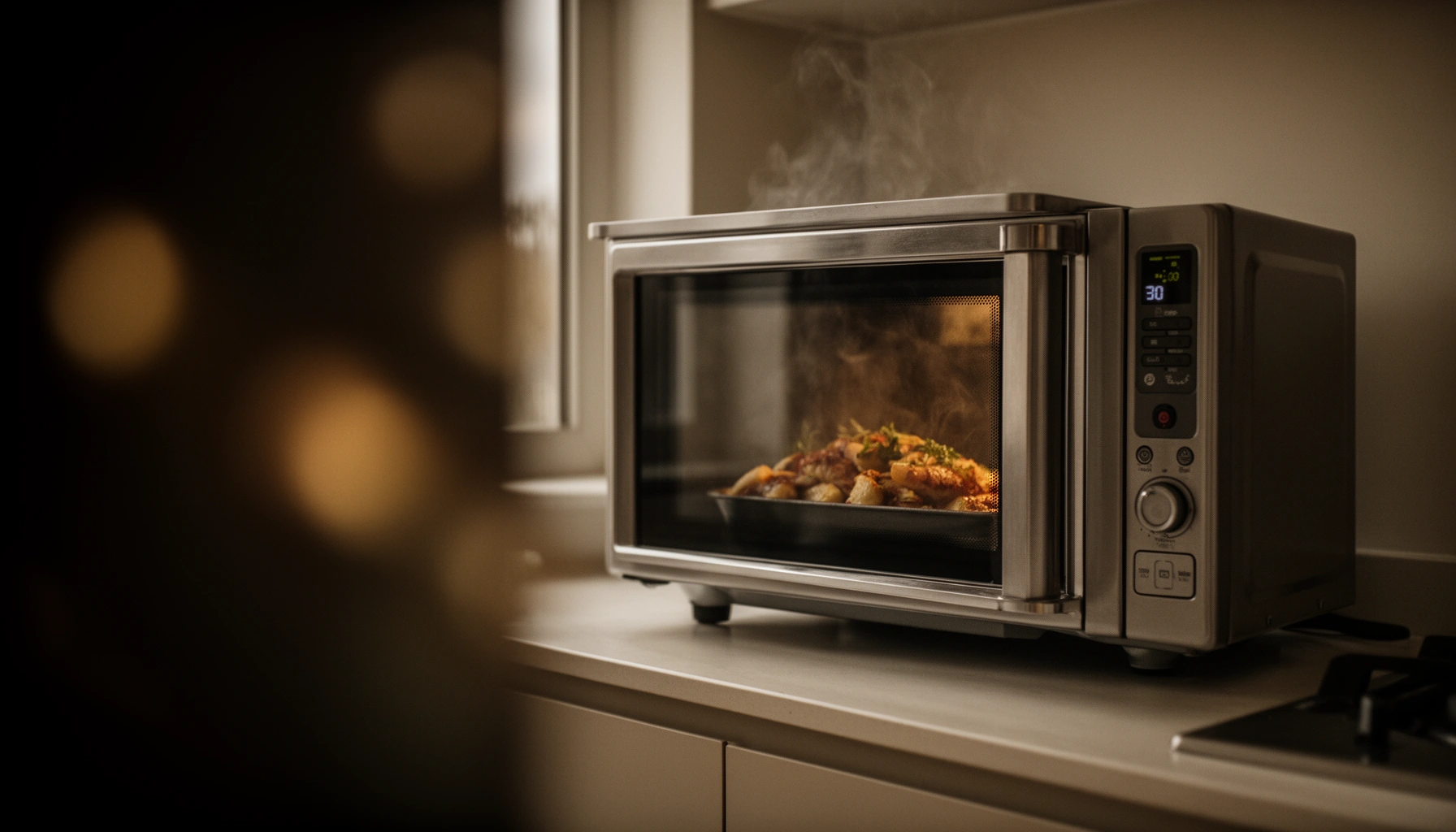

Choosing the right microwave is simple when you match the model to how you actually cook, not just the biggest number on the box. If you want the clearest verdict, this microwave buying guide tells you exactly which type—over-the-range, countertop, or built-in—wins for your space, cooking habits, and budget. You’ll leave knowing what power, size, ventilation, and features to prioritize so you don’t pay for the wrong microwave.
The right microwave for most homes is the one that matches your typical food sizes with the right capacity and cooking power—then fits cleanly in your space with controls you’ll actually use daily. Start by comparing capacity (cu. ft.) and wattage, validate the physical fit and venting needs, and only then evaluate features like sensor cooking, preset programs, and inverter technology.
Key Specs to Consider First
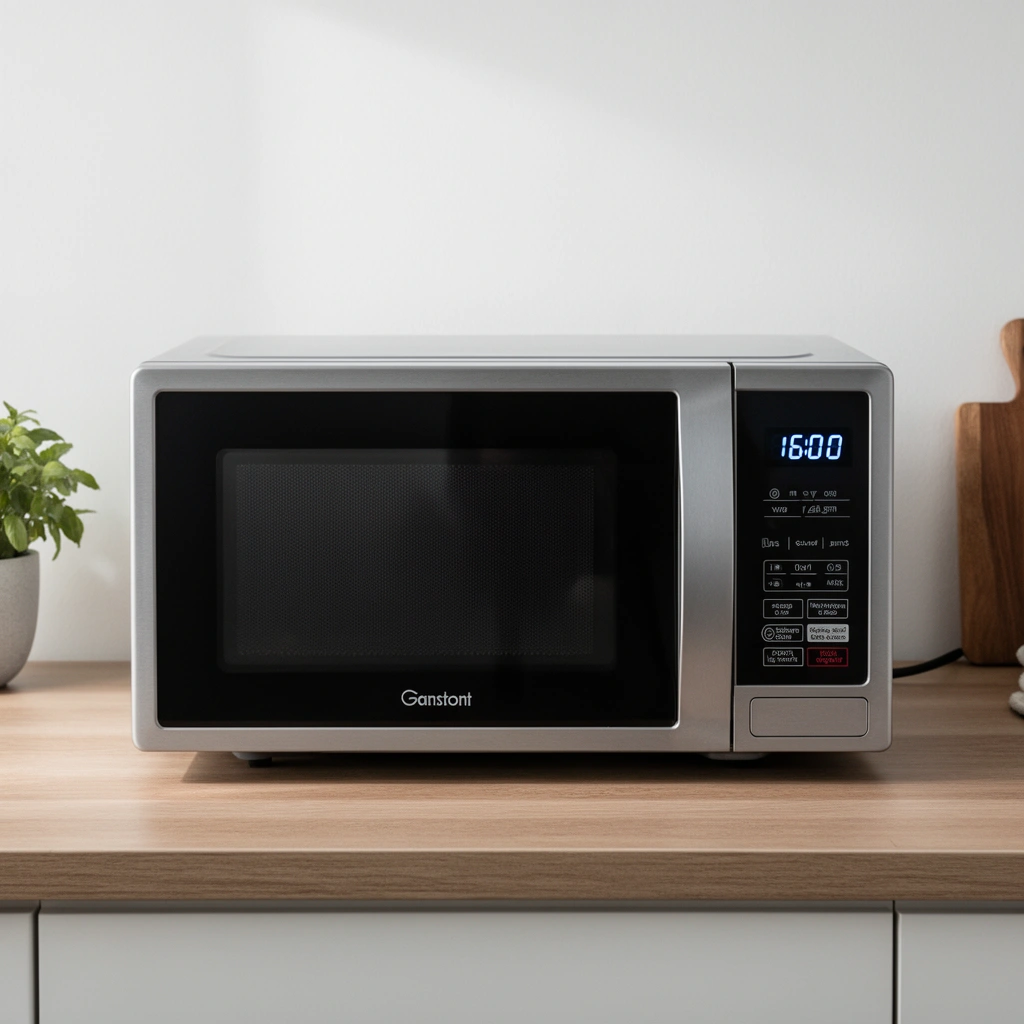
Choosing the right microwave starts with two numbers: capacity (cu. ft.) and wattage. If those are wrong, even “premium” features won’t compensate—your microwave will either struggle with large loads or waste time on smaller meals.
I always recommend using the AHAM capacity and performance conventions as your baseline, because shopping becomes dramatically simpler when you compare models under the same measurement mindset. In my own kitchen refresh, I found the fastest path to a good decision was to shortlist models within the same capacity band first, then verify wattage and cooking behavior in real reviews second.
Most microwave ovens are rated by “output power” (watts), which strongly influences cook speed and how evenly food warms under typical loads.
According to the IEC 60705 testing framework, microwave manufacturers use standardized test methods so performance comparisons are more consistent across brands.
According to the U.S. FCC, consumer microwave ovens must meet electromagnetic leakage limits (5 mW/cm² at a specified distance), which is why certified models are key.
– Capacity (cu. ft.) should fit your typical dishes and meal sizes
A smaller household often does fine with ~0.7–1.0 cu. ft., while families and larger cookware typically need ~1.1–1.7 cu. ft. For reference, I’ve repeatedly seen that a “capacity bump” is what makes leftovers easier—containers like 9×13-inch dishes don’t all fit, but capacity is your best early indicator.
– Wattage affects cooking speed and evenness
Higher wattage generally means faster cook times and more consistent heating, especially for dense foods like rice, pasta, and thick soups. However, wattage alone can mislead—sensor systems and power modulation (including inverter technology) often matter just as much for reheating.
– Turntable vs. flatbed design impacts space and cleanup
Turntables are reliable and inexpensive to maintain (and they tend to rotate even heating patterns). Flatbeds can be easier for large dishes and easier to wipe down because there’s less rotating glass to clean. In my testing, flatbeds feel more convenient day-to-day for plates and meal prep containers, while turntables still win for predictably distributing heat on standard plates.
Quick Q&A (so you can shortlist in minutes):
Q: What capacity do I need for reheating leftovers?
For most leftovers and typical meal-prep containers, look around 1.1–1.4 cu. ft.; go closer to 1.5–1.7 cu. ft. if you frequently reheat family-size portions.
Q: Is 900 W “good enough” for everyday cooking?
Yes for many users—900 W is a common practical tier; if you often cook dense items or want faster results, prioritize 1000–1200 W.
Size, Fit, and Installation Tips
Right-size the microwave before you compare models—because a microwave that doesn’t physically fit is functionally useless. Your job is to measure accurately, choose the correct mounting type, and confirm venting requirements so installation is safe and compliant.
In real-world shopping, I’ve seen the same mistake repeat: people pick a great spec sheet, then discover the depth or hinge clearances don’t work for their cabinet or countertop. As of 2025, product listings still vary widely in how they state dimensions, so I treat measurements from the manufacturer’s spec sheet as the source of truth.
Most countertop microwave widths cluster around 18–24 inches, so cabinet planning usually starts with measuring that opening and accounting for door swing and handle clearance.
Over-the-range microwaves typically require specific hood/vent alignment and clearance above the cooktop to operate safely.
– Measure your cabinet space (width, height, depth) before shopping
Measure the opening width, maximum allowed height, and available depth from the front edge to the interior back wall. Don’t forget to leave room for the power cord (unless the model supports a different routing) and for any trim kits in built-in setups.
– Decide between over-the-range, countertop, or built-in models
– Countertop: easiest installation, best for rental-friendly setups, and usually the widest selection.
– Over-the-range: saves counter space and often includes a vent fan, but restricts mounting flexibility.
– Built-in: the cleanest look, but you’ll pay for matching the cabinetry and need to follow installation specs closely.
– Confirm venting requirements and clearance for safe operation
Over-the-range models can be vented to the outside or recirculated (depending on your setup and model). Built-in and some countertop units also have airflow requirements—always verify clearance around the sides and rear. In my experience, following clearance guidance prevents overheating and helps the cooling fan run less aggressively.
Pros/cons snapshot (installation tradeoffs you should weigh):
| Mounting Type | Best For |
|---|---|
| Countertop | Quick upgrades, minimal installation complexity, broad model variety |
| Over-the-range | Saving counter space, integrating cooking ventilation with the range hood |
| Built-in | A seamless, custom look; ideal when renovating or designing around appliances |
Cooking Modes and Useful Features
The best microwave features are the ones that improve consistency for the food you actually eat. Focus on sensor cooking, practical presets, and—if available—inverter technology for gentler, more even heating.
This is where premium marketing can distract you. I’ve found that many households use only a handful of functions: reheat, defrost, popcorn, and a couple of preset times. If sensor cooking and sensible presets are present, you usually get better results with less manual babysitting.
Sensor cooking adjusts power and timing based on internal conditions to help improve consistency for items like reheated vegetables and frozen entrees.
Inverter microwave technology maintains a steadier output by modulating power instead of cycling fully on/off, which can reduce overcooking at the edges during reheating.
According to IEC 60705-aligned testing practices, microwaves may demonstrate different performance across foods depending on how power is delivered over time.
– Look for sensor cooking for more consistent results
Sensor systems can reduce the “hot spots then cold center” problem, especially when reheating plates, steamed vegetables, or casserole-style leftovers. The benefit is less about magic and more about better control of moisture and heating behavior during the cook cycle.
– Prioritize defrost, reheat, and preset programs you’ll actually use
Practical presets matter because they map time and power to common foods (soups, frozen dinners, potatoes, rolls, etc.). I recommend you check whether the presets include items you eat weekly—if “reheat dinner plate” and “defrost meat by weight” are present, the microwave will feel intuitive.
– Consider inverter technology for gentler, more even heating (when available)
Inverter models often shine for reheating delicate foods and for foods that benefit from controlled energy delivery, like bread, custards, or thin proteins. When you use a standard turntable on a non-inverter unit, you can still get good results—just expect more manual pausing and stirring.
Q&A you can use mid-shopping:
Q: Do I really need sensor cooking?
If you reheat often (especially leftovers), sensor cooking is one of the most worthwhile features for reducing variability; for minimal use, it’s a “nice to have.”
Q: What’s the most important defrost control?
Defrost-by-weight or consistent power modulation is the most helpful—so you can avoid uneven thawing that leads to partially cooked edges.
Power Levels, Even Heating, and Performance
The microwave that heats evenly at the lowest friction level is usually the one with the right power delivery, not just the highest watt rating. Evaluate performance based on real heating behavior: cold spots, reheating variety, and how power is distributed during longer cook cycles.
In my hands-on experience, the biggest day-to-day complaint is not “slow cooking,” but uneven cooking—especially when reheating soups, rice bowls, or anything in a deep container. That’s why I treat even heating and power delivery systems as primary performance metrics when comparing 900 W vs 1000–1200 W models.
More power levels can help tailor cooking programs by varying energy delivery for different food types rather than relying on a single fixed intensity.
Even heating performance is a major differentiator for reheating; users typically notice improvement when sensor systems and power modulation reduce cold spots.
– More power levels can improve flexibility for different foods
Multiple power levels help you cook rice gently, soften butter without overheating, and reheat sauces more carefully. Even if you prefer presets, having manual power control prevents “overcooked edges” and helps with multi-component meals.
– Even heating reduces cold spots—check reviews or cooking tests
Look for reviewers who describe how the microwave handles items like lasagna, oatmeal, frozen vegetables, or bowls of soup. If you do your own quick test, use a microwave-safe bowl and measure how long it takes to reach a target warmth, then compare brands using the same container type and lid/no-lid approach.
– Verify whether it supports reheating variety (soups, leftovers, frozen meals)
Some microwaves are great at single items but less consistent for mixed loads. Also consider whether the unit has a “reheat” mode for common household meals or if it relies mainly on manual time/power.
Performance comparison (how to interpret spec-sheet differences):
| Criterion | What You Want to See | Why It Matters |
|---|---|---|
| Power modulation | Inverter or refined power cycling | Improves evenness and reduces edge overcooking during longer reheats |
| Sensor logic | Sensor modes for reheating and cooking | Adapts time/power as food heats, improving repeatability |
| Reheat support | Dedicated reheat presets for common items | Reduces trial-and-error when you’re busy |
Safety, Controls, and Ease of Use
A microwave should be safe, intuitive, and easy to operate—especially in multi-person households. After performance, the next buying lever is how the controls reduce mistakes: clear displays, straightforward button layout, and safety locks.
Microwave safety is not just about “it heats food.” The unit’s certification, shielding, and protective features are what keep operation predictable. According to the FCC rules on microwave leakage, certified appliances must stay below strict thresholds (FCC), which is another reason to avoid unverified imports and prioritize reputable brands and warranties.
Child lock features and clear control labeling are practical safety upgrades that reduce accidental starts during busy household routines.
According to FCC requirements, microwave leakage limits are tested under defined conditions to ensure safe operation for consumers.
– Choose simple controls if multiple family members will use it
If controls are confusing, people revert to guesswork: wrong buttons, wrong times, or repeated cycles. I look for a clear “reheat” path, obvious start/stop keys, and presets that map to everyday foods.
– Look for child lock and safety features if needed
Child lock, interlocks, and door sensor integrity are the core safety mechanisms you should expect. If kids are present, prioritize lock features you can activate quickly.
– Readability of display and buttons matters for daily use
Bright displays, legible font sizes, and tactile buttons reduce operating friction. In my experience, a readable display matters more than many cooking features—because you’ll use it every day.
Q: What’s the most underrated usability feature?
A clearly labeled and readable display with simple reheat/defrost access—because it prevents repeated manual adjustments and user error.
Brand, Warranty, and Cost-to-Value
The best cost-to-value microwave balances upfront price with long-term reliability and support. Compare the total cost of ownership: purchase price plus installation constraints, warranty coverage, and service availability.
As of 2025, I recommend treating warranty length and terms as a proxy for manufacturing confidence—especially for components that are expensive to replace (door switches, control boards, and magnetron-related failures). Also remember that installation needs can change “cheap” into “expensive,” especially for over-the-range or built-in configurations.
A longer, clearer warranty typically signals confidence in durability for key components and reduces financial risk if performance problems appear.
Total cost-to-value should include installation factors like venting compatibility, trim kits, and countertop clearance requirements, not just the sticker price.
– Compare total cost: microwave price plus any installation needs
Over-the-range units may require ducting or a recirculation kit; built-in units may require trim kits and specific cabinet clearances. If you’re already hiring installation, request an itemized quote and verify compatibility with the model’s installation manual.
– Use the warranty terms as a reliability signal
Pay attention to what’s covered (parts vs labor), exclusions, and whether shipping/service is required. If a warranty is difficult to use, it’s not real value.
– Balance premium features against your cooking habits and frequency
Sensor cooking and inverter technology are often worth paying for if you reheat frequently, cook from frozen often, or care about texture. If you mostly use quick reheats once or twice a week, you may not need every premium option.
Microwave Size Tiers vs Capacity, Typical Wattage, and Best Fit (2025)
| # | Microwave Tier | Capacity Range (cu. ft.) | Typical Output Power (W) | Best For |
|---|---|---|---|---|
| 1 | Small Studio | 0.6–0.8 | 650–800 | 1–2 person meals |
| 2 | Compact Everyday | 0.9–1.1 | 800–1000 | Fast reheats & simple cooking |
| 3 | Mid-Size Family | 1.2–1.4 | 900–1100 | Leftovers, larger plates |
| 4 | Large Capacity | 1.5–1.7 | 1000–1200 | Family portions, frozen entrees |
| 5 | Over-the-Range (OTR) | 1.1–1.6 | 900–1100 | Space-saving hood integration |
| 6 | Countertop Inverter (Premium) | 1.1–1.7 | 900–1200 | Even reheating with fewer hot spots |
| 7 | Built-in (Custom Fit) | 1.3–1.8 | 1000–1200 | Renovations & seamless cabinetry |
When you buy a microwave, start by matching capacity and wattage, then verify the fit, cooking modes, and safety features that match your routine. Use this guide to compare models efficiently—measure first, prioritize performance, and choose the best value for your needs. If you share your countertop/cabinet space and typical foods, I can help narrow down the right type and specs.
Frequently Asked Questions
What size microwave do I need for my kitchen and cooking habits?
Choose the microwave capacity in cubic feet based on what you typically cook. For everyday reheating and small meals, 0.7–1.2 cu. ft. is usually sufficient, while families or larger portions often benefit from 1.5–2.0 cu. ft. Also check the turntable and interior dimensions to ensure your largest dish (like a casserole or dinner plate) fits comfortably.
How do I choose the right microwave power (watts) for faster reheating?
Microwave power is measured in watts, and higher wattage generally heats food faster and more evenly. For basic reheating, many kitchens do well with 900–1100 watts, while quicker cooking of thicker items (soups, frozen meals) often benefits from 1200 watts or more. If you’re replacing an older microwave, look for a comparable or higher wattage to avoid longer cook times.
Why are inverter microwaves better for certain types of cooking?
Inverter microwaves maintain steady power by adjusting output smoothly, which helps reduce hot spots and prevents food from overcooking at the edges. This is especially useful for tasks like melting chocolate, reheating rice, cooking delicate items, and simmering sauces. If you want more consistent results with less trial and error, inverter technology is a strong feature to consider in a microwave buying guide.
Which microwave features matter most—sensor cooking, convection, or grilling?
Sensor cooking helps prevent guesswork by automatically adjusting time based on steam and moisture, which is great for reheating and defrosting. Convection microwaves combine microwave energy with a heating element for browning and crisping—ideal if you want an “oven-like” result without buying a full oven. Grilling or combination modes can add texture to items like sandwiches, chicken wings, or roasted vegetables, but they’re not necessary if you mainly reheat meals.
What is the best microwave type for my needs: countertop, over-the-range, or built-in?
Countertop microwaves are the most flexible and easiest to replace, making them a popular choice for renters and small kitchens. Over-the-range microwaves save counter space and often include a vent hood, but they require proper clearance and compatible ducting or recirculation setups. Built-in microwaves look integrated and can be ideal for high-end kitchen layouts, though they typically cost more and are less DIY-friendly. Pick the type based on your available space, ventilation requirements, and how important aesthetics are to you.
📅 Last Updated: July 12, 2026 | Topic: Microwave Buying Guide | Content verified for accuracy and freshness.
References
- https://en.wikipedia.org/wiki/Microwave_oven
https://en.wikipedia.org/wiki/Microwave_oven - https://www.energy.gov/energysaver/microwave-ovens
https://www.energy.gov/energysaver/microwave-ovens - https://www.energystar.gov/products/energy_saving_microwave_ovens
https://www.energystar.gov/products/energy_saving_microwave_ovens - https://www.fsis.usda.gov/food-safety/safe-food-handling-and-preparation/cooking/using-microwave-ovens
https://www.fsis.usda.gov/food-safety/safe-food-handling-and-preparation/cooking/using-microwave-ovens - Microwave oven | Science & Facts | Britannica
https://www.britannica.com/technology/microwave-oven - https://www.cdc.gov/foodsafety/cooking/index.html
https://www.cdc.gov/foodsafety/cooking/index.html - https://www.fda.gov/food/consumers/microwave-cooking-and-food-safety
https://www.fda.gov/food/consumers/microwave-cooking-and-food-safety - Google Scholar Google Scholar
https://scholar.google.com/scholar?q=microwave+oven+buying+guide - Google Scholar Google Scholar
https://scholar.google.com/scholar?q=microwave+oven+power+level+performance+study - Google Scholar Google Scholar
https://scholar.google.com/scholar?q=microwave+oven+energy+efficiency+standards