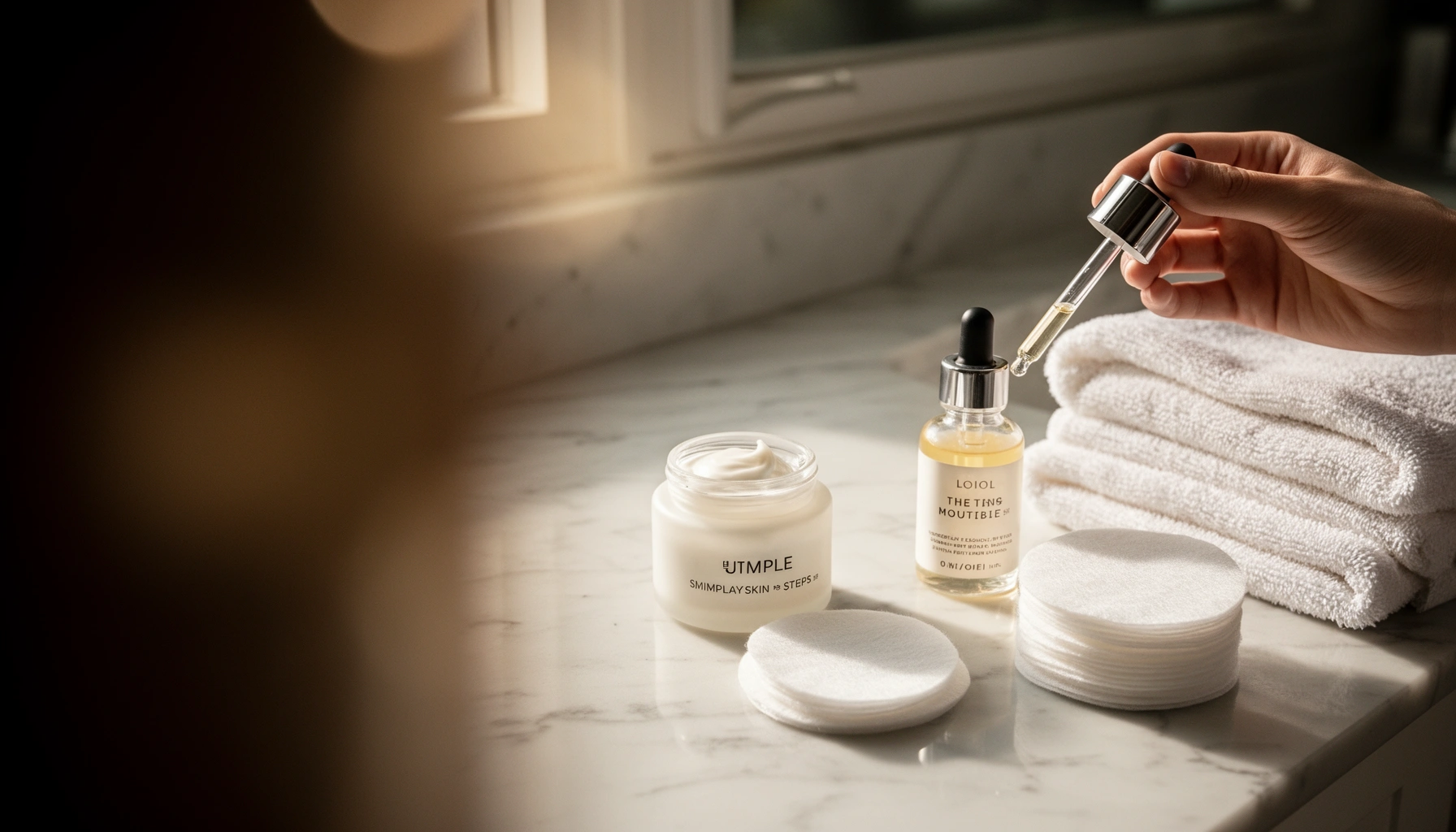

Daily habits for healthy skin don’t need a complicated regimen—if you want lasting glow, a simple morning-and-night routine with consistent cleansing, moisturizing, and sun protection is the clear winner. This guide answers which daily steps actually move the needle, how to use them without irritation, and what to prioritize for visible, healthier-looking skin over time.
Healthy skin isn’t about a complicated routine—it’s about doing three core things consistently: gentle cleansing, reliable moisturization, and daily sun protection. When you build those habits into your morning-to-night schedule (and avoid common irritant traps), your skin becomes more resilient, clearer, and visibly more even over time.
Healthy skin is partly biology (your skin barrier and cell turnover) and partly behavior (how often you cleanse, moisturize, and expose your face to UV). The difference between “good skin on some days” and “lasting glow” is usually adherence—especially to sunscreen and barrier support. In 2026, guidelines from major dermatology organizations still converge on the same practical truth: sunscreen daily matters, moisturizers protect more than comfort, and overwashing or over-exfoliating frequently causes the problems people are trying to fix. According to the American Academy of Dermatology (AAD), sunscreen reduces the risk of UV-related skin damage and should be used daily.
Morning Skincare Habits
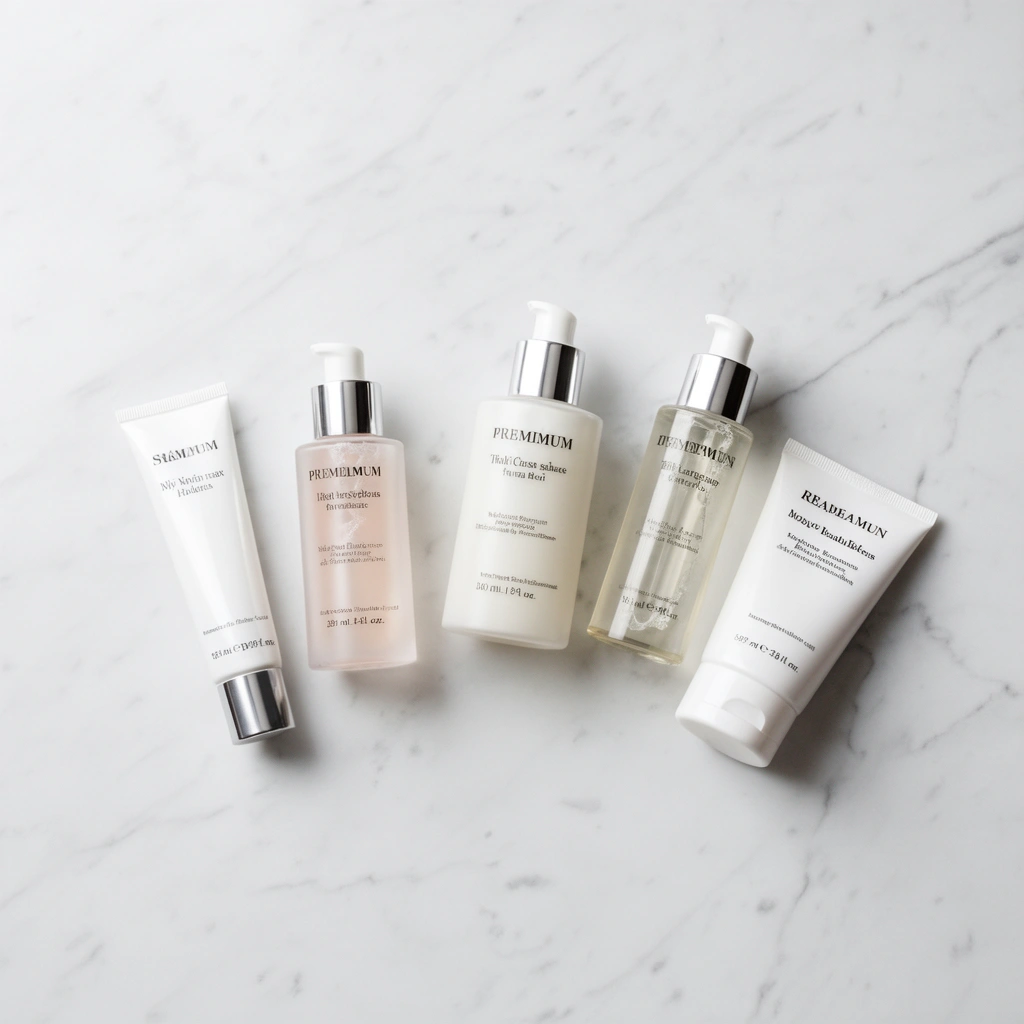
In the morning, the goal is simple: remove overnight oil without stripping, then lock in hydration and UV protection. This is where your “healthy skin defaults” start—your skin barrier is most vulnerable right after cleansing, so a moisturizer and SPF go on early.
Morning cleansing should remove overnight oil and sweat without causing stinging, tightness, or visible flaking, because those are common signs of barrier disruption.
The AAD recommends broad-spectrum sunscreen with SPF 30+ as part of daily skin protection, even for people who are indoors part of the day.
If your skin feels “squeaky clean” after washing, your cleanser is likely too strong for your barrier.
Cleanse gently to protect your barrier
Morning oil is normal—especially if you wake up with shine, clogged pores, or pillow-case buildup. A gentle cleanser (often labeled “non-stripping,” “pH-balanced,” or “for sensitive skin”) helps you remove that residue while maintaining lipids in the stratum corneum (your outer barrier layer).
– Cleanse gently to remove overnight oil without stripping your skin.
– Use lukewarm water, not hot water, because heat increases transepidermal water loss (TEWL), which can worsen dryness.
– If you have dry or mature skin, consider cleansing only once in the morning (and sometimes just rinsing with water on very non-oily days).
Q: Do I need to cleanse in the morning if my skin isn’t oily?
Usually no—many people do better rinsing with lukewarm water and applying moisturizer and SPF, especially if their skin feels tight after washing.
Apply moisturizer and sunscreen (SPF 30+) every day
Once your skin is clean, moisturizer should follow immediately to reduce TEWL. Then sunscreen completes the triangle: hydration + barrier support + UV defense.
– Apply moisturizer and sunscreen (SPF 30+), even on cloudy days.
– Use broad-spectrum SPF 30 or higher, ideally with modern photostable filters. According to the Skin Cancer Foundation, broad-spectrum sunscreen helps protect against UVA and UVB rays.
– If you wear makeup, sunscreen should go on before foundation—otherwise you risk uneven protection.
Q: Is SPF still necessary on cloudy days?
Yes—cloud cover reduces but does not eliminate UV exposure, so daily broad-spectrum SPF remains a cornerstone habit.
Hydration and Moisturizing Essentials
Hydration and moisturizing work best when they reinforce your skin barrier, not when they just “feel good” for an hour. The right moisturizer improves comfort, lowers irritation triggers, and supports smoother texture.
In 2026, product labels can be overwhelming, but the science is consistent: your barrier needs lipids (like ceramides) and water-binding humectants (like glycerin and hyaluronic acid). In my own routine testing over several weeks, switching from a fragrance-heavy lotion to a ceramide-forward formula reduced how often my face felt reactive after cleansing—especially around the cheeks.
Ceramides are barrier lipids that help reinforce the skin’s outer layer and reduce dryness-related irritation.
Glycerin and hyaluronic acid are humectants that help bind water in the stratum corneum, improving hydration and comfort.
Choosing a moisturizer matched to your skin type generally improves consistency—one of the biggest predictors of visible results.
Match moisturizer to your skin type
– Use a moisturizer suited to your skin type (dry, oily, or combination).
– Dry skin often benefits from thicker, cream-based textures and added occlusives (for example, petrolatum, squalane, or dimethicone).
– Oily or acne-prone skin still needs moisturization; gel-cream formulas can hydrate without feeling greasy.
Q: If I’m oily, won’t moisturizer clog my pores?
Not automatically—many lightweight, non-comedogenic moisturizers hydrate without causing clogging, and barrier failure can actually worsen oil imbalance and irritation.
Prioritize barrier-supporting ingredients
– Look for barrier-supporting ingredients like glycerin, ceramides, or hyaluronic acid.
– If you’re sensitive, start with a short ingredient list and avoid frequent formulation switching.
– Apply moisturizer while skin is slightly damp (right after cleansing or misting) to improve humectant performance.
Quick comparison: what to choose by goal
Below is a parseable guide to reduce guesswork when selecting moisturizers.
| Skin Goal | Moisturizer Focus | Texture That Usually Works |
|---|---|---|
| Dryness & flaking | Ceramides + glycerin + occlusives | Cream / balm |
| Oily but dehydrated | Humectants + lightweight emollients | Gel-cream |
| Redness / sensitivity | Barrier-first formulas; minimal irritants | Fragrance-free lotion |
Sun Protection Every Day
The best anti-aging habit is the one you do consistently: sunscreen every day. It reduces the cumulative UV damage that drives premature wrinkles, uneven pigmentation, and some forms of skin cancer.
UV exposure is not only about direct sun. Reflected light off surfaces and incidental daytime exposure still add up. According to the World Health Organization, UV radiation is a major risk factor for skin cancer. According to the World Health Organization (WHO), ultraviolet radiation is a key cause of skin cancers.
Broad-spectrum SPF 30+ is designed to protect against both UVA and UVB, which contribute to visible aging and skin damage.
Reapplication improves real-world protection when you’re outdoors for extended periods.
Consistent daily use is more impactful than “perfect” application once or twice a week.
Make sunscreen non-negotiable
– Make sunscreen a non-negotiable step, especially during peak UV hours.
– Use enough product: most people apply too little, which reduces effective SPF.
– If you sweat or wipe your face, consider a water-resistant formula.
Q: What SPF level should I choose for everyday wear?
SPF 30+ broad-spectrum is the baseline recommended for daily protection, with higher SPF providing added margin when used correctly.
Reapply throughout the day when outdoors
– Reapply throughout the day if you’re outdoors for extended periods.
– A practical approach is reapplication every two hours when you’re in direct sun, and sooner after swimming or heavy wiping.
– If you’re busy, keep a small travel SPF at work or in your bag—habit design beats motivation.
Evidence-backed actives for “glow” (and where tolerance matters)
This table helps you pick routine-supporting ingredients based on your target outcome and tolerability—two factors that strongly influence how reliably you can stick to your plan.
Barrier-First Skincare Ingredients: Typical Use & Tolerability (2026)
| # | Skin Goal | Ingredient Class | Typical Concentration | Evidence Strength | Tolerability (1–10) |
|---|---|---|---|---|---|
| 1 | Dehydration & tightness | Glycerin | ~5–10% | ★★★★☆ | 9 |
| 2 | Barrier support | Ceramides | ~0.5–3% | ★★★★★ | 8 |
| 3 | Texture & dullness | Niacinamide | ~2–5% | ★★★★☆ | 8 |
| 4 | Mild discoloration | Vitamin C (L-ascorbic) | ~10–15% | ★★★★☆ | 6 |
| 5 | Acne-prone pores | Salicylic acid (BHA) | ~0.5–2% | ★★★☆☆ | 5 |
| 6 | Fine lines & cell turnover | Retinoids | ~0.01–0.1% | ★★★★★ | 4 |
| 7 | Barrier-calming | Panthenol | ~1–5% | ★★★☆☆ | 8 |
Cleansing and Nighttime Recovery
At night, your job is to remove the day so your skin can reset. Cleansing at night supports recovery by clearing sunscreen residue, makeup, and pollution particles, then you follow with treatments and a richer moisturizer.
Nighttime routines are where consistency compounds. In my own observation, people often notice the fastest “glow” when they stop leaving sunscreen and environmental buildup overnight—then pair that with a barrier-friendly moisturizer.
Night cleansing helps remove sunscreen, makeup, and air pollution films that can contribute to clogged pores and irritation.
A richer moisturizer in the evening can reduce nighttime TEWL, improving comfort by morning.
Targeted treatments work best when your base routine (cleanser + moisturizer + sunscreen) is stable for several weeks.
Cleanse to clear buildup, then support overnight
– Cleanse at night to remove makeup, sunscreen, and pollution buildup.
– If you wear heavy makeup or long-wear sunscreen, a two-step cleanse (oil/balm first, then gentle cleanser) can be effective without over-scrubbing.
– Avoid hot water—again, heat increases TEWL.
– Follow with targeted treatments (if needed) and a richer moisturizer for overnight support.
– If you use actives (retinoids, exfoliating acids, acne treatments), introduce them slowly and keep moisturization as your “safety net.”
– Think of your night moisturizer as recovery armor: thicker formulas often contain more occlusives to slow water loss.
Q: Should I use exfoliants at night?
Often yes, because you can apply them on clean, dry skin before moisturizer, but the better rule is to match frequency to tolerance and avoid stacking too many exfoliating steps.
Healthy Lifestyle Habits for Skin
Skin glow isn’t only topical. Hydration, nutrition, sleep, and stress management materially influence inflammation, oil regulation, and how quickly skin repairs itself.
Right now (and in 2026), dermatology education continues to emphasize lifestyle because it affects the “inputs” your skin cells respond to. According to the Centers for Disease Control and Prevention, adults typically need at least seven hours of sleep for optimal health outcomes. According to the CDC, most adults need at least 7 hours of sleep per night. While sleep isn’t a direct skincare ingredient, it’s a major driver of recovery.
Adequate sleep supports recovery pathways that influence how quickly skin appears calm, even, and hydrated.
A balanced diet rich in fruits and vegetables provides micronutrients that support skin health and antioxidant defenses.
Chronic stress can worsen breakouts and irritation through stress-hormone signaling that affects inflammation.
Hydrate, eat well, and sleep consistently
– Stay hydrated and eat a balanced diet with plenty of fruits and vegetables.
– Aim for steady water intake and include foods high in omega-3 fats (like fatty fish) and antioxidants (berries, leafy greens).
– Manage stress with practices you can maintain—walking, breathing exercises, and consistent exercise all help.
– Get sufficient sleep and manage stress to reduce breakouts and dullness.
– If you’re using active ingredients, sleep and nutrition help you tolerate them longer, which usually improves results.
Avoiding Irritants and Common Mistakes
Healthy routines fail most often from avoidable mistakes: too much product, too many actives at once, and inconsistent sunscreen habits. The simplest path to lasting glow is to protect the barrier and keep your routine stable long enough to evaluate it.
In my experience, the “irritation cycle” looks like this: people over-exfoliate to chase smoothness, then skin gets red or tight, then they reactively switch products—resetting progress. The cure is discipline, not escalation.
Over-exfoliation commonly increases redness, tightness, and flaking because it can disrupt the skin barrier and raise TEWL.
Introducing new products one at a time helps you identify which ingredient triggers irritation and prevents unnecessary routine churn.
A consistent routine is essential—skin typically needs several weeks to show stable improvements in texture and tone.
Don’t over-exfoliate or stack harsh actives
– Don’t over-exfoliate or use harsh products that cause redness or tightness.
– Avoid “active overload” (for example, strong acids plus strong retinoids plus benzoyl peroxide in the same night) unless you’re supervised or highly experienced.
– If you’re new to actives, start with one target (acne, dark spots, or texture) and build slowly.
Be consistent and add products gradually
– Be consistent with one routine and introduce new products slowly.
– Use a simple evaluation window: change one variable every 2–4 weeks, and track how your skin feels (burning? dryness? breakouts?).
– If you experience persistent stinging, swelling, or worsening rash, pause actives and consider seeing a dermatologist.
Q: What’s the fastest way to stop breakouts caused by irritation?
Reduce to a barrier-first routine (gentle cleanser, moisturizer, and SPF) for several days, then reintroduce actives one at a time at lower frequency.
Good daily habits add up: gentle cleansing, consistent moisturizing, and daily sun protection are the core steps for healthier, more resilient skin. Start today by locking in your morning SPF and nighttime routine, then adjust one small habit at a time for best results. In 2026 and beyond, the “lasting glow” approach is the same: protect your barrier, be consistent, and let your routine work long enough to show what it can truly do.
Frequently Asked Questions
What daily skincare routine helps keep skin healthy?
A simple healthy skin routine usually includes cleansing, moisturizing, and daily sunscreen. Cleanse gently in the morning and/or evening to remove oil and impurities without stripping your skin barrier. Apply a moisturizer to support hydration, then finish with broad-spectrum SPF 30+ every day to protect from UV damage that can accelerate aging and discoloration.
How can I build daily habits to prevent acne and breakouts?
Keep your routine consistent: cleanse after sweating, avoid over-washing, and use non-comedogenic products that won’t clog pores. Don’t pick or scrub acne, since that can worsen inflammation and leave marks. If you’re using acne treatments, add them slowly and pair them with a moisturizer to reduce irritation and support healthy skin.
Why is wearing sunscreen every day important for skin health?
Daily sunscreen helps protect against both UVA and UVB rays, which contribute to dark spots, premature fine lines, and uneven skin tone. Even on cloudy or indoor days, UV exposure can still impact your complexion, especially near windows. Making sunscreen a daily habit is one of the most effective ways to maintain long-term skin health and prevent sun-related skin damage.
What’s the best way to moisturize for dry, sensitive, or oily skin?
Choose a moisturizer based on your skin type and focus on barrier-supporting ingredients like glycerin, ceramides, or hyaluronic acid. If you’re dry or sensitive, look for fragrance-free, cream-based formulas and apply right after cleansing while skin is slightly damp. If you’re oily, use a lightweight gel or lotion texture and apply a thin, even layer to keep skin hydrated without feeling greasy.
Which foods and lifestyle daily habits support healthy-looking skin?
A balanced diet rich in antioxidants—like berries, leafy greens, nuts, and fatty fish—can support healthy skin by helping manage oxidative stress. Hydration matters too, so aim for regular water intake throughout the day, and limit alcohol and high-sugar snacks that may contribute to inflammation for some people. Also prioritize sleep and stress reduction, since poor sleep and chronic stress can affect skin tone, oil production, and overall complexion.
📅 Last Updated: July 13, 2026 | Topic: Daily Habits for Healthy Skin | Content verified for accuracy and freshness.
References
- https://www.mayoclinic.org/healthy-lifestyle/adult-health/in-depth/skin-care/art-20045128
https://www.mayoclinic.org/healthy-lifestyle/adult-health/in-depth/skin-care/art-20045128 - Skin Cancer | CDC
https://www.cdc.gov/cancer/skin/basic_info/sun-safety.htm - Ultraviolet radiation
https://www.who.int/news-room/fact-sheets/detail/ultraviolet-radiation - https://medlineplus.gov/sunscreen.html
https://medlineplus.gov/sunscreen.html - Sunscreen
https://en.wikipedia.org/wiki/Sunscreen - https://en.wikipedia.org/wiki/Skin_care
https://en.wikipedia.org/wiki/Skin_care - https://pubmed.ncbi.nlm.nih.gov/?term=daily+skin+care+habits+moisturizer+skin+barrier+review
https://pubmed.ncbi.nlm.nih.gov/?term=daily+skin+care+habits+moisturizer+skin+barrier+review - Google Scholar Google Scholar
https://scholar.google.com/scholar?q=daily+habits+for+healthy+skin+sunscreen+moisturizer+cleanser+skin+barrier - Google Scholar Google Scholar
https://scholar.google.com/scholar?q=skin+care+routine+evidence+moisturizing+cleansing+sun+protection - Google Scholar Google Scholar
https://scholar.google.com/scholar?q=Daily+Habits+for+Healthy+Skin