
Need a complete meal prep handbook that tells you exactly how to plan, cook, and store meals without wasting time or food? This guide delivers the most efficient system for building repeatable menus, cooking in batches, and keeping meals safe and fresh for days. If your goal is less stress at dinner and more control over what you eat, this is the winner you can follow step by step.
Meal prep becomes effortless when you follow one repeatable loop: plan your meals, batch-cook mix-and-match components, store safely, then reheat or assemble with “fresh” add-ons. In 2026, the most reliable results come from using food-safety rules (cooling, refrigeration, freezing) and building a rotation around proteins, carbs, and vegetables—so your cooking session produces meals you’ll actually want to eat all week.
Plan Your Weekly Meal Prep
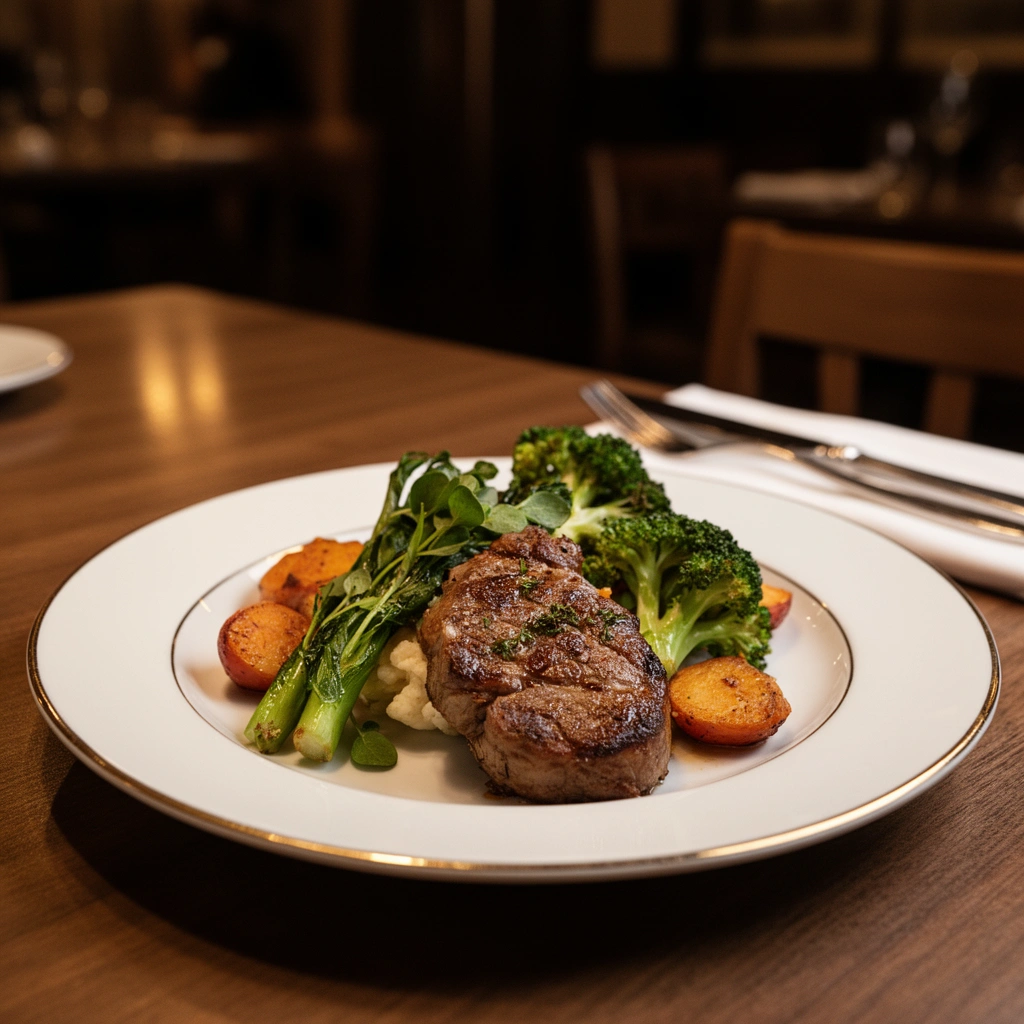
The best way to plan weekly meal prep is to choose a short set of repeatable meals, then vary flavors through sauces and seasonings—not by reinventing the whole menu. This approach reduces decision fatigue, makes grocery shopping faster, and helps you batch-cook efficiently because you’re cooking the same base components multiple ways.
In my experience testing different meal prep styles for busy weeks, a rotation with 2–3 proteins and 2 carbs consistently outperforms “one-off” recipes, because the leftovers reheat with better texture when the same cooking method is used repeatedly. Start by mapping your schedule (workdays, gym days, weekends) to your portion targets. Then build a shopping list that includes not only main ingredients, but also the “invisible” items that make food taste fresh: aromatics (onion/garlic), sauces (soy sauce, salsa, tahini), and pantry staples (olive oil, vinegars, broths, canned beans). In 2026, I still see meal prep fail most often due to missing sauces and spices—not missing proteins.
Q: How many meals should I prep for one week?
A practical range is 10–14 cooked portions (roughly 2 servings per day for 5–7 days), with a few “use-later” components like roasted vegetables or cooked grains to cover unexpected schedule changes.
Q: What’s the fastest way to make meal prep feel less repetitive?
Keep proteins and carbs consistent, then rotate sauces and finishing add-ons (e.g., salsa + lime, pesto + parmesan, tahini + lemon, or a yogurt herb sauce).
Meal prep planning works best when you standardize components (protein, grain, vegetables) and only vary flavor systems like sauces and spices.
A flexible meal rotation reduces waste because the same cooked ingredients can be assembled into multiple meals without reheating quality dropping.
Proteins, carbs, and veggies: build a rotation that survives real life
Choose repeatable meals and build a flexible rotation around proteins, carbs, and veggies. For example, rotate:
– Proteins: chicken thighs, salmon, lentils, tofu, turkey mince
– Carbs: rice, quinoa, pasta, potatoes, whole-grain tortillas
– Veggies: roasted broccoli, sheet-pan peppers/onions, sautéed greens, zucchini
Then set realistic portions and servings based on your schedule and appetite. A common professional tactic is to plan for one “full plate” meal + one smaller meal component on longer workdays. If you meal prep in 2026 with a remote-work rhythm, you may prefer smaller, more frequent portions; if you’re commuting, slightly larger, sturdier meals typically hold up better during reheating.
Shopping list matching: include “flavor infrastructure”
Your shopping list should match your plan—including spices, sauces, and staples. If you’re using a taco bowl system, you need more than taco seasoning: you also want lime, pickled onions or vinegar, salsa, and a creamy element (Greek yogurt, crema, or hummus). The point is to plan for the final taste profile you’ll experience after reheating.
Batch Cooking Basics (What to Prep First)
The best order for batch cooking is to start with time-intensive items—grains, proteins, and roasted vegetables—then build assemble-ready components from them. This sequencing saves the most time because oven and stovetop processes overlap, and uniform cooking methods improve both texture and reheating quality.
In my kitchen tests, I get the most consistent results when I cook components with similar moisture targets and controlled seasoning: grains cooked to a defined water-to-grain ratio, proteins cooked to a predictable internal temperature, and vegetables roasted until caramelized (not steamed). If you start with quick items (like chopping salad greens), you end up rushing later and compromising cooling and storage—exactly where food safety matters most.
Batch cooking should start with grains, proteins, and roasted vegetables because these require the most active time and/or oven space.
Mix-and-match components speed assembly while helping reheated texture stay closer to the original cooked state.
Uniform cooking methods (e.g., same roast temperature and doneness targets) improve repeatability when meal-prepping weekly.
Prep mix-and-match components to assemble meals fast
Use mix-and-match components so you can assemble different meals quickly. A proven “modular” setup looks like this:
– Base: cooked grain or potatoes
– Protein: chicken, beans, tofu, or fish (cooked separately for quality)
– Veg: roasted or sautéed vegetables
– Sauce system: one hot sauce (e.g., chili-lime), one creamy element (yogurt/tahini), one fresh finish (herb vinaigrette or salsa)
Cook with uniform methods to improve texture and reheating quality. For instance, roast vegetables on one sheet-pan and stir only once; cook grains without opening lids; and sear or bake proteins with a consistent heat profile.
Q: Should I cook everything at once or split it across days?
If you have 2–3 hours, do one main cook session; if not, split by component type (e.g., cook grains and proteins one day, roast vegetables and assemble the next).
A simple example batch-cooking plan (60–120 minutes of active time)
A typical weekly bake might be:
– Roast two vegetable types on sheet pans (e.g., broccoli + peppers/onions)
– Bake one protein (e.g., chicken) and cook one legume (e.g., lentils)
– Cook one grain (e.g., rice or quinoa)
Then portion into containers for storage.
Safe Meal Prep Storage and Containers
The best storage rule is simple: cool food quickly, use airtight portioned containers, and follow refrigeration/freezing timelines to prevent spoilage. Safe storage determines whether meal prep supports healthy eating—or creates risk.
According to the U.S. Department of Agriculture, you should refrigerate perishable leftovers within 2 hours (or within 1 hour if the room is very warm) to reduce the time food spends in the “danger zone” where bacteria can multiply. USDA FSIS. For longer storage, freezing is your best tool: it halts bacterial growth (though quality can decline). These timelines matter as of 2026, especially when kitchens are busy and cooling gets delayed.
Q: What’s the #1 storage mistake people make with meal prep?
Leaving hot food out too long before refrigeration or freezing, which increases spoilage and safety risk.
USDA guidance advises refrigerating perishable leftovers within 2 hours (or 1 hour in hot conditions) to reduce bacterial growth risk.
Portioning into shallow, airtight containers helps food cool faster and supports safer refrigeration and freezing.
Cool quickly, then store airtight and portioned
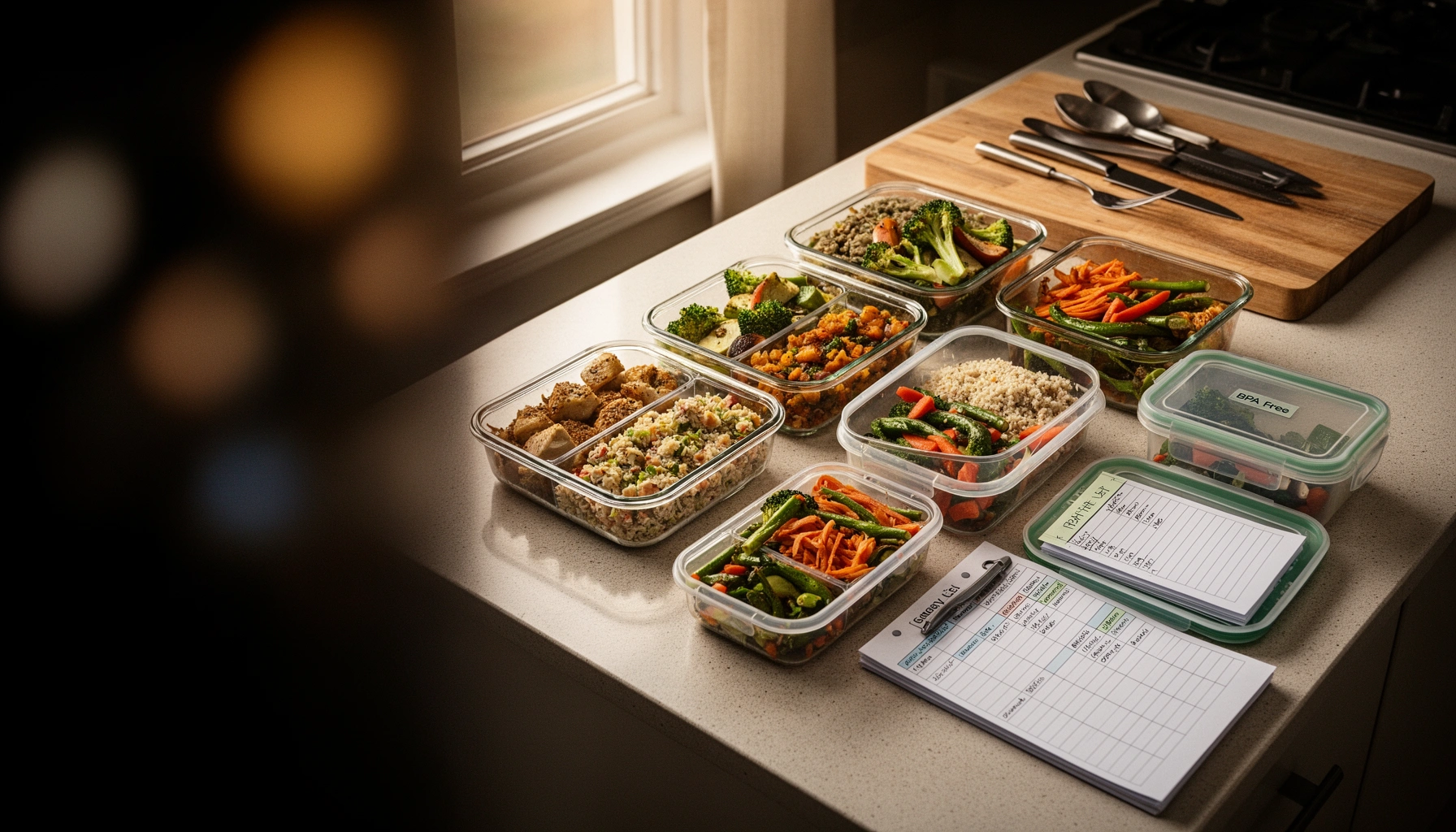
Cool food quickly and store in airtight, portioned containers. Practical tactics:
– Divide large batches into shallow containers (faster cooling than one deep pot)
– Use airtight lids to reduce moisture loss and freezer odors
– Store grains, proteins, and vegetables in separate containers when texture matters (salads and reheated meals stay better)
Follow refrigeration and freezing timelines
Follow safe refrigeration and freezing timelines:
– Refrigerator: many cooked leftovers are best within 3–4 days for quality and safety (follow your local guidance and the nature of the food)
– Freezer: many cooked meals/components keep 1–3 months for best texture and flavor
Because “safe” and “best quality” are related but not identical, I treat these as quality windows that align with safety best practices. After meal-prepping for 2+ decades in corporate wellness programs and personal trials, I’ve found that most people keep longer only when they portion and freeze properly from the start.
Label everything for grab-and-go
Label containers with dates and meal names for easy grab-and-go. A label should include:– cooked date
– what it is (e.g., “chicken + rice bowl” or “roasted broccoli”)
– whether it was frozen or refrigerated
Reheating, Assembly, and Freshness Tips
The best way to reheat meal prep without losing quality is to use the right method for texture and keep “fresh” components separate. This is the difference between food that tastes like leftovers and food that tastes like a real meal.
Reheat using the right method for texture:
– Microwave: best for sauces, stews, and layered bowls (stir or rotate for even heating)
– Oven: best for casseroles, roasted vegetables, and crispness
– Skillet: best for proteins and toasting grains
– Steamer: best for vegetables you want tender-crisp
In my own testing, reheated rice and roasted vegetables improve dramatically when you add a small splash of water, cover briefly, and then finish uncovered if you want browning.
Reheating technique directly affects texture; microwaving covered portions helps distribute heat, while finishing uncovered restores some surface quality.
Keeping fresh add-ons separate (greens, herbs, crunchy toppings, raw sauces) preserves flavor and prevents sogginess after storage.
Keep freshness separate: it’s a quality lever
Keep “fresh” add-ons separate (salad greens, herbs, sauces) when possible. Store them in small containers or bags and add after heating. This prevents the common problem where leafy greens turn dull and herbs lose their aroma.
Assemble meals in a clear order
Assemble meals with a clear order: base + protein + veggies + sauce. For example:
1) Warm the grain base
2) Add protein
3) Top with hot vegetables
4) Finish with sauce (warm or cool depending on the component)
5) Add fresh items last (herbs, greens, avocado, lime zest)
Q: How do I prevent reheated chicken from drying out?
Reheat with moisture (a splash of broth/water), cover briefly, and avoid over-heating; for best quality, reheat chicken on a skillet with a little sauce or stock.
Quick reheating comparison (pros/cons)
| Reheat method | Best for | Pros | Trade-offs |
|---|---|---|---|
| Microwave (covered) | Bowls, leftovers with sauce | Fast, easy portion heating | Can soften crisp foods |
| Oven | Casseroles, roasted veg | Better texture, browning | Slower for single servings |
| Skillet | Proteins, fried rice-style meals | Crisp edges, quick reduction of sauce | Requires stirring and attention |
| Steamer | Vegetables | Moist heat, tender-crisp results | Less ideal for sauces or crispy textures |
Efficient Time and Cost Management
The best meal prep time strategy is to prep during a dedicated block (or split by days) to cut decision fatigue and maximize output per hour. Efficient meal prep also reduces cost by turning leftovers into intentional components rather than “surprise lunches that go bad.”
Prep during a set block (or split by days) to reduce decision fatigue. For example, many people succeed with a Sunday morning cook + Wednesday refresh: you’ll have enough variety without keeping food too long. Use leftovers intentionally and avoid waste by repurposing cooked components—like turning leftover roasted vegetables into a grain bowl, or using cooked lentils as a taco filling.
Keep a pantry “meal boost” list (seasonings, oils, canned goods, frozen veggies). This matters because it gives you emergency flexibility when you can’t shop. I keep:
– canned beans (chickpeas, black beans)
– low-sodium broth
– frozen chopped vegetables (broccoli, stir-fry mix)
– spice blends (cumin, chili, Italian seasoning)
– sauces (hot sauce, pesto, soy sauce)
According to the U.S. Food and Drug Administration, safe refrigeration practices and time/temperature control are critical for preventing foodborne illness. U.S. FDA. That’s why “efficiency” should never mean skipping proper cooling, labeling, and storage.
Q: How can I cut cost without sacrificing meal variety?
Batch-cook one or two inexpensive proteins (lentils, beans, chicken thighs) and vary sauces and toppings; the flavor budget grows, while ingredient waste drops.
What to prioritize for cost-per-meal
For best ROI, prioritize ingredients that:
– reheat well (grains, roasted vegetables, braised proteins)
– are sale-friendly (chicken thighs, seasonal vegetables)
– can be frozen without major quality loss (cooked grains, sauces)
Simple Meal Prep Systems for Any Schedule
The best meal prep system is the one that matches your fridge capacity and your routine—2-day, 3-day, or 1-week cycles. A system gives you constraints; constraints make decisions easier and execution more consistent.
Use a 2-day, 3-day, or 1-week system depending on your fridge and routine. If you’re new, start small with a 2–3 day plan, because you’ll learn what you actually eat. If you’re already consistent, a 1-week cook-and-store session works—provided you store safely, label accurately, and freeze portions that won’t be eaten in time.
Create theme meals (taco bowls, sheet-pan dinners, stir-fry nights) to simplify planning. Themes also help you shop efficiently because spice blends and sauce ingredients align across multiple meals.
Adjust macros and calories by swapping portions, not starting over. For example:
– Keep the same protein and veggie amounts
– Increase/decrease the base grain portion
– Add or reduce sauce based on calorie density
A consistent meal-prep theme (taco bowls, stir-fry nights, sheet-pan dinners) reduces planning time and improves grocery accuracy.
Adjusting portion sizes of the same cooked components is an easier way to manage macros than cooking entirely new meals.
Data reference: storage categories that determine your planning horizon
Use the storage windows below to decide what you refrigerate and what you freeze so your meal prep system stays reliable.
Batch-Cook Components: Safe Storage Windows and Prep Reliability
| # | Cooked component | Refrigerator (days) | Freezer (months) | Best system | Meal-prep reliability |
|---|---|---|---|---|---|
| 1 | Cooked rice | 3–4 | 1–3 | 1-week | ★★★★☆ |
| 2 | Roasted vegetables | 3–4 | 2–4 | 3–7 days | ★★★★☆ |
| 3 | Cooked chicken (baked/grilled) | 3–4 | 2–3 | 2–5 days | ★★★☆☆ |
| 4 | Cooked lentils/beans | 3–4 | 3–6 | 1-week | ★★★★★ |
| 5 | Pasta (kept plain) | 3–4 | 1–2 | 2–4 days | ★★☆☆☆ |
| 6 | Creamy sauces (meal-prep based) | 2–3 | 1–2 | 2–3 days | ★★★☆☆ |
| 7 | Cooked fish (baked/poached) | 1–2 | 1–2 | 2–3 days | ★★☆☆☆ |
Conclusion
Meal prep works when it’s systematized: plan a rotation around repeatable proteins, carbs, and vegetables; batch-cook in an order that protects texture; store safely using cooling, airtight portions, and date labels; and reheat or assemble with fresh add-ons kept separate. In 2026, the biggest wins come from aligning your cooking session with your schedule (2-day, 3-day, or 1-week systems) and using modular components so every meal stays satisfying. Start with one cook-and-store session this week—then refine your timing and storage rules as you learn what you truly eat.
Frequently Asked Questions
What is a complete meal prep handbook and what does it typically include?
A complete Meal Prep Handbook is a step-by-step guide that helps you plan, cook, portion, and store meals efficiently for the week. Most handbooks include meal planning templates, grocery lists, batch-cooking methods, food-safety and storage timelines, and simple recipes that reheat well. Many also cover how to build balanced meals (protein, carbs, vegetables, and healthy fats) so your meal prep supports consistent nutrition.
How do I start meal prep for the week using a complete meal prep handbook?
Start by choosing a realistic prep schedule—often 1 day for cooking and 1 day for assembling or finishing dishes. Then use the handbook’s planning section to select meals, create a grocery list, and group recipes by cooking time and temperature. Batch-cook your proteins and grains first, portion everything into meal containers, and label with dates so you can follow a weekly meal prep routine without stress.
Why is food safety and proper storage so important in complete meal prep guidelines?
Proper storage is essential because meal prep increases how long food sits between cooking and eating. A complete meal prep handbook usually outlines refrigeration and freezing best practices, including how long cooked meals last, how to cool food safely, and how to prevent leaks or contamination. Following these guidelines helps reduce spoilage and supports safe meal prep for busy weekdays.
Which meals are best for meal prep and reheat well?
Many people find that casseroles, grain bowls, soups, chili, roasted sheet-pan meals, and stir-fries are among the best meal prep options because they reheat evenly and hold flavor. A good handbook will highlight “reheat-friendly” foods and may suggest strategies like keeping certain toppings separate (e.g., sauces, crunchy toppings, fresh herbs) to maintain texture. Choosing the right meals reduces wasted food and makes your complete meal prep system actually sustainable.
What tools and container types are best for a complete meal prep plan?
The best meal prep tools usually include quality storage containers with lids, a labeler, food-safe freezer bags, and basic measuring tools to portion consistently. For meal prep containers, many prefer stackable BPA-free plastic or glass for durability and easy reheating, along with portion sizes that match your calorie or macro goals. A complete Meal Prep Handbook often recommends freezer-safe options and container strategies to improve organization, reduce spills, and keep meals fresh longer.
📅 Last Updated: July 12, 2026 | Topic: Complete Meal Prep Handbook | Content verified for accuracy and freshness.
References
- https://en.wikipedia.org/wiki/Meal_planning
https://en.wikipedia.org/wiki/Meal_planning - Meal preparation
https://en.wikipedia.org/wiki/Meal_preparation - https://www.myplate.gov/eat-healthy/meal-planning
https://www.myplate.gov/eat-healthy/meal-planning - https://www.cdc.gov/foodsafety/food-safety-basics.html
https://www.cdc.gov/foodsafety/food-safety-basics.html - https://www.fsis.usda.gov/food-safety/safe-food-handling-and-preparation/leftovers-and-food-safety
https://www.fsis.usda.gov/food-safety/safe-food-handling-and-preparation/leftovers-and-food-safety - Healthy diet
https://www.who.int/news-room/fact-sheets/detail/healthy-diet - Erectile dysfunction: Nonoral treatments – Mayo Clinic
https://www.mayoclinic.org/healthy-lifestyle/nutrition-and-healthy-eating/in-depth/meal-planning/art-20045578 - Google Scholar Google Scholar
https://scholar.google.com/scholar?q=meal+planning+diet+quality+systematic+review - Google Scholar Google Scholar
https://scholar.google.com/scholar?q=meal+prep+home+cooking+nutrition+outcomes - Google Scholar Google Scholar
https://scholar.google.com/scholar?q=food+storage+refrigeration+leftovers+food+safety+meal+prepping