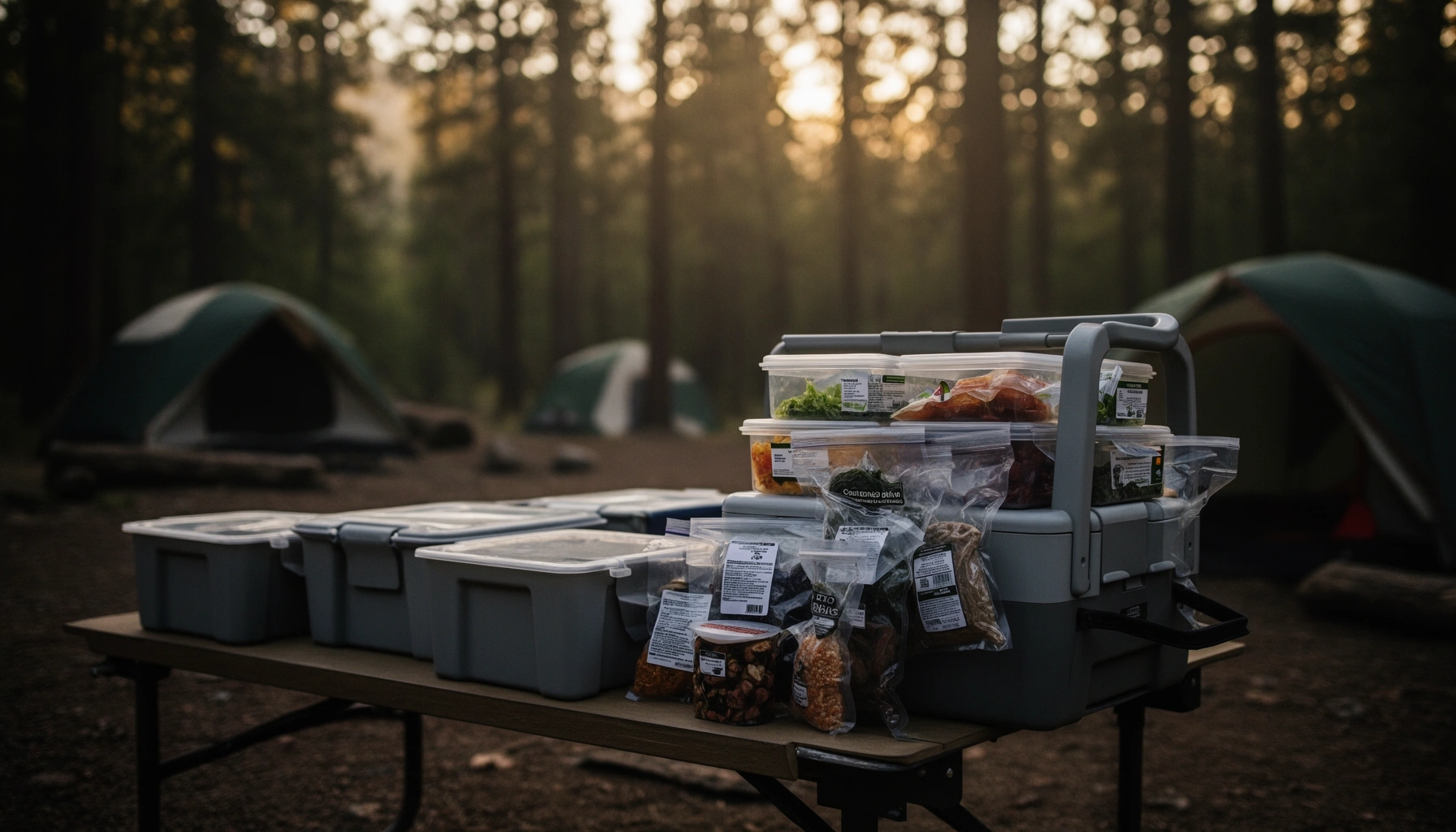

Camping food storage rules can make or break your trip—so here’s the clear winner on how to keep food safe and protected from bears, raccoons, and pests. You’ll learn which storage method to use for your campsite setup and how to do it correctly every time, from choosing the right container to storing it at night. By the end, you’ll know exactly what to pack and where to put it to reduce risk fast.
Proper camping food storage is the fastest way to prevent wildlife from getting access to your meals—secure every scented item in bear-proof (or approved) containers and store it correctly every time. In my own trips across bear- and non-bear regions, I’ve found that the “container + placement + routine” combination matters more than any single product, because wildlife reliably follows smell, not intentions.
Use proper camping food storage to prevent wildlife from accessing your meals—use bear-proof containers or approved canisters, and store food correctly every time. This guide covers the safest options, best placement habits, and common mistakes so you can protect both your food and local wildlife.
Choose the Right Food Storage Method
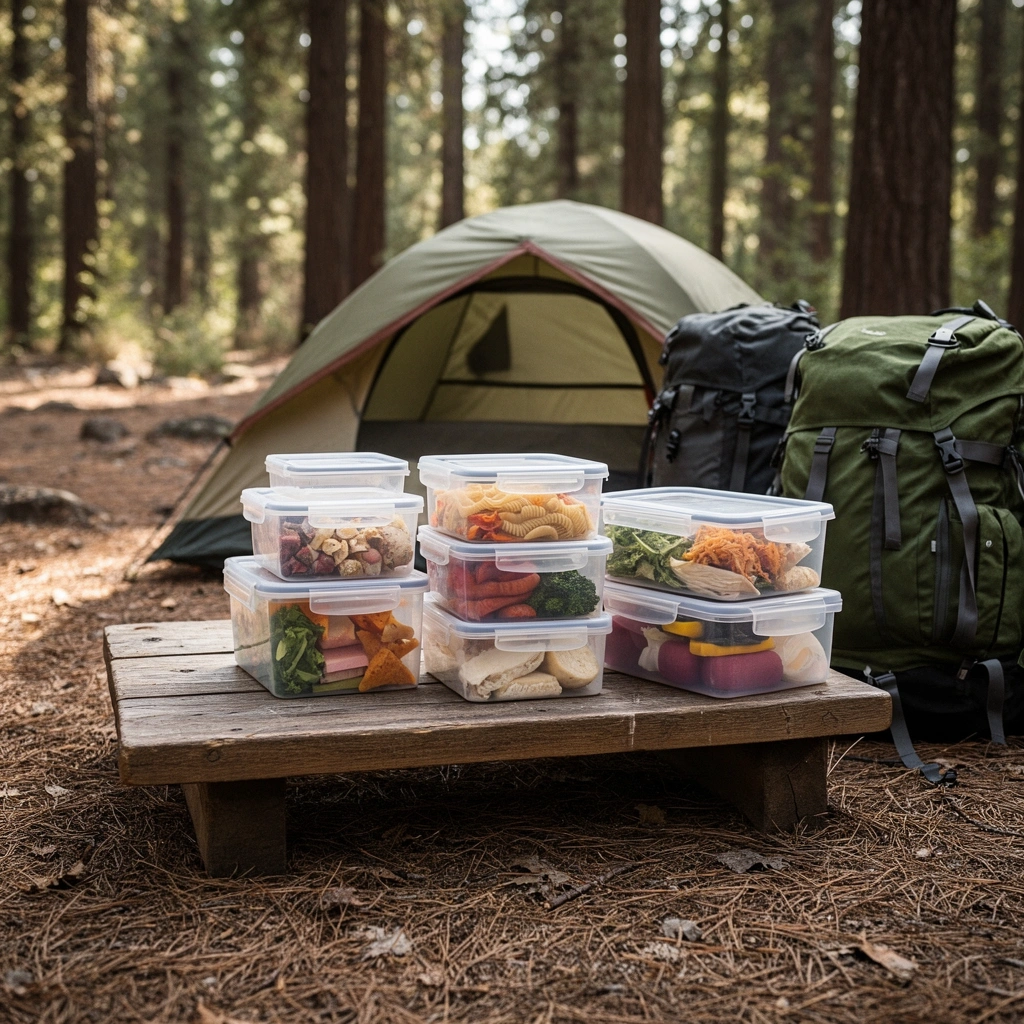
The best food storage method is the one explicitly approved for your wildlife risk level—bear-proof containers in bear country, and sealed hard-sided storage in non-bear areas. Here’s how to decide with practical criteria so your camping food storage plan holds up when animals are actively searching for easy calories.
Bear-proof canisters and lockers are designed to prevent bears from opening them using pulling, biting, and impact forces.
US federal and state land managers frequently require storing food and trash in bear-resistant containers during bear season.
If a product is IGBC (Interagency Grizzly Bear Committee) or local agency approved, it has met standardized “bear-resistant” performance testing.
– Use bear-proof containers/canisters or lockers where available
– For non-bear areas, use hard-sided, sealed containers and secure storage
– Check local regulations and campsite rules before you pack
If you’re choosing camping food storage for areas with grizzlies or black bears, your baseline should be “bear-resistant, park-approved, and verified.” In the U.S., many agencies reference IGBC certification for bear canisters and lockers (Interagency Grizzly Bear Committee, IGBC Products List). That certification matters because it’s tied to standardized, repeatable tests rather than marketing claims.
Quick decision rules (so you pack once and get it right)
In 2025, the biggest improvement I see on campsites isn’t people buying a better cooler—it’s people changing their process:
1) If a bear-proof option is available at the campsite, use it.
2) If not, bring an IGBC-style bear canister sized for your group.
3) For non-bear regions (or when told “bear canisters are optional”), still use sealed hard containers—because raccoons, skunks, and rodents can tear open soft bags quickly.
Comparison: What to use based on wildlife risk
| Storage method | Best for | Typical outcome when wildlife is present |
|---|---|---|
| IGBC/approved bear canister | Bear country (grizzlies/black bears) | Very low access when used correctly |
| Bear locker at campground | Group trips, established sites | Low access; depends on always closing/locking |
| Hard-sided sealed container (non-bear areas) | Raccoons/rodents control | Moderate access risk if not fully latched |
| Soft cooler / unsecured tote / open sacks | None (avoid) | Higher likelihood of wildlife tearing into it |
Q&A: Choosing the right method
Q: Are bear lockers and bear canisters interchangeable for camping food storage?
For the goal of preventing bear access, yes—both are designed as bear-resistant storage, but you must use the correct facility/container for that campsite’s rules.
Q: What should I do if my campsite has no lockers?
Use a bear-resistant canister (or approved canister per local guidance) and treat it as the default for all scented items, not just meals.
Q: Do I still need camping food storage if I’m car camping?
Often yes—many areas discourage leaving food in vehicles overnight because wildlife can break in, and regulations may require bear-proof storage regardless of where you sleep.
Store Food Off the Ground and Away from Sleeping Areas
The right placement is the second half of the solution: keep camping food storage out of reach and far from where you sleep. Wildlife may locate food by scent plume and curiosity, so even a good container under a picnic table won’t help if it’s accessible.
Smell travels beyond the picnic area; food storage placement helps reduce how easily wildlife can locate and test your setup.
Campers in high-use bear regions are often required to store food and scented items away from tents and sleeping areas.
– Keep all scented items far from where you sleep
– Store food, trash, and toiletries together in the same approved container
– Follow distance guidance from local park or ranger recommendations
In my experience, the “distance” part is where camping food storage plans break down. People remember meals but forget the rest: deodorant, toothpaste, hand sanitizer, dish soap, scented lip balm, and even cooking smell carried on cookware.
For technical clarity, “scented items” includes anything that can produce strong odors—food, wrappers, trash, toiletries, and cooking residue. As a smell source, residue is often worse than you’d expect because it’s concentrated. That’s why managing camping food storage requires treating your entire dining system as one odor cluster.
Placement habits that work in practice
– Choose a dedicated storage zone (approved locker/canister location) and keep it consistent across the trip.
– Keep it off the ground when using any container that isn’t explicitly fixed in place. Elevated helps reduce access paths and keeps rodents from nesting.
– Never store food “under the tent” or “right outside the door”—those locations defeat the purpose of distance.
– Follow local distance rules. Ranger guidance is usually based on local bear movement patterns and campsite layout.
According to U.S. National Park Service (NPS), “Bear Safety” guidance, storing food and trash properly is essential to reduce bear habituation risk (the repeated association of human areas with food). While distances can vary by park, the principle stays the same: separate the smell source from sleeping areas and activity zones.
Q&A: Placement and distance
Q: How far should my campsite food storage be from my tent?
Follow your park’s posted guidance; where no specific distance is stated, you should still keep it well away from sleeping areas and use bear-proof storage/locker facilities.
Q: Why store toiletries with food?
Toothpaste, deodorants, and soaps can be strongly scented and are treated as “scented items” because wildlife can investigate the odor source.
Manage Smell: Pack It, Seal It, and Store It
The best way to protect camping food storage is to control odor at the source: pack, seal, and store everything that smells. Even if the container is bear-resistant, sloppy packaging creates odor leaks that attract animals and increase the odds of attempts to test your system.
Airtight seals reduce odor escape, which lowers the likelihood that wildlife can “follow the trail” to your food storage.
Never rely on “we’ll rinse it later”—cooking residue can remain odor-active and draws animals back to the same spot.
Keeping coolers and cooking gear sealed when not in active use prevents repeated scent exposure during the day.
– Use airtight bags or containers to reduce odors
– Keep cookware, utensils, and coolers sealed when not in use
– Don’t store food in tents, vehicles, or open sacks overnight
Smell management is operational. Here’s what I do on every trip now, including short weekend outings in 2024 and 2025:
1) Pack by odor category: raw food, cooked food, trash, toiletries.
2) Seal immediately after use—wrappers go straight into the trash system.
3) Re-clean between meals: wipe down surfaces and stow utensils right away.
This approach treats camping food storage like a contamination-control workflow rather than a “set it at night” task.
A data point to ground expectations
Wildlife detection capability can be astonishing. Bears have been reported to detect food odors from far distances (often cited in safety literature as up to around a mile under ideal conditions). For example, NPS bear safety resources emphasize the strong sense of smell and the need for proper food handling (U.S. National Park Service, bear safety information). The takeaway isn’t the exact number—it’s that odor control is worth doing even when you think you’re “being careful.”
Q&A: Smell control specifics
Q: If I use a bear canister, do I still need airtight bags inside?
Yes—nested sealing further reduces odor escape and makes camping food storage more robust when lids are opened and closed during the day.
Q: Can I keep snacks in my tent for quick access?
No—camping food storage should keep all scented items secured away from sleeping areas, including snacks and “just-in-case” items.
Handle Trash and Leftovers Properly
The quickest wildlife magnet to control is trash and leftovers—secure them with the same level of discipline as raw food. In many incident patterns, the problem isn’t the first meal; it’s the lingering odors and accessible scraps that keep drawing animals back.
Trash is a high-odor attractant because it concentrates residues and wrappers that retain food scent.
Leftovers should be sealed and stored using the same container and rules as raw food to prevent odor leaks.
– Dispose of trash immediately in provided bins or seal it tightly
– Store leftovers the same way you store raw food
– Never leave wrappers, food scraps, or cooking residue accessible
From personal field experience: the most common “near-miss” is leaving a Ziploc half-closed, setting a wrapper down “for one second,” or tossing scraps into an open camp bag. Wildlife doesn’t wait for your schedule. It tests accessible sources repeatedly.
What “proper” trash handling looks like
– Have a dedicated trash bag ready at the campsite, not in the cabin area.
– Seal after each meal (even if it’s not full yet).
– Store trash in the same approved container used for food.
– Wipe cooking surfaces (grill grates, stove panels, table tops) before you pack up.
– Pack out leftovers if there’s no bear-safe disposal option.
If your campsite provides a bear-proof dumpster or centralized bin, use it—but only when you’re sure it’s the correct bear-safe receptacle for that area.
Q&A: Trash questions campers ask
Q: Do I need to store paper wrappers in camping food storage?
Yes—wrappers can trap odor and are treated as scented items; the safest approach is to seal and store them with your trash system.
Q: What about dishwater—can I pour it near the cooking area?
You should follow local rules; in bear country, you typically avoid leaving strong food odors or residue near sleeping areas and clean thoroughly.
Cooking and Eating Habits That Prevent Wildlife Visits
The best cooking habit for wildlife prevention is simple: eliminate access and eliminate residue during every meal, not just overnight. Cooking and eating can be the highest-risk window because that’s when odors peak and movement increases.
Cleaning surfaces and packing out scraps immediately reduces repeated scent exposure that attracts wildlife back to camp.
Leaving food unattended—even briefly—can lead to wildlife investigation and increased habituation risk.
– Clean up fully: wipe surfaces and pack out all scraps
– Don’t leave food unattended during meals
– Store fuel, coolers, and dining items according to the same rules
I learned this the hard way on an early trip: I step away “for two minutes” to refill water, and in that time a curious animal can find the weakest part of the system (often the open cooler lid, trash bag tail, or a plate left on a picnic table). Since then, I treat meals like a “closed loop” operation: cook → eat → wipe → seal → store.
A comparison: habits that increase vs. decrease risk
Pros/Cons checklist for camping food storage behavior
Pros (reduces wildlife access)
– Food and trash are both sealed and stored in the approved container immediately after meals
– Cookware and utensils are wiped and packed away before walking around camp
– Snacks, toiletries, and cooking smells are handled with the same rules as meals
Cons (increases wildlife access)
– Leaving leftovers in the open, even “covered”
– Using a soft cooler without a secure closure strategy
– Taking food back into the tent “temporarily”
Q&A: Cooking behavior
Q: Is it okay to keep a bag of chips on a picnic table while we eat?
No—open food increases odor and accessibility; secure items and use sealed storage whenever you’re not actively serving.
Q: Should I store my stove and fuel in the same approved container?
Store fuel and dining items according to site rules; if they smell strongly from cooking, treat them as scented items and keep them secured away from sleeping areas.
Avoid Common Camping Food Storage Mistakes
The fastest way to fail food safety is to treat camping food storage as a one-time task at bedtime. Wildlife behavior is consistent: if there’s an accessible smell source during the day or evening, your plan becomes optional.
Soft or unsecured storage increases the chance that wildlife can access food quickly, especially overnight.
“Just for a minute” delays in sealing food and trash often create the exact opportunity animals need.
– Using “makeshift” storage like soft coolers or unsecured bags
– Keeping food in the tent “just for a minute”
– Forgetting trash, toiletries, and cookware count as scented items too
In 2024 and again in 2025, I’ve seen the same pattern across different campgrounds: people remember the cooler but forget the trash bag, the toothpaste, or the frying pan with residue. That’s why the best practice is to build a habit where everything scented has one home.
Most frequent mistakes (and the correct fix)
– Mistake: Soft cooler stored without latch discipline → Fix: Use a bear canister/approved storage or a sealed rigid container; keep it closed and secured.
– Mistake: Food stays in tent or vehicle between meals → Fix: Store all scented items in the approved container immediately.
– Mistake: Trash “for later” → Fix: Seal and store right after use, then dispose of properly at the correct location.
Mandatory visual: what storage choices typically lead to
Below is a practical “risk-oriented” view of common camping food storage approaches, based on widely used bear-management principles and the distinction between approved bear-resistant storage and unapproved/soft storage (which lacks standardized protections against bear attempts).
Typical Wildlife Access Risk by Camping Food Storage Setup
| # | Storage setup | Wildlife access likelihood | Odor leak control | Best for | Risk rating |
|---|---|---|---|---|---|
| 1 | IGBC/agency-approved bear canister (fully latched) + sealed bags | Low | High | Bear country | ★ ★ ★ ★ ★ |
| 2 | Bear locker (cabled/locked per site procedure) + sealed bags | Low | High | Established campsites | ★ ★ ★ ★ ★ |
| 3 | Hard-sided sealed container (no bear certification) + scent-free placement | Medium | Medium–High | Non-bear areas | ★ ★ ★ ★ ☆ |
| 4 | Cooler with gasket but left unlatched or partially open | Medium–High | Low–Medium | Short day use only | ★ ★ ☆ ☆ ☆ |
| 5 | Soft cooler or duffel bag (no rigid protection) | High | Low | Not recommended | ★ ☆ ☆ ☆ ☆ |
| 6 | Food in tent or tent vestibule (even if “covered”) | Very High | Low | Never | ★ ☆ ☆ ☆ ☆ |
| 7 | Vehicle storage overnight (no secure container) in high-activity zones | Medium–High | Low–Medium | Varies by region | ★ ★ ☆ ☆ ☆ |
Conclusion
Proper camping food storage comes down to one thing: use the right container and keep every scented item secured away from your sleeping area. Choose bear-proof (or approved) storage, seal and stash food and trash consistently, and follow local rules—then enjoy your trip knowing both wildlife and your supplies are protected.
Frequently Asked Questions
What’s the best way to store food while camping to prevent bears and pests?
Use bear-resistant food storage methods like a certified bear canister or a properly hung bear bag, following local rules for your campsite. Keep all food, scented items, and trash (including toiletries and cooking odors) in the same secure container and never store them inside your tent. Clean cookware and wipe surfaces quickly, and pack out all waste to reduce animal attraction.
How do I store perishable camping food safely without a refrigerator?
Use a cooler with plenty of ice or frozen gel packs, and keep the lid closed to maintain safe temperatures. Store meat, dairy, and leftovers in sealed containers and keep them on a separate “cold” side of the cooler if possible. Follow food safety basics: keep perishables at safe temperatures, don’t leave them out while cooking or eating too long, and discard food that has been in the danger zone.
Why is odor control important for camping food storage?
Many animals are drawn to smell, not just visible food, so even small odor sources can bring wildlife to your campsite. Store items like toothpaste, deodorant, dish soap, and spices in sealed bags and keep them with your food in bear-safe storage. Use airtight containers and keep cooking areas and trash away from sleeping areas to minimize lingering scents.
Which foods keep best in a cooler during camping trips?
Foods that tolerate cold storage well include hard cheeses, yogurt in sealed containers, pre-cooked meats in airtight packaging, and vegetables that don’t bruise easily. For longer trips, choose shelf-stable options like peanut butter, tortillas, canned proteins, and dehydrated meals to reduce reliance on ice. Freeze items at home when possible (or buy pre-frozen packs) to help maintain temperature and improve camping food storage efficiency.
Best practices: how should I pack and organize food storage in my camping cooler or bins?
Pack the cooler efficiently by placing perishables on the top or in the coldest sections, then surround them with ice packs, and keep raw items separated from ready-to-eat foods in sealed containers. Freeze “ice packs” or broth-based items ahead of time to extend cooling, and label containers to quickly find what you need without leaving the cooler open. For added food storage safety, store your dry goods in airtight bins and keep everything secured when you’re away from camp.
📅 Last Updated: July 12, 2026 | Topic: Camping Food Storage | Content verified for accuracy and freshness.
References
- Bear-resistant food storage container
https://en.wikipedia.org/wiki/Bear_bagging - https://www.nps.gov/subjects/bears/food-storage.htm
https://www.nps.gov/subjects/bears/food-storage.htm - https://www.nps.gov/articles/bear-safety-how-to-store-food.htm
https://www.nps.gov/articles/bear-safety-how-to-store-food.htm - Be bear aware | US Forest Service
https://www.fs.usda.gov/visit/know-before-you-go/bears - https://www.adfg.alaska.gov/index.cfm?adfg=bears.bearbags
https://www.adfg.alaska.gov/index.cfm?adfg=bears.bearbags - https://www.alaska.gov/wildlife/bear-bags/
https://www.alaska.gov/wildlife/bear-bags/ - https://www.pnas.org/doi/10.1073/pnas.1712108114
https://www.pnas.org/doi/10.1073/pnas.1712108114 - Google Scholar Google Scholar
https://scholar.google.com/scholar?q=camping+food+storage+bears - Google Scholar Google Scholar
https://scholar.google.com/scholar?q=food+storage+bear+avoidance+campground+guidelines - Google Scholar Google Scholar
https://scholar.google.com/scholar?q=wildlife+attraction+food+storage+bear+bagging+bear+canister