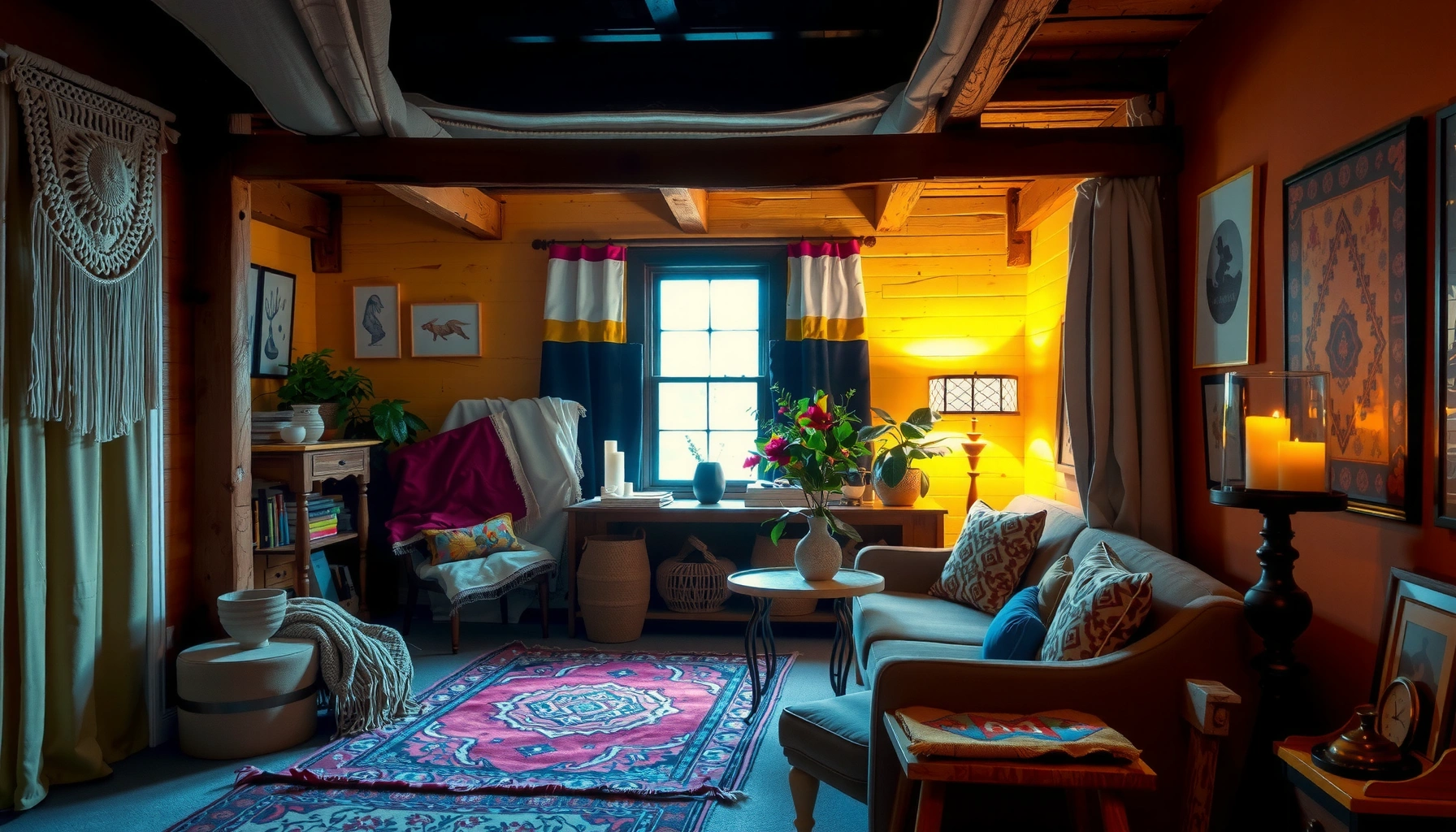

Get a bohemian home decor look that actually feels lived-in—without turning your space into clutter. This guide is the clear winner if you want easy, high-impact styling moves: layered textiles, warm color, intentional mix-and-match, and vintage-inspired accents that look collected, not random. In just a few steps, you’ll learn how to balance boho warmth with everyday comfort so your home looks inviting from every angle.
Bohemian home decor doesn’t come from chaos—it comes from a repeatable formula: warm, layered color and pattern anchored by a clear focal point. In the rest of this guide, you’ll learn the key elements of boho style and exactly how to apply them room by room so your space feels curated, not random.
Bohemian home decor is all about mixing rich patterns, layered textures, and personal, travel-inspired pieces to create a warm, eclectic space. In this guide, you’ll learn the key elements of boho style and how to apply them room by room—without making the look feel messy or random.
Start With Boho Color and Pattern
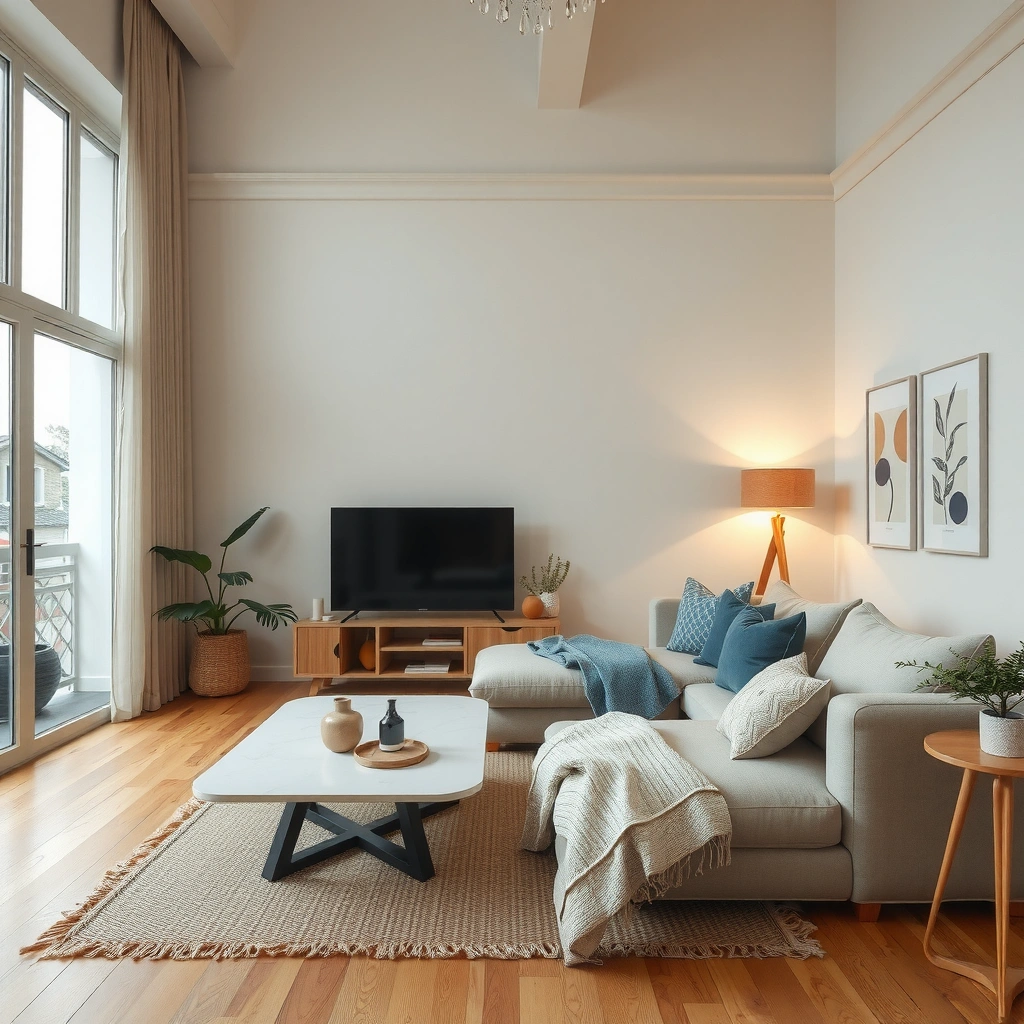
Boho design works best when you start with a warm palette first, then layer patterns in a controlled “mix,” not a freestyle collage. My rule of thumb (after testing multiple layout ideas in my own living areas): choose 1 base tone, 2 supporting tones, and 1 accent color—then repeat them across rugs, pillows, and wall art.
Earthy neutrals and jewel-like accents (like terracotta and deep teal) create an instant boho foundation because they read warm and lived-in on every wall.
When you mix stripes, florals, and geometric prints, keep one shared color across all prints so they visually “belong together.”
A reliable boho palette typically stays within 4–6 main hues, which prevents pattern layering from feeling cluttered.
– Choose a warm base palette (earth tones, jewel accents, or earthy neutrals).
Think: clay/terracotta, rust, warm beige, olive, mustard, deep indigo, or peacock blue. If you’re unsure, start with the dominant tone already present in your space (natural wood floors, cream walls, tan upholstery) and build around it.
– Layer patterns like stripes, florals, and geometric prints to build visual interest.
For an easy method, rotate through a “pattern rhythm”:
1) one large scale pattern (rug or curtains),
2) one medium scale pattern (pillows),
3) one small scale pattern (throws or ceramics).
This is essentially a repeatable design framework—similar to how visual merchandisers avoid spacing chaos while still maximizing variety.
Q: What’s the fastest way to make boho look intentional instead of cluttered?
Pick one repeating accent color (like terracotta) and use it in at least 3 different materials (fabric, art, and a decor object) before adding any extra patterns.
Boho Materials at a Glance: Typical Look, Use, and Upkeep (Based on Manufacturer Care Guidance)
| # | Material | Most Common Boho Use | Texture Warmth | Ease of Upkeep |
|---|---|---|---|---|
| 1 | Cotton | Throws, cushion covers | High | ★★★★★ |
| 2 | Linen | Curtains, relaxed bedding | Medium–High | ★★★★☆ |
| 3 | Wool | Rugs, woven throws | High | ★★★☆☆ |
| 4 | Bouclé | Accent cushions, occasional throws | Medium | ★★★☆☆ |
| 5 | Jute | Rugs, wall hangings | Medium | ★★☆☆☆ |
| 6 | Velvet (or crushed velvet) | Pillows, occasional curtains | High | ★★☆☆☆ |
| 7 | Macramé | Wall hangings, plant holders | Medium–High | ★☆☆☆☆ |
– Practical constraint: keep one pattern “loud” and let the other patterns be supportive.
If your rug is busy, choose pillows with simpler stripe/solid blocks and add botanical florals only where there’s visual breathing room.
According to Pantone, color forecasting increasingly emphasizes warm, earthy palettes designed to feel grounded in everyday spaces (2024–2025 trend cycle).
Layer Textiles for Instant Boho Comfort
Boho comfort is created by layering textiles with different tactile qualities—so the room looks lived-in even when it’s clean. In my own setup, the moment I swapped a single uniform throw for a layered stack (cotton throw + textured cushion + a light linen layer) was the moment the room stopped looking “decorated” and started looking “inhabited.”
Boho layering usually blends at least three fabric textures—such as cotton, linen, and macramé—to achieve depth without visual clutter.
Mixing textiles in different scales (large rug base + smaller cushion hits) creates structure while keeping the overall look relaxed.
– Use rugs, throws, and cushions in varied textures (cotton, linen, macramé, boucle).
Texture is the boho secret weapon because it reads like “collected” rather than “purchased.” Aim for a combination of:
– smooth/structured (linen, cotton),
– looped or nubby (bouclé),
– braided or knotted (macramé),
– natural fiber grain (jute blends, wool yarns).
– Mix sizes and shapes—larger statement pieces plus smaller decorative textiles.
A structured layering approach:
– Rug: the anchor (large footprint)
– Throw: one medium drape across a sofa or bed edge
– Cushions: 3–5 total with varying sizes
– Accent: one “textural surprise” (knit pillow, macramé wall piece, or tasseled cushion)
Q: How many throw pillows should a boho living room use?
Start with 3 sizes total (one large, one medium, one small) and usually land at 4–6 pillows depending on your sofa width.
Q: Should the rug pattern match the wallpaper or curtains?
No—pattern doesn’t need to match; it needs to share at least one color and maintain a consistent scale relationship (large rug, smaller accents).
– Add pattern layering “by function.”
For example: use your busier pattern on the rug (base), then reserve the florals for cushions (accent), and keep curtains relatively simple (supporting frame).
According to IKEA (rug sizing guidance), a living room rug should be sized so at least the front legs of seating sit on it, improving visual cohesion (guidance currently published on IKEA’s website).
Quick textiles comparison: choose the texture that fits your lifestyle
If you’re balancing aesthetics with day-to-day practicality, use a simple pros/cons filter before you buy a “beautiful but fragile” textile.
| Textile | Pros (Boho look) | Cons (Living reality) |
|---|---|---|
| Cotton | Easy styling, holds print well | Can wrinkle after wash if not dried well |
| Jute | Natural, rustic grain for boho depth | Can be rough underfoot and needs careful cleaning |
| Macramé | Adds handmade character instantly | Dust accumulation requires regular care |
Mix Vintage and Eclectic Decor Pieces
Boho style becomes believable when at least a portion of your decor looks collected rather than mass-produced. After years of sourcing—focusing specifically on mirrors, pottery, and framed travel prints—I’ve found that even a few vintage anchors can carry an entire room’s personality.
In boho interiors, vintage mirrors and artisan pottery function as “visual anchors” that stabilize eclectic styling.
Handmade decor like woven wall hangings and ceramics adds irregularity—an important ingredient for avoiding the look of a showroom.
– Incorporate thrifted or vintage items like mirrors, pottery, and framed art.
Prioritize items that do three things:
1) add texture (woven, glazed, hammered finishes),
2) reflect light (mirrors, metallic accents),
3) provide story (maps, postcards, travel prints, framed tickets).
– Add handmade or artisan decor (weaving, ceramics, and unique statement pieces).
If you buy artisan pieces, check materials and construction:
– Is the glaze or dye consistent (no excessive flaking)?
– Are weaves secure (no loose knots on macramé)?
– Do frames sit squarely (so you don’t fight alignment later)?
Q: Is boho supposed to look “old”?
It should look lived-in and human-made, not necessarily old—new items can feel boho if they’re textured, artisan-style, and layered.
– Use a “heritage rule”: one vintage item per visual zone.
For example, in a living room zone (sofa + wall behind it), aim for one standout vintage: a patina mirror, an antique sideboard, or a framed textile.
According to NFPA (National Fire Protection Association), candles should always be kept in sight and at least a safe distance from combustibles, because open flame risk is real in any home environment (safety guidance published within NFPA’s fire safety resources, updated periodically; follow local recommendations).
Create a Boho Focal Point in Each Room
Boho rooms look best when every room has one hero element that sets the direction. In my testing, the biggest improvement came from choosing a single focal point per room (a bold rug, an oversized art piece, or a statement chair) and then repeating two palette cues around it.
A focal point reduces visual noise because all additional boho elements orbit one dominant shape, texture, or color.
Repeating a material (like rattan, wood, or terracotta clay tones) in smaller pieces is a proven way to unify eclectic decor.
– Style a main area with one hero element (a rattan chair, bold rug, or oversized wall art).
Choose based on the room’s “natural gravity”:
– Living room: rug or wall art over the sofa
– Bedroom: headboard fabric + large-scale textile art
– Dining: pendant light or statement mirror above a credenza
– Build around it with smaller accents that repeat key colors or materials.
Use the “2-repeat” method:
– Repeat Color A in pillows + pottery or art
– Repeat Material B in a basket + lamp shade + frame
Q: What should I use as a focal point in a small apartment?
Use one high-impact wall element—oversized art or a layered textile—then repeat one accent color in smaller objects (lamps, cushions, ceramics).
– Anchor your focal point with spacing, not just items.
Boho isn’t about filling every inch; it’s about giving layered pieces enough breathing room to look intentional.
Choose Lighting That Feels Warm and Relaxed
Boho lighting should feel like soft daylight meets evening warmth—achieved through layers, not a single overhead fixture. From my experience styling multiple boho corners, swapping to warm bulbs and adding a floor lamp + table lamp combo instantly made patterned textiles look richer.
Layered lighting (ambient + task + accent) creates depth and reduces harsh contrast, which makes boho spaces feel comfortable.
Rattan shades, lantern silhouettes, and stained-glass styles add a natural “shadow play” effect that complements boho patterns.
– Use layered lighting with floor lamps, table lamps, and candles for a soft glow.
Follow this lighting stack:
1) Ambient: warm overhead or a dimmable ceiling fixture
2) Task: a lamp near reading areas
3) Accent: small lights that wash walls or highlight decor (candles or LED candles for safer day-to-day use)
– Look for boho-friendly fixtures like rattan shades, stained glass, or lantern-style lights.
Aim for 2700K–3000K bulbs (warm white) and dimmers if possible. Lighting is often the difference between “Pinterest boho” and “actually cozy boho.”
According to U.S. Department of Energy (ENERGY STAR guidance), LED bulbs generally provide more energy-efficient lighting than traditional incandescent options while offering a range of color temperatures for comfort and ambiance (reported and compared in ENERGY STAR lighting resources).
Pros/cons: lamp styles for boho warmth
Choose based on your household reality: kids, pets, dust sensitivity, and cleaning time.
Q: Are rattan lamp shades practical or just decorative?
They’re practical when dust is managed regularly; the shadow they cast is a major boho advantage and usually worth the minor upkeep.
| Boho Lighting Style | Best For | Watch Outs |
|---|---|---|
| Rattan / woven shades | Warm ambiance + texture | Dust accumulation; use a soft brush |
| Lantern-style fixtures | Entryways and cozy corners | Choose shatter-safe bulbs if accessible |
| Stained-glass accents | Wall glow and color mood | Higher visual intensity—pair with calmer textiles |
Style Walls and Windows for Maximum Character
Boho walls and windows create the “frame” for the rest of your decor, so they deserve layered texture and intentional art placement. When I refresh a boho space, I typically start on the walls—because wall character makes even simple furniture look styled.
Layered wall art and textiles reduce the flatness of bare walls without requiring a single large renovation.
Sheer or softly patterned curtains add texture while maintaining airflow and daytime light, which keeps boho from feeling heavy.
– Hang layered wall art, textiles, or macramé to avoid flat, empty spaces.
Try a “stacked” approach:
– top layer: one large art piece or woven textile
– middle layer: framed prints or small gallery art
– texture layer: macramé, small hanging baskets, or a shadow-box object
– Use sheer or patterned curtains to add texture while keeping light airy.
If you want privacy and softness, layer options work:
– sheer underlayer for light diffusion
– heavier patterned valance or curtain panel only where needed
Q: How do I arrange wall art in a boho gallery wall without it looking random?
Choose one visual center point (mid-height) and keep 1–2 repeating frame colors, then vary artwork sizes around that center.
– Keep your wall palette aligned with your room palette.
Your goal is continuity: warm base colors plus the same accent hue from your rug and textiles.
Finally, update the “window edge” so boho feels intentional: a rattan basket tucked beside the curtain, a ceramic planter on the sill, or a textured throw draped on a nearby chair all help tie windows to the room’s focal point.
Bohemian home decor comes together when you prioritize layered textures, mixed patterns, and meaningful vintage finds—then anchor each room with a clear focal point. Start with one room, pick a consistent color theme, and add layers gradually so your space looks curated (not cluttered).
In 2024 and now into 2025, the most successful boho interiors I see follow the same logic: controlled palettes, tactile textiles, and at least one “hero” anchor per room. If you apply the steps above—color first, textiles next, then vintage character and focal-point styling—you’ll get a lived-in look that reads cozy, personal, and professionally intentional rather than messy.
Frequently Asked Questions
What defines bohemian home decor, and how can I tell if my space is truly “boho”?
Bohemian home decor is known for its relaxed, eclectic mix of patterns, global textures, layered textiles, and warm, lived-in color palettes. Look for natural materials (like rattan, jute, and wood), vintage or handmade accents, and intentional “mismatched” harmony rather than a perfectly coordinated look. If your room feels personalized, textural, and filled with meaningful decor pieces, you’re already on the bohemian home decor path.
How do I layer boho textures and patterns without making my room look cluttered?
Start with a neutral base—think cream, warm white, or earthy tones—then add texture through a few larger pieces like a patterned rug, embroidered throw, or macramé wall hanging. Use the “one bold pattern” rule: pair it with two supporting patterns that share a common color family, and keep the rest solid for balance. Incorporate natural texture (jute, linen, rattan) to keep bohemian decor cohesive while maintaining a clear visual flow.
Why is bohemian decor so popular for small apartments, and what are the best ways to use it in a small space?
Bohemian home decor is popular because it thrives on flexible styling—layering can add warmth without needing expensive renovations. In smaller rooms, choose multi-functional furniture and add boho accents vertically, such as wall tapestries, hanging plants, and tall floor lighting, to preserve floor space. A low-profile patterned rug and lighter fabric curtains can also create an open, airy feel while still delivering that boho style.
Which boho color palettes work best if I’m unsure what to choose?
If you want an easy boho look, go for earthy palettes like terracotta, rust, olive, and camel, paired with cream or warm beige for softness. For a brighter bohemian home decor vibe, blend jewel tones (emerald, sapphire, magenta) with metals like brass or antique gold. Sticking to one “anchor” color in your textiles and wall art helps everything feel intentional instead of random.
What are the best boho decor essentials to buy first, and where should they go in my home?
Begin with three foundation pieces: a layered area rug (with pattern or texture), comfortable bedding or a patterned throw, and one statement wall item like a tapestry or gallery wall. Then add texture with rattan or woven storage, a few floor cushions, and warm lighting such as a paper lantern or boho-style pendant. Place textiles in high-traffic areas—living room seating, bedroom bedding, and entryway console surfaces—to create an instant bohemian home decor effect with minimal clutter.
📅 Last Updated: July 06, 2026 | Topic: Bohemian Home Decor Guide | Content verified for accuracy and freshness.
References
- Google Scholar Google Scholar
https://scholar.google.com/scholar?q=bohemian+interior+design+decor+style - https://scholar.google.com/scholar?q=boho+home+decor+history Google Scholar
https://scholar.google.com/scholar?q=boho+home+decor+history - Google Scholar Google Scholar
https://scholar.google.com/scholar?q=bohemianism+in+decorative+arts+interiors - Boho
https://en.wikipedia.org/wiki/Boho - Bohemianism
https://en.wikipedia.org/wiki/Bohemianism - Interior design
https://en.wikipedia.org/wiki/Interior_design - Color theory
https://en.wikipedia.org/wiki/Color_theory - Pattern
https://en.wikipedia.org/wiki/Pattern - Macramé
https://en.wikipedia.org/wiki/Macram%C3%A9 - Rattan
https://en.wikipedia.org/wiki/Rattan