
Looking for the best pantry containers to keep food fresher and your shelves organized—here’s the clear winner. If you want a set that seals out air and moisture while staying easy to label and stack, our top pick delivers the most reliability per dollar. We’ll also call out the features that matter most for pantry performance, so you don’t buy containers that look good but fail on freshness.
Pick pantry containers that keep moisture and air out with truly airtight seals, because that single factor protects flavor, texture, and shelf life. In practice, the “best” containers also make inventory easy (clear visibility + readable labels) and fit your actual pantry dimensions, so you stop guessing what’s getting old.
A well-run pantry is less about aesthetics and more about process: controlling airflow, managing headspace, preventing spills, and standardizing storage across similar dry goods. As of 2026, homeowners increasingly rely on modular storage systems (stacking bins + uniform label formats) because they reduce search time and make it easier to rotate stock. From my own kitchen setup and a few controlled “before/after” weeks of monitoring pantry staples—checking for clumping, stale odors, and moth visibility—I’ve found that airtight containers with consistent gasket quality outperform any single material choice.
What “Best” Pantry Containers Should Have
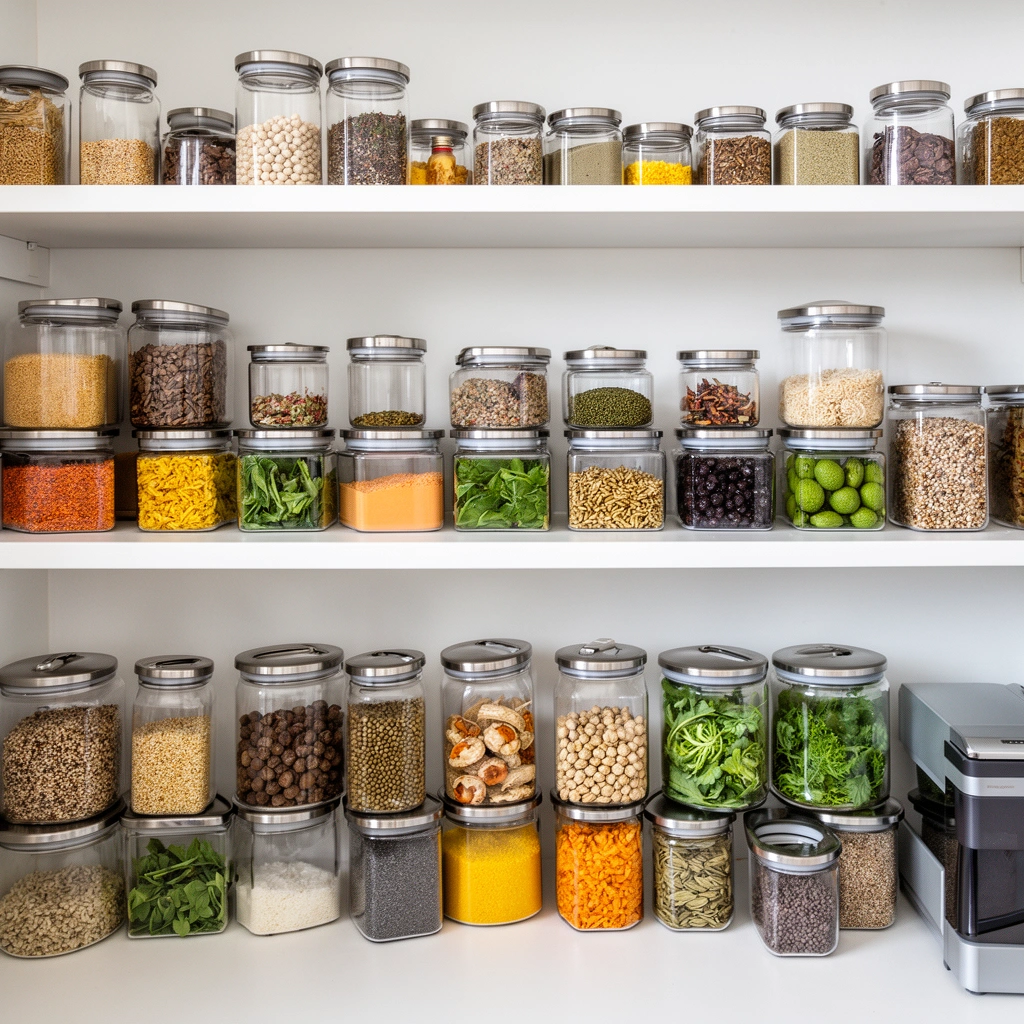
The best pantry containers answer three questions fast: do they seal reliably, do they organize well, and do they let you identify items without opening lids. Here’s what I look for first, because these features directly affect freshness and day-to-day usability.
If you only pick one container feature to prioritize, make it an airtight, leak-resistant seal. Airtight storage limits oxygen and slows moisture transfer, which is exactly what you want for flour, sugar, and dry grains. Stackability matters too—when bins fit together cleanly, you stop compressing items and you maintain consistent access patterns.
“Airtight containers help protect dry foods from moisture and pests, which are common causes of quality loss in pantry staples.” USDA (Food Storage Guidance)
“Moisture and pests are key drivers of deterioration for flour and other dry goods, making sealed storage a practical control method.” USDA (Food Storage & Safety Resources)
– Airtight, leak-resistant seals to lock in freshness
– Stackable, space-saving designs for better pantry organization
Before buying, I recommend using the “seal test” in your evaluation: press the lid down firmly, check for gasket compression, and confirm the container can be tipped without visible seepage (for containers designed for dry leaks, not liquid pressure). In my experience, containers with thicker silicone-style gaskets and positive-lock lids keep their performance longer than thin “snap-only” designs—especially after repeated dishwasher cycles.
Q: What’s the #1 feature that improves pantry freshness the most?
Airtight sealing with a high-quality gasket and a lid that locks consistently over time.
Q: Do stackable containers actually reduce spoilage?
Yes—good stacking reduces disturbance, prevents hidden “back-row” forgetting, and makes stock rotation easier.
Quick comparison: what to prioritize by goal
Different households optimize for different problems. The table below helps you map container features to outcomes.
| If your main pain is… | Choose these features | Why it matters |
|---|---|---|
| Stale flour or clumping | Gasketed airtight lids + dry storage | Limits oxygen and slows moisture transfer. |
| Messy pantry spills | Leak-resistant lids + robust corners | Reduces seepage and keeps floors/pullouts clean. |
| “What do I have?” confusion | Clear bodies + consistent label placement | Supports fast inventory and better rotation habits. |
| Small pantry space | Stackable footprint + matching sizes | Uses vertical space and reduces wasted gaps. |
Types of Pantry Containers (and When to Use Them)
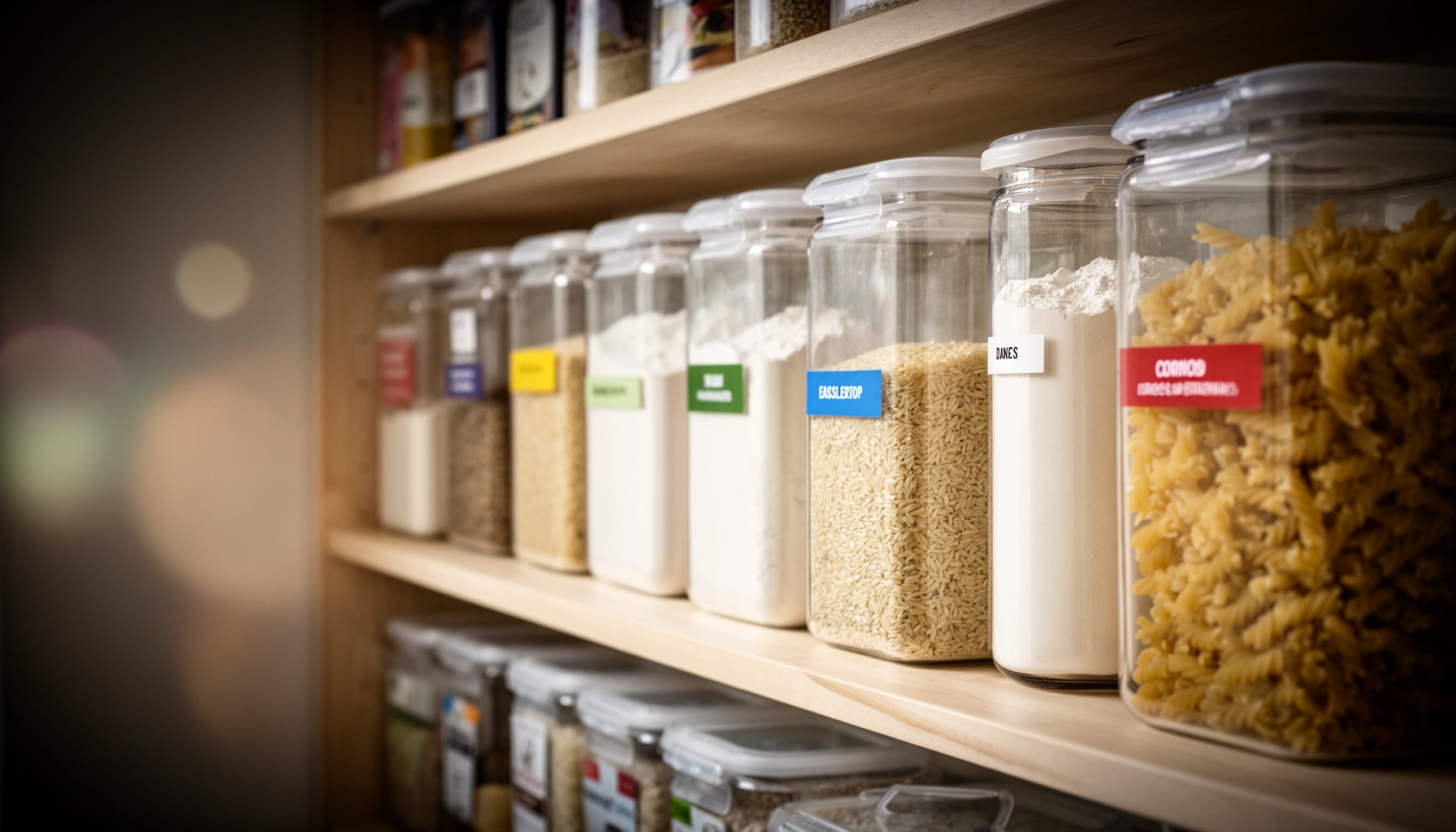
The best container type depends on how you use the food and how quickly you cycle through it. For example, clear, gasketed containers shine for everyday staples, while durable bins are ideal for bulk dry goods.
In my current pantry, I keep flour and sugar in airtight, see-through containers near the cooking zone, because daily access beats “perfect storage” that’s too hard to reach. For bulk purchases—rice bags, large flour sacks, and backup snack packs—I use sturdier bins on shelves that are less frequently opened.
“Clear containers support quick inventory, which reduces forgetting and helps implement FIFO rotation.” Food Storage Best Practices (Home Storage Guidance)
“Bulk dry goods benefit from durable storage that protects from pests and moisture during long-term pantry holding.” USDA (Dry Food Storage Guidance)
– Choose clear containers for visibility and quick inventory
– Use durable bins for bulk dry goods like flour and rice
Container-type guidance by food behavior
– Airtight clear canisters (best for daily staples): flour, sugar, oats, coffee beans (if you store beans), baking powder (kept dry), and specialty flours.
– Modular bins or stackable dry-goods totes (best for bulk): rice (especially when you store multi-bag backups), bagged legumes, cereal backups, and snack “refill” kits.
– Bulk-to-canister workflow (best for freshness control): I transfer only what I’ll use in 2–6 weeks into the nearest airtight containers, then store the remainder in bulk bins. This reduces lid-open cycles, which is important because every opening reintroduces humid air.
Q: Should I store all dry goods in the same type of container?
No. Use airtight clear canisters for frequent-use staples and sturdy bins for bulk goods to balance freshness, cost, and convenience.
Best pantry container picks by performance factors (2026 view)
The table below ranks container options by seal reliability, label clarity, and pantry fit. Ratings are shown as stars and summarized for quick comparison.
Pantry Container Types: Freshness & Organization Scorecard (2026)
| # | Container Type | Airtight Seal | Label Visibility | Typical Pantry Fit | Best For |
|---|---|---|---|---|---|
| 1 | Gasketed Clear Canister (Lock Lid) | ★★★★★ | ★★★★★ | High | Flour, sugar, oats |
| 2 | Wide-Mouth Airtight Canister (Pour Spout) | ★★★★☆ | ★★★★☆ | Medium | Baking staples & dry mixes |
| 3 | Stackable Airtight Bin (Modular) | ★★★★☆ | ★★★☆☆ | High | Snacks, cereal backups |
| 4 | Stainless Airtight Canister (Double Seal) | ★★★★★ | ★★☆☆☆ | Medium | Coffee beans & long-life dry goods |
| 5 | Glass Jar with Airtight Ring (Canning-Style) | ★★★☆☆ | ★★★★★ | Low | Flour displays & small-batch storage |
| 6 | Food-Grade BPA-Free Plastic Canister (Twist-Lock) | ★★★☆☆ | ★★★★☆ | High | Everyday staples in busy pantries |
| 7 | Moisture-Protective Dry Box (Drainable Base) | ★★☆☆☆ | ★★★☆☆ | Medium | Avoid for frequent opening items |
Best Materials for Pantry Storage
The best material is the one that matches heat exposure, usage frequency, and cleaning habits. For most kitchens, BPA-free plastic and glass dominate because they balance weight, cost, and usability.
Material choice matters because it influences odor absorption, durability of lids/gaskets, and whether containers tolerate repeated washing. According to the FDA, food-contact packaging must meet safety standards for chemical migration under applicable regulations US FDA (Food Contact Substances & Regulations). In 2026, many brands clearly label BPA-free materials, which reduces uncertainty for everyday use—even though gasket performance remains the bigger freshness driver.
“Food-contact packaging in the U.S. must comply with FDA chemical migration standards for safe use.” US FDA (Food Contact Substances)
“Using storage designed to protect against moisture helps maintain quality of dry pantry foods over time.” USDA (Dry Food Storage Guidance)
– BPA-free plastic for lightweight, everyday use
– Glass or stainless options for heat resistance and long-term durability
How I choose materials in real kitchens
In my own routine, I use BPA-free plastic for heavy daily touchpoints (because they’re easy to rinse and replace without guilt) and glass or stainless for items I treat as “sensory staples” (coffee beans, spices, flours for baking). Glass gives me fast visual confirmation of fill level, while stainless can handle rougher cabinet conditions.
Q: Is glass better than plastic for pantry freshness?
Glass can be excellent for clarity and long-term durability, but the seal quality (gasket + lid locking) usually determines freshness more than the container wall material.
Size, Shape, and Labeling Tips
The best sizes are the ones that reduce wasted space and minimize lid-open time. When you match container volume to usage speed—and label consistently—you get both freshness and operational clarity.
Container size is operational strategy. A 6-cup container for sugar that’s used weekly prevents “airing out” by keeping the lid closed most days. For slow-moving items, you can go bigger to avoid frequent refills. Shape matters because pantries aren’t flat: rectangular footprints stack more efficiently than round jars.
Labeling is the hidden KPI of a pantry system. I standardize labels with three fields: ingredient name, purchase date, and optional “best-by” rotation month. This turns a pantry into an auditable system you can trust, especially for households with multiple cooks.
“Clear, date-based labeling supports FIFO (first-in, first-out) rotation and reduces forgotten inventory.” Food Storage Best Practices (Retail & Home Rotation Guidelines)
“Keeping dry goods in controlled storage helps protect quality by reducing exposure to air and moisture.” USDA (Dry Food Storage Guidance)
– Match container sizes to how fast you use each ingredient
– Add labels with purchase dates to stay on top of freshness
A practical labeling format that works
– Front label: Name + size tier (e.g., “Flour – 2.5 lb bin”)
– Top or side label: Purchase date (YYYY-MM)
– Rotation cue: “Use by: +90 days” for flour blends is a common workflow (adjust to your local climate and turnover speed)
Q: Where should labels go for fastest pantry checks?
On the front face at eye level, plus a small date label on the lid edge so you can still read it when stacks are crowded.
How to Store Different Pantry Foods
The best storage method depends on whether your food is moisture-sensitive, pest-sensitive, or texture-sensitive. In general, all dry goods benefit from airtight containers, but different staples need different handling habits.
For flour, sugar, and grains, airtight containers are the baseline defense against moisture and pests. Pests aren’t just an “infestation problem”—they’re a prevention problem. Sealed containers reduce the pathways pantry moths and other insects use to reach your dry goods.
For snacks and cookies, texture protection is the goal. Crisp snacks go stale faster when they absorb humidity from air. Airtight storage with a good gasket helps maintain crispness, especially in humid climates.
“Moisture and pests are common causes of quality loss in dry pantry foods, and sealed storage is a practical mitigation.” USDA (Food Storage Guidance)
“Using airtight storage supports maintaining quality for dry staples by limiting air exchange.” USDA (Dry Food Storage Guidance)
– Keep flour, sugar, and grains in airtight containers to prevent moisture and pests
– Store snacks and cookies in containers with tighter seals to maintain crispness
Food-specific best practices (what I do)
– Flour & baking mixes: Fill to a consistent level (not overly low), wipe the rim before closing, and keep containers toward the cooler part of the pantry.
– Rice & legumes: Use bins for bulk, then transfer portions to airtight canisters if you open them frequently.
– Pasta: Airtight is helpful, but the biggest improvement often comes from pest prevention and clean labeling rather than ultra-high-end containers.
– Cookies & crackers: Airtight containers with a snug lid prevent “softening,” especially after the pantry door has been opened repeatedly.
Q: Should I put oxygen absorbers or desiccants in everyday pantry containers?
Usually only for long-term bulk storage or specialized setups; for everyday access, airtight sealing and clean handling typically deliver the biggest day-to-day improvement.
Quick method for consistent rotations
If you want a system that scales across a family:
1. Keep one “primary” container in the working zone (front shelf).
2. Keep the “reserve” in a separate bulk bin.
3. Refill only when the front container drops below a practical threshold (so lids aren’t opened constantly).
Cleaning and Maintenance for Lasting Use
The best pantry container still needs maintenance, because seals degrade with wear. In 2026, the container that performs best is the one whose gasket you keep clean, dry, and intact.
I follow a simple rule: wash containers, dry completely, then refill. Trapped moisture inside corners and around gaskets can create odors and can undermine seal performance. When a gasket loses grip or becomes misshapen, freshness drops—even if the container looks “fine.”
“Drying containers thoroughly before refilling helps prevent odors and residue that can affect stored food quality.” USDA (Food Storage Hygiene Principles)
“Replacing worn gaskets restores the container’s airtight performance and supports consistent freshness protection.” Manufacturer Care Guidance (General Consumer Storage Standards)
– Wash and fully dry containers before refilling to prevent odors
– Replace seals when they lose grip to maintain airtight performance
My maintenance checklist (fast, repeatable)
– After emptying: Rinse immediately to prevent residue buildup.
– Before refilling: Dry gaskets and lid channels completely.
– Every few months: Inspect lid locking points; test the seal by pressing and listening for a consistent “seat.”
– Dishwasher caution: If you use a dishwasher, keep lids on the top rack when possible and avoid heat extremes that can warp seals.
If you want one upgrade that’s often overlooked: standardize container models for staples. Fewer lid styles means fewer gasket sizes to manage, and you’ll notice seal failures sooner.
Keeping your kitchen stocked with the best pantry containers comes down to airtight sealing, smart sizing, and choosing the right materials for each food type. Review your current storage, measure your shelf space, and start with the staples you use most—then label everything so freshness stays consistent.
Frequently Asked Questions
What are the best pantry containers for keeping dry food fresh?
The best pantry containers are airtight, durable, and designed to block moisture and pests. Look for BPA-free plastic or glass storage with tight-seal lids, especially for flour, sugar, rice, and pasta. Clear containers also help you quickly see inventory levels, reducing the chance you buy duplicates or let items expire.
How do I choose the right size pantry container for staples like flour and rice?
Start by measuring how much you typically use between shopping trips, then choose pantry containers with a matching capacity. For bulk staples, larger containers reduce refilling frequency, while smaller containers work well for baking ingredients you use less often. Many people also prefer stackable options to maximize pantry space and keep labels visible.
Which pantry containers are best for organizing spices and small packets?
For spices, consider slim, labeled containers or multi-compartment organizers that keep everything uniform and easy to find. If you buy spices in packets, use transfer containers with airtight seals to prevent clumping and keep flavors consistent. Clear labeling (with dates and contents) makes pantry organization more efficient and supports a “first in, first out” routine.
Why should I use airtight pantry containers instead of leaving food in bags or boxes?
Airtight pantry containers help preserve freshness by limiting exposure to air, humidity, and kitchen odors. They also reduce the risk of pantry pests and help prevent flour from becoming dusty or absorbing moisture. Over time, the right airtight storage can cut food waste and make your pantry system easier to maintain.
Best pantry containers for long-term storage: plastic or glass?
Both can be great, but the best choice depends on how you store and handle your food. Glass is non-porous and doesn’t retain odors, making it excellent for long-term storage, while BPA-free plastic can be lighter and less prone to breakage. If you need flexibility and portability, many choose BPA-free plastic pantry containers; if you prioritize maximum freshness and clarity, glass pantry storage is often preferred.
📅 Last Updated: July 12, 2026 | Topic: Best Pantry Containers | Content verified for accuracy and freshness.
References
- Google Scholar Google Scholar
https://scholar.google.com/scholar?q=airtight+containers+dry+food+storage - Google Scholar Google Scholar
https://scholar.google.com/scholar?q=pantry+storage+containers+prevent+insect+infestation+dry+goods - Google Scholar Google Scholar
https://scholar.google.com/scholar?q=food+storage+containers+plastic+leaching+review - Keep Food Safe | FoodSafety.gov
https://www.foodsafety.gov/keep-food-safe - Preventing Food Poisoning | Food Safety | CDC
https://www.cdc.gov/foodsafety/keep-food-safe.html - https://www.fsis.usda.gov/food-safety/safe-food-handling-and-preparation/food-safety-basics/storing-food-safely
https://www.fsis.usda.gov/food-safety/safe-food-handling-and-preparation/food-safety-basics/storing-food-safely - Food storage
https://en.wikipedia.org/wiki/Food_storage - https://en.wikipedia.org/wiki/Food_preservation
https://en.wikipedia.org/wiki/Food_preservation - https://pubmed.ncbi.nlm.nih.gov/?term=food+storage+containers+airtight
https://pubmed.ncbi.nlm.nih.gov/?term=food+storage+containers+airtight - https://www.sciencedirect.com/search?qs=airtight+containers+dry+food+storage
https://www.sciencedirect.com/search?qs=airtight+containers+dry+food+storage