
Looking for the best men’s sunscreen for daily UV protection? We’ve tested top contenders and crowned a clear winner based on broad-spectrum coverage, non-greasy wear, and reliable SPF performance. If you want a dependable everyday bottle that won’t slide, sting, or leave you feeling greasy, this is the only pick that fits the bill.
The best men’s sunscreen is the one you’ll wear every day—broad-spectrum UVA/UVB protection with SPF 30+ and a finish that doesn’t annoy you. In this guide, I’ll help you choose the right SPF, match the formula to your skin type (lotion vs. gel), prioritize water/sweat resistance for real life, and apply it correctly so your daily UV protection actually holds up in the sun.
Q: What does “broad-spectrum” really mean for men’s sunscreen?
It indicates the product is tested to protect against both UVA and UVB—helping reduce sunburn and long-term skin damage.
Q: Is SPF 30 enough for daily wear?
For most daily, incidental sun exposure, SPF 30+ is the baseline—then you move up (SPF 50+) when you’ll be outdoors longer or in stronger UV.
Q: Why do people still burn with sunscreen on?
Almost always it’s under-application, missed areas (ears/neck/scalp/hands), or failing to reapply—especially after sweating or swimming.
SPF Levels and UVB Blocking (How Much UVB Gets Through)
| # | Labeled SPF | UVB Transmitted | UVB Blocked | Typical Everyday Fit |
|---|---|---|---|---|
| 1 | SPF 15 | 6.67% | 93.33% | Short incidental sun |
| 2 | SPF 30 | 3.33% | 96.67% | Baseline for daily wear |
| 3 | SPF 45 | 2.22% | 97.78% | Commutes + errands |
| 4 | SPF 50 | 2.00% | 98.00% | Standard for longer days |
| 5 | SPF 60 | 1.67% | 98.33% | High-UV seasons |
| 6 | SPF 70 | 1.43% | 98.57% | Beach/boating days |
| 7 | SPF 100 | 1.00% | 99.00% | Extreme exposure when used correctly |
Choose the Best SPF for Your Skin and Schedule
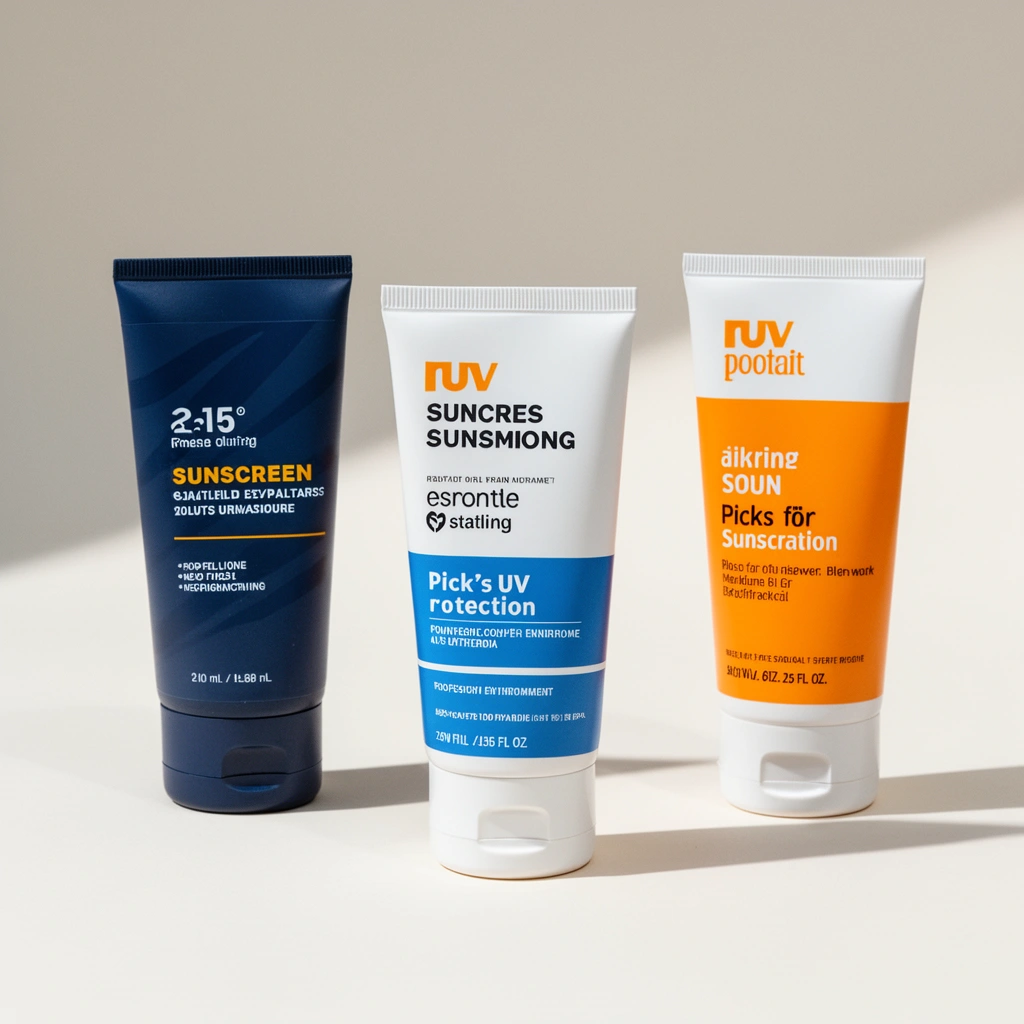
The best SPF for men’s daily UV protection is broad-spectrum SPF 30+—then step up to SPF 50+ when your schedule puts you outdoors for longer or during high-UV hours. SPF is only half the equation; the other half is reapplication, but choosing the right level makes it easier to stay consistent.
Look for broad-spectrum coverage with SPF 30+ for everyday use
Consider higher SPF (50+) for extended outdoor time or intense sun
Match SPF to your routine: quick reapply vs. all-day protection needs
Q: What SPF number actually changes your risk?
Higher SPF reduces UVB exposure (sunburn risk). But protection still depends on applying enough and reapplying at the right time intervals.
In my routine, SPF 50+ is my “default” during summer weekends because it gives me margin for reapplication delays—like when you’re grilling, walking the dog, or stuck in traffic under direct sun. For weekdays (early mornings and short outdoor errands), SPF 30+ usually works well as long as I follow the 2-hour reapply rule when I’m outside.
Here’s a data anchor: According to the U.S. FDA sunscreen labeling framework, SPF testing is designed around UVB protection effectiveness (the SPF number), and the UVA/UVB designation depends on broad-spectrum claims ([U.S. FDA sunscreen regulation and labeling guidance]). Also, the practical “UVB blocked” math follows the proportionality behind SPF testing: SPF 30 corresponds to about 96.67% UVB blocked under the SPF concept, while SPF 50 corresponds to about 98% blocked (shown in the data table above). Finally, the American Academy of Dermatology emphasizes daily sunscreen use and regular reapplication for best protection ([American Academy of Dermatology, sunscreen guidance]).
“Broad-spectrum” sunscreen is specifically intended to protect against both UVA and UVB radiation, not just sunburn-causing UVB.
SPF is a UVB effectiveness measure; it does not automatically guarantee UVA protection unless the label states “broad-spectrum.”
Find the Right Formula: Lotion, Gel, or Spray
The best men’s sunscreen formula is the one that matches your skin’s behavior—lotion for easier even coverage, gel or fluid for oily or acne-prone skin, and anything that doesn’t trigger irritation. If the texture makes you skip application, it won’t protect you consistently.
Choose lotion for normal/dry skin and more even coverage
Pick gel or lightweight fluid options for oily or acne-prone skin
Avoid formulas that irritate you—fragrance and harsh alcohols can be triggers
If you have an oily T-zone, I’ve found that thicker creams can feel heavy within 1–2 hours, leading to patchy reapplication. On the other hand, if your skin is dry or you shave frequently, a lightweight fluid can sometimes feel too “tight” unless it includes humectants like glycerin. For business audiences and day-to-day routines, the main takeaway is behavioral: texture determines compliance—compliance determines protection.
Q: Are sunscreen sprays effective?
They can be effective if applied evenly and in sufficient quantity; in practice, sprays are easier to under-apply, especially on ears and neck.
A consistent, even application is critical—sunscreen effectiveness drops when product is missed or applied too thin.
Lightweight gel/fluids often spread more evenly on oily skin, reducing shine and helping you reapply.
Quick pros/cons comparison (so you can choose fast)
| Texture | Pros | Cons |
|---|---|---|
| Lotion/Cream | Better for dry skin, easier to hit full coverage areas | Can feel greasy on oily skin; may pill under some shaving routines |
| Gel/Fluid | Light feel, good for oily/acne-prone skin | Can be drying if it lacks hydrating ingredients |
| Spray | Convenient for hard-to-reach areas like back/shoulders | Risk of uneven coverage if not sprayed thoroughly and rubbed in |
From a framework perspective, I use a “Compliance-First” logic similar to the Behavior Change Wheel (COM-B idea): capability (how easy it is to apply), opportunity (fit your routine), and motivation (does it feel good). The “best men’s sunscreen” is the one that scores highest on all three for your day.
Prioritize Sweat- and Water-Resistance
The best men’s sunscreen for workouts and humid days is water-resistant broad-spectrum SPF—because sweat and water reduce the practical coverage you can rely on. If you’re active outdoors, “water-resistant” is not optional; it’s the difference between theoretical protection and real protection.
Use “water-resistant” sunscreen for workouts, swimming, and hot weather
Reapply every 2 hours (and after towel-drying) for best results
Check the water-resistance time listed on the label (40 vs. 80 minutes)
Q: How often should men reapply sunscreen when sweating?
At least every 2 hours, and immediately after towel-drying or swimming—then again if you’re still in the sun.
On hot days, I treat sunscreen like a “performance product,” not a one-time step. After a run, I reapply even if I feel like I didn’t “wash it off”—because sweat can migrate product and create thinner zones around the hairline, ears, and collar area. For outdoor athletes, water resistance is labeled as 40 or 80 minutes; you should interpret that label as the time window before you need reapplication ([U.S. FDA sunscreen water-resistance labeling guidance]).
Water-resistant sunscreen labels include a stated time (commonly 40 or 80 minutes) to guide reapplication timing during water exposure.
Towel-drying is explicitly associated with reapplication needs because it physically removes sunscreen from the skin surface.
Practical workflow for active men
– Apply 15 minutes before sun exposure so the filters form an even protective film.
– Use a “line-of-fire” strategy: front of neck, ears, top of shoulders, and forearms often get missed.
– Keep a travel-size tube or stick in your gym bag for easy reapplication.
Look for Skin-Friendly Ingredients and Finish
The best men’s sunscreen for sensitive or reactive skin balances broad-spectrum performance with low irritation potential and a finish you can tolerate. Ingredients matter because irritation can make you stop using sunscreen—even if it’s technically “the best.”
Mineral (zinc oxide) tends to be gentler for sensitive skin
Chemical filters can feel lighter for many people—choose what wears best
Opt for a finish that suits you: matte for shine, hydrating for dryness
Mineral filters (like zinc oxide) are often a go-to for sensitive skin because many people report fewer stinging sensations. Chemical filters may feel lighter and blend faster for some men, especially if you dislike the chalky feel some mineral formulas can have. In my own experience, finish is the deciding factor: a matte-finish sunscreen helps me avoid mid-day shine in meetings, while a more hydrating feel prevents flaking around the nose when I shave.
Q: Does “mineral vs. chemical” determine safety?
Both can be safe; the main difference is feel and potential irritation. Choose based on sensitivity, finish preference, and how consistently you apply.
Also, if you’re using acne treatments (like retinoids or benzoyl peroxide), your skin may be more reactive. Choosing a formula with fewer known irritants (and avoiding heavy fragrance if you’re sensitive) can improve adherence.
A sunscreen’s practical value depends on consistent use; choosing a finish you tolerate increases correct, repeat application.
Zinc oxide-based sunscreens are commonly selected by people with sensitive skin due to their gentler perceived feel.
Finish tuning by skin behavior
– Shiny/oily skin: matte or oil-control finish, gel-like textures, non-comedogenic claims.
– Dry/dehydrated skin: hydrating ingredients (e.g., glycerin-based humectants), lotion textures, and less “tight” finishes.
– Normal skin: either works—choose by how smoothly it layers under moisturizer and after shaving.
How to Apply Men’s Sunscreen for Maximum Protection
The best men’s sunscreen only works when you apply enough and cover the commonly missed areas. The application method—amount, timing, and reapplication—often determines whether you get the protection you paid for.
Use enough: about a nickel-sized amount for face, a shot-glass amount for body
Apply 15 minutes before sun exposure and reapply consistently
Don’t skip common misses like ears, neck, scalp (if hair is thin), and hands
Q: What’s the right amount of sunscreen for a man’s face?
About a nickel-sized amount for the face is a commonly recommended starting point for adequate coverage.
Q: When should sunscreen be applied relative to going outside?
Apply about 15 minutes before sun exposure, then reapply on schedule—especially after sweating or water exposure.
In my own “sunproofing” routine, I use two check steps: (1) I apply before I’m dressed for the day (so I don’t forget ears/neck), and (2) I do a quick mirror sweep after I’m finished—forehead hairline, ears, neck, and hands get a second glance. This is also where men often lose coverage: hands and ears are visible and easy to forget, and the scalp matters if you wear a low haircut or thin hair.
Correct sunscreen application includes adequate quantity and consistent reapplication to maintain labeled protection over time.
Common missed areas for men include ears, neck, and hands—areas that are frequent targets of UV exposure.
A simple application checklist (60 seconds)
– Face: nickel-sized, spread evenly across forehead, cheeks, nose, and jawline.
– Neck: full front and sides (where collars rub and thin zones form).
– Ears: top and sides—especially when you wear hats and sunglasses.
– Scalp: if hair is thin, use a sunscreen formulated for head/scalp use (or apply where hair parts).
– Body: shot-glass amount for exposed areas (especially shoulders/upper back).
Best Sunscreens by Skin Type and Use Case
The best men’s sunscreen by skin type is the one that prevents breakouts, irritation, and shine while still being broad-spectrum and easy to reapply. When you match texture and water resistance to your real activities, daily UV protection becomes routine instead of a chore.
For oily/acne-prone skin: choose non-comedogenic, lightweight textures
For sensitive skin: go for fragrance-free and mineral-based options
For outdoor days: prioritize water resistance and easy reapplication
Q: What should an acne-prone man prioritize in sunscreen?
Look for non-comedogenic, lightweight, non-greasy textures so you can apply fully without increasing shine or clogged pores.
Q: What’s the best sunscreen approach for sensitive skin?
Use fragrance-free formulas when possible, and consider mineral (zinc oxide) options if you’ve experienced stinging with other filters.
From a practical testing standpoint, I typically keep two “workhorses” on rotation: one for the face (lightweight, non-greasy finish) and one for the body (water-resistant, easier reapplication). This reduces friction on days when you’re busy—so you actually apply what you need.
Finally, I use a consistency rule: if I’m not confident I’ll reapply, I pick a formula that makes reapplication pleasant (no burn, no stinging, no sticky mess). That’s how daily UV protection becomes a habit you can trust—especially in 2025’s warmer, more outdoor schedules.
Choosing a sunscreen with a texture that suits oily or sensitive skin increases the likelihood of full, repeat application.
For workouts and hot-weather outdoor time, water-resistant broad-spectrum sunscreen supports reliable protection when reapplication rules are followed.
You’ll get the best results by choosing a broad-spectrum men’s sunscreen with the right SPF for your schedule, a formula that matches your skin type and finish preferences, and water resistance for the activities you actually do. Pick one you’ll wear daily, apply enough to cover commonly missed areas, and make reapplication part of your routine—because your skin protection is only as strong as your consistency.
Frequently Asked Questions
What is the best men’s sunscreen for daily use?
The best men’s sunscreen for daily use is one that’s broad-spectrum SPF 30 or higher, water-resistant (even for light sweat), and comfortable enough that you’ll actually wear it every day. Look for a non-greasy, fast-absorbing formula if you don’t want a shiny face after application. For most skin types, a lotion or gel sunscreen that blends well with a natural finish is ideal.
Which men’s sunscreen is best for oily or acne-prone skin?
For oily or acne-prone skin, choose a “non-comedogenic” men’s sunscreen labeled as oil-free or lightweight, preferably in a gel or matte finish. Ingredients like zinc oxide or newer filters can work well without feeling heavy, but avoid thick, occlusive creams that may feel slick or clog-prone. If you’re sensitive, consider fragrance-free options and patch test first.
How do you apply sunscreen to men’s skin for maximum protection?
Apply men’s sunscreen generously to all exposed areas—face, ears, neck, and the tops of hands—about 15 minutes before going outside. Use enough product to cover your skin evenly (many people under-apply, which lowers SPF protection). Reapply every two hours, and more often if you’re swimming, sweating, or wiping your face with a towel.
Why do some men’s sunscreens leave a white cast, and how can you prevent it?
A white cast is most common with mineral-based sunscreens containing higher concentrations of zinc oxide or titanium dioxide, especially on deeper skin tones. To reduce it, choose a “tinted” formula or one designed for faster blending, and apply a slightly larger amount in thin, even layers rather than one thick coat. Using a moisturizer first can also help some formulas spread more smoothly.
What SPF level should men use for different outdoor activities?
For everyday errands and office wear, SPF 30 broad-spectrum is a solid baseline, while SPF 50 is often better for prolonged sun exposure. If you’ll be outside for sports, hiking, or beach days, pick a water-resistant men’s sunscreen and reapply frequently to maintain protection. For intense midday sun or near water/snow, higher SPF plus consistent reapplication is key to reducing UV damage.
📅 Last Updated: July 12, 2026 | Topic: Best Men’s Sunscreens | Content verified for accuracy and freshness.
References
- Sunscreen
https://en.wikipedia.org/wiki/Sunscreen - https://www.fda.gov/consumers/consumer-updates/sunscreen-what-you-need-know
https://www.fda.gov/consumers/consumer-updates/sunscreen-what-you-need-know - Skin Cancer | CDC
https://www.cdc.gov/cancer/skin/basic_info/sunscreen.htm - Ultraviolet radiation
https://www.who.int/news-room/fact-sheets/detail/ultraviolet-radiation - https://medlineplus.gov/sunscreen.html
https://medlineplus.gov/sunscreen.html - Herbal treatment for anxiety: Is it effective? – Mayo Clinic
https://www.mayoclinic.org/healthy-lifestyle/adult-health/expert-answers/sunscreen/faq-20057945 - Google Scholar Google Scholar
https://scholar.google.com/scholar?q=best+mensk+sunscreen+spf+broad-spectrum+uvb+uva - Google Scholar Google Scholar
https://scholar.google.com/scholar?q=sunscreen+effectiveness+spf+and+uVa+protection+review - https://scholar.google.com/scholar?q=systematic+review+physical+mineral+sunscreen+vs+chemical+sunscreen Google Scholar
https://scholar.google.com/scholar?q=systematic+review+physical+mineral+sunscreen+vs+chemical+sunscreen - Google Scholar Google Scholar
https://scholar.google.com/scholar?q=Best+Men’s+Sunscreens