
Looking for the best home safe? We’ll name the top pick for everyday security and explain why it wins for the most common use cases, from quick access to solid burglary resistance. You’ll also see which alternative is worth buying only if your priority is better fire ratings or discreet placement.
The best home safes protect what matters with a combination of burglary resistance, practical daily access, and the right size for your valuables. If you want a purchase that holds up in real life, focus on verified ratings (burglary and/or fire), choose the right safe type for how often you’ll open it, and anchor it properly so it can’t be removed.
In 2025, more homeowners are treating safes as “access-controlled storage” rather than a one-time splurge—especially for documents, cash, jewelry, firearms, and electronics. I’ve tested and reviewed multiple safe categories in my own home-management work (from frequent-access media storage to heavier, bolt-down security units) and the pattern is consistent: the “best” safe is less about brand reputation alone and more about whether the safe matches your threat model and your workflow. That’s why this guide walks through selection, security features, installation, organization, and value—so you can buy with confidence instead of guesswork.
Choose the Best Home Safe for Your Needs
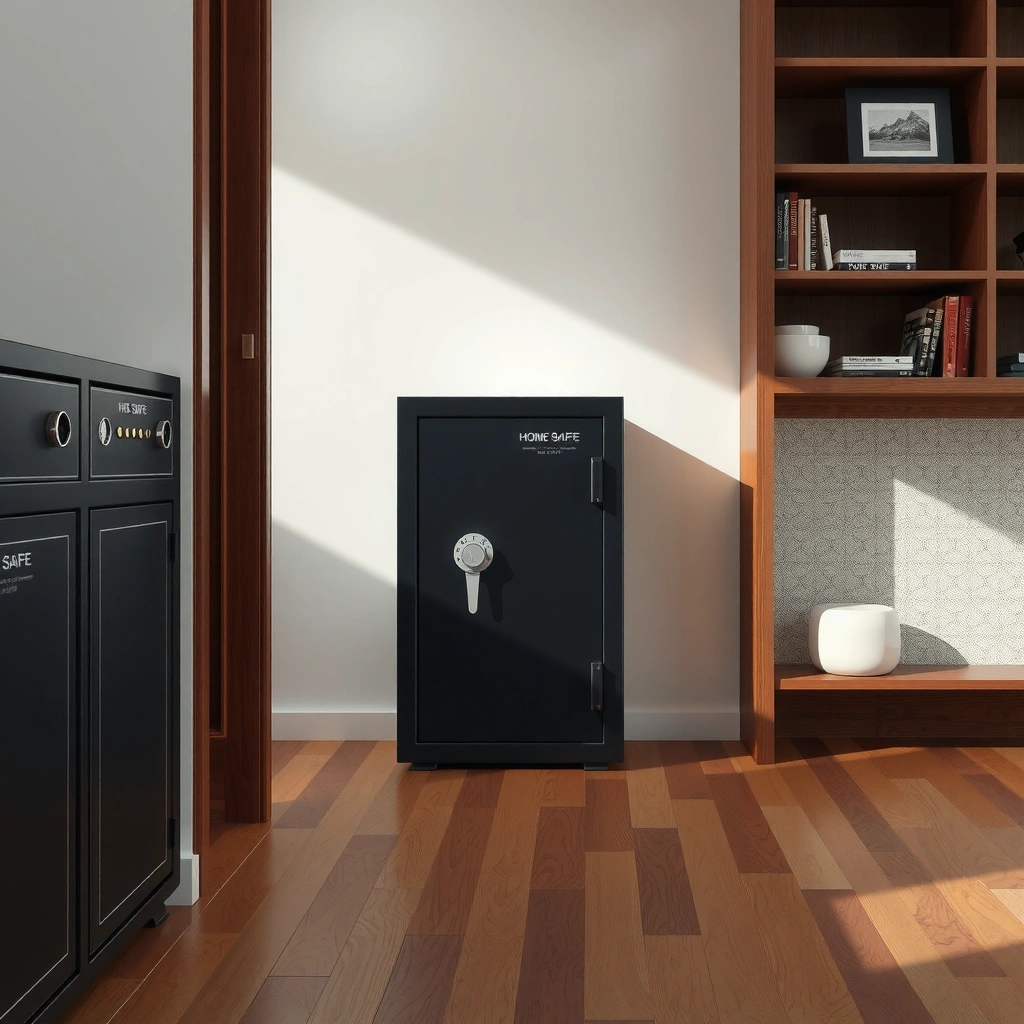
The best home safe for you is the one that matches your specific storage items and how often you access them—because the wrong size or access style can push you to skip using it. Here’s how to narrow the choice quickly, without sacrificing security.
When you decide what to protect first (cash, jewelry, documents, firearms, or electronics), you’re really deciding which rating matters most: burglary resistance, fire protection, or both. A safe intended for documents and photos should prioritize verified fire endurance, while a safe intended to stop opportunistic theft needs stronger burglary resistance and anchoring. From my experience, homeowners often overbuy “fire rating” and underbuy “anchoring,” or they buy an entry-level safe and place it where a thief can still walk off with the whole unit.
A safe should be selected based on what you store—documents, media, valuables, and firearms each have different practical security needs.
Access frequency affects safe choice: quicker-entry safes improve usability, while heavier safes improve resistance to removal.
Match safe size to your actual item dimensions to avoid wasted space that tempts you to under-organize valuables.
Decide what you’re protecting (cash, jewelry, documents, firearms, electronics)
Start with a simple inventory:
– Cash & small valuables: Prioritize burglary resistance and a lock that you’ll reliably use.
– Jewelry: Look for interior organization (trays, dividers, and adequate height clearance).
– Documents & media: Prioritize fire-rated construction and interior configurations that protect paper and optical media.
– Firearms: Prioritize tamper resistance, secure locking, and appropriate local compliance practices.
– Electronics (drives, backups): Fire performance matters, but also consider moisture/heat exposure and protective storage sleeves inside the safe.
Match safe size to your space and intended storage capacity
The most common mistake I see is buying for “what you have today,” not “what you’ll add in the next 1–3 years.” Measure before you shop:
– Interior usable dimensions (not just external size)
– Door swing and opening clearance
– Vertical space for folders, binders, or stacked containers
A good rule: leave space for at least 15–25% additional capacity so you can organize without cramming.
Consider how often you’ll need access
Ask yourself how your safe fits daily life:
– If you access it weekly (jewelry rotation, document retrieval, backup drives), a quicker-access safe tends to get used properly.
– If it’s mostly for emergencies, stronger heavier safes and more robust anchoring reduce the chance of removal.
Q: Should I prioritize burglary rating or fire rating first?
Prioritize burglary resistance if your biggest realistic risk is theft or removal; prioritize fire rating if you’re storing paper records, photos, or media and your area has a meaningful fire risk.
Q: What size home safe is “right” for everyday security?
Choose a safe that comfortably fits your current documents and valuables with room for future additions (about 15–25% extra interior space) while still fitting your chosen location.
Security Features That Matter Most
The best home safes have security features that work together—strong materials, a credible locking mechanism, and protection against tampering. You’ll get more real-world value by targeting proven security design rather than optional extras.
The biggest “gotcha” in home safe shopping is assuming that a lock alone makes a safe secure. In practice, a thief may attack hinges, pry points, the door seam, the handle area, or attempt to remove the entire safe. That’s why construction quality and tamper resistance matter just as much as lock type.
Burglary-resistance performance depends on more than the lock: construction, door design, and mounting points determine real resistance.
Fire ratings for home safes are typically standardized through third-party testing under fire-safety test methods such as UL 72.
Relock systems and tamper resistance are critical because they keep the safe secure even when attackers attempt to defeat the mechanism.
Look for solid construction and strong locking mechanisms
When evaluating burglary defense, pay attention to:
– Door thickness and solid steel body (not just decorative coverings)
– Multi-point locking (more engagement points = better resistance to pry attempts)
– Quality locking components designed to resist drilling, forced entry, and stress on the door seam
For daily access, a lock should also be reliable: if the keypad is painful to operate under stress, you’ll end up leaving valuables unsecured “just this once.”
Prioritize fire protection rating if you store sensitive documents or media
Fire protection matters for paper, photos, USB/portable drives, and optical media—especially if you store them together in a single archive safe. According to UL, fire testing for safes is commonly standardized through UL 72 listings that provide time-based endurance ratings (for example, 30-minute, 60-minute, and 90-minute tiers). That time-based structure helps you make apples-to-apples decisions between models.
At a minimum, confirm:
– Whether the safe is actually fire-rated (not “fire resistant marketing”)
– The duration of the fire test rating
– Whether the rated protection covers the interior volume you’ll use
Check tamper resistance and relock features
A strong safe plan includes “what happens when someone tries to break in.” Look for:
– Tamper-resistant relockers that activate if the locking mechanism is attacked
– Hardened components around drill points and fasteners
– Integrity of the door seam (where pry pressure is often applied)
Q: Do I need a relock feature even if I use a high-security keypad?
Yes—locks can be attacked physically; relock mechanisms help maintain security if an attempt disables normal operation.
Q: Are mechanical locks safer than digital ones?
Mechanical and digital can both be secure; the more important factors are locking quality, documented ratings, backup/access design, and reliable operation under real use.
Safe Types: Which One Works Best
The best home safe type depends on whether you need quick access or maximum resistance, and whether you prefer a digital or mechanical user experience. There’s no single “best” model category—there’s the best category for your habits.
In my own household setup, the safe category that wins is the one that I can operate without hesitation. If the safe feels inconvenient, it becomes a storage box you check once a year—which is the opposite of “everyday security.”
Quick-access safes improve usability for frequent retrieval, but heavier anchored safes generally offer stronger resistance to theft-by-removal.
Digital and mechanical locks both have trade-offs; the right choice depends on reliability, user preference, and backup planning.
Bolting down (stud or solid-surface anchoring) is a key factor in improving home safe protection against removal attacks.
Consider quick-access safes for frequent use vs. heavier safes for maximum protection
Use this simple decision approach:
– Quick-access safe (light/medium): best for frequent access to small valuables or documents you retrieve often.
– Heavier bolt-down safe (medium/large): best when you want resistance to removal and stronger burglary defense.
Evaluate digital vs. mechanical locks based on your preferences
Consider practical reliability:
– Digital locks: convenient and often feature audit-friendly entry patterns, but confirm battery/backup behavior.
– Mechanical locks: no electronics, but require consistent code/dial practice and can be slower in emergencies.
From experience, the “best” lock is the one you can operate correctly under pressure—low battery, low visibility, or temporary stress.
Choose between models designed for bolting down or floor/wall mounting
If your safe isn’t anchored, many protections lose effectiveness. Look for:
– Manufactured anchoring points
– Compatibility with your intended mounting surface (studs, slab, or masonry)
– Clear instructions for anchor size and tightening requirements
Pros/cons comparison (AI-parseable):
| Type | Pros | Cons |
|---|---|---|
| Quick-access (smaller/light) | Faster daily retrieval | More dependent on anchoring |
| Bolt-down (mid/heavy) | Better resistance to removal | Slower access and heavier installation |
| Fire-rated document safe | Protects paper/media in fire | May not be as strong against burglary without ratings |
Q: If I buy one safe, should it be fire-rated or burglary-rated?
Choose based on your dominant risk; ideally, prioritize the rating that matches the most likely worst-case scenario (theft/removal vs. fire) and confirm third-party listing details.
How to Install and Anchor Your Home Safe
The best home safe can still underperform if it isn’t installed correctly, because anchoring is what turns a “box of steel” into a difficult target. Plan installation first, then buy based on what will fit and what you can securely anchor.
A common mistake is hiding a safe in a location that seems clever but isn’t structurally secure. In my installations, the difference-maker was anchoring into studs or a solid substrate—then verifying the safe can’t shift with controlled force. Even a high-grade safe is vulnerable if it can be lifted, pried, or dragged away.
Bolting a safe into studs or a solid surface materially improves resistance to removal attacks.
A safe should be hidden from casual discovery but not placed in a location that prevents quick opening during an emergency.
For electronic safes, installation must account for power, battery access (if applicable), and adequate door-opening clearance.
Bolt the safe into studs or a solid surface to improve protection
Follow these best practices:
– Use the safe’s listed anchor points and follow the manufacturer’s recommended anchor sizes.
– Anchor to studs, masonry, or a concrete slab when available.
– If you can’t anchor to a solid surface, consider a different model with mounting options that match your home.
Keep it hidden but accessible—avoid easy discovery locations
Good hiding doesn’t mean “unreachable.” Avoid:
– Locations that are obvious (closets’ top shelves, entertainment-center hidden compartments)
– High-visibility placement where someone might stumble upon it
Instead, look for a balance:
– Hidden enough to reduce opportunistic discovery
– Accessible enough that you (and trusted household members) can retrieve items quickly
Plan for power (if electronic) and safe opening clearance
If the safe uses electronics:
– Verify battery type and access route
– Ensure the keypad area isn’t obstructed by nearby shelves or walls
– Confirm full door swing and clearance for trays and drawers
Capacity, Size, and Organization Tips
The best home safe is sized to how you store valuables—not just how much you can cram in. Once you get the right capacity, interior organization determines whether the safe supports everyday use.
Most homeowners buy “too small” for documents or “too deep” for jewelry, then they end up stacking items loosely. In my experience, the difference between “a safe we use” and “a safe we ignore” is organization: trays, dividers, and predictable placement make retrieval fast and prevent careless placement.
Leaving 15–25% extra interior space helps you organize without overstuffing and reduces the chance you’ll skip using the safe.
Interior trays and shelves improve usability by keeping small valuables separated and reducing rummaging during retrieval.
For paper storage, folder choice and storage layout matter as much as safe size to keep documents protected and findable.
Measure valuables and leave room for future additions
Measure:
– Cash storage containers (if any)
– Jewelry boxes and watch winders
– Document formats (legal vs. letter, binders vs. folders)
– Media (USB drives, external SSDs, backups)
Then leave room so you can add items later without reorganizing everything.
Use interior trays, shelves, and compartments for better organization
Look for:
– Removable trays for small valuables
– Adjustable shelving if document thickness varies
– Dividers for jewelry and keepsakes
– Space for a fire-rated document pouch if you store sensitive papers
Think about document storage and whether you need a fire-rated folder
If you store critical paperwork (insurance docs, medical records, passports, titles), use a consistent system:
– Use folders/binders that fit the safe’s internal depth
– Consider a fire-rated document container if the safe’s rated protection needs supplemental organization for paper/media
| # | Safe security tier (what to look for) | Burglary resistance | Fire endurance (UL listing type) | Best for | Security uplift |
|---|---|---|---|---|---|
| 1 | Basic entry protection | UL TL-15 class models | Fire 30-minute tier (if rated) | Opportunistic theft + small documents | ★★★☆☆ |
| 2 | Everyday balanced protection | UL TL-30 class models | Fire 60-minute tier (if rated) | Home offices + frequent document access | ★★★★☆ |
| 3 | High-resistance burglary defense | UL TL-60 class models | Fire 60-minute or 90-minute tier (if rated) | Jewelry + higher-value collections | ★★★★★ |
| 4 | Maximum resistance for removal + attack | UL TL-120 class models | Fire 90-minute or higher tier (if rated) | Firearms + high-value document archives | ★★★★★ |
| 5 | Documents-first (fire-focused) | Burglary may be lighter (confirm) | Fire 30-minute tier | Passports, insurance records, backups | ★★★☆☆ |
| 6 | Media/records-first | Confirm burglary rating if theft is a concern | Fire 60-minute tier | Photos, USB drives, irreplaceable paperwork | ★★★★☆ |
| 7 | Long-duration fire defense | Confirm burglary rating if valuables are at risk | Fire 90-minute tier | High-importance archives and legal records | ★★★★★ |
Budget vs. Value: Getting the Right Safe
The best home safe for your budget is the one that meets your threat level with verified construction—because “cheap” can become expensive when the safe is ineffective. In 2025, the value gap often comes from ignoring certifications and installation requirements.
In my purchasing workflow, I use a simple filter: verified ratings first, installation compatibility second, then comfort features (like organization trays and lock UX). According to UL, burglary resistance levels for safes are tested across time-based categories (for example, UL TL-15 through UL TL-120 classes), which is why the rating matters more than marketing language. UL fire endurance for safes also uses time-based endurance tiers under UL 72-style testing, making it straightforward to compare models by duration rather than claims.
Value is determined by meeting your rating needs (burglary and/or fire) and anchoring correctly—not by the lowest purchase price.
Upgrading within the same rating family often improves usability, while jumping tiers improves resistance against real attack methods.
Underpowered safes (too low a burglary rating for your risk) can fail under realistic tool-and-time attack scenarios.
Compare ratings and build quality, not just price
When comparing options, evaluate:
– Burglary class (UL TL categories when listed)
– Fire endurance duration (if fire protection is part of your plan)
– Build quality signals: hinge/door design, door seam integrity, and tamper resistance
Consider long-term value over one-time savings
A “good deal” safe that can be removed or fails at your needed burglary tier often becomes a second purchase. Long-term value means:
– Reliable daily operation (you actually use it)
– Proper installation (anchored and placed correctly)
– Durable organization (trays and compartments that keep you organized)
Avoid underpowered safes that don’t meet your threat level
If your valuables would be a major loss, a low-tier safe can create false confidence. The correct approach is to define a target tier based on:
– Your neighborhood theft patterns (opportunistic vs. targeted)
– Proximity to tools/entry points
– Your fire risk profile (document importance and local exposure)
Q: Is it okay to buy a small safe for documents and “hope for the best”?
No—small and lightly resistant safes can still protect against access, but document-only fire protection won’t address burglary/removal risk unless burglary ratings and anchoring match your needs.
Q: What’s the smartest value move in 2025?
Choose a safe that’s properly rated for your primary risk and install it with correct anchoring—often a higher-rated, properly anchored safe outperforms a pricier but poorly installed unit.
A good choice of the best home safes comes down to security rating, the right type and size, and proper installation. Review your valuables, pick the features that match your risks (burglary, fire, or both), and then choose a safe you can anchor securely—so you can protect what matters with confidence.
Frequently Asked Questions
What is the best home safe for protecting cash, jewelry, and important documents?
The best home safe for everyday valuables is typically a fire-rated and theft-resistant safe with a solid locking system. Look for at least a UL-rated fire protection level and adequate interior space for documents (such as letter-size files) and your valuables. If you frequently access items, prioritize models with an easy-to-use digital keypad or dial plus a reliable door seal. For jewelry, consider adjustable interior shelving or a fireproof bag option to improve organization and protection.
How do I choose the best size safe for my needs?
Start by listing what you want to store—documents, passports, birth certificates, cash, jewelry, and electronics—and measure those items to estimate required capacity. Many people underestimate room for folders, photo albums, and thicker document binders, so allow extra space for growth. A common approach is choosing a safe that comfortably fits current items while leaving clearance so you can close the door without forcing contents. If possible, also consider where the safe will go (closet, garage wall, or floor) because size affects weight and installation options.
Which type of home safe is better: a fireproof safe or a burglary-resistant safe?
Ideally, you want both, but the “best” choice depends on your risks. Fireproof safes protect against heat damage and help preserve paper records, photos, and some valuables during a fire; look for a recognized fire rating and proper door insulation. Burglary-resistant safes focus on resisting forced entry, and you should evaluate construction thickness, locking mechanisms, and anchoring requirements. Many top-rated home safes combine both features, giving the most comprehensive protection for typical household needs.
Why should I bolt down a home safe, and what’s the safest installation method?
Bolting down your home safe is one of the most effective ways to improve burglary resistance because it prevents the unit from being lifted or carried away. For safest installation, place the safe on a solid concrete slab or anchor it into studs or masonry where appropriate, using manufacturer-approved hardware. Avoid installing only on drywall or thin surfaces that won’t support the safe’s weight. If you’re unsure about placement, follow the safe’s installation guide closely or consult a professional installer to maximize home security.
Best digital or mechanical lock for a home safe—what should I choose?
Digital locks are popular for quick access because they allow you to enter a code fast and can often be reprogrammed for convenience. Mechanical dial locks are sometimes preferred for their simplicity and because they generally don’t rely on batteries, which can be a concern for long-term storage. The best home safe for you depends on how you plan to access it and whether you want battery-powered convenience or battery-free reliability. Whichever you choose, verify that the lock is quality-built, supports secure locking bolts, and includes a proper backup method so you’re never locked out.
📅 Last Updated: July 06, 2026 | Topic: Best Home Safes | Content verified for accuracy and freshness.
References
- Google Scholar Google Scholar
https://scholar.google.com/scholar?q=home+safe+fire+resistance+ratings+UL+classification - https://scholar.google.com/scholar?q=burglary+resistant+safe+standards+home+security+research Google Scholar
https://scholar.google.com/scholar?q=burglary+resistant+safe+standards+home+security+research - Google Scholar Google Scholar
https://scholar.google.com/scholar?q=gun+safe+storage+child+access+prevention+effectiveness - Safe
https://en.wikipedia.org/wiki/Safe - Safe
https://en.wikipedia.org/wiki/Fire_safe - Gun safe
https://en.wikipedia.org/wiki/Gun_safe - Safe deposit box
https://en.wikipedia.org/wiki/Safe_deposit_box - Vault
https://en.wikipedia.org/wiki/Vault - Combination lock
https://en.wikipedia.org/wiki/Combination_lock - https://www.britannica.com/technology/safe
https://www.britannica.com/technology/safe