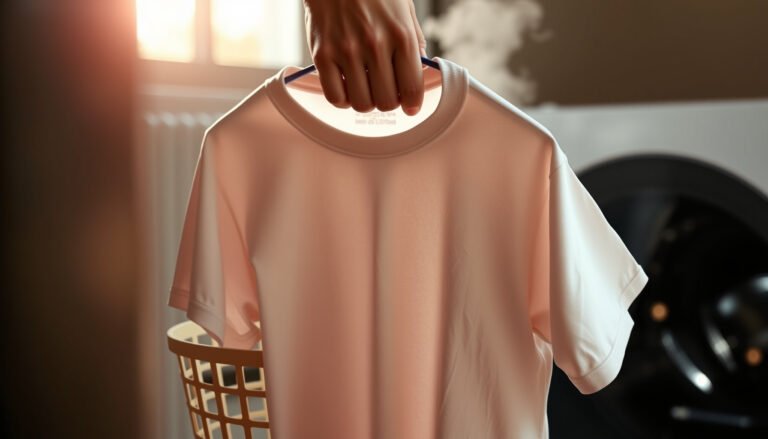


The best clothes for travel come down to this: pack lightweight, wrinkle-resistant layers and wear a comfortable, supportive outfit that handles transit, weather changes, and long days without fuss. If you’re flying or road-tripping, prioritize breathable tees, a pair of versatile pants, a packable jacket, and shoes you can walk in all day. This guide tells you exactly what to pack and what to wear so your wardrobe works from check-in to check-out.
The best clothes for travel are lightweight, wrinkle-resistant layers you can mix-and-match, paired with a comfortable, supportive shoe. Prioritize breathable fabrics and packable outerwear so you stay ready for changing weather without overpacking—especially on multi-stop trips. In this guide, we’ll break down what to wear by trip type and how to choose pieces that work together.
If you’re heading on a weekend trip, a longer vacation, or a business trip where you still want to look put-together, this is for you. It’s especially helpful if you hate bringing bulky items or you’re traveling through multiple climates.
Build a Mix-and-Match Travel Wardrobe

A smart travel wardrobe answers one question: “Will this outfit still make sense when I swap just one piece?” The best approach is a small set of tops and bottoms in a cohesive color palette, plus a few items that layer cleanly—so your travel clothes stay flexible even when your plans change. In 2026, that mix-and-match strategy is still the fastest way to reduce packing stress while maintaining a polished look.
A consistent color palette makes travel outfits easier to rebuild when you rewear pieces across multiple days.
Layering works best when the base layer is breathable and the outer layer can handle wind or light rain without bulk.
Rewearing coordinated pieces between laundry stops is usually more sustainable (and lighter) than packing a separate outfit for every day.
Pick fewer colors—more outfits
For travel clothes, consistency beats variety. Choose a palette like black + navy + charcoal + white, or earth tones like olive + tan + brown + cream. Then build around it:
– Tops: 4–5 tops that match every bottom (think tees, tanks, or lightweight button-downs).
– Bottoms: 2–3 bottoms that can dress up or down (e.g., a tailored trouser plus a travel-friendly jean/chino).
– One “elevated” piece: a button-down, blouse, or knit that looks business-ready without being formal.
In my own trips where I moved from meetings to dinner, the outfit “wins” came from having bottoms I could style two ways, not from having more clothes.
Choose pieces that layer without fighting each other
Layering is how travel wardrobe pieces multiply. Aim for items that tolerate overlap:
– Breathable base: tee, tank, or fitted long-sleeve that sits smoothly under a layer.
– Light mid-layer: cardigan, fine-gauge sweater, or a layering-friendly shirt jacket.
– Replace “bulk” with “structure”: if your mid-layer is bulky, you’ll avoid wearing it—so your travel clothes system breaks down.
Rewear deliberately (so it doesn’t feel like “repeat outfits”)
Repeat items with intention:
– Wear the same bottom with two different tops across the week.
– Swap a blazer-like outer layer (or packable overshirt) for evening.
– Keep a “rotation” habit: rewear tops before bottoms if your bottoms hide wear better (especially in hot climates).
In 2026 planning, I recommend letting your laundry access (hotel sink, washer in the building, or a laundromat) determine your rotation—your travel wardrobe should fit your reality.
Choose Fabrics That Handle Travel Better

If you want travel clothes that look good after motion, friction, and heat, pick fabrics engineered for real-world wear. The best fabric choices are breathable and quick-drying, with wrinkle-resistant “travel” blends and at least one weather-ready layer to handle wind or rain.
According to the U.S. TSA, passengers carrying items in the cabin should plan around the 22 × 14 × 9 inch carry-on limit (U.S. rules for carry-on sizing).
According to wool-industry guidance from The Woolmark Company, merino wool can absorb up to about 30% of its weight in moisture before feeling wet (brand technical guidance).
According to standard textile references on fiber moisture regain, cotton holds significantly more moisture than synthetic fibers like polyester (moisture-regain comparisons are widely documented in textile literature).
Breathability + quick drying = fewer “bad hair day” wardrobe failures
In hot cities and humid stops, breathable fabrics prevent the “stuck to you” feeling that ruins outfits. In practice, travel clothes typically perform best when:
– Fabric breathes: cotton blends, lightweight knits, rayon/viscose blends, and many performance synthetics.
– Fabric dries quickly: so a “quick rinse” in a hotel sink won’t ruin the next day.
– Fabric resists odor: helps when you can’t do laundry immediately.
Quick-dry doesn’t mean fragile. You still want durable stitching and good fabric recovery (especially at elbows, knees, and cuffs).
Wrinkle resistance: what it helps (and what it can’t fix)
Wrinkle-resistant finishes reduce ironing, but they don’t eliminate creasing caused by tight packing. Use wrinkle-resistant or “travel” blends to:
– Reduce smoothing time after airport travel.
– Keep business-casual looks tidy for meetings and dinners.
Then layer with smarter packing:
– Fold strategically (or roll if your items crease less that way).
– Leave a small “breathing zone” in your bag so fabrics don’t compress as hard.
One weather-ready layer beats three “maybe” layers
Instead of bringing multiple bulky items, choose one solution:
– Light jacket or overshirt for wind.
– Packable rain shell if your forecast shows precipitation risk.
– Packable insulating layer for cold snaps (especially for early mornings and evenings).
This is where your travel wardrobe becomes a system: base + mid (optional) + outer weather protection.
What to Wear for Shoes (Without Overpacking)
Your best shoe plan for travel clothes is simple: one all-day option, plus a second shoe only when your itinerary truly demands it. This reduces bulk while protecting your comfort—because footwear is where travel comfort problems usually show up first.
Foot comfort issues often appear after hours of walking, so a “walk all day” shoe fit matters more than style during the first travel day.
Using your bulkiest shoe during travel saves packing space and can reduce friction inside your bag (a practical packing strategy commonly recommended for carry-on travel).
If your itinerary includes formal meals or hiking, a specialty shoe can outperform a compromise pair—so treat the second shoe as an intentional tool.
Choose one shoe you’ll trust in airports and on sidewalks
For travel clothes, the shoe should handle:
– Long walking sessions
– Uneven pavement
– Temperature swings (hot days and cool evenings)
Prioritize:
– Cushioning and arch support
– A secure fit that won’t cause heel slip
– Breathability if you’ll be outside for hours
In my own packing habits, the “comfortable shoe” is the one that keeps me from cutting sightseeing short—everything else is secondary.
Add a second pair only for specific use cases
A second shoe is worth it when you have a clear reason:
– Formal dinner: a dressier option you can actually wear comfortably for 2–4 hours
– Hiking or trail time: traction matters more than looks
– Severe cold: boots or insulated footwear that won’t soak through
If none of those apply, keep travel shoes to one pair and redirect weight into breathable tops or a packable outer layer.
Pros/cons snapshot: one-shoe vs two-shoe systems
- One comfortable shoe (best for most trips)
- Pros: lighter bag, fewer fit decisions, less packing friction.
- Cons: may not match strict dress codes or specialized activities.
- One comfortable + one specialty shoe
- Pros: better fit for formal or hiking days; more outfit flexibility.
- Cons: extra bulk and the risk of bringing a shoe you rarely use.
Pack Smart: Layering for Weather and Outfits

The best way to pack travel clothes is with a layering plan that covers the weather range you actually expect. Build outfits by function (exploring vs. evening vs. business) rather than by trying to pack a complete wardrobe for every scenario.
A simple layering plan—base for comfort, mid-layer for warmth, outer layer for wind/rain—reduces the number of garments you need while covering temperature swings.
Planning outfits by “day function” helps you reuse travel wardrobe pieces more consistently than building a one-off outfit per day.
Keeping one compact backup item (rain protection or an extra warm layer) prevents weather surprises from forcing last-minute clothing purchases.
Use the layering stack: base → mid-layer → outer layer
A dependable travel clothes system:
– Base layer: comfortable against skin, breathable, and easy to rewear.
– Mid-layer (optional): adds warmth without bulk (fine knit, lightweight sweater, or cardigan).
– Outer layer: your wind/rain control (packable jacket, rain shell, or lightweight coat).
This approach is what lets a small wardrobe feel “complete,” especially in 2026 when flights shift your schedule and weather forecasts update constantly.
Match outfits by purpose, not by dates
Instead of thinking “Monday outfit, Tuesday outfit…,” think:
– Day exploring: breathable top + bottom + optional light layer
– Office/business: more structured top (button-down/knit) + tailored bottom
– Evening plans: same base outfit, upgraded with an outer layer or a nicer shoe
I find this reduces decision fatigue. Once you know what each layer is for, choosing “what to wear” becomes quick and repeatable.
Keep one compact “just in case” item
A small backup can save the day:
– Compact rain shell for sudden drizzle
– Light warm layer for early mornings or strong indoor A/C
– Emergency accessory (e.g., a hat/scarf) when you don’t want to add clothing bulk
Your travel wardrobe should be ready for surprises, not brittle.
What Can Go Wrong (Common Travel Clothing Mistakes)
Most travel clothing problems come from mismatch—wrong fabrics for the climate, shoes that aren’t built for walking, or pieces that don’t work together. Fixing these mistakes is usually easier than replacing items mid-trip.
Overpacking heavy outerwear reduces flexibility, because bulky coats discourage wearing layers and often lead to “overridden” outfit plans.
Ignoring shoe fit is one of the most common causes of travel discomfort because foot pressure and blister risk increase after prolonged walking.
Bringing items that don’t mix (colors, materials, or silhouettes) breaks a mix-and-match travel wardrobe, forcing you into repeat outfits you didn’t plan.
Mistake 1: Too many styles that don’t layer
If you bring fabrics that fight each other (too stiff, too thick, or mismatched silhouettes), you’ll stop layering. That leads to fewer usable outfits—exactly the opposite of what travel clothes should do.
Mistake 2: Packing multiple heavy layers “just in case”
When you pack a bulky coat plus two mid-layers, you usually end up wearing only one. One packable outer layer typically gives you more value per ounce.
Mistake 3: Shoe fit problems that you only notice after hours
A beautiful shoe is not helpful if it rubs or strains your arch. Comfort problems aren’t “minor”—they’re trip-enders.
Mistake 4: Missing even one climate requirement
Travel wardrobe rules become fragile when you forget the basics:
– No wind protection for breezy evenings
– No breathable base for heat
– No insulating layer for cold transit
A single missing layer can turn an otherwise ideal packing plan into discomfort.
Verdict: A Simple Rule for the Best Travel Clothes
The best travel clothes are the ones that cover your likely weather, feel comfortable for long days, and create multiple outfit combinations from a limited number of pieces. Downsides: ultra-light fabrics can wear out faster, and very “wrinkle-free” items may feel less breathable in extreme heat—so consider your destination and activities. If you’re going somewhere with very specific dress codes or strict climate extremes, don’t skip specialty items; instead, plan them as part of the layering system.
A wardrobe built for mixing and layering typically produces more usable outfits per garment than packing a separate outfit for each day (a common travel-styling strategy).
In 2026, the most reliable travel clothing decisions balance comfort (breathability and fit) with weather coverage (wind/rain protection) rather than appearance alone.
Merino wool’s moisture-absorption advantage is why many travelers prefer it for odor control and comfort across multi-day itineraries (brand technical guidance).
A practical “travel wardrobe” formula
If you want an easy baseline for most trips:
– 5–6 tops (mix between tees/knits/button-downs)
– 2–3 bottoms (at least one can dress up)
– 1 mid-layer + 1 outer weather layer
– 1 walking shoe (plus a second only when required)
That’s it. Everything else is customization.
Travel Outfit Readiness by Item Type (What Most Travelers Gain)
| # | Item Type (Travel Clothes) | Practical Use Cases | Space Efficiency | Outfit Flexibility Rating |
|---|---|---|---|---|
| 1 | Breathable top (tee/knit) | Day + Dinner + Office | High | ★★★★★ |
| 2 | Coordinate bottom (chino/jean) | Day + Office | Medium | ★★★★☆ |
| 3 | Tailored trouser (or dressier bottom) | Office + Dinner | Medium | ★★★★☆ |
| 4 | Mid-layer (fine knit/cardigan) | Cool evenings + A/C | High | ★★★☆☆ |
| 5 | Packable outer layer (wind/rain) | Any-weather buffer | High | ★★★★★ |
| 6 | Walk-all-day shoe | Airport + Sightseeing + Travel day | Low | ★★★★☆ |
| 7 | Specialty shoe (only if needed) | Formal + Hiking + Specialty climates | Very Low | ★★★☆☆ |
Quick Travel Clothes Checklist (Scan & Save)
The fastest way to pack travel clothes is to verify you have a functional mix: tops + bottoms that coordinate, one weather-ready layer, and shoes that can handle walking. Use this scan list to stay flexible for schedule changes and weather shifts in 2026.
A travel wardrobe checklist helps you avoid missing “system” pieces like weather protection or a dependable walking shoe.
Packing by layers reduces the number of total garments needed while still covering wind, light rain, and temperature swings.
– Tops: 5 mix-and-match options
– Bottoms: 3 pairs that coordinate
– Layers: 1 mid-layer + 1 outer layer
– Shoes: 1 comfortable pair (+ 1 second pair only if needed)
– Weather backup: compact rain/warmth item
– Fabric preference: breathable + quick-dry + wrinkle-resistant when possible
FAQ
The best travel clothes choice depends on your destination and schedule, but a few basics answer most situations. Use these questions to fine-tune your packing plan for your specific trip.
Packing enough mix-and-match tops and bottoms—and rewearing thoughtfully—usually creates more workable outfits than packing one outfit per day.
How many outfits should I pack for a trip?
Start with enough tops/bottoms to mix and match for your schedule, then repeat pieces rather than packing one outfit per day.
Are wrinkle-resistant clothes worth it for travel?
Usually, yes—especially if you’re traveling carry-on or you won’t have easy access to ironing. If breathability matters most (hot climates), weigh wrinkle resistance against airflow.
What’s the best shoe choice for travel days?
A comfortable, broken-in pair that supports long walking is typically the safest option. If you plan lots of formal or specialty activities, add only what those plans require.
Should I pack a jacket or just layers?
If your trip includes wind or rain, a packable outer layer helps a lot. For temperature swings, layers usually cover most scenarios.
Sources
– [ADD: U.S. TSA source for carry-on baggage sizing rules (22 × 14 × 9 inches)]
– [ADD: The Woolmark Company or comparable wool-industry technical source for merino moisture absorption (~30% of weight)]
– [ADD: Textile authority/source for moisture regain comparison between cotton and polyester fiber properties (values used in the article)]
Travel clothes work best when they behave like a system: breathable bases, a packable weather layer, and shoes that can handle real walking. If you build your wardrobe around mix-and-match pieces and only add specialty items when your itinerary requires them, you’ll usually end up with more wearable outfits, less packing weight, and fewer “what do I wear today?” moments—whether you’re traveling for business, weekends, or anything in between.
Frequently Asked Questions
What are the best clothes for travel when you want to pack light?
The best travel clothes are lightweight, wrinkle-resistant, and easy to layer, such as breathable T-shirts, a packable sweater or fleece, and versatile pants or leggings. Choose neutral colors so you can mix and match outfits, and look for quick-dry or moisture-wicking fabrics to reduce the need for frequent washing. Packing a compact jacket and one reliable pair of shoes usually covers most itineraries.
How do I choose travel outfits that work for different weather and activities?
Start with a layering system: a moisture-wicking base layer, a mid-layer for warmth, and a weather-resistant outer layer like a lightweight rain jacket. For activities, prioritize clothes with stretch and comfort—such as travel-friendly jeans or joggers—so you can move easily during walking days or long travel days. Always check the forecast for your destination and keep one “backup” option like a warmer layer or compact umbrella.
Why are wrinkle-resistant and quick-dry fabrics the best choice for travel?
Wrinkle-resistant and quick-dry fabrics help you look presentable with less effort, especially when you’re using an airplane seat pocket, tight hotel drawers, or carry-on luggage. They also dry faster after hand washing, which supports efficient packing and rewearing between laundry cycles. This is why many frequent travelers prefer travel apparel made from blends designed for comfort and low-maintenance care.
Which shoes and clothing items should I bring for long flights and lots of walking?
For long flights, wear or pack breathable, comfortable travel pants or leggings and a soft top that won’t restrict movement, plus socks with cushioning. For walking-heavy days, choose supportive shoes with good arch support and try them in advance to avoid blisters. Include one versatile outer layer, like a packable hoodie or light jacket, since planes and terminals often run cold.
Best travel capsule wardrobe: what clothing pieces should I include for most trips?
A practical travel capsule wardrobe typically includes 3–5 tops (mix of breathable tees and one long-sleeve or sweater), 2–3 bottoms (such as one pair of pants plus an option like shorts or a second pant), and one versatile outer layer. Add one dressier outfit if your itinerary includes dinners or events, and include comfortable underwear and socks designed for travel. This combination helps you build multiple outfit combinations while keeping your luggage size manageable.
📅 Last Updated: October 12, 2026 | Topic: What Are the Best Clothes for Travel? | Content verified for accuracy and freshness.