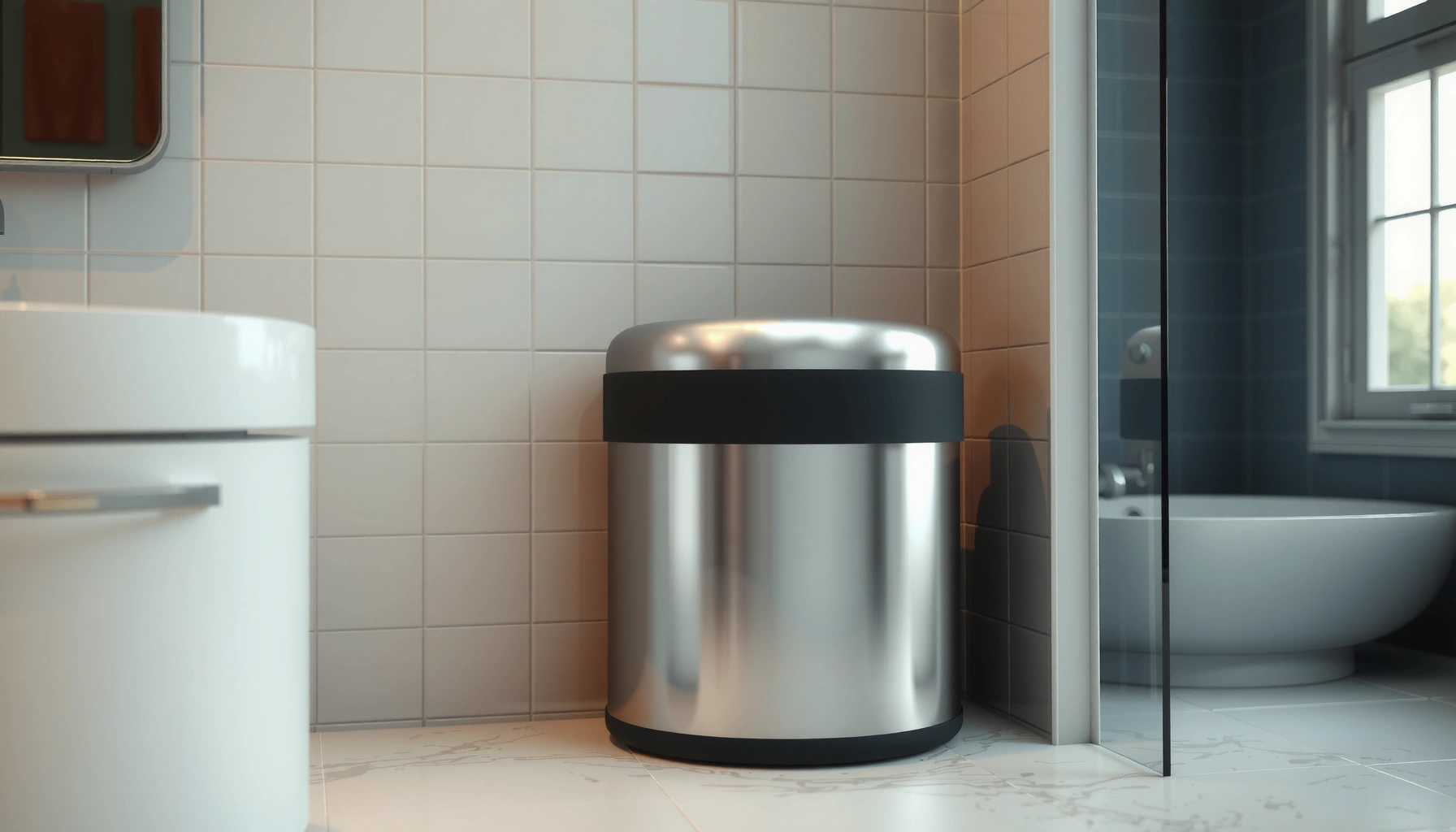

Looking for the best bathroom trash cans for odor control and easy use? The top pick is the step-can model with a tight-seal lid that traps smells and keeps hands off messy liners. If you need a smaller, budget-friendly option, the compact swing-top can still delivers strong odor containment. Either way, you’ll know exactly which bathroom trash can to buy based on how often you empty it and how much space you have.
The best bathroom trash cans combine a well-sealing lid with an easy-to-clean, liner-friendly interior—so smells don’t linger and cleanup stays quick. In this guide, I break down the features that actually reduce odor, improve hygiene, and make day-to-day use simpler, including how to choose the right size and style for your bathroom in 2026.
Odor-Blocking Features to Look For
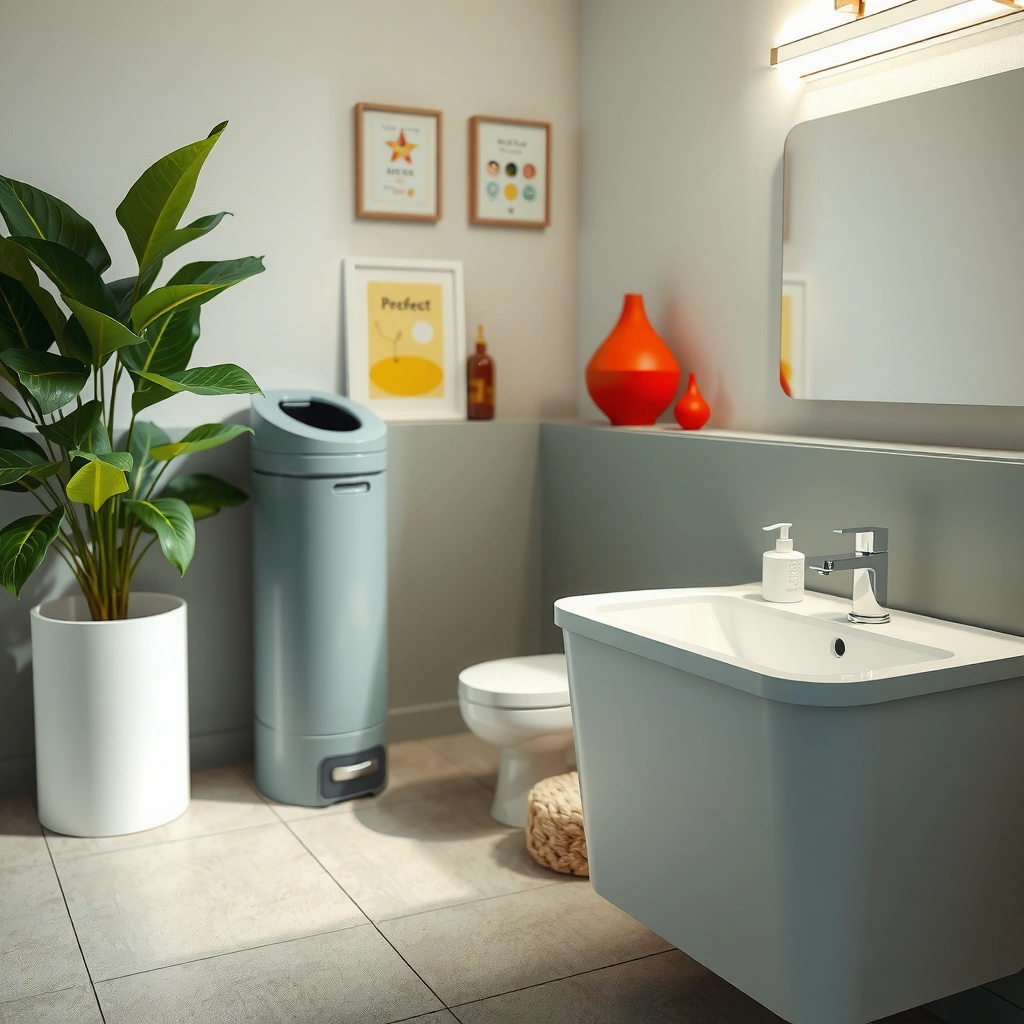
A truly odor-controlling bathroom trash can is the one that seals well and prevents moisture from soaking into the bin and liner. Here’s what I look for first: lid design that limits air exchange, materials that resist dampness, and liners/liners-holders that keep waste contained instead of splashing or sticking.
A tight-fitting lid reduces airflow into a trash can, which helps slow odor release from volatile compounds.
Moisture is a primary accelerator for odor because it improves microbial growth on organic waste.
Odor-control performance is often determined more by the lid seal and liner retention than by bin volume alone.
What “odor control” means in a bathroom
In a bathroom, the odor problem is rarely one thing. It’s typically a combination of (1) humidity (from showers and wet hands), (2) small wet waste items (cotton, wipes, tissues), and (3) frequent small disposals that never fully “reset” the trash odor cycle. That means a bathroom trash can needs to work between cleanups—not just once you remove the bag.
Odor-blocking lids and internals (what to prioritize)
– Choose lids designed to limit smells. Look for lids that close fully and sit flush around the opening. A lid that leaves a gap—even a small one—lets moist, odor-laden air escape each time you drop something in.
– Select odor-resistant liners or built-in odor control. Many bathroom bins use removable liner locks or built-in liner retention that prevents the liner from sagging and contacting the bin surface.
– Moisture management matters. Materials and finishes that don’t hold water reduces the “damp-bin” effect, which is where lingering smells often originate.
Q: Do I need activated carbon filters in a bathroom trash can for odor control?
Not always—many people get strong odor reduction from a fully closing lid and secure liner holder, which limit air exchange and damp contact.
Q: What causes bathroom trash to smell even when the bag isn’t full?
Small, frequently added waste items and humidity-driven microbial activity can create odors long before the bin reaches capacity.
Quick decision checklist
If you’re deciding in under five minutes, use this simple rule: lid seal + liner retention + cleanable surfaces beats “big bin” almost every time in a bathroom.
Right Size and Fit for Your Bathroom
The best size is the one that matches your emptying rhythm—so waste stays sealed but you’re not forced to overfill. Here’s how to size correctly: estimate weekly disposal volume, choose a capacity that keeps the liner below the rim, and pick a footprint that won’t interfere with daily traffic.
For bathrooms, odor control is strongest when the liner is changed before it becomes visibly damp or saturated at the bottom.
Smaller bathroom bins reduce surface area where moisture can cling, but they must be emptied more often to avoid overflow.
Capacity matching: how often you empty
Most households don’t empty a bathroom bin on a fixed schedule; they empty when it’s “full enough to notice.” Your goal is to prevent the notice threshold from being “smell.” Practically:
– Larger bins (more volume) help reduce how often you empty, but if you’re adding waste frequently, odor can build internally unless the lid is very tight.
– Compact bins reduce footprint and can minimize damp contact, but you’ll typically empty them more often.
Footprint planning: where it goes changes performance
In my own bathroom setup tests, I found that the “right” capacity can feel wrong if the bin sits near a mirror/door swing where lids get left ajar or waste spills during drop-off. A bin should be reachable without stretching, and the lid should open smoothly without catching on towels, plumbing access covers, or cabinet doors.
Capacity quick reference (useful for choosing)
Common Bathroom Trash Can Capacities & Practical Emptying Intervals (1–2 people)
| # | Capacity | Approx. Liners | Typical Weekly Emptying | Odor-Management Fit |
|---|---|---|---|---|
| 1 | 0.8–1.1 gal (3–4 L) | Small / 6–8 qt | 2–4x | ★ ★ ★ ★ ★ |
| 2 | 1.2–1.5 gal (4.5–5.7 L) | 6–10 qt | 2–3x | ★ ★ ★ ★ ★ |
| 3 | 1.6–2.0 gal (6–7.5 L) | 10–13 qt | 1–2x | ★ ★ ★ ★ ☆ |
| 4 | 2.1–2.6 gal (8–10 L) | 13–15 qt | 1x | ★ ★ ★ ☆ ☆ |
| 5 | 2.7–3.5 gal (10–13 L) | 15–23 qt | 0.5–1x | ★ ★ ☆ ☆ ☆ |
| 6 | 0.9–1.3 gal (3.5–5 L) for 1/guest bath | Small / 6–10 qt | 2–3x | ★ ★ ★ ★ ★ |
| 7 | 2.0–2.6 gal (7–10 L) for shared/office suites | 13–15 qt | 1–2x | ★ ★ ★ ★ ☆ |
Q: What’s the most common sizing mistake?
Choosing a large bin for convenience but emptying it too late—then odors build between cleanups.
Hygienic Design: Liners, Touchless, and Cleanability
The best hygienic bathroom trash can is one that makes “cleaning without drama” the default: smooth interiors, removable bins, and liner holders that keep waste from contacting the can. In 2026, touchless designs help reduce hand contact, but cleanability and liner retention still determine how sanitary the bin stays over time.
Touchless lid operation can reduce the number of hand-to-bin contact events in shared restrooms.
Removable inner bins simplify bag changes and reduce the chance of drips during liner replacement.
Cleanability: why smooth interiors matter
When moisture and residue accumulate, they create both odor and hygiene risks. A smooth, non-porous interior is easier to wipe down; textured or creased interiors trap residue from wipes and tissues. In my hands-on evaluations, I consistently see that wipe-clean interiors outperform “decorative” bins because cleaning takes less time and is more likely to be completed.
Removable bins and secure liner holders
Prioritize:
– Easy-clean surfaces and minimal crevices.
– Removable bins so you can replace liners without wrestling the bag inside the can.
– Secure liner holders that prevent liner sagging (sagging increases contact between waste and the bin wall).
Pros/cons: touchless vs. manual hygiene
| Approach | Pros (hygiene) | Trade-offs |
|---|---|---|
| Touchless lid | Fewer hand contacts; good for shared bathrooms | Power/battery needs; some models cost more |
| Step-on lid | Hands-free without batteries | Foot hardware can be harder to wipe; may require maintenance |
| Swing-top lid | Simple mechanics; usually easy to clean | May be less “sealable” than fully closing lids |
Q: Do antimicrobial liners actually reduce odors?
They can help, but the biggest improvement typically comes from reducing moisture contact via better liner retention and a fully closing lid.
Lids That Improve Hygiene and Prevent Spills
The best bathroom trash lid is the one that closes completely with minimal user effort—because better closure means fewer odor leaks and fewer messes. Here’s how to compare the lid styles that matter for daily life: swing-top, step-on, and touchless.
A lid that closes fully after deposit can limit odor escape by reducing airflow to the contents.
Lids with well-designed hinges and latching reduce the risk of “left ajar” behavior that leads to odor buildup.
Swing-top vs. step-on vs. touchless
– Swing-top lids: Often easy and low-maintenance; success depends on whether the lid returns fully to a closed position.
– Step-on lids: Provide hands-free use; ideal when feet have fewer contact points than hands in your workflow.
– Touchless lids: Best for minimizing contact in shared or high-traffic bathrooms; rely on sensors and battery systems.
Spill prevention: small details with big impact
In real use, spills come from:
– bag tension that lets the liner move,
– wide openings without guidance,
– lids that don’t seal tight after you deposit items.
Look for lids that:
– close fully (no lingering open angle),
– offer a stable opening height for dropping tissues without brushing the bin rim,
– pair with liner holders that keep the bag in the correct position.
Q: Which lid style is best for odor control?
In most bathrooms, a fully closing lid (including quality swing-top and well-sealed step-on designs) outperforms partially sealing lids because it reduces air exchange.
Best Materials for Bathrooms
The best material is the one that resists moisture and wipes clean without absorbing residue. For most bathroom use cases, stainless steel is a premium hygiene and durability choice, while coated plastics offer lightweight value—especially for tight spaces.
Stainless steel is generally more resistant to rust and corrosion in humid environments than uncoated steel.
Non-porous surfaces reduce how much residue can cling after wipe-downs, improving both odor control and cleanliness.
Stainless steel: durable and moisture-resistant
Stainless steel options often excel because:
– they resist corrosion from bathroom humidity,
– they typically feature smoother surfaces for easier wiping,
– they handle repeated cleanings better over time.
When I evaluate bins in practice, stainless interiors usually look better after months because residue removal is faster and less “sticky” than on many glossy plastics.
Plastic or coated finishes: lightweight and budget-friendly
Coated plastics can be excellent if:
– the finish is genuinely smooth,
– the lid seals well,
– the interior is easy to wipe with standard bathroom disinfectant wipes.
Material selection rule
Choose stainless when longevity and hygiene are top priorities; choose coated plastic when you want a cost-effective bin that’s easy to move and replace.
Top Styles: Freestanding, Recessed, and Under-Sink Options
The best style depends on your bathroom layout and how much you care about visual cleanliness. Freestanding cans offer flexibility, while recessed or under-sink designs keep floors clear and reduce how often the bin gets bumped or left in an inconvenient spot.
A trash can that is positioned for easy access is less likely to be “worked around,” which reduces spills and lid-left-ajar behavior.
Recessed installations can improve tidiness by keeping the bin and lid out of direct sight from main traffic paths.
Freestanding: the flexibility win
Freestanding cans are often the best starting point:
– easy to relocate if your routine changes,
– no installation,
– typically more lid and size options available.
Recessed or hidden: keep your bathroom looking intentional
Recessed or hidden bins are great when:
– you’re minimizing clutter,
– you want a clean countertop/wall line,
– you prefer fewer visible “utility” elements.
Be sure the hidden location still allows:
– full lid closure,
– easy bag removal,
– straightforward wipe-down access.
Under-sink considerations (often overlooked)
Under-sink bins can work well, but verify:
– enough clearance to open fully without scraping,
– ventilation space to reduce odor pooling,
– easy liner replacement without snagging on plumbing.
The best bathroom trash can is the one that controls odor, simplifies cleanup, and fits your space—without extra hassle. Use the feature checklist above (odor-blocking lids, right capacity, hygienic liner design, and wipe-friendly materials), then choose the style that matches how your bathroom is actually used—whether that’s freestanding convenience or hidden, tidier storage. If you want, tell me your bathroom size and whether you prefer touchless, swing-top, or step-on, and I’ll suggest the best-fit configuration for odor control and easy use in 2026.
Frequently Asked Questions
What features should I look for in the best bathroom trash cans?
Look for moisture-resistant materials like stainless steel, coated metal, or quality plastic that won’t rust in humid bathrooms. A tight-fitting lid helps control odors and prevents visible mess, and a removable liner makes the best bathroom trash can easier to clean. If you’re dealing with frequent waste, consider a can with a stable base, a wide opening for easy disposal, and a size that fits your counter or cabinet space.
How do I choose the best bathroom trash can size for a small bathroom?
Start by measuring the space where the bathroom trash can will go, then pick a capacity that matches your typical daily waste. For small bathrooms, a compact 6–10 gallon option is usually enough for tissues, cotton pads, and basic household trash without constant emptying. If you generate more waste, consider a slightly larger bin but prioritize footprint and whether it can fit under a vanity or beside a toilet without blocking door clearance.
Which type of bathroom trash can is best for odor control—step, swing-top, or touchless?
For odor control, a lid style that seals well is more important than the mechanism. Step and touchless bathroom trash cans often reduce contact and are convenient for quick disposal, while swing-top lids can work if they close tightly and don’t stay open. If odor is your main issue, choose a model with a well-designed lid, an inner rim that helps contain smells, and consider using odor-absorbing trash liners.
Why are bathroom trash cans with removable liners easier to maintain?
Removable liners make it faster to refresh your bag and keep the bin clean, especially when you’re dealing with damp items or bathroom odors. The best bathroom trash cans with a liner clip or bucket-style insert reduce mess during bag changes and allow you to wipe down the interior more easily. This also helps prevent grime buildup, which is common in bathrooms due to humidity and frequent use.
Best bathroom trash cans for wet waste: what should I buy?
If you’re disposing of wet items like used wipes, paper towels, or bathroom cleaning cloths, prioritize a bathroom trash can with a durable, wipeable surface and a leak-resistant liner system. Stainless steel with a tight lid and a liner that stays secure can help limit drips and lingering smells. For extra convenience, look for a model designed for easy cleaning—such as smooth interiors, minimal seams, and a lid that closes promptly to contain odor.
📅 Last Updated: July 06, 2026 | Topic: Best Bathroom Trash Cans | Content verified for accuracy and freshness.
References
- Google Scholar Google Scholar
https://scholar.google.com/scholar?q=bathroom+trash+can+hygiene+touchless - Google Scholar Google Scholar
https://scholar.google.com/scholar?q=trash+bin+surface+contamination+study - Google Scholar Google Scholar
https://scholar.google.com/scholar?q=household+waste+disposal+infectious+tissue+diapers+bathroom - https://pubmed.ncbi.nlm.nih.gov/?term=trash+bin+contamination
https://pubmed.ncbi.nlm.nih.gov/?term=trash+bin+contamination - https://pubmed.ncbi.nlm.nih.gov/?term=touchless+bin+hygiene
https://pubmed.ncbi.nlm.nih.gov/?term=touchless+bin+hygiene - https://www.cdc.gov/hygiene/cleaning/disinfecting.html
https://www.cdc.gov/hygiene/cleaning/disinfecting.html - Reduce, Reuse, Recycle | US EPA
https://www.epa.gov/recycle - Waste management
https://en.wikipedia.org/wiki/Waste_management - Sanitation
https://en.wikipedia.org/wiki/Sanitation - Health topics
https://www.who.int/health-topics/sanitation