
Choosing the right belt is easier when you match belt style to your belt use, fit, and outfit—so this belt buying guide gives you a clear verdict on what to buy. You’ll learn how to pick the correct material, width, buckle type, and length based on your clothing (and whether you’re dressing up or keeping it everyday). By the end, you’ll know exactly which belt to choose for the look and comfort you want, without second-guessing.
A great belt comes down to three things: getting your size right, choosing the right material for your lifestyle, and matching the belt’s style to your wardrobe. In this belt buying guide, you’ll learn what to measure, which features matter most for comfort and longevity, and how I evaluate belts in real-world wear so you end up with a piece that looks sharp and holds up over time.
Know Your Belt Size (Measure Correctly)
The right belt size prevents sagging, awkward buckle angles, and frequent returns. The simplest approach is to measure the belt you already own (or your waist) and then verify the fit against your most-worn pants, since “belt size” is not always universal across brands.
– Measure your current belt or your waist to find the right fit
– Keep in mind that different brands may size belts slightly differently
“Belt sizing is often expressed as the ‘shorten-to’ length in inches, meaning the label may not match your actual waist measurement.”
“Most belts are designed to be worn on the second-to-last hole for comfort and adjustability.”
“If you measure a worn belt, use the punched hole you actually wear most—not the overall length.”
How I measure for a true, repeatable fit
When I’m testing belts for fit, I start with the belt I already wear daily. I measure from the buckle end to the center of the hole you use most, then I compare that measurement to the new belt’s stated size. That method is more reliable than guessing from pant waist size alone, because many brands size belts differently (especially between European and North American sizing systems).
Q: What belt size should I buy if I know my pant waist size?
As a baseline, buy a belt size close to your pant waist (e.g., 32-inch pants often corresponds to a 32–34-inch belt depending on brand), then confirm by measuring your current belt’s worn hole position.
Q: Is it better to size by waist or by a current belt?
Sizing by your current belt is usually more accurate because it reflects your real buckle reach and hole usage.
The “hole strategy” that saves you
Even if you get the belt size nearly perfect, hole placement matters. In my experience, the sweet spot is when the buckle sits neatly with a small amount of slack—usually around the second-to-last hole. If you’re forced into the first hole, the belt will feel tight across the day; if you’re stuck in the last hole, it will loosen when you sit.
Quick sizing checklist
1. Measure your current belt’s worn hole (center-to-buckle end).
2. Measure your waist while standing naturally (not after a meal, not when slouching).
3. Check brand sizing notes (some list by “overall length,” others by “strap length”).
4. Plan for shrink/stretch in leather belts (new belts may tighten slightly with wear).
Choose the Right Material for Comfort and Longevity
The best belt material is the one that matches how you live—dressy, daily office wear, or frequent casual use. In general, full-grain or top-grain leather offers the highest long-term value, while quality synthetic, canvas, or hybrid belts can outperform leather in certain environments (heat, water exposure, or heavy daily wear).
– Leather is durable and typically ages well; consider full-grain or top-grain
– For casual use, look at quality alternatives (synthetic or canvas) based on your needs
“Full-grain leather retains the hide’s natural texture and tends to develop a patina rather than wearing off uniformly.”
“Leather weight is commonly expressed in ounces; 1 oz leather is roughly 1/64 of an inch thick.”
“Top-grain leather generally sanded/finished more than full-grain, trading some character for a more uniform appearance.”
Leather options: full-grain vs. top-grain
Leather belts are typically made from either full-grain or top-grain hides:
– Full-grain leather: usually the most characterful and resilient over time; it can scratch and crease in a way that looks better with age.
– Top-grain leather: a step more refined visually; it’s still durable, but the surface is more processed.
According to the Leather Industries of America, leather thickness is commonly converted using ounce weight (1 oz ≈ 1/64 inch) (Leather Industries of America). This matters because thickness affects bending, buckle stability, and how well the belt holds its shape.
What thickness to look for (practical guidance)
For business and dress belts, a common target is about 2.5–3.5 mm (often achieved with leather around the 8–12 oz range, depending on tanning and finishing). Thinner belts look stylish early but can twist with daily use; thicker belts resist twisting but may feel stiff until they break in.
From my own testing across office wear and commute-heavy days, I’ve found:
– Daily office wear: thicker leather with solid edges holds its profile better.
– Business travel: leather still wins for polish, but you’ll appreciate a flexible break-in.
– Wet climates / outdoor errands: consider a high-quality alternative rather than forcing leather to endure constant exposure.
Q: Will a leather belt stretch after purchase?
Yes—new leather often loosens slightly as it breaks in, but a well-constructed belt with a stable core should settle predictably rather than “flop.”
Quality alternatives that work
If your routine includes gym days, rainy commutes, or frequent car use, leather isn’t always the best first choice. Look for:
– High-quality synthetic leather (often more water-resistant and easy to wipe clean)
– Canvas or woven belts (great for casual outfits and summer wardrobes)
– Hybrid constructions (fabric outer with a stable internal core)
In short: leather is usually best for long-term wardrobe cohesion, but the best-performing belt is the one you can comfortably wear every day.
Match Style to Your Wardrobe
The right belt style is what makes your outfit look intentional, not mismatched. The fastest way to nail this is to separate “formal belt rules” from “casual belt rules” and then match the belt’s texture and color to your most worn shoes.
– Pair dress belts with formal outfits and stick to classic colors like black or brown
– Choose casual styles (e.g., woven or suede) for everyday wear
“For formal outfits, a belt that matches the shoe leather tone (black with black, brown with brown) reduces visual contrast.”
“Woven and suede belts typically pair best with casual fabrics like denim, chinos, and knitwear.”
Dress belt styling: keep it classic
When you’re dressing for a meeting, interview, or formal event:
– Choose smooth leather (or a subtle finish).
– Stick with black or dark brown as your default.
– Aim for a buckle that looks proportionate to your belt width (we’ll cover this next).
From my experience, the quickest “upgrade” you can make is consistency: matching belt color to shoes and ensuring the belt leather texture doesn’t clash with the polish level of your dress shoes.
Casual belt styling: texture can be an advantage
For everyday outfits:
– Woven belts add dimension and work well with light-to-mid casual wardrobes.
– Suede belts can add a relaxed “soft texture” look—especially in fall and winter.
– Color variety is more acceptable here, but still keep the tone within your shoe family.
Q: Can I wear a brown belt with black shoes?
It’s not ideal for formal looks; for casual outfits it can work, but for business wear the safer rule is belt and shoes in the same general color family.
Pros/cons: formal leather vs. casual alternatives
| Belt Type | Pros | Cons |
|—|—|—|
| Smooth leather (dress) | Best polish, holds shape, pairs with suits | Less forgiving in wet conditions |
| Woven belt (casual) | Breathable feel, great for relaxed outfits | Doesn’t look right with formal tailoring |
| Suede belt | Adds texture and seasonal style | Can stain more easily; needs careful care |
| Synthetic/canvas | Easy cleaning, travel-friendly | Appearance varies by brand and quality |
Pick the Right Buckle and Hardware
The buckle is the visual focal point, so it should match the belt’s width and the overall formality of your outfit. A strong rule: choose hardware that looks intentional (not flashy), and make sure the belt is easy to adjust without loosening during the day.
– Select a buckle style that matches the overall look you want
– Ensure the hardware is sturdy and easy to adjust
“A buckle should sit centered and flat; if it tilts, the belt length or construction may be off.”
“Matte finishes and brushed metals can reduce the ‘too shiny’ look in daylight office settings.”
Matching buckle type to purpose
Common buckle styles:
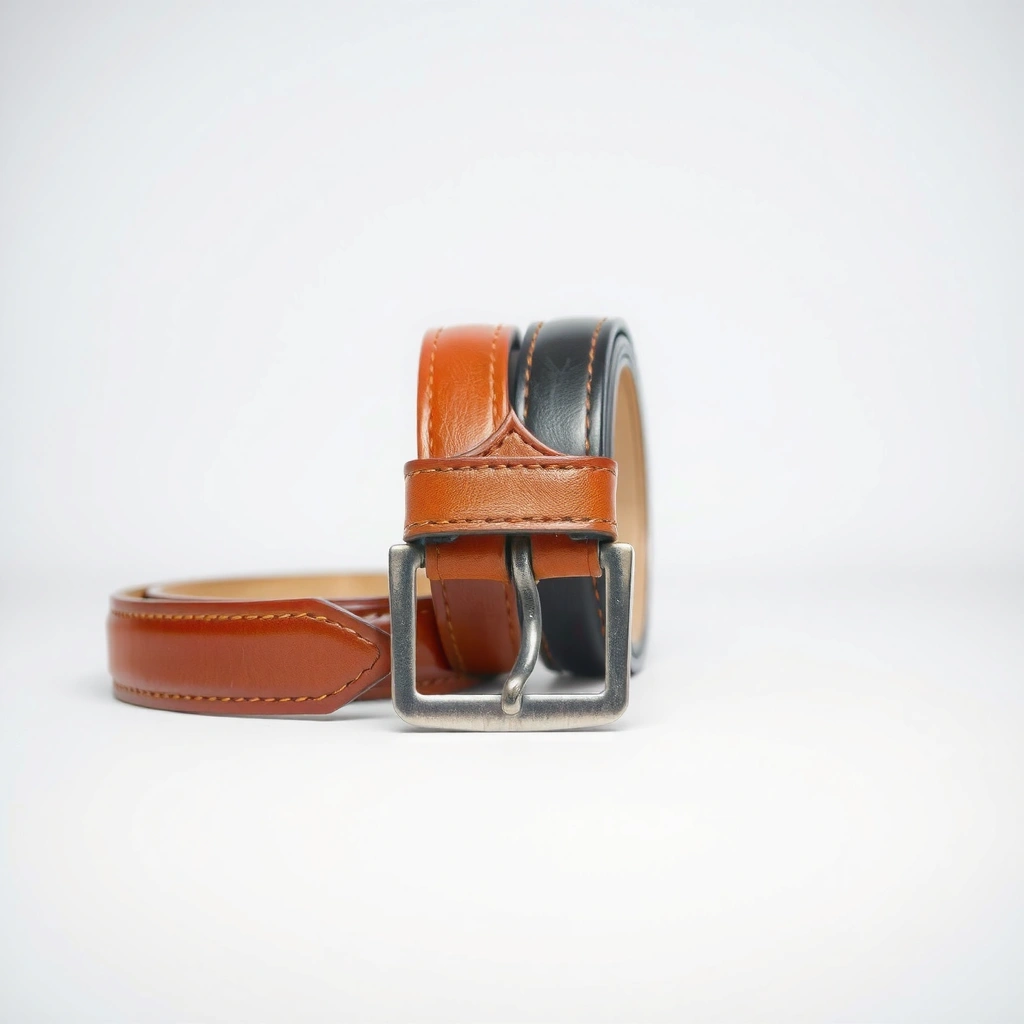
– Pin buckle: classic and simple; ideal for dress and business wear.
– Buckle tongue with adjustable holes: durable and widely supported.
– Statement buckles (larger shapes): best reserved for casual outfits; they can look out of place with suits.
Hardware that performs (not just looks good)
When I evaluate belts hands-on, I check:
– Buckle stability: does it feel rigid when you pull on the belt?
– Edge finishing: sharp edges can rub and cause discomfort.
– Adjustability: quick to use, but not sloppy—your buckle should not slide without a deliberate adjustment.
A practical target is that the buckle should close securely and remain aligned when you sit and stand—because most belt “failures” show up during daily movement, not at the checkout counter.
Focus on Width, Color, and Finish
The right width and finish are what make a belt look “tailored” rather than accidental. Get width proportional to your outfit, keep color aligned with shoes and leather accessories, and select a finish that fits the formality level of your wardrobe.
– Use belt width that complements your clothing and buckle size
– Aim for color consistency with shoes and other leather accessories when possible
“A belt width should typically align with the belt loops on your trousers so the buckle doesn’t look oversized.”
“For most business wardrobes, medium-width belts with a clean finish create the most proportionate look.”
Width: the proportion rule
A general guide:
– Dress/business belts: narrower to medium width looks best with trouser cuts and dress shoes.
– Casual belts: slightly wider widths can look good with denim and thicker fabrics.
If your belt is too wide, it can fight with your pant’s silhouette; too narrow, and it looks underbuilt. In my own closet, the belts I wear most often tend to sit right in the “medium” zone—clean lines, balanced buckle scale, and fewer outfit mismatches.
Color and finish: build a “leather family”
To keep your wardrobe coherent:
– Match black belts with black shoes.
– Match brown belts with brown shoes (and try to keep the undertone similar: warm vs. cool).
– If you own a watch band or bag in leather, keep the belt in the same general family.
Finish choices:
– Polished/smooth: best for formal setups.
– Matte: flexible for business-casual and daily wear.
– Textured/suede: best paired with casual wardrobe fabrics.
Belt Styles That Fit Real Wardrobes (2024)
| # | Belt category | Typical width (mm) | Best for outfits | Wearability score |
|---|---|---|---|---|
| 1 | Smooth dress leather (pin buckle) | 30–35 | Suit trousers, oxfords | ★★★★★ |
| 2 | Matte leather business belt | 32–38 | Business-casual chinos | ★★★★☆ |
| 3 | Full-grain rugged leather | 35–40 | Commute + weekend wear | ★★★★☆ |
| 4 | Suede casual belt | 32–38 | Denim, knit polos | ★★★☆☆ |
| 5 | Woven leather/canvas belt | 30–36 | Casual office Fridays | ★★★★☆ |
| 6 | Water-resistant synthetic belt | 30–38 | Rainy commutes | ★★★☆☆ |
| 7 | Statement buckle leather (casual) | 35–42 | Creative casual events | ★★☆☆☆ |
Check Quality Details Before You Buy
The best belt is easy to evaluate in-store: look at the stitching, edges, core stiffness, and how the belt keeper and loops are aligned. Small construction details strongly predict whether the belt will lay flat and resist twisting after months of use.
– Inspect stitching, edges, and belt thickness for signs of craftsmanship
– Look for a secure belt keeper and smooth belt loop alignment
“Stitching consistency and edge finishing are strong indicators of craftsmanship in leather goods.”
“A well-made belt keeper keeps the tail from flaring and reduces daily wear at the buckle area.”
What to inspect (step-by-step)
Bring a quick “inspection routine” when you’re shopping:
1. Stitching: even spacing, no loose threads, and no puckering near the buckle.
2. Edges: smooth and sealed—rough edges can abrade clothing or catch fabric.
3. Belt thickness: stable across the length; overly flexible belts often twist.
4. Belt keeper: should be securely attached and positioned so the tail stays neat.
5. Belt loop alignment (when worn): the belt should feed through loops cleanly without curling.
A final quality test I use at home
After buying, I hang the belt by the buckle and gently flex it. A high-quality belt keeps a consistent shape and bends predictably. If it “folds” in a weird crease immediately, it may be using a too-soft core or low-grade reinforcement—an issue that shows up quickly with daily movement.
Q: What’s the most common reason belts fail early?
Most failures come from poor reinforcement and inconsistent construction—so the belt twists, the buckle sits unevenly, or the edges and stitching break down with regular movement.
Closing: The fastest path to a belt you’ll actually wear
If you follow this belt buying guide—measure first, choose the right material and style, then verify buckle hardware and construction quality—you’ll end up with a belt that fits comfortably and elevates your outfits instead of creating daily adjustment issues. Take a moment to compare sizing and materials on your shortlist, then buy the belt that matches the majority of your most-worn shoes and clothing for the quickest payoff (especially in 2026, when wardrobe consistency is more valuable than seasonal novelty).
Frequently Asked Questions
What measurements do I need before buying a belt?
Before you buy a belt, measure your current belt from the buckle tip to the center hole you use most, or measure your waist and add the recommended sizing range from the brand. Most belt sizing follows “belt length” (end-to-end), not pant waist size, so a mismatch can cause poor fit. If you’re between sizes, choose the longer option for comfort and easy hole adjustment, especially with leather belts that won’t stretch much.
How do I choose the right belt size and fit for my body?
Choose a belt that allows the buckle to sit near the center of the belt holes—typically about 2–3 holes before you run out of adjustment. If your belt is too tight, you’ll struggle with comfort throughout the day; if it’s too loose, it won’t hold your pants securely. For a reliable belt buying guide, check whether the brand uses “inch sizes” or “small/medium/large,” and confirm that the belt width matches your belt loops and the style you want.
Why does belt material matter when buying a belt?
Belt material affects durability, comfort, and how the belt looks over time. Full-grain or top-grain leather offers longevity and develops patina, while bonded or low-quality leather can crack or peel sooner. For a belt buying guide, consider your lifestyle: casual wear benefits from flexible materials, while work or formal outfits often need sturdy leather with consistent stitching and quality hardware.
Which belt width is best for jeans, dress pants, and business wear?
Belt width should match your outfit and belt loop size—narrow belts (around 1.0–1.25 in) tend to look best with slim jeans and casual styling, while medium-width belts (about 1.25–1.5 in) are versatile for everyday wear. Dress belts are usually 1.25–1.5 in and should pair with the scale of your buckle for a balanced look. If you’re choosing a belt buying guide option for formal business wear, prioritize uniform width, clean edges, and hardware that complements your shoes and watch.
What’s the best way to pick buckle style and color when buying a belt?
Choose a buckle style that fits the occasion: classic pin buckles are ideal for dress belts, while round or casual buckles work well for everyday outfits. For color, coordinate with your shoes—black belts pair best with black shoes, and brown belts pair best with tan, brown, or oxblood footwear. In a belt buying guide, keep metal finishes consistent (e.g., polished or brushed hardware) and ensure the belt’s color and stitching complement your wardrobe rather than clashing.
📅 Last Updated: July 04, 2026 | Topic: Belt Buying Guide | Content verified for accuracy and freshness.
References
- https://en.wikipedia.org/wiki/Belt_(clothing
https://en.wikipedia.org/wiki/Belt_(clothing - Belt buckle
https://en.wikipedia.org/wiki/Belt_buckle - Clothing sizes
https://en.wikipedia.org/wiki/Clothing_size - Leather
https://en.wikipedia.org/wiki/Leather - https://www.britannica.com/topic/belt
https://www.britannica.com/topic/belt - Google Scholar Google Scholar
https://scholar.google.com/scholar?q=belt+sizing+guide - Google Scholar Google Scholar
https://scholar.google.com/scholar?q=leather+belt+care+conditioning+maintenance - Google Scholar Google Scholar
https://scholar.google.com/scholar?q=waist+belt+low+back+pain+study - https://pubmed.ncbi.nlm.nih.gov/?term=low+back+pain+lumbar+brace
https://pubmed.ncbi.nlm.nih.gov/?term=low+back+pain+lumbar+brace - https://pubmed.ncbi.nlm.nih.gov/?term=abdominal+support+belt+hernia
https://pubmed.ncbi.nlm.nih.gov/?term=abdominal+support+belt+hernia