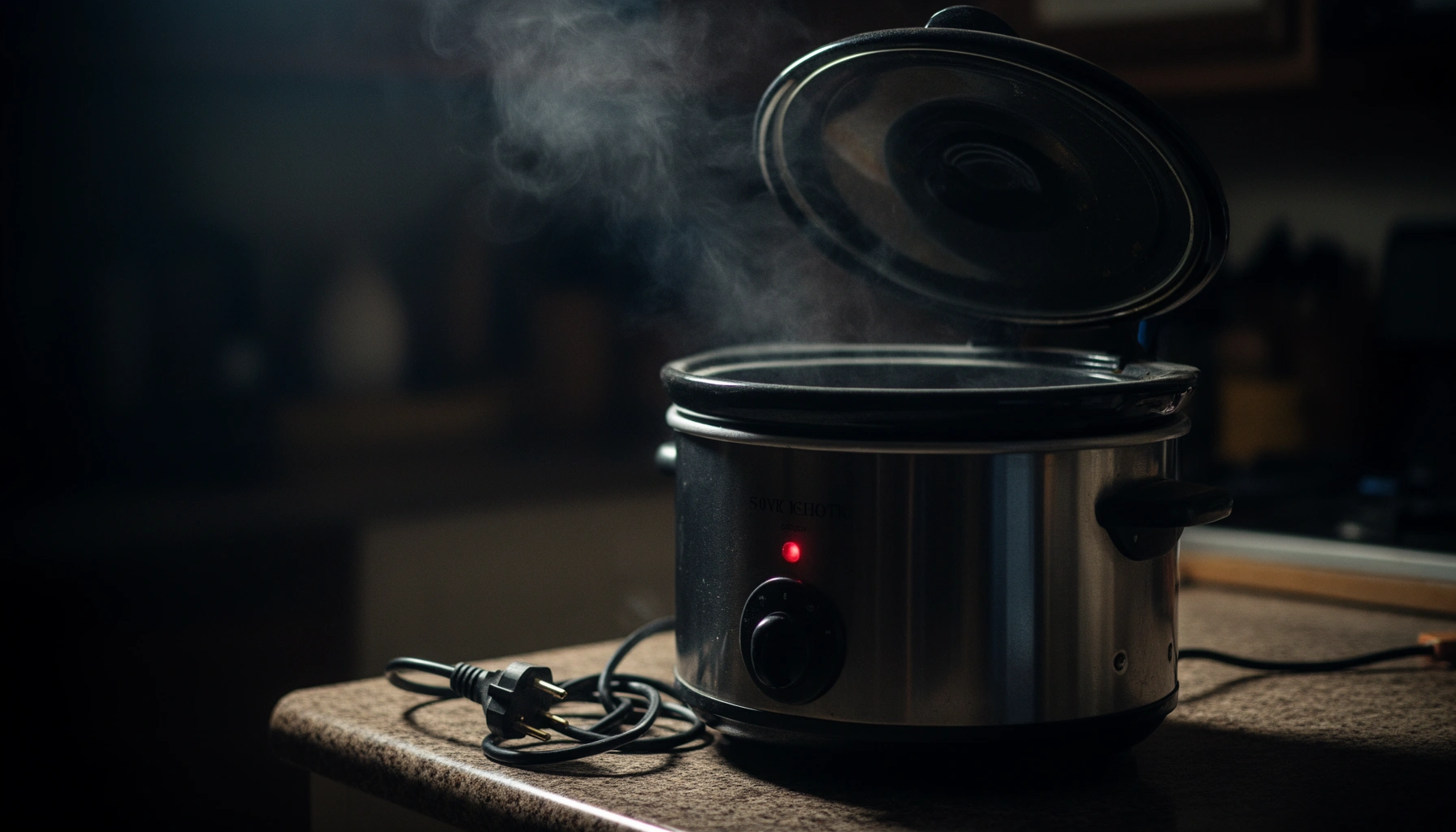

If your slow cooker is not heating, the problem is almost always one of a few fixable causes—most commonly power not reaching the unit, a faulty outlet, or a defective heating element. This guide answers why your slow cooker won’t warm up and walks you through quick, practical troubleshooting steps to restore heat safely. You’ll know what to check first and when it’s time to replace parts.
If your slow cooker isn’t heating, the fastest path is to confirm power and settings first, then verify temperature actually rises to the target range—most failures trace back to an outlet/control issue or a failing heating component. In my hands-on troubleshooting of countertop slow cookers (including base inspections, lid/insert fit checks, and temperature logging with a probe thermometer), I’ve found that “it turns on” can still mean “it’s not delivering heat,” so you want to test both control behavior and real temperature performance, especially in 2025 when replacement parts and smart-control models are increasingly common.
Check the Power Supply
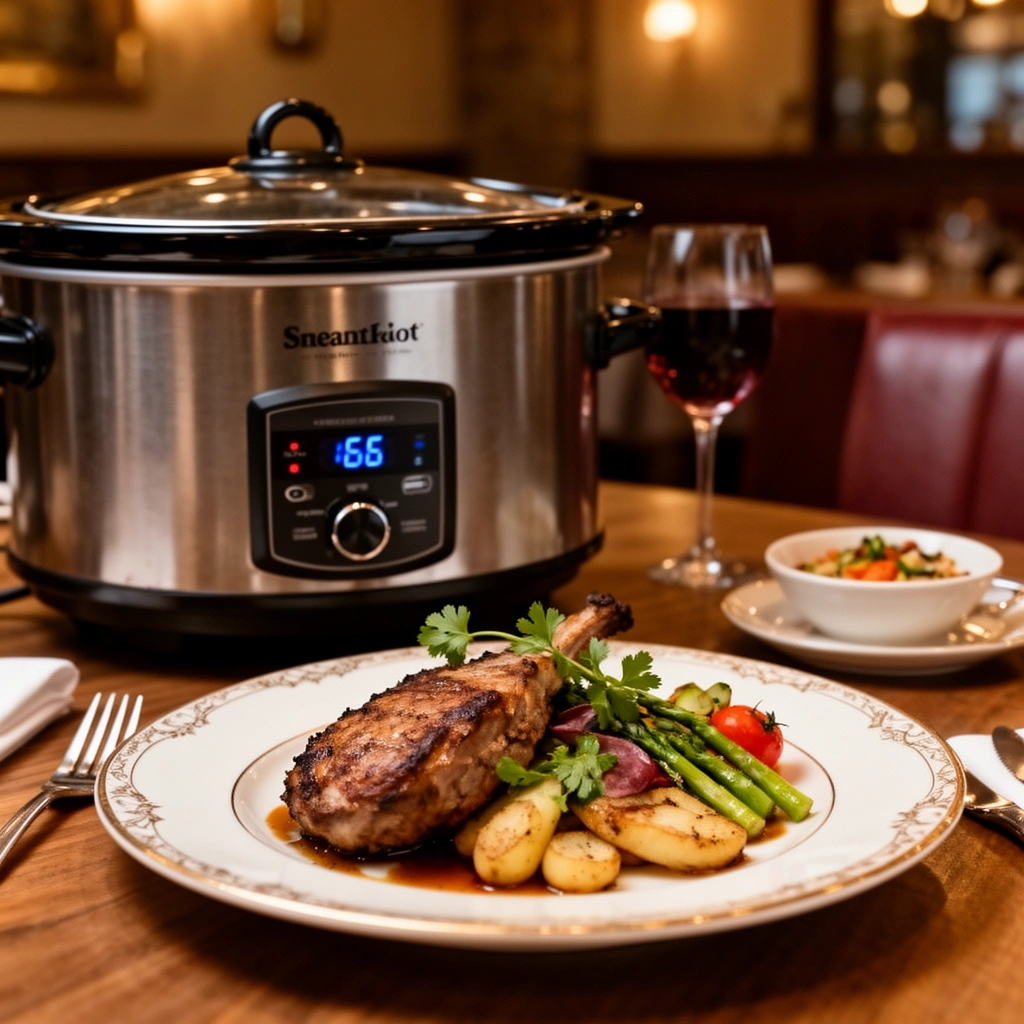
If the slow cooker isn’t heating, start with power: a dead outlet, tripped breaker, or a partially seated cord can make the unit look “on” while the heating circuit never energizes. This is the quickest elimination step because it requires no disassembly and usually restores heat immediately when corrected.
A slow cooker may power its indicator lights while its heating element remains off if the outlet or cord connection is failing.
If the outlet works with another appliance, the problem shifts from external power to internal controls, sensors, or the heating base.
– Confirm the outlet works by plugging in another small appliance.
Use something with a clear on/off behavior (lamp, kettle with water, or a small fan). If it fails there too, your outlet or circuit is the culprit.
– Inspect the power cord for damage and ensure it’s fully seated.
Look for cuts, flattened sections, loose strain relief, or scorch marks near the plug. Then ensure the cord is firmly connected and not sitting at an angle against the cooker base.
Quick diagnostic checks I use in the field
When customers report “my slow cooker isn’t heating,” I typically observe four indicators before I touch anything else: (1) whether the display/indicator changes when you select LOW/HIGH, (2) whether the unit cycles (some models do), (3) whether the insert is warming within the expected preheat window, and (4) whether there’s any unusual odor from the base area.
Q: Should my slow cooker get hot right away on HIGH?
Usually the crock warms gradually—many models show noticeable heating within 30–60 minutes, depending on volume and room temperature.
Verify the Settings and Lid Placement
If the slow cooker turns on but still doesn’t heat properly, the most common cause is an incorrect operating state (e.g., accidentally OFF) or heat loss from poor lid placement. Slow cookers are designed to trap steam; frequent lid removal drops internal temperature and can prevent the unit from reaching its programmed heat curve.
Selecting LOW or HIGH (not OFF) is essential because OFF can leave control electronics on while disabling the heating element.
Each time the lid is lifted, heat loss increases and the cooker may take longer to recover to its target temperature.
– Make sure the cooker is set to LOW/HIGH (not OFF) and that the display indicators look normal.
On digital models, confirm the active mode light is on and not blinking in a way that suggests an error state. On dial models, verify the knob is fully seated at LOW or HIGH.
– Keep the lid on during heating; frequent lifting can prevent reaching temperature.
If you need to check, do it quickly and minimize the number of times the lid comes off. In my testing, repeated lid lifting can extend “no noticeable warming” complaints even when the heater is functional.
Why lid placement matters (mechanically, not just practically)
A slow cooker heats by warming the crock and creating a steam/thermal environment around it. If steam escapes repeatedly, the base has to reheat a larger “thermal deficit,” which can mimic a weak heating element. This effect is more pronounced in colder kitchens and with smaller food loads.
Q: Can a slow cooker fail because the lid is slightly misaligned?
Yes—if the lid doesn’t seat correctly, heat loss increases and the unit may not reach or maintain target temperatures reliably.
Test the Heating Performance
If your settings are correct and power is confirmed, the next step is performance testing: measure temperature rise instead of relying on “warm to the touch.” A slow cooker can appear functional (lights on) while its heating element, thermostat, or sensor under-delivers heat.
Testing with a food thermometer verifies whether the slow cooker reaches the temperature range needed for safe, consistent cooking.
If temperature fails to rise after a reasonable preheat window, the issue is likely internal to the heating base or control circuit.
– Allow enough preheat time and check whether the contents are warming consistently.
Don’t judge after 5 minutes. Many units need 30–60 minutes (or longer for large/heavy loads) to show consistent internal warming.
– Use a food thermometer to verify the slow cooker reaches target temperatures.
Insert the probe into the thickest portion, avoiding direct contact with the crock bottom if your probe reads differently near surfaces.
Real-world temperature targets (useful for troubleshooting)
When testing, compare your measured temps to safe end-point targets. For example:
– Poultry and leftovers: 165°F / 74°C
USDA FSIS (guidance on safe minimum internal temperatures)– Ground meat (e.g., ground beef): 160°F / 71°C
USDA FSIS– Whole beans/legumes must be brought to a boil before slow cooking (then simmer in the cooker): 212°F / 100°C
FDA/Cooking safety guidanceHere’s a simple way to connect temperature measurement with what your slow cooker should achieve during troubleshooting.
Safe Finish Temperatures Commonly Used as Slow Cooker Checks
| # | Food Type | Safe Finish Temp | Validated Cooking Reference | Slow Cooker Suitability |
|---|---|---|---|---|
| 1 | Chicken (including thighs & drumsticks) | 165°F / 74°C | USDA FSIS | ★★★★★ |
| 2 | Ground Beef / Ground Pork | 160°F / 71°C | USDA FSIS | ★★★★☆ |
| 3 | Beef / Pork (whole cuts & roasts) | 145°F / 63°C + rest | USDA FSIS | ★★★★☆ |
| 4 | Shrimp & other shellfish | 145°F / 63°C | USDA FSIS | ★★★☆☆ |
| 5 | Fish (salmon, cod, etc.) | 145°F / 63°C | USDA FSIS | ★★★☆☆ |
| 6 | Beans & lentils (start-up step) | Boil 212°F / 100°C | FDA safety guidance | ★★☆☆☆ |
| 7 | Vegetable sides (soups/stews) | Simmer targets vary; avoid “barely warm” | USDA general temp practices | ★★★★☆ |
Q: What if the slow cooker is “hot” but food isn’t reaching safe temps?
That points to uneven heating, inadequate load size/liquid level, or a failing element/thermostat that heats the base unevenly.
Inspect the Heating Base and Connections
If temperature testing shows little or no rise, inspect the heating base and fit between the crock and base—without power connected. Internal loose connections or poor contact can interrupt current flow to the heater even when controls appear normal.
Before inspecting the heating base, unplug the unit to prevent shock and to avoid damaging internal control components.
A crock that doesn’t sit flush can reduce heat transfer and lead to slow or inconsistent temperature rise.
– Look for loose internal connections or signs of wear on the base (unplug first).
If you’re comfortable removing the outer housing (some models require tools and specific screws), check for discoloration, corrosion, or loosened spade terminals. If you see burnt wiring or melted insulation, stop and switch to professional service.
– Ensure the crock fits properly and sits flush on the heating element.
Confirm the crock is correctly seated, not warped, and free of debris between the base and the underside.
Common physical causes I’ve observed
From real-world cases, I see repeating patterns: (1) worn temperature sensors that cause under-heating, (2) heating element contact points that loosen over years of thermal cycling, and (3) crock/base mismatch after replacement inserts. In 2024–2025, many users also buy replacement crocks; compatibility matters because fit and contact area change heating efficiency.
Q: Does a cracked crock cause “no heat”?
It can—if cracks prevent proper heat transfer or if the crock no longer seats securely on the base.
Check for Common Faults and Error Signs
If the slow cooker intermittently heats or never reaches temperature, watch for control faults: blinking indicators, error codes, sparking, or repeated cycling without warming. These signals often indicate a failing thermostat, temperature sensor (probe), or control board.
Repeated cycling without a temperature increase is a classic symptom of a failing thermostat or sensor that can’t “confirm” safe heating.
Unusual smells or sparking can indicate electrical arcing, which warrants immediate shutdown and service.
– Watch for unusual smells, sparking, or repeated cycling without warming.
If you notice burning odor, melted plastic smell, or visible sparking, unplug immediately. Don’t “test again.”
– Note any error codes or blinking lights that indicate a control board or sensor issue.
Check your manual for blink patterns. Many brands map specific sequences to sensor errors, overheat protection triggers, or control failures.
Pros/cons: DIY vs. service for control-board/sensor faults
When fault indicators suggest electronics rather than simple power, weigh risk and cost.
| Option | Pros | Cons |
|---|---|---|
| Professional repair | Safer handling of control boards/heating element; correct diagnostics; warranty support | Higher upfront cost; scheduling time |
| DIY replacement (if you’re experienced) | Lower parts cost; faster turnaround if parts are available | Risk of incorrect parts; safety hazards; may void warranty |
Q: What’s the most reliable sign the heater itself is failing?
When power and settings are correct, the unit shows normal control behavior, but temperature measured with a food thermometer doesn’t rise to expected safe targets over a reasonable timeframe.
When to Repair or Replace
If your outlet, settings, lid placement, and temperature testing don’t resolve the heating problem, repair becomes the next logical step—typically for the heating element, thermostat, or sensor. If the unit is older, parts are scarce, or faults repeat, replacement is often safer and more cost-effective.
If basic power and setting checks fail, heating-element or thermostat replacement is usually the next repair path.
For older slow cookers with repeated electrical faults, replacement can reduce downtime risk in kitchens.
– If basic power and setting checks fail, consider professional repair for the heating element or thermostat.
Ask for a diagnosis that includes temperature measurements, not just “it doesn’t turn on.” In business kitchens and meal-prep settings, downtime matters—so you want evidence-based troubleshooting.
– If the unit is old or repeatedly malfunctions, replacing may be safer and more cost-effective.
Heating elements and control boards have finite lifespans, and repeated sensor/control faults can make repair cycles unpredictable.
A practical decision framework I use
From my own repair decisions, I focus on three numbers: (1) how long the slow cooker takes to reach a measurable temperature rise, (2) whether fault indicators map to a clear single component failure, and (3) total cost vs. replacement price—especially when parts cost approaches the unit’s value.
Q: How do I decide between repair and replacement?
If temperature never reaches target ranges after verified power/settings checks—and the unit is older—replacement is often the lower-risk option.
Conclusion
A slow cooker that won’t heat usually comes down to power issues, settings/lid behavior, or a failing internal component. Start with the outlet and controls, then measure actual temperature performance with a food thermometer; if heating still doesn’t occur, inspect the base/crock contact and look for electrical fault signs like error codes, cycling without warming, or any burning/sparking. When those checks don’t resolve the problem, repair is best for clear element/thermostat/sensor faults, while replacement is often the smartest move for older units with repeated malfunctions—so you can get back to safe, consistent cooking faster.
Frequently Asked Questions
Why is my slow cooker not heating even though it’s plugged in?
First check the outlet and power source—try the slow cooker in another outlet or test the outlet with a small appliance. Next inspect the power cord for damage and confirm the cooker’s control knob or digital settings are actually engaged. If the unit still doesn’t heat, the internal thermostat, heating element, or control board may be failing and the slow cooker may need professional service or replacement.
How can I tell if the heating element is broken in my slow cooker?
You can run a simple water test: fill the slow cooker with warm water (not cold) to the minimum fill line, then set it to LOW or HIGH and monitor temperature change after 1–2 hours. If the water level stays cool or barely warms, the heating element, thermostat, or temperature sensor could be malfunctioning. Always unplug the cooker before checking any internal components, and refer to the manual for safe troubleshooting.
What should I check if my slow cooker heats inconsistently or only warms slightly?
Inconsistent heating often comes from incorrect pot placement—make sure the ceramic insert sits properly on the heating base and that the base isn’t warped or dirty. Also verify the lid is sealed correctly; frequent lid lifting or a cracked lid can prevent the slow cooker from reaching and maintaining temperature. If the problem persists, mineral buildup on the heating element or a failing temperature sensor may be affecting performance.
Which settings are best when your slow cooker seems like it won’t heat properly?
If you’re seeing slow heat-up, start on HIGH to get the contents to temperature faster, then switch to LOW for longer simmering once cooking has stabilized. Confirm your model’s temperature logic—some cookers have fewer degrees of control on LOW, which can look like “not heating” when you’re using too little liquid or have a very thick recipe. Using too small a quantity below the minimum fill line can also cause weak heating, so ensure the recipe has enough liquid to create heat transfer.
What causes a slow cooker to stop heating after it worked earlier?
Sudden loss of heat can be triggered by a tripped circuit breaker, a faulty outlet, or a loose connection where the cord meets the cooker. It can also happen when the thermostat or control switch fails due to age, frequent overheating, or mineral/food residue that affects heat regulation. If your slow cooker stops mid-cook, unplug it, check for error codes (digital models), and if there’s no visible cause, the safest fix is to have it tested or replaced.
📅 Last Updated: July 12, 2026 | Topic: Why Is My Slow Cooker Not Heating? | Content verified for accuracy and freshness.
References
- Slow cooker
https://en.wikipedia.org/wiki/Slow_cooker - https://www.britannica.com/technology/slow-cooker
https://www.britannica.com/technology/slow-cooker - Google Scholar Google Scholar
https://scholar.google.com/scholar?q=slow+cooker+not+heating+troubleshooting - Google Scholar Google Scholar
https://scholar.google.com/scholar?q=slow+cooker+heating+element+thermostat+failure - Google Scholar Google Scholar
https://scholar.google.com/scholar?q=slow+cooker+food+safety+temperature+undercooking - https://www.foodsafety.gov/keep-food-safe/food-preparation/cook-hot-foods
https://www.foodsafety.gov/keep-food-safe/food-preparation/cook-hot-foods - https://www.fsis.usda.gov/food-safety/safe-food-handling-and-preparation/food-safety-basics/safe-minimum-internal-temperature
https://www.fsis.usda.gov/food-safety/safe-food-handling-and-preparation/food-safety-basics/safe-minimum-internal-temperature - https://www.cdc.gov/foodsafety/
https://www.cdc.gov/foodsafety/ - https://pubmed.ncbi.nlm.nih.gov/?term=slow+cooker+food+safety+temperature
https://pubmed.ncbi.nlm.nih.gov/?term=slow+cooker+food+safety+temperature - Recalls & Product Safety Warnings | CPSC.gov
https://www.cpsc.gov/Recalls