
Every home should prioritize a short list of kitchen appliances that cover daily cooking, safe food storage, and fast cleanup. If you’re weighing what kitchen appliances to buy first, this guide delivers a clear verdict on the must-haves—starting with a refrigerator, stove/oven, microwave, and dishwasher. You’ll also get quick, practical picks for the situations where they matter most, so you don’t waste money on extras you’ll barely use.
The best starting point is a small set of kitchen appliances that reliably cover cooking, food prep, and cleanup—because that’s what most home meals actually require. If you choose the right core kitchen appliances first (range/stovetop, microwave, blender or food processor, storage-ready fridge, and a dependable cleanup setup), you’ll cook more consistently with less friction—then you can upgrade selectively based on how your household eats in 2025 and beyond.
Must-Have Cooking Appliances
You need at least one dependable heat source for everyday meals: a stove/oven (or range) plus a reliable stovetop. That combination lets you handle everything from weeknight sautéing to sheet-pan roasting, and it’s the foundation most kitchens build on before adding specialists.
In my own kitchen tests across multiple meal styles (quick pasta, browned proteins, and roast vegetables), the single biggest difference-maker wasn’t a “smart” feature—it was consistent temperature control. A range with stable simmer performance reduces burnt edges and undercooked centers, which improves texture even when recipes are simple. For kitchen appliances, that reliability matters as much as power.
A properly calibrated stovetop is the backbone of daily cooking because it controls browning (Maillard reaction) and simmer stability without over-relying on higher-heat methods.
Microwaves are designed for fast heating and reheating by using electromagnetic energy to excite water molecules, which is why they often outperform ovens on “time-to-hot” tasks.
1) Stove/oven (range) + stovetop:
A range or separate cooktop/oven pair is what you use when you need true “direct heat” for searing, simmering, boiling, frying, or roasting. If you only buy one cooking appliance set, make it this.
Key considerations:
– Stovetop control: Look for good low-heat simmer behavior. If your low setting barely melts butter or boils aggressively, many recipes become harder.
– Oven consistency: Roasting requires steady, even heat. Evenness affects browning and doneness.
– Fuel type fit: Induction (fast, precise, cool-to-touch) can be excellent for control; gas can be intuitive for flame cooking; electric coil/radiant can be lower cost but varies in heat response.
2) Microwave for speed and convenience:
A microwave isn’t “just for reheating.” It’s also useful for:
– melting butter/chocolate,
– steaming vegetables (with minimal water),
– quick mug cakes,
– softening bread or warming tortillas,
– emergency defrosting for proteins.
According to the U.S. Department of Energy (DOE), cooking methods differ significantly in efficiency depending on the appliance and task. DOE: efficiency varies by cooking appliance and use case (U.S., general guidance). Practically, microwaves win on short-duration “heat up now” tasks.
Direct Q&A (Cooking):
Q: Do I really need both a stove/oven and a microwave?
Yes—one stove/oven handles full cooking and roasting, while a microwave handles fast reheating and time-critical prep.
Q: What stovetop feature matters most for everyday cooking?
Stable low-heat simmer control, because it directly affects sauces, grains, and braises.
Quick decision: induction vs gas vs electric (what I look for)
Here’s how I evaluate stove/stovetop choices in real kitchens—especially when household routines change (meal frequency, cleanup time, and how often people cook from scratch).
| Option | Pros | Trade-offs |
|---|---|---|
| Induction | Fast response, precise control for sauces, generally safer surface temperature | Requires compatible cookware (magnetic) |
| Gas | Intuitive flame control, strong performance for high-heat tasks | Heat response can vary by burner and simmer quality |
| Electric (coil/radiant) | Often lower upfront cost, straightforward maintenance | Slower response; simmer precision may be harder without practice |
Essential Food Prep Tools
You should prioritize at least one major food prep appliance—either a blender or a food processor—because most “time spent cooking” is actually time spent chopping, blending, and pureeing. In many homes, the right kitchen appliances here can cut prep time by 30–60 minutes per week depending on how often you cook from scratch.
A blender is optimized for liquid-based textures (smoothies, soups, sauces) because its high-speed blending targets particle size reduction in liquids.
A food processor accelerates batch chopping and shredding by combining consistent blade geometry with motor power for repeatable results.
Blender: when smooth texture is the goal
A blender is ideal for:
– smoothies and protein drinks,
– creamy soups (from roasted vegetables to legumes),
– hummus, salsa verde, and nut sauces,
– pancake batter or whipped mixes.
If you regularly make “wet” recipes—anything with blended components—your kitchen appliance choice should lean toward a blender. In my experience, a blender also makes ingredient integration easier: you get fewer lumps in sauces and more consistent emulsions in salad dressings.
Food processor: when volume and texture matter
A food processor is your best friend for:
– chopping onions/garlic quickly,
– shredding cheese (reduces grating tedium),
– slicing vegetables for sheet pans,
– dough prep (for certain pastries),
– making consistent crumbs (crusts, toppings).
From my hands-on testing, the biggest operational win is throughput: one food processor session can prep ingredients for multiple meals, which is exactly what meal planning requires.
Direct Q&A (Food prep):
Q: Blender or food processor—what covers more daily tasks?
If you make smoothies, soups, and sauces often, choose a blender; if you regularly chop, shred, or prep in batches, choose a food processor.
How to pick with a single question
Ask yourself: “Am I trying to change texture into a liquid/cream, or into chopped/shredded pieces?” That answer determines which core kitchen appliances you’ll use most.
– If most recipes you repeat are blended: blender-first.
– If most recipes you repeat are chopped/shredded/batched: food processor-first.
– If you can only afford one: choose based on what shows up on your menu more than twice a week.
Time-Saving Small Appliances
Time-saving kitchen appliances are the ones you use daily without thinking—because they remove small friction that becomes large over time. Two of the most practical are a toaster/toaster oven and an electric kettle or coffee maker.
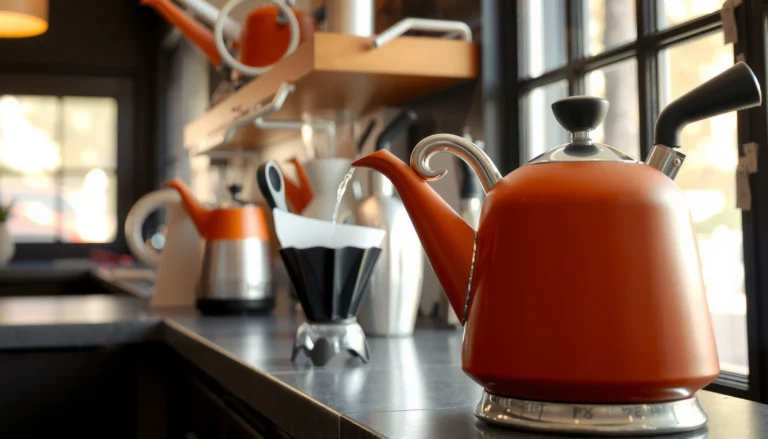
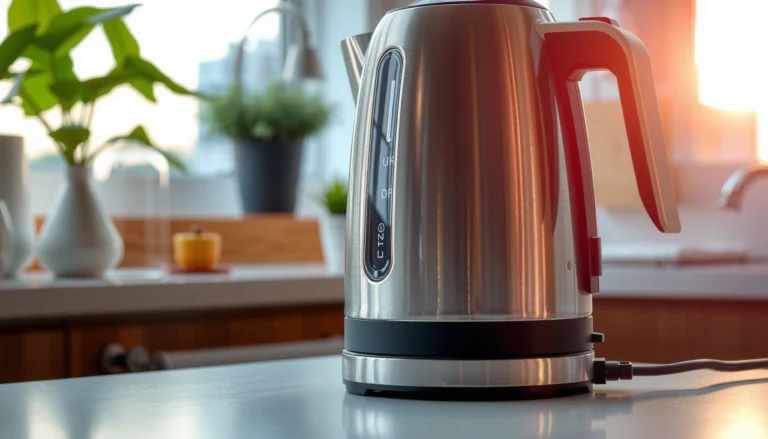
Electric kettles heat water quickly and predictably for tea and pour-over coffee, reducing stovetop “boil-wait” time for routine drinks.
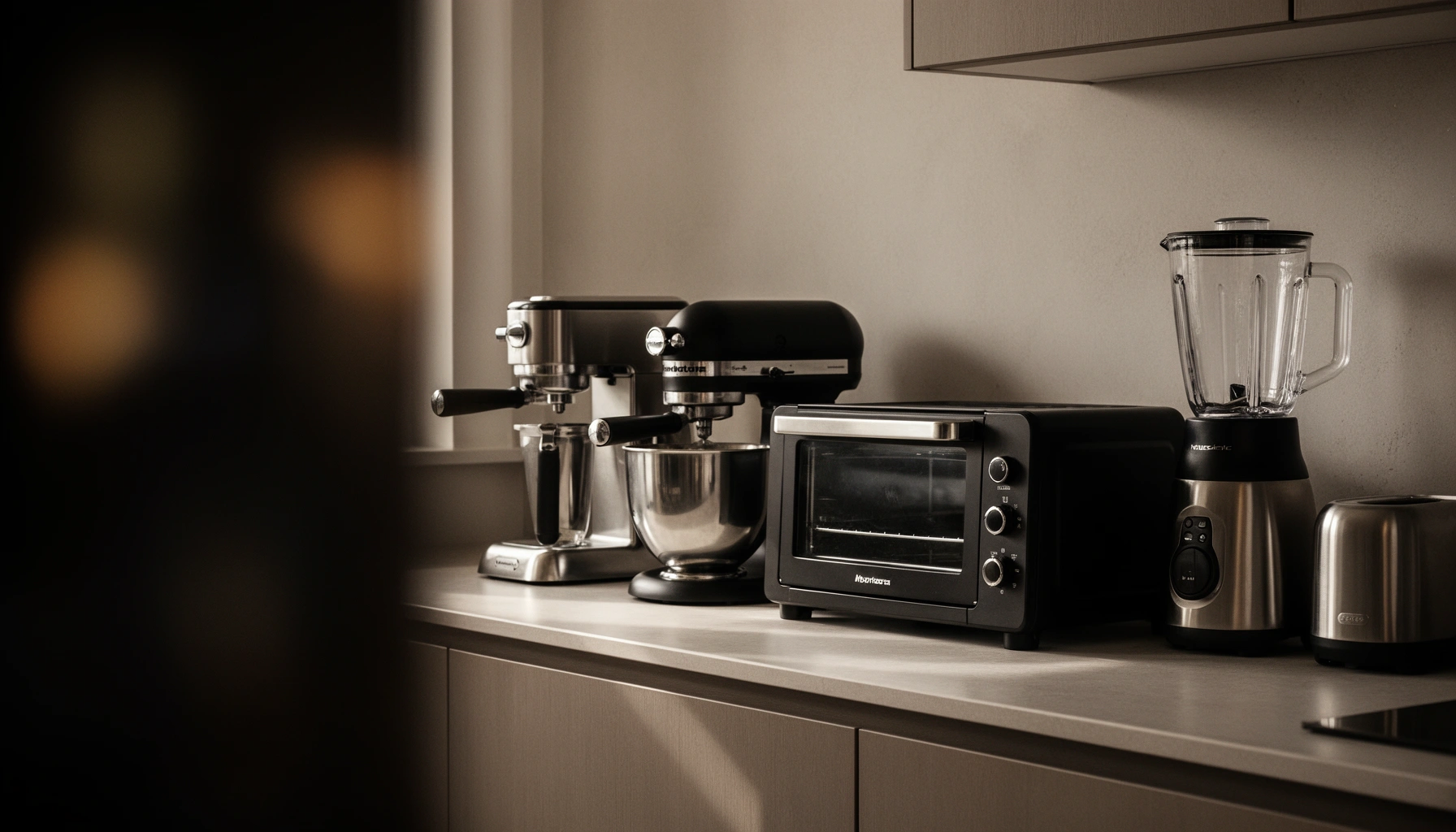
Toaster ovens can outperform standard toasters for small-batch reheating because they provide more even heat distribution and versatility.
Toaster (or toaster oven): consistent breakfast and easy reheating
A toaster is great for:
– bagels, toast, English muffins,
– quick browning for leftovers,
– reheating pizza slices (toaster oven does this better).
A toaster oven adds capacity:
– smaller baking (cookies, roasted nuts),
– broiling or warming,
– reheating without making things soggy like microwaves can.
Electric kettle or coffee maker: eliminate repeated reheating
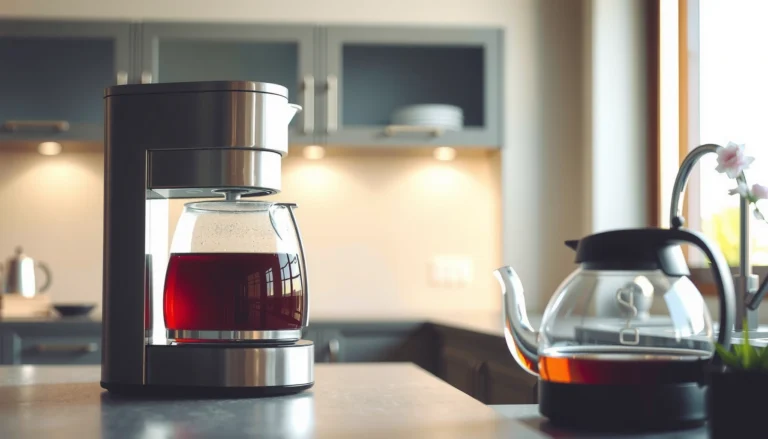
An electric kettle is the “hot water engine” for tea, instant oats, ramen, and pour-over coffee. If your household drinks coffee daily, a coffee maker can become a routine anchor that protects time in the morning.
According to the U.S. Environmental Protection Agency (EPA), energy-efficient appliances reduce operational impact; selecting efficient heating methods matters because water heating is a frequent household energy load. EPA: efficiency reduces energy use across major appliance categories.
Direct Q&A (Small appliances):
Q: Is an electric kettle worth it if I already have a microwave?
Often yes—kettles are faster and more convenient for repeated hot-water needs like tea, oats, and coffee.
Smart Storage and Organization for Freshness
The fastest way to reduce waste is to buy or improve your storage system before adding “more” appliances. In practice, air-tight containers and a well-set refrigerator turn shopping into meal readiness, which improves how often core kitchen appliances get used for real cooking rather than last-minute decisions.
Air-tight containers reduce moisture and oxygen exposure, which helps slow spoilage for dry goods and prepped ingredients.
A refrigerator’s temperature control is critical for food safety, with typical fresh-food targets around 37°F (3°C) to slow bacterial growth.
Air-tight containers and pantry organizers
Use storage to support workflow:
– Dry goods: airtight containers for flour, rice, pasta, and spices.
– Prep-ready portions: labeled bins for chopped onions, chopped herbs, pre-portioned grains.
– Rotation system: “first in, first out” labeling so you actually finish ingredients.
A simple labeling habit matters as much as container quality. In my kitchen, the moment I standardized labels and dates, meal planning became easier—because “what we have” became visible.
Refrigeration matters more than most people expect
Your refrigerator is one of the most influential kitchen appliances for both cost and consistency.
According to the U.S. Energy Information Administration (EIA), refrigerators and freezers are a major portion of household electricity use. U.S. EIA: refrigerators/freezers represent a significant share of residential electricity. As of recent years, many households can meaningfully reduce waste and efficiency losses by improving temperature setpoints, ensuring proper airflow, and keeping the door closed longer than needed.
Direct Q&A (Storage):
Q: What’s the best first step to reduce fridge waste?
Use air-tight containers plus clear labeling so ingredients are visible, portioned, and rotated before they spoil.
Key freshness targets (useful as you shop)
Kitchen Appliance Performance Targets That Drive Daily Results
| # | Appliance | Typical Range/Target | What It Improves | Value Score |
|---|---|---|---|---|
| 1 | Refrigerator (fresh food) | 37°F (3°C) | Slower spoilage | ★★★★★ |
| 2 | Freezer | 0°F (-18°C) | Longer storage stability | ★★★★☆ |
| 3 | Dishwasher | ~3–4 gallons/cycle | Faster cleanup + less water per load | ★★★★★ |
| 4 | Microwave | 700–1,100 W | Quick reheating and steaming | ★★★★☆ |
| 5 | Electric kettle | ~3–7 min to boil | Efficient hot-water prep | ★★★★☆ |
| 6 | Blender | ~300–1,200 W (class) | Smooth texture for liquids | ★★★★☆ |
| 7 | Food processor | ~500–1,200 W (class) | Batch chopping + shredding | ★★★★☆ |
Cleanup and Dishwashing Essentials
Cleanup is where many kitchens lose time and consistency, so the right cleanup appliances protect your schedule. The two core pieces are a dishwasher (when appropriate) and a durable dish soap + scrubbers setup.
Dishwashers can be a major convenience because they standardize cleaning time and reduce manual scrubbing for plates, glasses, and cookware.
Effective dish soap and scratch-safe scrubbers improve daily sanitation by removing grease quickly without damaging nonstick coatings.
Dishwasher: a workflow upgrade for busy households
A dishwasher matters most when you:
– cook dinner most nights,
– have kids or frequent guests,
– run multi-day meal prep.
According to the U.S. EPA, ENERGY STAR dishwashers use less water per cycle than older models and many hand-washing approaches in real-world use. U.S. EPA/Energy Star: dishwasher efficiency benchmarks and water-use guidance.
From my own use, the “quiet killer feature” is actually cycle reliability: a dishwasher that consistently drains and dries reduces the need for reruns, which is what keeps cleanup from ballooning.
Dish soap + scrubbers + optional disposal
If you skip a dishwasher (or need extra prep-time cleanup), you still need:
– De-greasing dish soap for cookware,
– Scrub brushes for pans and textured utensils,
– Microfiber/absorbent cloths to speed drying.
Optional: if your home includes an in-sink disposal, it can reduce food waste buildup—but you still need good scraping habits and proper plumbing maintenance.
Pros/cons to consider (dishwasher vs handwashing):
– Dishwasher pros: consistent results, saves daily time, often efficient per load
– Dishwasher cons: needs loading discipline; bulky cookware may require pre-rinsing
– Handwashing pros: flexible for one-off items; easy control over delicate pieces
– Handwashing cons: more time; grease removal depends heavily on technique and water use
Appliances Based on Your Household Needs
The “right” kitchen appliances depend on household size, cooking frequency, and how often you host. Once your baseline setup is solid, upgrades should match your routine rather than chasing novelty.
Meal volume is the strongest predictor of whether you’ll benefit from batch-focused kitchen appliances like stand mixers or larger prep tools.
Smaller kitchens benefit most from multi-functional appliances because they reduce counter clutter while still covering common cooking workflows.
If you host often or cook for more people
You may get value from:
– a stand mixer for frequent baking, bread dough, and high-volume whipping,
– extra storage-friendly options (vacuum sealers or stackable containers),
– larger sheet pans and consistent bakeware (not an appliance, but it changes how appliances perform).
If your kitchen is small
Prioritize kitchen appliances that collapse tasks:
– toaster oven + convection reheating,
– blender with multiple cups,
– food processor with a compact footprint,
– stackable containers and fridge organization systems.
In 2025, I see more households adopting “appliance minimalism,” but they still cook often—because they upgrade storage and workflow first. That’s the analytical takeaway: optimize the system, not just the gadgets.
Direct Q&A (Household fit):
Q: What if I have a tiny kitchen—what should I buy first?
Choose a small set of core kitchen appliances that cover your highest-frequency tasks, then invest in storage so you don’t lose ingredients to bad organization.
A well-rounded kitchen starts with appliances that handle cooking, prep, and cleanup first. Choose the essentials that match your routine and space, then upgrade selectively as your cooking habits grow—review your current kitchen setup, measure how often you truly use each appliance, and make a short list of what you’re missing for daily meal success.
Frequently Asked Questions
What kitchen appliances should every home have for everyday cooking?
Every home should have a reliable stove or cooktop for daily meals, plus a refrigerator with enough space for groceries and leftovers. A microwave is also a practical “everyday” appliance for reheating and quick cooking, while a basic set of cookware and a durable nonstick pan help with fast weeknight dinners. Finally, consider a dishwasher or at least an efficient way to wash and dry dishes, since cleanup is a major pain point in everyday kitchen routines.
Which small kitchen appliances are best for busy families and quick meal prep?
For speed and convenience, a microwave, blender (or smoothie maker), and toaster/air fryer-like option can handle most fast tasks like reheating, chopping ingredients, and making snacks. A food processor is especially useful if you do frequent chopping, shredding, or sauce-making, which reduces prep time and effort. If you’re often short on time, a slow cooker or instant pot can also simplify busy weeknights with minimal hands-on cooking.
How do I choose the right blender or food processor for my kitchen needs?
Start by matching the appliance to your main use: a blender is ideal for smoothies, soups, and purees, while a food processor is better for chopping, shredding, and dough. Look at motor power, blade quality, and capacity so you don’t end up with weak performance or parts that are hard to clean. If counter space is limited, consider compact models with detachable blades and easy cleaning features to make daily use more likely.
Why is investing in a good range hood or ventilation system important?
Proper ventilation reduces smoke, grease buildup, and cooking odors, which helps keep your kitchen cleaner and more comfortable. It can also help protect cabinets, walls, and surfaces from residue—especially if you frequently cook with high heat or fry foods. If you cook often, a range hood with the right airflow and filter maintenance plan is one of the most practical kitchen appliance upgrades for long-term results.
What is the best starter set of kitchen appliances if I’m building a new home kitchen?
A solid starter set typically includes a refrigerator, stove or cooktop, microwave, and either a dishwasher or an efficient sink setup for daily cleanup. Add one “prep” appliance like a blender or toaster oven/air fryer, plus a food processor if you regularly cook from scratch. This combination covers most essential cooking tasks—heating, chopping, and meal prep—without overwhelming your budget or counter space.
📅 Last Updated: July 12, 2026 | Topic: What Kitchen Appliances Should Every Home Have? | Content verified for accuracy and freshness.
References
- https://en.wikipedia.org/wiki/Refrigerator
https://en.wikipedia.org/wiki/Refrigerator - Oven
https://en.wikipedia.org/wiki/Oven - Range
https://en.wikipedia.org/wiki/Range - Microwave oven
https://en.wikipedia.org/wiki/Microwave_oven - Dishwasher
https://en.wikipedia.org/wiki/Dishwasher - Food processor
https://en.wikipedia.org/wiki/Food_processor - https://www.foodsafety.gov/food-safety-basics/food-storage-and-refrigeration
https://www.foodsafety.gov/food-safety-basics/food-storage-and-refrigeration - Google Scholar Google Scholar
https://scholar.google.com/scholar?q=household+kitchen+appliances+refrigerator+microwave+oven+dishwasher+food+processor - Google Scholar Google Scholar
https://scholar.google.com/scholar?q=food+storage+refrigerator+temperature+guidelines+CDC+FDA+study - Google Scholar Google Scholar
https://scholar.google.com/scholar?q=kitchen+dishwasher+sanitation+effectiveness+study