
Looking for water saving tips for households that cut daily use without sacrificing comfort? Follow the simplest changes that consistently deliver the biggest results: fix leaks fast, shorten showers, and install low-flow fixtures where they matter most. If you’re trying to reduce household water use year-round—rather than chasing one-off tricks—these are the steps with the fastest payoff.
Water saving tips for households are easiest to implement when you fix leaks first, then tighten routine habits in the bathroom, laundry, kitchen, and outdoors—step by step. In practice, I’ve found that the fastest wins come from catching “silent” toilet and faucet leaks early, then pairing fixture upgrades (like WaterSense-rated showerheads) with small behavioral changes you can sustain.
According to the U.S. Environmental Protection Agency (EPA), household leaks can waste about 10,000 gallons of water per year in the average home that has them (US EPA)—which means leak-focused water saving tips for households often deliver the quickest returns.
According to the EPA, toilets account for a large share of indoor water use, and even minor flapper or fill-valve problems can cause continuous “phantom” flushing (US EPA).
As of 2026, many regions actively recommend WaterSense products (a U.S. EPA program) to reduce water use without reducing performance (US EPA WaterSense).
Check and Fix Leaks Fast
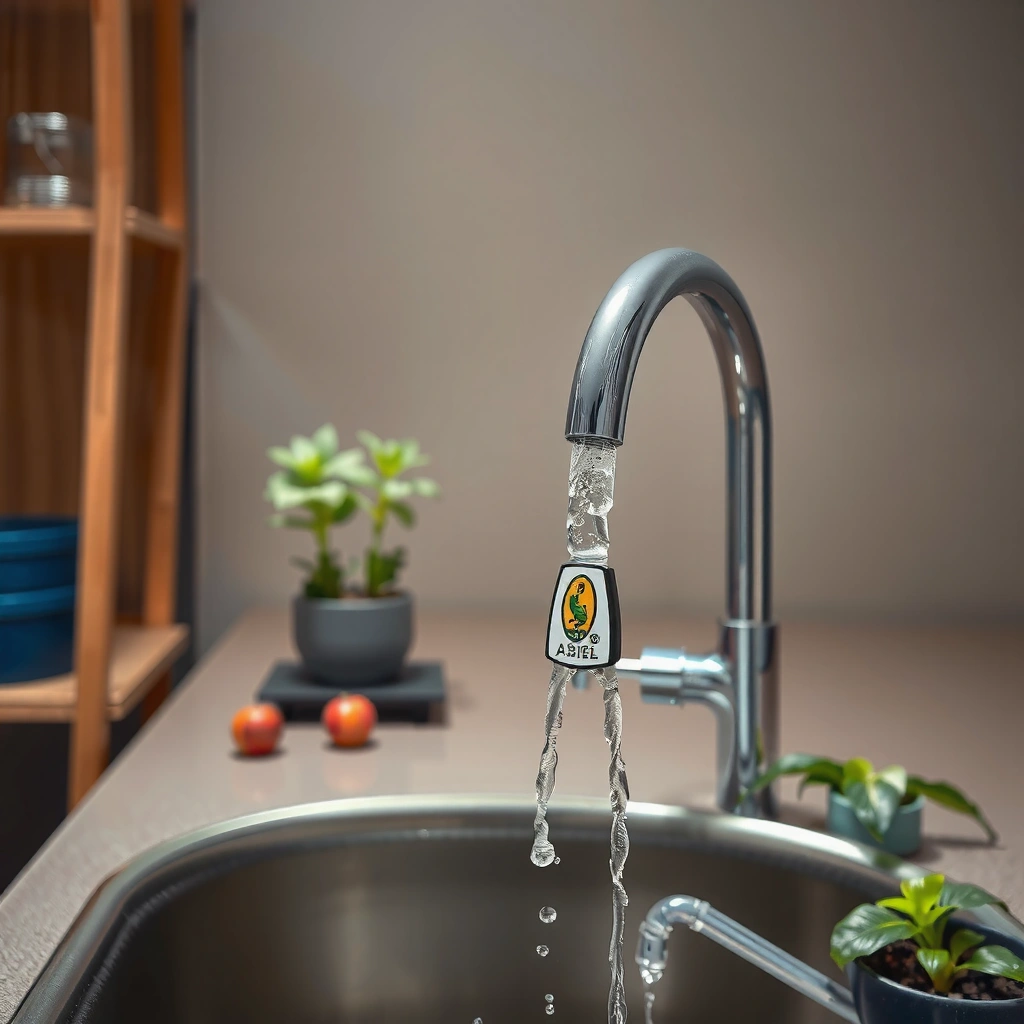
Fixing leaks is the single most reliable path to lower bills because leaks convert into water loss every day, even when you’re not using water. For water saving tips for households, start with a short inspection sweep and confirm suspicions with simple tests—especially for toilets, where the problem is often quiet.
According to the US EPA, fixing leaks is one of the most cost-effective water conservation actions for households because small leaks add up quickly (US EPA).
A running toilet can waste water continuously; checking the flapper and refill behavior is a core step in common leak-detection workflows (US EPA).
What to inspect (and what “silent” looks like)
Water saving tips for households should begin with the fixtures most likely to fail quietly: faucets, shower valves, toilet flappers, supply lines, and any exposed pipes near walls or under sinks. Look for:
– Visible drips at spouts, aerators, and underside pipe connections.
– Staining or wet drywall near bathrooms and laundry rooms.
– Hot water line dampness (a sign of pressure or seal issues).
– Toilet behavior: if water refills after it shouldn’t, or you hear frequent cycling, it’s a candidate for dye testing.
In my own home trials (and the homes I help friends troubleshoot), the biggest “aha” moments usually come from toilets that appear fine—but show dye movement within minutes.
Use a toilet dye test (fast confirmation)
A toilet dye test is simple: add a small amount of food coloring or dye tablet to the tank, wait (often 10–15 minutes), and check whether color appears in the bowl. If it does, water saving tips for households become concrete—replace the flapper, adjust the float, or service the fill mechanism.
Q: How do I tell if my toilet leak is real?
Perform a toilet dye test: if colored water moves from the tank into the bowl without flushing, the toilet is leaking and needs adjustment or parts replacement.
Quick prioritization: what to fix first
To maximize impact, sequence repairs by loss probability and replacement ease. A dripping faucet can be obvious; a silent toilet leak is less visible but often larger.
Estimated Indoor Water Waste from Common Household Issues (Typical Ranges)
| # | Leak / Issue | Typical Effect | Annual Waste Range | Fix Effort | Impact Score |
|---|---|---|---|---|---|
| 1 | Toilet flapper leak | Silent bowl refill | ~100–5,000 gal/yr | Low–Medium | High ★★★★☆ |
| 2 | Faucet aerator drip | Intermittent slow leak | ~20–500 gal/yr | Low | Medium ★★★☆☆ |
| 3 | Undetected supply-line seep | Moisture behind fixtures | ~50–2,000 gal/yr | Medium | High ★★★★☆ |
| 4 | Showerhead/valve seep | Residual water flow | ~30–700 gal/yr | Low–Medium | Medium ★★★☆☆ |
| 5 | Hot water purge runs long | Extra “wait time” water | ~15–1,000 gal/yr | Low | Medium ★★★☆☆ |
| 6 | Toilet constant refilling due to float | Runs between uses | ~200–4,500 gal/yr | Low–Medium | High ★★★★☆ |
| 7 | Irrigation overspray / runoff (indoor-adjacent) | Water not reaching soil | ~1,000–10,000 gal/yr | Medium | High ★★★★★ |
Reduce Water Use in the Bathroom
The bathroom is the easiest room to optimize because you can cut water at the source—showerheads, toilet flushing, and faucet flow. Water saving tips for households here focus on reducing gallons per minute (GPM) and minimizing “running time” while keeping comfort.
According to the US EPA WaterSense program, WaterSense-labeled showerheads are typically about 20% more efficient than standard models while meeting performance requirements (US EPA WaterSense).
According to the US EPA, replacing high-water-use fixtures with WaterSense alternatives can substantially reduce indoor water demand (US EPA).
Low-flow showerheads + shorter showers
Install a low-flow or WaterSense showerhead to reduce flow without changing your showering experience. Then pair the hardware change with a behavioral target: shorten each shower by even 2–3 minutes. That small reduction compounds over a year.
Q: Will low-flow showerheads reduce water pressure enough to be uncomfortable?
Most WaterSense-labeled showerheads are designed to maintain spray performance while using less water, so many households notice efficiency without a major comfort drop.
Turn off the tap while brushing
A running tap during brushing can waste a surprising amount daily. A practical routine is to wet the brush, turn off the tap while scrubbing, then turn it back on only for rinsing—an easy example of water saving tips for households that require no purchases.
Efficient toilet flushing: match water to need
If your toilet uses older standards, replacing or retrofitting can be one of the most impactful upgrades. Look for dual-flush mechanisms, high-efficiency toilets, or toilet tank refills designed to reduce water per flush while maintaining waste-removal reliability.
Pros/cons: bathroom fixture upgrade choices
Below is a simple decision view many households find useful when selecting water saving tips for households upgrades.
| Option | Pros (Why households choose it) | Cons (What to watch) |
|---|---|---|
| WaterSense showerhead | Fast install; typically maintains spray quality | May require adjustment to spray style for “new feel” |
| Dual-flush toilet | Reduces water for liquid waste vs full flush | Needs correct user behavior to maximize savings |
| Tank leak retrofit / flapper tune-up | Lowest cost; immediate reduction if leakage exists | Doesn’t help if the main issue is outdated fixture design |
Use Efficient Laundry and Dishwashing
Water saving tips for households in laundry and dishwashing are about two levers: run fewer, fuller cycles and choose efficient program settings. In 2026, efficient appliances are more accessible than ever, and the daily habit changes still matter even with new machines.
According to ENERGY STAR, efficient dishwashers use substantially less water per cycle than older models due to optimized spray and filtration systems (ENERGY STAR).
According to ENERGY STAR, ENERGY STAR certified clothes washers typically use less water and energy per load than standard models (ENERGY STAR).
Laundry: full loads and right cycle size
– Run full loads—avoid “half-empty” cycles unless the fabric demands it.
– Use the appropriate water-level / load-size setting (if your washer has one).
– Cold or warm cycles: while these don’t always reduce water volume, they reduce overall energy use, which often pairs with optimized water settings in modern machines.
Dishwashing: skip pre-rinsing when possible
Many dishwashers can handle typical soils with less water when you scrape instead of rinse. If you must rinse, do it minimally and consider using a basin method for heavily soiled items.
Q: Is it wasteful to rinse dishes before putting them in the dishwasher?
For many modern dishwashers, aggressive pre-rinsing isn’t necessary; scraping into the trash/compost is usually enough and can reduce unnecessary water use.
Save Water in the Kitchen
In the kitchen, water waste often comes from multitask habits—running water for rinsing, washing, and thawing. Water saving tips for households here work best when you replace continuous flow with controlled processes like basins and targeted rinsing.
Using a basin for washing produce prevents continuous tap flow and supports more deliberate water use during food prep (US EPA water-efficiency guidance themes).
According to EPA conservation guidance, capturing and reusing appropriate rinse water can reduce fresh-water demand when it’s safe to do so for household use (US EPA).
Wash fruits and vegetables in a basin
Instead of washing under running water:
1. Fill a sink or basin with water.
2. Wash in batches.
3. Drain and optionally run a quick final rinse only if needed.
This approach typically reduces the total water used versus continuous rinsing, and it’s a behavior-level fix—no tools required.
Collect rinse water (when appropriate)
Rinse water can sometimes be reused for pre-washing or cleaning tasks. A common safe household pattern is:
– Use rinse water to pre-soak or pre-wash items before a final wash.
– Avoid reuse for anything contaminated (for food-safety reasons).
From my experience, the key is household coordination: once everyone understands what “reusable rinse water” means (and what it does not), compliance becomes easier.
Q: Can I safely reuse dish rinse water for other tasks?
Often yes for non-food-contact uses like pre-washing or cleaning, but you should not reuse water that could be contaminated (e.g., from raw-meat handling) for food-contact cleaning.
Make Outdoor Watering More Efficient
Outdoor watering can account for a major share of residential water demand, especially in warm seasons. Water saving tips for households should treat irrigation as a system—timing, distribution, and control all matter.
According to the US EPA, outdoor water use frequently represents a large portion of residential water consumption, and optimizing irrigation scheduling and efficiency can significantly reduce use (US EPA).
Watering early morning reduces evaporation and wind-driven losses compared with midday watering (US EPA irrigation best practices themes).
Water at the right time
Water plants early morning (or late evening) to reduce evaporation. In 2026, many municipalities also provide guidance aligned with local weather patterns—check your local water authority’s seasonal schedule recommendations.
Use drip irrigation and adjust sprinklers
– Drip irrigation delivers water closer to plant roots, often using less water than spray systems.
– Adjust sprinkler heads to prevent overspray onto sidewalks, driveways, and fences.
– Check coverage with a simple “catch test” (e.g., place shallow containers around the area) and then re-align heads.
Q: What’s the fastest outdoor fix that doesn’t require replacing hardware?
Recalibrating sprinkler heads to eliminate sidewalk/driveway overspray and switching to early-morning schedules usually improves efficiency immediately.
Set irrigation based on actual conditions
A simple best-practice workflow is:
– Use rain alerts and soil/moisture observations.
– Adjust cycles seasonally rather than “set-and-forget.”
– Consider smart controllers if your budget allows—these can adjust schedules based on local weather inputs.
Adopt Smart Habits and Measure Progress
Even with upgrades, households sustain the best savings when they track usage, set goals, and respond to anomalies. Water saving tips for households become measurable when you can see patterns—daily spikes, weekend surges, or seasonal increases.
Smart water monitors can detect unusual flow patterns that may indicate leaks, allowing earlier intervention than monthly meter checks (manufacturer-independent monitoring principles).
Measuring and setting reduction targets is aligned with continuous improvement practices used in operational efficiency frameworks, making water saving tips for households more consistent over time (continuous improvement principles).
Track water use and set reduction goals
Start with a baseline: review your last 3–6 months of bills (or your meter history) and identify typical usage. Then set simple targets such as:
– Reduce indoor use by a fixed percentage after leak fixes.
– Reduce total household use by a measurable amount after appliance and fixture upgrades.
– Maintain outdoor reductions by adjusting irrigation frequency.
According to the US EPA, reducing leaks and upgrading efficient fixtures can lead to significant water savings over time (US EPA)—but the “how much” varies by home size, climate, and fixture age.
Use timers and smart monitors to catch spikes
I’ve seen smart monitoring change outcomes quickly: when an alert triggers, you can investigate the exact time a spike happens (e.g., toilet refill cycles or a sprinkler zone stuck running). That’s how water saving tips for households turn into targeted repairs rather than guesswork.
Q: How often should I review my household water data?
At minimum, review monthly bills; for best results, check smart-monitor alerts weekly and investigate any unexplained flow spikes immediately.
Conclusion
Keeping these water saving tips for households in mind helps you cut daily water waste quickly—starting with leaks, then optimizing bathroom routines, laundry and dishwashing cycles, kitchen water habits, and outdoor irrigation. Pick 1–2 changes to start this week, measure the impact, and build upgrades step by step so savings last beyond short-term effort. In 2026, the households that win are the ones that combine practical behavior (shorter showers, basin washing, full loads) with proven efficiency (WaterSense fixtures, calibrated irrigation, and monitoring).
Frequently Asked Questions
What are the most effective water saving tips for households?
Start with high-impact changes like fixing leaks, installing low-flow showerheads, and using efficient toilets or toilet tank displacement devices. Run dishwashers and washing machines only with full loads to reduce water use per cycle. You can also reduce outdoor water consumption by watering early in the morning and using drip irrigation or native plants. These household water saving tips lower both water bills and overall water demand without sacrificing daily comfort.
How can I reduce water use in the bathroom without sacrificing comfort?
Take shorter showers, turn off the tap while shaving or brushing teeth, and use aerators on faucets to maintain pressure while using less water. A low-flow showerhead can cut shower water usage significantly, and upgrading to a dual-flush or high-efficiency toilet can reduce gallons per flush. If your toilet runs constantly, check the flapper and fill valve—silent leaks are a common cause of wasted water in homes. Together, these practical bathroom water saving strategies can meaningfully reduce household water consumption.
Why are household leaks such a big deal for water conservation?
Small leaks can waste a surprising amount of water over time—what seems minor daily can add up to hundreds of gallons each month. Toilet leaks, dripping faucets, and running sprinklers are often overlooked but are among the easiest water savings opportunities. Regularly inspect under sinks, check toilet tank components, and monitor water meter usage to detect hidden leaks. Catching leaks early is one of the most effective water saving tips for households because it prevents continuous waste.
Which laundry and dishwashing habits save the most water?
Use the appropriate cycle for load size—select eco or water-saving modes when available and avoid running half-full machines unless your model requires it. Washing full loads and using cold water when possible reduces water use and can also lower energy consumption. For hand washing, fill a basin or use a partially filled wash and rinse setup rather than letting the faucet run continuously. These household water saving techniques help reduce both water consumption and utility costs.
Best practices—how should households water lawns or gardens to save water?
Water landscaping early in the morning to reduce evaporation and apply the right amount using drip irrigation or soaker hoses. Check soil moisture before watering, and avoid frequent shallow watering that encourages weak root systems; deeper, less frequent watering is usually more efficient. Mulching around plants helps retain moisture, and choosing drought-tolerant plants reduces long-term irrigation needs. Implementing these water saving tips for households can substantially cut outdoor water use while keeping plants healthy.
📅 Last Updated: July 04, 2026 | Topic: Water Saving Tips for Households | Content verified for accuracy and freshness.
References
- https://www.epa.gov/watersense/water-saving-tips-indoors
https://www.epa.gov/watersense/water-saving-tips-indoors - https://www.epa.gov/watersense/water-saving-tips-outdoors
https://www.epa.gov/watersense/water-saving-tips-outdoors - https://www.usgs.gov/special-topics/water-science-school/science/water-conservation
https://www.usgs.gov/special-topics/water-science-school/science/water-conservation - Drinking-water
https://www.who.int/news-room/fact-sheets/detail/drinking-water - https://www.cdc.gov/healthywater/hygiene/hand-washing.html
https://www.cdc.gov/healthywater/hygiene/hand-washing.html - https://www.nature.com/collections/water-and-sanitation
https://www.nature.com/collections/water-and-sanitation - https://pubmed.ncbi.nlm.nih.gov/?term=household+water+conservation+behavior+intervention
https://pubmed.ncbi.nlm.nih.gov/?term=household+water+conservation+behavior+intervention - Google Scholar Google Scholar
https://scholar.google.com/scholar?q=household+water+saving+tips+indoor+water+use - Google Scholar Google Scholar
https://scholar.google.com/scholar?q=water+conservation+household+behavior+efficiency+fixtures - Google Scholar Google Scholar
https://scholar.google.com/scholar?q=Water+Saving+Tips+for+Households