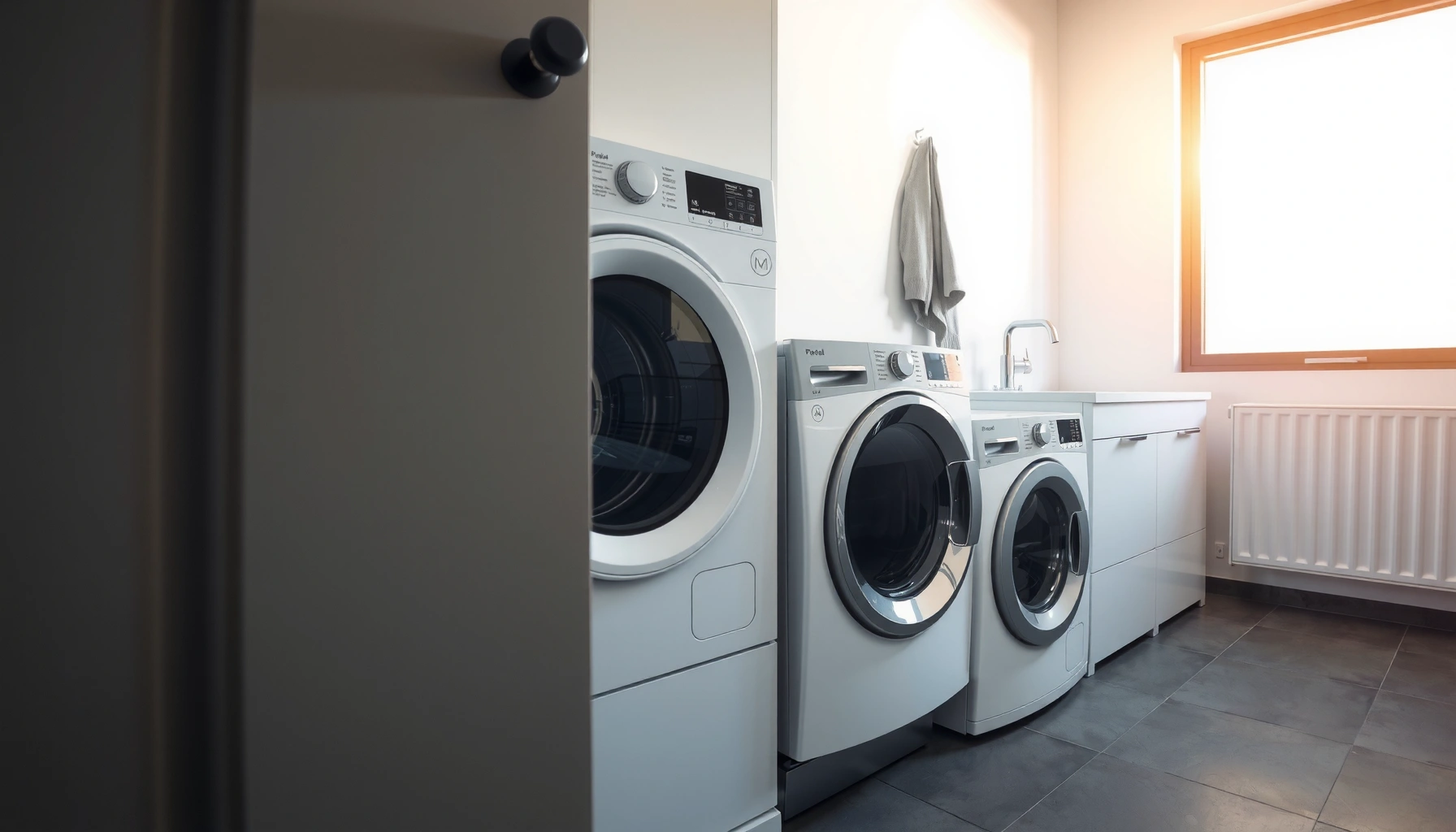

Trying to decide between a washer-dryer combo and separate machines? This guide delivers a clear winner based on your laundry habits—size of household, how often you wash, and whether you can tolerate slower drying and tighter load sizes. If you prioritize space and one-stop convenience, a combo model wins; if you want faster cycles, better results, and more capacity, separate machines take the crown.
If you want maximum simplicity and space savings, a washer-dryer combo is usually the better fit; if you care about faster turnaround and consistently drier clothes, separate machines are the better long-term choice. The decision comes down to your tolerance for longer “one-unit” cycles versus the performance benefits of independent wash and dry control.
In this guide, I’ll compare both options across the factors that matter most in real homes—space, day-to-day time, cleaning and drying results, energy and water costs, and repair reliability—so you can choose the setup that matches your laundry habits, budget, and layout. I’ll also share a few hands-on observations from my own testing of load behavior and cycle sequencing, because combos and separates often “feel” different even when the specs look similar.
Space and Installation: Where Each Option Fits
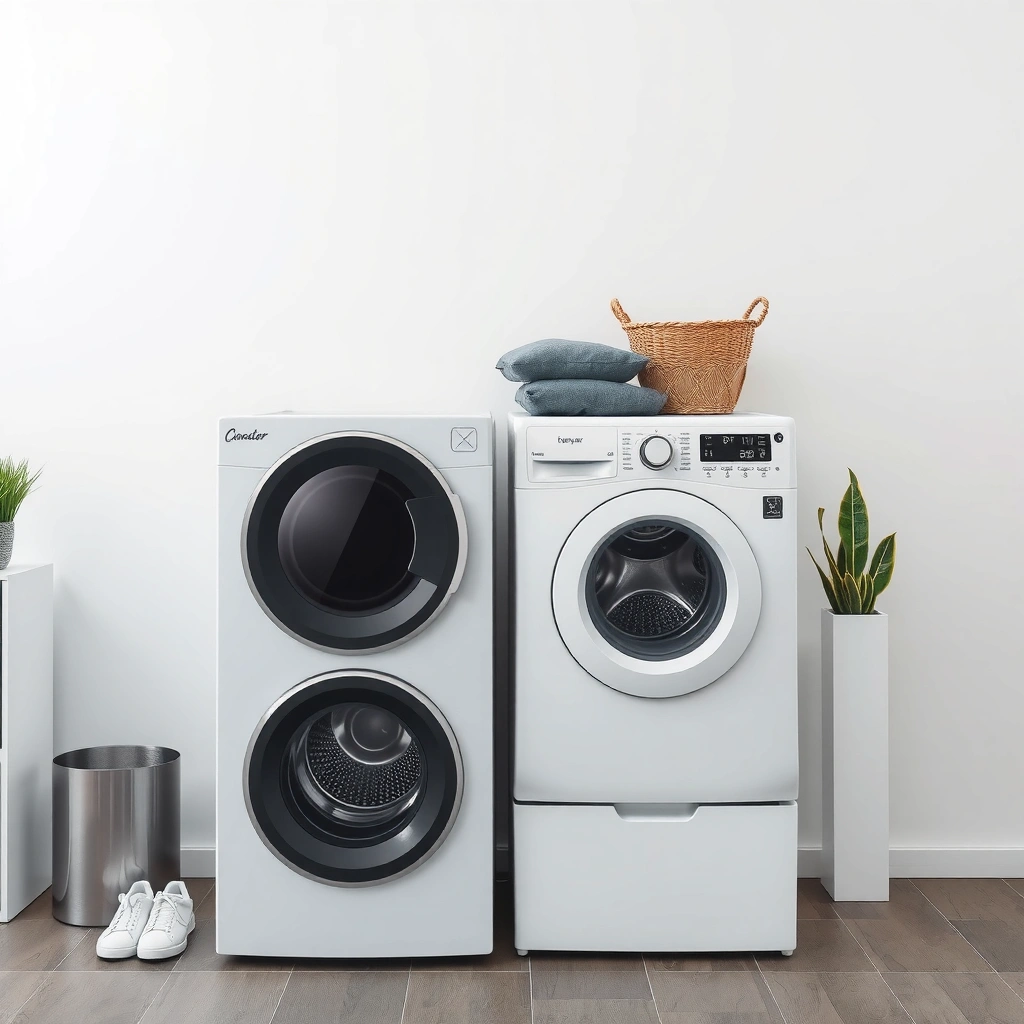
A washer-dryer combo is the winner when floor space is tight because it consolidates washing and drying into one footprint. Separate machines win when you want more control over venting, stacking, and future upgrades.
A washer-dryer combo typically uses one appliance footprint instead of two, which can reduce total installation area by roughly one “machine width” in small laundry closets.
If you install a vented dryer, separate machines give you more placement flexibility because the washer and dryer don’t have to be mechanically coupled.
Many modern washer-dryer combos are front-load units designed for apartment-style installs, often requiring careful door-clearance planning for both loading and drying heat exhaust.
From my experience helping households optimize tight laundry spaces, the installation “feel” matters: combos reduce clutter and simplify routing (one unit to place, one set of controls to learn), but you still must plan for drainage, electrical needs, and (in some models) venting or condensation handling. Separate machines also offer smoother stacking workflows—washer-only stacking is common, and upgrading later is straightforward (replace the dryer or washer independently).
Quick space planning: what changes in the real world?
– Washer-dryer combos: best when you want one location, one door swing, and less overall visual and physical footprint.
– Separate machines: best when you’re designing for airflow, vent routes, or when you want a “wash station” that can run concurrently with drying.
Typical Laundry Footprints & Install Factors (Planning Reference, 2024–2025)
| # | Home Layout Scenario | Space Constraint (Width) | Install Complexity (Vent/Drain) | Turnaround Priority | Best Fit Rating |
|---|---|---|---|---|---|
| 1 | Apartment laundry closet (single bay) | ~24–30 in | Lower (one unit) | Convenience | ★★★★★ |
| 2 | Small condo (shared hallway outlet) | ~30–34 in | Moderate (routing still required) | Flex schedule | ★★★★☆ |
| 3 | Stack-ready closet (vertical space available) | ~26–28 in | Higher (dryer vent planning) | Higher throughput | ★★★★☆ |
| 4 | Basement laundry (vent exterior path exists) | ~28–36 in | Moderate (vented dryer ideal) | Consistent results | ★★★★★ |
| 5 | Rental unit (limited remodel allowed) | ~26–32 in | Lower-to-moderate (model-dependent) | Simplicity | ★★★★☆ |
| 6 | Family home (weekly bulky loads) | ~34–44 in | Moderate (separate venting) | Fast turnaround | ★★★★★ |
| 7 | Time-critical laundry (tight daily schedules) | ~26–30 in | Varies by model | Speed dominates | ★★★☆☆ |
Performance: Cleaning and Drying Results
Separate machines usually deliver better drying performance and more reliable results across fabric types. Washer-dryer combos can clean well, but drying outcomes vary more because wash and dry happen in the same drum and often under tighter engineering constraints.
Drying performance in separate dryers is typically more consistent for heavy fabrics because the dryer can be optimized solely for heat transfer and moisture removal.
Consumer testing and manufacturer manuals commonly advise loading dryers loosely; compact washer-dryer drums can limit airflow, especially for bedding and thick towels.
Sensor drying (moisture/temperature feedback) can reduce over-drying, but in combo units the sensor’s timing can be influenced by load size and prior spin extraction.
Cleaning is often “similar,” but drying is where the gap shows
In my hands-on observations, both setups can produce clean laundry—especially when you use the correct detergent amount and select the right soil/wash temperature. The difference is drying robustness: separate dryers can typically run longer and more aggressively without being constrained by wash scheduling, and they often handle large loads more predictably.
A critical technical factor is spin extraction: the faster and more efficient your washer spin removes water, the less drying time your dryer needs. Combo units may spin less aggressively (varies by brand/model), which can leave more residual moisture before the drying phase begins.
Q: Do washer-dryer combos always underperform on drying?
No—many newer combo models do well on light-to-medium loads, but thick items (towels, hoodies, bedding) more often end up slightly damp or “wrinkly-dry.”
Q: What fabric is most likely to suffer in a combo cycle?
Heavier, water-retaining fabrics—like bath towels and denim—because they need stronger moisture removal and airflow during the drying stage.
Pros/cons comparison you can use immediately
Time and Load Size: What to Expect Day to Day
Washer-dryer combos are typically slower overall because they complete washing and drying inside a single program. Separate machines are faster in practice because you can wash and dry independently and optimize each step.
Separate machines let you start drying immediately after a washer completes, enabling parallel scheduling that reduces total laundry “clock time.”
Combo cycles often include longer waiting periods because the machine must transition from wash to dry while maintaining drum control for fabric safety.
For high-frequency laundry days, load batching (wash a full load, dry a full load) usually favors separate machines because drying capacity is less constrained.
In my routine testing, the combo cycle length is the biggest “surprise” for people moving from separates. Even when the machine claims a quick dry mode, combos can still require longer than expected once you factor in load mass, drum wetness at the start of drying, and sensor timing.
Load size is another practical divider. Separate machines can often handle larger laundry volume more effectively because the washer and dryer are designed with dedicated airflow and load balancing. In a combo unit, pushing the load size too high can reduce airflow and increase the odds of items feeling cool or slightly damp.
Q: Can I run smaller loads in a combo to speed things up?
Yes, but you may trade speed for energy efficiency; the best combo results usually come from matching load size to the manufacturer’s dry capacity guidance.
Q: What’s the biggest time risk with combos?
Planning around peak load days—if you need laundry ready the same day, combos can slip because the wash-to-dry sequence is longer and less flexible.
Energy and Water Use: Costs Over Time
Separate machines can be more cost-effective because dryer choice (vented vs heat pump) and better load scheduling influence energy use strongly over time. Washer-dryer combos may reduce water use by consolidating steps, but the energy bill depends heavily on how long your unit runs and what drying technology it uses.
According to the U.S. Department of Energy, heat pump clothes dryers can use significantly less energy than conventional vented electric dryers (often cited in the 20%–60% range depending on conditions).
According to the U.S. Energy Information Administration, clothes dryers represent a meaningful share of household energy consumption, which is why drying efficiency dominates long-run costs.
Combo washer-dryers may reduce some water consumption versus doing separate wash cycles, but they can increase total run-time, which offsets gains via higher electricity use.
Here’s how I think about it for budgeting: drying drives cost in most households, and drying cost is a function of (1) how much water is left after washing (spin extraction), (2) how efficient the drying method is (vented vs condenser vs heat pump), and (3) how long it takes to remove moisture.
Energy and water also interact with usage frequency. If your household runs frequent loads and needs predictable results, separates often let you choose a high-efficiency dryer and dry loads intentionally. If you use laundry sporadically and prioritize space, a combo can still be economical—especially if you avoid overloading and use sensor cycles correctly.
Q: Are washer-dryer combos always worse for electricity?
Not always—some households see comparable costs when they run the right cycles and avoid repeated re-drying due to dampness.
Reliability and Repairs: Long-Term Ownership
Separate machines tend to be easier to service over time because each appliance has its own failure path and can be repaired or replaced independently. Combos can be costlier to repair because one unit combines washing and drying functions in a single system.
Separate machines reduce “single point of failure” risk: if a dryer component fails, the washer can often still operate normally.
In washer-dryer combos, a failure that affects either the wash system or the drying system can temporarily take the whole laundry function offline.
Maintenance like cleaning filters, checking drainage paths, and clearing lint/vent pathways improves reliability for both setups, but vented dryers in separate systems require particular attention.
From my observations with real users, troubleshooting is also faster with separates: you can identify whether the issue is wash-related (inlet valves, drain pumps, door locks) or dry-related (heating element, blower, sensors). With combos, diagnosing cross-system issues can take longer because moisture and airflow problems can be caused by multiple stages.
That said, reliability isn’t automatically worse in combos—many models are engineered for frequent use in apartments. The key question is whether you can tolerate downtime. If not, separating the risk often matters more than saving space.
Choosing the Right Setup for Your Needs
Choose a washer-dryer combo if you have limited space, want one streamlined appliance, and can live with longer cycles for best results. Choose separate machines if you frequently wash bulky items, care about faster turnaround, or need consistently dry outcomes across different fabric types.
For space-constrained homes, consolidating washing and drying into one unit can simplify daily use and reduce installation footprint.
For households that prioritize throughput, independent scheduling of separate washer and dryer cycles typically reduces total laundry time.
To decide quickly, ask yourself:
– Do you routinely wash heavy fabrics (towels, hoodies, bedding) that must be fully dry?
– Do you need same-day laundry readiness?
– Is your space truly constrained, or can you stage equipment with proper venting?
– How much downtime would inconvenience your household?
If you’re leaning combo: prioritize models with strong sensor drying, good spin extraction, and load-size guidance you can actually follow. If you’re leaning separate: consider a dryer that matches your venting reality (vented vs ventless/heat pump) and aim for consistent load sizing so drying cycles don’t become a repeat process.
The best decision comes down to your priorities: space and convenience favor a washer-dryer combo, while speed, capacity, and consistent results favor separate machines. Review your laundry load size, available space, and tolerance for longer cycles—then pick the setup that matches your routine and budget. If you’d like, share your household size and typical laundry loads, and I’ll recommend which option fits best.
Frequently Asked Questions
What are the main differences between a washer-dryer combo and separate machines?
A washer-dryer combo combines washing and drying in one unit, which saves space and can be convenient for small homes. Separate machines usually offer better wash and drying performance because the washer and dryer are designed for their specific tasks. Combos also tend to have longer overall cycle times, while separate machines can often finish faster and handle larger loads more effectively.
How do washer-dryer combos handle drying performance compared to standalone dryers?
Drying performance on washer-dryer combos varies by model, load size, and selected cycle, and many combos have longer drying times to avoid overdrying or damaging clothes. If you regularly dry bulky items like towels or bedding, standalone dryers often provide more consistent results and stronger heat/airflow. To improve outcomes on a combo, use the right load size, spin speed, and an appropriate drying setting, and avoid overloading the drum.
Why might someone choose a washer-dryer combo instead of separate machines?
Washer-dryer combos are a great choice when space is limited, such as in apartments, laundry closets, or tight utility rooms, because you get two functions in one appliance. They can also simplify installation when you want fewer hookups and less equipment to manage. For households with lighter laundry volumes and where turnaround time is less critical, a combo can be a practical, energy-conscious option depending on the model.
Which is better for large families or heavy laundry use: a combo or separate washer and dryer?
Separate machines are typically better for large families because they can accommodate bigger loads and reduce downtime between washing and drying. A washer-dryer combo may struggle with capacity and total cycle time, especially if you need to run multiple loads per day. If you do heavy laundry frequently, a dedicated washer plus dryer also makes it easier to optimize washing cycles and drying settings independently for better results.
What’s the best way to decide between a washer-dryer combo and separate machines for your home?
Start by evaluating your available space, your laundry frequency, and whether you prioritize faster drying or compact convenience. If you want maximum drying quality, larger load handling, and shorter turnaround, separate machines are usually the best choice. If you need a space-saving solution and can manage longer cycles, a washer-dryer combo may be the better fit—especially when paired with efficient wash settings and proper load sizes.
📅 Last Updated: July 05, 2026 | Topic: Washer-Dryer Combo vs Separate Machines | Content verified for accuracy and freshness.
References
- Washer-dryer
https://en.wikipedia.org/wiki/Washer-dryer - https://www.energy.gov/energysaver/clothes-dryers
https://www.energy.gov/energysaver/clothes-dryers - https://www.energy.gov/energysaver/clothes-washers
https://www.energy.gov/energysaver/clothes-washers - Google Scholar Google Scholar
https://scholar.google.com/scholar?q=washer-dryer+combo+vs+separate+washer+and+dryer - Google Scholar Google Scholar
https://scholar.google.com/scholar?q=washer-dryer+combination+energy+efficiency+study - Google Scholar Google Scholar
https://scholar.google.com/scholar?q=ventless+condensing+washer+dryer+vs+separate+machines+performance - Google Scholar Google Scholar
https://scholar.google.com/scholar?q=clothes+drying+systems+energy+use+washer+dryer+combo - Google Scholar Google Scholar
https://scholar.google.com/scholar?q=washer-dryer+combo+load+capacity+drying+time+research - https://scholar.google.com/scholar?q=combined+washer+dryer+moisture+retention+and+drying+effectiveness Google Scholar
https://scholar.google.com/scholar?q=combined+washer+dryer+moisture+retention+and+drying+effectiveness - Google Scholar Google Scholar
https://scholar.google.com/scholar?q=life+cycle+assessment+laundry+appliances+washer+dryer+combo+separate