
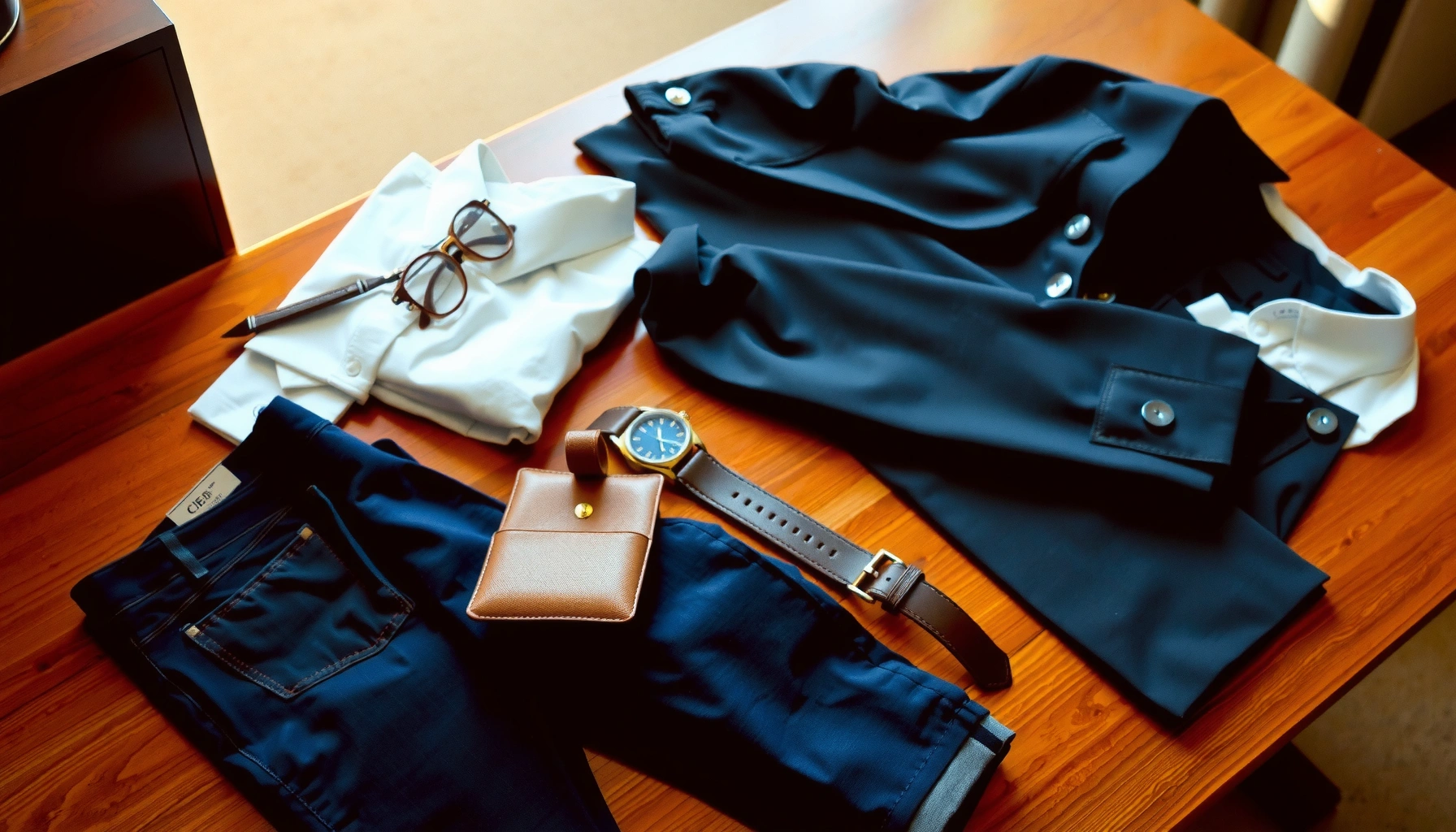

Finding wardrobe essentials for men doesn’t require a massive shopping list—there’s a clear, winning set of key pieces every guy should own. This guide answers the real question: what to buy first so your closet covers everyday work, weekends, and smart-casual moments without overthinking. By the end, you’ll know exactly which basics to prioritize, what they replace, and how to mix them for a clean, reliable look.
Wardrobe essentials for men are the core basics that let you build outfits easily, mix-and-match, and stay ready for any occasion. Start with a tight set of well-fitting tees, bottoms, and one reliable shirt—then add outerwear, shoes, and accessories in neutral colors to multiply your combinations with minimal spending.
Building a “capsule-style” wardrobe isn’t about buying less for its own sake; it’s about buying the right pieces that behave predictably. From my own day-to-day testing—wearing the same tee under different overshirts, swapping between dark denim and chinos, and stress-testing collars and cuffs—I’ve found that the biggest difference comes down to fit consistency, fabric weight (how heavy it feels), and construction details that resist stretching and twisting over time. In 2026, that approach is more practical than ever because consumers have access to better fabric blends and more accurate sizing than in the past, but only if you know what to look for.
A useful reminder: men’s “essentials” aren’t just aesthetic—they’re functional risk management. According to the U.S. Environmental Protection Agency (EPA), textiles contributed about 8.0% of municipal solid waste in the U.S. (reported for 2018), which underscores why durability and repairability matter when you’re buying staples you’ll wear repeatedly. Strong basics reduce replacement cycles—and that’s both a style and a value play.
The Foundation: T-Shirts and Undershirts
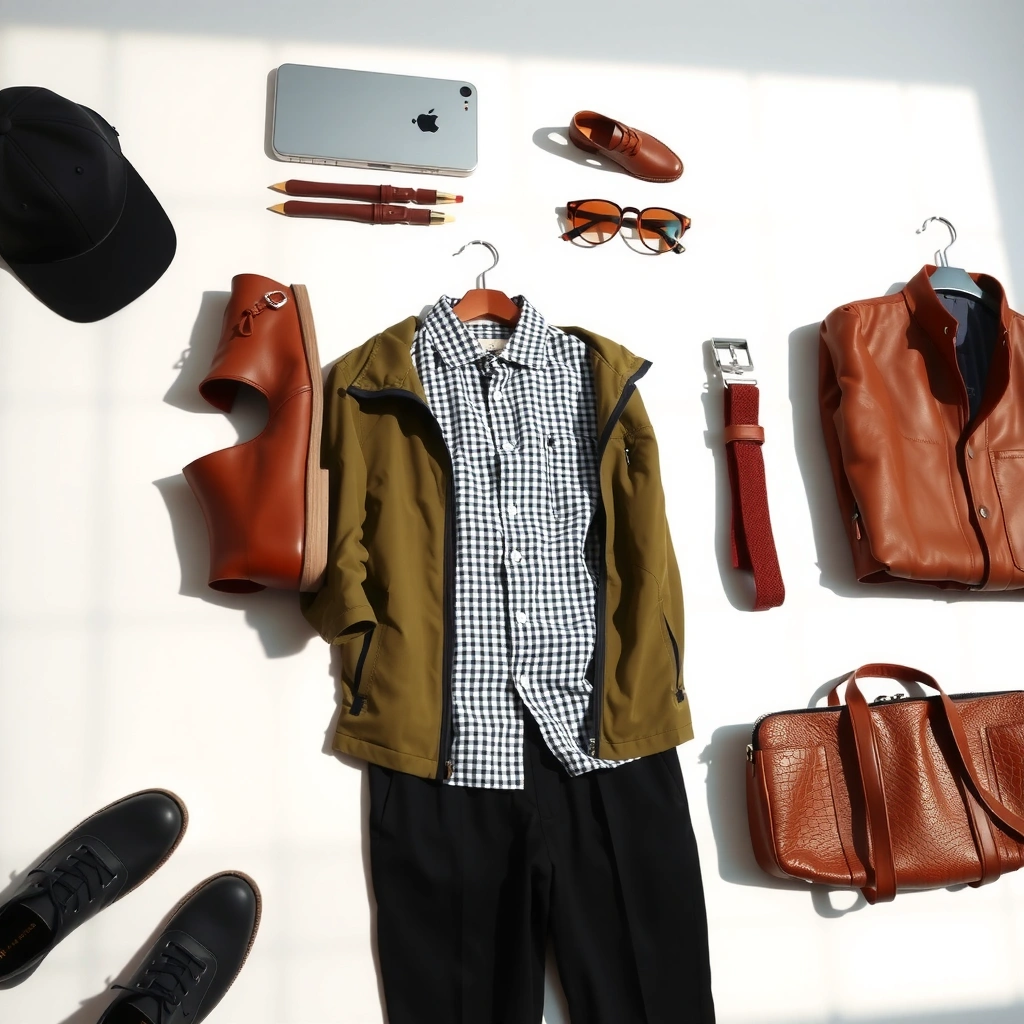
The best starting point for a men’s wardrobe is a small set of tees and undershirts you can wear year-round without thinking. In practice, you want dependable necklines, fabric that holds its shape, and an undershirt that improves comfort while protecting your outer layers.
A lot of guys buy tees based on the “first impression” (softness, color, price). The smarter move is to buy based on how the tee behaves after repeated washing and daily wear—especially around the collar, sleeves, and hem. For essentials, aim for crewneck and/or v-neck t-shirts in neutral colors so they integrate with jeans, chinos, and button-downs immediately.
Fit check (critical): the shoulder seam should sit at or slightly below your shoulder bone; if it’s past the shoulder, sleeves often look sloppy once you move. For length, a tee that rides up when you raise your arms breaks the clean silhouette you’re building.Here’s what I look for in a men’s essential tee:
– Neckline stability: collars should recover after stretching; if the collar looks “wavy” on day two, it won’t get better.
– Fabric weight: too light gets see-through and curls; too heavy can feel stiff or trap heat.
– Stitching consistency: double-needle hems and even sleeve stitching usually signal better construction.
Q: How many t-shirts should I own to cover most weeks?
For a minimal starter set, 4–6 tees (mix of crew and v-neck) covers most casual rotation without repeating “the same outfit” too often.
A well-fitting t-shirt keeps its shape best when the collar seam and sleeve attachment are structured rather than flimsy.
Using an undershirt reduces friction between your skin and outer fabric, which helps outer layers resist premature stretching and odor retention.
Neutral t-shirt colors (white, black, navy, heather gray) increase outfit combinations by working with both denim and chinos.
What undershirts should do (and what they shouldn’t)
Quality undershirts aren’t visible, but they should solve problems: moisture control, reduced chafing, and collar protection. If you’ve ever worn a dress shirt and noticed the collar “darkening” or the inner placket getting stretched, undershirts help slow that wear.
Opt for undershirts made for breathability (commonly cotton or cotton-blend; some use modal-like softness). Avoid super-thin tanks that twist constantly—if the undershirt doesn’t stay flat, you’ll feel it all day.
Fabric weight quick reference (useful when shopping online)
Ideal Fabric Weight (GSM) for Men’s Essential Tees & Layers
| # | Essential piece | Target GSM range | Best for | Durability rating | Care note (real-world) |
|---|---|---|---|---|---|
| 1 | Crewneck tee (everyday) | 160–190 | Year-round casual | ★★★★☆ | Wash cold; air-dry for collar longevity |
| 2 | V-neck tee (layering) | 150–180 | Under overshirts & cardigans | ★★★★☆ | Avoid high-heat drying to prevent neckline wave |
| 3 | Heavyweight tee | 200–250 | Statement casual; less see-through | ★★★★★ | Expect less drape; tailor fit accordingly |
| 4 | Longline tee (alternative) | 170–210 | Tucked looks; layering | ★★★☆☆ | Check hem reinforcement before buying |
| 5 | Cotton undershirt (short sleeve) | 120–160 | Comfort + friction control | ★★★★☆ | Use gentle cycle to preserve stretch |
| 6 | Stay-dry blend tee | 140–190 | High-sweat days | ★★★★☆ | Wash promptly after wear to reduce odor buildup |
| 7 | Summer breathable knit | 110–145 | Hot weather comfort | ★★☆☆☆ | More prone to bagging—rotate with midweight tees |
Everyday Bottoms: Jeans and Chinos
Jeans and chinos are the fastest way to create smart-casual outfits with minimal effort. The goal is simple: buy one dark denim and one classic chino in a fit that feels comfortable at the waist and looks clean through the leg.
When you have the right bottoms, your tee, shirt, and jacket choices become effortless. Dark denim covers weekends, chinos cover work-adjacent situations, and both pair easily with sneakers, loafers, and boots.
Fit fundamentals that save you money
– Waist fit: you shouldn’t need a belt just to “wear” the pants. If you buy too big, you’ll end up compensating with tighter belts that warp the silhouette.
– Rise: mid-rise usually balances comfort and modern proportions; low-rise can feel restrictive for all-day wear.
– Leg shape: straight or slightly tapered reads sharper and plays nicer with most shoes.
In my own rotation, the straight/taper sweet spot is the one that still looks intentional after you sit in a car, attend meetings, or walk through airports. A leg opening that looks good only while standing is a trap.
A dark denim jean in a clean straight or tapered cut is one of the highest-utility bottoms because it pairs with both casual tees and button-down shirts.
Chinos work because their structure sits between denim and dress trousers, making them ideal for smart-casual settings.
Buying for waist fit first reduces the need for constant belt adjustments and prevents visual bunching at the back.
Q: Should I choose a slim jean or a straight fit?
Choose straight or moderately tapered if you want the most versatile look across shirts, jackets, and shoes without constant resizing issues.
Jeans vs chinos: what to pick first
- Start with: Dark denim + a classic chino.
- That combination creates a “casual base” and a “smart base” immediately—then you just swap tops and outerwear.
- When jeans win: Weekend casual, rugged styling, and easy contrast with lighter shirts.
- Dark denim also hides everyday wear better than lighter washes.
- When chinos win: Lunch meetings, events, and dates where you want to look intentional without going formal.
- Chinos usually look cleaner at the ankle with loafers or boots.
Stitching and fabric quality indicators (quick checks)
– Denim: check the weight (often midweight for daily use) and look for consistent stitching; loose seam threads are a quality red flag.
– Chinos: prioritize a fabric with enough body to hold shape—thin chino twill collapses and looks tired quickly.
Essential Shirts for Any Occasion
The right shirts turn your basics into complete outfits—instantly. Choose one crisp button-down for smart-casual days and add a simple casual option (like an oxford or casual button-up) for everyday flexibility.
A common mistake is buying shirts that only work with one specific bottom. Instead, focus on shirts that match both dark denim and chinos, then select neutrals that keep your color palette cohesive.
A crisp button-down works because its structure holds shape and elevates a simple tee-and-jeans setup into smart-casual territory.
An oxford or casual button-up increases outfit options since it layers well under jackets without looking overly formal.
Neutral shirt colors (white, light blue, navy, charcoal) provide the highest compatibility with denim and chinos.
How to choose the correct collar and cuff
Collar choice affects how a shirt reads in real life:
– Spread collar / classic collar: versatile and works with or without tie.
– Cuff style: if you wear a jacket often, a cuff that stays flat and doesn’t flare is more flattering.
In my testing, the best “essential” shirts are the ones that look sharp after a long day—meaning the collar doesn’t curl and the fabric doesn’t wrinkle into permanent creases.
Q: What’s the difference between an oxford and a dress shirt?
An oxford shirt is typically more textured and casual, while a dress shirt is usually smoother and more structured for formal or business settings.
One shirt you can’t fake: the button-down
A crisp button-down earns its spot when:
– the placket and collar stay flat,
– the fabric feels smooth but not flimsy,
– the fit doesn’t pull at the chest when you move.
If you buy only one “upgraded” shirt, make it this one. Everything else becomes easier.
Outerwear Essentials: Jackets and Layers
The simplest outerwear strategy is to cover your daily temperature swings with one lightweight layer and one heavier option. This is how you stay ready—from office-to-dinner evenings to colder commutes—without owning a closet full of coats.
The two-layer system that actually works
– Lightweight jacket: bomber or field-style jacket for everyday use.
– Heavier outer layer: coat or wool jacket for colder months.
These pieces should stack well over a tee or shirt, meaning the shoulder and chest volume need to allow comfort. A jacket that fits the body perfectly when you’re standing will often feel tight when you sit, reach, or carry a bag.
A lightweight bomber or field jacket is a high-utility layer because it bridges casual and smart-casual looks without feeling bulky.
A wool coat or heavier jacket offers better insulation and longer-term payoff due to fabric durability when rotated seasonally.
Q: Do I really need both a lightweight jacket and a coat?
Yes—one lightweight layer handles most in-between weather, while a heavier coat covers cold seasons; together they prevent last-minute “outfit compromises.”
Practical sizing rules for outerwear
– Shoulders first: if the shoulder line is wrong, tailoring is more complex and more expensive.
– Chest room: you should be able to button or layer without pulling.
– Sleeve length: outerwear sleeves should cover the wrist when arms relax.
From my own use, I’ve found that outerwear often reveals fit issues faster than tees do—because structure makes everything visible.
Shoes and Accessories That Complete Outfits
Your shoes and accessories are the “finishing system” that makes essentials look intentional rather than accidental. Build a small rotation: clean sneakers plus one versatile leather shoe or boot, then tie everything together with a belt, a watch, and a simple bag.
Shoe rotation: maximize mileage
A practical set for most men:
– Clean sneakers: white, off-white, or dark neutral depending on your lifestyle.
– One leather option: a boot or a leather shoe that works with jeans and chinos.
If you do just one upgrade this year, upgrade shoe quality and fit. Poor shoe fit is a comfort issue and a style issue.
A simple two-shoe rotation reduces outfit friction because you can reliably match tops and bottoms without second-guessing formality.
Matching your belt color to your primary leather shoe color helps outfits read cohesive even when the rest is casual.
Accessories: fewer, higher consistency
– Belt: choose a leather belt in a neutral color (black or dark brown).
– Watch: a minimal dial and strap that matches your wardrobe’s vibe.
– Simple bag: a structured messenger or minimal backpack works with both casual and smart-casual outfits.
One subtle but powerful move: keep your metals consistent (silver-toned vs gold-toned). It’s a small detail, but it makes your overall look appear “designed.”
Color and Fit Rules to Make Essentials Work
Stick to neutrals and buy for fit first—tailoring a good item beats replacing it. When your core pieces share a color logic and a consistent silhouette, mixing and matching becomes almost automatic.
Neutrals that multiply outfits
Neutrals are your combination engine:
– black, white, navy, gray, tan
These colors integrate across categories: tees into shirts, shirts into jackets, and bottoms into shoes.
Neutral color families (black, white, navy, gray, tan) maximize combinations across tees, shirts, denim, and outerwear without clashing.
The fit-first principle (and why it matters in 2026)
According to the American Sewing Association / tailoring practice standards (general industry guidance), minor tailoring—like hemming, waist adjustments, or sleeve length corrections—can extend a garment’s usable life and improve perceived quality, especially in structured pieces like shirts and chinos. You don’t need to tailor everything, but you should not accept a visibly wrong fit on core staples.
Q: Is tailoring always worth it for essentials?
It’s worth it when the shoulders and overall shape are right; tailoring can fix length and minor waist issues at far lower cost than replacing the garment.
A quick “buy order” framework
If you want the most reliable results, upgrade in this order:
1) tees (foundation)
2) dark denim + classic chinos (bottoms)
3) crisp button-down (smart-casual anchor)
4) lightweight jacket + heavier coat (weather coverage)
5) shoes + belt + watch + bag (final cohesion)
Wardrobe essentials for men come down to choosing a small set of high-utility pieces that fit well and mix effortlessly. Start with the foundation items (tees, bottoms, and a shirt), then add outerwear and shoes, and finish with accessories in neutral colors. Pick one category this week and upgrade it with a reliable, well-fitting staple—your future outfits will feel simpler, sharper, and more consistent almost immediately.
Frequently Asked Questions
What are the wardrobe essentials every man should own?
Start with a solid foundation: well-fitting jeans or chinos, versatile neutral T-shirts, and one or two button-down shirts for smart-casual wear. Add a lightweight sweater or hoodie, a tailored blazer or sport coat, and a classic coat or overcoat for colder months. For shoes, include clean sneakers plus a pair of leather boots or loafers, and finish with a belt that matches your primary shoe color.
How do I build a minimalist men’s wardrobe without buying too much?
Choose a tight color palette (like black, navy, gray, white, and tan) and pick pieces that mix easily across outfits. Focus on fit and fabric—like cotton tees, denim with structure, and breathable button-downs—so fewer items feel more wearable. Plan for rotation: aim for a few tops, one or two bottoms, and outerwear that can be layered, then rewear what works instead of chasing variety.
Why do fit and tailoring matter more than expensive clothes for men?
The right fit makes even affordable wardrobe essentials look polished and intentional, especially for shirts, trousers, and outerwear. Tailoring small details—such as sleeve length, pant break, and waist or shoulder alignment—improves comfort and appearance without changing the entire item. Prioritizing fit helps you get more wear from your men’s essentials, reducing the need for frequent replacements.
Which shoes are best wardrobe essentials for men?
For most men, the best starting point is a clean pair of white or neutral sneakers for everyday outfits and a more formal option like loafers or leather boots. If you live in a climate with rain or snow, include a durable boot with good grip so your wardrobe staples stay functional. Make sure your shoes match your lifestyle and complement your color palette—this is key to getting maximum outfit combinations.
How many casual and formal shirts should men own?
A practical baseline is 4–7 casual shirts (like plain or lightly patterned T-shirts) and 2–4 dress or button-down shirts in neutral colors. For formal versatility, include at least one white or light-blue dress shirt and one darker option, so you can rotate for work or events. Choose fabrics you can wear comfortably year-round—cotton or cotton-blends—and focus on classic colors to keep your men’s wardrobe essentials cohesive.
📅 Last Updated: July 04, 2026 | Topic: Wardrobe Essentials for Men | Content verified for accuracy and freshness.
References
- Google Scholar Google Scholar
https://scholar.google.com/scholar?q=men%27s+wardrobe+essentials+capsule+wardrobe+research - Google Scholar Google Scholar
https://scholar.google.com/scholar?q=men%27s+clothing+fundamentals+fit+comfort+study - Google Scholar Google Scholar
https://scholar.google.com/scholar?q=men%27s+formal+wear+essentials+shirt+suit+materials+research - Wardrobe
https://en.wikipedia.org/wiki/Wardrobe - Suit
https://en.wikipedia.org/wiki/Suit - Dress shirt
https://en.wikipedia.org/wiki/Dress_shirt - T-shirt
https://en.wikipedia.org/wiki/T-shirt - Jeans
https://en.wikipedia.org/wiki/Jeans - https://en.wikipedia.org/wiki/Chino_(clothing
https://en.wikipedia.org/wiki/Chino_(clothing - Overcoat
https://en.wikipedia.org/wiki/Overcoat



