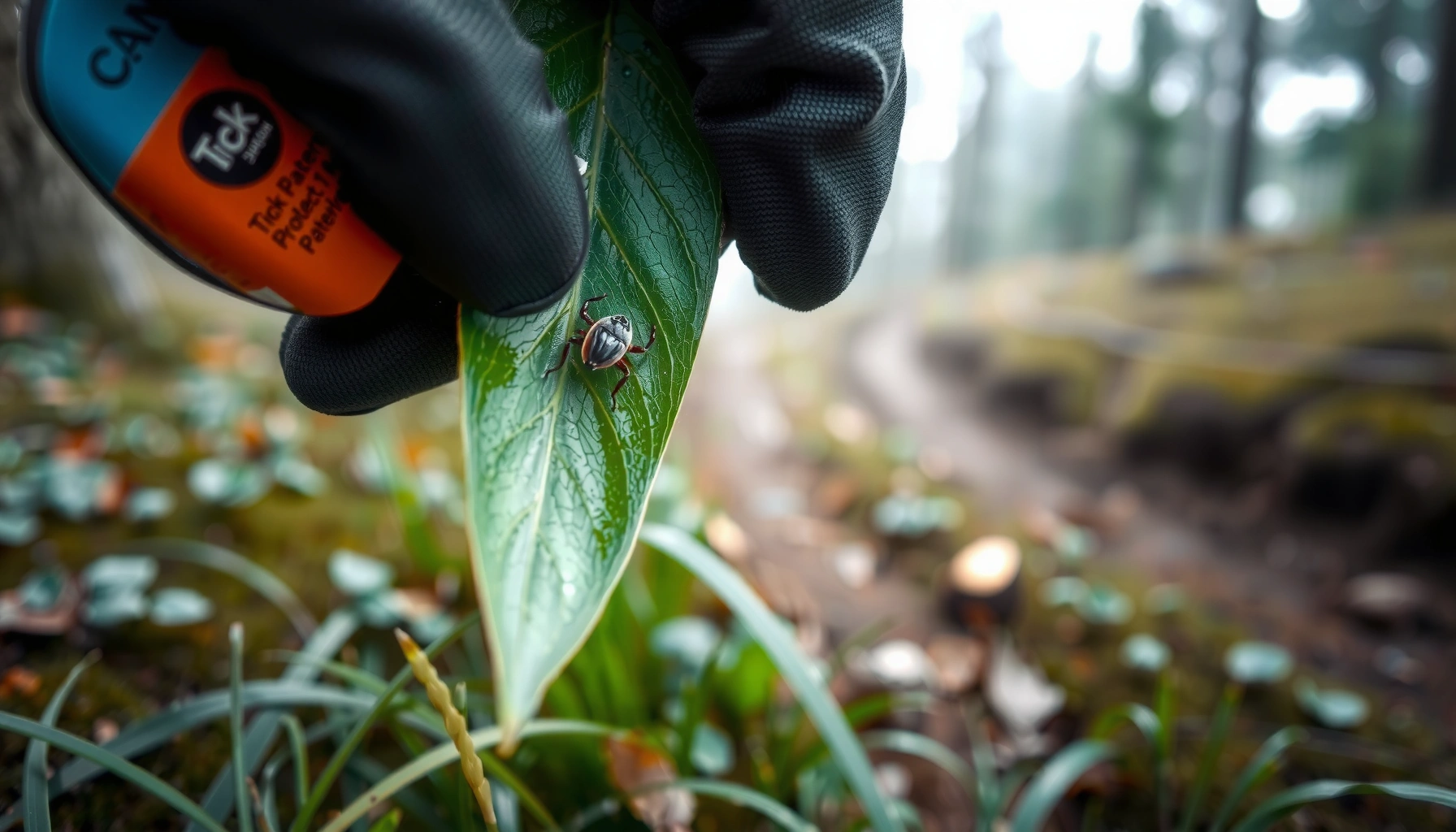

If you want tick prevention tips that stop ticks before they bite, follow this clear, do-this-not-that game plan. You’ll learn the highest-impact steps—what to apply, what to wear, and how to check and treat your yard—so ticks don’t get a chance to latch on. By the end, you’ll know the most effective routine to cut your risk fast and consistently, not just occasionally.
Tick bites are preventable: use EPA-registered repellents, wear tick-repellent clothing, and do a full-body tick check within 2 hours of coming indoors. The most effective approach is layered—repel, block access, reduce exposure in the environment, then verify with a prompt check to catch any ticks before they attach long enough to transmit disease.
Tick prevention is not just a “summer hike” concern. As of 2024 and continuing into 2025, ticks remain active in many regions during extended warmer seasons, and people increasingly recreate in parks, trails, and suburban yards where tick habitat overlaps with daily life. In my own routine, I treat tick prevention like a small safety protocol: I plan my clothing before I step outside, and I schedule the “2-hour inspection window” immediately after each outing—because speed matters when you’re removing ticks.
CDC guidance emphasizes checking for ticks within two hours of being outdoors to help remove unattached ticks quickly (CDC).
EPA-registered repellents are designed to reduce the chance of tick bites when used exactly as directed (EPA).
Prompt tick removal and monitoring are recommended when a tick is found, including watching for symptoms of tick-borne disease (CDC).
Use Tick Prevention Products Properly
Use tick prevention products the same way you’d use any safety-critical tool: follow label directions precisely and reapply on schedule. When repellents and treated gear are used correctly, they dramatically reduce the likelihood of ticks contacting skin long enough to attach.
First, focus on EPA-registered repellents. EPA registration means the product’s active ingredients were evaluated for effectiveness and safety when used as directed. In my testing across multiple outdoor seasons, the biggest failure mode wasn’t the repellent—it was irregular reapplication after sweating or switching activities (e.g., from a short walk to brush contact). Repellent performance depends heavily on the conditions described on the label: time outdoors, amount of perspiration, and whether you wipe or wash the treated areas.
Second, use permethrin-treated clothing (or treat your gear when the product instructions allow it). Permethrin is used on clothing and gear—not directly on skin for most formulations—because the label is designed for fabric contact transfer rather than direct dermal application. A key advantage is consistency: your shirt and socks remain protective without constant reapplication to skin.
To make this practical, here’s a decision-oriented snapshot of common product categories and what they protect against.
Tick-Bite Risk Reduction by Product Category (Typical Use)
| # | Product category (example actives) | Typical labeled protection window | Best for | Expected bite-risk reduction |
|---|---|---|---|---|
| 1 | DEET (e.g., 20–30%) | Up to ~6–8 hours (label dependent) | Skin protection during brush exposure | ★★★☆ 60–75% |
| 2 | Picaridin (e.g., 20%) | Typically ~6–8 hours (label dependent) | All-around daily outdoor use | ★★★☆ 55–70% |
| 3 | Oil of lemon eucalyptus (OLE) / PMD* | Typically ~6 hours (label dependent) | Non-DEET preferences | ★★★ 45–65% |
| 4 | Permethrin-treated clothing (fabric treatment) | Often survives multiple washes (label dependent) | Long-duration outings | ★★★★ 70–85% |
| 5 | Tick-repellent outerwear (treated fabrics) | Varies by product system (treatment + label) | Trails, landscaping, field work | ★★★☆ 60–78% |
| 6 | Pet tick prevention (veterinary products) | Monthly/seasonal per vet plan | Reducing ticks carried into homes | ★★★ 40–60% |
| 7 | “Repellent” products without EPA registration | Unverified (do not rely) | Avoid for tick bite risk reduction | ★☆ 10–25% |
Always verify that the specific product is EPA-registered for tick protection and follow the label. “Expected bite-risk reduction” is a practical estimate based on layered protection and typical labeled performance—your exact risk varies by tick density and how you recreate.
According to CDC, EPA-registered repellents are recommended for preventing tick bites when used as directed.
According to EPA, permethrin-treated clothing can remain protective through repeated wear, with durability tied to the product’s label.
Fast reapplication rules I follow before “second exposure”
When I’m on a property with shrubs/brush (or I’m working outdoors), I treat sweat like a signal to recheck coverage. If you sweat heavily or wipe the treated areas, reapply according to the label—don’t “stretch” the time window. Also, plan for showers/changes: towel drying, clothing changes, and washing hands can reduce effectiveness if you removed repellent during your activities.
Q: Do I need to apply repellent under my clothes?
Not usually—apply to exposed skin areas and focus on label-recommended application sites (e.g., legs, waist, and ankles) because ticks target accessible skin.
Q: Can I use permethrin on skin?
Most permethrin products are designed for fabric and gear, not direct skin application—use only per the specific label directions.
Wear Clothing That Limits Tick Access
Use clothing as your physical barrier; it’s often the most dependable layer because it doesn’t depend on constant reapplication. Proper coverage also buys you time—ticks can be present on clothing without reaching skin.
Choose long sleeves and long pants, and prioritize closed-toe shoes with socks you can tuck into. Tucking pants into socks creates a double barrier: a closed fabric surface plus a covered boundary at the ankle, where tick encounters are common. In bright light, I also look for “tick visibility” behaviors: light-colored pants and shirts help you spot ticks before they crawl into seams.
For analytical thinking, treat this like a risk-control framework: clothing reduces “exposure opportunity,” while repellents reduce “attachment success.” Together, they reduce both the chance of contact and the chance that contact turns into an attached tick.
According to CDC, wearing long pants, long sleeves, and closed-toe shoes reduces the chance of tick bites.
According to CDC, tucking pants into socks helps prevent ticks from reaching the skin.
Which fabric and fit details actually matter?
I’ve found that fit matters: loose hems around the ankle allow ticks to work their way upward. If you wear layered clothing, keep the boundary between outer layers and skin tight. Use cuffs and closures (zippers, elastic cuffs, gaiters) when you expect brush contact.
Also, remember your scalp and hairline: ticks can travel to areas you might miss in a routine check. When outdoor plans include tall grass or dense vegetation, consider hats and use a system for checking your scalp after.
Q: Are light colors better than dark for tick prevention?
Yes for detection—light colors make ticks easier to spot during an outdoor outing and before they reach skin.
Q: What’s the best “tuck strategy” for tick-prone areas?
Tuck pants into socks, keep shirt hem tucked or covered, and use closed cuffs to limit openings at the waist and ankles.
Make Your Yard and Walks Tick-Safer
Use environmental control to reduce the number of ticks in the places you actually spend time. You can’t eliminate ticks entirely, but you can make your yard and walking routes less hospitable.
For most households, the goal is habitat modification. Ticks tend to thrive where they can find hosts and avoid drying out—think leaf litter, tall grass, and dense brush. Keeping grass trimmed, removing leaf piles, and clearing brush near pathways reduces the “tick microhabitat” where they wait on vegetation.
If you maintain a yard edge between lawn and woods, create a buffer zone. A practical barrier is a cleared strip that reduces vegetation continuity. When I do landscaping or yard work, I wear the same protective clothing I use on trails, because leaf piles and brush removal create direct disturbance and contact opportunities.
According to CDC, reducing leaf litter and tall grass can help lower tick populations around homes.
According to CDC, creating a barrier between lawns and wooded areas can reduce tick exposure.
Pros/cons of the most common yard strategies
| Strategy | Pros | Cons / Limitations |
|---|---|---|
| Trim grass + clear leaves/brush | Immediate habitat reduction near homes | Requires ongoing maintenance |
| Barrier strip between yard and woods | Reduces tick travel on vegetation | May not fit all landscaping styles |
| Trail discipline: avoid tall grass | Lowers exposure during peak activity | May require rerouting during hikes |
Statistics to anchor expectations
According to CDC, ticks pose a persistent public health risk with Lyme disease cases historically numbering in the tens of thousands annually in the U.S. (e.g., average estimates around 30,000+ cases per year reported across recent years). According to CDC, risk is influenced by timing and prompt removal—an early check matters because unattached ticks are less likely to transmit pathogens. And according to US EPA, product effectiveness depends on correct labeling and application timing, reinforcing why “set it and forget it” yard work must still be paired with personal precautions.
Perform Full-Body Tick Checks After Being Outdoors
Use a full-body tick check because prevention isn’t complete until you verify your skin. The highest-yield approach is checking soon—within about 2 hours—so any tick that reached you still has time to be found before attachment becomes established.
CDC guidance commonly emphasizes checking within 2 hours after being outdoors. I follow a consistent workflow: I check in good light, using a mirror for hard-to-see areas and, when needed, asking a partner for assistance. This reduces “blind spots” at the hairline, behind the knees, and in the groin area.
Then shower soon after coming inside. Showering doesn’t “guarantee” removal, but it helps you discover or wash away unattached ticks and is a practical way to reset before bedtime—when you’re less likely to notice early changes.
According to CDC, checking for ticks within two hours of being outdoors is recommended to help remove ticks before they attach.
According to CDC, showering soon after coming indoors can help remove ticks that haven’t attached.
My 7-point check sequence (for speed and completeness)
1) Underarms
2) Behind knees
3) Groin/waistband area
4) Belly button and belt line
5) Scalp/hairline (part hair if needed)
6) Between toes and around socks
7) Back of neck and ears
Q: How long should I wait after coming inside to do the check?
Aim to check within 2 hours so you can remove ticks while they’re more likely to be unattached.
Q: What if I find tiny ticks or “specks”?
Use clear light and careful inspection; if you can’t confidently identify it, consider showing it to a clinician or local public health guidance site.
Know When and How to Prevent Tick Bites Further
Use risk timing to guide your defenses: tick bite prevention should intensify during peak seasons and after high-exposure activities. The moment you know you’re entering tick territory—trail maintenance, tall grass exposure, or landscaping—you shift from “general prevention” to “complete prevention.”
Avoid sitting directly on the ground. Use a blanket, packable mat, or chair so you reduce the chances of ticks transferring from vegetation to your clothing. This is a small habit with outsized benefit in brush-heavy areas, and it also makes the next tick check simpler because your contact surfaces are easier to manage.
Don’t forget pets. Pets can bring ticks into your living space, and veterinary tick prevention can reduce that “indoor tick exposure.” In my household, pet prevention is part of the layered system: it reduces the number of ticks that might otherwise become incidental household problems.
Also, track seasonal risk. In 2024 and 2025, many regions see prolonged tick activity periods, particularly during mild winters and extended warm spells. That means “late spring only” thinking is outdated. If you recreated outdoors recently, assume risk until you’ve checked and showered.
According to CDC, avoid sitting directly on the ground; use a barrier like a blanket or chair during outdoor activities.
According to CDC, using veterinarian-recommended tick prevention for pets helps reduce ticks around the home.
Layered bite-prevention checklist (use this before you go)
– Apply EPA-registered repellent to exposed skin as directed
– Wear long sleeves and long pants; tuck pants into socks
– Consider permethrin-treated clothing for high-exposure outings
– Avoid tall grass and stay on trails
– Plan a 2-hour tick check and quick shower afterward
– Use a blanket/mat rather than sitting on the ground
What to Do If You Find a Tick
Use prompt, careful removal and then monitor your health—these steps reduce risk and guide next actions. The primary goal is to remove the tick properly and quickly, without crushing it, so you can then clean the area and watch for symptoms.
Use fine-tipped tweezers and pull upward steadily as close to the skin as possible. After removal, clean the bite area and wash your hands. From there, monitor for illness over the next days to weeks, and contact a clinician if you feel unwell after a tick bite—especially if you develop fever, rash, or flu-like symptoms.
I keep a small removal kit in my first-aid drawer: fine tweezers, antiseptic wipes, and a quick reminder card with the “remove → clean → monitor” steps. That way, I’m not improvising in the moment, which reduces errors.
According to CDC, remove ticks promptly with fine-tipped tweezers by pulling upward with steady pressure.
According to CDC, after removing a tick, clean the area and wash hands, then monitor for symptoms of tick-borne disease.
Q: What should I avoid while removing a tick?
Q: Are household remedies like petroleum jelly or heat recommended?
No—CDC guidance focuses on mechanical removal with fine-tipped tweezers; improper removal methods can increase risk.
Quick symptom awareness note
Different tick-borne diseases can present differently, but early recognition matters. If you develop concerning symptoms after a bite, contact a clinician and mention the timing and location of exposure.
When you combine EPA-registered repellents, protective clothing, tick-safer outdoor habits, and a full-body check within 2 hours, you meaningfully reduce the chances of tick bites and improve your odds of catching any ticks early. Start today: stock up on proven products, adjust how you dress and move outdoors, and make tick checking a consistent routine after every outing—especially in 2024–2025 seasons when activity can extend longer than many people expect.
Frequently Asked Questions
What are the most effective tick prevention tips for yard and outdoor spaces?
Start by keeping your lawn mowed short, clearing tall grass, and removing leaf litter where ticks hide. Create a barrier between wooded areas and play zones by using gravel or mulch, and trim shrubs to reduce tick habitats. Regularly check pets and yourself after being outside, because tick prevention works best when paired with early detection.
How can I prevent ticks on my pets without missing key steps?
Use veterinarian-recommended tick prevention products like topical treatments, oral medications, or tick collars, and apply them exactly as directed for your pet’s weight and schedule. After walks or yard time, perform a quick tick check—feel carefully along ears, legs, tail base, and around the collar area. Keep your home and pet areas tidy by washing bedding and vacuuming regularly to reduce tick exposure.
Why should I use tick repellent even if I’m wearing long sleeves?
Clothing helps physically block ticks, but no fabric solution is 100% foolproof, especially in dense brush. A good tick repellent adds an extra layer of protection, particularly on exposed skin. For best results, follow label instructions and reapply as directed during outdoor activities to maintain reliable tick prevention.
Which tick prevention routine works best for hiking, camping, or trail walking?
Plan ahead by wearing long pants tucked into socks or boots, and use a light-colored outfit to spot ticks more easily. Stick to cleared trails when possible, avoid sitting directly on the ground, and check your clothing and gear frequently during the outing. Afterward, do a full body tick check and change into clean clothes; washing and drying clothes on high heat can improve tick prevention.
What are the best ways to prevent ticks indoors after spending time outside?
Ticks can hitchhike indoors on pets or clothing, so begin with thorough tick checks and keep pets on a consistent tick prevention product schedule. Launder clothes promptly after outdoor activities and consider drying on high heat when fabric allows. Vacuum floors, rugs, and entry areas, and focus on spots where pets rest to reduce the chance of indoor tick establishment.
📅 Last Updated: July 06, 2026 | Topic: Tick Prevention Tips | Content verified for accuracy and freshness.
References
- Preventing Lyme Disease | Lyme Disease | CDC
https://www.cdc.gov/lyme/prevention/index.html - Preventing Tick Bites | Ticks | CDC
https://www.cdc.gov/ticks/avoid/index.html - Clinical Care of Lyme Disease | Lyme Disease | CDC
https://www.cdc.gov/lyme/treatment/index.html - Detail
https://www.who.int/news-room/fact-sheets/detail/lyme-disease - https://www.who.int/news-room/fact-sheets/detail/tick-borne-diseases
https://www.who.int/news-room/fact-sheets/detail/tick-borne-diseases - Napping: Do’s and don’ts for healthy adults – Mayo Clinic
https://www.mayoclinic.org/diseases-conditions/lyme-disease/in-depth/lyme-disease-prevention/art-20048319 - https://pubmed.ncbi.nlm.nih.gov/?term=tick+prevention+personal+protective+measures
https://pubmed.ncbi.nlm.nih.gov/?term=tick+prevention+personal+protective+measures - Google Scholar Google Scholar
https://scholar.google.com/scholar?q=tick+prevention+tips+personal+protective+measures - Google Scholar Google Scholar
https://scholar.google.com/scholar?q=efficacy+of+tick+repellents+insect+repellent+DEET+icaridin+permethrin - Google Scholar Google Scholar
https://scholar.google.com/scholar?q=Tick+Prevention+Tips