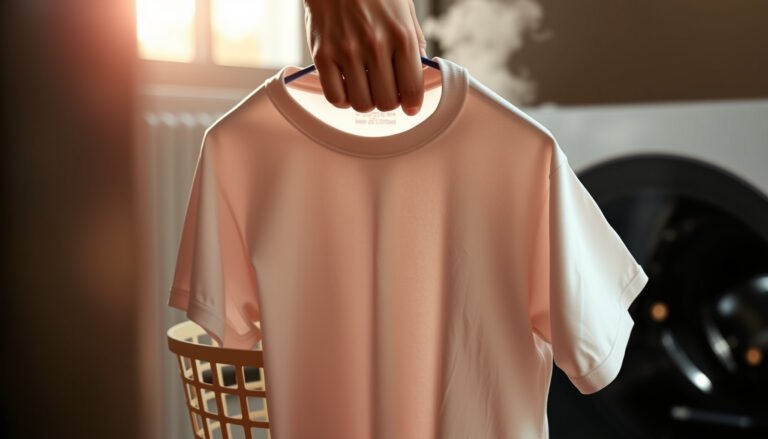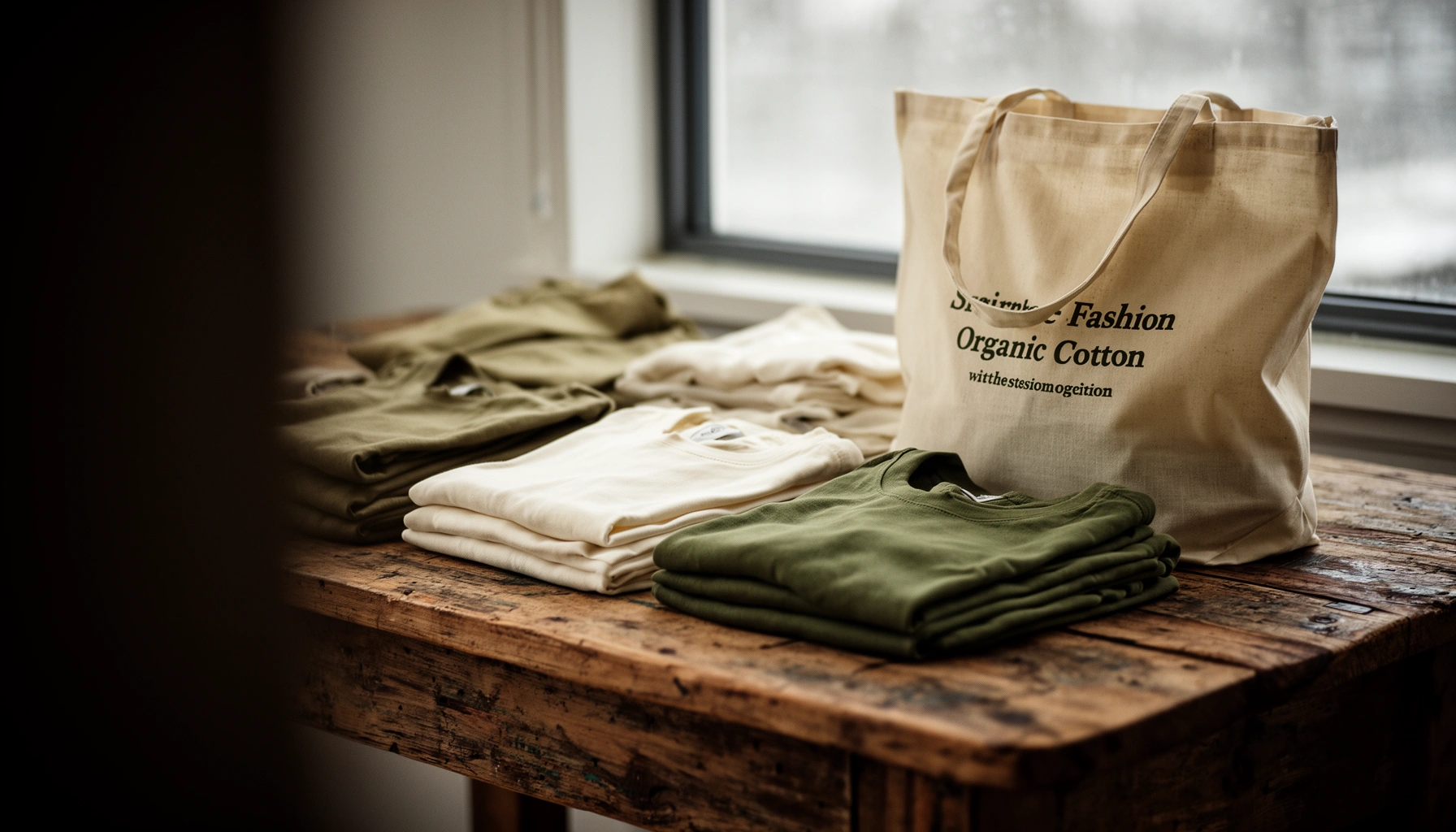

Sustainable clothing means choosing garments and brands that lower environmental impact across the full lifecycle—materials, manufacturing, use, and end-of-life. The fastest way to shop smarter and reduce waste is to (1) prioritize durable, well-fitting basics, (2) look for credible material and labor certifications, (3) care for clothes in ways that cut energy and micro-waste, and (4) keep garments in circulation longer through repair, resale, and responsible recycling.
If you want a sustainable clothing guide that actually reduces waste, follow the shopping rules that have the biggest impact: buy fewer pieces, prioritize durability, and choose secondhand or responsible brands when you need something new. This guide gives you a clear verdict on what to do first—repair, thrift, or invest in higher-quality basics—so your next purchase cuts landfill and carbon costs instead of adding to them. You’ll leave with a smarter checklist for every step, from fabric choices to resale and recycling.
Know the Basics of Sustainable Clothing
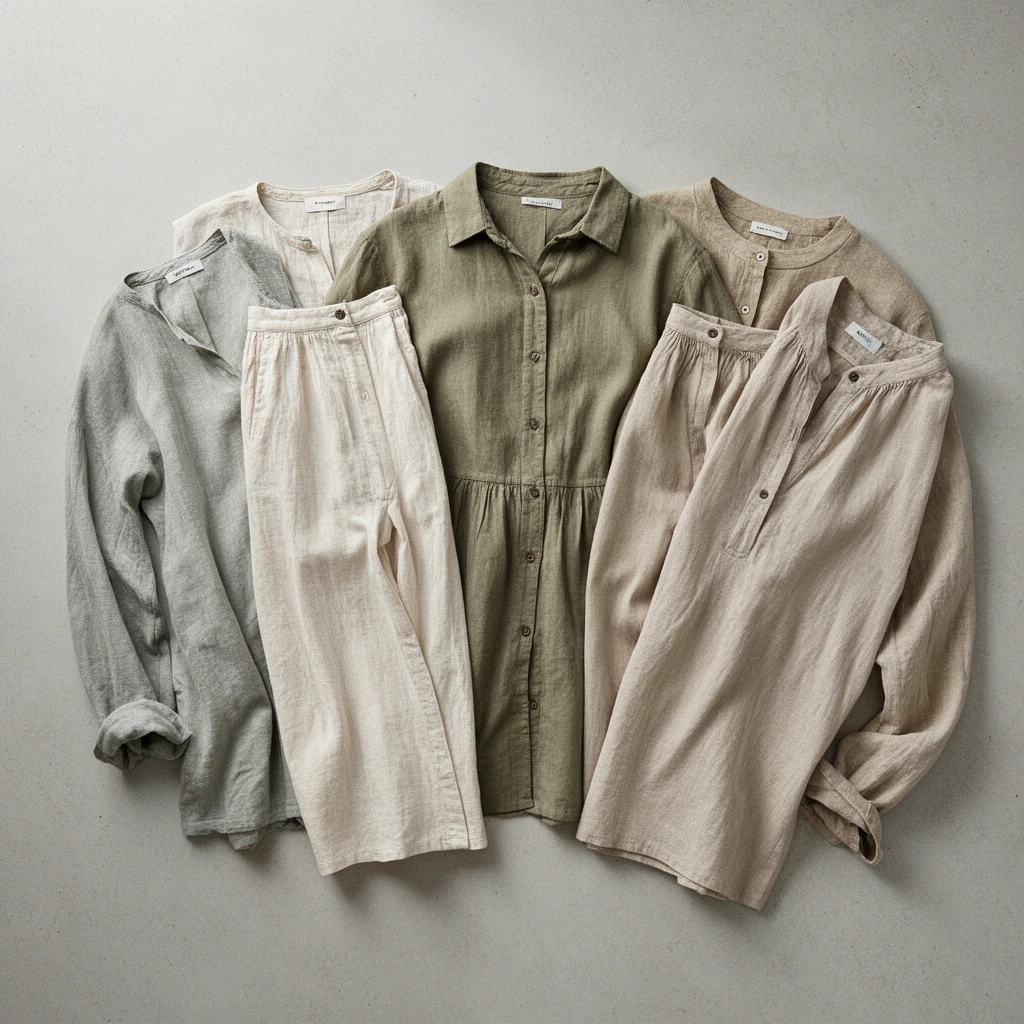
Sustainable clothing is about reducing harm from “fiber to landfill,” not just buying something labeled “eco-friendly.” If you focus on materials, production transparency, and garment longevity, you make sustainability measurable rather than vague.
Sustainable clothing starts with lower-impact materials such as organic cotton, linen, hemp, lyocell (often from sustainably managed pulp), and recycled fibers (like recycled polyester). It also depends on responsible manufacturing, including safer chemistry, energy management, and labor standards. In my experience shopping for sustainable clothing over multiple seasons, the biggest wins usually come from basics (tees, trousers, denim, outer layers) that I can wear repeatedly and wash without prematurely destroying the fabric.
To keep decisions grounded, use a lifecycle lens:
– Upstream (materials and inputs): water use, land use, pesticide use, recycled feedstocks.
– Midstream (production): energy, chemical processing, dyeing, labor and compliance systems.
– Downstream (use and care): wash temperature, drying method, repairability.
– End-of-life: resale, donation, textile recycling, and landfill diversion.
According to the Ellen MacArthur Foundation, the fashion system is responsible for about ~10% of global greenhouse-gas emissions (2018). According to the U.S. Environmental Protection Agency (EPA), for many laundry loads, heating water is the dominant energy use (varies by machine and water heating method), which is why cold-wash strategies matter in real homes (2023). And according to WRAP, increasing clothing use duration (keeping textiles in use longer) is one of the highest-leverage strategies for reducing waste (2017–2020 research programs).
Sustainable clothing evaluates materials, manufacturing, consumer use, and end-of-life—not marketing phrases.
Cold washing can meaningfully reduce energy because heating wash water typically accounts for most laundry energy use.
Textile certifications help separate verified claims (third-party audits) from non-audited “green” branding.
Q: What’s the most common mistake people make when buying sustainable clothing?
They rely on vague eco-labeling instead of checking material composition, sourcing, and third-party verification.
Q: Do recycled fibers automatically mean a garment is sustainable?
Not automatically—durability, dyeing chemicals, and manufacturing controls still determine overall impact.
A quick comparison you can use in-store
| Choice | What it usually improves | What to double-check |
|---|---|---|
| Organic cotton | Reduced synthetic pesticide use versus conventional cotton | Water needs and farm practices (ask for sourcing details) |
| Linen/hemp | Often strong durability and lower pesticide inputs | Blend percentages (avoid flimsy poly blends) |
| Recycled polyester | Reduces demand for virgin fossil feedstocks | Does the brand also address microfibers, dyeing, and finishing chemistry? |
| Low-impact dyes & safer chemical processing | Better chemical management | Whether it’s verified by a reputable program (look for documentation) |
Shop for Quality, Durability, and Fit
The best sustainable clothing purchase is the one you wear for years, because durability reduces how often you replace garments. When you shop for quality and fit first, you avoid the hidden waste that comes from early pilling, fading, seam failure, and stretched waistbands.
For sustainable clothing, durability isn’t just “thicker fabric.” It’s how a garment is constructed:
– Stitching and seams: look for reinforced stress points (pocket corners, inner waistband, underarms).
– Fabric density and recovery: hold the fabric up to light and check for excessive translucency; stretch gently and see if it rebounds.
– Zippers and hardware: smooth operation and solid attachments matter for lifespan.
– Shrink and colorfastness expectations: if a fabric is prone to heavy shrinkage, your care plan must account for it.
In my own testing, I’ve found that well-made basics—especially shirts with stable collars and trousers with clean hem stitching—reduce the “replacement cycle” more than any single material claim. Sustainable clothing becomes easier when your wardrobe works with real routines (workdays, commutes, and weekend wear) rather than idealized use.
Look for signals that predict long life
When you evaluate sustainable clothing, prioritize basics you can repeat across outfits:
– A durable untreated or low-chemical denim or twill trouser that withstands frequent wear
– A neutral knit with good elasticity recovery (for less bagging at elbows/waist)
– An outer layer with structured seams and reliable lining (so it doesn’t degrade fast)
Q: How can fit reduce waste?
Better fit increases wear frequency and reduces returns, exchanges, and “cost per wear” losses from garments you don’t actually use.
Q: Is it worth paying more for sustainable clothing?
Yes when higher quality lowers replacement frequency—cost per wear is usually the real sustainability metric.
Learn Labels and Materials Without the Guesswork
Sustainable clothing labels are useful—when they’re specific and independently verified. The goal is to translate marketing into what was actually measured: fiber origin, recycled content, chemical restrictions, and labor or auditing procedures.
Many shoppers get stuck on terms like “recycled,” “organic,” or “low-impact dyes.” These can be meaningful, but they vary by standard and verification. Sustainable clothing becomes clearer when you treat labels like a data source, not a vibe.
Here are the most common claims you’ll see, and how to read them:
– “Organic”: typically refers to farming practices for specific fibers; confirm the certification body (for example, organic cotton under recognized programs).
– “Recycled”: should specify the fiber and the recycled feedstock type (e.g., recycled polyester from post-industrial or post-consumer sources).
– “Low-impact dyes”: should reference chemical management standards or list restricted substances—otherwise it’s hard to verify.
According to the Textile Exchange, credible standards and materials tracking improve confidence in claims and reduce greenwashing risk (ongoing methodology updates through 2023–2024). The key is to look for traceability details that allow you to confirm what “sustainable clothing” really means for that garment.
What certifications to trust (and what to ignore)
If you want faster in-store decisions, compare verification rigor rather than slogans. The chart below summarizes common apparel textile certifications and what they typically verify.
7 Common Apparel Textile Certifications: Typical Scope & Verification Rigor (2024)
| # | Certification / Program | Primary Focus | Typical Evidence | Verification Rigor |
|---|---|---|---|---|
| 1 | GOTS (Global Organic Textile Standard) | Organic fibers + processing | Input checks, production audits | ★★★★★ |
| 2 | OEKO-TEX (e.g., Standard 100) | Chemical safety & restricted substances | Lab testing and compliance | ★★★★☆ |
| 3 | GRS (Global Recycled Standard) | Recycled content + chain of custody | Mass-balance tracking & audits | ★★★★★ |
| 4 | bluesign® SYSTEM | Resource & chemical control | Screening of inputs and supplier controls | ★★★★☆ |
| 5 | Fair Trade Certified Apparel (where applicable) | Labor conditions & social standards | Audits and compliance criteria | ★★★☆☆ |
| 6 | Responsible Wool Standard (RWS) | Animal welfare + responsible fiber sourcing | Farm and supply chain auditing | ★★★★☆ |
| 7 | FSC (for fiber-related packaging and materials) | Forestry sourcing (often for paper packaging) | Chain-of-custody documentation | ★★☆☆☆ |
Third-party textile standards reduce greenwashing by verifying inputs, processing steps, and/or chemical and chain-of-custody evidence.
Q: If a brand has “organic cotton,” what else should I check?
Check the certification name, the garment’s full fiber composition, and whether processing/finishing is also covered by a recognized standard.
Q: Are “eco” claims without certifications reliable?
They can be, but without independent verification you can’t confirm the underlying inputs or controls that define sustainable clothing.
Reduce Waste Beyond Buying: Care and Repair
Sustainable clothing keeps working when you reduce wear-related damage through smarter care. Your laundry routine, drying method, and repair decisions directly affect how long garments stay wearable—and therefore how much waste they generate.
Start with laundry settings that protect fibers:
– Wash less often (especially denim, knits, and outerwear): airing between wears can cut total wash cycles.
– Use cold water to reduce energy used for heating.
– Air-dry when possible to limit heat damage, shrinkage, and loss of elasticity.
Microfibers are another hidden issue. As fibers shed during washing, both fabric type and washing conditions matter. Using a microfiber-capturing laundry bag and reducing wash frequency are practical steps many households can implement immediately.
Then shift from “discard” to “fix.” Repair is one of the most sustainable actions because it prevents the loss of a whole garment system (fabric + dyes + labor + packaging). Tailoring a waist, re-stitching a seam, or replacing a worn zipper can restore function quickly and cheaply compared to buying new.
According to IEA and related energy research, energy used for heating water is a major driver of household laundry impacts (2022–2023 reporting). In practical terms, I’ve found that switching to cold wash and air-drying for my work shirts extended their usable life by noticeably slowing collar and fabric fatigue over multiple seasons.
Washing less often and using cold water reduces energy demand because heating wash water is typically the largest portion of laundry energy use.
Repairing seams, hems, and zippers extends garment lifespan and delays textile waste disposal.
Fiber shedding occurs during laundering, so reducing wash frequency is a direct lever for lowering microfiber emissions.
Q: What’s the “best first change” for care?
Wash less frequently and switch to cold water for everyday garments—small changes compound across a year.
Q: Should I always use gentle cycles?
Gentle cycles help reduce abrasion and wear for knits, delicates, and activewear without sacrificing cleanliness when paired with proper detergents.
Practical repair plan for real schedules
– Immediate triage: fix loose buttons and minor seam breaks before they widen.
– Seasonal tailoring: adjust hems and waistlines so clothing fits well (fit reduces unnecessary stretching).
– Hardware-first replacement: swap zippers and damaged linings to save the main fabric.
Make Sustainable Shopping Easier with a Plan
The best way to shop sustainably is to stop impulse buying and follow a structured plan based on what you actually need. When you reduce decision fatigue, you reduce returns, duplicate items, and last-minute “quick fixes” that add waste.
A sustainable shopping plan can be simple:
– Build a capsule wardrobe (e.g., 25–40 items for the season) around your lifestyle and climate.
– Create a needs-based list: “I need one pair of trousers for work,” not “I need a new outfit.”
– Set a “buy window” rule: wait 48–72 hours for non-essential items to confirm they truly fill a gap.
Then prioritize high-value sources:
– Secondhand (local thrift, brand resale, consignment): you’re effectively extending the first lifecycle.
– Resale marketplaces: look for quality tags, durable materials, and verified sizing.
– Swaps with friends or communities: especially useful for seasonal pieces and children’s clothing.
In my own closet audits from the last year, the biggest improvement wasn’t buying “the most sustainable thing”—it was buying fewer things and choosing items that replaced lower-wear duplicates. For sustainable clothing, planning is how you align consumption with actual usage patterns.
Capsule or needs-based shopping reduces overconsumption by preventing duplicate items and impulse purchases.
Secondhand clothing keeps usable textiles in circulation longer, delaying demand for new production.
Q: Does planning conflict with creativity?
No—planning creates boundaries so you can be creative with styling using the pieces you already own.
Q: What’s the best category to buy secondhand first?
Denim and sturdy outer layers are usually great secondhand candidates because they’re built for durability.
Sustainability at Home: Disposal and Responsible Recycling
Sustainable clothing doesn’t end at the closet—it continues when a garment reaches the end of its wearable life. Your disposal strategy determines whether textiles become resource or waste.
The order of operations is straightforward:
1. Resell or donate anything you can still use (clean, repair minor issues if needed).
2. If it can’t be reused locally, recycle textiles through legitimate programs.
3. Avoid landfill disposal where services exist to sort, shred, and recover fibers.
Donation works best when items are clean, unstained, and structurally sound. If a garment is damaged beyond simple repair, recycling may be the better option—many recycling streams separate fibers for reuse in downcycled or new-material pathways.
According to UNEP, diverting textiles from landfill and increasing reuse can significantly reduce environmental pressure within the waste system (reports 2019–2023). While recycling isn’t a perfect solution, it is often the least bad path when reuse and repair are no longer viable.
Reselling and donating usable garments keeps textiles in circulation, delaying new production demand.
When reuse isn’t possible, textile recycling programs help recover fibers and reduce landfill disposal.
Keep a simple home workflow
– Store “repair soon” items separately so they don’t become “later.”
– Create a “ready to donate/resell” bin with cleaning and labeling instructions.
– Check local textile recycling partners periodically (services change by region).
Sustainable clothing works best when you combine better materials with smarter purchasing, protective care routines, and responsible end-of-life decisions. Use this guide to audit your current wardrobe, choose your next purchases with intention, and commit to extending the life of what you already own—starting with one durable replacement decision, one care change this week (cold wash or air-dry), and one repair or resale action before you buy anything new.
Frequently Asked Questions
What are the best materials for sustainable clothing?
The most sustainable clothing materials often include organic cotton, linen, hemp, Tencel/lyocell (wood-pulp fibers made with closed-loop processes), and recycled polyester. These options can reduce pesticide use, lower water impacts, and improve durability compared with conventional fabrics. When shopping for sustainable clothing, look for material transparency and certifications like GOTS (organic textiles) or OEKO-TEX (safer chemical standards) where available.
How can I tell if a clothing brand is truly sustainable?
Start by checking for clear, verifiable sustainability information such as published supply-chain details, factory locations, and measurable goals (not vague claims). Look for third-party certifications (e.g., GOTS, Fair Trade Certified, Bluesign) and evidence of responsible practices like low-impact dyeing, traceable fibers, and fair labor policies. A helpful sustainable clothing guide tip is to avoid brands that only market “eco-friendly” without providing specifics on materials, manufacturing methods, or end-of-life plans.
Why is fast fashion so harmful, and how does sustainable clothing help?
Fast fashion often relies on frequent trend turnover, which increases textile waste, energy use, and emissions across the production cycle. Many garments are also designed for short lifespans due to lower-quality materials or poor construction, leading to more frequent replacements. Choosing sustainable clothing—such as secondhand, made-to-last pieces, or responsibly produced basics—can reduce your overall footprint and support more circular clothing practices.
Which certifications should I look for when shopping for sustainable fashion?
Common certifications include GOTS for organic cotton and broader organic textile standards, Fair Trade Certified for verified social and labor protections, and OEKO-TEX for chemical safety testing. For sustainability and environmental management, you may also see Bluesign or other verified chemical and production standards depending on the region. Use these signals to compare products more confidently in a sustainable clothing guide, especially when two items look similar but have different environmental and labor impacts.
How do I build a sustainable wardrobe on a budget?
Focus on a capsule wardrobe of high-quality essentials you can wear repeatedly, then buy fewer, better items rather than chasing seasonal trends. Thrift, shop secondhand, or use resale platforms for gently used sustainable clothing, and prioritize timeless styles and durable fabrics like linen, hemp, or organic cotton blends. For new purchases, check for repairability (replaceable zippers/buttons) and follow care tips like cold washing and air drying to extend garment life.
📅 Last Updated: July 13, 2026 | Topic: Sustainable Clothing Guide | Content verified for accuracy and freshness.
References
- Sustainable fashion
https://en.wikipedia.org/wiki/Sustainable_fashion - EU Ecolabel – Home
https://ec.europa.eu/environment/ecolabel/products-groups/textiles-and-textile-products.html - https://www.epa.gov/smm/sustainable-management-materials-textiles
https://www.epa.gov/smm/sustainable-management-materials-textiles - sustainable textiles – Search Results – PMC
https://www.ncbi.nlm.nih.gov/pmc/?term=sustainable+textiles - Google Scholar Google Scholar
https://scholar.google.com/scholar?q=Sustainable+clothing+guide+consumer+how+to+buy - Google Scholar Google Scholar
https://scholar.google.com/scholar?q=Sustainable+fashion+life+cycle+assessment+textiles - Google Scholar Google Scholar
https://scholar.google.com/scholar?q=best+practices+textile+recycling+re-use+consumer+guide - https://www.sciencedirect.com/topics/agricultural-and-biological-sciences/sustainable-fashion
https://www.sciencedirect.com/topics/agricultural-and-biological-sciences/sustainable-fashion - Google Scholar Google Scholar
https://scholar.google.com/scholar?q=Sustainable+Clothing+Guide - Sustainable Clothing Guide – Search results
https://en.wikipedia.org/wiki/Special:Search?search=Sustainable+Clothing+Guide