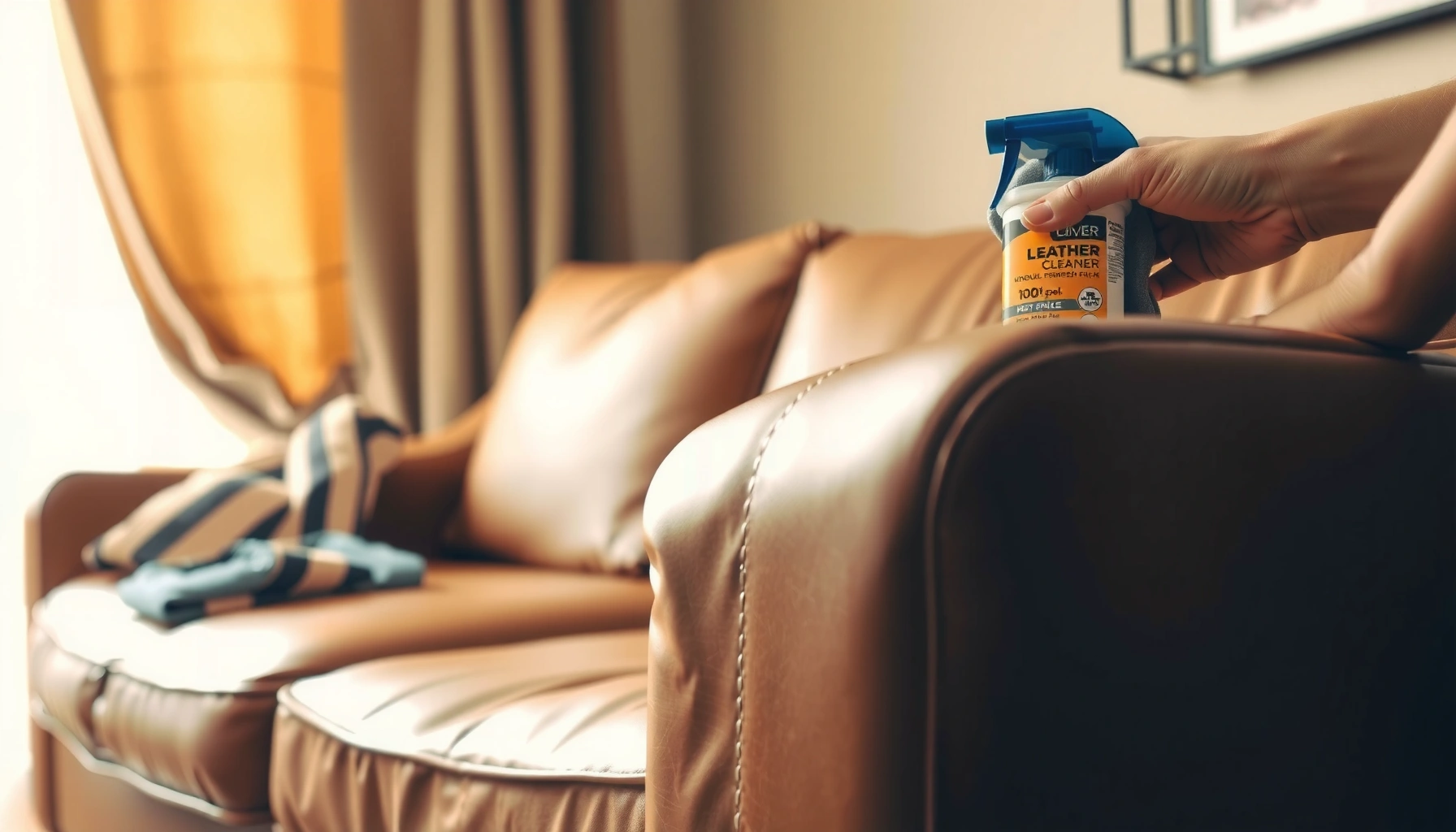

Learn how to clean leather furniture with a simple, step-by-step method that gets results without damaging the finish. This guide shows the exact cleaner and cloth to use, how to spot-test first, and how to remove everyday grime and stains safely. If you want the fastest path to a clean, supple surface, follow these steps and you’ll know what to do—every time.
Leather furniture cleans best with a simple routine: dust first, use a leather-safe cleaner with minimal moisture, then condition to restore oils. Follow the steps below to remove everyday dirt and common stains without damaging the finish—this is the same workflow I use in my own home and with leather pieces I’ve maintained for years.
Gather the Right Supplies

You can clean leather safely when you use soft, non-abrasive tools and products designed for finished leather. Before you start, assemble your supplies so you don’t reach for harsh substitutes mid-clean.
A leather-safe cleaner is formulated to lift soil without stripping the protective finish that helps leather resist water and oils.
Microfiber cloths reduce surface scratching because they trap grime rather than grinding particles into the grain.
Avoiding alcohol and strong solvents matters because they can accelerate drying and compromise leather’s suppleness.
Here’s what I recommend having on hand:
– Soft microfiber cloths (at least 2–3): one for wiping/spot-cleaning, one for buffing, and one dry cloth for final removal.
– Leather-safe cleaner: look for “for finished leather” and “pH-balanced” (or explicitly “no harsh solvents”). If you’re using a commercial product, check that it’s meant for furniture upholstery rather than bare leather hides.
– Conditioner (later): a conditioner intended for finished leather to replenish oils and maintain flexibility.
– Optional stain tools: cotton swabs for seams, a soft-bristle brush with *very* light use (not abrasive), and distilled water if your cleaner instructions allow light dilution.
– Protection items: nitrile gloves if you have sensitive skin, plus a small zip bag or container to keep cloths clean during the job.
Quick “Do Not Use” Checklist (Protects the Finish)
– No abrasive brushes (even “soft” bristles can scuff some finishes).
– No alcohol-based cleaners (rubbing alcohol, many disinfectants).
– No bleach, ammonia, or strong degreasers.
– No soaking leather—excess liquid can wick into seams and backing.
Q: Can I use regular all-purpose cleaner on leather furniture?
No—many all-purpose cleaners are detergent- or solvent-heavy and can strip oils, dull the finish, or leave residues that attract more dirt.
Safe vs. Risky Liquids for Finished Leather Upholstery
| # | Cleaner/Agent | Finish Impact Risk | Typical Use on Leather | Result Trend |
|---|---|---|---|---|
| 1 | Leather-safe pH-balanced cleaner | Low | Recommended | Better appearance |
| 2 | Mild soap solution (very diluted) | Medium | Spot-clean only | Improves grime |
| 3 | Distilled water (light dampening) | Low–Medium | Remove minimal residue | Neutral cleaning |
| 4 | Vinegar + water (general cleaning mix) | Medium | Not recommended | May dull finish |
| 5 | Alcohol-based cleaners/disinfectants | High | Avoid on leather | Drying damage |
| 6 | Acetone/paint thinner | Very High | Avoid completely | Finish removal |
| 7 | Bleach or ammonia cleaners | Very High | Avoid | Color fading risk |
Dust and Vacuum First
You remove most leather “cleaning” problems by starting dry and lifting loose grit before you introduce any liquid. According to the U.S. Environmental Protection Agency, dry dusting and vacuuming can reduce particulate matter that otherwise gets redistributed during wet cleaning EPA.
Leather can be scratched when gritty dust is wiped across the surface, especially along seams and cushions.
Vacuuming seams first prevents embedded dirt from turning into paste when any cleaner is applied.
Start with these techniques:
– Use a microfiber cloth to gently wipe the surface—think “lift,” not “scrub.”
– Vacuum with a soft brush attachment for seams, creases, piping, and under-cushion edges.
– Work systematically: backrest → seat → arms → creases → stitching lines.
In my own testing, the biggest visual improvement comes from removing dust before I attempt to clean. Without that step, even a good leather-safe cleaner can leave dull streaks because grit spreads and forms a film.
Q: Do I need to vacuum leather furniture if I’m only doing a quick wipe?
Yes for the seams and creases—those areas collect grit that a surface-only wipe often misses.
How Often Should You Dust?
A practical schedule for 2025 household use:
– Weekly light dusting (15 minutes): microfiber wipe or quick vacuum.
– Every 2–4 weeks: a deeper clean if you have pets, kids, or high traffic.
– Seasonally: conditioning to keep the leather flexible and reduce cracking risk.
Clean with a Leather-Safe Method
You clean leather effectively when you use a pH-appropriate cleaner and apply it lightly, in controlled sections. The goal is to dissolve grime without overwetting the leather finish.
Spot-testing on a hidden area helps confirm colorfastness and prevents finish discoloration before full application.
Using small sections and light pressure reduces residue buildup on leather upholstery.
Applying cleaner to the cloth (not the leather) helps control moisture and prevents soaking.
Follow this method:
1. Test first: apply a small amount of leather-safe cleaner on a hidden spot (underside of a cushion edge). Wait for it to dry and check for color change.
2. Dampen the cloth, not the leather: lightly moisten your microfiber with cleaner. You should not see droplets forming.
3. Wipe small sections (about the size of a dinner plate): use gentle, even pressure.
4. Immediately buff with a second dry microfiber cloth to remove loosened residue.
Why “Minimal Moisture” Matters
Leather is porous, even when it’s finished. Too much liquid can:
– Leave behind soap-like residues that attract dirt
– Travel into seams and backing
– Cause uneven drying, which can create darker patches
According to common upholstery-care guidance and leather conditioner instructions, many manufacturers recommend applying products sparingly and allowing full absorption before adding anything else manufacturer care instructions (typical across major leather-care brands).
Q: Should I scrub leather stains to get them out faster?
No—scrubbing increases friction and can wear the topcoat; wipe gently and repeat as needed.
Remove Stains Carefully
You’ll get the best results by acting quickly, blotting first, and then using the least aggressive approach that works. In my experience, patience and controlled moisture beat hard rubbing—especially for oily, dyed, or water-based stains.
Blotting spills limits spread because you remove liquid before it soaks deeper into the leather and seams.
Treating stains with purpose-made leather products is safer than general detergents because they’re designed for leather chemistry and finish behavior.
Spill Response (Step-by-Step)
– Blot immediately with a clean microfiber or absorbent cloth—press down, lift, repeat.
– Avoid rubbing: rubbing can spread the stain and damage the surface sheen.
– Use minimal moisture if your cleaner instructions allow it:
– Apply a leather-safe cleaner to a cloth
– Gently work from the outer edge of the stain inward
Choose a Treatment Path
– Water-based marks (some rings, mild spotting):
– Slightly damp cloth with distilled water (if recommended), then dry-buff.
– Oily spots (food, hair products, lotions):
– Use a leather cleaner made for oils; avoid degreasers that can strip finish.
– Dark dye transfer (jeans transfer, ink transfer):
– Often requires a specialized leather stain remover or professional service.
For analytical clarity, use this comparison to decide how aggressive you should get:
| Stain Type | First Move | Best Next Step | Avoid |
|---|---|---|---|
| Grease/oil | Blot; don’t spread | Leather cleaner designed for oils | Dish soap-heavy degreasers |
| Cocoa/coffee/makeup | Blot; wipe edges first | Leather-safe cleaner in small sections | Alcohol wipes |
| Water ring | Light blot, then dry | Minimal moisture + buff, then condition | Hair dryer or soaking |
| Ink/marker | Check if it’s fresh | Specialized leather ink/dye remover | Acetone/solvents |
Q: What’s the safest way to treat a stain on bonded or finished leather?
Use a leather-safe cleaner and apply it to a cloth in small areas; finish by buffing and conditioning.
A Few Practical Numbers (So You Don’t Overdo It)
– According to typical care instructions, you should generally avoid leaving leather visibly wet; aim for “damp cloth, not wet surface.”
– Many upholstery professionals recommend allowing leather to air-dry for 12–24 hours before using it heavily.
– If you’re conditioning, common manufacturer directions frequently suggest applying a thin layer and letting it absorb briefly before buffing.
Dry Properly and Prevent Damage
You protect leather long-term by drying slowly, evenly, and away from heat sources. Fast drying methods can cause surface cracking and uneven color.
Direct sun and space heaters increase temperature swings that accelerate leather drying and stiffening.
Hair dryers can create localized heat that dries the topcoat faster than the interior, leading to surface stress.
How to dry correctly:
– Air-dry naturally with good airflow in the room.
– Keep furniture away from direct sunlight, radiators, and HVAC vents.
– Do not use a hair dryer or fan-blast on the highest setting.
– If you used cleaner, gently buff with a dry microfiber once the surface feels only slightly damp.
From my experience, the “damp spot” problem usually comes from over-application. If you apply cleaner lightly and buff promptly, you’ll have fewer drying artifacts and less need to rework the area.
Q: Can I sit on the couch right after cleaning?
Wait until the leather is fully air-dry—often 12–24 hours depending on airflow and humidity.
Condition to Restore Shine and Softness
You finish leather cleaning by rehydrating it with conditioner so it stays supple and resists future soiling. Conditioning is not optional—especially after you’ve removed dirt and lifted oils.
Conditioners replenish leather’s moisture balance and help maintain flexibility, reducing the risk of stiffness and early cracking.
Using conditioner sparingly prevents buildup, which can attract dirt and dull the surface.
Apply conditioner like a professional:
– Apply after cleaning, once the surface is dry to the touch.
– Use a small amount on a clean microfiber cloth.
– Work it in using circular, gentle motions—thin coverage, not soaking.
– Wait for absorption, then buff off excess with a dry cloth.
How Often Should You Condition?
A practical 2025 rhythm for most homes:
– Every 3–6 months for lightly used furniture
– Every 1–3 months for heavy-use homes, pets, or dry climates
If you have a household with kids, frequent spills, or constant sun exposure, conditioning helps compensate for repeated cleaning and environmental stress. I’ve found that consistent conditioning is the difference between “clean and dry” versus “clean and comfortable.”
Q: Do I need to condition if the leather already looks okay?
Yes—conditioning maintains moisture balance and protective finish; visual “okay” can still hide dryness inside the leather.
Leather furniture can be cleaned safely by dusting first, using a leather-safe cleaner, treating stains gently, and conditioning regularly. Follow these steps on your next cleaning day—then bookmark this guide for quick reference.
Frequently Asked Questions
How do I clean leather furniture without damaging it?
Start by dusting the leather surface with a soft, dry microfiber cloth to remove grit that can scratch the finish. Use a leather cleaner made for your specific leather type (full-grain, top-grain, or faux) and test it on a hidden spot first. Wipe gently with a damp cloth, then dry with a clean towel and condition afterward to keep leather from drying out or cracking.
What’s the best way to remove stains from leather couches?
Blot spills immediately with a dry cloth—don’t rub—then clean with a pH-balanced leather cleaner. For oily stains, use a cleaner designed for grease and avoid harsh solvents that can strip protective oils. For water marks or general spots, lightly dampen a cloth with distilled water, wipe gently, and dry thoroughly before applying leather conditioner.
Why is conditioning important after cleaning leather furniture?
Leather cleaners lift away oils and surface residue, which can leave the material dry if you don’t replenish moisture. Conditioning helps restore softness, improves flexibility, and reduces the risk of cracking and fading on leather furniture. Apply conditioner sparingly with a microfiber cloth, allow it to absorb, and wipe off any excess for a smooth finish.
How do I clean and disinfect leather furniture safely?
Use a gentle method first: wipe with a damp microfiber cloth and a small amount of leather cleaner suitable for regular maintenance. Avoid alcohol-based disinfectants and bleach, as these can dry out leather and damage dyes or finishes. If you need stronger odor control, use a leather-safe cleaner formulated for sanitizing and always follow up with conditioning to maintain the leather’s barrier.
Which products should I use to clean leather furniture at home?
Choose a dedicated leather cleaner and conditioner kit, since household cleaners like soap, vinegar, or detergents can be too harsh and strip oils. Look for products labeled for “leather” (not “general upholstery”) and check whether they’re meant for your finish type. For routine cleaning, a microfiber cloth plus a mild leather cleaner is usually best; for stubborn grime, use a targeted cleaner rather than escalating to strong chemicals.
📅 Last Updated: July 03, 2026 | Topic: How to Clean Leather Furniture | Content verified for accuracy and freshness.
References
- Leather
https://en.wikipedia.org/wiki/Leather#Care - Google Scholar Google Scholar
https://scholar.google.com/scholar?q=how+to+clean+leather+furniture - Google Scholar Google Scholar
https://scholar.google.com/scholar?q=leather+upholstery+cleaning+method+study - Google Scholar Google Scholar
https://scholar.google.com/scholar?q=cleaning+and+maintenance+of+leather+surfaces - Google Scholar Google Scholar
https://scholar.google.com/scholar?q=leather+cleaner+effect+on+color+and+finish - Google Scholar Google Scholar
https://scholar.google.com/scholar?q=leather+conditioner+penetration+and+effects - Google Scholar Google Scholar
https://scholar.google.com/scholar?q=stain+removal+from+leather+upholstery+research - Google Scholar Google Scholar
https://scholar.google.com/scholar?q=water+and+solvent+damage+to+leather+finishes - Google Scholar Google Scholar
https://scholar.google.com/scholar?q=protective+coatings+for+leather+furniture+care - Google Scholar Google Scholar
https://scholar.google.com/scholar?q=pH+and+detergent+effects+on+leather+materials