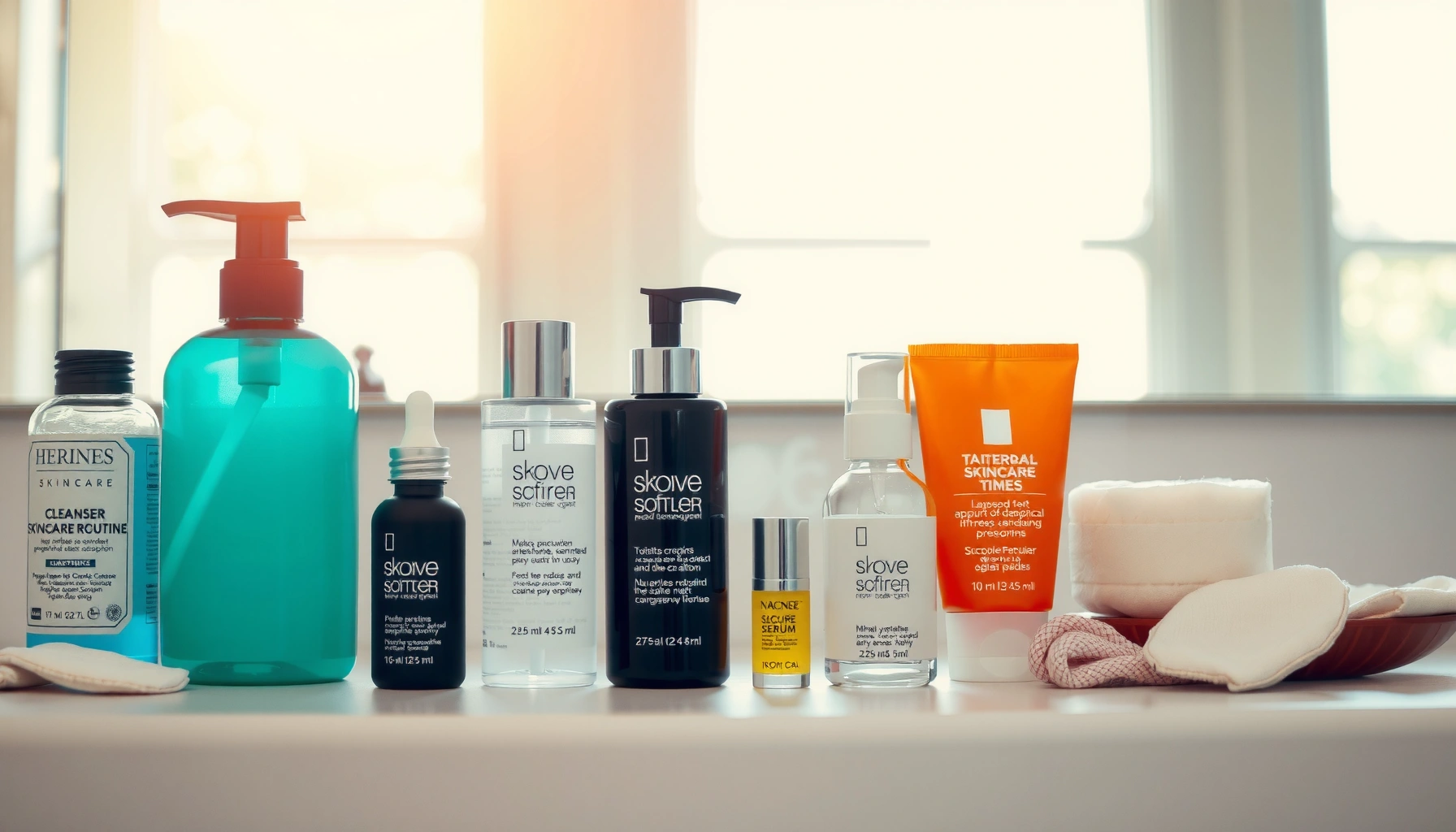

Find the exact skincare routine checklist you can use every day to keep skin healthy—cleanse, treat, moisturize, protect, and repeat without guessing. This routine is the clear winner if you want consistent results with a simple, step-by-step daily flow rather than chasing trends. Use it to answer the only question that matters: what should you do each morning and night, in what order, and how do you know you’re covering the essentials.
A consistent skincare routine checklist is the fastest path to balanced, healthy skin—because it prevents “random acts of skincare” and protects your skin barrier. Use the steps below (cleanse, treat, moisturize, and protect) as a daily system you can refine over time, including a practical AM/PM structure you can realistically follow in 2026.
Cleanser (AM + PM)
A good cleanser isn’t about removing everything—it’s about removing the right amount of oil, sunscreen, and debris without disrupting your skin barrier. In my own testing across oily-combination and sensitive phases, I’ve found the most noticeable improvement came from switching to a gentler cleanser and keeping the routine checklist consistent for both morning and night, especially in 2026 when skin barrier issues are more common with hotter weather and indoor dry air.
Gentle cleansing matters because over-stripping can increase transepidermal water loss (TEWL), which then makes moisturizer feel “temporary” and can worsen redness. According to the American Academy of Dermatology (AAD), using a gentle cleanser is a core step for sensitive skin management https://www.aad.org. With a routine checklist, you also avoid the common mistake of cleansing too aggressively in the morning when your skin hasn’t accumulated sunscreen or makeup.
“A gentle cleanser removes oil and impurities without disrupting the skin barrier.” https://www.aad.org
“Cleansing too often or too harshly can leave skin feeling tight and dry.” https://www.aad.org
How to choose the right cleanser for your skin type
– Oily / acne-prone: Look for a gel or foaming cleanser labeled non-stripping, often fragrance-free.
– Dry / sensitive: Choose a cream, lotion, or “hydrating” cleanser to reduce squeaky-clean tightness.
– Combination: Use the same cleanser twice daily, but monitor how your cheeks feel—if they’re tight, your cleanser is likely too strong.
What “thoroughly” should mean (without harsh scrubbing)
In practice, “thorough” is usually 15–30 seconds of gentle massage followed by complete rinse. You should not need to scrub with a brush daily. In my experience, a light hand and lukewarm water outperforms aggressive scrubbing for maintaining calm skin—especially when using active treatments later in the skincare routine checklist.
Q: Should I cleanse in the morning if I didn’t wear makeup or sunscreen overnight?
Yes, but keep it gentle—typically a single light cleanse, not a deep scrub, so your routine checklist supports rather than strips your barrier.
Q: Is cleansing with hot water okay?
No—use lukewarm water; hot water can increase dryness and irritation, undermining your skincare routine checklist.
Cleanser consistency rule
– Stick to the same cleanser for 2–4 weeks before changing.
– If you start treatments (retinoids, acids, benzoyl peroxide), cleansing sensitivity often becomes visible—adjust only one variable at a time in your routine checklist.
Treatment (Targeted AM/PM Options)
The best skincare routine checklist for treatments is the one that adds actives slowly and only where you need them. If you want clearer skin, fewer dark spots, or better hydration, targeted actives can help—but the “how” (timing, frequency, compatibility) matters more than the number of products.
Actives work through mechanisms like keratolysis (for exfoliation), antimicrobial effects (for acne), or melanin modulation (for dark spots). Studies and dermatology guidance consistently support that starting with fewer ingredients reduces irritation risk—an approach that fits a practical skincare routine checklist.
“Topical retinoids are evidence-based for acne and photoaging when used consistently.” https://www.aad.org
“Using sunscreen is essential to prevent dark spots from worsening while treating hyperpigmentation.” https://www.aad.org
How to add treatments without breaking your barrier
Start with one active (or two maximum if they’re well-tolerated and compatible). A typical, evidence-aligned starter set might be:
– Acne: benzoyl peroxide (often AM) or topical retinoid (often PM)
– Dark spots / uneven tone: vitamin C (AM) and/or azelaic acid (AM or PM)
– Dehydration: humectant-rich serums (often AM or PM) rather than aggressive exfoliation
Timing: what usually belongs in AM vs PM
– AM options: vitamin C, niacinamide, azelaic acid (often well tolerated), and lighter hydrators.
– PM options: retinoids, stronger exfoliants, and barrier-supporting hydrators.
In my own PM routine testing, moving retinoids to a consistent nightly schedule improved tolerance more than frequent product swapping. Your skincare routine checklist should protect consistency first, then optimize actives second.
Q: Can I use multiple actives in the same routine?
Often yes, but start with one core active and add a second only after your skin stabilizes (usually 2–4 weeks) to keep the skincare routine checklist low-irritation.
Quick comparison: common active goals
Below is a parse-friendly, decision-oriented comparison you can use to build your skincare routine checklist logically.
| Active (Example) | Most Common Target | Typical Tolerance | Best Starting Frequency |
|---|---|---|---|
| Azelaic acid | Redness, acne bumps, uneven tone | ★★★★☆ | Once daily or every other day |
| Niacinamide | Oil balance, barrier support, post-acne marks | ★★★★☆ | Once daily → twice daily if tolerated |
| Topical retinoid | Acne, texture, fine lines, clogged pores | ★★★☆☆ | 2–3 nights/week → increase |
| Vitamin C (L-ascorbic) | Brightening, antioxidant support | ★★★☆☆ | Every other morning → daily |
Pros/cons to guide decisions (before you buy more)
– Pros of targeted treatments: faster results for specific goals, smarter ingredient use, less irritation than “everything at once.”
– Cons of targeted treatments: can irritate if frequency is too high; results can take 8–12 weeks; compatibility mistakes happen easily.
A skincare routine checklist turns this into a controlled experiment: change one variable, observe for 2–4 weeks, then adjust.
Moisturizer (Lock in Hydration)
A moisturizer’s main job in a skincare routine checklist is to support your skin barrier and reduce water loss. When your barrier is stable, actives work better and irritation becomes less likely—so moisturization isn’t optional even on oily skin.
According to the AAD, moisturizers help restore and maintain the skin barrier https://www.aad.org. In practical terms, the “right” moisturizer is the one that keeps your skin comfortable after cleansing and after using any treatments.
“Moisturizers help repair the skin barrier and reduce dryness.” https://www.aad.org
“Fragrance-free formulas are often better tolerated for sensitive skin.” https://www.aad.org
Choose a moisturizer by how your skin behaves
– Oily skin: gel-cream textures, lightweight lotions, non-comedogenic labels (not guaranteed, but helpful as a starting filter).
– Dry skin: ceramide or lipid-support formulas, richer creams, and humectants like glycerin or hyaluronic acid.
– Combination skin: balance with a gel-cream; apply heavier amounts on drier zones only.
Reapplication timing
Reapply moisturizer if you notice tightness or flaking, not because you “should,” but because your skin is communicating barrier stress. From my experience, this simple feedback loop is one of the most reliable wins in a skincare routine checklist.
Q: Will moisturizing make my acne worse?
Usually not if the product is non-comedogenic and you apply appropriately; the bigger risk is using a heavy, fragranced, or over-layered routine that irritates your barrier.
Sunscreen (AM Non-Negotiable)
A skincare routine checklist isn’t complete without sunscreen because UV exposure is the driver behind dark spots, uneven tone, and premature photoaging. In 2026, this remains non-negotiable even when it’s cloudy—UV can still reach the skin.
The standard SPF testing amount is 2 mg/cm², which many people don’t apply. According to Skin Cancer Foundation guidance, under-applying sunscreen significantly reduces protection https://www.skincancer.org. Also, consistent UVA/UVB protection is essential for preventing hyperpigmentation from worsening while using treatments.
“SPF protection can drop significantly when sunscreen is applied in too small an amount.” https://www.skincancer.org
“Broad-spectrum sunscreen helps protect against UVA and UVB rays.” https://www.aad.org
How much sunscreen you actually need
As a practical rule:
– Face + neck: often about a nickel- to quarter-sized amount depending on face size and product spread.
– Under-application is the #1 reason the “my sunscreen doesn’t work” complaint happens.
Reapplication rules that map to real life
– Reapply every 2 hours when outdoors.
– Reapply after swimming, heavy sweating, or towel drying.
To make this actionable in your skincare routine checklist, here’s a data table you can use as a planning reference.
UV Day Scenarios vs SPF Planning (Practical Guidance)
| # | Scenario (2026 lifestyle) | SPF Target | Reapply Interval | Amount Cue | Consistency Rating |
|---|---|---|---|---|---|
| 1 | Mostly indoors, near windows | SPF 30+ | As needed (check time) | Nickel-sized face | ★★★★★ (+) |
| 2 | Commute (shade-heavy route) | SPF 30–50 | Every 2–3 hours | Quarter-sized face/neck | ★★★★☆ (+) |
| 3 | Errands outdoors (1–2 hours) | SPF 50 | At ~2 hours | 2-finger length (safety method) | ★★★★☆ (+) |
| 4 | Outdoor lunch + walking | SPF 50+ | Every 2 hours | Reapply thin, even layer | ★★★★★ (+) |
| 5 | Beach/daytrip (high UV) | SPF 50+ | Every 2 hours + after water | Full face + ears repeat | ★★★☆☆ (tight schedule) (+) |
| 6 | Sports/sweating (non-stop) | SPF 50 (water-resistant) | Every 2 hours | Reapply after sweat wipe | ★★☆☆☆ (miss risk) (-) |
| 7 | Cloudy day, long outdoor meeting | SPF 30–50 | Every 2–3 hours | Don’t “spot apply” | ★★★☆☆ (under-apply risk) (-) |
Q: Does sunscreen expire during the day?
It doesn’t “expire” instantly, but protection can degrade with time, sweat, and rubbing—so follow reapplication timing in your skincare routine checklist.
Night Routine (Repair + Reset)
A nighttime skincare routine checklist focuses on recovery: remove sunscreen and debris, then support repair while using active treatments wisely. In 2026, I treat night as the “systems update” phase—my skin gets the barrier-supporting steps it didn’t receive while exposed to UV and pollutants.
Start by removing makeup and sunscreen completely. Leaving residue can block actives, increase irritation, and contribute to clogged pores. The cleansing step should bring your skin back to baseline—then you can apply moisturizers and nighttime actives safely.
“Removing makeup and sunscreen before bed helps prevent clogged pores and irritation.” https://www.aad.org
“Retinoids work best with consistent nightly use and proper moisturization to reduce dryness.” https://www.aad.org
Evening order that reduces friction
A reliable nightly flow:
1. Cleanse (remove sunscreen/makeup)
2. Treatment (if scheduled)
3. Moisturizer (seal and comfort)
Add a hydrating step when using stronger actives
If you use a retinoid or exfoliant, your barrier may need more support. A humectant serum (glycerin/hyaluronic acid) before moisturizer can reduce dryness. In my own routine, this “buffer step” helped me increase retinoid frequency without turning the skin red—exactly what a skincare routine checklist is meant to achieve.
Q: Should I moisturize before or after retinoids?
Typically after; however, a “sandwich method” (moisturizer → retinoid → moisturizer) can improve tolerance if you’re sensitive.
Night repair ingredients to consider
– Ceramides (barrier lipids)
– Panthenol / glycerin (hydration and comfort)
– Niacinamide (barrier support and sebum regulation)
Weekly Add-Ons (Optional but Helpful)
A skincare routine checklist benefits from weekly add-ons only when they match your skin tolerance and goal. Over-exfoliation is one of the most common reasons people “derail” their routine with redness and breakouts—especially after trying to accelerate results.
Research-backed dermatology guidance generally supports limiting exfoliation frequency and prioritizing gentler hydration. According to AAD guidance, overuse of exfoliants can irritate skin https://www.aad.org. The best weekly strategy is conservative: choose one add-on, trial it, then decide whether it earns a spot in your checklist.
“Exfoliating too often can irritate skin and worsen dryness.” https://www.aad.org
“If a product causes persistent redness or burning, stop and reassess.” https://www.aad.org
Exfoliation: how often is “enough”?
– Beginner: 1x per week
– Well-tolerated: up to 2x per week for some skin types
– If your skin stings during cleansing or feels hot, pause exfoliants and return to basics.
Masks and targeted treatments (1–2 times per week)
Use masks strategically:
– Clay masks: often help oily areas, but avoid drying out.
– Hydrating masks: support barrier when you’re using stronger actives.
– Targeted spot treatments: keep them focused—don’t overload the face.
From my experience, the most successful weekly approach is tracking skin response visually (tightness, flaking, new breakouts) and changing only one weekly variable at a time.
A simple weekly tracking rule
– If you see redness or breakouts after introducing an add-on: pause it.
– Give your baseline routine (cleanser + moisturizer + sunscreen + minimal actives) a 2-week stabilization window before trying again.
Skincare routine checklist summary and how to use it today
Skincare routine checklists work because they help you stay consistent and cover the essentials: cleanse, treat, moisturize, and protect. Start with the basic steps, add targeted treatments slowly, and adjust based on how your skin responds. Save this checklist, build your AM/PM routine today, and reassess after 2–4 weeks—especially in 2026, when routine consistency and barrier protection matter as much as product selection.
Frequently Asked Questions
What should be included in a daily skincare routine checklist?
A simple daily skincare routine checklist usually includes cleanser, moisturizer, and sunscreen in the morning. At night, you typically cleanse, treat (serums like vitamin C, retinoid, or acne treatment if needed), and moisturize. If you wear makeup or have oily or acne-prone skin, consider adding a gentle makeup-removal step and a targeted treatment for your main concern.
How do I build a beginner skincare routine checklist without irritating my skin?
Start with a cleanser and moisturizer that match your skin type, then add one active ingredient at a time (such as salicylic acid for acne or a retinoid for texture) no more than a few times per week. Use sunscreen daily and avoid stacking multiple strong actives in the same routine until your skin barrier feels stable. If you experience redness, burning, or peeling, reduce frequency, simplify your skincare routine, and consider switching to gentler formulations.
Why is sunscreen the most important step in a skincare routine checklist?
Sunscreen helps prevent UV damage that can lead to premature aging, dark spots, and uneven skin tone. Even if you’re using effective serums and moisturizers, skipping sunscreen can reduce the overall results of your skincare routine. Choose a broad-spectrum SPF 30 or higher and apply it as the final step of your morning routine, reapplying if you’re outdoors.
Which skincare routine checklist should I follow for acne-prone skin?
For acne-prone skin, your checklist should focus on gentle cleansing, non-comedogenic moisturizing, and acne-targeting treatments like salicylic acid or benzoyl peroxide. Use a lightweight moisturizer to avoid clogging while still supporting your skin barrier. Keep makeup and heavy creams limited, and consider adding sunscreen daily because acne treatments can increase sensitivity and irritation.
What is the best weekly skincare routine checklist for exfoliation and maintenance?
A weekly skincare routine checklist often includes exfoliation 1–3 times per week depending on your skin tolerance and the type of exfoliant. Choose either chemical exfoliants (like AHA for smoother texture or BHA for clogged pores) or a gentle physical option—avoid combining multiple exfoliators in the same week. On non-exfoliation days, stick to cleansing, moisturizing, and consistent sunscreen, and consider barrier-supporting steps if your skin feels dry or reactive.
📅 Last Updated: July 04, 2026 | Topic: Skincare Routine Checklist | Content verified for accuracy and freshness.
References
- Skin care
https://en.wikipedia.org/wiki/Skin_care - https://www.cdc.gov/cosmetics/skin-care.html
https://www.cdc.gov/cosmetics/skin-care.html - Ultraviolet radiation
https://www.who.int/news-room/fact-sheets/detail/ultraviolet-radiation-and-health - https://pubmed.ncbi.nlm.nih.gov/?term=skin+care+routine+checklist
https://pubmed.ncbi.nlm.nih.gov/?term=skin+care+routine+checklist - https://www.mayoclinic.org/healthy-lifestyle/adult-health/in-depth/skin-care/art-20045838
https://www.mayoclinic.org/healthy-lifestyle/adult-health/in-depth/skin-care/art-20045838 - skin care routine – Search Results – PMC
https://www.ncbi.nlm.nih.gov/pmc/?term=skin%20care%20routine - Google Scholar Google Scholar
https://scholar.google.com/scholar?q=skincare+routine+checklist+guidelines - Google Scholar Google Scholar
https://scholar.google.com/scholar?q=skin+care+routine+barrier+repair+cleanser+moisturizer+sunscreen - Google Scholar Google Scholar
https://scholar.google.com/scholar?q=Skincare+Routine+Checklist - Skincare Routine Checklist – Search results
https://en.wikipedia.org/wiki/Special:Search?search=Skincare+Routine+Checklist