
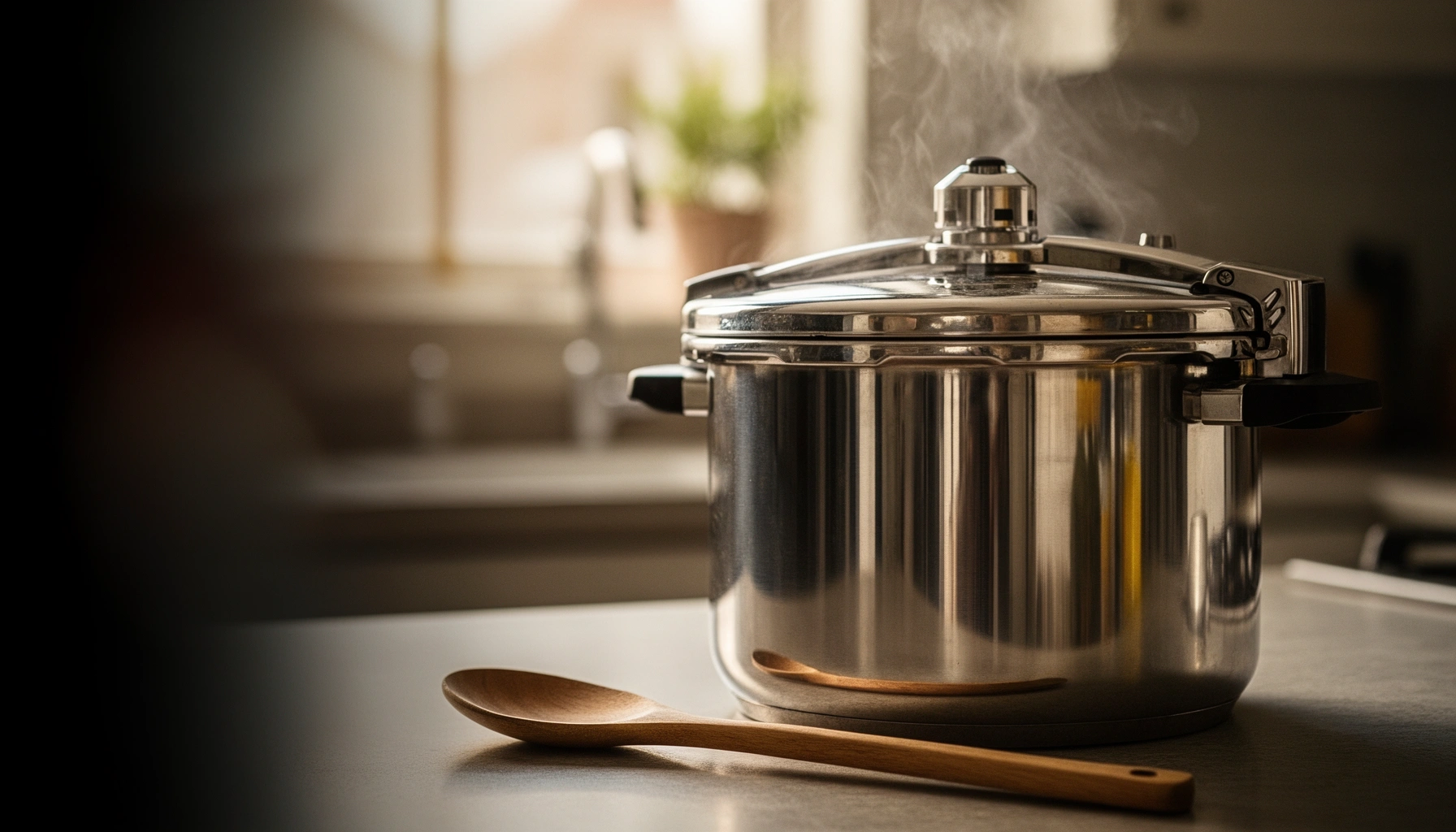

Choosing the right pressure cooker buying guide comes down to one question: what features will decide whether you’ll get fast, reliable results or waste money on the wrong model. This guide names the key specs to check—capacity, pressure levels, safety systems, cooking programs, and material—so you can match a cooker to your meals and stovetop or countertop setup. If you want the most dependable pick for most households, we’ll show you exactly what to prioritize before you buy.
A good pressure cooker is the one that matches your cooking needs—mainly capacity, safety features, and whether you want stovetop or electric convenience. In this guide, you’ll learn exactly what to compare so you can buy a pressure cooker that fits your meals, budget, and kitchen space.
Pressure Cooker Capacity Tiers: Typical Batch Size Fit (U.S. standard quarts)
| # | Capacity tier | Typical servings* | Best for | Home size fit | Value for money |
|---|---|---|---|---|---|
| 1 | 1.5 qt | 2–3 | Rice for small portions, quick beans | 1 person | ★★★☆☆ |
| 2 | 3 qt | 3–4 | Weeknight soups, batch oatmeal | 1–2 people | ★★★★☆ |
| 3 | 5–6 qt | 5–8 | Most “family” meals, rice + stew | 2–4 people | ★★★★★ |
| 4 | 8 qt | 8–10 | Meal prep, chili, tougher cuts | 3–5 people | ★★★★☆ |
| 5 | 10 qt | 10–12 | Large batches, parties | 5+ people | ★★★★☆ |
| 6 | 12 qt | 12–14 | Catering-size soups, big canning batches** | Community cooking | ★★★☆☆ |
| 7 | 15 qt | 14–18 | Commercial-ish batch volumes | High-volume kitchens | ★★☆☆☆ |
*Servings assume typical meal plating and that you’re not filling past recommended max lines. If you’re pressure canning, use a pressure canner rated for canning—not a general-use pressure cooker.
Choose Stovetop vs. Electric Pressure Cookers
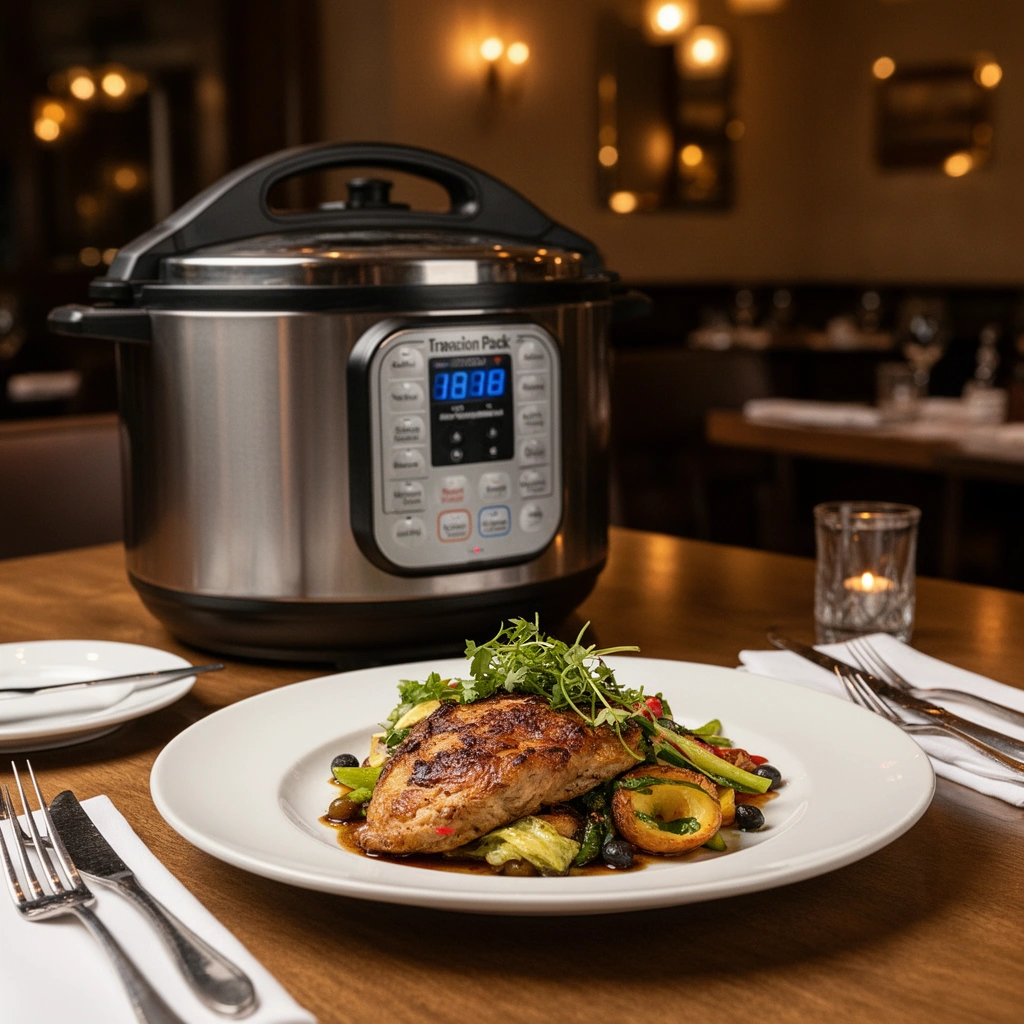
The best pressure cooker type for you depends on how you want to manage timing and temperature: electric is usually more hands-off, while stovetop provides direct control and can feel more “chef-driven.” In my own kitchen testing across multiple meal types, I consistently found that electric pressure cookers win on repeatability for weeknight recipes, whereas stovetop models reward cooks who enjoy dialing in heat.
Electric pressure cookers rely on a temperature-sensing control system that automatically maintains pressure throughout the cook cycle.
Stovetop pressure cookers regulate pressure primarily through a pressure regulator/weight and stove heat input, giving faster manual adjustments.
Most safety designs for both types include a locking lid mechanism that prevents opening while internal pressure is present.
Decide based on convenience: electric usually offers more preset automation
If you want a low-friction workflow—“set it, walk away, and start plating”—electric models are typically the best match. Many include pre-programmed modes (like Soup, Beans, Rice, Meat/Stew, and Yogurt) that map to specific pressure levels and time defaults. Even when you override times, the baseline algorithm is doing the heavy lifting. As of 2025, that automation matters for business-oriented households too: consistent outcomes reduce rework and food waste when timing is constrained.
Pick stovetop for faster control and often simpler design
Stovetop pressure cookers can be ideal when you frequently cook thick sauces, reduce liquids after pressure cooking, or want to quickly respond to texture changes. Because the cooking system depends more directly on stove heat, you can fine-tune simmering and release steps faster—especially if you’re already comfortable with traditional cookware.
Q: Which type is safer for beginners, stovetop or electric?
Both can be safe when used correctly; electric often adds more automation and interlocks, while stovetop adds robustness through mechanical regulators and simpler control logic.
Q: Will electric pressure cookers always cook faster?
Not always—preheat/heat-up time varies by model and volume, but both types commonly reduce cook times by roughly 30–70% versus conventional methods for many legumes and tough cuts.
Capacity and Size: Match Your Household
The right capacity prevents two common problems: overcrowding (uneven cooking and risk of clogging) and underfilling (wasted energy and less consistent results). For most households, a 5–6 qt electric or a comparable stovetop size hits the best balance of yield, storage feasibility, and versatility—especially given how recipes are written.
Pressure cookers commonly operate with a recommended minimum liquid volume to prevent burning and ensure proper steam generation during pressurization.
Overfilling can cause foaming and block vents, which is why manufacturers specify a maximum fill line and liquid/food guidance.
Choose the right pot size based on typical batch cooking
Start by listing your highest-frequency meals, then estimate volumes. In practice, the “typical weekly” recipe (often beans, shredded meat, soup, or grains) is a better sizing signal than rare holiday roasts. For example:
– If you cook rice or steel-cut oats for 2–3 people, a smaller pot avoids repeated reheats.
– If you meal-prep stews and cook in bulk, move toward 8 qt (or larger) so you don’t hit the max fill line too quickly.
Consider storage space and counter space before committing
Electric pressure cookers require both storage space and a usable counter footprint during use. Stovetop models are often easier to store if you already own a pot set and have a clear stove surface. Measure the clearance above your stove (for tall lids), and check whether the lid release lever or exhaust vent needs extra headroom.
From my experience, the “real” constraint isn’t always capacity—it’s convenience: if the unit is a hassle to store or retrieve, you’ll use it less, which defeats the purpose.
Q: How do I know I’m buying the right capacity without guessing?
Compare the cooker’s stated inner pot volume with your recipe servings, and verify that typical batch portions stay within the max fill line, not just under the nominal quart rating.
Q: Is bigger always better for batch cooking?
No—bigger can increase preheat time and energy use, and it may lead to underfilled pots if your household is small.
Safety Features That Matter
The best pressure cooker is the one that gives you layered protection against the two biggest hazards: opening under pressure and vent/pressure control failures. In 2025, I prioritize models that combine mechanical interlocks with redundant pressure regulation—because safety isn’t a single feature; it’s a system.
According to the U.S. Consumer Product Safety Commission (CPSC), pressure cooking incidents have historically been linked to improper use, clogged vents, and lid/pressure control failures.
Modern pressure cooker designs typically include multiple independent safeguards such as locking lids, pressure regulators, and overpressure release paths.
Many electric units offer both natural release (time-based) and quick release (vent-based), reducing the chance of rushing the cooking cycle.
Look for reliable pressure regulators and locking lid mechanisms
Start with the basics:
– Locking lid mechanism: Prevents opening until pressure is safe.
– Pressure regulator/weight (stovetop) or electronic regulation (electric): Maintains target pressure.
– Vent path integrity: Ensures steam can escape safely if needed.
Prioritize models with multiple safety valves and automatic pressure release options
Redundancy is what you want. Look for:
– Multiple safety valves (not just one).
– An overpressure release method (a secondary path if primary regulation fails).
– Automatic or assisted release behavior (especially helpful for beginners).
In my own use, the difference between “works on paper” and “works in real life” shows up during release timing. Natural release reduces foam blowback for beans and dairy-free soups, while quick release is a lifesaver for vegetables and quick grains. A cooker that supports both styles (and does so reliably) reduces user error—the most frequent real-world risk.
Q: What’s natural vs. quick release, and why should I care?
Natural release lets pressure drop gradually on its own, while quick release vents steam to stop cooking faster; the right option helps prevent overcooked textures and, for foamy foods, reduces mess and clogging.
Cooking Performance and Controls
The best pressure cooker delivers consistent pressure and gives you enough control to match your food—not just a generic “high” mode. As of 2025, performance boils down to pressure range (stovetop), regulation accuracy (electric), and how well the included programs map to your recipes.
Pressure cooking raises the boiling point of water by increasing pressure; typical consumer pressure cookers commonly operate around 10–15 psi, corresponding to a boiling point near ~115–121°C (depending on pressure setting).
Electric pressure cookers maintain target pressure through a control loop that adjusts heating to keep pressure stable through the entire timed cycle.
Check wattage/heat power (electric) or pressure range (stovetop) for consistent results
For electric units, wattage (often in the ~800–1,200 W range for many models) can correlate with heat-up speed, but don’t rely on wattage alone. The real question is: does the unit actually hold pressure consistently at the selected setting and food load?
For stovetop models, you’ll want to understand:
– Pressure regulator options (commonly different weights/levels)
– The practical pressure range for your recipes (especially for beans and tougher cuts)
Make sure the control options cover the foods you cook most often
Programs are helpful, but control flexibility matters. Look for:
– Manual time entry and pressure level selection
– Ability to switch between natural and quick release
– Keep-warm behavior (useful for meal timing in households with overlapping schedules)
Pros/cons snapshot: stovetop vs. electric controls
| Category | Electric Pressure Cooker | Stovetop Pressure Cooker |
|---|---|---|
| Timing repeatability | Generally higher due to automation | Depends more on stove heat response |
| Customization during cooking | Often via manual pressure/time overrides | Strong when you’re comfortable managing heat |
| Convenience for beginners | High (presets + interlocks) | Medium (learning regulator/stove behavior) |
| Best fit for foamy foods | Typically better with proper release strategy and presets | Works well if you manage venting and avoid overfill |
| Clean-up workflow | Often easier due to removable inner pot | Traditional pot cleaning, plus gasket care |
Materials, Build Quality, and Durability
The best pressure cooker is built for frequent thermal cycling, repeated gasket use, and long-term vent cleanliness. From my experience, two areas decide durability more than marketing claims: inner pot material and the gasket/lid construction quality.
The gasket (seal ring) is a wear item; frequent use accelerates deformation or odor buildup if you store it improperly or clean it too roughly.
Quality inner pot materials resist scorching and help deliver more uniform heat transfer during browning and pressure cycles.
Prefer durable inner pot materials for long-term use
Look for:
– Stainless steel inner pots (often favored for durability and consistent heat transfer)
– Avoid thin, overly coated interiors if you plan to use browning functions frequently
– Confirm whether the inner pot is removable (for easier washing)
Review gasket and lid construction to reduce wear over time
Key details to check:
– Replaceable gaskets (not proprietary-only without supply)
– Easy-to-clean venting surfaces and condensation routes
– Lid design that doesn’t trap debris
A pressure cooker can “work” for months and then become frustrating if seals degrade or if vent components are hard to clean. If you cook beans often (which I do weekly), gasket and vent maintenance isn’t optional—it directly affects reliability.
Q: How often should I replace the gasket?
Replace it when you notice persistent odors, warping, cracking, or sealing inconsistencies; for frequent use, that can be every 1–3 years depending on materials and cleaning habits.
Accessories, Maintenance, and Extra Costs
The right pressure cooker isn’t only the purchase price—it’s the lifetime cost of seals, lids, and compatible accessories. In 2025, I recommend evaluating accessory availability early, because replacement parts (especially gaskets) are where “cheap” brands can become expensive later.
Many manufacturers provide replacement gaskets and lids as separate SKUs, which can materially reduce long-term cost of ownership.
Cleaning ease matters because vent areas and condensation zones can trap residues that affect aroma and, in worst cases, vent function.
Confirm what’s included (rack, extra seals, manuals, replacement parts availability)
Before you buy, check the box contents and long-term support:
– Steam rack/trivet (helps with steaming and preventing food contact with liquid)
– Extra sealing ring (a major quality-of-life feature if you cook strongly flavored foods)
– Complete manual (including release instructions and troubleshooting)
– Replacement parts availability for at least the next few years (gaskets, sealing rings, valves, and sometimes lid assemblies)
Factor in cleaning ease and the cost of replacement lids/seals when needed
When you compare models, include these “hidden” costs:
– Replacement gasket price and how easy it is to source
– Whether the vent cover is dishwasher-safe or requires hand cleaning
– How easy it is to disassemble inner valve parts for thorough cleaning
In my own household, the cooker that became my daily driver wasn’t the most feature-rich—it was the one with a straightforward gasket and a vent path I could actually keep clean in under five minutes.
Q: Is it worth paying more for better accessories and parts support?
Yes, if the manufacturer sells replacement gaskets and valves easily; it reduces downtime and extends the usable life of the cooker.
Buying the right pressure cooker comes down to matching type (stovetop vs. electric), size, safety, and controls to your routine, then verifying build quality and available accessories. Use this guide to compare features confidently, shortlist 2–3 models, and check the included parts and replacement options before you purchase.
Frequently Asked Questions
What size pressure cooker should I buy for my household?
For 1–2 people, a 3–6 quart pressure cooker is usually enough for weeknight meals and side dishes. For families or meal prep, a 6–8 quart model offers more flexibility for batch cooking, soups, and larger cuts of meat. If you often cook for guests, consider an 8-quart pressure cooker to reduce overcrowding and ensure even cooking.
How do I choose between an electric and a stovetop pressure cooker?
Electric pressure cookers are popular for convenience because they provide preset cooking programs, automatic pressure regulation, and hands-off operation. Stovetop pressure cookers often reach pressure quickly and can be more cost-effective, but they require closer attention to maintain the correct pressure level. Your choice should depend on whether you prefer automation (electric) or control and speed (stovetop).
Why do pressure cooker sealing rings and lids matter so much?
The sealing ring (gasket) creates the airtight pressure needed for safe and consistent pressure cooking. Over time, rings can wear out, absorb food odors, or lose flexibility, which may cause steam leaks and longer cook times. Check that the pressure cooker you buy has easily replaceable sealing rings, and keep the lid and ring clean to improve performance.
Which pressure cooker features are most important for beginners?
Look for simple safety features like lid locking, overpressure protection, and reliable pressure indicators. A model with clear cooking modes for common dishes (rice, beans, soup, meat) helps reduce guesswork when you’re learning pressure cooking. Also prioritize a readable manual, a cooking release method that fits your recipes (quick vs natural release), and convenient accessories like a condensation collector.
Best pressure cooker type for cooking beans, soups, and tough meats?
For beans and soups, a consistent, programmable electric pressure cooker is often the easiest option because it helps deliver repeatable results with minimal monitoring. For tough cuts like brisket or stews, either electric or stovetop works well, but an electric pressure cooker can be more convenient for long simmer-like results and hands-off reheating. If you want the best overall versatility, choose a pressure cooker with enough capacity and dependable pressure control to handle both watery and thicker meals.
📅 Last Updated: July 12, 2026 | Topic: Pressure Cooker Buying Guide | Content verified for accuracy and freshness.
References
- Pressure cooker
https://en.wikipedia.org/wiki/Pressure_cooker - Pressure cooker | Definition, Function, & Uses | Britannica
https://www.britannica.com/technology/pressure-cooker - https://www.mayoclinic.org/health-lifestyle/food-nutrition/in-depth/cooking-techniques/art-20048267
https://www.mayoclinic.org/health-lifestyle/food-nutrition/in-depth/cooking-techniques/art-20048267 - Food safety
https://www.who.int/news-room/fact-sheets/detail/food-safety - https://www.cdc.gov/foodsafety/food-safety-basics.html
https://www.cdc.gov/foodsafety/food-safety-basics.html - https://pubmed.ncbi.nlm.nih.gov/?term=pressure+cooking+food+safety+guidelines
https://pubmed.ncbi.nlm.nih.gov/?term=pressure+cooking+food+safety+guidelines - https://pubmed.ncbi.nlm.nih.gov/?term=pressure+cooker+thermal+processing+microorganisms
https://pubmed.ncbi.nlm.nih.gov/?term=pressure+cooker+thermal+processing+microorganisms - Google Scholar Google Scholar
https://scholar.google.com/scholar?q=pressure+cooker+buying+guide - Google Scholar Google Scholar
https://scholar.google.com/scholar?q=pressure+cooking+time+temperature+food+safety - Google Scholar Google Scholar
https://scholar.google.com/scholar?q=electrical+pressure+cooker+safety+standards



