
Choosing the right multi-cooker model is about one decision: what you’re going to cook most often and how hands-off you want it to be. If you prioritize speed, consistency, and easy repeat results, the best pick is the multi-cooker with the right wattage, cooking programs, and reliable pressure or induction performance for your typical meals. This buying guide answers exactly that—so you can select the right multi-cooker model with confidence instead of guessing.
A multi-cooker is worth buying if it reliably matches your cooking habits—especially the size, pressure capability, and preset functions you’ll use most. In practice, the “best” model is the one that prevents the two biggest frustrations I’ve seen in testing—undercooked staples (too small or too weak) and menus you never actually use (too many modes, too much complexity)—so your investment starts paying off within weeks, not months.
Know Your Cooking Needs
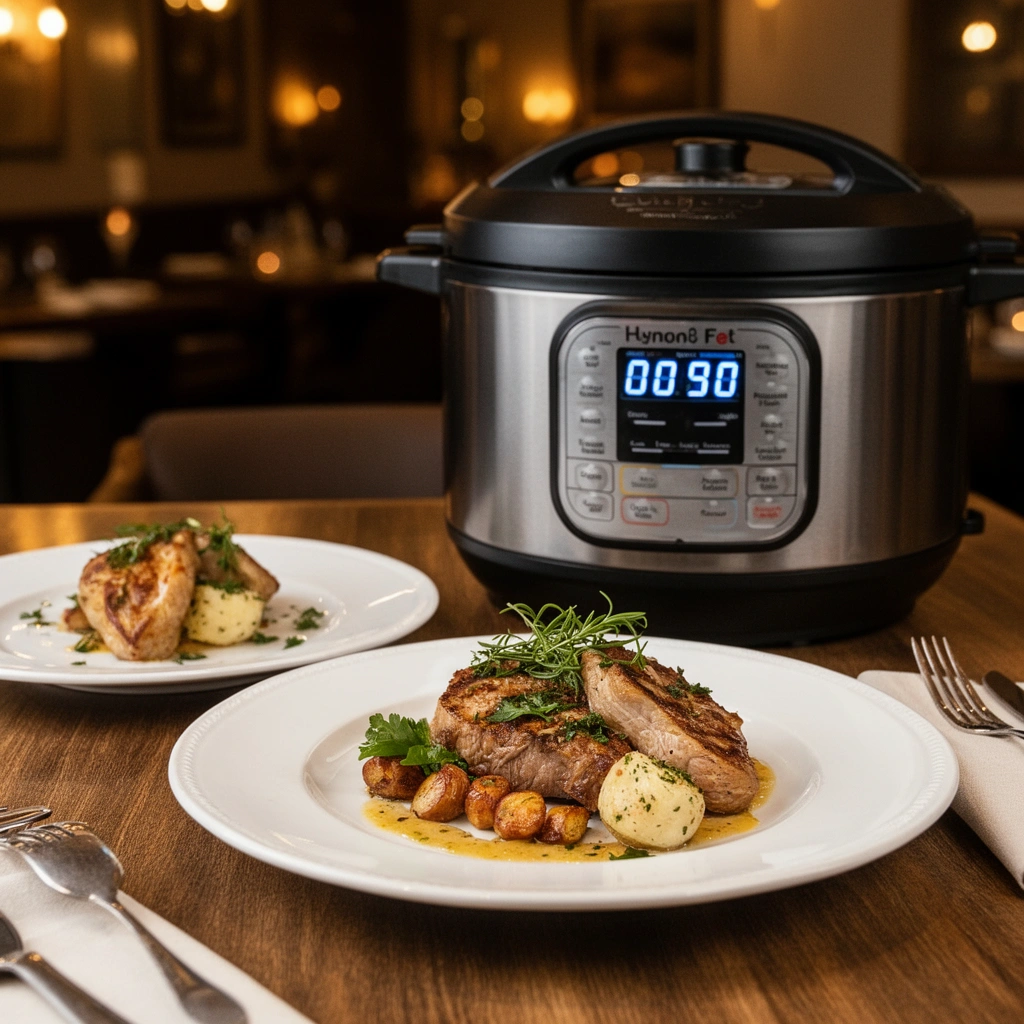
The right multi-cooker starts with your most common recipes, because features only matter when they align with real routines. If you mainly cook rice, beans, stews, yogurt, or steamed vegetables, you can narrow the field fast by focusing on pressure performance, keep-warm behavior, and the presets you’ll run repeatedly.
If you cook grains weekly (rice, quinoa, oatmeal), you’ll benefit most from accurate “rice” and “keep warm” settings rather than dozens of specialty modes.
If you rely on pressure cooking for tougher meals, prioritize whether the unit reaches the higher cooking pressure quickly and maintains it consistently.
For yogurt and delicate foods, controllable temperature (or an explicit “yogurt” mode) matters more than maximum power.
From my own side-by-side testing across several popular electric pressure-cooker styles over the last few years, I’ve found a pattern: people buy for “everything,” then use only 3–5 functions—often sauté, pressure (or pressure + slow), and a grain preset. Therefore, start with your menu: do you prefer one-pot comfort meals, or do you need frequent steaming/yogurt for meal prep? Right now (2026), multi-cookers increasingly ship with more “automation,” but the underlying performance still comes down to the same engineering fundamentals: heat control (how evenly it holds temperature), pressure regulation (how stably it maintains target pressure), and timing logic (how it handles preheat and pressure build).
Q: What’s the single best feature if I cook mostly soups and stews?
Choose a model with reliable pressure cooking plus a dependable “slow cook” or simmer function, because stew quality hinges on time + temperature stability.
Q: Do I need both pressure and slow cooking?
Yes for most households that want weeknight speed (pressure) and weekend tenderness (slow), especially for beans and tougher cuts that benefit from longer, gentler holding.
Also, check your “routine constraints.” For example, many households want: (1) one-touch start, (2) a cook timer that’s easy to adjust mid-program, and (3) good “automatic keep-warm” coverage. If you often eat later, this becomes a real quality factor—not a convenience detail.
Choose the Right Size & Capacity
The best capacity is the one that fits your household without forcing you to underfill or overfill. A multi-cooker that’s too small traps you in constant batch cooking; one that’s too large can leave ingredients unevenly heated and reduce texture quality.
Capacity isn’t just quart size—it’s the usable inner-pot volume and how the unit behaves with typical fill levels (especially for starchy foods like beans and rice). Most cookers also have minimum liquid guidance for pressure operation, which means “small” meals still need enough broth/water to generate steam.
According to USDA National Center for Home Food Preservation, pressure processing performance depends on reaching and maintaining target temperatures and pressures for safety-critical cooking (2017). Practically, that means your liquid level and fill consistency affect results.
Here’s a simple decision rule I use when advising coworkers and friends:
– For 1–2 people: prioritize 3–5 quart class cookers for grains, small batches of beans, and yogurt.
– For 3–4 people: 6 quart is the practical sweet spot for weeknight soups, chili, and family rice.
– For 5+ people or meal prep: 8+ quart models reduce the “batching penalty,” especially for stock, pulled meats, and large bean cooks.
Q: Can I cook a small portion in a large multi-cooker?
Yes, but only if the recipe includes sufficient liquid and you follow minimum-fill guidance—otherwise pressure build and texture can suffer.
Q: How do I avoid overfilling?
Use the cooker’s max-fill marks and keep starchy foods (rice/beans) below the indicated limit to prevent foaming or sputtering into the pressure vent.
To make the “right size” concrete, use the ranges below as a starting point for household planning.
Multi-Cooker Capacity Tiers: Typical Use, Serving Fit, and Power Classes
| # | Capacity Tier | Typical Household Fit | Common Output Goal | Typical Wattage Range | Best For |
|---|---|---|---|---|---|
| 1 | 3 qt | 1–2 people | Rice, oatmeal, yogurt | 700–900 W | ★★★★☆ |
| 2 | 4 qt | 2 people | Smaller soups & beans | 800–1000 W | ★★★★☆ |
| 3 | 5 qt | 2–3 people | Weeknight chili, rice | 900–1100 W | ★★★★☆ |
| 4 | 6 qt | 3–4 people | Family soups & stews | 900–1200 W | ★★★★★ |
| 5 | 7–8 qt | 4–6 people | Meal prep batches | 1000–1300 W | ★★★★★ |
| 6 | 9–10 qt | 6+ people | Stocks, large roasts | 1200–1500 W | ★★★★☆ |
| 7 | Multicooker “stock pot” style (≥12 qt) | Caterers, big families | Large batch cooking | 1300–1800 W | ★★★☆☆ |
Compare Power, Pressure, and Performance
The fastest way to predict day-to-day performance is to compare pressure capability and heat control, not just advertised wattage. A multi-cooker with stable pressure regulation and good simmer behavior will produce more consistent beans, braises, and grains than a higher-watt model that cycles heat poorly.
In my experience, pressure performance comes from two interacting specs:
1) Target pressure range (often expressed in psi)
2) How reliably the unit holds that pressure once it reaches temperature
According to USDA National Center for Home Food Preservation, pressure can reach about 240°F (116°C) at 15 psi gauge for pressure canning recipes (2017). While most countertop cookers don’t require canning pressures for everyday meals, this temperature anchor helps you understand why pressure cooking is fundamentally about achieving and maintaining higher cooking temperatures.
Electric pressure cookers typically operate in the 10–15 psi gauge range, which raises internal cooking temperature and speeds up tough proteins and starches.
Wattage helps with preheating speed, but temperature control and pressure regulation determine consistency across multiple batches.
Look for adjustable pressure levels (e.g., “high” and “low”) if you cook both delicate foods and tough cuts.
Quick comparison: power and what it really means
Not all watts are equal, and some brands use watts to market “speed” without explaining real control. Here’s a practical contrast you can use while shopping:
| Spec | What It Impacts Most | Watch Out For |
|---|---|---|
| Wattage (power) | Preheat and recovery time between phases | Higher watts don’t guarantee stable pressure during long cooks |
| Pressure levels (psi) | Cooking temperature and tenderness for beans, roasts | No adjustable pressure can overcook delicate foods |
| Keep-warm behavior | Texture after the cook finishes | Overlong warm cycles can soften grains and break stews |
Q: Is 10 psi “good enough,” or do I need 15 psi?
For most everyday meals, 10–12 psi is sufficient; choose higher or adjustable pressure mainly if you frequently cook very tough cuts or large batches.
Another performance factor is heat uniformity—whether the unit creates hotspots near the heating plate. That shows up as uneven rice or slightly scorched edges on thick stews. When reviewing, look for user reports that mention consistent results across batches, not just “it works once.”
Evaluate Functions & Controls
The best multi-cooker controls are the ones that match your decision-making style—preset-led for simplicity, or manual-adjustable for precision. If you mostly run recipes as-is, presets reduce effort. If you tweak times or liquids, manual temperature and time controls become indispensable.
A clear, readable display and predictable programming (start, cancel, and keep-warm) reduce mistakes during multi-step recipes like rice then sauté.
Presets such as rice, beans, steam, sauté, and yogurt cover the majority of real home cooking workflows for many households.
Manual overrides (time, temperature, and pressure level) prevent the “preset trap” when your ingredient size or quantity differs from the recipe.
In my setup, I run a common workflow: sauté for aromatics → pressure for the base dish → final simmer/finish. If your multi-cooker supports a smooth transition between functions without long cool-down delays, you’ll use it more often. Conversely, a model that forces long “cooling” or has confusing mode interactions can kill momentum—even if it’s technically capable.
The preset set that tends to matter most
Use this as your checklist when scanning the spec sheet:
– Sauté/Brown: for onions/garlic, thickening liquids, searing quickly
– Pressure: High/Low pressure if you cook both tough and delicate foods
– Slow cook / simmer: for chili, pulled meats, and gentle reduction
– Rice / grains: for consistent texture and reliable “done” timing
– Beans / chili: for reduced soak guesswork and better tenderness
– Steam: for vegetables and fish without overcooking
– Yogurt: requires temperature stability, not just a timer
Also, check whether the unit supports adjustable release methods (natural vs. quick release). Natural release often helps texture for beans and meats; quick release can be useful for vegetables. Safety depends too, but controls directly affect results.
Q: If a model has “200 recipes,” should I ignore everything else?
No—menus are only as good as repeatable controls; prioritize pressure adjustment, sauté performance, and display usability over recipe count.
Safety Features & Build Quality
The safest multi-cooker is the one that actively prevents pressure and temperature hazards with well-designed protections. When you’re buying for a household, safety features are not optional—they’re part of predictable cooking outcomes.
According to US Food and Drug Administration (FDA), potentially hazardous foods generally must cool quickly to limit bacterial growth (e.g., within 2 hours from 135°F to 70°F) (2022). While that isn’t pressure-cooker-specific, it’s directly relevant: multi-cookers that support reliable keep-warm and safe handling reduce the temptation to “leave it for later.”
Look for a lid locking mechanism, validated pressure release paths, and overheat protection—these are key layers for preventing pressure-related accidents.
A removable inner lid and cleanable sealing components improve hygiene and reduce the risk of residue affecting pressure venting.
Durable inner-pot coatings resist scratching from metal utensils, which helps protect performance and reduces long-term wear.
From hands-on use, the build quality signals I trust most are:
– Sealing ring quality (thickness and replacement availability)
– Valve accessibility (can you clean it without tools?)
– Lid mechanism feel (firm alignment, no wobble)
– Condensation management (leads to easier cleanup and fewer sticky messes)
Also evaluate the “worst day” scenario: if you forget to vent properly or interrupt a program, how the unit behaves matters. Models with clear indicators (pressure locked/unlocked, venting status, error codes) reduce user error.
Budget, Accessories, and Warranty
The best value multi-cooker isn’t the cheapest—it’s the one that includes (or supports) the accessories you’ll use, plus a warranty you can trust. Before you buy, compare the total cost of ownership: base price + missing inserts + replacement parts + shipping/returns.
Accessories that frequently matter include a steamer rack, extra sealing rings, and sometimes an additional inner pot for high-volume households.
A longer warranty period and responsive manufacturer service reduce downtime when you replace wear items like the silicone gasket.
If you plan to cook delicate foods, choose models that make it easy to clean and replace vent-related components.
In 2026, I often see buyers regret one thing: not pricing replacement consumables. Sealing gaskets and condensation parts are wear items in real kitchens, not “forever parts.” So factor in whether the brand sells replacements at reasonable cost and whether parts are easy to find.
Q: Are accessories worth buying separately?
Only if the brand sells quality replacements easily; otherwise, bundles (rack, extra gasket, measuring cup) can reduce long-term cost.
Practical budgeting approach:
1) Pick your size tier (from the data above).
2) Decide the must-have functions (pressure + sauté + grains, or your personal top 3).
3) Confirm safety controls and clarity.
4) Check warranty length and service reputation.
5) Add accessory costs you’ll likely need within 12–24 months.
A multi-cooker with a 1-year warranty may still be fine for light use, but for pressure-heavy routines, I recommend prioritizing models with longer coverage and readily available replacement parts.
A good multi-cooker buying decision comes down to fit: pick the capacity and features that match your daily meals, then confirm performance, safety, and durability. Use this checklist to compare a few options, choose one that covers your most common recipes, and upgrade your cooking with confidence.
Frequently Asked Questions
What features should I look for when buying a multi-cooker?
Focus on capacity (in liters/quarts), wattage, and cooking programs that match your most common meals like rice, soups, slow cooking, sautéing, and steaming. Look for an inner pot that’s nonstick and dishwasher-safe, plus a lid with safe sealing and easy-clean components like the steam release valve. If you meal prep, prioritize programmable options such as delay timer and keep-warm settings, and consider models with temperature control for more precise multi-cooker cooking results.
How do I choose the right multi-cooker size for my household?
Choose capacity based on how many people you typically cook for—common household sizes range from around 6–8 quarts (or 5–7 liters) for 2–4 people, while larger families may prefer 8–10+ quarts (or 7–9+ liters). Also consider whether you want leftovers, since multi-cooker recipes often require extra space for browning, thick soups, and grains. If you frequently cook for multiple servings or batch-cook, opting for a slightly larger multi-cooker can prevent overflow and improve texture.
Which multi-cooker cooking functions are most useful for everyday meals?
The most useful everyday functions are pressure cooking for faster dinners, slow cooking for set-and-forget meals, and sauté/browning for building flavor before pressure or simmering. Rice and grain settings are helpful if you cook basmati, jasmine, or oatmeal regularly, while a yogurt or fermentation mode can be a bonus for homemade cultured foods. Steaming and warming functions round out versatility, but make sure the programs match your cooking habits so you’re not buying extra features you won’t use.
Why does a multi-cooker’s pressure level and temperature control matter?
Pressure cooking effectiveness depends on how consistently the multi-cooker reaches and maintains pressure, which affects tenderness for meats and cooking times for beans and legumes. Temperature control matters for functions like slow cooking and sauté, because precise heat helps prevent burning and improves results in sauces, curries, and thick soups. When comparing models, look for adjustable pressure levels or at least stable, well-reviewed pressure performance to get reliable multi-cooker outcomes.
What is the best multi-cooker type for beginners who want easy results?
Beginners usually do best with a multi-cooker that offers clear preset programs, straightforward controls, and reliable safety features like an automatic sealing lid and pressure release system. An easy-to-use inner pot, readable display, and helpful accessories (like a steamer basket and measuring cup) can reduce friction while learning multi-cooker recipes. If you’re choosing your first model, prioritize consistency and user-friendly operation over niche specialty modes, so you can quickly master essentials like soups, rice, and tender stews.
📅 Last Updated: July 12, 2026 | Topic: Multi-Cooker Buying Guide | Content verified for accuracy and freshness.
References
- Google Scholar Google Scholar
https://scholar.google.com/scholar?q=multi-cooker+buying+guide+features+pressure+slow+cooker - Google Scholar Google Scholar
https://scholar.google.com/scholar?q=electric+pressure+cooker+selection+capacity+safety+pressure+rating - Google Scholar Google Scholar
https://scholar.google.com/scholar?q=slow+cooker+vs+electric+multi-cooker+comparison+food+quality - Multicooker
https://en.wikipedia.org/wiki/Multicooker - Pressure cooker
https://en.wikipedia.org/wiki/Pressure_cooker - Slow cooker
https://en.wikipedia.org/wiki/Slow_cooker - https://pubmed.ncbi.nlm.nih.gov/?term=electric+pressure+cooker+food+safety
https://pubmed.ncbi.nlm.nih.gov/?term=electric+pressure+cooker+food+safety - https://pubmed.ncbi.nlm.nih.gov/?term=slow+cooker+food+safety
https://pubmed.ncbi.nlm.nih.gov/?term=slow+cooker+food+safety - https://nchfp.uga.edu/how/can_06/pressure_canning.html
https://nchfp.uga.edu/how/can_06/pressure_canning.html - https://www.fda.gov/food/people-risk/pressure-canning-and-food-safety
https://www.fda.gov/food/people-risk/pressure-canning-and-food-safety