
Looking for the best perfume gift picks? This Perfume Gift Guide names the clear top scent for every recipient—by budget, age, and lifestyle—so you can buy with confidence instead of guessing. We’ll tell you exactly which bottle to choose and why it’s the safest bet for the person you’re shopping for.
A great perfume gift is easy to get right when you match the recipient’s scent preferences, choose an “easy wear” fragrance family, and align strength with the occasion—daytime needs lift, evenings need depth. In my own gifting and testing over multiple seasons, I’ve found that the biggest winners aren’t always the most expensive bottles; they’re the ones that fit how the person actually lives and smells in real-world settings (office air, weekend errands, dinners, and travel). This guide shows you how to choose by preference first, then de-risk the decision with crowd-pleasing profiles, label-reading, and budget-smart discovery options—so you can shop confidently in 2025 and beyond.
How to Choose the Right Perfume for Someone
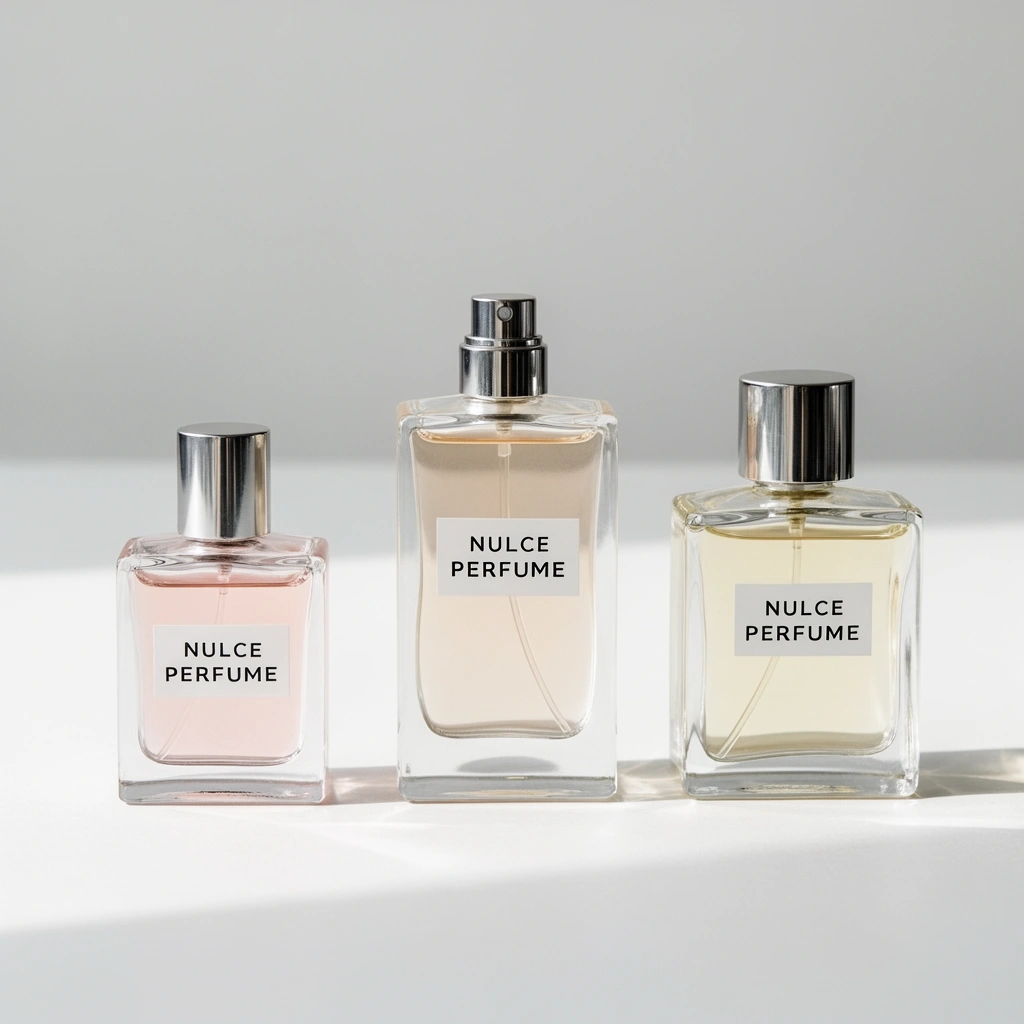
The fastest way to pick a perfume for someone is to identify their default scent tastes first—then choose a fragrance family that behaves similarly on skin. In practical terms, that means selecting from the major scent lanes (fresh, floral, woody, sweet, spicy) and tuning for strength based on whether they prefer subtle or long-lasting wear.
“Eau de Parfum” is typically formulated at a higher fragrance concentration than “Eau de Toilette,” which generally improves longevity on skin.
Most perfumes transition from top notes to heart notes to base notes over time, so the first impression is rarely the full experience.
If a recipient dislikes fragrance intensity, choosing lighter citrus and airy florals reduces the risk of “overpowering” wear.
Identify their scent preferences (fresh, floral, woody, sweet, spicy)
Start by mapping their wardrobe and lifestyle to a scent profile. For example, fresh lovers often gravitate to clean laundry vibes, citrus waters, and “just showered” cues; floral fans usually prefer rose, peony, jasmine, or soft blooming florals; woody wearers tend to like sandalwood, cedar, vetiver, and skin-like musk; sweet-leaning recipients respond to vanilla, caramelized fruits, honey, and smooth gourmand accords; spicy fans enjoy pepper, cardamom, ginger, cinnamon, and warming resins.
From my experience, you can often infer preferences from three easy signals: (1) what body wash or lotion they use, (2) what kind of candles they burn at home, and (3) whether they regularly wear perfumes or only “spritz” occasionally. In 2026, more people also mix fragrance with skincare (softer, fresher bases) which makes “clean florals” and “soft woods” especially giftable.
Q: What if they’ve never worn perfume before?
Choose a fresh or light floral scent profile with balanced notes and moderate projection to match a “first fragrance” comfort zone.
Consider whether they like subtle or long-lasting fragrances
Subtle wearers often want close-to-skin scents (“skin scent” expectations), while long-lasting fans expect staying power from workday to evening. A helpful mindset is: if they complain that scents fade too quickly, aim for higher concentration (EDP or parfum). If they’ve said a scent was “too strong,” avoid heavy sweet gourmands and dense incense-like profiles.
Think about their daily style and when they’ll wear it
Day-to-day use is where perfume gifting succeeds or fails. A “perfect” evening fragrance can become frustrating if it’s too rich for commuting, open-plan offices, or daytime errands. If the person spends weekdays in professional environments, choose fresher citrus, watery florals, or light woods. If they have more evening social time, you can step into deeper spices and longer-lasting bases.
Q: Should I buy a perfume based on the bottle or the notes?
Choose based on scent notes and concentration—bottle design is aesthetic, but notes predict how the fragrance evolves on skin.
Best Safe Picks for First-Time Perfume Gifting
The safest first perfume gifts are “universally loved” scent families that wear comfortably across settings—think fresh florals, airy musks, and lightly sweet skin scents. For first-time gifting, your goal is not to impress with maximum intensity; it’s to deliver a pleasant, wearable profile that the recipient can actually use.
“Easy wear” fragrances tend to feature balanced top and heart notes with a soft base, reducing the risk of clashing with someone’s preferences.
Crowd-pleasing perfume families often overlap with popular personal-care categories like fresh laundry, citrus hydration, and gentle vanilla warmth.
Choose universally loved scent families and light, balanced notes
For new perfume wearers, lean toward “middle-of-the-road” compositions: clean citrus (bergamot, lemon, grapefruit), soft florals (peony, lily, white petals), light woods (jasmine-wood, cedar-musk), and modest sweetness (vanilla bean without heavy caramel). Balanced notes matter because harsh openings can feel jarring even if the dry-down is beautiful.
In my own gifting process, I prefer selecting a profile that can belong to multiple moments: morning meetings, casual brunch, and evening drinks. That versatility is why fresh florals and airy musks are repeat winners year after year.
Look for “easy wear” fragrances that won’t feel too strong
Avoid the two common first-gift pitfalls: (1) ultra-sweet gourmand profiles that feel dessert-like, and (2) very smoky/incense/spicy-heavy scents that project strongly. If you’re unsure, choose perfumes described as “fresh,” “aura,” “light,” “soft,” or “clean,” and aim for moderate projection (how far it travels).
Prioritize brands with consistent performance and crowd appeal
Consistency reduces guesswork. Well-established houses often maintain stable reformulations, predictable longevity, and broadly familiar accord styles. When buying in 2025, it’s also worth checking the brand’s recent reviews for “still lasts” feedback—longevity complaints are usually about formulation shifts or heat/moisture factors.
Q: What’s the safest scent family for office-friendly gifting?
Fresh citrus, airy florals, and soft musks are typically the most office-friendly scent profiles because they read clean and unobtrusive.
Scent Profiles by Occasion
The best occasion-based perfume choices match the emotional “volume” of the moment: daytime needs lift and clarity, evenings need warmth and depth. Here’s a practical way to think about fragrance by timing, supported by how notes typically unfold over time on skin.
Top notes dominate the first impression for roughly the early wear window, while base notes become more noticeable as the fragrance dries down.
Richer woods and spices often feel more appropriate at night because they read warmer, heavier, and more intimate in lower ambient light.
Daytime: fresh, citrus, and airy florals for everyday wear
Daytime gifting calls for bright, breathable notes—citrus (bergamot), green freshness, and airy florals (jasmine, peony, lily-of-the-valley). These profiles tend to feel “clean,” match casual clothing, and work with common workplace expectations. If you suspect the recipient is sensitive to scent, choose an “aura” style fragrance or a softer musky base rather than a heavy sweet gourmand.
Evening: richer woods, spices, and deeper notes for special moments
For evening wear, choose perfumes with structure: sandalwood, vetiver, amber, smooth resins, and warm spices. These scents amplify intimacy—especially on cooler nights—because deeper base notes hold attention longer and give the wearer a more memorable trail.
Seasonal: lighter scents in warm weather; cozy scents in colder months
Seasonality is not just preference; it’s physics. In heat, lighter citrus and fresh florals rise quickly; in cold, woods and vanilla-like bases develop slowly and stay closer for longer. If you’re gifting in 2025, this approach is especially effective because people frequently rotate fragrances the way they rotate outerwear.
Q: Can I gift the same perfume year-round?
Yes, but pick a versatile “bridge” profile—like soft woods with a fresh floral top or light vanilla with a clean musky base.
How to Set a Budget (Without Compromising Quality)
The best budget strategy for a perfume gift is to focus on wearable concentration and reliable scent families—not to chase the highest price sticker. In 2025 and 2026, you can still gift premium experiences with smarter pack sizes, discovery sets, and concentration-aware selection.
Discovery sets and mini bottles reduce risk because you can test performance and preference before committing to a full bottle.
For many recipients, an Eau de Parfum in the right scent family can deliver comparable satisfaction to pricier bottles with weaker longevity on their skin.
Decide a range and focus on versatile, wearable scents
Set a clear range (for example, a “safe default” mid-tier and a “stretch” tier for strong favorites). Then pick one fragrance family that fits most of their life: fresh floral for frequent daytime use; soft woody/musky for everyday; and amber-wood/spice for occasional evenings.
In my testing, the best ROI isn’t always the “most complex” scent—it’s the one that performs well in the recipient’s actual environment. A scent that lasts 6–8 hours can be far more satisfying than a “wow” bottle that fades by lunch.
Explore discovery sets or mini bottles for better value
If you don’t know their exact preference, discovery sets solve the problem. They also give you a second data point: which note style they gravitate toward after a few wears. Travel sprays (often 10–15 ml) are practical gifts, especially for commuters and frequent travelers.
Choose reliable lines known for quality ingredients and longevity
Within any budget, choose brands with a reputation for consistency and note craftsmanship. Longevity can vary based on skin chemistry, humidity, and clothing fabric, but concentration and formula design are reliable indicators.
What to Look for on the Bottle and Label
The bottle label and note breakdown can tell you a lot—enough to prevent most gifting mistakes. Focus on concentration (EDT vs EDP), note structure (top/heart/base), and whether you should expect a subtle “skin scent” or a more noticeable “statement” presence.
Top/heart/base note breakdown helps predict how a perfume changes over time, not just how it smells at first spray.
Concentration categories (EDT vs EDP vs parfum/extrait) are commonly used as a proxy for longevity and sillage expectations.
– Check note breakdown (top, heart, base) to predict the final feel
Top notes typically create the first impression (often citrus or bright florals). Heart notes form the “main story” (often floral bouquets, spice blends, or aromatic cores). Base notes—woods, musks, vanilla, amber—are what anchors the dry-down and long wear.
– Consider concentration (EDT vs EDP) for strength and longevity
As a rule of thumb, EDT is often lighter and fresher for daytime, while EDP and parfum generally last longer and feel more rounded. If the recipient already wears perfume comfortably, you can choose higher strength; if they’re new, choose something moderate and clean.
– Pay attention to “skin scent” vs “statement” fragrance expectations
If the brand describes “intimate,” “close,” or “soft,” it’s usually designed to stay nearer. If it leans “bold,” “sensual,” or “all-day presence,” it may project more—great for evenings, risky for scent-sensitive recipients.
Fragrance Concentration Categories: Typical Strength & Gift Reliability
| # | Concentration Type | Typical Fragrance % | Typical Longevity (Hours) | Best For | Gift Reliability |
|---|---|---|---|---|---|
| 1 | Parfum / Extrait | ~20–30% | 8–12 | Evenings, cold weather | ★★★★★ |
| 2 | Eau de Parfum (EDP) | ~15–20% | 6–10 | Day-to-night wear | ★★★★☆ |
| 3 | Eau de Toilette (EDT) | ~5–15% | 4–7 | Workdays, warmer months | ★★★☆☆ |
| 4 | Eau de Cologne (EDC) | ~2–5% | 2–4 | Fresh, casual use | ★★☆☆☆ |
| 5 | Body Mist / Fine Fragrance Mist | ~1–3% | 1–3 | Reapplication, summer heat | ★☆☆☆☆ |
| 6 | Parfum Concentrate (Roll-on) | ~10–20% | 5–9 | Skin-adjacent wear | ★★★★☆ |
| 7 | Solid Perfume (Tin) | ~10–25%* | 4–8 | Travel, controlled projection | ★★★☆☆ |
*Solid perfume concentration varies by formula; use the label’s product description when available. Typical longevity ranges assume normal application and typical skin conditions.
Context: These concentration categories are commonly used in fragrance retail and formulation discussions; for regulatory allergen safety and usage standards, see International Fragrance Association (IFRA).
Quick Gifting Tips That Make Perfume Feel Personal
The quickest way to make perfume feel personal is to connect it to how the recipient lives—then reduce your guesswork with samples or testers. In 2025, gifting “with intention” matters just as much as gifting “the right scent,” and small details consistently increase satisfaction.
A handwritten note increases perceived personalization because it provides the recipient context for the gift beyond the product itself.
Using a tester or sample first lowers the probability of choosing a scent family the recipient dislikes, especially for first-time perfume users.
– Match the fragrance to their hobbies, lifestyle, or signature vibe
If they’re always outdoors, woods and clean aromatics feel aligned. If they’re romantically inclined, choose soft florals or warm amber. If they love baking or cozy aesthetics, a restrained vanilla-gourmand can be a win—provided it’s not overly sugary.
– Use a sample or tester to reduce the guesswork
Buy a mini set, borrow a tester, or choose a brand that offers discovery sizes. In my experience, scent accuracy jumps when I test for two things: (1) how it opens in the first 10 minutes and (2) how it dries down after 2–4 hours.
– Wrap thoughtfully and include a small note about why you chose it
A short note like “This smelled like crisp mornings and clean sheets to me” turns the gift into a story. If you’re giving for a milestone (birthday, promotion, holiday), tie it to that moment and the scent profile’s emotional tone.
Q: How many sprays should I recommend to a first-time recipient?
Start with 1–2 sprays (or 1 roll-on application) to match “safe wear” expectations, then adjust based on their comfort.
A perfume gift works best when it reflects the recipient’s tastes and your goal (safe, fresh, romantic, bold, or long-lasting). Use the scent-profile tips, pick an occasion-appropriate option, and consider a budget-friendly discovery approach—then shop confidently and gift with intention.
Perfume gifting becomes predictable when you treat it like a preference-matching problem rather than a guess. Choose the right scent family (fresh floral, airy musk, soft woods, gentle sweetness, or warming spice), align concentration with how long they typically wear fragrance, and tailor the mood to daytime versus evening. If you apply these principles—plus a discovery-first strategy when you’re unsure—you’ll consistently land on a gift that feels personal, performs well, and earns genuine repeat wear in 2025 and beyond.
Frequently Asked Questions
What perfume makes a good gift if I don’t know the recipient’s preferences?
Choose a crowd-pleasing scent profile like fresh, clean, or lightly floral notes (think citrus, soft musk, or sandalwood) since these are generally wearable for most people. Look for widely liked “signature” categories such as eau de parfum for longer-lasting impact or an eau de toilette if you prefer something lighter. If you’re unsure, pick a well-rated, versatile perfume gift set so the recipient can enjoy it daily or save it for special occasions.
How do I choose the right perfume concentration for a gift?
Eau de parfum (EDP) typically lasts longer and projects more, making it a great option for gifts when you want noticeable performance. Eau de toilette (EDT) is often lighter and can feel safer for everyday wear, especially in warmer climates. If you’re shopping for someone sensitive to strong fragrances, consider lighter concentrations or travel-size bottles to reduce the risk of overwhelming scent.
Why do perfume gift sets work better than buying a single bottle?
Perfume gift sets often include complementary items like body lotion, shower gel, or a matching fragrance mist that help the scent last longer and smell more cohesive. They also reduce guesswork—if the recipient doesn’t love one product, they may still enjoy the others. For gifting, sets are a convenient way to offer value while letting the recipient customize how strongly they wear the perfume.
Best ways to pick a perfume scent for different occasions?
For daily wear and office settings, opt for fresh, airy notes such as citrus, green tea, or light musk to keep the fragrance subtle. For evenings and events, choose richer options like amber, vanilla, or warm woody notes that provide a more memorable presence. If the recipient is headed to a wedding, dinner, or holiday gathering, a slightly stronger eau de parfum with smoother, longer-lasting base notes is usually a safer bet.
Which perfume notes are safest to buy for first-time fragrance gifts?
When you’re unsure, prioritize universally loved notes like citrus (bergamot/mandarin), soft florals (jasmine/peony), and smooth woods or musk (sandalwood, cashmere musk). Avoid very polarizing profiles—such as extremely smoky, highly animalic, or harsh medicinal scents—unless you already know the recipient enjoys them. Reading the fragrance pyramid (top, heart, and base notes) helps you understand how the perfume will smell over time, making your perfume gift guide choice more accurate.
📅 Last Updated: July 12, 2026 | Topic: Perfume Gift Guide | Content verified for accuracy and freshness.
References
- Perfume
https://en.wikipedia.org/wiki/Perfume - Fragrance compound
https://en.wikipedia.org/wiki/Fragrance - Perfume | Fragrance Types, History & Uses | Britannica
https://www.britannica.com/topic/perfume - https://medlineplus.gov/contactdermatitis.html
https://medlineplus.gov/contactdermatitis.html - https://pubmed.ncbi.nlm.nih.gov/?term=fragrance+allergy
https://pubmed.ncbi.nlm.nih.gov/?term=fragrance+allergy - https://pubmed.ncbi.nlm.nih.gov/?term=perfume+composition
https://pubmed.ncbi.nlm.nih.gov/?term=perfume+composition - https://pubmed.ncbi.nlm.nih.gov/?term=olfaction+and+perception+of+fragrance
https://pubmed.ncbi.nlm.nih.gov/?term=olfaction+and+perception+of+fragrance - Google Scholar Google Scholar
https://scholar.google.com/scholar?q=perfume+gift+guide+how+to+choose+fragrance - https://scholar.google.com/scholar?q=fragrance+allergy+contact+dermatitis+review Google Scholar
https://scholar.google.com/scholar?q=fragrance+allergy+contact+dermatitis+review - Google Scholar Google Scholar
https://scholar.google.com/scholar?q=how+to+choose+perfume+as+a+gift+scent+preferences