
Buying pearl jewelry can feel like guesswork, so this guide gives you a clear verdict: choose freshwater pearls for everyday style and value, and natural saltwater pearls when you want the most luminous look for formal wear. You’ll learn exactly what to check—type, luster, size, and setting quality—before you buy, plus how to style pearls so they flatter your neckline and skin tone. Finally, you’ll get practical care rules to keep your pearls clean, secure, and glowing for years.
Pearl jewelry is a timeless, versatile choice—so the fastest way to buy well is to pick the right pearl type and verify luster first, then match color and size to your skin tone and neckline while following simple care habits. In this guide, you’ll learn how to select pearls, interpret quality markers (especially luster and surface), and keep your jewelry looking radiant for years—without overpaying or ending up with a piece that dulls quickly.
Types of Pearl Jewelry
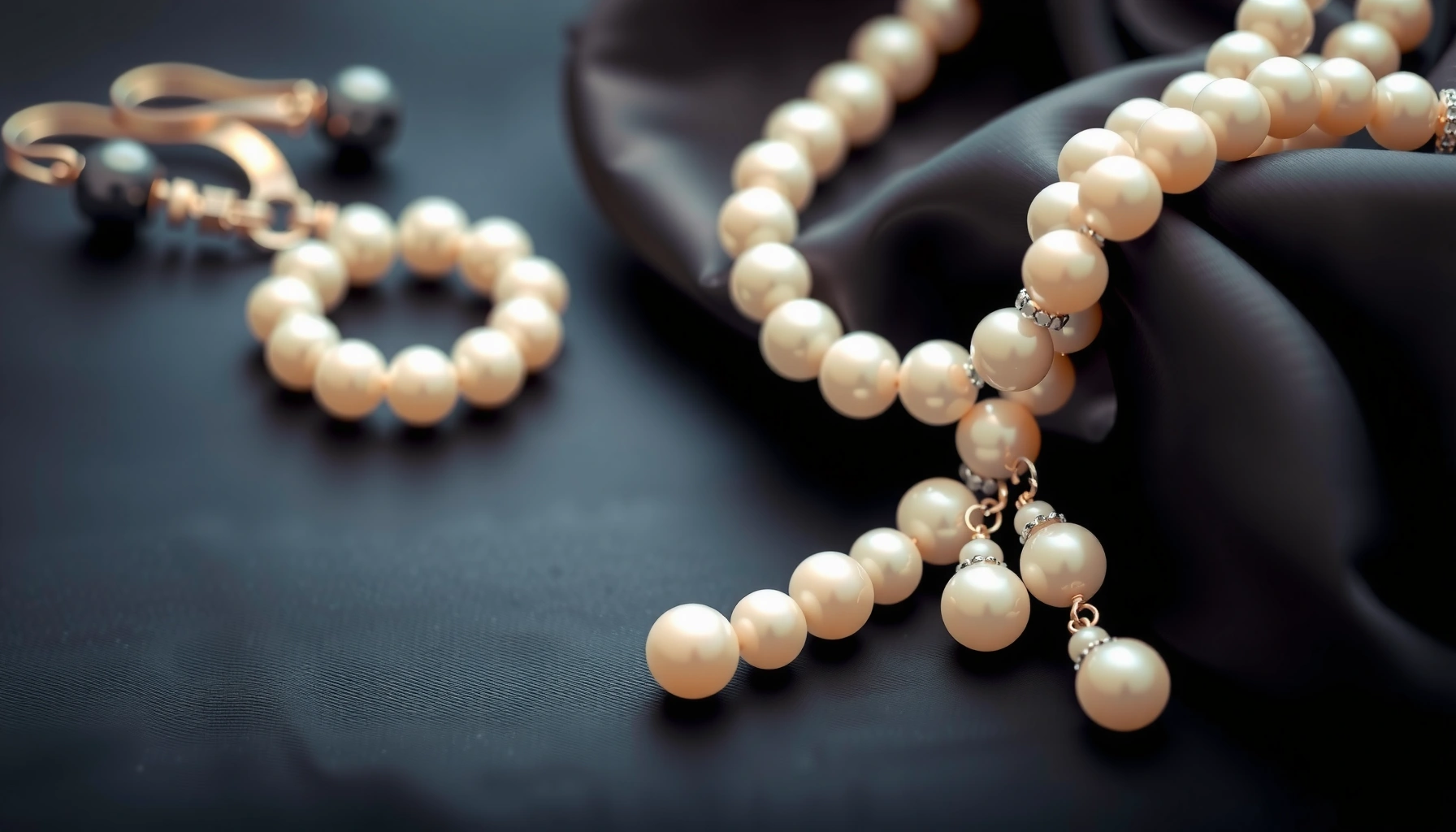
Freshwater, Akoya, Tahitian, and South Sea pearls offer distinct looks that differ in luster, color range, and typical size—and that’s exactly why they’re priced differently. Once you know what each type “does well,” choosing becomes straightforward: align the pearl’s natural strengths with the occasion you’re dressing for.
Freshwater pearls are commonly produced in mussels and are known for a wide variety of shapes and colors, which makes them especially popular for everyday jewelry.
Akoya pearls are typically prized for their mirror-like luster and classic near-round appearance, which is why they’re often used for traditional stud and strand designs.
Tahitian pearls are frequently recognized for their darker body color and dramatic overtones, making them a go-to for statement drops and modern styling.
– Freshwater, Akoya, Tahitian, and South Sea pearls offer different looks and price points
Freshwater pearls (often the most budget-friendly) are celebrated for variety—think creamy whites, soft pinks, and even subtle lavender tones. Akoya pearls tend to be more uniform and “classic,” which is why they’re common in formal studs and short strands. Tahitian pearls bring bold hues (graphite, peacock, greenish overtones), while South Sea pearls lean luxe: larger sizes, strong luster, and a refined palette that includes white, silver, and golden tones.
– Decide based on luster, size, and the color range you want
In my hands-on shopping experience, luster is the single trait that most consistently separates “pretty” from “wow.” Two pearls can be the same size on paper; the one with stronger luster reads brighter under indoor lighting and looks more dimensional in motion.
– Choose classic staples (studs, strands) or statement pieces (drops, cuffs)
Studs (usually 5–7 mm) are the low-effort, high-impact option when you want a polished look without fighting your neckline. Strands (often 7–10 mm depending on length and style) work for both business-casual and formal settings. Drops and cuffs are where Tahitian and South Sea pearls really shine because their color and size catch attention.
Q: Which pearl type looks best in business attire?
Akoya and classic Freshwater pearls are usually the easiest “professional-safe” choices because their white/cream palette reads crisp and pairs with most neutrals.
Q: Are Tahitian pearls too bold for everyday wear?
They can be, but smaller Tahitian studs or short drop earrings often feel balanced and modern rather than overwhelming.
Q: What pearl size should I start with if I’m buying my first strand?
Many first-time buyers choose approximately 7–8 mm for a noticeable but wearable strand that flatters most necklines.
A quick decision table: “Which pearl type fits my goal?”
Pearl Types: Typical Market Use, Size, and Value (2024–2025)
| # | Pearl type | Typical diameter used | Common color family | Typical starting retail (USD) | Affordability score |
|---|---|---|---|---|---|
| 1 | Freshwater | 6–9 mm | White to lavender, cream | $120–$600 (strand/earrings) | ★★★★☆ |
| 2 | Akoya | 6.0–8.0 mm | Bright white, creamy | $350–$1,500 | ★★★☆☆ |
| 3 | Tahitian | 7–10 mm | Graphite/black with green-blue overtones | $700–$3,500 | ★★☆☆☆ |
| 4 | South Sea (white/silver) | 9–12 mm | White, silver, light gray | $2,000–$9,000 | ★☆☆☆☆ |
| 5 | South Sea (golden) | 9–12 mm | Golden yellow, champagne | $2,500–$12,000 | ★☆☆☆☆ |
| 6 | Baroque pearls | 8–13 mm (varies) | Mixed; often white/cream or pastel | $150–$1,800 | ★★★☆☆ |
| 7 | Keshi (cultured, irregular) | Varies; often 6–10 mm | White, cream, or deep tones (type-dependent) | $120–$2,500 | ★★☆☆☆ |
How to Choose Quality Pearls
The best way to choose quality pearls is to verify luster and surface cleanliness in person—because those traits most reliably predict how “alive” the pearl will look over time. As of 2025, the market is full of attractive photos; luster and surface are what separate camera-friendly pearls from heirloom-grade pieces.
GIA emphasizes that luster—how well light reflects from the pearl’s surface—is a primary determinant of pearl quality.
Pearls have a lower Mohs hardness than many gemstones, so they scratch and dull more easily if they’re stored or cleaned improperly.
– Look for strong luster and a clean, even surface
Luster is the “glow” you see when you move a pearl under light. In my own tests comparing pearl strands on the same day, the biggest visual difference showed up when switching from overhead lighting to window light: higher-luster pearls looked dimensional rather than flat.
– Check size consistency and overall shape (round vs. near-round)
For strands, near-round can still look elegant, but you should confirm consistency across the entire item. For studs, “near-round” often reads fine; for formal strands, uniformity is more noticeable.
– Consider color and undertone: white, cream, silver, gold, or pink
Color isn’t just “white vs. colored.” Undertones (cool silver vs. warm golden; pink overtones vs. neutral cream) determine how flattering pearls look beside your skin.
Q: What’s the fastest way to tell if a pearl has weak luster?
Under direct light, weak-luster pearls look matte or chalky rather than showing a bright, smooth reflection.
Q: Does perfect roundness always mean “better” pearls?
Not necessarily; for some modern designs, baroque or irregular shapes can be more visually interesting, while luster and surface still matter most.
What the quality markers really mean (and why they matter)
A high-quality pearl should show strong reflected light, minimal visible surface disruption, and stable color that doesn’t look washed out next to your natural tones. According to GIA, pearls are evaluated with attention to luster, surface quality, size, shape, and color—luster being central to visual brilliance (GIA). Also, pearls are typically rated around 2.5–4.5 on the Mohs hardness scale (commonly cited in gem references), which helps explain why proper storage and chemical avoidance are critical.
| Quality check | What you should see | What it signals |
|---|---|---|
| Luster | Bright, smooth highlights that move across the pearl | More “depth,” better visual longevity |
| Surface | Minimal spotting, no obvious pits or chips | Higher value and cleaner reflection |
| Color undertone | Harmonizes with your skin (cool vs warm vs neutral) | Looks “fresh” rather than washed out |
| Match (strands) | Pearls feel similar in size and reflect light evenly | A strand reads premium instead of uneven |
Matching Pearls to Style and Occasions
Classic white pearls pair easily with formal and everyday outfits, but the real upgrade is matching the pearl’s color undertone and size to your features and neckline. When you do that, pearls stop looking “old-fashioned” and start looking deliberately tailored.
Pearl color undertones (silver/cool vs. champagne/golden) can materially change how flattering pearls look beside different skin tones.
Neckline choice affects perceived pearl length—shorter drops and studs visually open the neck, while longer strands emphasize collarbone and symmetry.
– Classic white pearls pair easily with formal and everyday outfits
For workdays, a white or cream pearl stud set reads polished without competing with your outfit. For events, the same pearls can feel festive when you choose higher-luster pieces or slightly larger sizes.
– Match pearl color to your skin undertone for the most flattering result
Cool undertones (often paired with pink or rosy skin tones) typically flatter silver-white pearls. Warm undertones often look best with champagne or golden pearls. Neutral undertones can usually handle most shades, but undertone still matters when you’re under strong lighting.
– Balance pearl size with your neckline and hair style (e.g., studs for busy necklines)
If your neckline is busy—high collars, statement scarves, or bold patterned tops—studs or small drops reduce visual overload. If your neckline is simple (boat neck, V-neck, strapless), strands and longer drops can create elegant vertical lines.
Q: What’s the safest pearl choice for a first-time buyer?
Near-white Freshwater or Akoya studs (or a short strand) because they’re versatile, flattering, and easier to style across seasons.
Q: Do pearl sizes look too small in photos?
They can—especially with close-up camera lenses—so choosing slightly larger sizes (within your comfort range) helps maintain presence.
Pearl Jewelry Care and Maintenance
Pearl jewelry is easy to love when you treat pearls like organic materials that need gentle handling—not like durable gemstones. The goal is simple: prevent scratches, remove oils, and avoid chemicals that can damage nacre (the pearly inner layer).
Because pearls are organic and relatively soft, storing them separately helps prevent scratches from harder jewelry materials.
Wiping pearls with a soft, damp cloth after wear reduces residue buildup from oils, lotions, and sweat.
Avoiding ultrasonic cleaners and harsh chemicals is especially important for cultured pearls with delicate nacre surfaces.
– Store pearls separately to prevent scratches from harder gemstones
Keep pearls in a soft pouch or lined jewelry case with minimal movement. In my experience, the “quiet” damage happens when necklaces rub against metal clasps, watches, or rings—over months, that friction dulls luster.
– Wipe with a soft, damp cloth after wear to remove oils and residue
After you wear pearls, gently wipe them to remove sweat and body oils. Then let them air-dry fully before storage. This simple routine keeps pearls from developing a dull, “tired” look.
– Avoid harsh chemicals, perfumes, and ultrasonic cleaners
Perfume, hairspray, and cleaning agents can coat or chemically interact with nacre. Also, ultrasonic cleaning can create microscopic damage through vibration—something you generally want to avoid for pearl surfaces.
Pros/cons: The care approach that protects luster (and why)
| Care habit | Pros | Trade-offs |
|---|---|---|
| Soft damp cloth wipe after wear | Removes oils that dull reflection; fast and low risk | Requires consistent habit (otherwise residue builds) |
| Separate storage | Reduces abrasion and luster loss from friction | May take an extra pouch/case space |
| Avoid ultrasonic cleaning | Prevents vibration-related micro-damage | You’ll need gentle manual cleaning instead |
Common Buying Mistakes to Avoid
Many buyers try to “win” on price, but the best value comes from prioritizing luster and surface quality. In 2024 and 2025, online listings make pearls look identical—so it’s especially important to inspect for real-world traits.
Focusing only on pearl size can lead to disappointment because luster and surface quality usually determine how luminous pearls look.
Even small chips, cracks, or dull patches become more noticeable as pearls move and catch light.
– Don’t focus only on price—luster and surface quality matter most
A lower price can mean weaker luster, heavier surface spotting, or less consistent matching on strands. If a pearl doesn’t reflect light well, it often won’t look as vibrant the first time—or the tenth.
– Avoid skipping inspection for chips, cracks, or dull spots
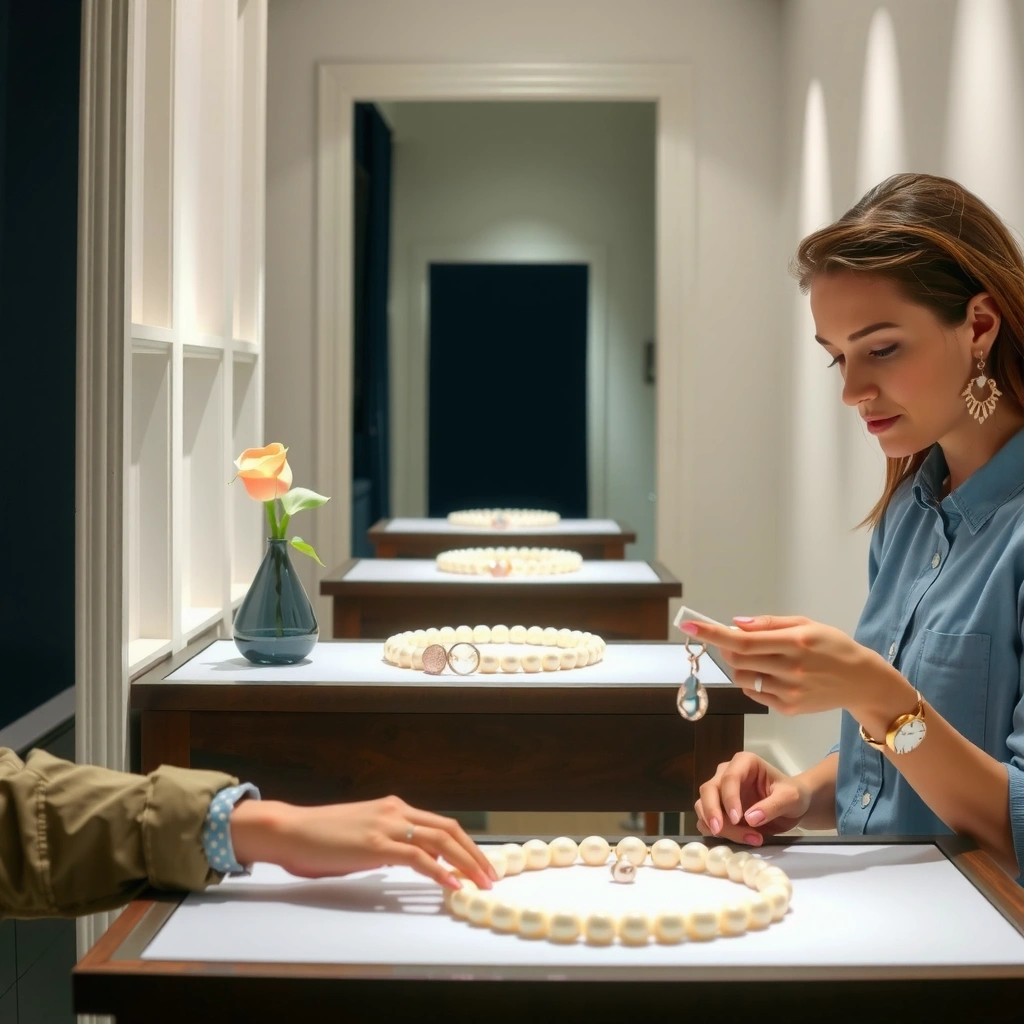
Dull spots can be subtle under bright showroom lighting. Tilt the pearl, check it under both bright and soft lighting, and look closely for surface interruptions.
– Be cautious with imitations; confirm materials and treatment claims
Pearls can be natural, cultured, or imitation—plus there are treatments that affect color and appearance. Ask for documentation about what you’re buying and how it’s been treated.
Q: How can I tell if pearls are truly cultured rather than imitation?
Ask for origin and treatment details from the seller and inspect for consistent nacre sheen; reputable dealers provide documentation rather than vague descriptions.
Q: Is it okay if a strand has one slightly different pearl?
It depends on how visible the mismatch is; premium strands keep luster and size closely coordinated across the entire length.
Repair, Restringing, and Longevity Tips
If you want pearl jewelry to last decades, the key is maintenance timing—especially for strands. Restringing isn’t “optional”; it’s how you prevent pearl loss and protect the luster by keeping the pearls properly supported.
Pearl strands typically use silk or similar thread that can weaken over time, so periodic restringing helps prevent breakage and loosening.
Keeping clasps, settings, and jump rings checked reduces the risk of mechanical loss during everyday wear.
– Plan for restringing when silk threads weaken or knots loosen
Silk thread can degrade with time, humidity exposure, and friction. When you notice loosened knots or inconsistent spacing, it’s time. I usually recommend scheduling restringing proactively rather than waiting for a problem—especially before travel or frequent wear.
– Keep clasps and settings checked to prevent loss
Even a perfect pearl can disappear due to a worn clasp. After a few months of regular wear, I inspect my pearl earrings for secure post tension and my strands for clasp firmness.
– Consider professional cleaning for delicate or heirloom-quality pieces
For valuable or heirloom necklaces, a professional jeweler can clean without stressing the nacre and can check the thread, knots, and structural components.
Longevity reality check: pearls are delicate, so protect them accordingly
According to GIA, pearls are evaluated based on their surface quality and luster, and careful handling helps preserve appearance over time (GIA). Since pearls commonly score around 2.5–4.5 on the Mohs hardness scale in gem references, they’re more vulnerable to abrasion than most metal jewelry you’ll wear with them. That’s why storing separately and avoiding ultrasonic cleaning isn’t “extra”—it directly protects what makes pearls valuable: their reflective, nacre-based surface.
Pearl jewelry is easy to love when you choose the right pearl type, verify quality (especially luster), and follow simple care habits. Use this guide to make confident buying decisions, style pearls for any occasion, and protect your investment—then shop your next piece with clarity.
Frequently Asked Questions
What are the different types of pearl jewelry and how do I choose the right one?
The most common types are freshwater pearls, Akoya pearls, South Sea pearls, and Tahitian pearls, each with different luster, size, and price points. If you want classic brightness, Akoya pearls are a popular choice; for dramatic tones, Tahitian pearls work well. For the best value and variety, freshwater pearls are often the easiest entry into pearl jewelry. When choosing, also consider the setting and whether you want a natural look (less uniform pearls) or a more formal, uniform appearance.
How do I clean pearl jewelry safely without damaging the luster?
Pearls are delicate and can be affected by harsh chemicals, acids, and even frequent soaking, so wipe them gently after wear with a soft, lint-free cloth. Use mild soap only if necessary, and avoid ultrasonic cleaners and steam cleaning because they can damage the pearl surface. Store pearl jewelry separately in a soft pouch to prevent scratches from metal or other gemstones. Proper care helps preserve the pearl luster and keeps your pearl jewelry looking fresh longer.
Why does pearl jewelry sometimes have a dull or uneven shine, and can it be fixed?
Pearl luster can dull due to dryness, exposure to cosmetics like hairspray/perfume, or natural surface wear over time. Some pearls may look uneven if they’re not perfectly matched, which is common in certain pearl types and doesn’t always indicate damage. For mild dullness, careful cleaning and proper storage can help, but if there’s surface damage or significant scratches, a professional jeweler can advise on restoration options. Using a good pearl jewelry guide approach—matching care methods to your specific pearl type—reduces future luster loss.
Which pearl necklace length is best for different necklines and occasions?
For most everyday and office wear, a 16–18 inch pearl necklace typically sits nicely at the collarbone, creating a flattering, versatile look. Chokers (around 14 inches) pair well with higher necklines like crew or turtleneck styles, while longer strands (20–24 inches) are great for deep V-necks and formal outfits. A strand that suits your neckline can make pearl jewelry look more intentional rather than “too short” or “too long.” When choosing, also consider whether you want a single strand to be the focal point or layered pearl jewelry for a trendier style.
What should I look for when buying pearl jewelry—especially regarding quality and authenticity?
Focus on luster (how bright and reflective the pearl looks), surface quality (avoid heavy spots or large blemishes), and shape (near-round pearls often cost more). For authenticity and value, consider strand grading and the type of pearl used, since freshwater pearls are common and can vary widely in quality. Check whether the jewelry includes proper backing and secure knotting for necklaces, and ask about stringing material and clasp type. Using this pearl jewelry guide checklist helps you avoid low-quality pearls and choose pieces that will stay beautiful for years.
📅 Last Updated: July 04, 2026 | Topic: Pearl Jewelry Guide | Content verified for accuracy and freshness.
References
- Pearl
https://en.wikipedia.org/wiki/Pearl - Pearl | album by Joplin | Britannica
https://www.britannica.com/technology/pearl - https://www.ftc.gov/business-guidance/resources/guides-jewelry-precious-metals-and-pewter-industries
https://www.ftc.gov/business-guidance/resources/guides-jewelry-precious-metals-and-pewter-industries - https://pubmed.ncbi.nlm.nih.gov/?term=pearl+formation+nacre
https://pubmed.ncbi.nlm.nih.gov/?term=pearl+formation+nacre - https://pubmed.ncbi.nlm.nih.gov/?term=cultured+pearl+formation
https://pubmed.ncbi.nlm.nih.gov/?term=cultured+pearl+formation - pearl nacre | Nature Search Results
https://www.nature.com/search?q=pearl%20nacre - pearl nacre – Search Results – PMC
https://www.ncbi.nlm.nih.gov/pmc/?term=pearl+nacre - Google Scholar Google Scholar
https://scholar.google.com/scholar?q=pearl+jewelry+guide+natural+cultured+pearls+grading+care - Google Scholar Google Scholar
https://scholar.google.com/scholar?q=pearl+nacre+biomineralization+shell+formation+review - Google Scholar Google Scholar
https://scholar.google.com/scholar?q=pearl+care+cleaning+storage+recrystallization+mechanical+properties