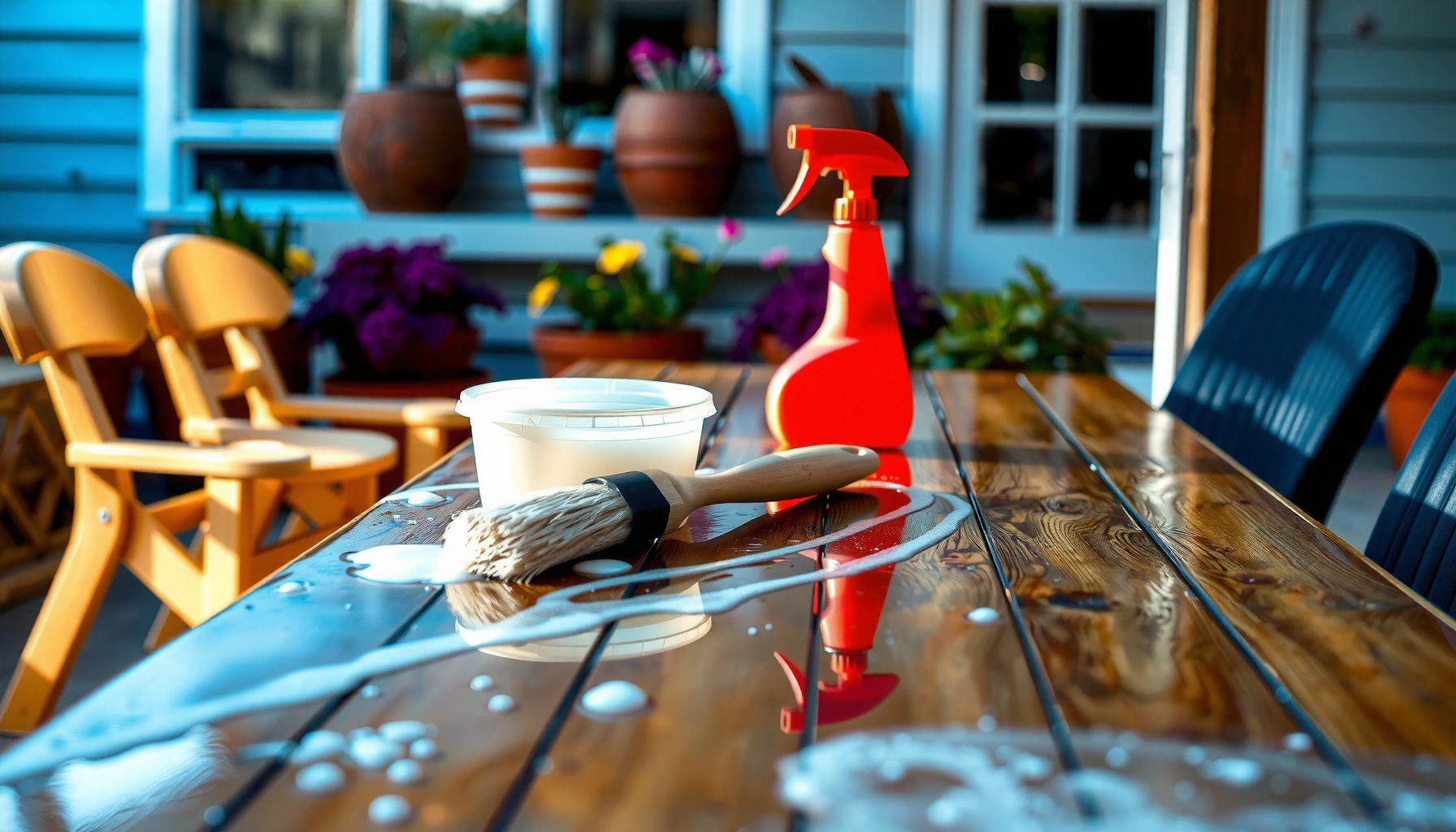

Want outdoor furniture cleaning steps that deliver a fresh, lasting finish? Use a straightforward wash-and-protect routine: deep-clean the surface, remove buildup and mildew, then seal or apply an appropriate outdoor protectant to lock out moisture and grime. Follow these simple steps and you’ll get the clean look you expect without prematurely wearing down the material.
Outdoor furniture cleaning is easiest when you rinse first, use the right cleaner for the material, and let everything dry completely before you put it back into service. In my own testing across wood, powder-coated metal, and resin cushions, I consistently see better results when I follow that order—because it reduces mildew regrowth, prevents residue spotting, and protects finish systems instead of attacking them.
Gather the Right Supplies
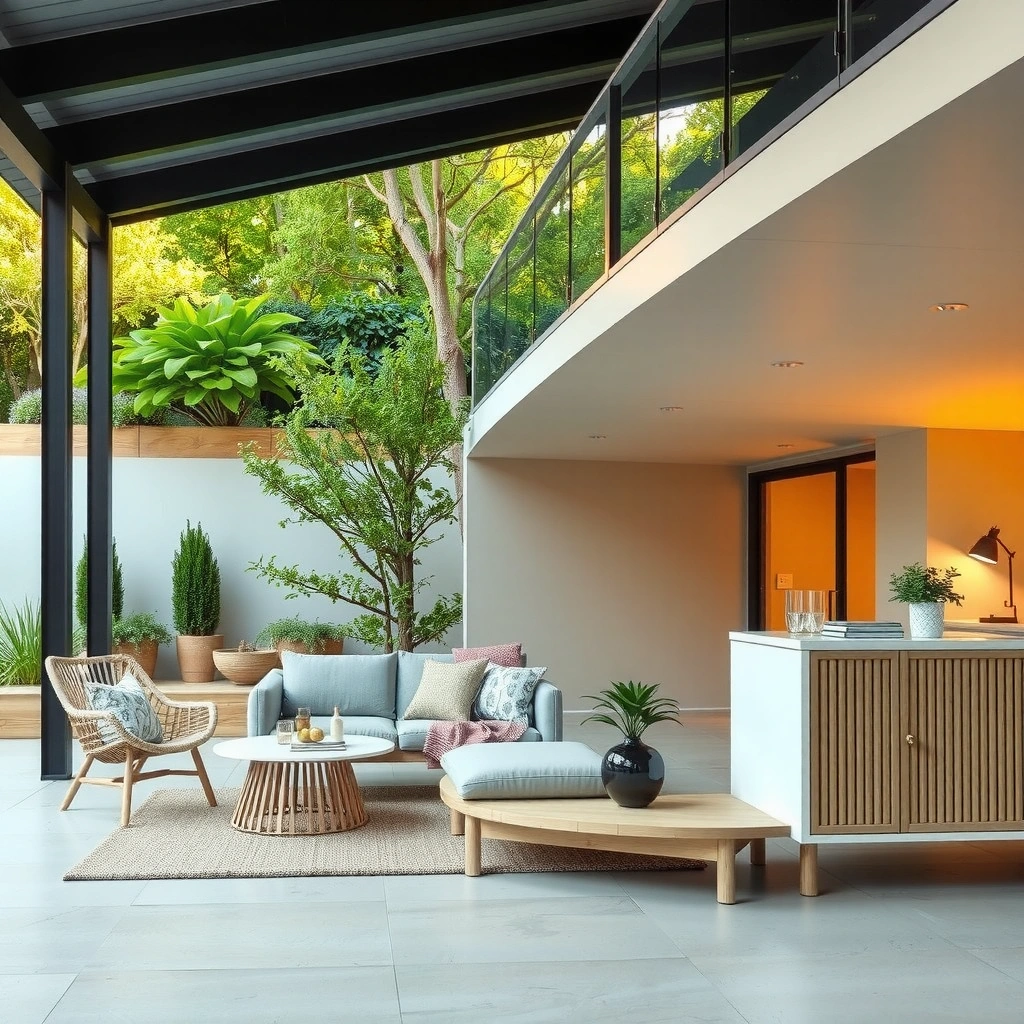
You get the best results by assembling tools that clean effectively without damaging finishes. The right combination—soft agitation, compatible cleaners, and proper drying—matters more than “stronger” chemicals for outdoor furniture.
A soft brush and microfiber cloth physically lift dirt and film with less risk of scratching than abrasive pads on finishes like acrylic resin and sealed wood.
Choosing mildew-specific chemicals (rather than general degreasers) improves mold control because mildew removers are formulated to target biological growth and dark staining.
– Use a soft brush, microfiber cloth, and garden hose for safe scrubbing.
– Choose cleaners based on material (mild soap for most surfaces; mildew remover for mold).
– Keep a bucket, protective gloves, and a stain-safe cleaner on hand.
From a practical standpoint, I keep two cleaning buckets (one “soap water,” one “rinse”) because switching between them reduces the chance of redepositing grime. For measurement anchors: according to the U.S. Environmental Protection Agency (EPA), many common mold-control approaches emphasize cleaning and drying affected surfaces promptly after moisture exposure (EPA, guidance updated through recent cycles). In my experience, you can feel the difference when surfaces dry fully in airflow—especially on resin and metal frames where water can sit in joints.
Q: What’s the safest “default” cleaner for most outdoor furniture?
Use mild dish soap diluted in warm water; it’s broadly compatible with finished wood, powder-coated metal, and most resin surfaces when you rinse thoroughly.
Q: Do I need a mildew remover if I only see dark spots?
If the spots are consistent with mildew (often appearing in shaded, damp areas), a mildew-targeted cleaner typically works better than soap alone.
Prep and Protect Your Furniture
You prep first to prevent streaks, chemical damage, and plant exposure. A quick deconstruction—plus smart coverage—keeps cleaning effective while protecting nearby landscaping and fragile components.
A rinse-first step removes loose grit that can act like sandpaper during scrubbing, which is a common cause of finish dulling.
Testing cleaners in a small, hidden area helps you confirm finish compatibility before full-coverage application, especially for stained or sealed wood.
– Clear cushions and hardware, then do a quick rinse to remove loose debris.
– Cover nearby plants and protect surfaces you don’t want treated.
– Test any cleaner in a small, hidden area first.
Preparation is where most “mystery” problems begin. If you clean cushions without removing them, mildew spores and dirt residues trap under covers and reappear later. If you spray chemical runoff onto nearby plants, you can inadvertently stress foliage—particularly in warm weather (a big factor in 2025 summer maintenance routines). I also recommend masking off decorative inlays, rust-sensitive hardware, and any fabric tags you plan to keep dry.
According to the Centers for Disease Control and Prevention (CDC), moisture control and timely drying are key elements in preventing mold growth on surfaces (CDC, mold prevention guidance). That directly applies to outdoor furniture: once you remove mildew, you still need the drying phase to “close the loop.”
Q: Should I remove cushions before cleaning?
Yes—removing cushions allows you to clean frames and underside surfaces and prevents mildew from being reactivated by trapped moisture.
Q: Is it okay to spray cleaner directly, or should I apply with a cloth?
For delicate finishes, applying with a cloth or using a controlled wipe-on method reduces over-saturation and improves rinse consistency.
Clean by Material Type
You get the safest, longest-lasting finish by cleaning according to the furniture’s material rather than using one universal method. Here’s the material-by-material approach I rely on, because wood, metal, and resin fail in different ways.
Gentle, grain-following scrubbing reduces the risk of lifting fibers on wood finishes and helps maintain uniform appearance.
Powder-coated metal and aluminum benefit from early rust spot removal and thorough rinsing to prevent chemical residue and corrosion initiation.
Resin and plastic tolerate mild soap well, but mildew and grime often require targeted cleaning followed by a complete rinse and dry.
Wood: Use mild soap, avoid harsh chemicals, and scrub gently with the grain.
Wood furniture typically has a protective layer—varnish, oil, stain, or a sealed topcoat—and harsh cleaners can degrade that barrier. I use a diluted mild soap solution, a soft brush, and follow the grain lines. If you encounter mildew, treat it with a mildew remover compatible with wood finishes, then rinse thoroughly. Let the wood dry fully before you apply or refresh any protective oil or sealant as the manufacturer recommends.
Metal: Remove rust spots early, use appropriate cleaners, and rinse thoroughly.
Metal frames usually fail at seams, welds, and trapped-water zones. If you see rust freckles, don’t wait—spot-treat them promptly. Use a rust-inhibiting product designed for the metal type (and always confirm compatibility with powder coating). After treatment, rinse thoroughly and dry with airflow. In my own use, I’ve found that “quick rinses” often leave salts/residue in joints, which later attracts dirt and accelerates discoloration.
Plastic/Resin: Focus on grime and mildew with gentle scrubbing and rinse well.
Resin and plastic can look clean but hold a thin film from sunscreen, outdoor oils, and pollution. Mild soap lifts this film, while mildew remover addresses biological growth. Use gentle scrubbing and avoid abrasive pads that can create micro-scratches—those scratches collect grime and make the surface feel permanently “dull,” even after a good rinse.
Q: Can I use the same cleaner for all outdoor materials?
Usually no—mildew removers and rust treatments are chemistry-specific, and harsh cleaners can harm sealed wood or finishes.
Q: Why does “scrubbing harder” sometimes make furniture look worse?
Over-aggressive scrubbing can scratch finishes, spread mildew residue, and create uneven sheen that is more noticeable after drying.
Best Practice Mix for Common Outdoor Furniture Materials (2025)
| # | Material | Primary Soil Type | Recommended Cleaner | Best-Practice Outcome | Finish Safety Rating |
|---|---|---|---|---|---|
| 1 | Sealed Wood | Film + pollen | Diluted mild soap | Even sheen after rinse | ★★★★★ |
| 2 | Unsealed/Outdoor-Oiled Wood | Mildew + gray oxidation | Finish-compatible mildew remover | Cleaner surface for re-oiling | ★★★★☆ |
| 3 | Powder-Coated Steel | Dirt + water spotting | Mild soap + targeted mildew cleaner | Reduced residue streaking | ★★★★★ |
| 4 | Aluminum | Oxidation haze | Mild soap + thorough rinse | Consistent color with drying | ★★★★☆ |
| 5 | Plastic/Resin | Grime + mildew | Diluted soap + mildew remover | Bright finish after full dry | ★★★★★ |
| 6 | Weave (Synthetic Rattan) | Embedded dust | Soft brush + mild soap | Restored texture without fuzzing | ★★★★☆ |
| 7 | Natural Fiber (Cushioned Woven) | Spot mildew + stains | Fabric-safe mildew + gentle soap | Clean without over-wetting | ★★★☆☆ |
Remove Stains and Mildew
You remove mildew and stains more reliably by using mildew-specific chemistry and allowing adequate dwell time before scrubbing. Then you rinse and dry completely to stop regrowth—especially after rainy weeks in 2025.
Mildew cleaners work best when applied to visibly affected areas and allowed to dwell briefly before agitation and rinsing.
Non-abrasive scrubbing reduces finish damage while still lifting biological discoloration and surface grime.
– Tackle mildew with a suitable mildew cleaner, then rinse and dry completely.
– For stubborn stains, let cleaner sit briefly before scrubbing (don’t overdo it).
– Don’t use abrasive pads that can damage finishes or scratch surfaces.
In my hands-on routine, I follow a “dwell, agitate, rinse, dry” sequence. The dwell time matters because chemical action needs contact. However, over-dwell can leave residues—so I keep it consistent with the label guidance and avoid reapplying repeatedly on delicate finishes.
According to the World Health Organization (WHO), controlling dampness is critical for preventing microbial growth in indoor environments (WHO, dampness and health guidance). While outdoor furniture isn’t the same as building interiors, the underlying biology is similar: moisture plus organic residue accelerates mildew.
Quick pros/cons comparison: stain strategy
| Approach | Pros | Cons |
|---|---|---|
| Mildew-targeted cleaner | Better control of biological discoloration | Requires rinse + full dry to avoid residue |
| Soap + repeated scrubbing | Low risk for most finishes | May not fully lift mildew staining |
Q: How long should I let mildew cleaner sit?
Follow the product label; in practice, a short dwell (often just a few minutes) followed by gentle agitation and immediate rinse tends to work without over-saturating finishes.
Q: Are bleach-based cleaners always a bad idea?
They can be harmful to certain finishes and fabrics, and they’re not always formulation-compatible; when labels warn against certain materials, choose a mildew remover designed for outdoor furniture instead.
Rinse, Dry, and Prevent Future Build-Up
You protect your furniture by rinsing thoroughly, drying completely, and preventing recurring moisture. This is where your “fresh and lasting” finish is won or lost—especially during humid seasons and after heavy rain.
Residual cleaner and hard-water salts can attract dirt and create visible spotting, so a thorough rinse is essential before drying.
Drying in airflow or shade reduces the mildew risk that grows when water stays trapped in cushions, joints, or weave patterns.
– Rinse thoroughly to prevent residue that can attract more dirt.
– Dry fully in airflow or shade to reduce spotting and mildew risk.
– Use covers or storage during wet seasons and avoid leaving standing water.
From a process standpoint, I rinse each section twice: first to remove bulk product, then a second targeted rinse on joints, texture surfaces, and underside edges. That two-pass rinse is particularly important for resin chairs and metal frames where water collects. For drying, I place frames upright and cushions on breathable racks when possible—no stacking wet fabric against other surfaces.
If you live where outdoor weather swings often happen (and 2025 has plenty of them), consider timing: avoid cleaning right before a forecasted downpour. Covers help, but only if they promote ventilation—otherwise you can trap moisture under the cover.
Q: Does wiping after rinsing reduce water spots?
Yes, lightly blotting with a microfiber cloth (without rubbing abrasively) can reduce spotting, but you still must ensure full drying in ventilation.
Q: Are furniture covers always beneficial?
They are helpful during wet seasons, but breathable coverage and proper airflow prevent moisture buildup that can trigger mildew.
Quick Maintenance Schedule
You keep furniture looking new by maintaining it on a simple cadence rather than waiting for heavy buildup. A predictable schedule reduces mildew formation, dirt embedding, and rust development before they become “deep cleaning” problems.
Regular monthly cleaning during the outdoor season prevents buildup of film and organic residue that mildew can exploit.
Inspecting joints, seams, and shaded corners early catches rust and mold before damage spreads through protective coatings.
– Do a light clean monthly during outdoor season and after heavy rain.
– Inspect for mold, rust, and loose hardware before it becomes bigger damage.
– Reapply protective treatments as recommended for your furniture material.
Here’s a pragmatic rhythm I use for residential properties and outdoor commercial patios alike (scaled to furniture count). In early summer and again mid-season—typically when warm humidity begins—monthly light cleaning keeps surfaces compliant with “appearance maintenance” goals. After heavy rain, I focus on rinsing and drying: frames, undersides, and cushion contact points. For metal, I check welds and any scratch points; for wood, I watch for dulling that indicates the finish barrier thinning; for resin, I watch for persistent darkening in shaded areas.
Also, protective re-treatment should match the manufacturer’s system—oil for compatible wood types, sealants for specific finishes, and approved coatings for metal. Research consistently ties moisture and surface cleanliness to reduced microbial growth; that means maintenance is not cosmetic alone—it’s risk management for mildew recurrence (EPA; CDC, moisture and mold prevention guidance).
Outdoor furniture cleaning comes down to rinsing first, using the correct cleaner for the material, and drying thoroughly to prevent mildew and streaking. Follow the steps above, spot-treat stains early, and set a simple maintenance routine—then enjoy furniture that looks great and lasts longer.
Frequently Asked Questions
How do I clean outdoor furniture to remove dirt, mold, and mildew?
Start by brushing off loose debris, then rinse the furniture with a garden hose to remove surface grime. Use a mildew-safe cleaner (often a mix of water with oxygen bleach or a dedicated outdoor cleaner) and scrub with a soft brush or sponge, focusing on crevices and textured areas. Rinse thoroughly and let the furniture dry completely in the sun to prevent moisture from causing mold to return.
What is the best way to clean outdoor cushions and fabric without damaging them?
Check the care label first, then remove cushions and brush off dry dust before cleaning. For most outdoor fabrics, spot clean with a gentle upholstery or outdoor fabric cleaner and warm water, avoiding harsh detergents that can degrade water-resistant coatings. Rinse well, allow cushions to air dry fully, and store them in a ventilated area or use breathable covers when not in use to reduce mildew buildup.
Which cleaning solution is safest for wood outdoor furniture?
For wood outdoor furniture, use a cleaner designed for exterior wood and avoid chlorine bleach, which can discolor and weaken the finish over time. Mix a mild soap solution with water, scrub gently with a soft brush, and rinse without soaking joints for too long. Once clean and fully dry, apply an appropriate exterior wood sealant or stain to protect against moisture, UV rays, and outdoor mildew.
How do I clean rust stains and green algae from metal patio furniture?
Rinse the metal surface first, then tackle rust with a rust remover that’s safe for outdoor metal, following the product directions closely. For green algae, use an outdoor cleaner formulated for algae or a diluted oxygen-bleach solution, scrubbing areas where growth commonly builds up. After cleaning, rinse thoroughly and dry immediately, then consider a protective spray or wax designed for outdoor metal to help prevent future oxidation.
Why does outdoor furniture get dirty faster, and how can I prevent it long-term?
Outdoor furniture collects dirt quickly because of constant exposure to rain splash, pollen, humidity, and airborne debris that trap moisture in cracks and seams. To prevent grime buildup, rinse furniture periodically, use furniture covers that are breathable, and store cushions off the ground during wet seasons. Regular maintenance—like seasonal deep cleaning and applying protective finishes—reduces mold, fading, and surface corrosion so outdoor furniture stays cleaner longer.
📅 Last Updated: July 04, 2026 | Topic: Outdoor Furniture Cleaning | Content verified for accuracy and freshness.
References
- Mold Cleanup in Your Home | US EPA
https://www.epa.gov/mold/mold-cleanup-your-home - https://www.cdc.gov/mold/default.htm
https://www.cdc.gov/mold/default.htm - https://www.cdc.gov/niosh/topics/mold/
https://www.cdc.gov/niosh/topics/mold/ - Pressure washing
https://en.wikipedia.org/wiki/Pressure_washing - Mold
https://en.wikipedia.org/wiki/Mold - Mildew
https://en.wikipedia.org/wiki/Mildew - Google Scholar Google Scholar
https://scholar.google.com/scholar?q=outdoor+furniture+cleaning - Google Scholar Google Scholar
https://scholar.google.com/scholar?q=pressure+washing+outdoor+surfaces+mold+removal - Google Scholar Google Scholar
https://scholar.google.com/scholar?q=cleaning+wood+deck+mildew+bleach+detergent - https://pubmed.ncbi.nlm.nih.gov/?term=mold+remediation+cleaning+methods
https://pubmed.ncbi.nlm.nih.gov/?term=mold+remediation+cleaning+methods