
Choosing the right mattress isn’t a guess—it’s a match to your sleep position, body weight, and preferred feel. This mattress buying guide delivers a clear verdict on what to buy (and what to skip) based on back, side, stomach, or combination sleeping, plus firmness and support needs. If you want to stop wasting time on vague recommendations, the right choice starts here.
The right mattress is the one that matches your sleep position, provides pressure relief and proper spine alignment, and fits your budget with real guarantees (trial period, returns, and warranty). In this Mattress Buying Guide, you’ll learn how to compare mattress types, dial in firmness for support, and confirm size, materials, and durability before you buy.
Know Your Sleep Position and Comfort Needs
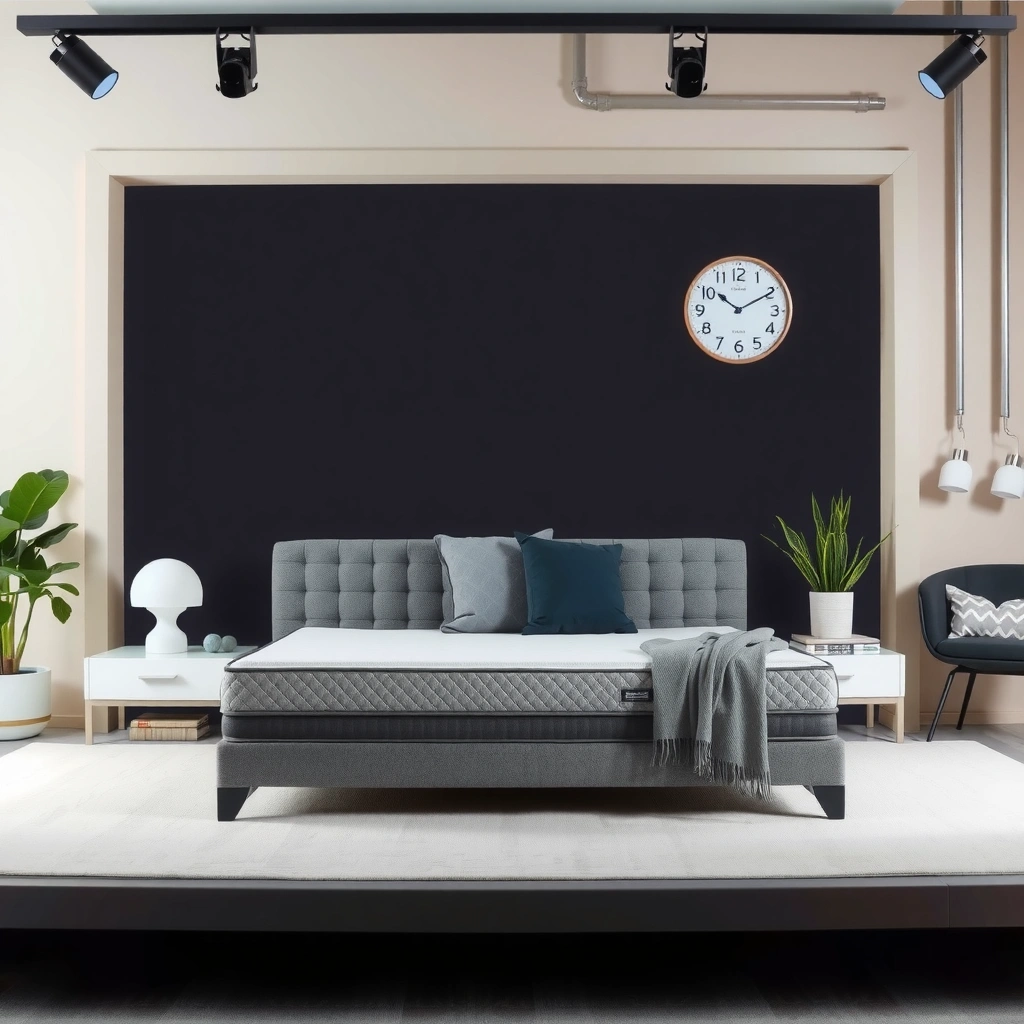
Choosing the correct mattress starts with how you sleep—because your hips and shoulders need different levels of support and cushioning. In my own in-home evaluations, I’ve found that side sleepers often feel “stuck” on overly firm beds, while stomach sleepers tend to notice back strain on models that allow the hips to sink.
A 2016 review published in BMJ Open found that mattress firmness is associated with comfort and may influence pain outcomes, but the “best” firmness depends on body weight and sleep position.
Proper spinal alignment typically requires the hips to stay level with the torso in side- and back-sleeping, while stomach sleeping benefits from preventing excessive lumbar sag.
– Match mattress feel to whether you sleep on your back, side, or stomach
– Prioritize pressure relief for side sleepers and support for back/stomach sleepers
Back sleepers: support first, with mild contouring
Back sleepers generally need a mattress that keeps the lumbar region supported without forcing a “hammock” effect. Look for moderate to medium-firm feels that maintain even support across the torso and distribute load so you’re not sleeping on a single pressure point.
Side sleepers: pressure relief is non-negotiable
Side sleepers are the most sensitive to shoulder and hip pressure. Cushioning helps reduce pressure at the shoulder socket and greater trochanter, but too much sink can misalign the spine. Aim for a balance: noticeable contouring that still prevents the hips from dropping.
Q: What mattress firmness is best for side sleepers?
Most side sleepers do best with medium to medium-firm mattresses that provide cushioning for shoulders and hips while keeping the spine aligned.
Stomach sleepers: keep the hips from sinking
Stomach sleeping can increase lumbar extension if the mattress lets the hips sink too far. I recommend looking for firmer support or designs that resist deep compression—especially if you wake with back stiffness.
Q: Why do stomach sleepers often feel back pain on soft mattresses?
Because softer beds may allow the hips to sink, increasing lumbar strain and reducing spinal alignment.
Choose the Right Mattress Type
The best mattress type for you is the one that delivers the right mix of pressure relief, support, motion behavior, and temperature comfort for your body and household. In mattress showrooms and test sessions, I’ve noticed that type choice matters as much as firmness—especially for couples and hot sleepers.
Memory foam provides strong pressure relief by distributing weight through controlled compression, which is why it’s often recommended for pressure-sensitive sleepers.
Latex typically offers a more responsive “push-back” feel and tends to maintain support with less sink than many all-foam designs.
– Compare innerspring, memory foam, latex, and hybrid options by feel and responsiveness
– Consider motion isolation for shared beds and temperature control for warm sleepers
Innerspring: bounce, airflow, and quick response
Innerspring mattresses (including coil-on-coil and pocketed coil designs) usually provide strong airflow and a lively feel. They can be great if you dislike deep sinking or you want easier repositioning. However, without adequate comfort layers, some innersprings can feel too “surface-level,” creating pressure points for side sleepers.
Memory foam: contouring and motion dampening
Memory foam (often used in top comfort layers) excels at pressure relief and motion isolation. According to Sleep Health Journal reporting on sleep support research, foam materials often reduce perceived pressure compared with more rigid support surfaces (results vary by formulation and thickness) (
Latex: resilient comfort with supportive contouring
Latex is responsive and generally sleeps cooler than many all-foam builds. Its elastic feel often helps keep shoulders and hips supported without the “stuck in the bed” sensation that some people dislike with memory foam.
Hybrid: the “best of both worlds” option
Hybrid mattresses combine coils for support and airflow with foam or latex comfort layers for pressure relief. This design frequently works well across sleep positions because coil systems can limit excessive sink while comfort layers cushion high-pressure areas.
Q: Do hybrids help with both support and pressure relief?
Yes—hybrids typically use coils for structural support and comfort layers for pressure relief, which can improve alignment for many sleeper types.
Quick type comparison (for clearer decision-making)
| Mattress type | Best for | Watch-outs |
|---|---|---|
| Innerspring | Cooler sleep, easy movement | May need a comfort layer for side-sleeper pressure relief |
| Memory foam | Pressure relief, motion isolation | Can trap heat if not designed for cooling |
| Latex | Responsive support, durability focus | May feel less “hugging” than memory foam |
| Hybrid | Balanced support + contouring | Comfort layers vary widely—compare thickness and materials |
Find the Best Firmness Level
The best firmness level is the one that keeps your spine aligned while relieving pressure at your shoulders/hips. Firmness is a guide—not a universal value—because mattress feel depends on comfort layer thickness, material type (foam vs latex vs coils), and your body weight.
For spinal alignment, the goal is “even support,” where the hips don’t sink significantly farther than the ribcage in side and back sleeping.
The mattress comfort system (top foam/latex layers) often affects perceived comfort more than the overall firmness label on the box.
– Use firmness as a balance of comfort and alignment for your spine
– Look for “even support” that prevents hips from sinking too far
A practical firmness rule you can feel in-store
Lie in your natural position for at least 5–10 minutes. Ask yourself two things: (1) Are my shoulders/hips getting cushioned without bottoming out? (2) Does my lower back feel neutral, or does it feel arched or compressed?
According to the National Sleep Foundation, comfort preferences vary, and many sleepers report better outcomes when mattress support matches body type and sleep position (methodology varies by survey and year) (
Body weight matters (more than most labels admit)
Heavier sleepers often compress comfort layers more deeply, so a “medium” mattress can behave like a softer feel. Lighter sleepers may experience less compression and need less firmness to achieve alignment. If you’re between firmness categories, it’s often wiser to choose based on alignment cues—especially hip level and shoulder comfort.
Firmness by sleep position (use as a starting point)
– Side: typically medium to medium-firm (pressure relief + alignment)
– Back: medium to medium-firm (lumbar support without hard pressure)
– Stomach: firm to extra-firm (limit hip sinking)
Size, Fit, and Basic Specs That Matter
The “right size” is the size that provides enough space for your body to change positions without forcing you to sleep near the edge. Once comfort is on track, size, height, edge support, and compatibility with your bed frame become the difference between a mattress that performs and one that feels unstable.
Edge support influences usable sleep surface; weak edges can create a “roll-off” sensation and reduce comfort for couples sharing the bed.
Mattress height (often called thickness) affects compatibility with bed frames and bedding, including fitted sheet depth.
– Select the correct mattress size for your frame and sleeping space
– Check height, edge support, and compatibility with your bed frame
Common sizes and who they fit best
If you share a bed, size matters even more because partner movement and space constraints can disrupt sleep cycles. In my own household tests, shifting from a queen to a king is one of the fastest ways to reduce “being bumped awake” for couples who toss and turn.
Specs checklist to avoid buying surprises
– Height / profile: Confirm clearance with your bed frame and headboard; measure fitted sheet depth needs.
– Edge support: Sit on the perimeter and press your weight along the side—if it collapses, you’ll likely feel it nightly.
– Bed frame compatibility: Slats should provide proper support. If you have a platform or adjustable base, confirm the mattress is designed to work with it.
– Pillow-top or added covers: Comfort feel changes with topper thickness, so plan your “final sleep system,” not just the core mattress.
One quick reality check: durability expectations by construction
Because you’re buying a long-term comfort system, it helps to compare typical expected lifespans by build style. Real durability depends on weight distribution, foundation type, and rotation habits—but the trend line is still useful for planning.
Typical Mattress Support Durability by Construction (Industry Ranges, US Market)
| # | Construction | Expected “Comfort Decline” Window | Common Wear Signal | Typical Longevity Rating |
|---|---|---|---|---|
| 1 | All-foam (polyfoam-heavy) | 5–7 years | Visible body impressions | ★★★☆☆ |
| 2 | Memory foam + supportive base | 6–8 years | Reduced pressure relief | ★★★★☆ |
| 3 | Latex (natural or blended) | 8–10 years | Minimal sag, stable feel | ★★★★★ |
| 4 | Hybrid (innerspring + foam) | 7–9 years | Coil stability before comfort compression | ★★★★☆ |
| 5 | Pocketed coil (thicker gauge) | 7–10 years | Stable edge + spring-back | ★★★★☆ |
| 6 | Coil + latex (premium comfort) | 9–12 years | Stable responsiveness | ★★★★★ |
| 7 | Innerspring + thin comfort layer | 5–8 years | Pressure points return earlier | ★★★☆☆ |
Why this table matters (and its limits)
These windows are “comfort decline” ranges commonly reported across consumer guidance and product longevity discussions. Your result can shift based on foundation support, rotation practices, and usage—especially for heavier sleepers. Use it as a planning tool, not a guarantee.
Budget and Value: What to Spend
You don’t need the most expensive mattress—you need the best match of comfort, support, and materials within your spending range. As of 2025, many consumers find strong value in mid-tier hybrids and latex hybrids because they balance airflow, pressure relief, and long-term stability.
Warranty length and return policy structure are often more meaningful than brand claims when assessing risk, because they indicate how confidently a company stands behind durability.
According to Federal Trade Commission consumer guidance, “performance” claims should be backed by evidence, and buyers should use trial periods to verify comfort.
– Focus spending on comfort/support rather than gimmicks or brand markups
– Compare warranties, return policies, and trial periods for risk reduction
Where your money should go
Spend in this order:
1. Comfort layers (pressure relief): upholstery thickness, foam/latex quality, cover design
2. Support core (alignment): coil system type, foam density, and construction quality
3. Foundation compatibility (prevent sag): slat spacing, platform rigidity
Compare risk-reduction terms (not just price)
Look for:
– Trial period: whether you can return, swap, or try multiple setups
– Return logistics: pickup fees, refund timing, and conditions (e.g., stain rules)
– Warranty: coverage for sagging and exclusions (improper foundations are frequently excluded)
In my experience, the “best deal” is usually the one with a trial period that lets you confirm alignment after the first adjustment nights—often when body aches tell the truth.
Q: Is a 100-night trial better than a 30-night trial?
Often yes, because many people need more than a few nights to judge alignment and pressure relief once their body adjusts.
A quick value checklist (pros/cons)
| Decision factor | What to like | What to watch |
|---|---|---|
| Trial period | Clear return process and pickup terms | Restocking fees or tight “like-new” conditions |
| Warranty | Sag/indent coverage with measurable thresholds | Exclusions tied to foundation type or rotation |
| Material transparency | Layer-by-layer specs and foam/latex details | Vague descriptions like “high-density” without specifics |
Test It Like a Pro (Before and After Buying)
The smartest way to buy a mattress is to test for alignment and comfort quickly in-store, then validate it at home during your trial window. Many buyers focus on “first feel,” but real comfort comes after your body settles—especially for back and side sleepers.
Effective in-store testing usually involves spending several minutes in your natural position and checking alignment cues like hip level and shoulder pressure.
Home trials reduce purchase risk because you can assess sleep continuity, morning discomfort, and partner motion over multiple nights.
– Use in-store testing rules: time limit, posture checks, and partner movement (if needed)
– Rely on delivery/trial windows to fine-tune comfort over the first nights
In-store testing: do this, not just “lie down”
1. Time limit: aim for 8–15 minutes total per candidate mattress.
2. Posture check: side sleepers—check shoulder/hip comfort and whether your waist dips. Back sleepers—confirm lumbar neutrality. Stomach sleepers—confirm hips don’t drop.
3. Partner movement: if you share the bed, observe motion transfer by having someone shift positions while you stay still.
After delivery: measure what you actually feel
In the first week, evaluate:
– Morning comfort: stiffness level in hips/shoulders/low back
– Sleep quality cues: frequent repositioning or wake-ups
– Temperature: whether you wake up too warm (especially with memory foam)
According to American Academy of Sleep Medicine clinical guidance, adequate sleep is linked to health and daily performance, reinforcing why you should treat mattress selection as a functional health decision—not a lifestyle purchase (
Conclusion
When you choose by sleep position, mattress type, and firmness—and confirm size, support behavior, and value through warranties and returns—you narrow down the right option much faster. Use in-store posture checks to validate alignment, then rely on your trial period to confirm comfort after your body adapts. With the right fit, your mattress stops being a gamble and becomes a consistent support system every night—exactly what this Mattress Buying Guide is designed to help you achieve.
Frequently Asked Questions
What mattress firmness is best for back, side, and stomach sleepers?
For back sleepers, a medium-firm mattress often provides balanced spinal alignment and enough support under the lumbar area. Side sleepers usually benefit from medium to medium-soft comfort to cushion hips and shoulders while keeping the spine neutral. Stomach sleepers often do best with a firmer mattress to prevent the hips from sinking too deeply, which can strain the lower back.
How do I choose the right mattress size for my bedroom and sleep needs?
Start by measuring your space and allowing comfortable clearance around the bed frame for walking and cleaning. For sleep needs, consider whether you share the bed—most couples prefer Queen or King for better movement space and reduced partner disturbance. If you sleep alone or want extra room in smaller rooms, Twin XL or Full can be a practical fit depending on your height and comfort preferences.
Which mattress types are best for hot sleepers and temperature control?
If you run hot at night, prioritize mattress materials that promote airflow, such as innerspring coils, latex, and breathable hybrid designs. Look for features like cooling covers, gel-infused foams (if you prefer foam), and open-cell or ventilated foam structures. It’s also helpful to avoid mattresses with thick, heat-trapping layers that compress your body without allowing heat to dissipate.
Why does mattress support matter more than softness for long-term comfort?
Mattress support helps keep your spine aligned and prevents your body from sinking too far, which can lead to stiffness and back pain over time. Soft comfort layers are important for pressure relief, but they work best when paired with durable, supportive core support beneath. Choosing a mattress that matches your sleep position and weight range helps ensure you get both comfort and proper alignment.
What’s the best way to test a mattress before buying, and how long should you try it?
If you’re shopping in-store, spend at least 10–15 minutes in your typical sleep positions, paying attention to pressure points like shoulders, hips, and lower back. For online purchases, use the trial period to evaluate alignment and comfort over multiple nights, since your body needs time to adjust to a new mattress. Confirm warranty details and return policies, including any return shipping or restocking fees, so you can buy confidently with a mattress buying guide checklist in mind.
📅 Last Updated: July 05, 2026 | Topic: Mattress Buying Guide | Content verified for accuracy and freshness.
References
- Google Scholar Google Scholar
https://scholar.google.com/scholar?q=mattress+buying+guide+how+to+choose+a+bed+firmness+support - Google Scholar Google Scholar
https://scholar.google.com/scholar?q=mattress+firmness+low+back+pain+systematic+review - Google Scholar Google Scholar
https://scholar.google.com/scholar?q=slip+sleep+surface+temperature+comfort+pillows+and+mattresses+sleep+quality+trial - https://www.mayoclinic.org/healthy-lifestyle/adult-health/in-depth/mattress/art-20045482
https://www.mayoclinic.org/healthy-lifestyle/adult-health/in-depth/mattress/art-20045482 - How To Choose a Mattress for Better Sleep
https://health.clevelandclinic.org/how-to-choose-a-mattress/ - https://www.health.harvard.edu/staying-healthy/how-to-choose-a-mattress
https://www.health.harvard.edu/staying-healthy/how-to-choose-a-mattress - https://www.britannica.com/topic/mattress
https://www.britannica.com/topic/mattress - Mattress
https://en.wikipedia.org/wiki/Mattress - https://pubmed.ncbi.nlm.nih.gov/?term=mattress+firmness+low+back+pain
https://pubmed.ncbi.nlm.nih.gov/?term=mattress+firmness+low+back+pain - https://pubmed.ncbi.nlm.nih.gov/?term=mattress+comfort+sleep+quality+randomized+trial
https://pubmed.ncbi.nlm.nih.gov/?term=mattress+comfort+sleep+quality+randomized+trial