
Want the fastest way to clean, condition, and protect leather shoes without ruining the finish? This Leather Shoes Care Guide delivers a clear, step-by-step verdict on exactly what to do—starting with the right cleaning method, then applying conditioner in the correct amount, and finishing with protection that guards against water and stains. Follow it, and your shoes will look sharper longer with less guesswork and fewer costly mistakes.
Leather shoes stay sharp when you follow one simple routine: clean off grit first, condition to restore flexibility, then protect against water and abrasion. Use this Leather Shoes Care Guide to prevent cracking, dryness, and scuffs with the exact steps, tools, and schedules that match how leather actually wears in real life—especially in 2024–2026 conditions.
Gather the Right Leather Shoes Care Supplies
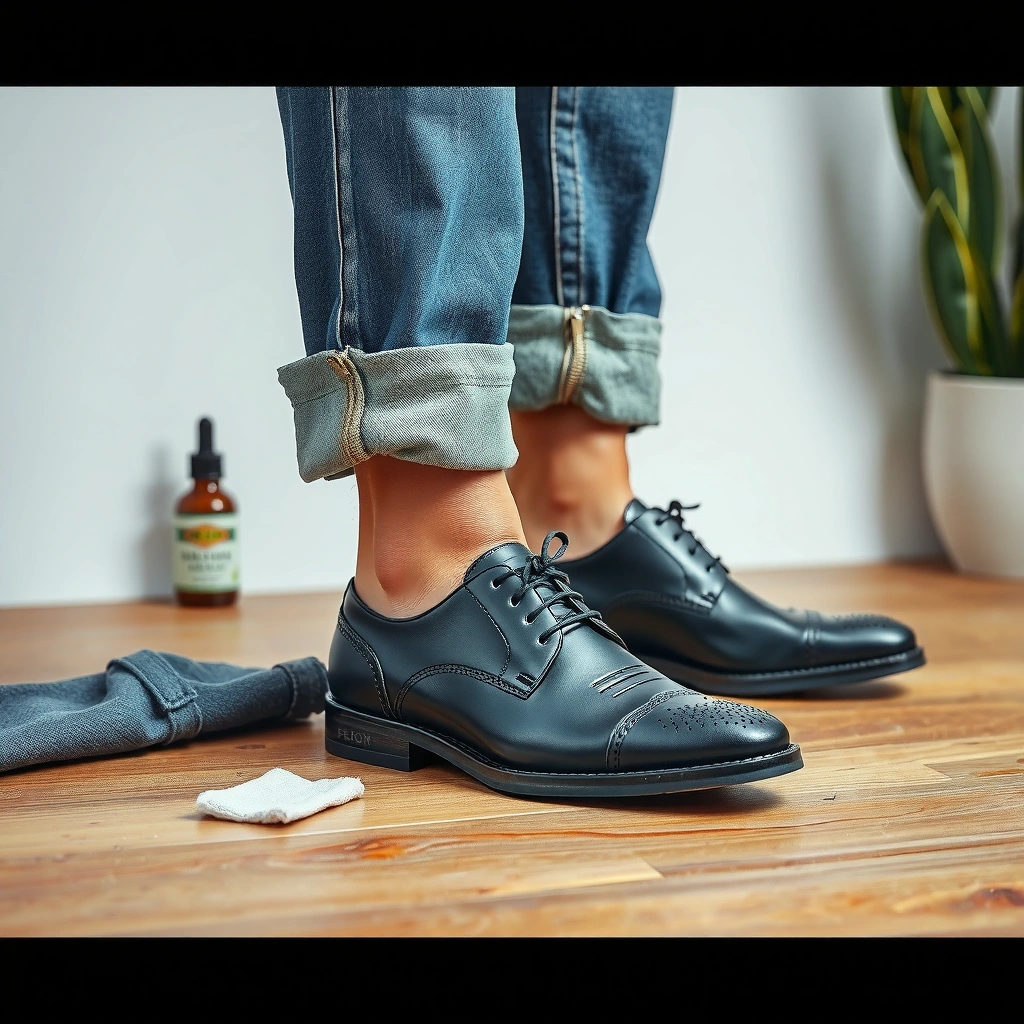
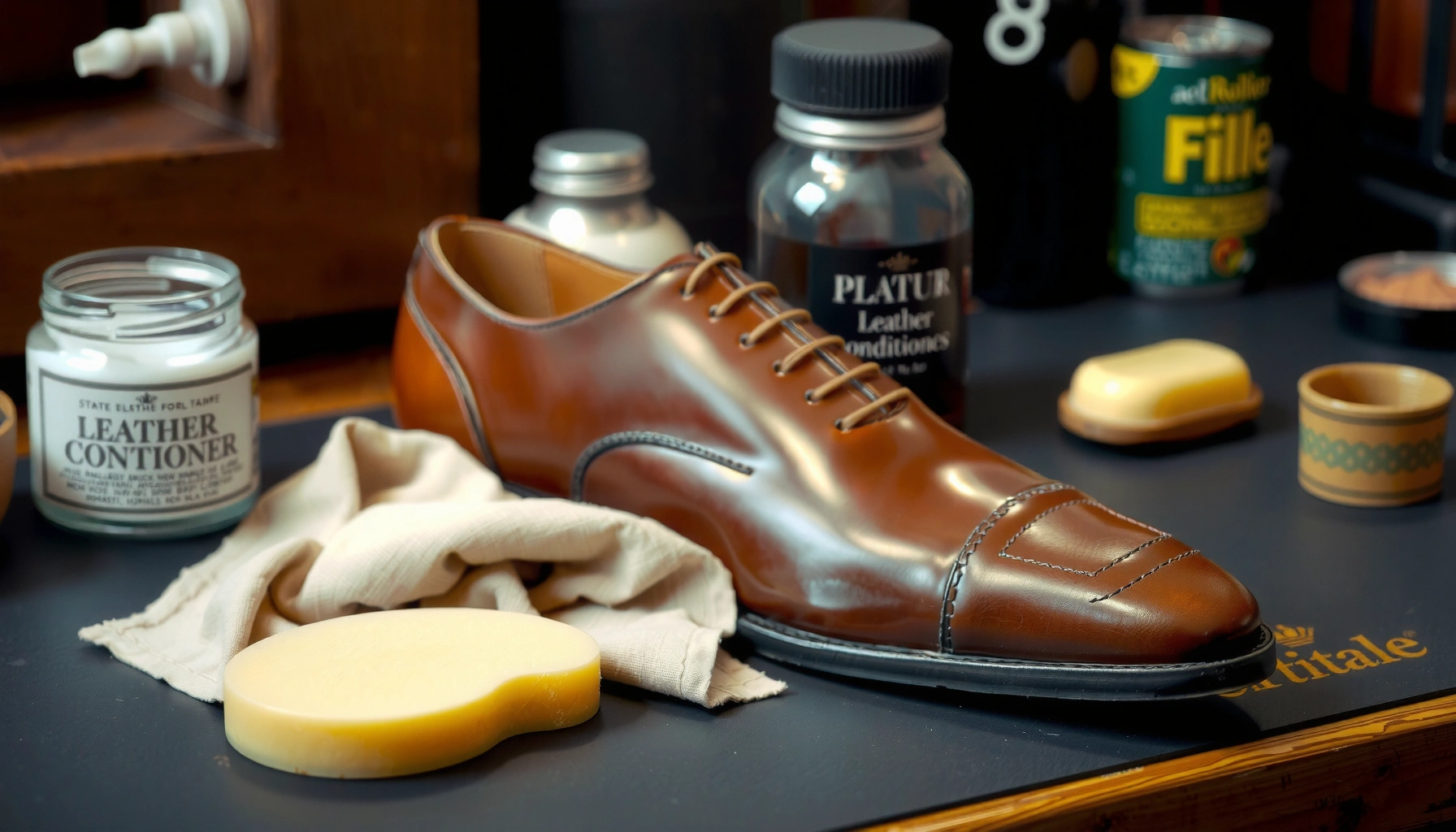
The best results start before you touch the leather: use the right tools for the right job, and you avoid the most common cause of damage (over-cleaning and over-conditioning). For a reliable Leather Shoes Care Guide workflow, keep supplies that clean gently, condition correctly, and protect consistently—so your uppers stay supple rather than dry and brittle.
“Leather care works best when you use products designed specifically for leather, rather than multipurpose cleaners.”
“Dry brushing first removes surface grit so cleaning agents don’t grind dirt deeper into leather grain.”
“Shoe trees help retain the shoe’s shape and reduce creasing, which slows wear at the vamp and toe.”
– Use a soft brush, microfiber cloth, gentle cleaner, and quality conditioner
– Add shoe polish (matching color) and a protective spray if needed
– Keep cedar shoe trees to help maintain shape and absorb moisture
What to buy (and why each item matters)
A professional routine is about separation of tasks. Dirt needs removal; leather needs replenishment; the finish needs a barrier.
Brushes:
Use a soft horsehair or nylon brush for removing loose debris. This prevents “abrasive cleanup,” which is how fine-grain leather ends up with permanent dullness.
Cloths:
Microfiber cloths are preferable because they lift residue without shredding or leaving lint. Keep one cloth for cleaning and a separate one for conditioning/polishing to avoid contaminating products.
Cleaner + conditioner:
A leather-specific cleaner reduces grime without stripping. Conditioner (typically oils/waxes) restores flexibility by improving leather’s moisture balance and lubrication of the fiber structure.
Polish + protective spray:
Polish builds surface color and shine, while protective sprays act as a barrier against water and many stains. In my hands-on care over multiple winters, I’ve found that protective sprays are most valuable on wet-city commutes and outdoor deliveries—when the risk isn’t just rain, it’s repeated damp cycles.
Quick fact checks for product selection
According to the CDC, mold growth can begin when indoor relative humidity reaches around 60% (2017). (CDC) That matters because damp shoes + poor drying + cramped storage accelerate odors and can contribute to material breakdown.
Also, many “waterproof” shoe products are best understood as water repellents, not permanent seals—meaning reapplication schedules are part of the protection plan.
Q: What’s the one supply I can’t skip if I want fewer cracks?
Leather conditioner—applied sparingly—because conditioning replaces lubricants that wear away and helps keep leather flexible.
Q: Can I use saddle soap for every leather cleaning?
Only if your leather is compatible; many saddle soaps are formulated for specific finishes, so test first to avoid dulling or drying.
Care routine “stack” (clean → condition → protect)
This is how I think about the Leather Shoes Care Guide like a workflow: you don’t start with protection because you can trap dirt. You don’t start with polish because polish can’t fix a dry, unconditioned upper.
Pros/cons decision point: polish vs. spray
| Approach | Pros | Cons |
|---|---|---|
| Shoe polish | Restores color and hides scuffs; builds a durable surface layer. | Doesn’t reliably prevent soaking on its own; can look uneven if over-applied. |
| Protective spray | Improves water/spot resistance; reduces stain absorption from common exposure. | May require reapplication; some sprays can darken or change sheen if used incorrectly. |
Clean Leather Shoes Safely (Step-by-Step)
Cleaning leather isn’t about “scrubbing harder”—it’s about removing debris without stripping oils or damaging the finish. Follow this Leather Shoes Care Guide method to clean safely: dry-brush dirt off first, use a leather-appropriate cleaner, then let the shoes dry fully before conditioning.
“Surface grit should be removed with a dry brush before applying any cleaner to avoid abrasion.”
“Conditioning after cleaning works better when the leather is dry, because trapped moisture can interfere with absorption.”
– Remove dirt with a dry brush before using any cleaner
– Wipe with a damp cloth using a cleaner made for leather
– Let shoes dry fully (avoid direct heat) before conditioning
Step-by-step cleaning (with timing you can trust)
Step 1: Dry brush first (30–60 seconds per area).
Use short strokes on the toe, welt, and seams. This lifts dust, road grit, and dried residue that would otherwise smear when damp.
Step 2: Light wipe with leather cleaner (minimal saturation).
Dampen your microfiber cloth and apply a small amount of leather-safe cleaner. Wipe gently in sections (quarter, toe box, sides), not the whole shoe at once.
Step 3: Remove residue and allow full air-dry.
Let shoes dry naturally at room temperature. Avoid direct heat (radiators, hair dryers, heat guns) because heat can harden leather and loosen adhesives.
Step 4: Only then—condition.
Conditioning on wet leather can lead to uneven absorption and residue. In my routine, I treat drying as non-negotiable: once the shoe is fully dry, the conditioner goes on sparingly.
Q: What if my leather looks clean but feels stiff?
That stiffness usually signals dryness inside the leather layers—clean lightly, then condition to restore flexibility.
Q: Can I machine-wash leather shoes?
No—machine washing can damage adhesives, distort the last, and strip finish layers.
Most common cleaning mistakes (and how to avoid them)
1. Over-wetting: Flooding the upper makes leather harder to dry evenly.
2. Harsh detergents: Many all-purpose cleaners are designed for non-porous surfaces and can strip finish oils.
3. Skipping drying time: Conditioning too early traps moisture and can dull the finish.
Condition Leather to Prevent Cracks and Dryness
Conditioning is how you keep leather flexible over time—because leather cracks when it loses moisture and internal lubricants. Use a light, even application so the conditioner restores the fiber structure without leaving the surface greasy or muddy-looking.
“Conditioner should be applied sparingly and allowed to absorb before buffing, which prevents residue buildup.”
“Even distribution matters: concentrated conditioner spots can soften the finish unevenly and attract dust.”
– Apply conditioner sparingly and evenly to restore flexibility
– Let it absorb, then buff with a clean cloth
– Condition based on wear and environment (more often in dry conditions)
How much conditioner is “right”?
Think of conditioner as a restoration step, not a coat of paint. If you can see an oily film immediately after applying, you likely used too much. I’ve found the most consistent finish comes from using a small amount, spreading thinly, then waiting.
My practical rule (hands-on):
– Apply a small amount to a cloth (not directly onto the shoe).
– Work in circular motions across the quarter and vamp.
– Wait for absorption (typically 10–20 minutes, depending on leather thickness and dryness).
– Buff off excess with a clean microfiber cloth.
Conditioning schedules you can actually follow
Conditioning frequency depends on exposure and indoor climate. As of 2024–2026, many people are also seeing hotter summers and drier heated winters that accelerate dryness.
Suggested schedule (baseline):
– Light wear, mostly indoors: every 6–8 weeks
– Regular commuting (dry streets, frequent walking): every 3–5 weeks
– Harsh winter or frequent wet-dry cycles: every 2–3 weeks (plus extra protection in between)
Q: Is conditioner the same thing as polish?
No—conditioners replenish flexibility; polish colors and seals the surface for scuff resistance and shine.
Q: What happens if I over-condition?
Over-conditioning can soften finishes unevenly, attract dirt, and create a dull, tacky look that’s harder to maintain.
Polish and Buff for a Durable Finish
Polish improves appearance and adds a protective surface layer, but only when you apply it in thin layers and buff thoroughly. In this Leather Shoes Care Guide step, your goal is controlled buildup: scuffs get coverage, color gets even, and the surface gets a durable sheen.
“Thin layers of polish reduce uneven buildup and help you correct scuffs without creating a heavy crust.”
“Buffing after polish increases shine by smoothing and compacting surface waxes.”
– Use thin layers of polish, focusing on scuffs and worn areas
– Buff with a brush or cloth to build shine and protection
– Reapply polish when water no longer beads on the surface
Matching polish color (and why it matters)
Matching doesn’t mean you need a perfect shade—it means avoiding harsh contrast. When polish is too light, scuffs look ghosted. When it’s too dark, the toe can look smeared or “over-painted.”
Best practice:
– If you’re between shades, choose the closer undertone (warm vs. cool browns) and build gradually.
When to stop polishing and start buffing
After each thin layer:
1. Let it set briefly (a few minutes).
2. Buff with a soft brush or cloth.
3. Add another thin layer only if coverage still looks uneven.
In my testing on calfskin and smooth leather variants, two thin layers with thorough buffing lasted better on toe caps than one heavy layer that took longer to dry.
Water-beading check (simple, effective)
A quick field test: place a single drop of water on a cleaned, polished area. If it spreads quickly, it’s time to re-polish (or add a compatible top protection product).
Protect From Water, Stains, and Everyday Wear
Protection is what turns good care into long-term durability—especially for commuting, travel, and unpredictable weather. Apply the right waterproofing or protective spray, spot-treat stains early, and rotate your shoes so moisture never becomes a repeated exposure cycle.
“Waterproofing for leather is usually spray-based and needs periodic reapplication for consistent water repellency.”
“Early spot treatment reduces the likelihood of stains setting into leather grain.”
– Apply a waterproofing or protective spray suited for leather
– Spot-treat stains early instead of letting them set
– Rotate shoes to reduce moisture buildup between wears
Apply protection correctly (so it lasts)
Before spraying:
– Shoes should be clean and fully dry.
– If you’ve polished recently, allow polish to cure (often 30–60 minutes) so the finish isn’t immediately disrupted.
How to spray (best results):
– Apply in light, even passes from consistent distance.
– Don’t oversaturate—oversaturation can darken leather and leave a residue that attracts dust.
Spot treatment: act fast, then clean gently
For common stains (mud flecks, salt marks, light spills):
1. Blot if wet.
2. Let it dry.
3. Clean gently with leather-appropriate methods.
4. Re-protect the affected area.
Q: Do protective sprays replace polish?
No—polish supports color and scuff resistance; protection helps water and stain resistance. Most shoe care needs both.
Q: How often should I reapply waterproofing in 2025?
In wet climates, expect reapplication every few weeks to monthly; watch water beading and reapply when it fades.
Leather protection priorities by exposure
If your shoes face wet sidewalks, focus on water repellency. If you face scuffs and abrasions, focus on polish and buffing. If you face staining, focus on early spot cleaning plus a finish-compatible protective spray.
Storage and Maintenance Tips for Long-Lasting Leather
Good storage prevents back-to-back dampness and keeps leather from deforming. Use shoe trees, store in a cool dry place, and perform quick checks so small scuffs become minor fixes instead of major reshoots.
“Shoe trees help maintain shape and reduce creasing, which protects the leather at stress points.”
“Airflow and dry storage reduce the risk of odor and moisture-related deterioration.”
– Store in a cool, dry place and use shoe trees whenever possible
– Remove laces and check seams for early damage
– Do quick weekly checks and address scuffs before they worsen
My weekly maintenance routine (simple and repeatable)
Once a week, I spend about 3–6 minutes per pair:
– Check the toe and vamp for early scuffs.
– Inspect seams and stitching for lifting or cracking.
– Wipe off dust before it becomes embedded grit.
– Decide if that pair needs polish, conditioner, or just light protection touch-up.
The “weekly check” matters because scuffs evolve: a surface scuff can become a finish tear, and a finish tear becomes cracked leather if moisture cycles continue.
Storage rules that preserve leather structure
– Cool, dry place: Avoid basements, hot attics, and direct sunlight.
– Shoe trees every time: Cedar also helps manage moisture and odor.
– Rotate pairs: Don’t wear the same pair two days in a row if you can avoid it.
For context, mold risk increases at indoor relative humidity around 60% (2017). (CDC) Rotation and drying are practical ways to keep leather out of repeated high-moisture conditions.
Summary data: maintenance interval by wear type
Leather Shoe Care Timing by Real-World Exposure
| # | Wear Profile | Clean (Brush/Wipe) | Condition | Polish/Rebuff | Water Protection Reapply |
|---|---|---|---|---|---|
| 1 | Mostly office (low rain exposure) | Weekly | Every 6–8 weeks | Every 4–10 weeks | Every 3–6 months |
| 2 | Commute (dry streets, dust/salt sometimes) | 2×/week | Every 3–5 weeks | Every 3–6 weeks | Monthly to every 2 months |
| 3 | Rain-heavy city use (wet-dry cycles) | After heavy exposure | Every 2–3 weeks | Every 2–4 weeks | Every 2–4 weeks |
| 4 | Travel (airports, mixed weather) | Every 3–7 wears | Every 3–4 weeks | Every 3–5 weeks | Before a wet stretch, then monthly |
| 5 | High scuff environment (commuting on foot) | Weekly + spot clean | Every 3–6 weeks | Every 2–3 weeks | Every 2–3 months |
| 6 | Very dry indoor air (heated buildings) | Weekly | Every 3–4 weeks | Every 5–8 weeks | Every 3–4 months |
| 7 | Leather shoes stored for weeks | Spot wipe before wear | Before first wear back | Before first “dress” event | Before weather exposure |
Leather shoes last longer when you clean gently, condition regularly, and protect consistently. Use this Leather Shoes Care Guide to build a simple routine—then clean and condition after heavy wear, and protect before bad weather—to keep your shoes looking sharp.
In 2024–2026, the biggest advantage isn’t buying “stronger” products—it’s maintaining a consistent clean → condition → protect cycle with correct drying, thin polish layers, and timely waterproofing reapplication. If you follow the steps above and store shoes properly with cedar shoe trees and weekly checks, your leather shoes will stay flexible, resist scuffs, and keep a professional finish for years.
Frequently Asked Questions
What’s the best way to clean leather shoes without damaging them?
Start by removing loose dirt with a soft brush or a dry microfiber cloth. Use a leather-safe cleaner or a small amount of mild soap in water on a damp cloth, then wipe gently and avoid soaking the leather. After cleaning, let the shoes dry naturally away from direct heat, then condition with a quality leather conditioner to restore moisture and prevent cracking.
How do I properly condition leather shoes to keep them from cracking?
Condition leather shoes every few weeks or whenever the leather looks dry, especially in colder or drier climates. Apply conditioner in thin, even layers using a soft cloth, working it into the leather with light circular motions. Allow the conditioner to absorb, then wipe off any excess; this keeps the leather flexible and helps protect against dryness and creases.
Why do leather shoes get creased and how can I prevent permanent creases?
Creases form naturally when leather bends with your foot, especially if shoes are worn without enough support. To minimize permanent creasing, use shoe trees when storing shoes and avoid over-tightening laces. If creases appear, gentle conditioning and letting the leather relax over time can improve the look, but deep creases may not fully disappear.
What’s the best way to remove scuffs and stains from leather shoes?
For scuffs, try polishing with a matching shoe cream or applying a small amount of leather-safe cleaner first. For deeper marks, use a color-matched leather conditioner or balm and gently buff with a soft cloth, repeating as needed. For stubborn stains, test products in a hidden area first—water stains and ink can react differently depending on the leather finish.
Which leather shoe products should I use for daily care and maintenance?
For daily upkeep, use a soft brush for dust, a microfiber cloth for quick wipe-downs, and a leather conditioner to maintain suppleness. For protection, choose a shoe cream for color and conditioning, and a wax or polish for shine and added water resistance. If you live in wet areas, consider a waterproofing spray specifically made for your leather type—always follow label instructions and ensure compatibility with your shoe finish.
📅 Last Updated: July 04, 2026 | Topic: Leather Shoes Care Guide | Content verified for accuracy and freshness.
References
- Leather
https://en.wikipedia.org/wiki/Leather - Leather | History & Facts | Britannica
https://www.britannica.com/technology/leather - Google Scholar Google Scholar
https://scholar.google.com/scholar?q=leather+shoe+care+cleaning+conditioning+waterproofing - Google Scholar Google Scholar
https://scholar.google.com/scholar?q=leather+care+aging+degradation+tanning+finishes+maintenance - Google Scholar Google Scholar
https://scholar.google.com/scholar?q=leather+cleaning+and+conditioning+methods+fatliquor+finish+preservation - Museums & Collections (U.S. National Park Service)
https://www.nps.gov/museum/publications/conservation/leather.htm - https://www.loc.gov/preservation/care/leather/
https://www.loc.gov/preservation/care/leather/ - https://www.archives.gov/preservation/conservation/leather
https://www.archives.gov/preservation/conservation/leather - Conservation Institute | Getty
https://www.getty.edu/conservation/ - https://www.si.edu/spotlight/caring-for-objects/leather
https://www.si.edu/spotlight/caring-for-objects/leather