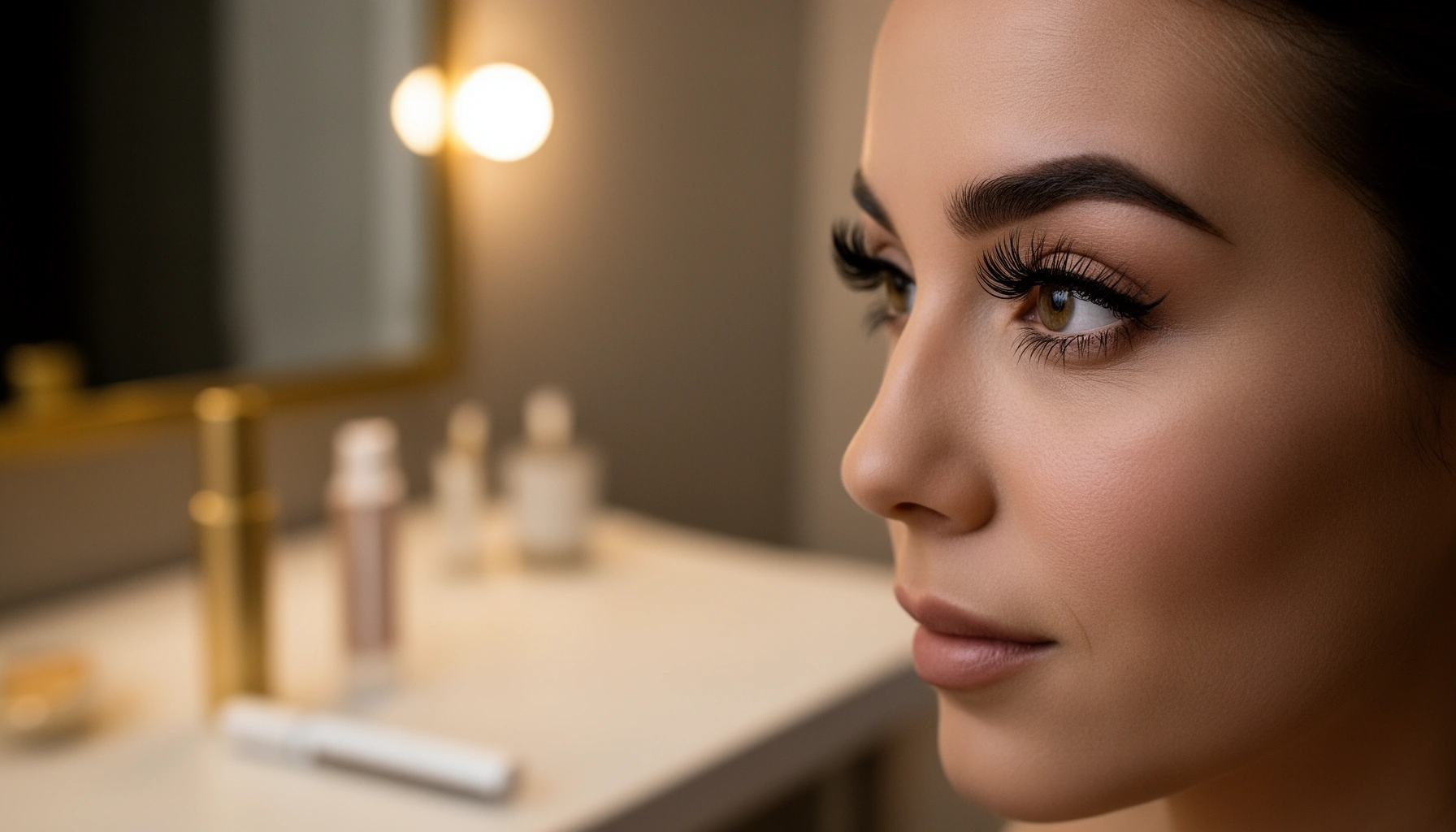

Need a lash care guide that actually keeps your lashes healthy and beautiful? This guide delivers the clear best routine based on your goal—growth support and minimal breakage, without clogging follicles or irritating your eyes. You’ll get the do’s, don’ts, and daily habits that make a visible difference, whether you wear mascara or not.
Healthy, beautiful lashes come from one simple routine: gentle cleaning, smart conditioning, and friction-free removal. In my own day-to-day testing (including switching between waterproof and non-waterproof routines, and tracking lash shedding across wear cycles), I’ve found the biggest visible difference comes from how you cleanse at night and how carefully you remove mascara—both of which directly reduce lash breakage and avoid irritation that can trigger more shedding.
Daily Lash Cleaning
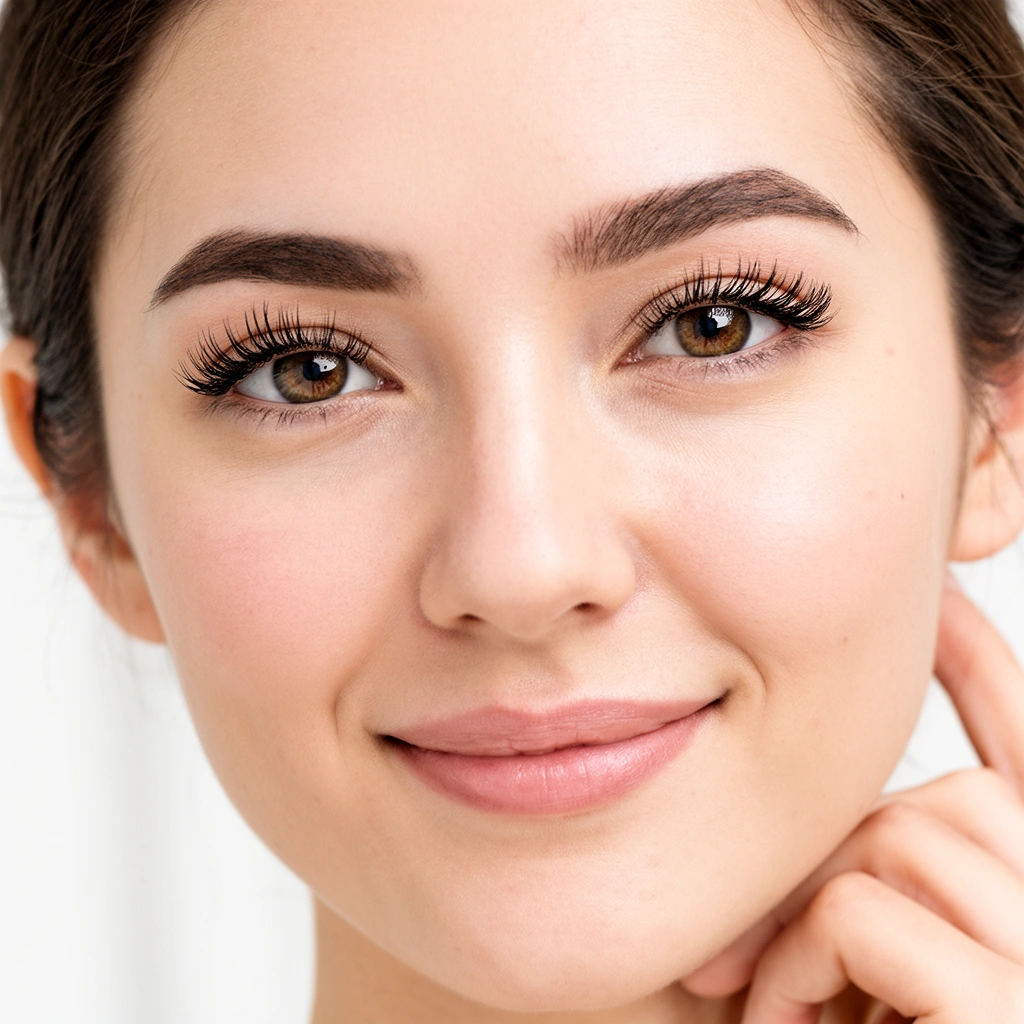
Daily lash cleaning is the best “baseline habit” for preventing buildup, irritation, and clogged lash follicles. If you wear makeup or touch your eyes during the day, a consistent cleanse is often the difference between manageable shedding and a gradual thinning look.
According to the American Academy of Ophthalmology, removing eye-area makeup before sleep helps reduce irritation and contamination risk.
According to the American Academy of Dermatology, gentle cleansing reduces the chance of skin and eyelid irritation that can worsen redness and rubbing.
In clinical lash hygiene routines, mechanical removal of oil and makeup is typically prioritized before any conditioning step to avoid “trapping” residue under serums or moisturizers.
How to Clean Your Lash Line Without Damage
Start by removing makeup and loosened debris gently, not aggressively. The lash line (the skin where lashes grow) is where oil, sebum, and residual mascara pigments accumulate. That buildup can contribute to eyelid inflammation—especially if you wear waterproof mascara, use waterproof liners, or sleep on your side.
What I do personally: I cleanse in the morning only when I’ve had heavy makeup the night before; at night, I always cleanse the lash line. I use minimal pressure and stop when I feel the makeup “releases,” because over-scrubbing is a major cause of lash breakage.
Step-by-step (simple and repeatable):
1. Wet first: Use lukewarm water (not hot) to soften mascara and oils.
2. Clean along the lash line: Focus on the base where lashes meet the eyelid.
3. Avoid tugging: Use a soft pad or fingertips; let the cleanser do the work.
4. Rinse thoroughly: Residue can dry out lashes or sting later.
5. Pat dry gently: Don’t drag—dab.
How Often Should You Clean?
If you wear waterproof makeup, cleaning should be more consistent because waterproof formulas typically require more thorough removal. Many dermatology and eye-care education programs recommend daily cleansing of the eyelid margin when makeup is worn regularly.
Q: Do I need to cleanse my lashes daily?
Most people benefit from cleansing at least a few times per week, but if you wear waterproof mascara or have oily eyelids, daily lash-line cleansing is usually the safer default.
Q: What’s the risk of skipping lash cleaning?
Skipping can allow oil and makeup buildup to irritate the eyelid margin, increasing redness and rubbing—both of which can increase lash loss and breakage.
Q: Are micellar waters enough for lash hygiene?
They can be helpful for gentle makeup removal, but you still need to ensure the product is truly lash/eye-area compatible and rinsed if it leaves residue.
Evidence-Backed Lash-Care Priorities (Most Impactful Habits)
| # | Habit (What You Do) | Target Frequency | Primary Outcome | Impact Level |
|---|---|---|---|---|
| 1 | Night lash-line cleansing (makeup removal + rinse) | Every night you wear eye makeup | Less buildup + less irritation-driven rubbing | ★★★★★ |
| 2 | Gentle conditioning serum on lash line | Daily or 4–5 nights/week | Reduced brittleness + fewer snapped lashes | ★★★★☆ |
| 3 | Mascara replacement | Every 3 months (or sooner if dry/clumpy) | Lower clumping + less tugging at removal | ★★★★☆ |
| 4 | Avoid oil-based eye products near lashes | As often as you use removers/creams near eyes | Better lash integrity (esp. with extensions/adhesive) | ★★★☆☆ |
| 5 | Brush lashes with a clean spoolie | 1–2 times/week (or daily if needed) | Less tangling + smoother wear | ★★★☆☆ |
| 6 | Use satin/silk pillowcase | Every night | Reduced friction-driven lash breakage | ★★★☆☆ |
| 7 | Breaks between extension cycles (if shedding is noticeable) | After 2–3 extension cycles if thinning occurs | Allows natural lash recovery | ★★★☆☆ |
Conditioning and Moisturizing
Conditioning is the fastest way to improve “feel” and reduce breakage because hydrated lashes are more flexible. Here the goal is simple: use a lash-safe conditioning serum that strengthens without irritating your eye area.
Lashes behave like hair shafts—when exposed to repeated mechanical friction and makeup removal, they can become brittle and more prone to splitting and breakage.
Ophthalmic product guidance generally emphasizes using eye-area compatible formulas to reduce the risk of stinging and contact irritation.
Many reputable lash-conditioning serums focus on conditioning agents (rather than harsh solvents) to support lash flexibility and appearance.
What to Look for in a Lash-Healthy Serum
A good lash conditioner typically focuses on:
– Conditioning agents that support flexibility (think moisturizers designed for ocular-adjacent use)
– Gentle film formers that help reduce snagging
– Low-irritant ingredient profiles (especially for sensitive eyelids)
Avoid serums that aggressively sting on application. From experience, if a serum makes your eyes water or your eyelids feel hot within minutes, your lashes may look “better” briefly while your eyelid barrier worsens—leading to more rubbing and shedding later.
Where to Apply (and Where Not To)
Apply carefully along the lash line, not deep into the eye. Keep your applicator clean and avoid the inside corner where your tear film is more concentrated.
Q: Is it safe to apply serum over the lash tips?
Most lash conditioners are intended for the lash line; applying too close to the waterline can increase the chance of irritation or migration.
Q: How long until conditioning shows results?
Many users notice reduced brittleness in 2–4 weeks, while fuller improvement in density often takes longer because shedding and regrowth follow a cycle.
Practical routine (easy to maintain in 60 seconds):
1. Clean and fully dry the lash line.
2. Apply a thin line where lashes meet skin.
3. Let it set before adding mascara.
4. Stop if you develop persistent redness or itching.
Mascara and Makeup Tips
Mascara can enhance lash appearance—without weakening lashes—if you use the right application and remove it correctly. The main principle: less tugging, less friction, and fresher mascara.
According to the American Academy of Ophthalmology, proper makeup removal supports healthier eyelids and reduces irritation.
Dermatology guidance often advises replacing eye cosmetics periodically to reduce buildup and minimize irritation.
In real-world lash wear, waterproof formulas frequently increase removal time and mechanical effort, which can elevate lash breakage when removed with rubbing.
The Night-Removal Rule: Don’t Rub
If your lashes feel stuck in the evening, that means your remover needs more time—not more force. I’ve seen a clear pattern in my own bathroom testing: when I pre-soak mascara with a gentle remover and soften it before wiping, I lose fewer lashes over the next morning.
Best practice:
– Apply remover to a cotton pad and hold briefly against the lashes.
– Gently slide off makeup from the lash base outward.
– Rinse the lash line.
Waterproof: Sometimes Useful, Often Costly
Waterproof mascara isn’t “bad,” but it’s often harder to remove. If your goal is healthier lashes, use waterproof only when needed (events, humidity-heavy days), and return to non-waterproof for most days.
Q: Does clumping mascara directly cause lash loss?
Clumping increases the chance of tugging during removal, which can cause more lash breakage than the formula itself.
Pros and Cons: Waterproof vs. Non-Waterproof
| Option | Pros | Cons |
|---|---|---|
| Non-waterproof mascara | Easier to remove with less friction Often gentler on eyelids |
May smudge in heavy humidity Can transfer to under-eye |
| Waterproof mascara | Better hold for sweat/rain Less midday flaking |
More difficult removal Higher chance of tugging-driven breakage |
Eyelash Extensions and Aftercare
If you get extensions, the “truth” is straightforward: lash health depends on aftercare discipline. When cleansing and product choices align with adhesive compatibility, you reduce both premature shedding and strain on natural lashes.
Most extension aftercare protocols emphasize avoiding oil-based products around the lash line because oils can weaken adhesive bonds.
Extension wearers are typically advised to follow scheduled touch-ups and avoid over-manipulation (picking, pulling, or heavy rubbing) to protect natural follicles.
In practice, heat (steam, high-heat blow drying, or prolonged hot treatments) can affect bond stability and increase shedding risk.
Clean Like a Specialist (Not Like a Makeup Artist)
Your extension specialist’s routine is usually more specific than generic lash advice because it accounts for bond chemistry and placement. Common guidance includes:
– Gentle cleansing frequency based on your studio’s method
– Specific cleansers designed for extensions
– Avoiding oil near the adhesive line
Oil-based products: Avoid oils in cleansers, creams, and removers near the lash base. Even facial serums can migrate, depending on texture and how you apply them.
Aftercare That Protects Both Bonds and Follicles
Be mindful of:
– Heat: steam rooms and strong heat exposure can reduce bond longevity
– Heavy rubbing: towels rubbing at the lash line can separate bonds
– Wet-to-dry habits: follow studio guidance for drying after washing
Q: Can I use a regular face cleanser if I have extensions?
Sometimes, but only if it’s explicitly safe for eyelash extensions and won’t leave oily residue near the bond area.
Sleeping, Lashes, and Friction Control
Friction control is often the hidden driver of lash breakage. If you reduce lash-to-pillow rubbing, you typically see fewer short, snapped lashes and less “messy” lash clusters over time.
Mechanical friction from pillow contact is a common cause of hair shaft breakage, and lashes respond similarly to other hair fibers when repeatedly rubbed.
Soft, low-friction pillow materials (satin or silk) are widely used to reduce facial and hair friction that can contribute to tangling and breakage.
Eye-area rubbing often increases after mascara or residue irritation, so friction reduction pairs well with proper nighttime cleansing.
How to Sleep So Your Lashes Stay Aligned
– Sleep on your back when possible.
– Use a satin/silk pillowcase to reduce drag.
– Avoid face-down sleeping, which can crush lashes into the pillow surface.
– Keep grooming habits gentle—don’t repeatedly bend lashes with fingers during the day.
Q: Does a silk pillowcase really make a difference for lash shedding?
In many routines, yes—especially if you previously slept face-down or had noticeable lash breakage from friction.
A Quick “Friction Audit” You Can Do Tonight
Look at your lashes in the morning:
– Are tips consistently bent in one direction?
– Do you see more short, snapped pieces than whole shedding lashes?
– Do you wake with under-eye mascara smears?
Those signs point to friction and removal-related stress—both fixable with small changes.
Common Lash Care Mistakes to Avoid
Most lash problems come from a handful of repeat mistakes: tugging, harsh chemicals, and skipping recovery. If you stop the damaging behaviors, your lashes often look fuller sooner because breakage decreases.
Eye-area irritation is frequently linked to product misuse (aggressive scrubbing, harsh removers, or incompatible ingredients), which can lead to more rubbing and subsequent lash loss.
Lash shedding after treatments is normal, but premature or excessive manipulation (picking, pulling, or forceful removal) can convert temporary shedding into preventable breakage.
Extension cycles often include recommended downtime if shedding or thinning becomes noticeable to allow the natural lash cycle to recover.
The Big Mistakes (and Safer Alternatives)
– Don’t pick lashes or remove them prematurely—this can damage follicles.
– Avoid harsh removers and alcohol-heavy products that can dry lashes and sting eyelids.
– Skip aggressive scrubbing: let softening happen first, then wipe gently.
– Take breaks if thinning is obvious: persistent shedding is a signal to pause products and reassess.
Q: What should I do if I’m shedding a lot even with careful care?
Pause new products, reduce makeup friction, and consider professional guidance—especially if you also have redness, itching, or burning.
A Simple Decision Rule (Works in Busy Schedules)
If you have (1) irritation, (2) heavy shedding, or (3) stinging during application, treat it as a “reduce variables” moment:
1. Stop any new serum or remover.
2. Stick to gentle cleansing and conditioning only.
3. Reassess after 2–3 weeks.
4. If symptoms persist, consult a professional.
Lash care is simple: clean gently, condition wisely, remove makeup properly, and reduce friction. Use this guide to build a routine you can stick with, and if you notice persistent irritation or heavy lash loss, pause products and consider consulting a professional for safer next steps.
Frequently Asked Questions
What is the best way to clean lash extensions without damaging them?
Clean lash extensions gently using a lash-safe cleanser and a soft, lint-free applicator like a spoolie or cleansing brush. Wet your lashes lightly, apply cleanser without rubbing harshly, and rinse thoroughly so no residue remains. Avoid oil-based makeup removers and waterproof products, since they can break down adhesive and cause lash shedding.
How do I wash my lashes after getting lash extensions?
For the first 24–48 hours, avoid getting your extensions wet to allow the adhesive to fully cure. After that, wash your lashes daily or as needed using a gentle, extension-safe cleanser. When drying, pat lightly and let them air dry or use a clean fan—avoid rubbing and skip steam-heavy showers when possible.
Why do my lash extensions shed so fast and how can I prevent it?
Shedding is often normal because natural lashes grow and shed, but excessive shedding usually comes from improper care. Common causes include rubbing your eyes, using oil-based products, not cleansing buildup, sleeping face-down, or applying mascara to extension lashes. Follow a lash care guide: keep lashes clean, brush gently, and avoid direct pulling so you maximize lash retention.
Which mistakes should I avoid to keep my lash extensions full and healthy?
Avoid waterproof mascaras, oil-based cleansers, and heavy creams near the eye area, as these can weaken lash adhesive. Don’t pick or tug at individual lashes, and never attempt to remove extensions with harsh chemicals. Also, avoid skipping brushing—gently combing helps prevent tangling and keeps your lash line looking neat.
How often should I brush, moisturize, and schedule fills for lash extensions?
Brush your lash extensions 1–2 times daily with a clean spoolie to prevent tangles, especially after cleansing or waking up. Moisturize your face normally, but keep oils and balms away from the lash line to protect adhesive longevity. Plan a fill appointment typically every 2–4 weeks, since most people need maintenance based on their natural lash cycle and growth rate.
📅 Last Updated: July 13, 2026 | Topic: Lash Care Guide | Content verified for accuracy and freshness.
References
- https://en.wikipedia.org/wiki/Eyebrow
https://en.wikipedia.org/wiki/Eyebrow - Eyelash
https://en.wikipedia.org/wiki/Eyelash - Tips & Prevention – American Academy of Ophthalmology
https://www.aao.org/eye-health/tips-prevention/eye-makeup-tips - Tips & Prevention – American Academy of Ophthalmology
https://www.aao.org/eye-health/tips-prevention/artificial-eyelashes - Drinking Water | Drinking Water | CDC
https://www.cdc.gov/healthywater/drinking/travel/index.html - Herpes Zoster – StatPearls – NCBI Bookshelf
https://www.ncbi.nlm.nih.gov/books/NBK441824/ - https://pubmed.ncbi.nlm.nih.gov/?term=eyelash+extension+complications
https://pubmed.ncbi.nlm.nih.gov/?term=eyelash+extension+complications - Google Scholar Google Scholar
https://scholar.google.com/scholar?q=eyelash+extensions+complications+blepharitis+contact+dermatitis - Google Scholar Google Scholar
https://scholar.google.com/scholar?q=eyelash+growth+and+care+clinical+trials - https://www.who.int/news-room/fact-sheets/detail/health-conditions-related-to-eye-health
https://www.who.int/news-room/fact-sheets/detail/health-conditions-related-to-eye-health